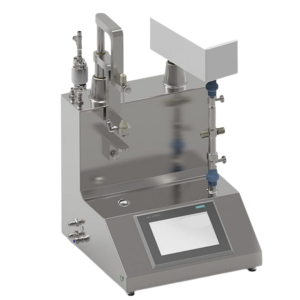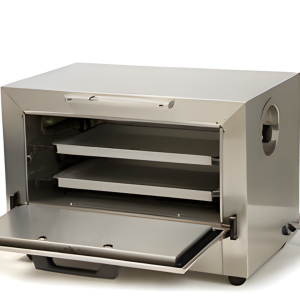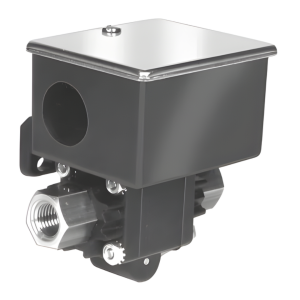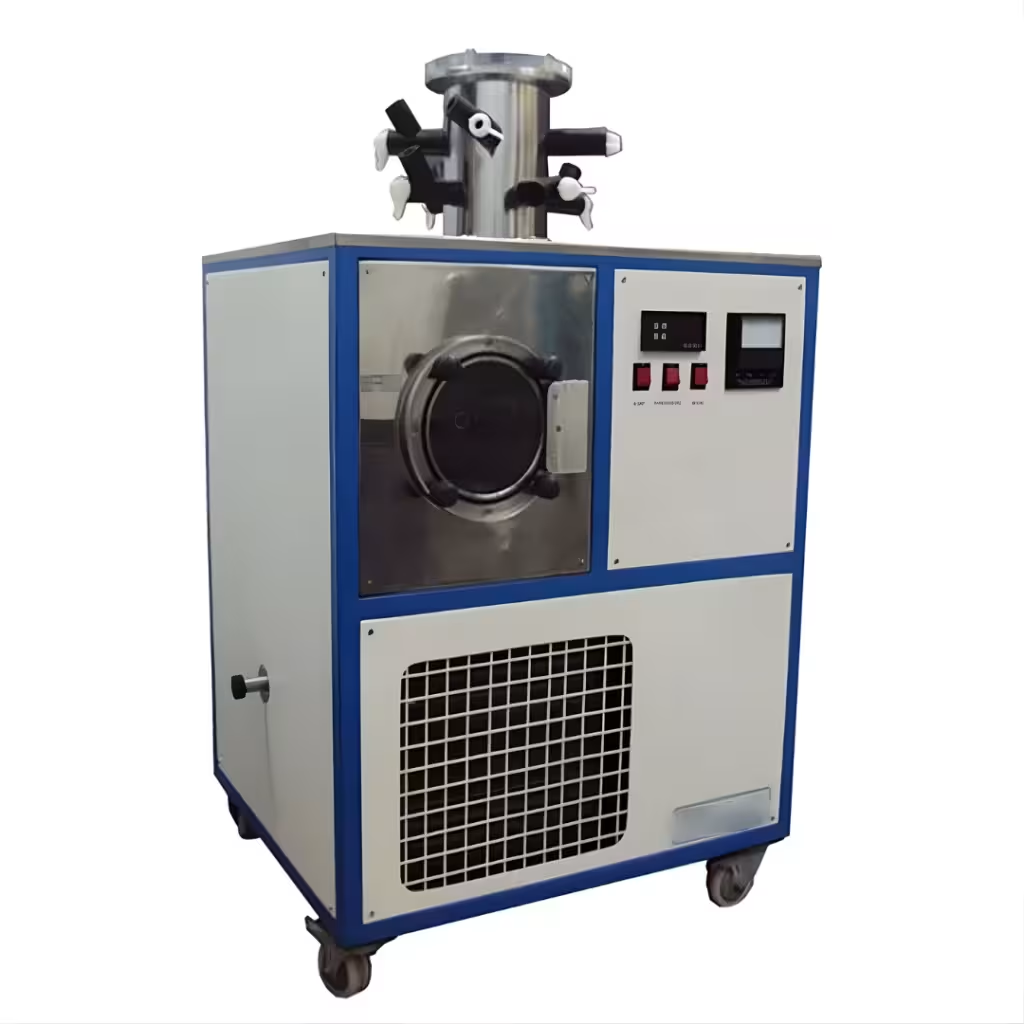
Vacuum Lyophilization Freeze Dryer Enclosures

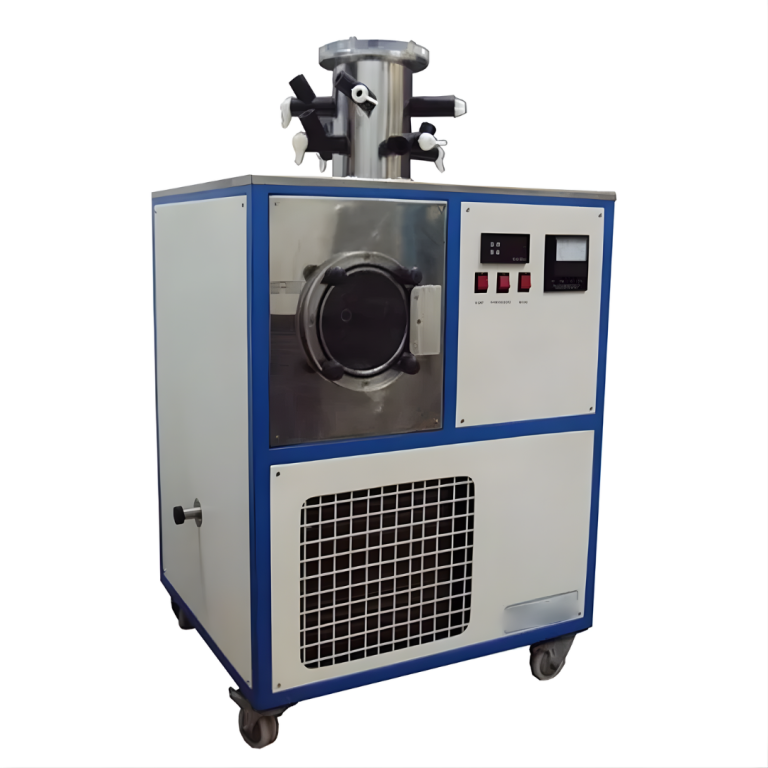
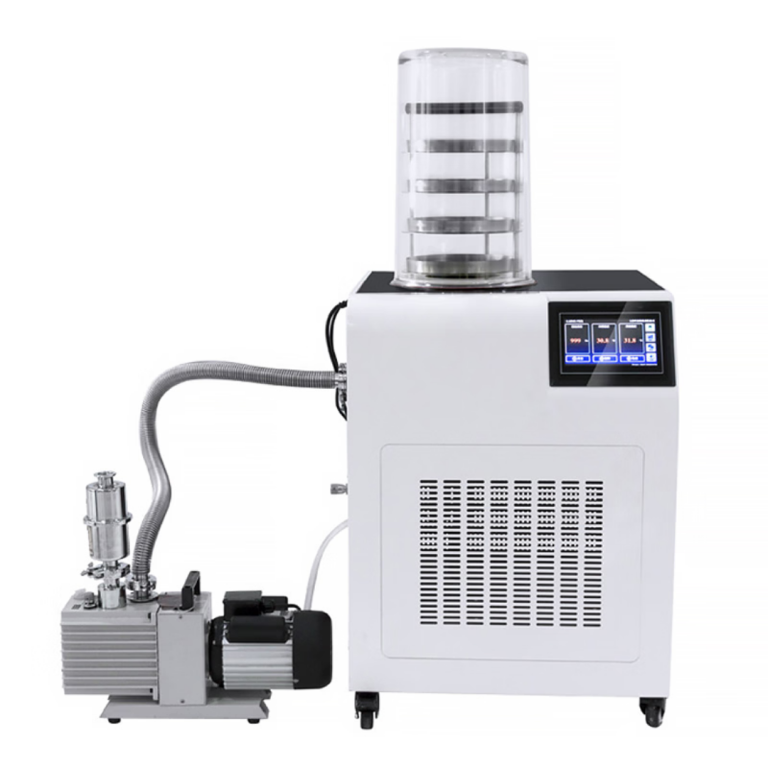
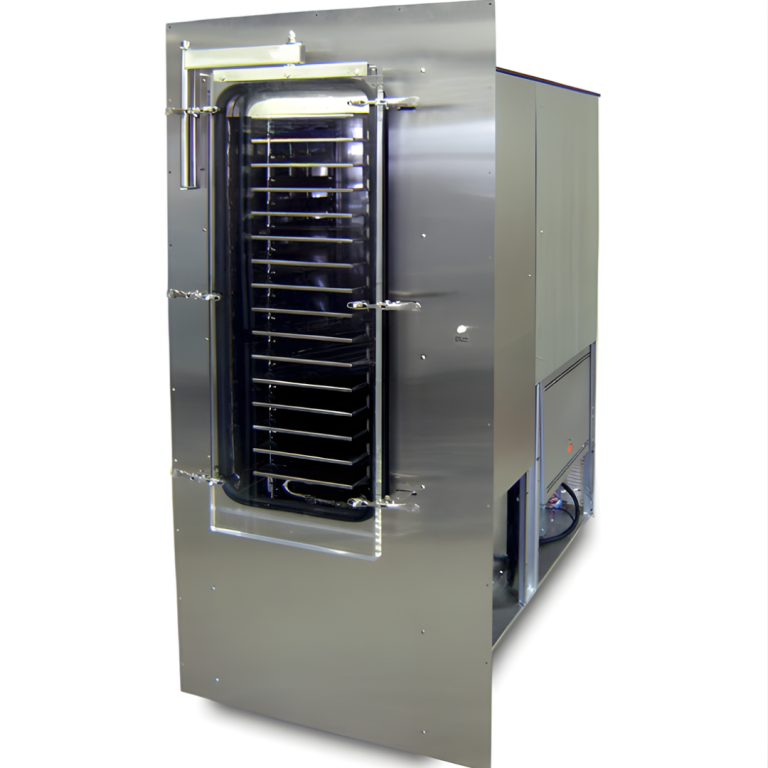
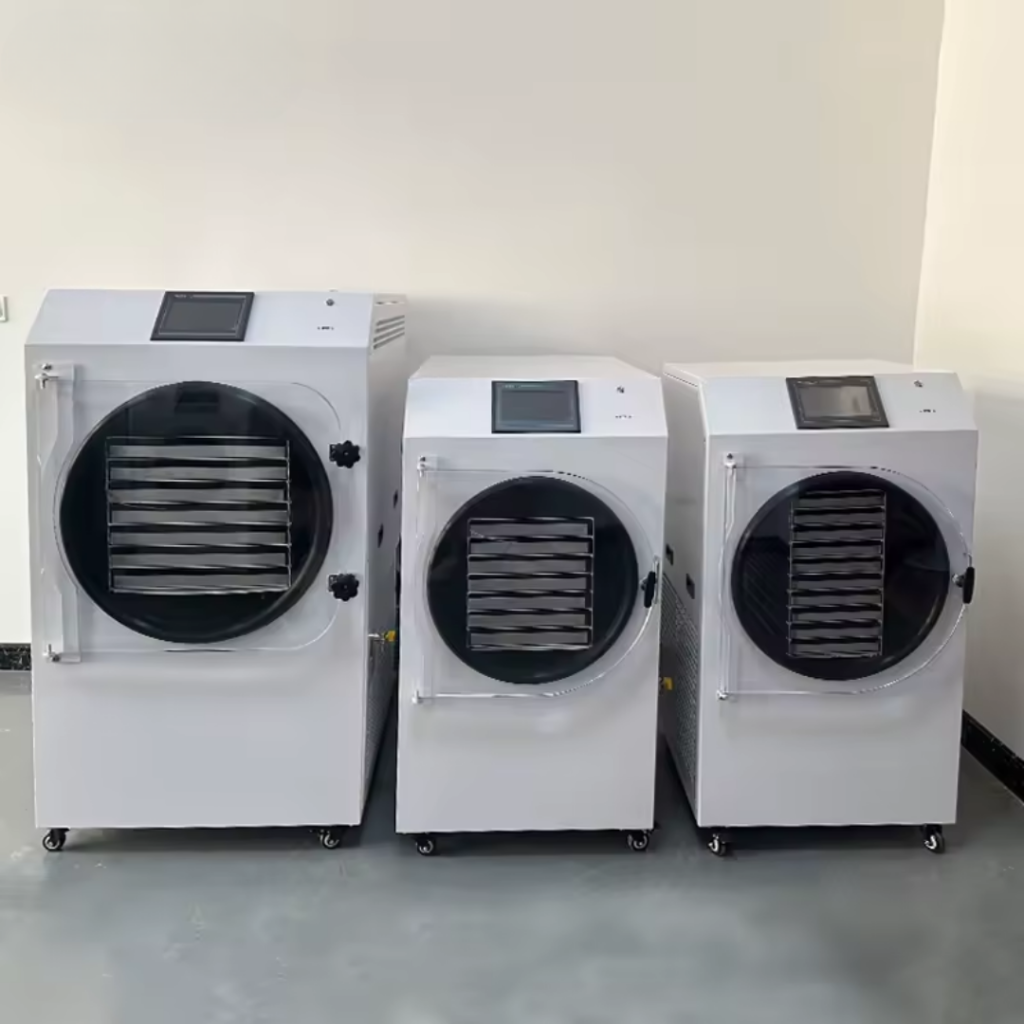
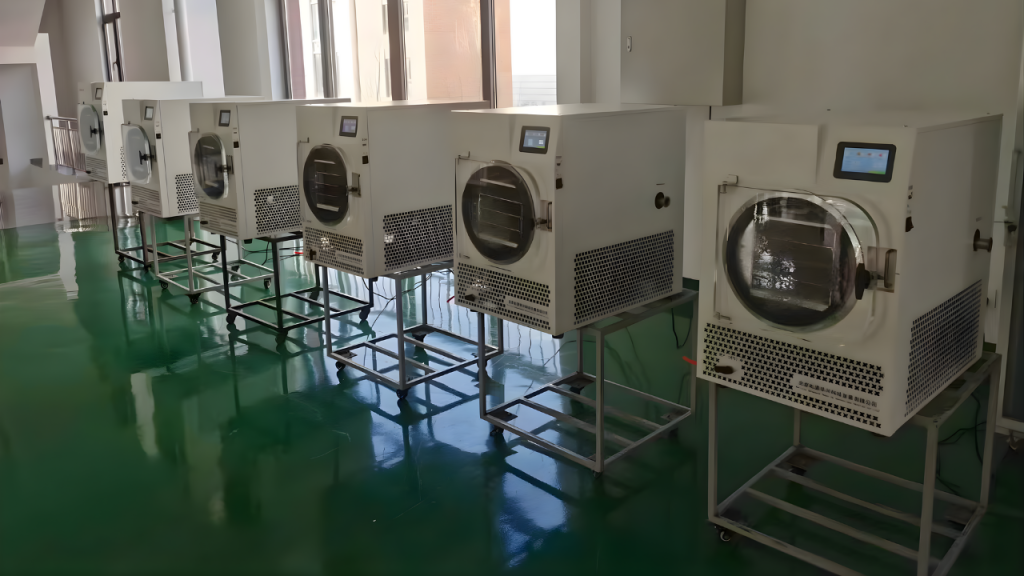
Preserving biopharmaceutical products through freeze-drying requires vacuum chambers removing water content while maintaining protein stability and product efficacy. Vacuum Lyophilization Freeze Dryer Enclosures provide pressure-rated vessels for pharmaceutical lyophilization processes converting liquid formulations into shelf-stable powders. 
HY D R O L Y SIS RESIS T ANCE
Material & Grade
  • Stainless Steel – SS304, SS316L
  • Medical-grade stainless steel
  • Electropolished interior/exterior
  • Vacuum-rated construction
  • Sheet thickness – Up to 5.0mm capable
  • Maximum capable – 3000mm (H) x 2500mm (W) x 2000mm (D)
  • Customizable based on chamber volume requirements
  • Electropolished (Ra ≤ 0.4 μm)
  • Passivated surface (ASTM A967)
  • Mirror finish (interior chamber)
  • Sanitary finish (3A standards) 
  • Thermal insulation coating (exterior)
  • CNC Laser Cutting
  • CNC Punching & Bending
  • TIG Welding (full penetration welds)
  • Vacuum leak testing (helium)
  • Pressure vessel construction 
  • Insulation integration 
  • Stainless Steel 316L Hardware
  • Vacuum-rated door seals
  • Hinged or swing-out doors
  • Pressure relief provisions
  • Chamber port fittings 
  • Observation window hardware

Product Description

Floor-standing configurations accommodate freeze-drying chambers with internal volumes reaching substantial dimensions while withstanding vacuum pressures below 100 millitorr. We engineer pressure vessel construction with full-penetration TIG welds passing helium leak testing ensuring vacuum integrity throughout multi-day lyophilization cycles.  

Mounting Type
  • Floor Standing with reinforced base
  • Fixed installation provisions
  • Vibration-isolated mounting
  • Load-bearing floor requirements
  • Seismic mounting (optional) 
  • Cleanroom integration
  • ISO Class 7 (Class 10,000) installation
  • Cleanroom-compatible construction 
  • Non-particulate shedding materials
  • Smooth cleanable surfaces
  • Sterilization-compatible design
  • CIP/SIP provisions
  • Vibration-isolated mounting
  • Vacuum pump isolation
  • Structural rigidity 
  • Shelf leveling provisions
  • Temperature uniformity maintenance
  • Pressure stability design
  • Hinged chamber door with seal
  • Observation window (heated)
  • Material loading provisions
  • Shelf extraction systems
  • Emergency venting access 
  • Maintenance access panels
  • Vacuum capability – <100 mTorr
  • Temperature range – -60°C to +60°C
  • Shelf temperature control – ±1°C
  • Condenser temperature – -80°C capable
  • Pressure control – ±5 mTorr
  • Leak rate – <10 mTorr/min
  • ASME Section VIII (Pressure Vessels)
  • ISO 13485 (Medical Devices QMS)
  • FDA 21 CFR Part 820 (QSR)
  • EU GMP Annex 1 (Sterile Manufacturing)
  • PED (Pressure Equipment Directive)
  • CE Marked
  • ISO 9001:2015 Manufacturing

Technical Advantages

Vacuum integrity directly affects sublimation rates and product quality requiring leak-tight construction throughout chamber walls, door seals, and port penetrations. Addressing this requirement, continuous full-penetration welds create hermetic barriers validated through helium leak detection achieving leak rates below 10 millitorr per minute. Heated observation windows prevent ice accumulation during primary drying enabling visual monitoring without breaking vacuum compromising batch integrity. 

Shelf temperature uniformity ensures consistent drying across all product containers preventing edge effects where temperature variations cause product collapse or incomplete drying. Electropolished interior surfaces with mirror finishes eliminate surface roughness where ice crystals could nucleate causing product adhesion or contamination concerns. 

Let's Get Started

Need reliable Enclosures for your next project? Get in touch with us today, and we’ll help you find exactly what you need!

Industry Applications

Biopharmaceutical Manufacturing

Preserves monoclonal antibodies, recombinant proteins, and enzymes converting liquid drug substance into stable lyophilized cakes for reconstitution. 

Vaccine Production Facilities

 Stabilizes live attenuated viruses and subunit vaccines through controlled freezing and sublimation extending shelf life without refrigeration requirements. 

Cell Therapy Processing

Cryopreserves cellular products through controlled-rate freezing and lyophilization enabling extended storage of regenerative medicine therapies. 

Diagnostic Reagent Manufacturing

Creates freeze-dried assay components and calibration standards maintaining activity through ambient storage in clinical laboratory applications. 

Pharmaceutical R&D Laboratories

Supports formulation development activities optimizing lyophilization cycles for investigational drug candidates during preclinical and clinical studies. 

Probiotic Manufacturing

Stabilizes bacterial cultures through freeze-drying maintaining viable colony counts in dietary supplement and functional food production. 

Vacuum Lyophilization Freeze Dryer Enclosures

Designed for Process Control

Lyophilization system complexity varies from laboratory-scale units processing research batches to production freeze dryers handling thousands of vials per cycle. Vacuum Lyophilization Freeze Dryer Enclosures arrive in configurations supporting shelf areas from pilot-scale through commercial manufacturing capacities. 

Clean-in-place and sterilize-in-place provisions enable automated cleaning validation without manual chamber entry reducing contamination risks. Frigate manufactures pressure vessels meeting ASME Section VIII requirements with complete quality documentation supporting regulatory approval processes. 

Vacuum Lyophilization Freeze Dryer Enclosures

Having Doubts? Our FAQ

Check all our Frequently Asked Questions

What helium leak testing specifications does Frigate validate in Vacuum Lyophilization Freeze Dryer Enclosures achieving leak rates below 10 millitorr per minute?

Frigate validates chamber integrity using helium mass spectrometer leak testing aligned to pharmaceutical vacuum expectations. Test limits are set from chamber volume, target base pressure, and allowable pressure rise during hold. A documented leak test record is provided to support qualification and maintenance baselining. 

How does Frigate engineer full-penetration TIG welds in Vacuum Lyophilization Freeze Dryer Enclosures creating hermetic vacuum barriers?

To create a stable vacuum barrier, Frigate controls weld quality through – 

  • Full-penetration TIG welding on all pressure boundaries 
  • Controlled weld parameters to reduce porosity risk 
  • Post-weld inspection and surface finishing 

Weld joint geometry and inspection scope are aligned to the vacuum duty cycle and your drawing package. 

Do heated observation windows prevent ice accumulation during primary drying without compromising vacuum integrity?

Yes. Frigate can integrate heated viewing windows that stay above the frost point during primary drying to preserve visibility. Heating elements are isolated from the vacuum boundary so pressure stability is not affected. Window sizing and heater output are tuned to chamber temperature profiles and viewing needs. 

What shelf temperature uniformity does Frigate achieve in Vacuum Lyophilization Freeze Dryer Enclosures preventing product collapse from temperature variations?

Shelf uniformity is achieved when heat transfer is evenly distributed, and Frigate supports that through – 

  • Balanced heat transfer fluid routing across shelves 
  • Precision-machined shelf interfaces for consistent contact 
  • Validated temperature mapping to confirm gradients 

Uniformity targets are tied to allowable product temperature margins and cycle development data you define. 

How does Frigate address electropolished mirror finishes in Vacuum Lyophilization Freeze Dryer Enclosures eliminating ice crystal nucleation sites?

Frigate specifies electropolished interior finishes with low surface roughness to reduce micro-sites that can promote ice nucleation and residue hold-up. Surface finish targets are selected to support cleanability and stable thermal behavior during repeated cycles. A finish verification approach can be aligned to your inspection and validation methods. 

Are thermal insulation panels integrated around chamber exteriors reducing heat leak and condenser refrigeration loads?

To reduce heat leak and stabilize external surface temperatures, Frigate integrates – 

  • High-performance insulation panels around chamber walls 
  • Thermal break strategies to minimize heat bridges at ports and flanges 
  • Controlled panel sealing to prevent moisture intrusion into insulation 

Insulation thickness and material choice are based on refrigeration load assumptions and ambient conditions in your installation. 

What pressure vessel construction standards does Frigate follow in Vacuum Lyophilization Freeze Dryer Enclosures meeting ASME Section VIII requirements?

Frigate builds chambers to ASME Section VIII principles, with materials, weld procedures, and inspection records maintained for traceability. Design margins are evaluated against pressure differentials, door loads, and thermal cycling effects. Documentation can be packaged to support procurement audits and qualification reviews. 

How does Frigate design door seal mechanisms in Vacuum Lyophilization Freeze Dryer Enclosures maintaining vacuum integrity through repeated cycles?

To keep sealing stable over repeated thermal and pressure cycling, Frigate uses – 

  • Vacuum-rated elastomer or metal seal options 
  • Even compression mechanisms around the full perimeter 
  • Alignment features that prevent seal scuffing and distortion 

Seal geometry and preload targets are matched to door size, cycle count, and cleaning chemistry requirements. 

Do clean-in-place provisions enable automated chamber cleaning without manual entry reducing contamination risks?

Yes. Frigate can integrate CIP spray devices, drain geometry, and wetted-surface design choices that support automated cleaning without manual entry. This reduces operator exposure and improves repeatability between campaigns. CIP coverage targets can be aligned to your cleaning validation strategy and rinse criteria. 

What vacuum capability ranges does Frigate specify in Vacuum Lyophilization Freeze Dryer Enclosures supporting pharmaceutical sublimation processes?

Vacuum capability is defined by process targets, and Frigate specifies it by considering – 

  • Base pressure and pressure stability needed for sublimation 
  • Pumping interface compatibility and conductance limits 
  • Leak rate and outgassing constraints from materials and finishes 

Capability ranges are aligned to formulation sensitivity, batch size, and cycle profiles you provide. 

Get Clarity with Our Manufacturing Insights

We'd love to Manufacture for you!

Submit the form below and our representative will be in touch shortly.

LOCATIONS

Registered Office

10-A, First Floor, V.V Complex, Prakash Nagar, Thiruverumbur, Trichy-620013, Tamil Nadu, India.

Operations Office

9/1, Poonthottam Nagar, Ramanandha Nagar, Saravanampatti, Coimbatore-641035, Tamil Nadu, India. ㅤ

Other Locations

GENERAL ENQUIRIES

Get Quote
Support All File Formats Including - STEP | STP | SLDPRT | STL | DXF | IPT | X_T | X_B | 3DXML | CATPART | PRT | SAT | 3MF | JT files

LOCATIONS

Registered Office

10-A, First Floor, V.V Complex, Prakash Nagar, Thiruverumbur, Trichy-620013, Tamil Nadu, India.

Other Locations

GENERAL ENQUIRIES

Get Your Quote Now

New Get Quote form

Vacuum Lyophilization Freeze Dryer Enclosures

Need reliable wires and cables for your next project? Get in touch with us today, and we’ll help you find exactly what you need!

Get Latest Price

Get Price Form

Vacuum Lyophilization Freeze Dryer Enclosures

Need reliable Machining for your next project? Get in touch with us today, and we’ll help you find exactly what you need!

Get Latest Price

Get Price Form