



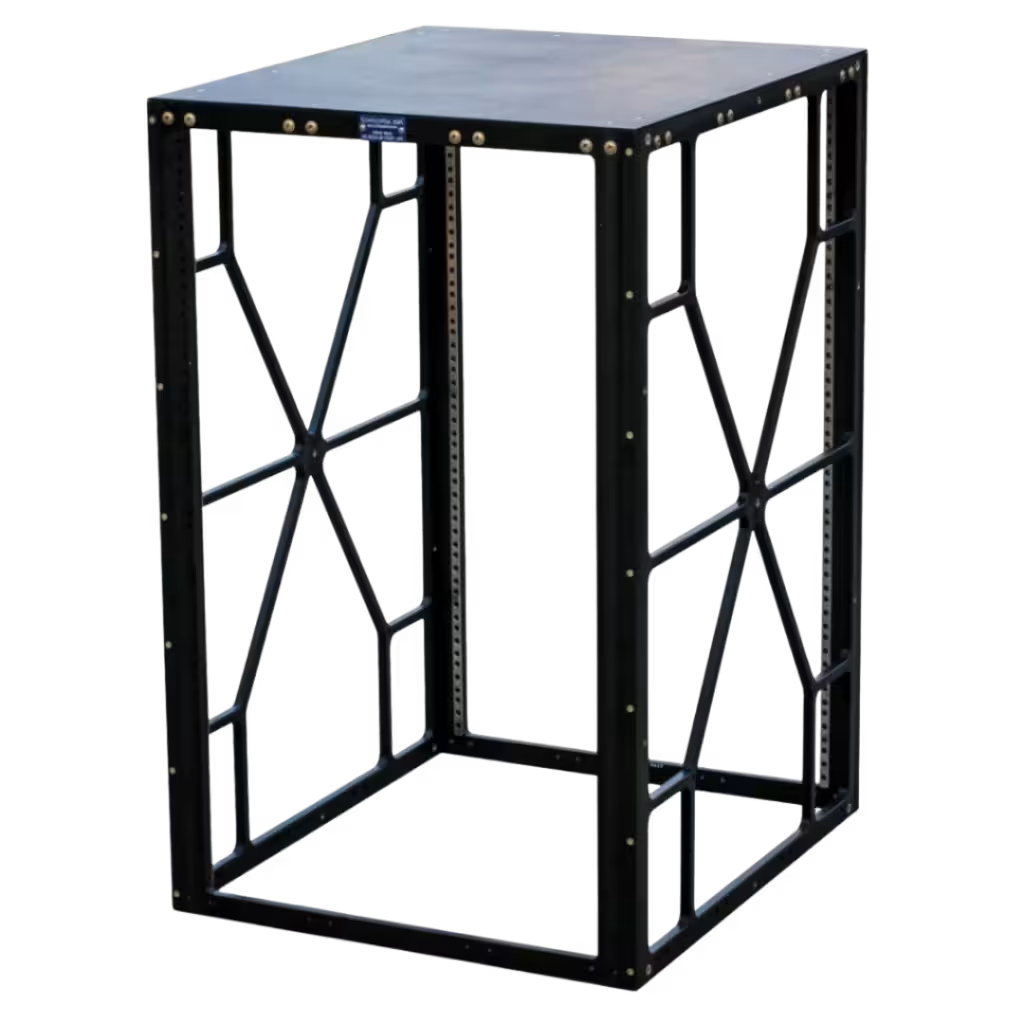
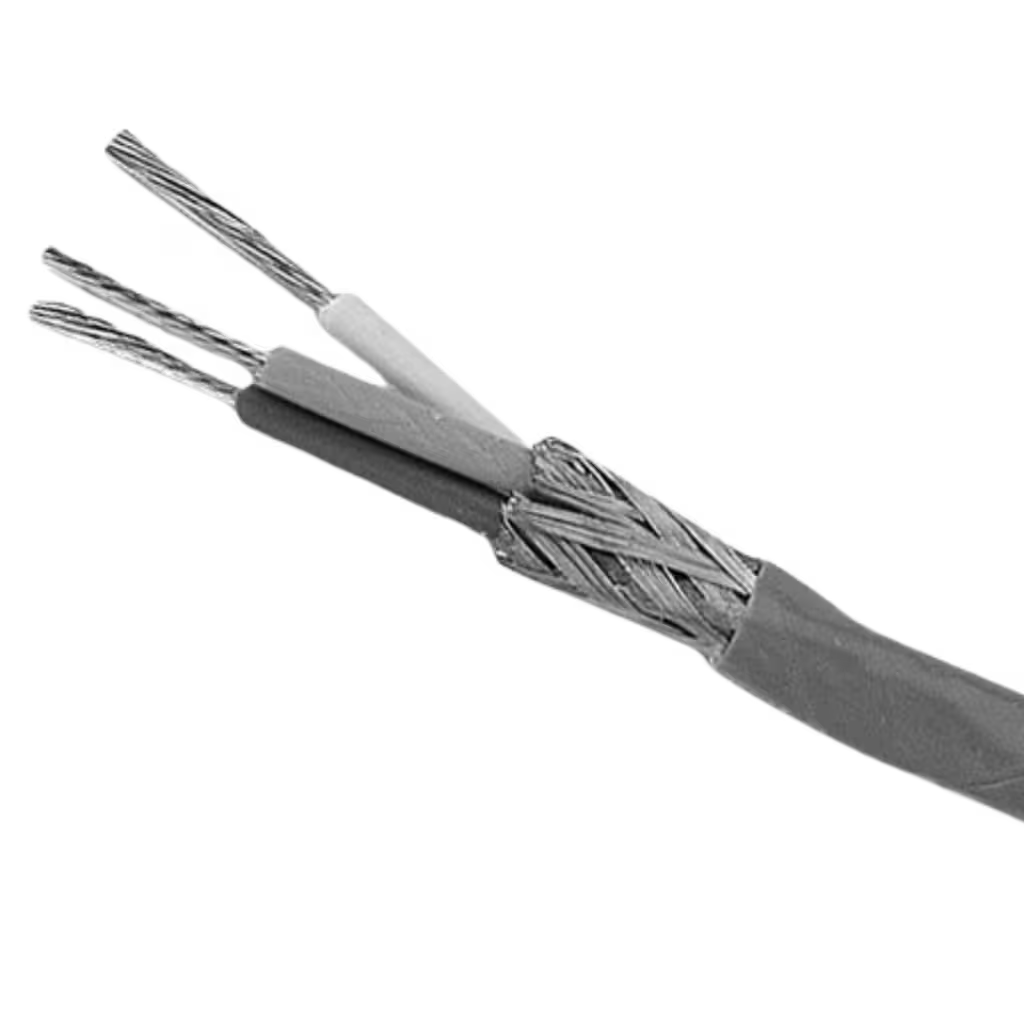

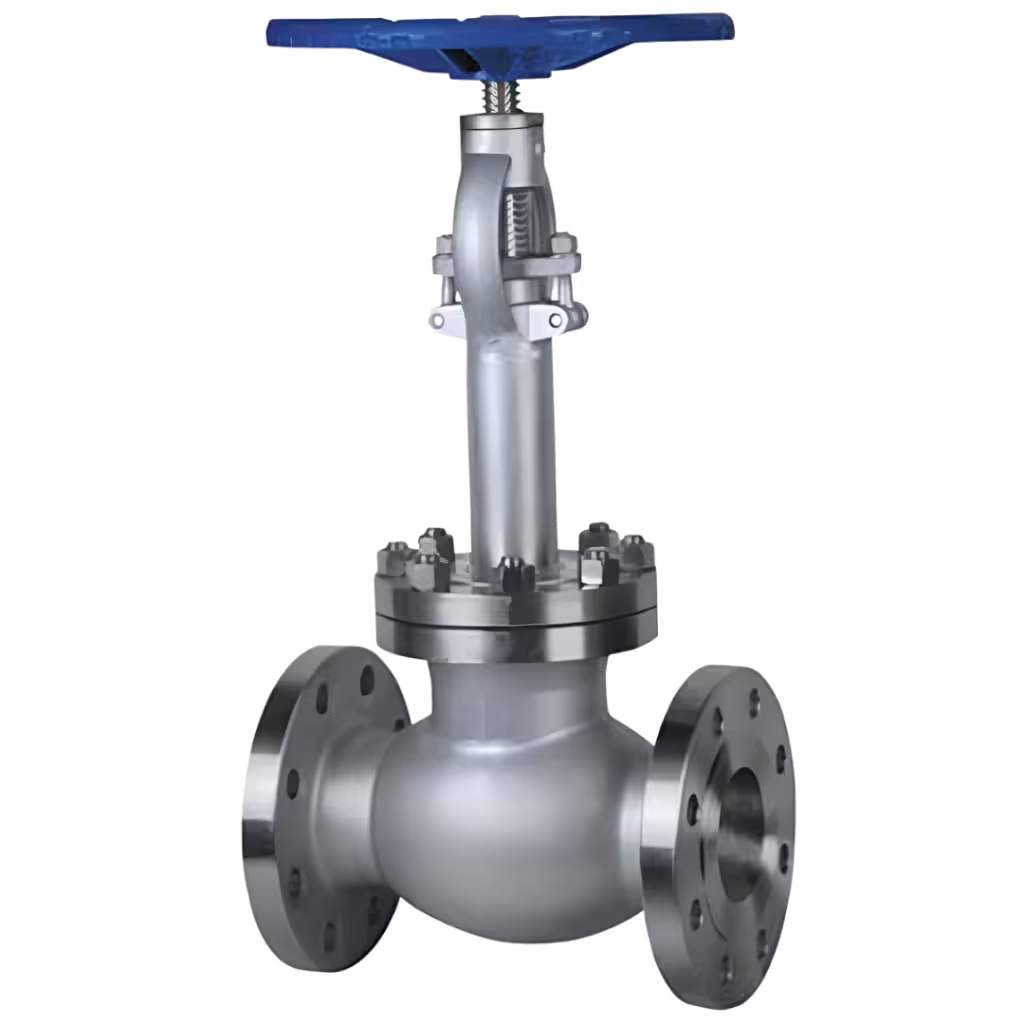
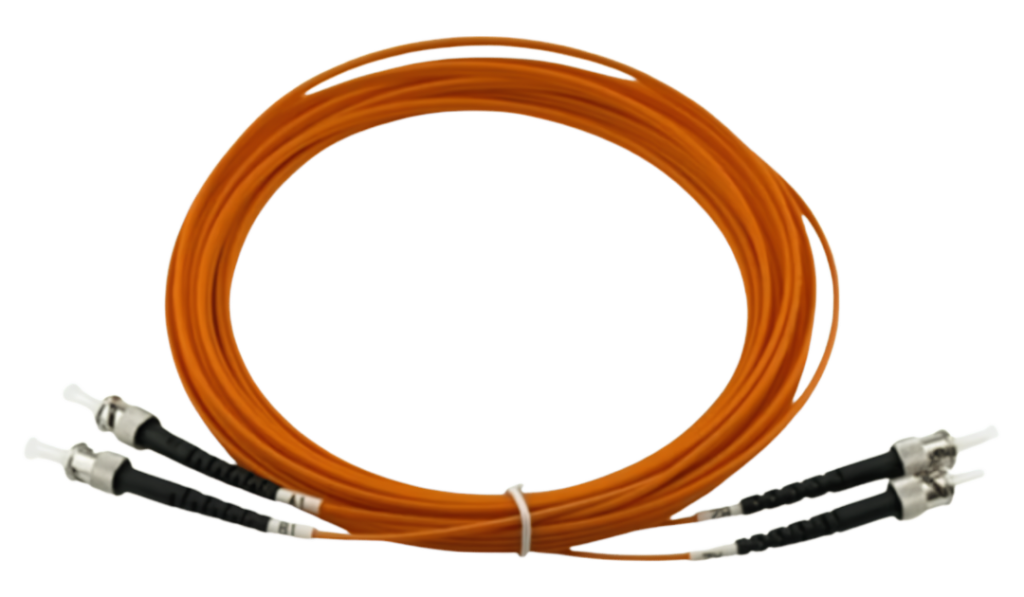


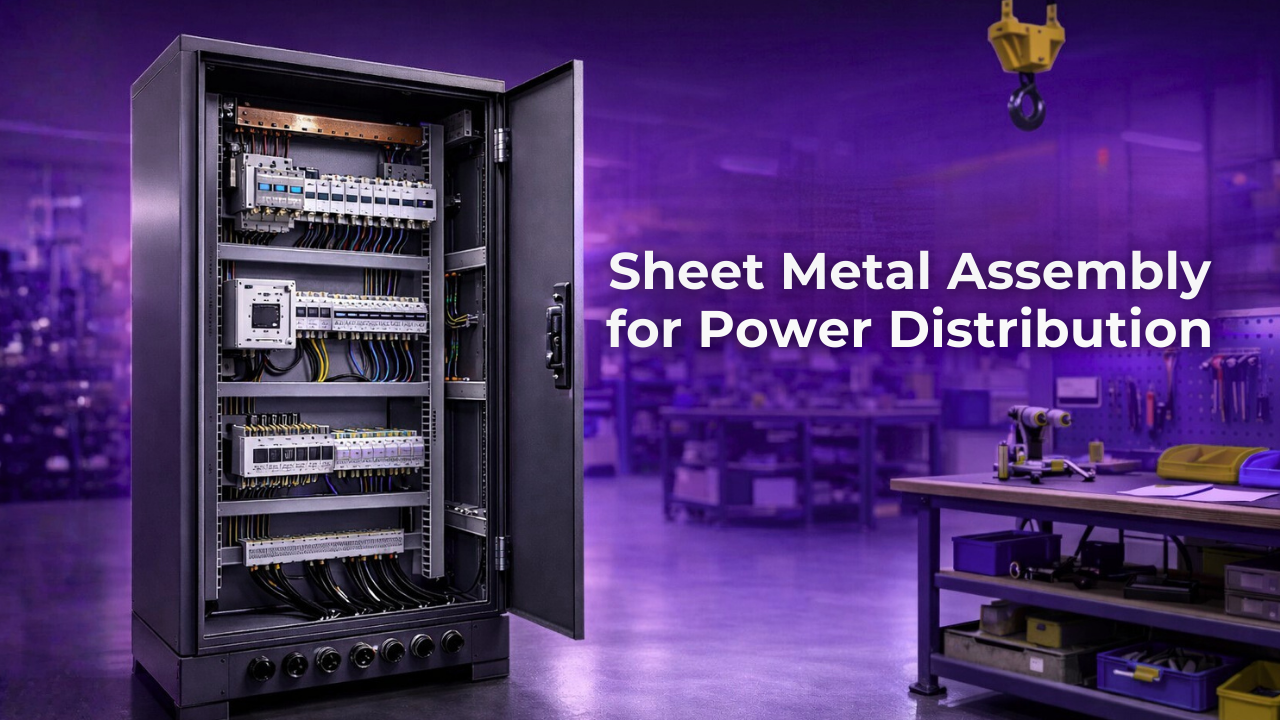
Power distribution systems support factories, hospitals, data centers, renewable energy plants, rail networks, and commercial complexes. Electrical panels and switchgear enclosures protect circuit breakers, busbars, relays, PLCs, and control systems. Any structural failure, overheating issue, or enclosure misalignment can result in downtime, safety incidents, and major financial loss. Industrial studies estimate that electrical downtime can cost between $5,000 and $100,000 per hour depending on facility size.
Rising electrification, renewable integration, and digital monitoring have significantly increased the technical expectations from Sheet Metal Assembly for Power Distribution. Higher current ratings are being integrated into compact footprints. Installation spaces are shrinking. Heat generation is increasing. Safety standards are becoming stricter across global markets.
Key industry pressures include –
- Increased power density inside smaller enclosures
- Greater demand for IP-rated, dustproof, and weather-resistant panels
- Integration of solar, wind, and battery storage systems
- Mandatory compliance with IEC 61439 and UL 508A
- Need for customized panel configurations
Precision has become essential. A dimensional variation of even 1 mm can impact busbar alignment or door sealing performance. Overheating remains one of the leading causes of electrical equipment failure, contributing to nearly 30% of breakdowns globally. Reliable Sheet Metal Assembly for Power Distribution requires disciplined engineering and controlled fabrication to ensure durability, thermal efficiency, and electrical safety.
What Does True Turnkey Sheet Metal Assembly for Power Distribution Actually Deliver?
Fragmented sourcing models create complexity. Laser cutting may be outsourced to one vendor. Bending and welding to another. Surface finishing somewhere else. Final assembly and inspection handled separately. Each transition introduces risk.
Common operational challenges include –
- Misalignment between fabricated components
- Delays caused by logistics coordination gaps
- Lack of unified quality control
- Rework due to tolerance mismatch
- Absence of single-point accountability
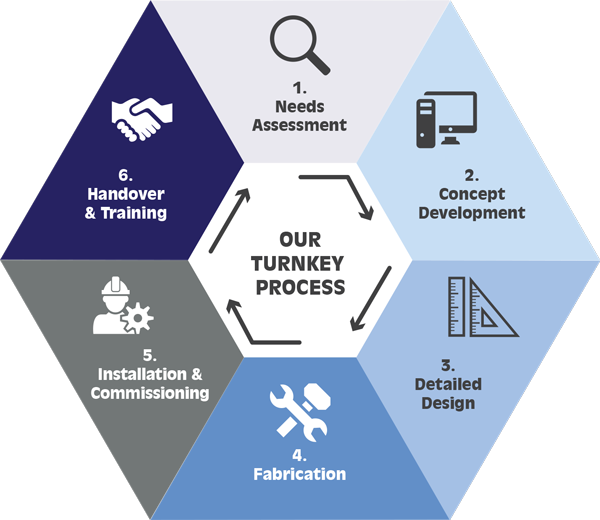
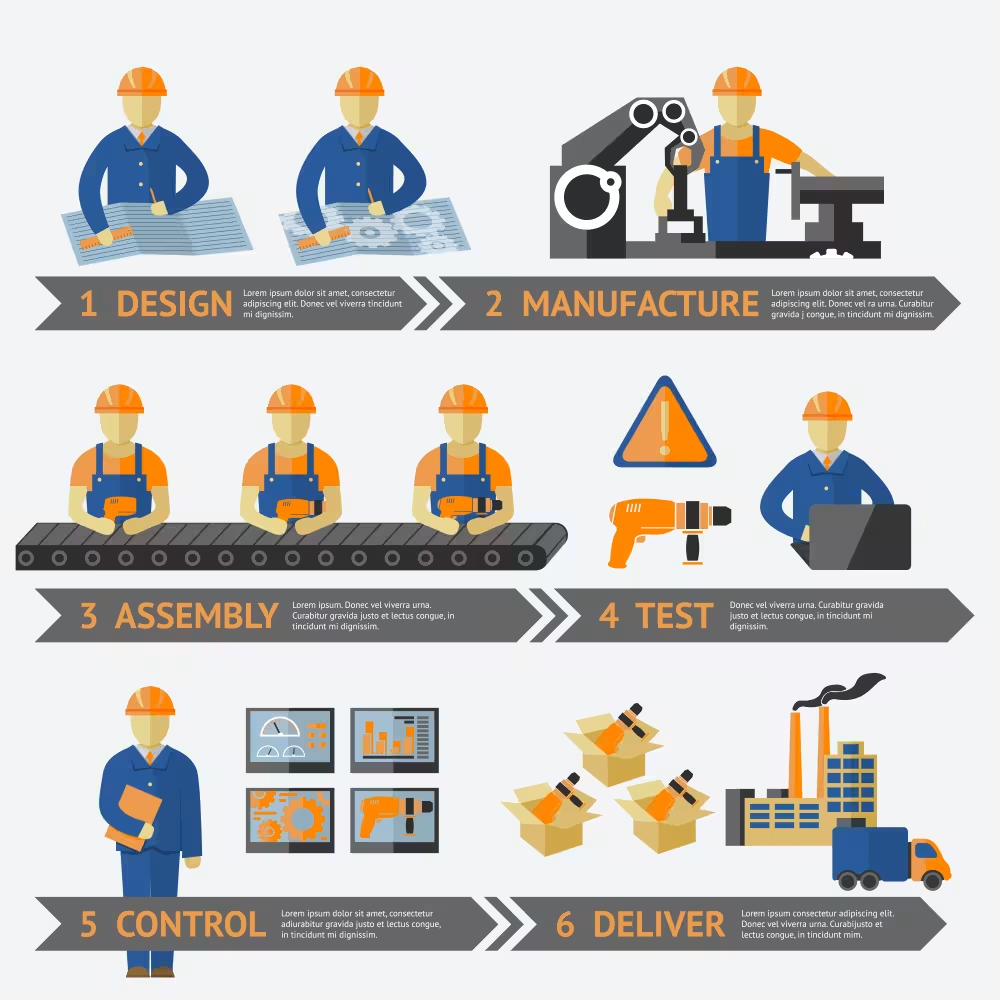
Turnkey Sheet Metal Assembly for Power Distribution consolidates the entire manufacturing lifecycle within one integrated framework. Engineering, fabrication, finishing, assembly, testing, and logistics operate as a coordinated system.
A comprehensive turnkey scope typically includes –
- Engineering review and Design for Manufacturability (DFM)
- CNC laser cutting and turret punching
- Precision bending with angle monitoring systems
- MIG, TIG, or robotic welding
- Powder coating or galvanization
- Mechanical and electrical sub-assembly
- Dimensional inspection and compliance documentation
- Packaging and global shipping coordination
Integrated workflows often reduce lead times by 20–30%. Early engineering collaboration eliminates design errors before production begins. Structured accountability improves transparency across the entire production cycle.
Turnkey Sheet Metal Assembly for Power Distribution transforms manufacturing from a fragmented task into a controlled engineering solution.
How Engineering Precision and Compliance Shape Reliable Power Distribution Enclosures
Electrical enclosures must perform mechanically and electrically for years under varying environmental conditions. Structural integrity, corrosion resistance, thermal dissipation, and dimensional stability are all essential.
Tolerance control defines quality in Sheet Metal Assembly for Power Distribution. Critical mounting points, hinge alignments, and busbar supports demand precision within ±0.1 mm. CNC laser systems ensure consistent edge quality. Advanced press brake machines with automatic angle correction maintain repeatable bends. Controlled welding minimizes heat distortion and maintains structural strength.
Important engineering parameters include –
- Mechanical rigidity to support heavy copper busbars
- Grounding continuity to maintain electrical safety
- Ventilation cut-outs and airflow channels for heat management
- Proper gasket compression for IP54 to IP65 protection
- Weld penetration quality to avoid structural fatigue
Thermal performance remains central. Higher current loads increase internal heat generation. Effective enclosure design integrates airflow management, louver positioning, and sometimes forced cooling solutions. Computational analysis tools are frequently used to evaluate thermal distribution.
Regulatory compliance cannot be overlooked. Standards typically include –
- IEC 61439 for low-voltage switchgear assemblies
- UL 508A for industrial control panels
- RoHS material restrictions
- Ingress protection classifications
Failure to meet certification requirements can delay product launches and affect market credibility. Well-executed Sheet Metal Assembly for Power Distribution ensures that mechanical construction supports electrical safety and global compliance mandates.
Where Cost Efficiency Meets Long-Term Reliability in Sheet Metal Assembly for Power Distribution
Material cost volatility affects manufacturing margins. Steel and aluminum pricing often fluctuates by 10–20% annually. Sustainable profitability depends on optimizing design and process efficiency without reducing structural integrity.
Effective Sheet Metal Assembly for Power Distribution integrates cost optimization at the engineering stage. Design simplification reduces unnecessary bends and secondary machining. Laser nesting software improves material utilization and reduces scrap by approximately 8–12%.
Cost management strategies typically include –
- Selecting CRCA, stainless steel, or aluminum based on environmental exposure
- Standardizing fasteners and hardware components
- Reducing part count through modular design
- Implementing lean production systems
- Planning scalable batch production
Reliability must remain uncompromised. Structural analysis validates load-bearing capacity. Finite element modeling confirms enclosure stiffness under vibration and thermal stress.
Total Cost of Ownership provides a clearer financial perspective than initial procurement cost. Durable enclosures reduce maintenance, minimize field service incidents, and extend operational lifespan over 10–15 years.
Strategic Sheet Metal Assembly for Power Distribution balances engineering integrity with financial discipline.
How Turnkey Manufacturing Strengthens Supply Chain Stability and Scalability
Project delays in power infrastructure often originate from supply chain disruptions. Enclosure delivery delays can postpone installation and commissioning schedules.
Vendor consolidation through turnkey Sheet Metal Assembly for Power Distribution enhances schedule reliability. Centralized production planning reduces dependency on multiple suppliers. Real-time tracking systems improve visibility.
Operational improvements include –
- ERP-driven material planning and production scheduling
- Demand forecasting aligned with project timelines
- Flexible capacity expansion
- Full traceability of materials and inspections
- Risk mitigation through qualified supplier networks
Supplier consolidation may reduce procurement overhead by up to 18%. Documentation traceability ensures that each enclosure includes inspection records, material certificates, and compliance documentation.
Scalability remains critical. Project demand can increase rapidly from hundreds to thousands of units. Flexible production systems allow scaling without compromising dimensional accuracy or coating consistency.
Reliable Sheet Metal Assembly for Power Distribution strengthens both operational resilience and growth capacity.
Why Quality Assurance and Testing Define Performance in Sheet Metal Assembly for Power Distribution
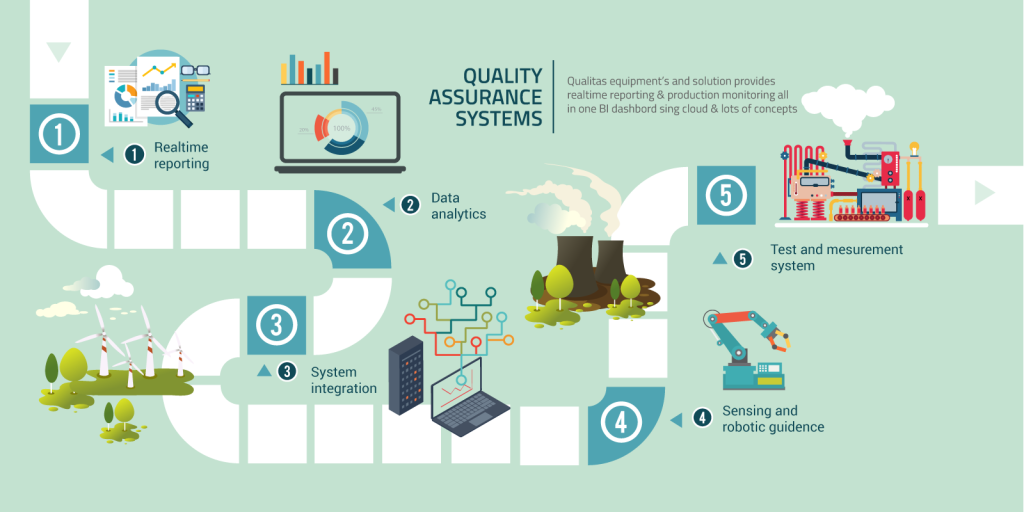
Quality must be integrated into every production stage rather than inspected only at the end. Preventive quality systems reduce field failures and warranty claims.
Advanced Sheet Metal Assembly for Power Distribution integrates structured inspection processes such as –
- First article inspection validation
- In-process dimensional measurement
- Coordinate Measuring Machine (CMM) verification
- Weld integrity testing
- Powder coating thickness measurement
- Salt spray corrosion testing
Coating thickness typically ranges between 60–120 microns depending on environmental conditions. Coastal installations require enhanced corrosion resistance. Electrical grounding checks ensure safe fault current paths.
Industry data indicates that structured quality systems can reduce field failure rates by nearly 40%. Comprehensive documentation supports audits and enhances long-term reliability.
Quality-driven Sheet Metal Assembly for Power Distribution builds confidence across the entire equipment lifecycle.
How Frigate Delivers Integrated Excellence in Sheet Metal Assembly for Power Distribution
Frigate delivers an integrated manufacturing framework engineered specifically for Sheet Metal Assembly for Power Distribution. Design collaboration begins early to improve manufacturability, reduce rework, and align with IEC and UL compliance requirements.
Advanced Fabrication Infrastructure
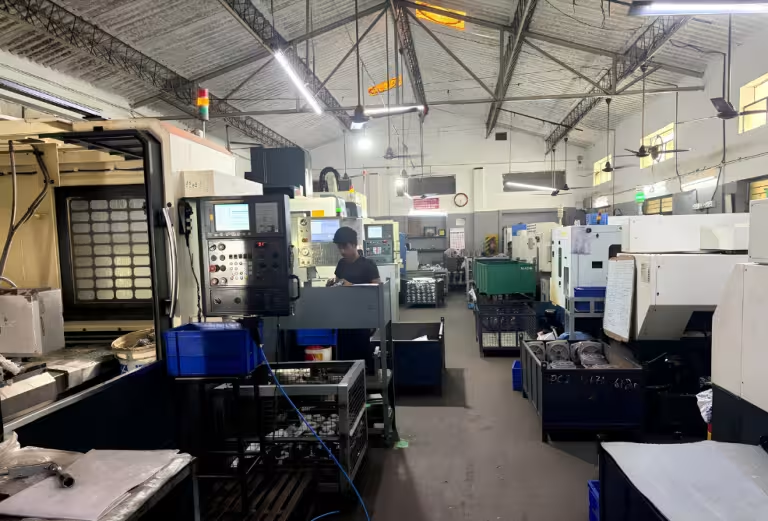
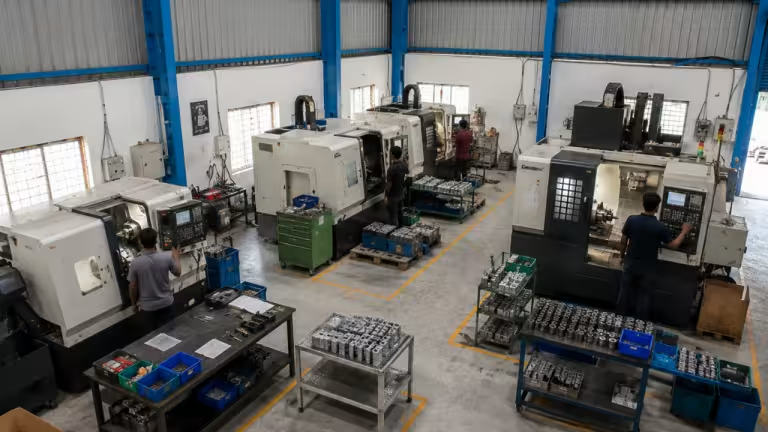
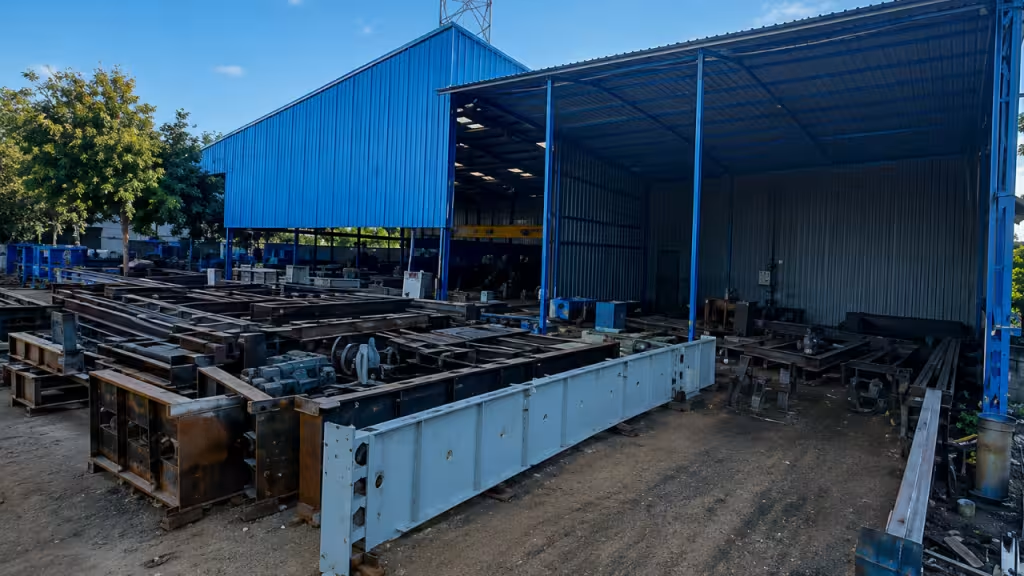
Frigate’s production ecosystem supports precision, repeatability, and scalability across enclosure and panel manufacturing.
Core capabilities include –
- High-precision CNC laser cutting – Ensures tight dimensional accuracy and clean edge quality for complex panel geometries.
- Automated turret punching – Produces repeatable perforations, louvers, and mounting features with high speed and consistency.
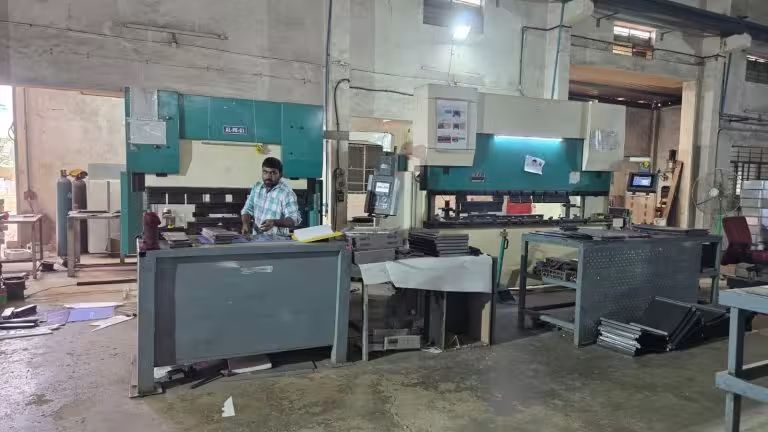
- CNC press brake bending – Maintains accurate bend angles and minimizes tolerance deviation across batches.
- MIG, TIG, and robotic welding systems – Deliver strong, uniform weld joints with controlled heat distortion.
- Controlled powder coating operations – Provides corrosion protection with monitored thickness and curing cycles.
- Mechanical and electrical assembly integration – Supports structured sub-assembly of enclosures, brackets, and internal supports.
- Structured inspection and documentation systems – Ensures traceability through material certificates and inspection reports.
Process Control and Manufacturing Consistency
Repeatability defines reliable Sheet Metal Assembly for Power Distribution. Process controls are embedded at each stage to maintain uniform quality.
Key controls include –
- In-process dimensional verification for tolerance accuracy
- Weld inspection for penetration and structural integrity
- Coating thickness measurement for corrosion resistance
- Grounding continuity checks for electrical safety
- Torque validation during final assembly
Flexible production planning allows both low-volume prototypes and high-volume panel programs without compromising quality.
Compliance, Transparency, and Execution Discipline
Regulatory compliance and operational visibility are central to Frigate’s approach.
Operational priorities include –
- Alignment with IEC 61439, UL 508A, and related standards
- Real-time production monitoring for schedule transparency
- Reliable lead time management through integrated planning
- Structured quality audits and documented validation
- Coordinated logistics for global project delivery
Integrated turnkey execution reduces vendor dependency, simplifies project coordination, and strengthens technical consistency across Sheet Metal Assembly for Power Distribution programs.
Conclusion
Global electrification and infrastructure growth continue to accelerate. Electrical enclosures remain fundamental to safe and efficient power delivery.
High-performance Sheet Metal Assembly for Power Distribution reduces operational risk, strengthens compliance, and enhances supply chain resilience. Integrated turnkey manufacturing ensures precision, durability, and thermal efficiency.
Connect with Frigate to explore how turnkey manufacturing can improve efficiency, reduce production risk, and strengthen reliability across upcoming power distribution projects.