



Sustainable construction has become a core pillar of modern infrastructure development. Global construction activity contributes to nearly 39% of total carbon emissions, driving engineers and material scientists to develop lighter, smarter, and more circular material systems. The demand for Custom Aluminum Extrusions has grown rapidly because they offer a balance between strength, recyclability, and design adaptability, qualities not easily achievable with steel or concrete.
Aluminum as a base metal already possesses a high strength-to-weight ratio and corrosion resistance. However, when processed through precision extrusion, it transforms into a versatile engineering component capable of delivering structural efficiency and sustainability across every stage of a project lifecycle. Around 75% of all aluminum produced globally remains in use today, reflecting its exceptional recyclability.
Construction professionals and architects are increasingly adopting Custom Aluminum Extrusions to achieve measurable sustainability targets, reduce embodied carbon, and enable digital fabrication. These profiles support everything from façade systems and modular buildings to renewable infrastructure, aligning material performance with global environmental objectives.
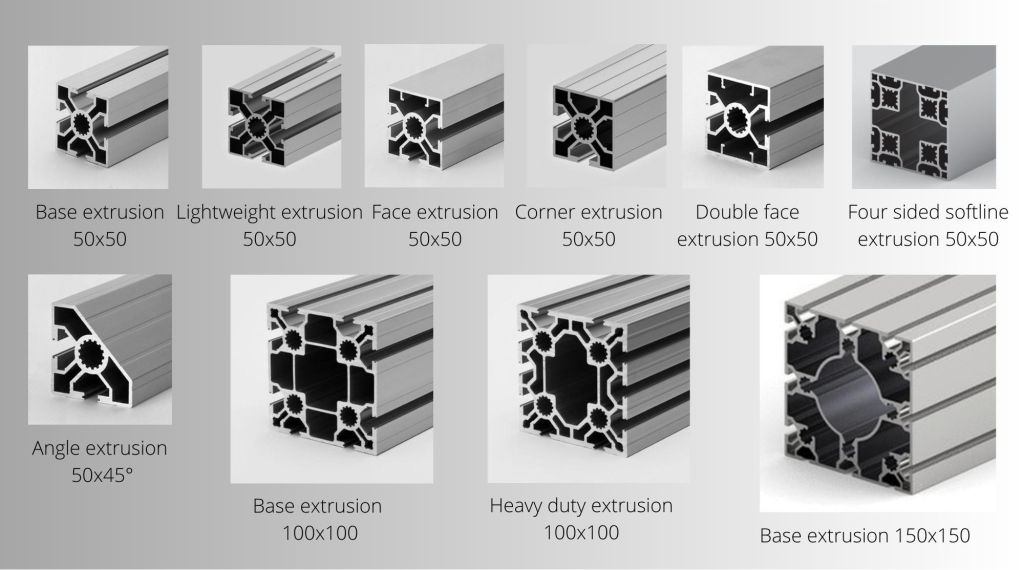
What Are the Applications of Custom Aluminium Extrusions for Sustainable Construction Materials?
Sustainable construction demands materials that combine strength, precision, and recyclability. Custom Aluminum Extrusions deliver this balance through engineered profiles designed for both structural and functional performance. These extrusions support energy-efficient designs, modular systems, and smart infrastructure while meeting global green building and lifecycle efficiency standards.
Adaptive Structural Systems and Lightweight Frameworks
Complex construction geometries demand materials that combine low weight with high load-bearing capacity. Custom Aluminum Extrusions address this through profiles optimized using Finite Element Analysis (FEA) and topology-driven design. Each extrusion can be engineered to eliminate excess mass while maintaining stiffness, enabling structural assemblies that are up to 35% lighter than steel equivalents.
Such frameworks are crucial for multi-story façades, bridges, and atriums where both strength and installation speed are critical. Lightweight aluminum structures also reduce foundation loads, transportation costs, and crane requirements, enhancing overall project efficiency.
Thermal Regulation and Energy Efficiency in Building Envelopes
Building envelopes play a major role in overall energy performance. Customized extrusions equipped with multi-chamber thermal breaks reduce conductive heat flow through frames and panels. These profiles achieve energy savings of up to 25% in HVAC demand when used in glazing systems or curtain walls.
Integration of solar shading mechanisms and photovoltaic mounts within extrusion channels further enhances energy performance. Engineers can design façades that dynamically regulate interior temperature while contributing to on-site renewable generation. Custom Aluminum Extrusions thus serve as a functional backbone for high-performance building envelopes meeting LEED and BREEAM energy efficiency standards.
Modular and Offsite Fabrication Ecosystems
Prefabrication has redefined modern construction logistics. The precision repeatability of Custom Aluminum Extrusions enables fully modular systems that assemble seamlessly onsite. Each profile is produced under strict dimensional tolerances of ±0.1 mm, ensuring uniform alignment across mass-produced components.
Such consistency supports rapid project delivery while minimizing rework. Modular structures benefit from high corrosion resistance and lower lifecycle maintenance, allowing developers to achieve faster ROI and reduced material wastage by as much as 60% during fabrication.
Integration into Smart and Digital Construction Frameworks
Advanced construction practices rely on data integration for monitoring and control. Extrusions designed with sensor channels, RFID-embedded pathways, and IoT-compatible cavities facilitate smart infrastructure development.
Combined with Building Information Modeling (BIM), these profiles enable creation of digital twins that continuously record thermal, mechanical, and environmental data. Predictive maintenance models reduce operational disruptions and extend the useful life of structures. Smart-ready Custom Aluminum Extrusions thus link physical assets with digital ecosystems for enhanced lifecycle intelligence.
Sustainable Urban Infrastructure and Public Utilities
Urban expansion requires durable and low-maintenance materials for public assets. Extruded aluminum profiles serve as the foundation for EV charging frameworks, rail station shelters, pedestrian bridges, and lighting structures.
Natural corrosion resistance allows these systems to operate reliably in saline and polluted environments without surface degradation. Anodized or powder-coated finishes enhance protection further, eliminating the need for frequent repainting cycles. The result is a low total cost of ownership and reduced environmental impact through minimized maintenance.
Acoustic and Vibration Damping Systems
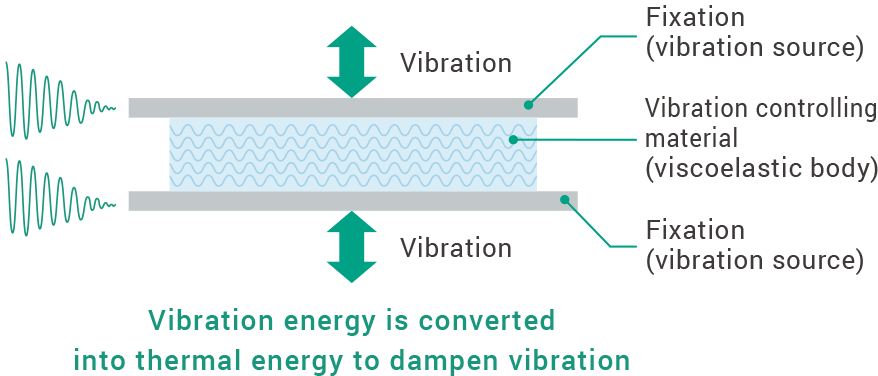
Urban noise and vibration affect comfort, safety, and structural performance. Aluminum profiles can be engineered with internal damping cavities or composite infill materials to absorb vibration and reduce noise transmission.
Such extrusions are ideal for use in bridges, tunnels, and industrial buildings where vibration control enhances durability and user comfort. Research demonstrates that these systems can lower structure-borne noise levels by up to 40%, improving compliance with acoustic performance standards.
Circular Interior and Architectural Components
The use of Custom Aluminum Extrusions extends into interiors, supporting recyclable and adaptable design concepts. Profiles form modular partitions, ceiling systems, handrails, and decorative elements that can be dismantled and reused.
Unlike plastic or timber, aluminum retains its mechanical strength and value throughout multiple recycling cycles, requiring only 5% of the energy compared to primary production. Adaptive interior systems built with extruded profiles align with circular economy models and reduce the environmental load of material turnover in commercial spaces.
How Does Advanced Extrusion Engineering at Frigate Redefine Material Intelligence for Sustainable Construction?
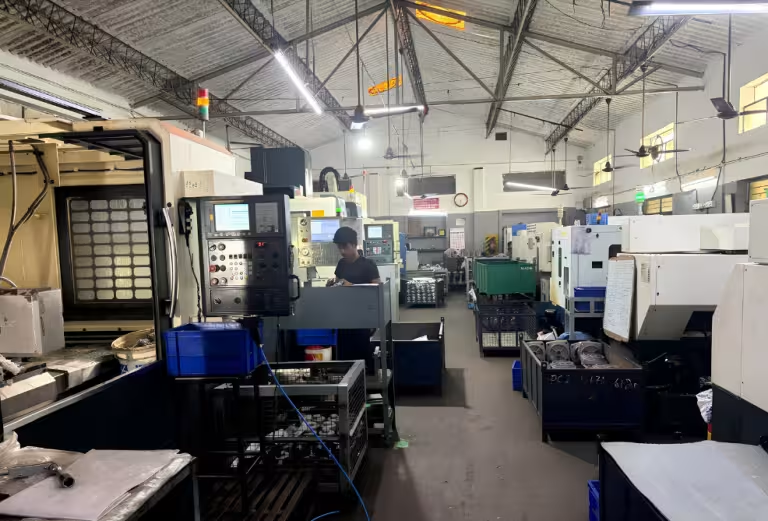
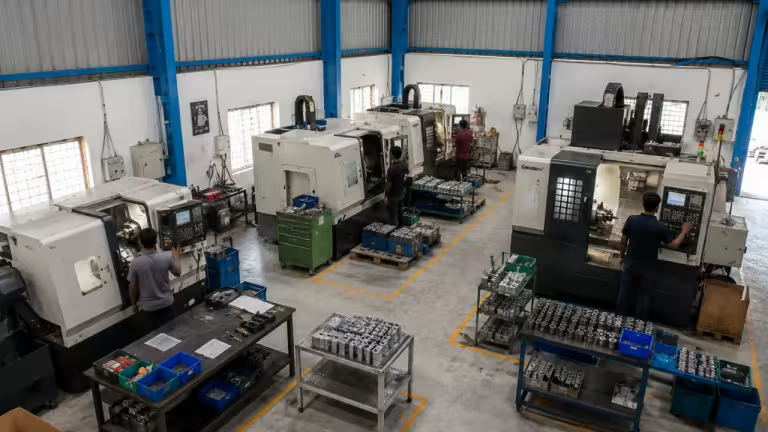
Material innovation today depends on how efficiently technology can convert raw alloys into intelligent, high-performance structures. Frigate combines metallurgy, digital engineering, and sustainability analytics to transform Custom Aluminum Extrusions into data-driven material systems. Each extrusion is designed, monitored, and validated through advanced computational and manufacturing tools, ensuring superior mechanical precision, lifecycle efficiency, and circular material alignment.
Intelligent Alloy Design and Microstructural Control
Material intelligence begins at the alloy level. Frigate engineers aluminum alloys that combine high tensile strength, fatigue resistance, and corrosion protection without compromising formability. Alloy formulations are tuned using precise silicon, magnesium, and copper ratios, allowing the extrusion to perform reliably under mechanical and thermal stress.
Billet homogenization and controlled tempering refine the microstructure, producing uniform grain size and stable dislocation patterns. This consistency ensures predictable strength distribution across long spans, vital for façades, pedestrian bridges, and dynamic load-bearing members. Microstructural refinement not only enhances strength-to-weight ratios but also improves machinability, reducing finishing costs.
Each billet undergoes scanning electron microscopy (SEM) and microhardness profiling to validate internal structure before extrusion. The result is a material that supports structural stability while advancing long-term sustainability goals.
Digital-Driven Extrusion Precision and Predictive Process Control
Extrusion precision depends on process intelligence. Frigate integrates AI-based predictive algorithms that monitor press forces, billet temperature, extrusion speed, and die wear in real time. Data from multiple sensors feed into a closed-loop control system that dynamically adjusts process variables, maintaining dimensional tolerances within ±0.05 mm.
Predictive analytics detect process drift before defects occur. Machine learning models analyze thousands of production cycles, identifying micro-trends that influence extrusion quality. This continuous feedback loop eliminates variability, ensuring every Custom Aluminum Extrusion matches its CAD model with micron-level accuracy.
Process control also reduces material waste by up to 12% per production batch and shortens die setup time by nearly 20%, enabling faster turnaround for complex architectural and industrial profiles.
Lifecycle Traceability and Circular Supply Chain Alignment
Sustainable construction relies on transparent material data. Frigate ensures end-to-end traceability through blockchain-backed digital passports that document every production stage — from billet sourcing and alloy composition to extrusion, surface treatment, and delivery.
Each Custom Aluminum Extrusion carries a digital ID linked to its Life Cycle Assessment (LCA) data, recording embodied carbon, energy use, and recyclability potential. This enables designers and project managers to validate compliance with ISO 14040, EN 15804, and LEED v4.1 sustainability frameworks.
Lifecycle traceability transforms procurement reliability. Engineers can verify exact material lineage, confirm recycled content ratios, and forecast environmental impact at the design stage, ensuring alignment with corporate ESG mandates and future carbon disclosure regulations.
Advanced Surface Engineering for Extended Service Life
Surface performance defines long-term durability. Frigate applies plasma-assisted anodic sealing, nano-ceramic coatings, and duplex passivation to strengthen corrosion barriers and resist UV degradation. These coatings create dense, self-healing oxide layers that extend corrosion resistance beyond 10,000 hours of ASTM B117 salt spray testing.
Advanced surface treatment technology also improves abrasion resistance and color retention under severe temperature fluctuations. This enables Custom Aluminum Extrusions to perform reliably in coastal, industrial, and high-humidity zones without structural deterioration.
Extended coating life reduces repainting intervals and lifecycle maintenance energy by nearly 40%, enhancing the total sustainability performance of architectural and infrastructural assets.
Scalable Co-Design and Rapid Prototyping Infrastructure
Engineering precision begins with collaborative design. Frigate uses digital twin technology to simulate extrusion performance before production. Each custom profile is modeled using Computational Fluid Dynamics (CFD) for metal flow analysis and Finite Element Analysis (FEA) for stress, deformation, and fatigue prediction.
Prototyping cycles are accelerated through CNC-based sample extrusion and 3D scanning validation, enabling rapid iteration. Structural, thermal, and aesthetic parameters are evaluated simultaneously, ensuring geometry accuracy before mass production.
This integrated co-design process minimizes design uncertainty, compresses project timelines by up to 25%, and guarantees seamless transition from concept to construction-ready extrusion systems.
Data-Integrated Manufacturing Ecosystems
Frigate’s extrusion ecosystem operates under Industry 4.0 principles. Each furnace, press, and cooling line is linked to a Manufacturing Execution System (MES) that records real-time production and energy metrics.
Data integration enables closed-loop energy management, automatically balancing furnace heating loads and extrusion press cycles to optimize energy per ton of output. Process analytics continuously track Overall Equipment Effectiveness (OEE), highlighting inefficiencies in die preheating, lubrication, or quenching systems.
This data-driven ecosystem has delivered measurable improvements — yield gains up to 15%, energy intensity reduction by 18%, and a lower carbon footprint per extrusion cycle. Such systems intelligence transforms manufacturing from a static process into a dynamic, learning network aligned with sustainability KPIs.
Adaptive Extrusion Die Design and Tool Life Optimization
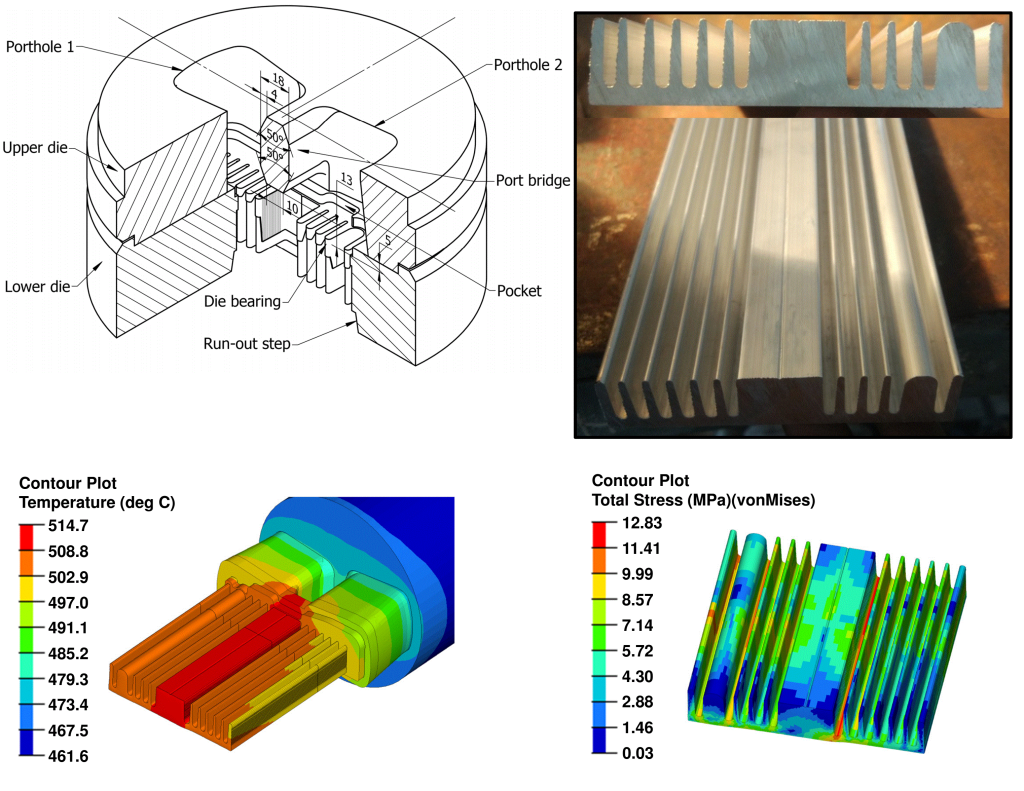
The extrusion die defines product precision and material flow behavior. Frigate’s engineering team leverages multi-physics CFD simulations to visualize metal flow through die channels, adjusting land lengths and bearing angles for uniform flow pressure.
Die surface temperatures and stress concentrations are monitored digitally during extrusion to prevent cracking, galling, or surface tearing. Frigate’s die optimization program has achieved 20–25% longer die life through predictive maintenance and real-time thermal mapping.
Enhanced die efficiency not only stabilizes output quality but also lowers scrap rates and reduces unplanned downtime. The result is consistent profile geometry, higher throughput, and superior cost-per-meter efficiency across large production volumes.
Sustainable Manufacturing and Closed-Loop Recycling
Material sustainability extends beyond product design — it depends on how efficiently material is reused. Frigate operates a fully closed-loop recycling system, where all extrusion offcuts, billet trimmings, and rejected profiles are collected, remelted, and re-cast into new billets on-site.
Secondary aluminum production consumes up to 95% less energy than primary smelting. By maintaining closed material loops, Frigate significantly reduces greenhouse gas emissions while ensuring zero-waste compliance.
Every Custom Aluminum Extrusion produced supports a continuous low-carbon cycle. Recycled billet quality is verified through spectrographic analysis to maintain alloy integrity. This circular manufacturing approach enhances supply security, stabilizes costs, and strengthens environmental accountability throughout the construction value chain.
Conclusion
Sustainable construction relies on materials that combine strength, efficiency, and environmental responsibility. Custom Aluminum Extrusions achieve this balance through engineered precision, recyclability, and energy-efficient performance. Each profile enhances modular fabrication, reduces lifecycle emissions, and supports compliance with modern green building standards.
Frigate integrates advanced alloy design, digital extrusion control, and circular manufacturing into one cohesive system. Every extrusion delivers traceable performance, long service life, and verified sustainability metrics—defining a smarter path toward future-ready infrastructure.
Partner with Frigate to access Custom Aluminum Extrusions engineered for durability, precision, and sustainability.