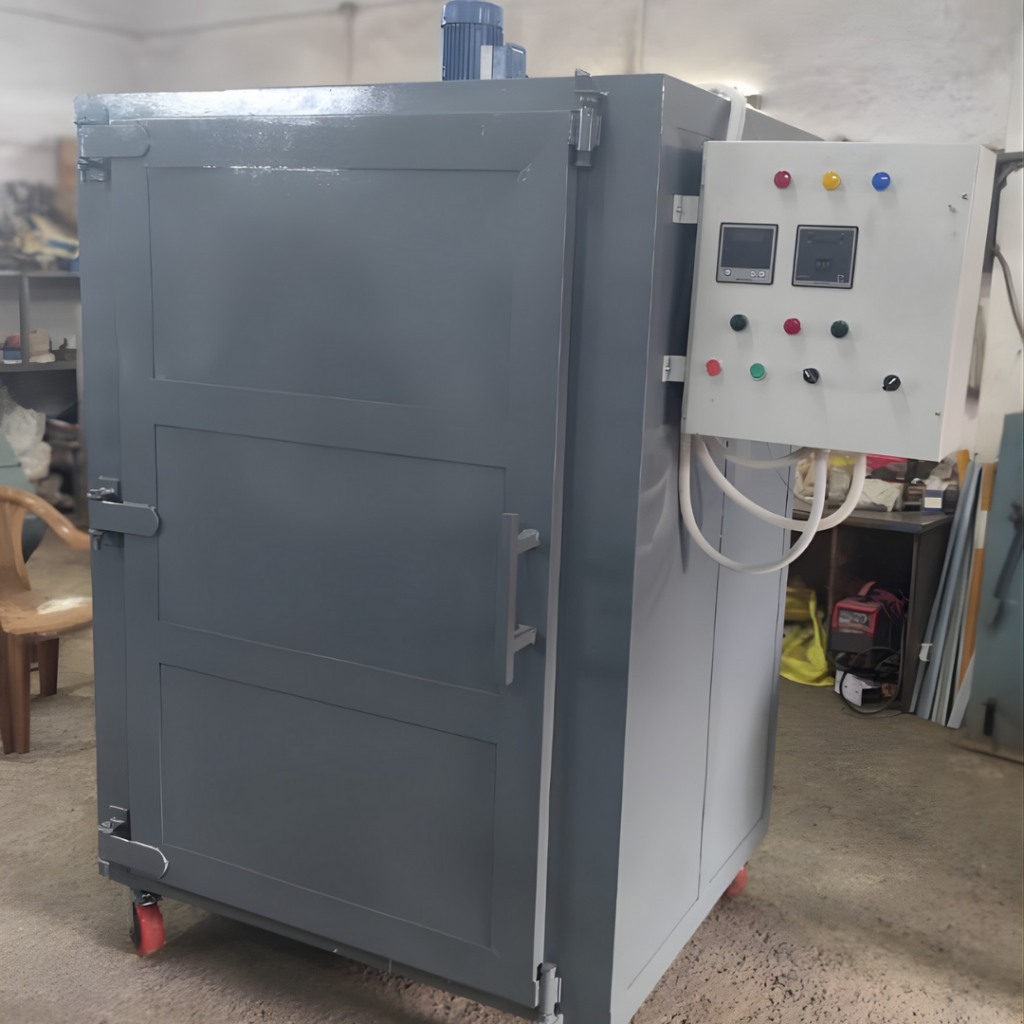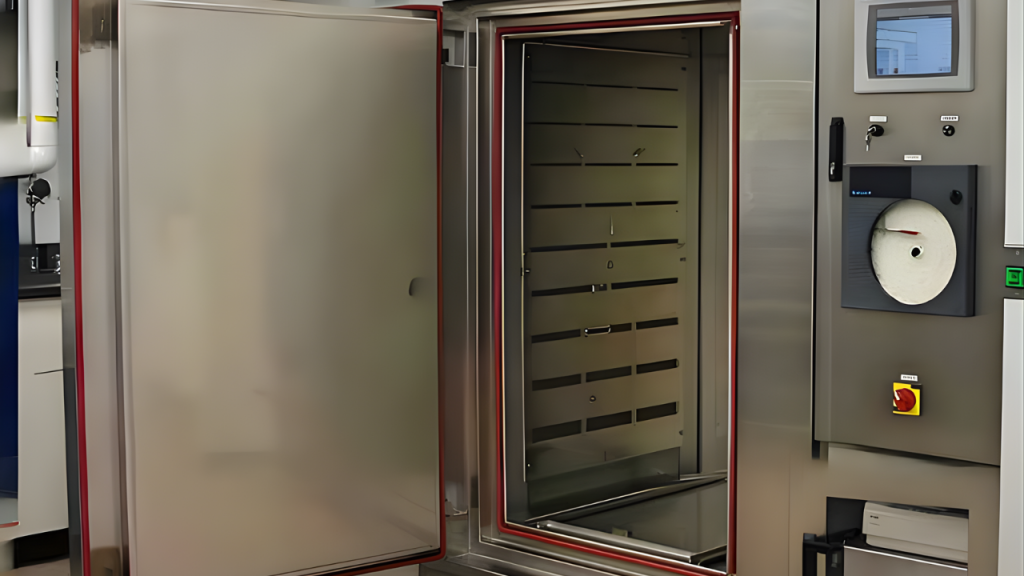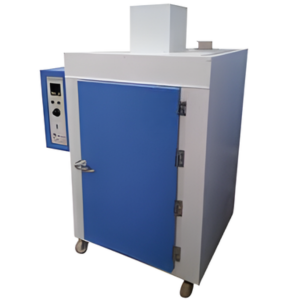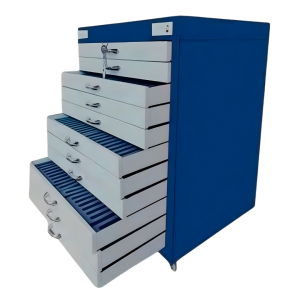
Depyrogenation Oven Dry Heat Sterilizer Boxes

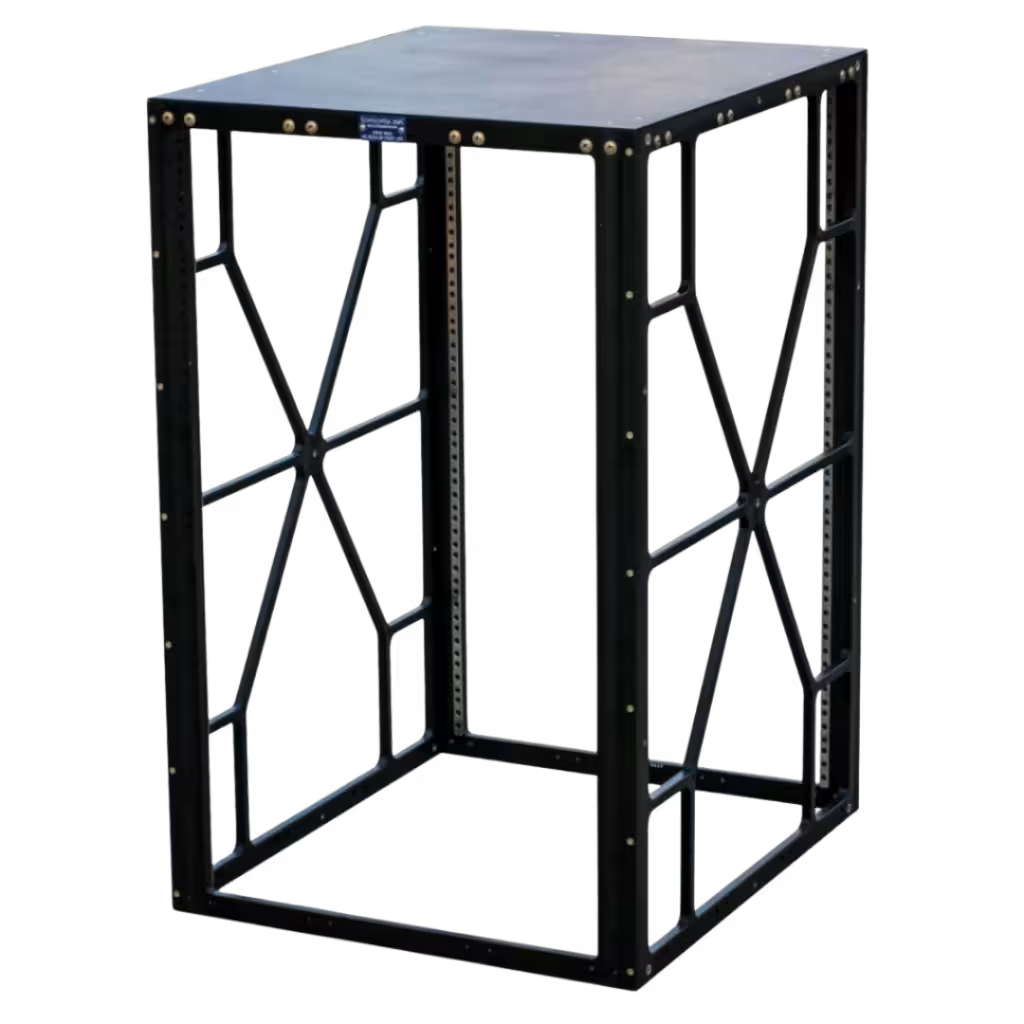
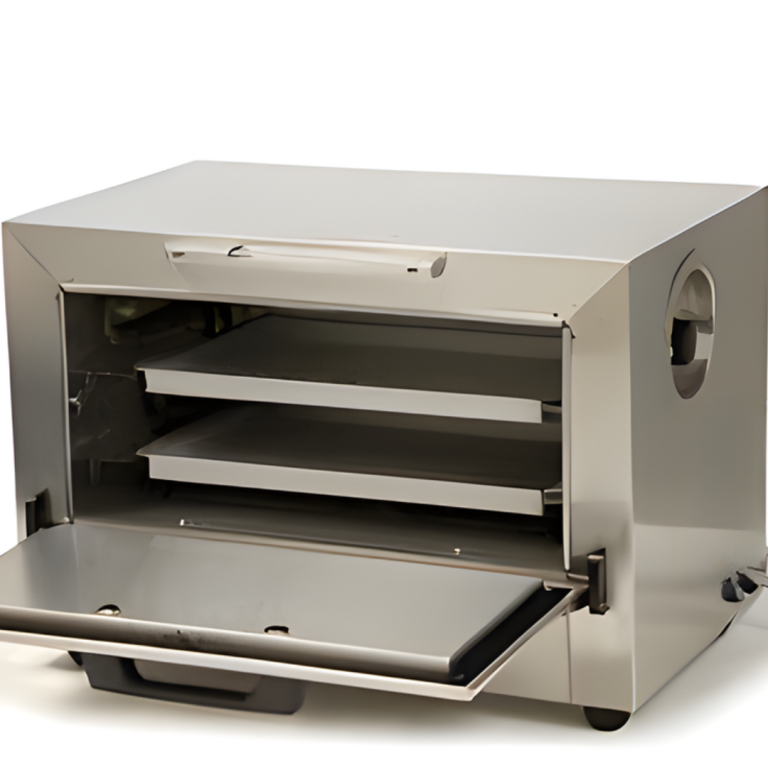
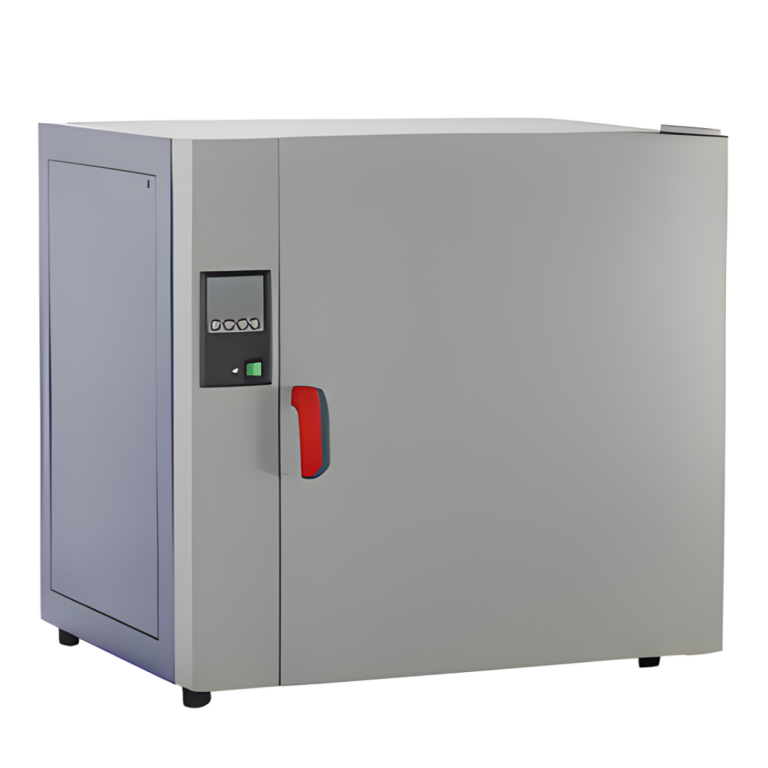
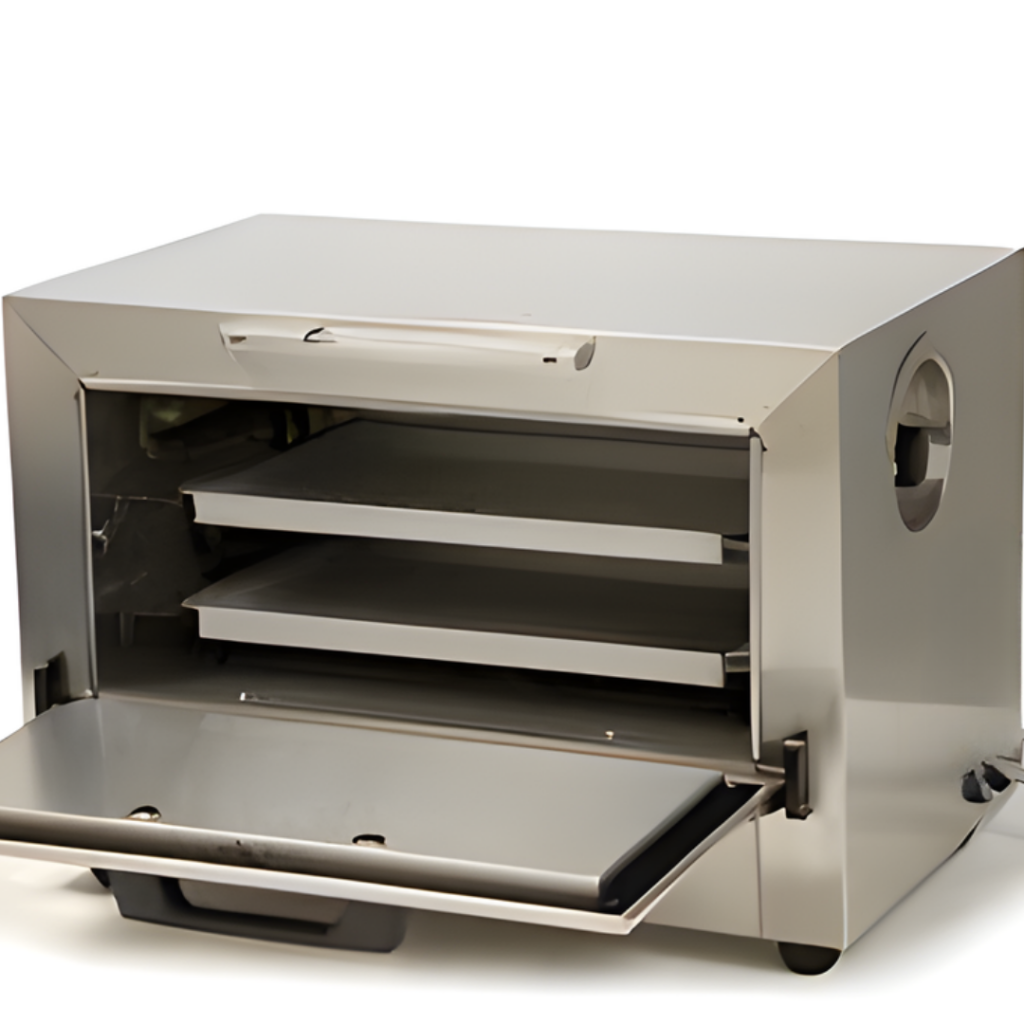
Removing endotoxin contamination from pharmaceutical glassware, rubber stoppers, and production equipment requires dry heat exposure exceeding 250°C destroying pyrogens that survive standard steam sterilization. Depyrogenation Oven Dry Heat Sterilizer Boxes provide high-temperature chambers eliminating bacterial endotoxins from components contacting sterile injectable products. 
HY D R O L Y SIS RESIS T ANCE
Material & Grade
  • Stainless Steel – SS304, SS316L
  • Medical-grade stainless steel
  • Electropolished interior
  • High-temperature resistant steel
  • Sheet thickness – Up to 4.0mm capable
  • Maximum capable – 2500mm (H) x 3000mm (W) x 1800mm (D)  
  • Customizable based on chamber volume requirements
  • Electropolished interior (Ra ≤ 0.4 μm)
  • Passivated surface (ASTM A967)
  • High-temperature resistant finish
  • Sanitary finish (3A standards)
  • Thermal barrier coating (exterior)
  • CNC Laser Cutting
  • CNC Punching & Bending
  • TIG Welding (full penetration welds)
  • CNC Press Brake Forming
  • Double-wall construction
  • Insulation integration (ceramic fiber)
  • Stainless Steel 316L Hardware
  • High-temperature resistant hinges
  • Thermal expansion compensating doors
  • Safety interlock mechanisms
  • Pressure equalization vents
  • aHEPA filter provisions

Product Description

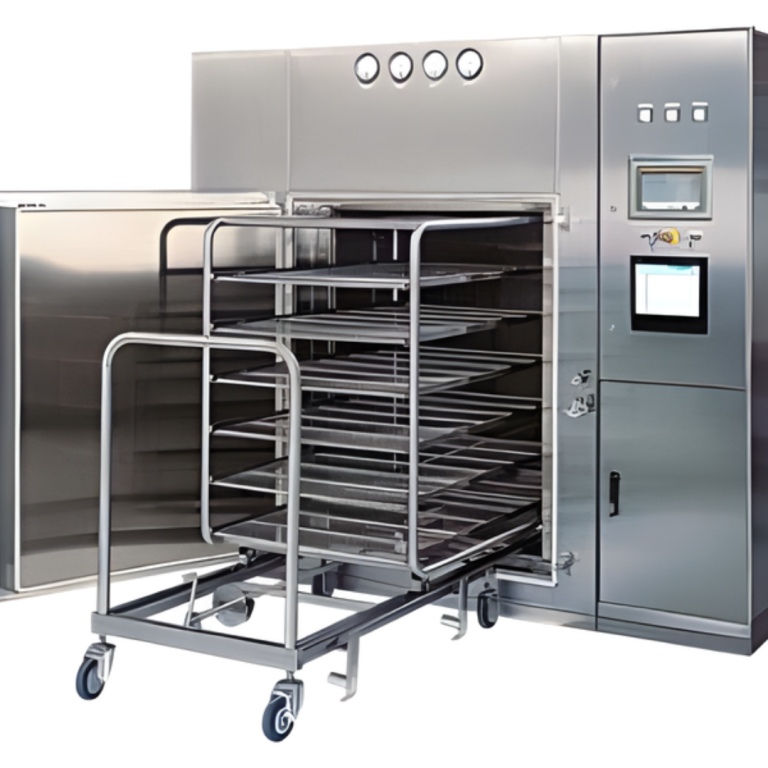
Floor-standing configurations accommodate depyrogenation chambers with internal dimensions reaching 3000mm width processing large batches of vials and production hardware. We engineer double-wall construction with ceramic fiber insulation maintaining chamber temperatures to 400°C while preventing exterior surface heat that could create personnel hazards. Through validated temperature distribution and HEPA-filtered air circulation, these ovens enable compliant depyrogenation supporting parenteral product manufacturing. 

Mounting Type
  • Floor Standing with reinforced base
  • Fixed installation provisions
  • Vibration-isolated mounting
  • Load-bearing floor requirements Pass-through configurations
  • Cleanroom integration
  • ISO Class 5 (Class 100) compatible
  • ISO Class 7 (Class 10,000) rated  
  • Non-particulate shedding materials
  • Smooth cleanable surfaces
  • Pyrogen-free construction
  • Sterile transfer provisions
  • Vibration-isolated mounting
  • Temperature uniformity – ±5°C
  • Shelf leveling provisions
  • Thermal expansion accommodation  
  • Airflow distribution uniformity
  • Structural thermal stability
  • Hinged or vertical-lift doors
  • Double-door pass-through (optional)
  • Cart loading provisions
  • Emergency cooling access
  • Shelf extraction systems
  • Observation window (heat-resistant)
  • Operating temperature – +160°C to +400°C 
  • Depyrogenation cycle – +250°C for 30-60 min
  • Temperature ramp rate – Controlled heating
  • HEPA-filtered air circulation
  • Humidity control – <5% RH
  • Cooling cycle provisions
  • ISO 13485 (Medical Devices QMS)
  • FDA 21 CFR Part 820 (QSR)
  • EU GMP Annex 1 (Sterile Manufacturing)
  • USP <1211> (Sterilization/Depyrogenation)
  • ISO 14644 (Cleanroom Standards)
  • CE Marked
  • ISO 9001:2015 Manufacturing

Technical Advantages

Temperature uniformity throughout chamber volumes directly affects depyrogenation effectiveness requiring consistent heat exposure across all processed items. Addressing this critical parameter, forced air circulation systems distribute heated air uniformly preventing cold spots where endotoxin destruction remains incomplete. Thermal mapping validation identifies temperature variations ensuring all chamber locations achieve minimum 250°C exposure for specified durations. 

Double-wall construction with thick ceramic fiber insulation maintains stable chamber temperatures during extended depyrogenation cycles while reducing energy consumption. Frigate engineers controlled heating ramp rates preventing thermal shock damage to delicate glassware and temperature-sensitive materials during heat-up phases. HEPA-filtered air supply prevents recontamination from particulates introduced during air circulation maintaining chamber cleanliness throughout processing cycles.

Let's Get Started

Need reliable Enclosures for your next project? Get in touch with us today, and we’ll help you find exactly what you need!

Industry Applications

Injectable Product Manufacturing

Depyrogenates glass vials, rubber stoppers, and aluminum seals before filling operations eliminating endotoxins that cause fever reactions. 

Biological Product Fill-Finish

Processes containers for vaccines, blood products, and cellular therapies where pyrogen contamination compromises patient safety.

Ophthalmic Solution Production

Treats glass bottles and droppers for sterile eye drops where endotoxin levels must meet stringent ocular safety standards.

Radiopharmaceutical Manufacturing

Depyrogenates synthesis equipment and dose vials for PET tracers and therapeutic radioisotopes requiring pyrogen-free preparation. 

Research Laboratory Operations

Processes glassware for cell culture media preparation and pharmaceutical research where endotoxin interference affects experimental results. 

Medical Device Component Processing

Treats implantable device components and surgical instruments requiring both sterility and pyrogen elimination before patient use.

Depyrogenation Oven Dry Heat Sterilizer Boxes

Designed for Endotoxin Elimination

Depyrogenation requirements vary from laboratory-scale ovens processing research batches to production units handling thousands of vials per cycle. Depyrogenation Oven Dry Heat Sterilizer Boxes arrive in single-door or pass-through configurations supporting various facility workflows and contamination control strategies. 

Automated cycle control with validated temperature sensors provides documented time-temperature profiles throughout depyrogenation cycles supporting regulatory requirements. Pass-through installations create physical barriers between non-sterile loading areas and sterile processing zones preventing contamination transfer during material flow through pharmaceutical facilities. 

Depyrogenation Oven Dry Heat Sterilizer Boxes

Having Doubts? Our FAQ

Check all our Frequently Asked Questions

How does Frigate achieve temperature uniformity in Depyrogenation Oven Dry Heat Sterilizer Boxes preventing cold spots during endotoxin destruction?

Frigate achieves temperature uniformity by combining balanced airflow design, controlled heater zoning, and validated sensor placement across the chamber. These elements work together to minimize gradients that could compromise endotoxin destruction. Uniformity targets are verified during thermal mapping aligned to your validation protocol. 

Does forced air circulation distribute heated air uniformly ensuring all chamber locations achieve minimum 250°C exposure?

Yes. Forced air circulation is engineered to move heated air evenly across shelves and load surfaces so all areas consistently reach the required exposure temperature. This helps ensure reliable depyrogenation without relying on excessive dwell times. 

How does Frigate engineer double-wall construction in Depyrogenation Oven Dry Heat Sterilizer Boxes maintaining stable temperatures during extended cycles?

Thermal stability is supported through – 

  • Double-wall construction with insulated air gaps 
  • Reduced external heat loss during long cycles 
  • Improved internal temperature consistency 

Frigate aligns wall construction details with cycle duration and operating temperature requirements. 

Are controlled heating ramp rates integrated preventing thermal shock damage to delicate glassware during heat-up phases?

Yes. Heating profiles can be programmed with controlled ramp rates to protect sensitive glassware and components. Gradual temperature increases reduce stress and breakage during the transition to sterilization temperatures. 

How does Frigate validate HEPA-filtered air supply in Depyrogenation Oven Dry Heat Sterilizer Boxes preventing particulate recontamination?

Air cleanliness is maintained by – 

  • Verifying filter integrity and airflow direction 
  • Preventing unfiltered bypass during operation 

Frigate supports filter validation to align with cleanroom and sterile processing expectations. 

Does ceramic fiber insulation reduce energy consumption while preventing exterior surface temperatures creating personnel hazards?

Yes. High-performance ceramic fiber insulation minimizes heat loss and helps keep external surfaces within safe touch limits. This improves energy efficiency while reducing burn risk for operators working near the oven. 

How does Frigate address thermal expansion compensation in Depyrogenation Oven Dry Heat Sterilizer Boxes during temperature cycling to 400°C?

Thermal expansion is managed through – 

  • Expansion joints and floating panel interfaces 
  • Material selection suited for high-temperature cycling 
  • Allowances in structural connections 

Frigate accounts for repeated expansion and contraction to maintain alignment and seal integrity. 

Are pass-through configurations compatible with contamination control strategies creating physical barriers between loading and sterile processing zones?

Yes. Pass-through designs support unidirectional flow between non-sterile and sterile areas, helping enforce contamination control strategies during depyrogenation and transfer operations. 

How does Frigate design shelf extraction systems in Depyrogenation Oven Dry Heat Sterilizer Boxes enabling safe material handling after high-temperature exposure?

Safe handling is supported through – 

  • Heavy-duty slide rails rated for high temperatures 
  • Ergonomic shelf pull-out mechanisms 
  • Clearances that allow cooling before removal 

Frigate adapts shelf extraction features to load weight, operator safety, and handling practices. 

Does automated cycle control provide documented time-temperature profiles supporting regulatory validation requirements for endotoxin elimination?

Yes. Automated control systems record time–temperature data throughout each cycle, generating traceable profiles for validation and audit purposes. These records support regulatory submissions and ongoing compliance for endotoxin destruction processes. 

Get Clarity with Our Manufacturing Insights

We'd love to Manufacture for you!

Submit the form below and our representative will be in touch shortly.

LOCATIONS

Registered Office

10-A, First Floor, V.V Complex, Prakash Nagar, Thiruverumbur, Trichy-620013, Tamil Nadu, India.

Operations Office

9/1, Poonthottam Nagar, Ramanandha Nagar, Saravanampatti, Coimbatore-641035, Tamil Nadu, India. ㅤ

Other Locations

GENERAL ENQUIRIES

Get Quote
Support All File Formats Including - STEP | STP | SLDPRT | STL | DXF | IPT | X_T | X_B | 3DXML | CATPART | PRT | SAT | 3MF | JT files

LOCATIONS

Registered Office

10-A, First Floor, V.V Complex, Prakash Nagar, Thiruverumbur, Trichy-620013, Tamil Nadu, India.

Other Locations

GENERAL ENQUIRIES

Get Your Quote Now

New Get Quote form

Depyrogenation Oven Dry Heat Sterilizer Boxes

Need reliable wires and cables for your next project? Get in touch with us today, and we’ll help you find exactly what you need!

Get Latest Price

Get Price Form

Depyrogenation Oven Dry Heat Sterilizer Boxes

Need reliable Machining for your next project? Get in touch with us today, and we’ll help you find exactly what you need!

Get Latest Price

Get Price Form