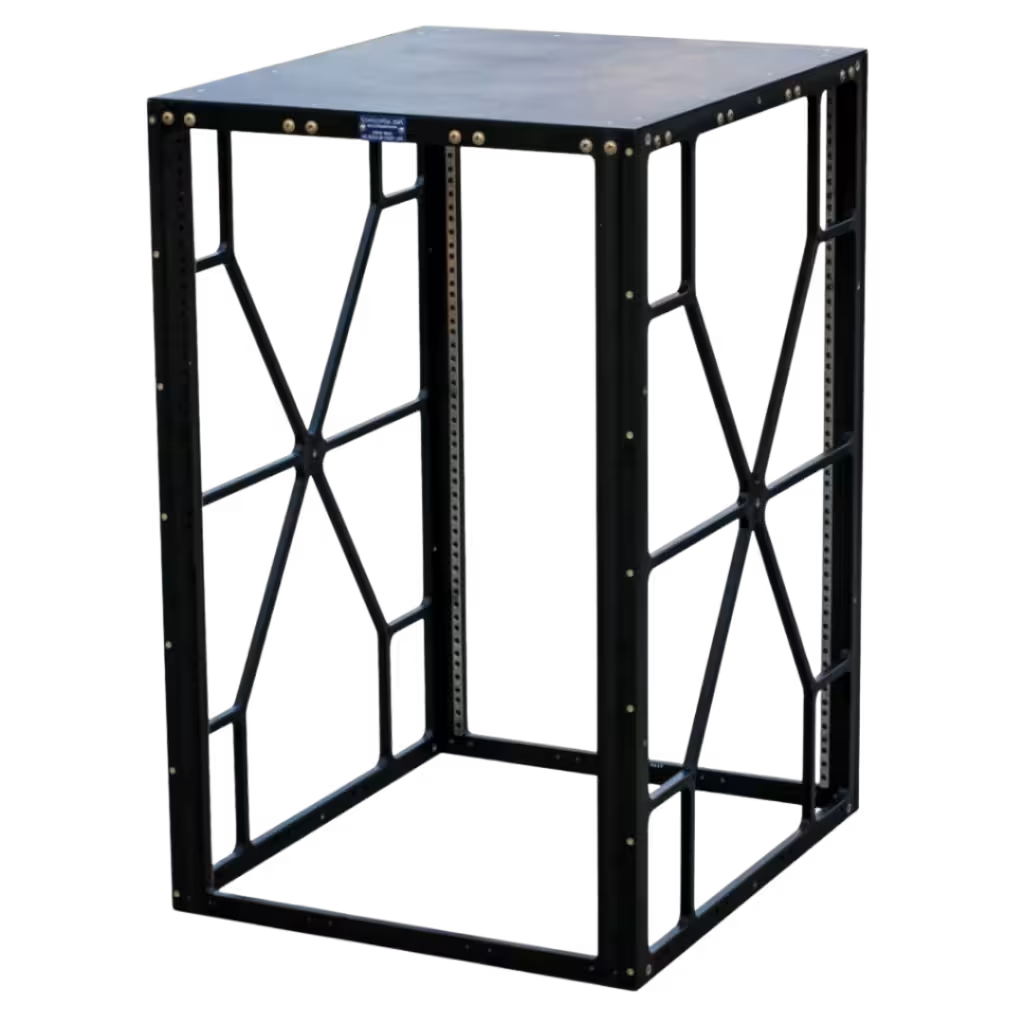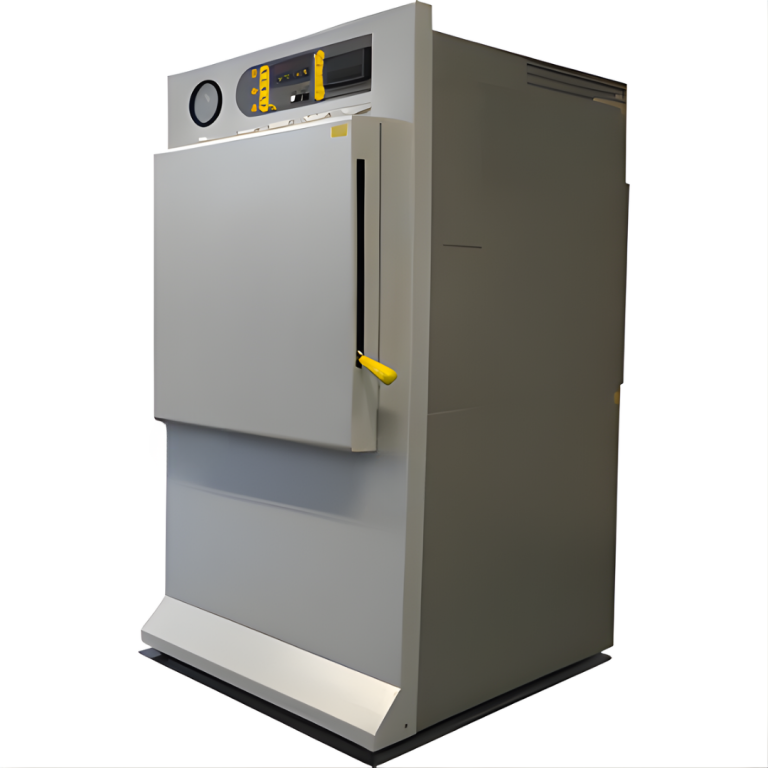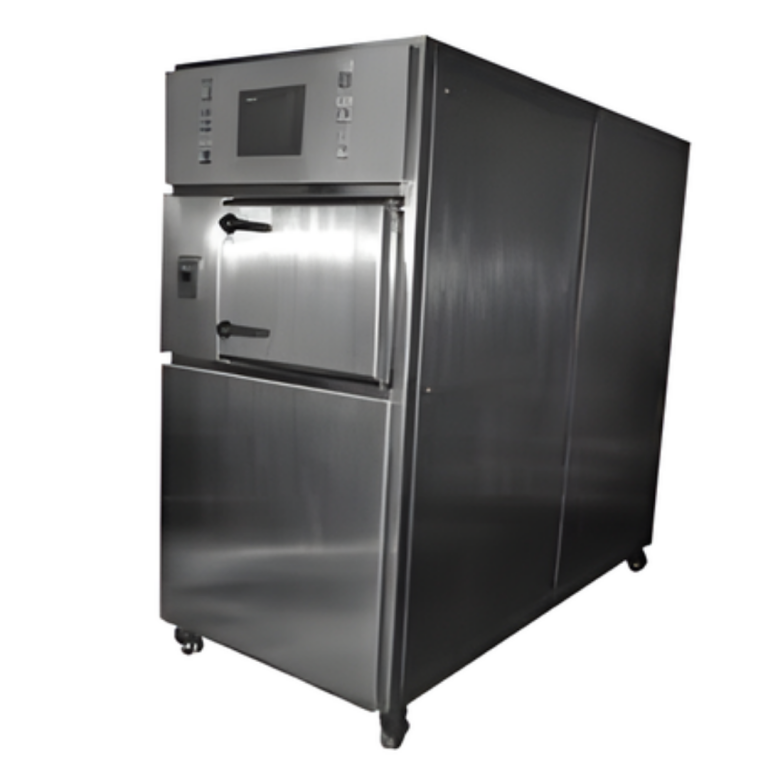
Autoclave Horizontal Steam Sterilizer Enclosures

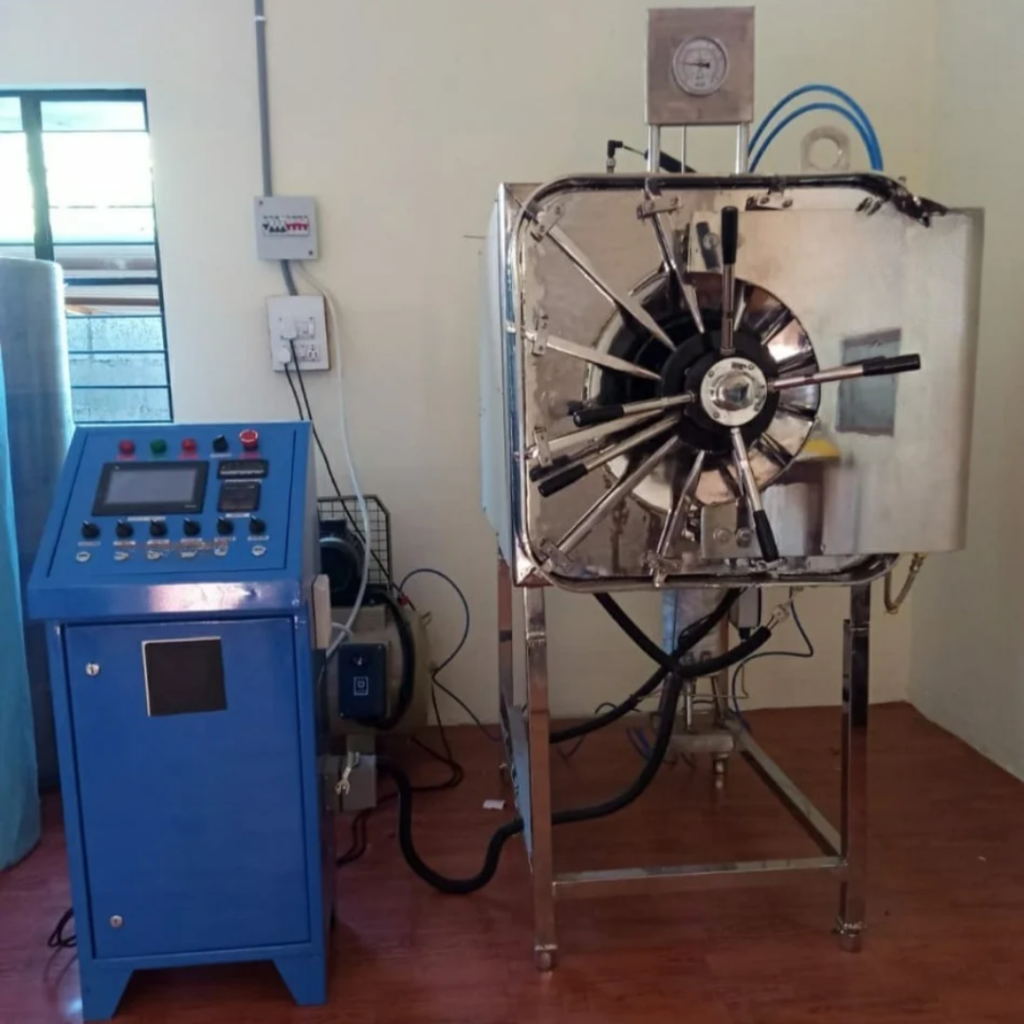
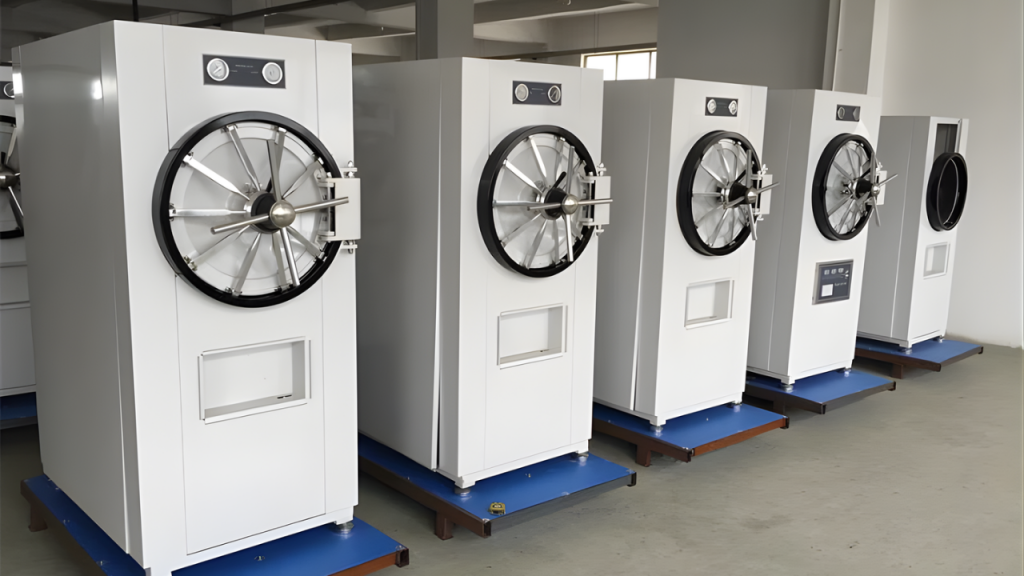
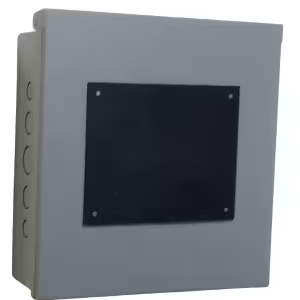
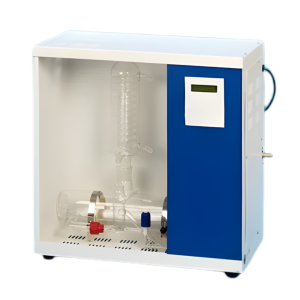
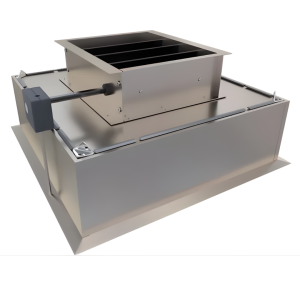
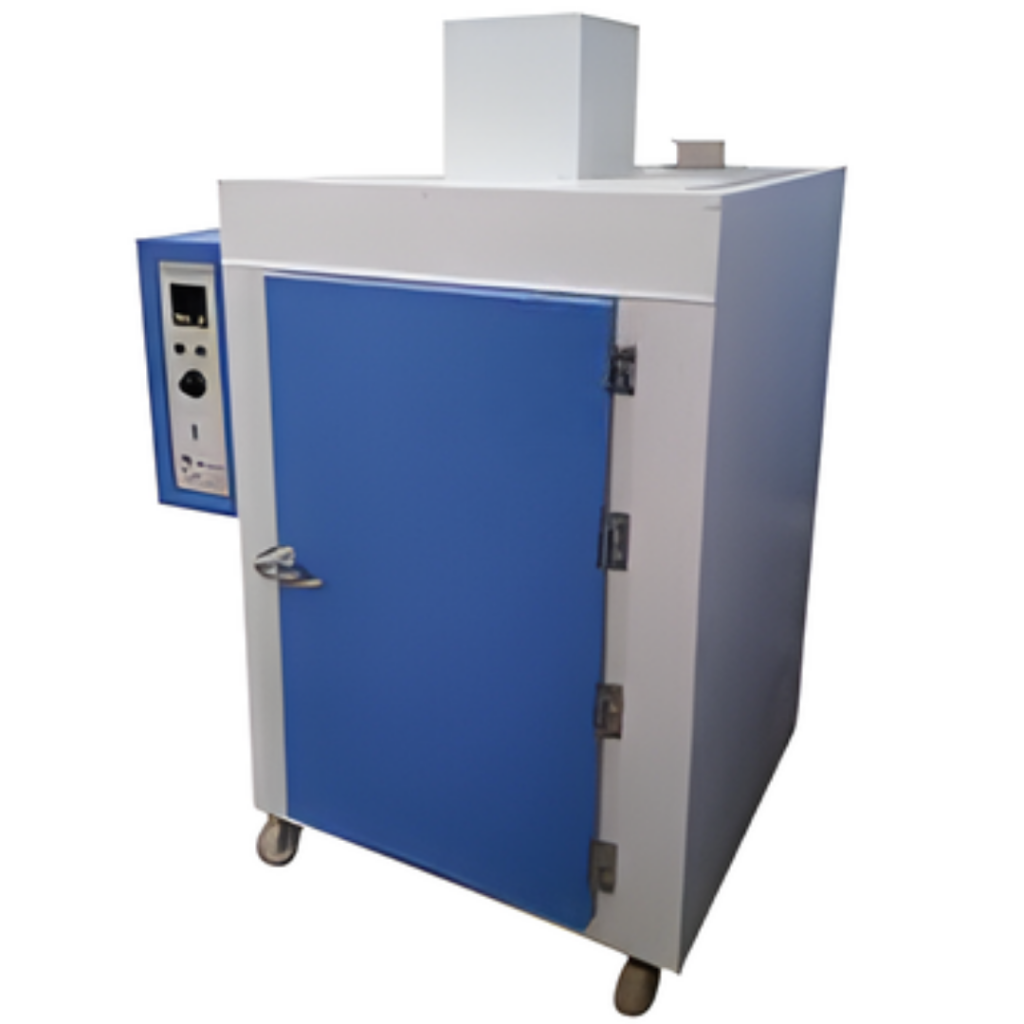
When pharmaceutical manufacturing requires terminal sterilization of filled vials, rubber stoppers, and production equipment, horizontal autoclaves provide large-capacity steam sterilization. Autoclave Horizontal Steam Sterilizer Enclosures deliver pressure-rated chambers for saturated steam sterilization cycles achieving validated microbial inactivation. 
HY D R O L Y SIS RESIS T ANCE
Material & Grade
  • Stainless Steel – SS304, SS316L
  • Medical-grade stainless steel
  • Electropolished interior/exterior
  • Pressure vessel grade steel
  • Sheet thickness – Up to 6.0mm capable
  • Maximum capable – 2500mm (H) x 4000mm (W) x 2000mm (D) 
  • Customizable based on chamber volume requirements
  • Electropolished (Ra ≤ 0.4 μm)
  • Passivated surface (ASTM A967)
  • Mirror finish (interior chamber) 
  • Sanitary finish (3A standards)
  • Thermal insulation coating (exterior)
  • CNC Laser Cutting
  • CNC Punching & Bending
  • TIG Welding (full penetration welds)  
  • Pressure vessel construction
  • Hydrostatic testing
  • Insulation jacket integration
  • Stainless Steel 316L Hardware
  • Pressure-rated door mechanisms
  • Hydraulic/Pneumatic door actuators
  • Safety interlock provisions
  • Steam trap fittings
  • Pressure relief valves

Product Description

Floor-standing configurations accommodate sterilization chambers with internal dimensions reaching 4000mm length enabling cart-based loading systems. We engineer pressure vessel construction withstanding operating pressures to 3.0 bar and temperatures to 140°C during sterilization cycles. Through double-door pass-through designs and validated steam penetration, these enclosures enable compliant sterilization supporting aseptic processing and contamination control programs. 

Mounting Type
  • Floor Standing with reinforced base
  • Load-bearing foundation requirements
  • Fixed installation provisions
  • Vibration dampening pads
  • Seismic mounting
  • Pass-through configurations
  • ISO Class 7 (Class 10,000) compatible
  • Cleanroom installation provisions 
  • Non-particulate shedding materials
  • Smooth cleanable surfaces
  • Barrier isolation compatible
  • Sterile transfer provisions
  • Vibration-isolated mounting  
  • Structural reinforcement
  • Cart rail alignment precision  
  • Door seal compression uniformity 
  • Thermal expansion compensation
  • Load distribution design
  • Horizontal sliding/hinged doors
  • Double-door pass-through
  • Cart loading rail systems
  • Emergency venting provisions
  • Observation window
  • Service access panels
  • Operating pressure – Up to 3.0 bar
  • Temperature range – +105°C to +140°C 
  • Steam quality – Dry saturated steam
  • Cycle time – 15-60 minutes typical 
  • Condensate drainage provisions
  • Jacket heating capability
  • ASME Section VIII (Pressure Vessels)
  • ISO 13485 (Medical Devices QMS)
  • FDA 21 CFR Part 820 (QSR)
  • EU GMP Annex 1 (Sterile Manufacturing)
  • PED (Pressure Equipment Directive) 
  • HTM 2010 (UK Healthcare)
  • ISO 9001:2015 Manufacturing

Technical Advantages

Pressure vessel integrity determines sterilization cycle reliability requiring robust construction withstanding repeated thermal cycling and pressure fluctuations. Addressing this demand, full-penetration TIG welds create continuous load-bearing seams throughout chamber construction validated through hydrostatic pressure testing. Door sealing mechanisms compress resilient gaskets uniformly around chamber openings maintaining steam-tight seals throughout thousands of sterilization cycles. 

Cart rail systems enable smooth loading and unloading of sterilization carts carrying hundreds of items requiring precise alignment preventing binding during transfer operations. Frigate engineers thermal insulation jackets surrounding chamber exteriors reducing heat loss during sterilization cycles while preventing exterior surface temperatures from creating burn hazards.  

Let's Get Started

Need reliable Enclosures for your next project? Get in touch with us today, and we’ll help you find exactly what you need!

Industry Applications

Pharmaceutical Fill-Finish Operations

Sterilizes filled vials, ampoules, and syringes through terminal heat treatment validating sterility assurance levels in injectable production. 

Medical Device Manufacturing

Processes implantable devices, surgical instruments, and diagnostic equipment requiring validated steam sterilization before market release. 

Biological Safety Decontamination

Decontaminates biohazardous waste, contaminated glassware, and culture media from research laboratories before disposal or reuse. 

Hospital Central Sterile Processing

Provides large-capacity sterilization for surgical instrument sets, operating room supplies, and reusable medical equipment.

Pharmaceutical Equipment Sterilization

Sterilizes production components including filling needles, gaskets, and contact parts between manufacturing campaigns. 

Research Animal Facilities

Sterilizes bedding materials, cage components, and feed preventing pathogen transmission in specific-pathogen-free colonies. 

Autoclave Horizontal Steam Sterilizer Enclosures

Built for Validated Sterilization

Sterilization requirements vary from laboratory benchtop units processing glassware to production autoclaves handling pallet loads of pharmaceutical products. Autoclave Horizontal Steam Sterilizer Enclosures arrive in single-door or pass-through configurations supporting various facility layouts and workflow patterns. 

Automated cycle control with validated software provides documented sterilization parameters including time, temperature, and pressure profiles throughout cycles. Double-door pass-through installations create physical barriers between contaminated and sterile zones supporting aseptic processing validation and preventing cross-contamination between manufacturing areas. 

Autoclave Horizontal Steam Sterilizer Enclosures

Having Doubts? Our FAQ

Check all our Frequently Asked Questions

How does Frigate validate full-penetration TIG welds in Autoclave Horizontal Steam Sterilizer Enclosures through hydrostatic pressure testing?

Frigate validates weld integrity by subjecting the pressure boundary to hydrostatic testing above maximum operating pressure. This confirms full penetration, absence of leakage, and structural stability. Test parameters and acceptance criteria are aligned to pressure vessel codes and your sterilizer duty cycle. 

Are door sealing mechanisms capable of maintaining steam-tight seals throughout thousands of sterilization cycles?

Yes. Frigate designs door sealing systems using high-temperature elastomers and controlled compression geometry to withstand repeated exposure to steam, pressure, and thermal shock. Seal life expectations are defined against cycle count, cleaning chemistry, and maintenance intervals. 

How does Frigate engineer cart rail systems in Autoclave Horizontal Steam Sterilizer Enclosures ensuring smooth loading without binding?

Smooth cart movement is supported through a combination of – 

  • Precision-aligned rail fabrication along the chamber floor 
  • Load-rated rail profiles matched to cart weight 
  • Controlled tolerances to accommodate thermal expansion 

Rail layout and alignment are reviewed against cart dimensions and loading practices, as coordinated by Frigate. 

Does thermal insulation jacketing reduce heat loss during sterilization cycles while preventing exterior burn hazards?

Yes. Insulation jacketing minimizes heat loss from the chamber while keeping external surface temperatures within safe touch limits. This improves energy efficiency and reduces operator exposure to hot surfaces during and after cycles. 

How does Frigate address steam jacket heating in Autoclave Horizontal Steam Sterilizer Enclosures preventing condensate formation on chamber walls?

Condensate control is achieved by designing the steam jacket to provide uniform wall heating, supported by – 

  • Balanced steam distribution around the chamber 
  • Proper jacket drainage paths 
  • Controlled heat-up rates 

Frigate aligns jacket design with cycle parameters to keep chamber walls above saturation temperature. 

Are double-door pass-through configurations compatible with aseptic processing validation requirements creating physical contamination barriers?

Yes. Double-door pass-through designs support unidirectional material flow between clean and non-clean areas. Interlocked doors and physical separation help meet aseptic processing and contamination control requirements during validation. 

How does Frigate design pressure relief valve integration in Autoclave Horizontal Steam Sterilizer Enclosures during overpressure conditions?

Overpressure protection is addressed by – 

  • Sizing relief valves to worst-case steam input scenarios 
  • Locating valves for safe discharge routing 
  • Integrating valves without compromising chamber sealing 

Frigate selects relief devices and setpoints based on pressure ratings and regulatory expectations. 

Does chamber construction withstand operating pressures to 3.0 bar and temperatures to 140°C during repeated thermal cycling?

Yes. Frigate designs chamber shells, heads, and supports to handle repeated exposure to high pressure and temperature without distortion or fatigue. Material selection and thickness calculations are validated against long-term thermal cycling demands. 

How does Frigate optimize condensate drainage in Autoclave Horizontal Steam Sterilizer Enclosures preventing water accumulation affecting cycle effectiveness?

Effective drainage is achieved through – 

  • Sloped chamber floors directing condensate to drains 
  • Strategically placed low-point outlets 
  • Drain sizing matched to steam condensation rates 

Frigate coordinates drainage geometry to ensure water does not pool or interfere with sterilization efficacy. 

Are safety interlock mechanisms integrated preventing door opening while chamber remains pressurized after cycle completion?

Yes. Mechanical and control-based interlocks prevent door operation until pressure and temperature conditions are within safe limits. Frigate integrates these safeguards to protect operators and maintain compliance with sterilizer safety standards. 

Get Clarity with Our Manufacturing Insights

We'd love to Manufacture for you!

Submit the form below and our representative will be in touch shortly.

LOCATIONS

Registered Office

10-A, First Floor, V.V Complex, Prakash Nagar, Thiruverumbur, Trichy-620013, Tamil Nadu, India.

Operations Office

9/1, Poonthottam Nagar, Ramanandha Nagar, Saravanampatti, Coimbatore-641035, Tamil Nadu, India. ㅤ

Other Locations

GENERAL ENQUIRIES

Get Quote
Support All File Formats Including - STEP | STP | SLDPRT | STL | DXF | IPT | X_T | X_B | 3DXML | CATPART | PRT | SAT | 3MF | JT files

LOCATIONS

Registered Office

10-A, First Floor, V.V Complex, Prakash Nagar, Thiruverumbur, Trichy-620013, Tamil Nadu, India.

Other Locations

GENERAL ENQUIRIES

Get Your Quote Now

New Get Quote form

Autoclave Horizontal Steam Sterilizer Enclosures

Need reliable wires and cables for your next project? Get in touch with us today, and we’ll help you find exactly what you need!

Get Latest Price

Get Price Form

Autoclave Horizontal Steam Sterilizer Enclosures

Need reliable Machining for your next project? Get in touch with us today, and we’ll help you find exactly what you need!

Get Latest Price

Get Price Form