
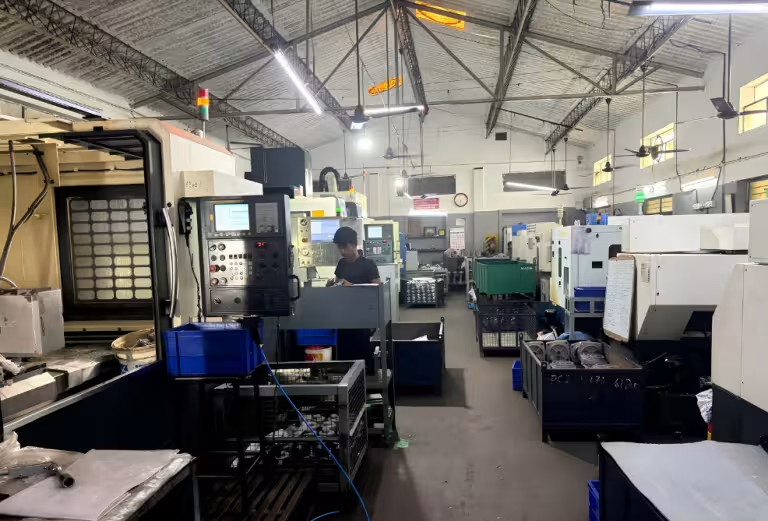

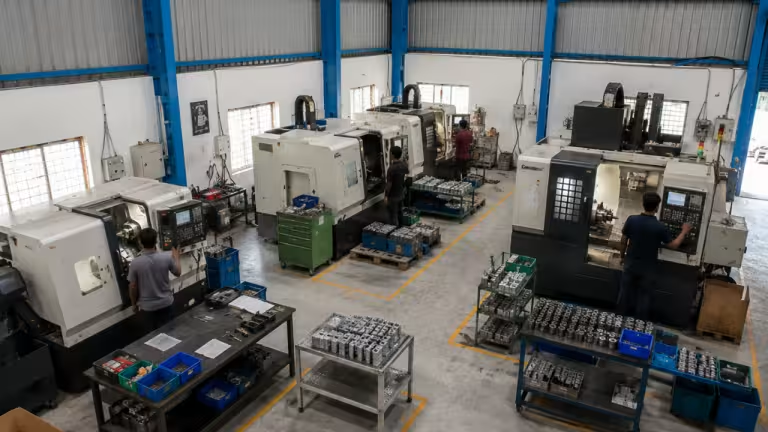
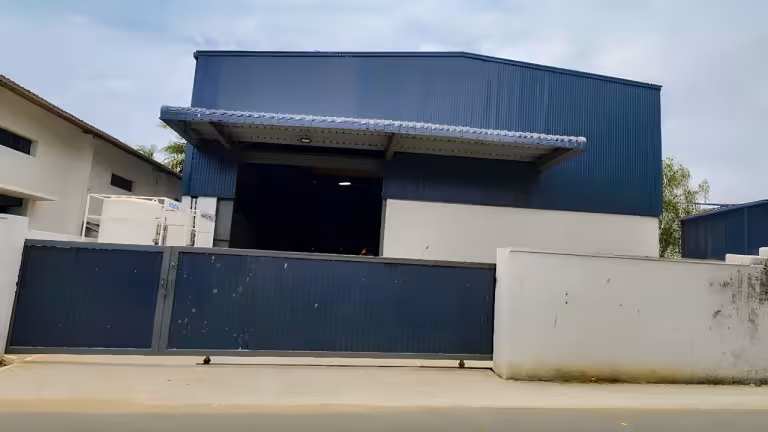

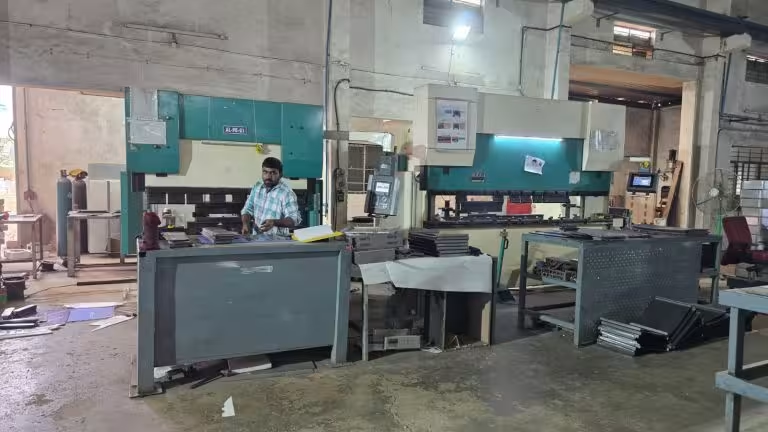







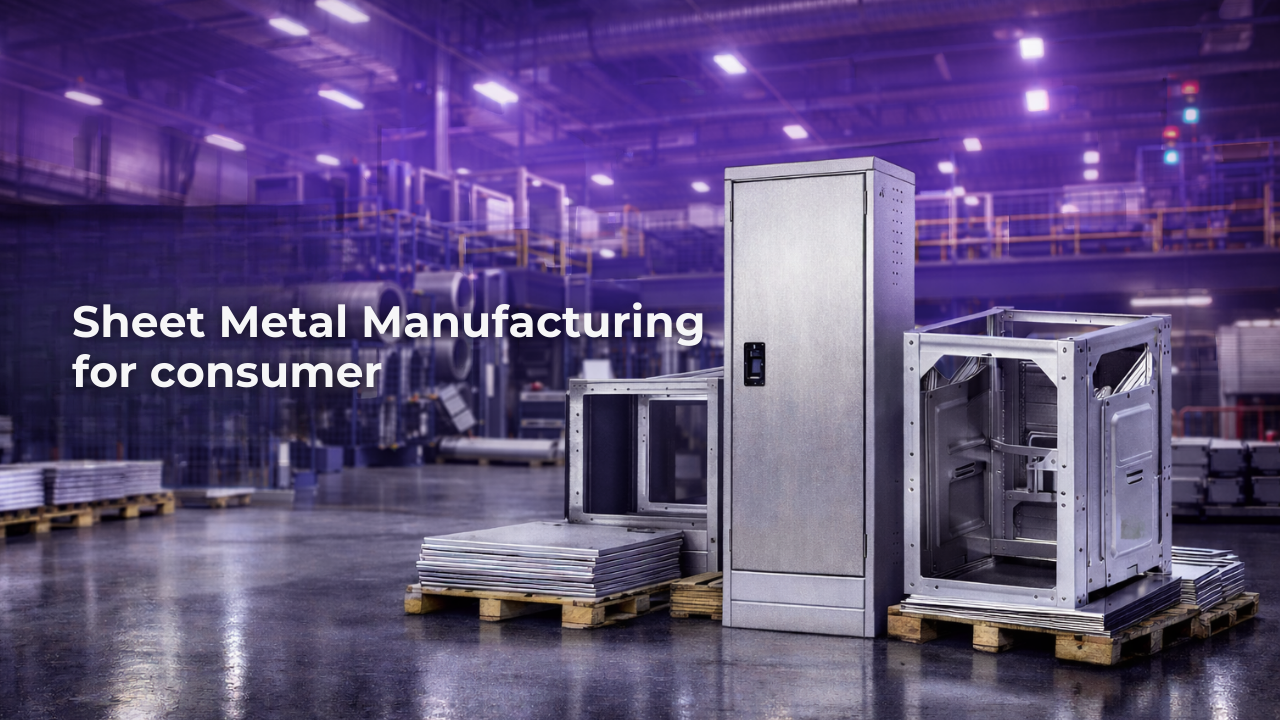
Large home appliances look simple from the outside. A refrigerator door appears flat and clean. A washing machine body looks rigid and smooth. Behind those panels lies complex fabrication planning. Sheet Metal Manufacturing for Consumer appliances operates at high volumes, tight tolerances, and aggressive cost targets. Capacity planning determines whether production runs predictably or struggles under pressure.
Demand for consumer appliances fluctuates between 15–30% across seasons. Promotional cycles and export programs increase variability. New product launches add further complexity. Without structured capacity planning, large-scale Sheet Metal Manufacturing for Consumer facilities experience delayed deliveries, cost overruns, underutilized machines, or overloaded lines.
Capacity planning connects machines, materials, manpower, maintenance, and data systems. Proper synchronization protects margins and ensures consistent supply to appliance OEMs. The sections below explain how technical capacity planning strengthens Sheet Metal Manufacturing for Consumer operations while addressing core ecosystem challenges.
Why Capacity Planning Becomes the Backbone of Reliable Consumer Appliance Production
Consumer appliances depend heavily on fabricated sheet metal structures. Structural panels, inner drums, frames, brackets, and enclosures represent 40–60% of mechanical content in white goods. High production volumes demand predictable throughput.
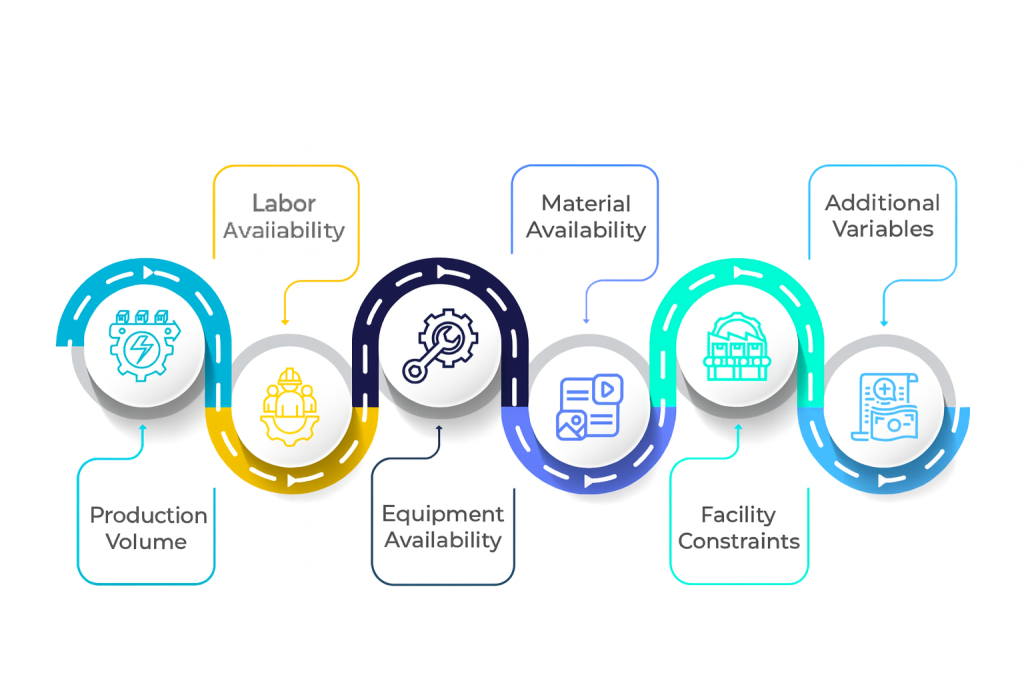
Capacity planning aligns –
- Forecasted appliance demand
- Available machine hours
- Workforce allocation across shifts
- Material procurement cycles
- Maintenance windows
Under-capacity leads to shipment delays and retail penalties. Over-capacity pushes utilization below 65%, weakening return on capital investment. Healthy Sheet Metal Manufacturing for Consumer operations maintain 75–85% effective utilization. That range balances efficiency with flexibility.
Lead time expectations typically range between 7–21 days. Meeting these timelines requires synchronized laser cutting, bending, welding, and coating capacity. Proper planning transforms variability into manageable production flow.
Where Production Really Slows Down – Identifying Hidden Capacity Bottlenecks
True capacity is defined by constraints. Fabrication lines follow a structured value stream –
Laser cutting → Turret punching → Press brake bending → Welding → Surface finishing → Powder coating → Inspection.
Every stage has a cycle time and throughput limit.
Common bottlenecks include –
- Laser systems running near full load while bending cells remain partially idle
- Press brake changeovers taking 30–40 minutes per model
- Welding throughput limited by skilled operator availability
- Powder coating restricted by oven curing length
- Internal material handling delays creating WIP buildup
Small mismatches cause large inefficiencies. A laser producing 1,200 blanks per hour feeding a bending line capable of 900 parts per hour creates excess inventory. Excess WIP consumes space and increases handling risk.
Additional constraints affecting Sheet Metal Manufacturing for Consumer operations include –
- Tool wear reducing dimensional accuracy
- Steel coil procurement delays
- Unplanned downtime averaging 8–12% annually
- Quality rework slowing dispatch
Bottleneck analysis using throughput studies and line balancing improves overall output without immediate capital investment.
Why Forecast Gaps Create Chaos in High-Volume Sheet Metal Programs
Forecast accuracy drives stability. Appliance brands often operate with rolling forecasts. Variance of 10–20% between forecast and actual orders is common.
Planning complexity increases due to –
- Frequent schedule revisions
- Multiple SKU variants for cosmetic differences
- Short product lifecycles
- Engineering change orders during active production
- Parallel domestic and export demand streams
New Product Introduction (NPI) programs temporarily reduce line efficiency. Tool validation and pilot runs consume machine time. Base production may suffer without structured planning.
Strong Sheet Metal Manufacturing for Consumer facilities implement –
- Sales and Operations Planning (S&OP)
- Capacity Requirement Planning (CRP)
- Frozen production windows
- Safety stock models for fast-moving panels
- Demand smoothing algorithms
Improving forecast alignment by even 10% can increase plant efficiency by 5–7%. Coordinated planning reduces emergency overtime and excess inventory.
How Data and Digital Modeling Turn Capacity Guesswork into Precision Planning
Traditional planning based on spreadsheets is no longer sufficient. Digital visibility strengthens decision-making.
Finite capacity planning models reflect real machine availability and labor constraints. Infinite models ignore limitations and create unrealistic schedules. Finite models improve reliability in Sheet Metal Manufacturing for Consumer environments.
Key performance indicators include –
- Overall Equipment Effectiveness (OEE)
- Throughput per workstation
- Setup time reduction metrics
- Scrap and rework rates
- Cycle time variation
OEE integrates availability, performance, and quality. High-performing sheet metal plants maintain 75–85% OEE. Facilities operating at 60–65% have significant improvement potential.
Production simulation tools allow evaluation of –
- Peak season demand surges
- Additional shift introduction
- Equipment failure impact
- New model ramp-up
- Capital expansion scenarios
Digital twins replicate fabrication lines virtually. Simulation reduces uncertainty and supports disciplined capital planning in Sheet Metal Manufacturing for Consumer programs.
Balancing Cost Pressure, Lead Time Expectations, and Flexibility in Consumer Markets
Cost, lead time, and flexibility constantly compete for priority. Optimization requires trade-offs.
Automation improves throughput and repeatability. Robotic welding enhances dimensional consistency. Automated bending reduces changeover time. Conveyorized powder coating improves flow efficiency.
However, automation demands high capital investment. Laser cutting systems alone may exceed $500,000 per unit. Investment must align with long-term demand visibility.
Cost control strategies include –
- Standardized component design
- Reduced tooling complexity
- SMED (Single-Minute Exchange of Dies) implementation
- Advanced nesting software optimization
- Multi-plant load distribution
Lead time reduction strengthens competitiveness. Efficient Sheet Metal Manufacturing for Consumer systems synchronize takt time with material replenishment.
Flexibility remains essential. Modular tooling and quick-change fixtures enable faster adaptation to SKU variation without heavy downtime. Balanced planning protects margins while maintaining responsiveness.
Building Resilience – Managing Risk Before It Disrupts Production
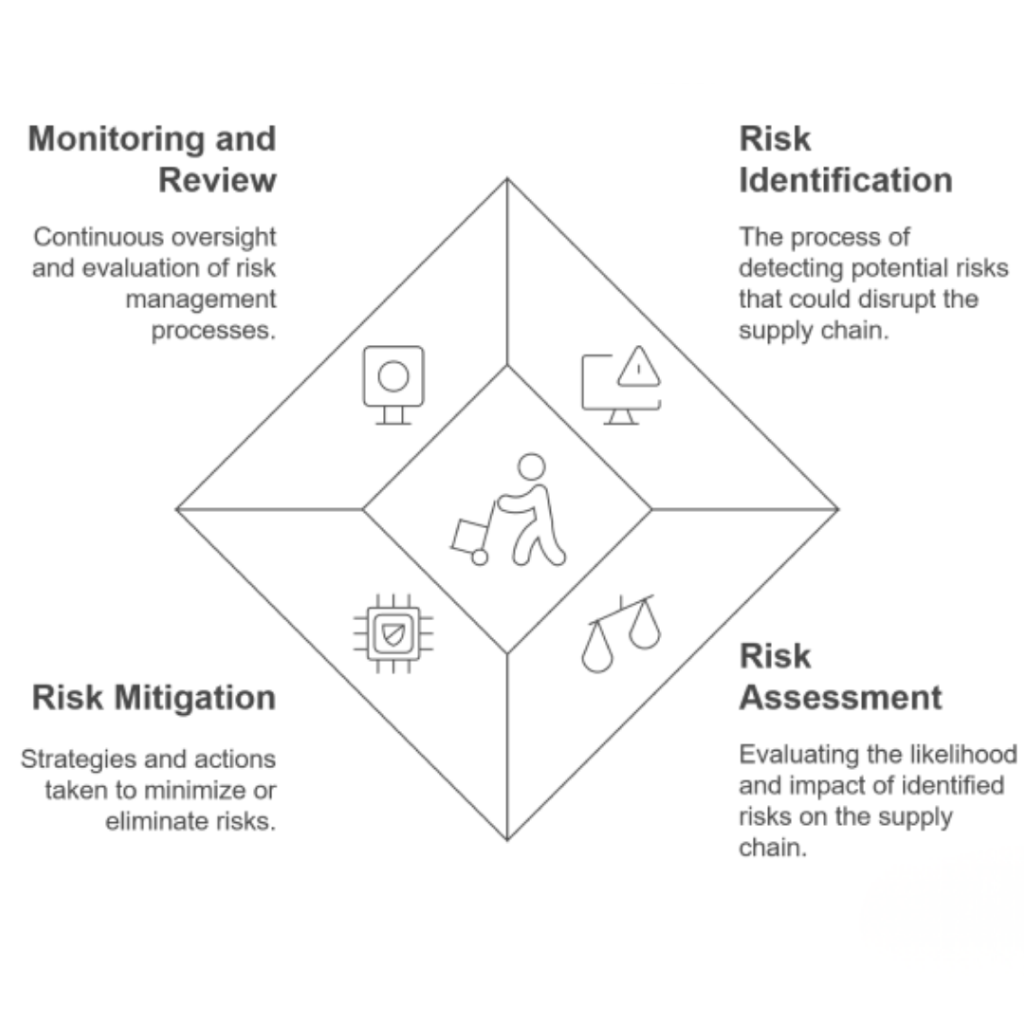
Operational risk impacts capacity stability. Raw material shortages, energy fluctuations, and logistics delays create disruption.
Structured mitigation strategies include –
- Dual sourcing of steel and critical materials
- Preventive maintenance scheduling
- Predictive monitoring using sensor data
- Operating at 80–85% practical capacity
- Workforce cross-training
Preventive maintenance can reduce breakdown probability by up to 30%. Predictive analytics further enhance reliability.
Buffer capacity absorbs unexpected 15–20% demand spikes. Continuous operation at 100% capacity increases mechanical stress and reduces flexibility.
Geographic diversification of facilities also reduces supply chain exposure. Strong risk planning enhances resilience across Sheet Metal Manufacturing for Consumer ecosystems.
How Frigate Strengthens Scalable Capacity Planning for Consumer Appliance Manufacturing
Frigate treats capacity planning as an integrated production system rather than isolated activities. Large appliance programs demand tight coordination between forecasting, engineering readiness, fabrication throughput, finishing capacity, and dispatch alignment. Complex Sheet Metal Manufacturing for Consumer programs require synchronized execution across multiple facilities and high-volume production lines.
Frigate connects forecasting, validation, and production scaling within one structured framework to reduce variability and protect delivery commitments.
Integrated Capacity Modeling Across the Value Stream
Frigate models capacity across the complete fabrication chain –
- Laser cutting throughput based on nesting efficiency
- Press brake load using bend complexity and setup time
- Welding output aligned with automation ratio
- Powder coating capacity using oven dwell time
- Inspection and packing throughput validation
Finite capacity planning calculates actual available hours after accounting for maintenance, changeovers, and efficiency losses. Practical capacity is based on historical OEE data, ensuring realistic commitments for Sheet Metal Manufacturing for Consumer programs.
Data-Driven Scheduling and Load Balancing
Production scheduling links ERP demand with shop-floor execution. Planning considers confirmed orders, shift availability, and tooling readiness.
- Optimized sequencing reduces changeover time
- Load balancing prevents bottlenecks
- Shift planning stabilizes daily output
Structured scheduling improves utilization consistency and strengthens delivery reliability in Sheet Metal Manufacturing for Consumer operations.
Multi-Location Manufacturing Coordination
Frigate standardizes processes across facilities to enable coordinated capacity management.
- Unified process parameters
- Common tooling standards
- Centralized production visibility
Dynamic load shifting between plants protects continuity during demand spikes or disruptions, improving resilience for large appliance programs.
Structured New Product Introduction (NPI) Ramp-Up
New model launches are managed through phased scaling –
- Tool validation and pilot runs
- Process capability verification
- Controlled volume increase
Capacity buffers during ramp-up protect base production. This structured method stabilizes new Sheet Metal Manufacturing for Consumer programs without disrupting ongoing output.
Standardized Quality Governance
Capacity growth is supported by consistent quality systems –
- In-process inspection checkpoints
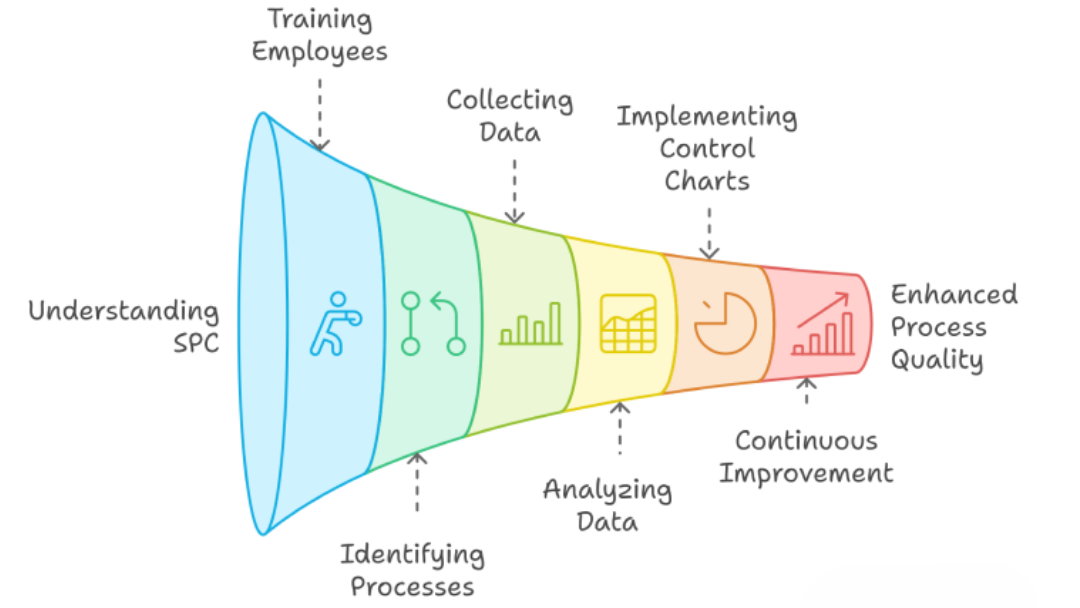
- Statistical Process Control monitoring
- Weld and coating validation
Higher first-pass yield reduces rework and protects effective capacity. Stable quality directly improves throughput.
Real-Time Production Visibility and Analytics
Digital dashboards track –
- OEE trends
- Downtime causes
- WIP levels
- Throughput rates
Early bottleneck detection enables corrective action before delivery impact. Historical analytics guide capital investment and automation decisions in Sheet Metal Manufacturing for Consumer facilities.
Strengthening Long-Term Program Continuity
Frigate’s structured framework reduces variability and improves production predictability. Controlled utilization preserves flexibility for seasonal demand spikes. Capacity expansion decisions rely on measurable performance data and simulation modeling.
Optimized systems ensure scalable, reliable Sheet Metal Manufacturing for Consumer programs that support sustained appliance growth.
Conclusion
Capacity planning drives performance in large-scale Sheet Metal Manufacturing for Consumer appliances. Fabrication ecosystems operate under strict cost, quality, and delivery expectations. Poor synchronization leads to idle assets, missed deadlines, and rising costs.
Frigate enables reliable and scalable Sheet Metal Manufacturing for Consumer capacity through structured planning, operational transparency, and data-driven execution.
Connect with Frigate to build predictable, scalable, and resilient sheet metal manufacturing capacity for consumer appliance growth.