








Global cross-border eCommerce continues to expand at double-digit rates. International D2C shipments now account for a significant share of industrial product movement, with global online trade expected to exceed $7 trillion within the next few years. Growth at this scale increases pressure on manufacturing, logistics, and packaging systems.
Sheet Metal Production for D2C Brands requires far more than precision fabrication. Export packaging has become a core engineering discipline that directly impacts landed cost, return rates, and brand perception. Products often travel 8,000–15,000 kilometers before reaching the end customer. During this journey, components face vibration, stacking loads, humidity exposure, and multiple handling cycles.
Contract sheet metal manufacturing partners must treat packaging as part of product design. A poorly protected enclosure, bracket, or chassis can fail cosmetically or structurally even if fabrication quality is excellent. Damage rates between 1–3% during international transport are common across industrial categories. Even a 1% failure rate can erode margins for D2C brands operating with tight profitability targets.
Sheet Metal Production for D2C Brands demands a structured, engineering-led export packaging strategy. This blog explains key considerations across corrosion protection, structural integrity, compliance, and cost optimization.
Why Export Packaging Becomes a Critical Engineering Decision in Sheet Metal Production for D2C Brands
International transport environments are mechanically aggressive. Sea freight containers experience constant vibration ranging from 1–200 Hz. Road transport adds random shock loads. Air freight exposes products to pressure variation and repeated handling.
Sheet Metal Production for D2C Brands must account for the following mechanical risks –
- Drop events during loading and unloading (typically 60–100 cm)
- Compression loads from pallet stacking exceeding 500 kg
- Lateral shifting during container movement
- Forklift impact during warehouse handling
Thin-gauge sheet metal parts are especially sensitive to localized stress. A 2 mm steel flange can deform permanently if load distribution is uneven. Precision assemblies with tight tolerances can lose alignment after minor shock exposure.
Export packaging failure creates multiple downstream issues –
- Cosmetic defects affecting unboxing experience
- Increased warranty claims
- Reverse logistics cost escalation
- Negative customer reviews in digital marketplaces
Damage-related losses across global supply chains average 0.5–2% of shipment value. D2C models amplify the impact because products ship directly to customers without intermediate quality inspection.
Engineering validation must include –
- ASTM D5276 drop testing
- ASTM D999 vibration testing
- Compression strength verification
- Load distribution simulation
Sheet Metal Production for D2C Brands requires packaging performance data, not assumptions.
How Corrosion and Surface Damage Quietly Erode Value During Global Transit
Moisture exposure remains one of the most underestimated risks in international shipping. Sea containers often experience internal humidity levels above 85%. Temperature fluctuation causes condensation, commonly known as container rain.
Steel begins to oxidize when relative humidity exceeds 60% under prolonged exposure. Aluminum can develop surface staining under high humidity combined with salt presence. Surface-finished components such as powder-coated panels or anodized aluminum parts are not immune to edge corrosion.
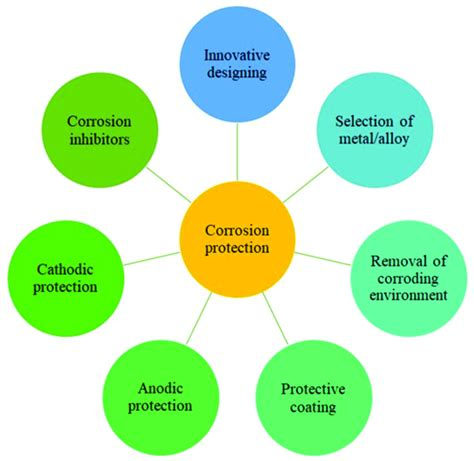
Sheet Metal Production for D2C Brands must integrate corrosion prevention into export packaging design.
Effective corrosion protection strategies include –
- Volatile Corrosion Inhibitor (VCI) films that release protective molecules
- Moisture barrier bags with controlled MVTR values
- Desiccant calculation based on container air volume
- Hermetically sealed packaging for long sea transit
A standard 40-foot container holds approximately 67 cubic meters of air. At 30°C and 80% relative humidity, this volume can contain more than 1.5 kilograms of water vapor. Without moisture control, condensation risk increases significantly during long voyages.
Salt exposure compounds corrosion risk. Salt spray resistance is commonly evaluated using ASTM B117 testing. Packaging solutions must match the protective performance of the applied coating system.
Surface integrity is equally critical for premium D2C brands. Minor abrasion during transport can damage –
- Powder-coated finishes
- Brushed stainless surfaces
- Electroplated components
- Laser-marked branding
Protective layers typically include foam separators with controlled density, anti-scratch polyethylene films, edge guards, and compartmentalized inserts.
Sheet Metal Production for D2C Brands must protect both mechanical strength and visual quality.
Why Structural Packaging Design Determines Whether Components Arrive Perfect or Damaged
Structural packaging design requires mechanical engineering analysis. Weight, geometry, center of gravity, and fragility factor must be evaluated before selecting packaging materials.
Sheet metal components range from lightweight brackets to heavy welded frames exceeding 40 kg. Each category demands a different structural approach.
Common packaging systems include –
- ISPM-15 compliant wooden crates
- Five-ply or seven-ply corrugated cartons
- Molded pulp supports
- Engineered foam inserts
- Palletized unit loads with stretch wrapping
Compression strength is a primary design parameter. Containers may stack up to five pallet layers. Bottom-layer packaging can experience vertical loads exceeding 800 kg.
Shock absorption performance depends on cushioning thickness and material density. Fragility analysis determines acceptable G-force levels. Precision components often require cushioning systems designed to limit shock transmission below 40G.
Overpackaging increases dimensional weight charges, especially in air freight. Carriers calculate freight cost based on volume when it exceeds actual weight. Dimensional inefficiency can increase logistics costs by 10–20%.
Container optimization improves freight economics. Reducing carton height or reconfiguring pallet footprints can increase container utilization by 8–15%.
Load balancing also matters. Uneven center of gravity increases tipping risk during forklift handling.
Sheet Metal Production for D2C Brands must integrate structural packaging calculations into production planning.
How Compliance and Export Regulations Can Disrupt Global D2C Shipments
Regulatory compliance remains a major operational risk in export logistics. Customs authorities enforce strict packaging and documentation requirements.
ISPM-15 regulations require heat-treated and stamped wooden packaging materials for international transport. Non-compliant crates can result in shipment rejection.
Export packaging must align with –
- Country-of-origin labeling requirements
- Harmonized System (HS) code accuracy
- Material declaration standards
- Recycling and environmental directives
Demurrage charges at ports range between $75 and $300 per day per container. Documentation errors or packaging non-compliance can significantly delay clearance.
Sustainability regulations are increasing globally. European markets require recyclable or reduced-plastic packaging. ESG reporting expectations continue to rise among institutional buyers.
Sheet Metal Production for D2C Brands must align packaging design with international trade compliance frameworks to avoid operational disruption.
Where Cost Optimization Meets Protection Strategy in Sheet Metal Production for D2C Brands
Packaging costs typically represent 3–7% of product manufacturing cost in industrial goods. Logistics cost may exceed 20% of total landed cost for international D2C shipments.
Cost optimization strategies must remain data-driven.
Key approaches include –
- Standardizing carton sizes for multi-SKU efficiency
- Designing packaging around container dimensions
- Reducing internal void space
- Implementing modular packaging systems
- Performing lifecycle cost analysis
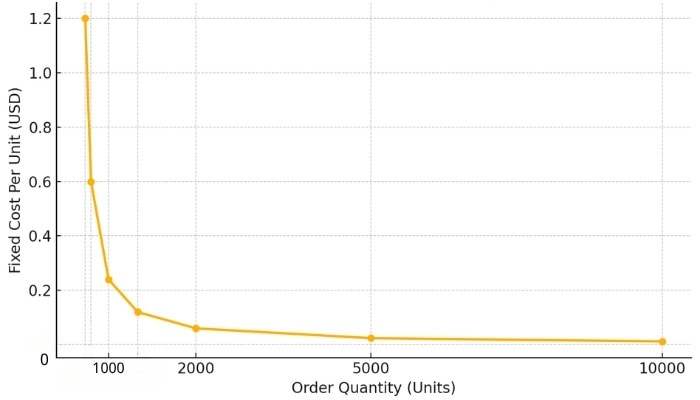
A small dimensional reduction across high-volume shipments can generate measurable savings. Reducing package height by 20 mm across 1,000 units can improve pallet density and lower freight cost by 5–8%.
Lifecycle cost modeling compares protective investment versus damage probability. Spending an additional $2 per unit on engineered cushioning may prevent $20 in replacement and reverse logistics costs.
Brand reputation cost must also be factored. Negative reviews reduce customer acquisition efficiency and repeat purchase rates.
Sheet Metal Production for D2C Brands requires a balance between protection performance and freight economics.
Why Manufacturing and Fulfillment Alignment Reduces Risk in D2C Operations
Coordination between manufacturing facilities and third-party logistics providers is essential for D2C efficiency. Packaging misalignment often results in repacking at distribution centers.
Repacking increases –
- Labor cost
- Handling damage risk
- Order processing time
- Inventory errors
Factory-level packaging must integrate with fulfillment systems. Barcoding, SKU labeling, serialization, and kitting requirements should be validated during pilot production.
Traceability systems enable tracking from fabrication batch to final delivery. Serialized packaging improves quality control and recall management.
Reverse logistics must also be considered. Packaging should allow safe product return and reintegration into inventory without additional damage.
Sheet Metal Production for D2C Brands benefits significantly from early integration between contract sheet metal manufacturing and global fulfillment networks.
How Frigate Strengthens Export-Ready Sheet Metal Production for D2C Brands
Frigate treats export packaging as part of the manufacturing process, not as a final step. Fabrication, surface finishing, corrosion control, and packaging validation are aligned within one operational framework. This reduces coordination gaps and lowers transit risk across global supply chains.
Sheet Metal Production for D2C Brands often faces failures between factory output and international delivery. Frigate closes this gap through integrated engineering and packaging control.
Integrated Engineering from Fabrication to Export Packaging
Packaging considerations are built into product development. Laser cutting, bending, welding, and finishing processes are reviewed alongside export packaging design.
This ensures –
- Surface finishes match transit exposure conditions
- Structural reinforcement aligns with load-bearing zones
- Packaging dimensions optimize pallet and container space
- Redesign cycles are minimized before mass production
Early integration improves production stability and shipment reliability.
Corrosion Protection Engineered to Match Transit Conditions
Shipping duration and destination climate determine corrosion risk. Sea freight, high humidity, and salt exposure require precise moisture control.
Frigate aligns protection methods with –
- Transit time and route
- Container type and cubic volume
- Metal type and coating system
Desiccant quantities, VCI materials, and barrier films are selected using measurable performance criteria. This reduces rust formation and surface degradation during international transport.
Drop and Vibration Validation Testing
Packaging performance is validated under simulated transit conditions. Testing verifies structural strength and shock absorption capability.
Validation includes –
- Controlled drop testing
- Vibration simulation
- Compression load assessment
- Edge crush strength verification
Measured shock transmission levels confirm whether cushioning density and thickness are adequate. This data-driven method reduces damage rates in Sheet Metal Production for D2C Brands.
ISPM-15 Compliant Crating and Global Regulatory Alignment
Export packaging must meet international compliance standards. Frigate ensures wooden crates follow ISPM-15 heat-treatment requirements and carry proper certification.
Documentation aligns with –
- HS code classifications
- Country-of-origin labeling
- Sustainability and material declarations
Regulatory alignment reduces customs delays and protects D2C delivery timelines.
Container Load Optimization and Freight Efficiency
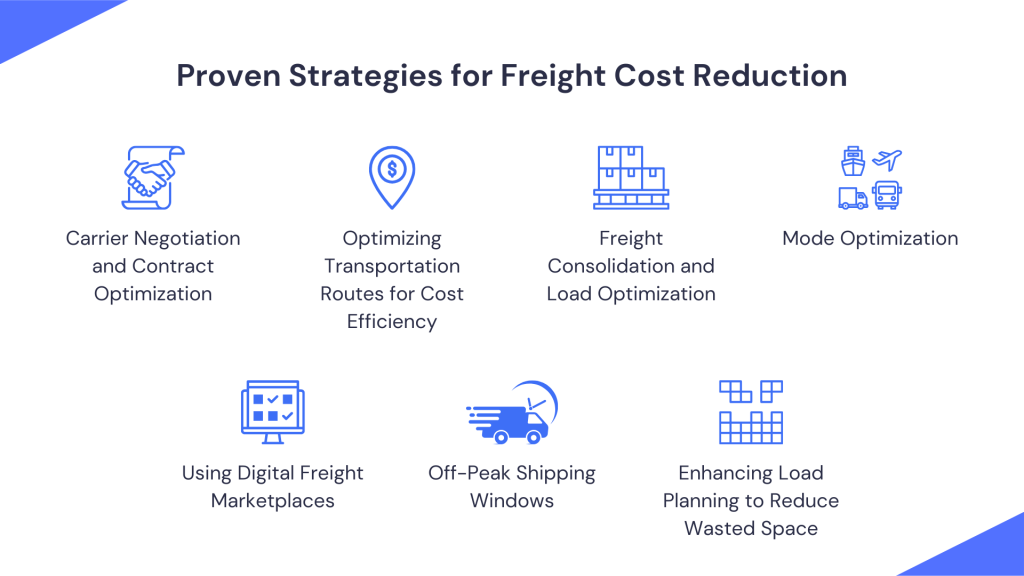
Freight cost control depends on packaging geometry and container utilization. Frigate evaluates pallet configuration and dimensional efficiency during packaging design.
Optimization focuses on –
- Balanced weight distribution
- Reduced unused container space
- Improved stacking efficiency
- Lower dimensional weight impact
Efficient container loading can reduce per-unit freight cost while maintaining structural protection.
Direct-to-Consumer Ready Packaging Integration
D2C models require packaging that flows directly from factory to customer. Frigate designs packaging to integrate with fulfillment systems.
This includes –
- Barcode and SKU labeling
- Serialized traceability
- Kitting requirements
- Return-friendly structures
Alignment between production and logistics reduces repacking, handling risk, and delivery errors.
Measurable Impact on Sheet Metal Production for D2C Brands
Frigate strengthens Sheet Metal Production for D2C Brands through structured packaging engineering and compliance integration.
Results include –
- Lower transit damage rates
- Reduced reverse logistics cost
- Improved freight utilization
- Faster customs clearance
- Consistent surface quality upon delivery
Export packaging becomes a controlled engineering parameter that supports quality, profitability, and global D2C performance.
Conclusion
Export packaging functions as a critical control point in global D2C operations. Fabrication precision alone cannot guarantee customer satisfaction. Protection, compliance, and cost alignment must operate together.
Frigate supports organizations seeking dependable, compliant, and optimized Sheet Metal Production for D2C Brands across international markets. Connect with Frigate to strengthen export performance, reduce transit risk, and build resilient global D2C supply chains.