




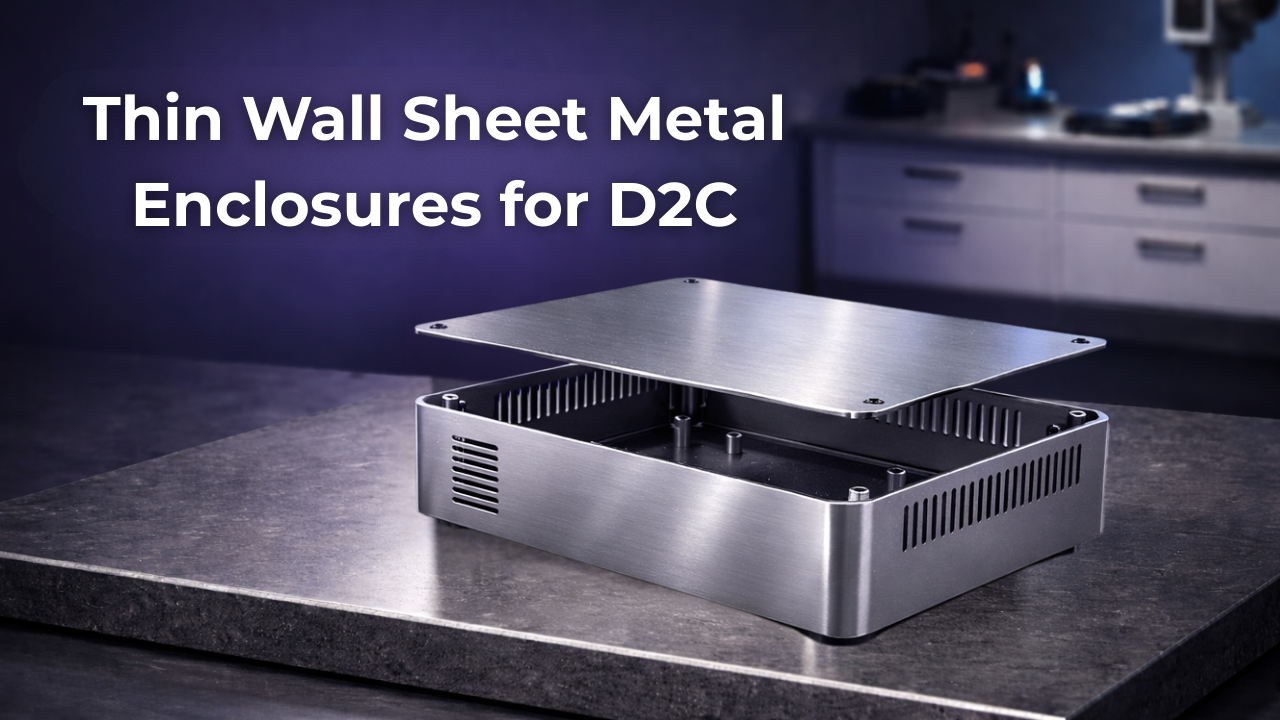
Modern D2C hardware products are expected to be sleek, compact, and visually flawless. Customers compare products side by side. Even a slight panel bend or surface waviness becomes noticeable. Manufacturing teams therefore face increasing pressure to maintain dimensional perfection while reducing cost and weight.
Adoption of Thin Wall Sheet Metal Enclosures for D2C has increased significantly across electronics, EV charging systems, smart appliances, networking equipment, and IoT devices. Wall thickness typically ranges between 0.8 mm and 1.5 mm. Material reduction lowers logistics cost by up to 30% and improves sustainability metrics. However, thinner material dramatically reduces structural stiffness.
Bending stiffness follows a cubic relationship with thickness. Reducing thickness from 2 mm to 1 mm reduces stiffness by nearly 87%. Thin panels deform more easily under thermal, mechanical, or residual stress. Flatness therefore becomes one of the most sensitive quality parameters in Thin Wall Sheet Metal Enclosures for D2C manufacturing.
Flatness control is not only about appearance. Dimensional stability directly influences assembly speed, internal component alignment, vibration resistance, and long-term durability. Successful control requires coordination between design engineering, fabrication sequencing, stress management, and inspection systems.
Why Flatness Directly Impacts Performance, Assembly, and Brand Perception
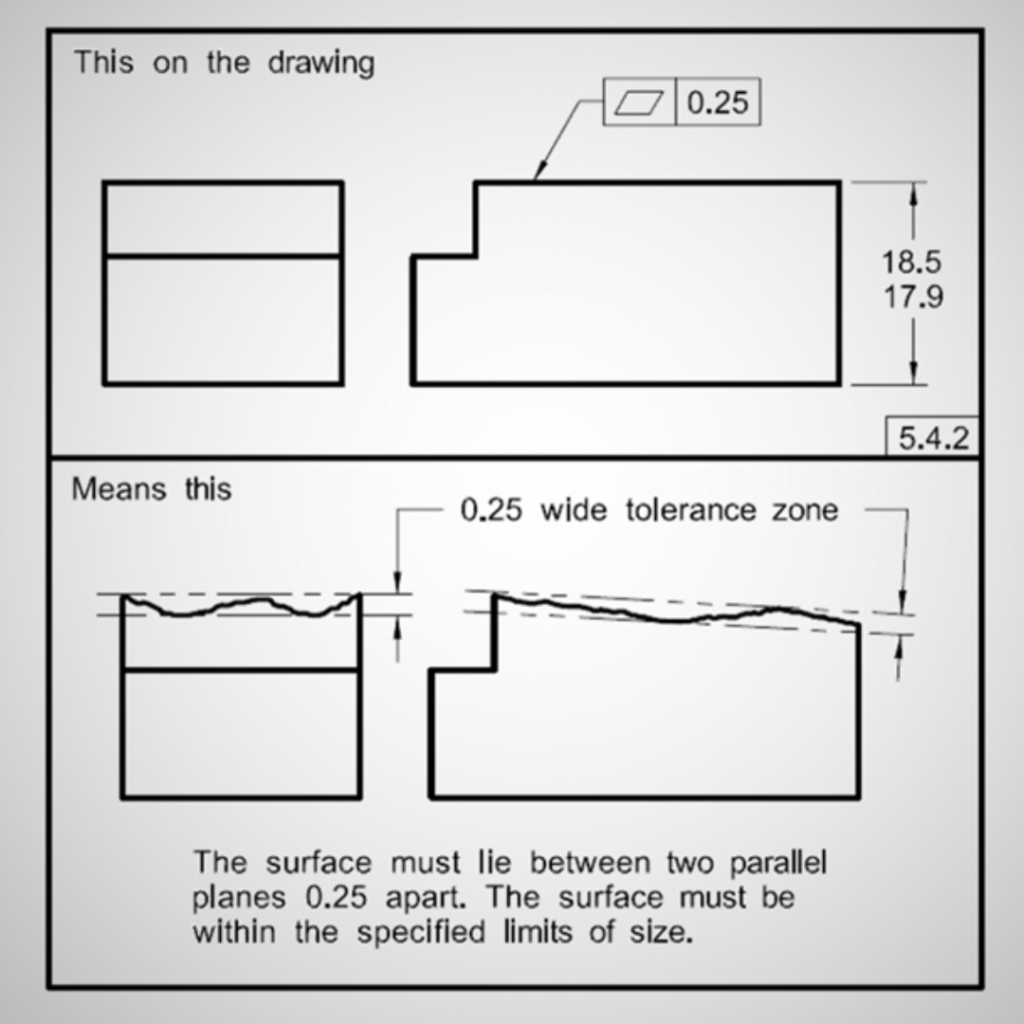
Flatness defines how much a surface deviates from a perfect plane. A 500 mm wide panel with just 0.6 mm deviation can show visible oil-canning. Human eyes are highly sensitive to reflected light distortion, especially on powder-coated or painted surfaces.
Functional performance of Thin Wall Sheet Metal Enclosures for D2C depends heavily on dimensional stability. Flatness influences –
- Panel-to-panel gap uniformity
- Alignment of doors and access covers
- Consistent compression of sealing gaskets
- Accurate mounting of PCBs and internal brackets
- Resistance to vibration-induced noise
Poor flatness increases assembly complexity. Operators may need to apply manual force to align components. Assembly cycle time can increase by 15–20% when repeated adjustments are required. Tolerance stack-up compounds the issue. Each part may fall within tolerance individually, yet total assembly deviates beyond acceptable limits.
Brand perception is directly tied to visual quality. Research indicates that over 70% of consumers associate surface finish and fitment quality with overall product reliability. Distorted panels in Thin Wall Sheet Metal Enclosures for D2C may result in higher return rates, negative reviews, and warranty claims.
Flatness therefore becomes both an engineering and business-critical metric.
Understanding the Root Causes of Distortion During Fabrication
Fabrication processes introduce both mechanical and thermal stress. Thin sheet reacts rapidly due to low resistance.
Residual stress originates during rolling at steel and aluminum mills. Cold rolling induces internal tension along grain structure. Laser cutting releases this stress unevenly, causing slight curvature or twisting.
Thermal distortion during laser cutting occurs due to localized temperatures exceeding 1500°C. Rapid expansion and contraction create stress gradients across thin sheets. Thin material allows heat to penetrate fully through thickness, increasing deformation risk.
Bending operations stretch outer fibers and compress inner fibers. Improper bend radius or tooling mismatch increases stress concentration. Results may include –
- Angular deviation
- Twisting along long bends
- Surface rippling
- Local buckling
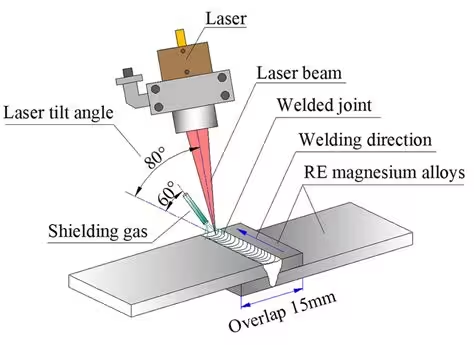
Welding introduces concentrated heat zones. Cooling shrinkage pulls material inward. Thin panels experience –
- Angular distortion at weld seams
- Longitudinal shrinkage
- Global panel bowing
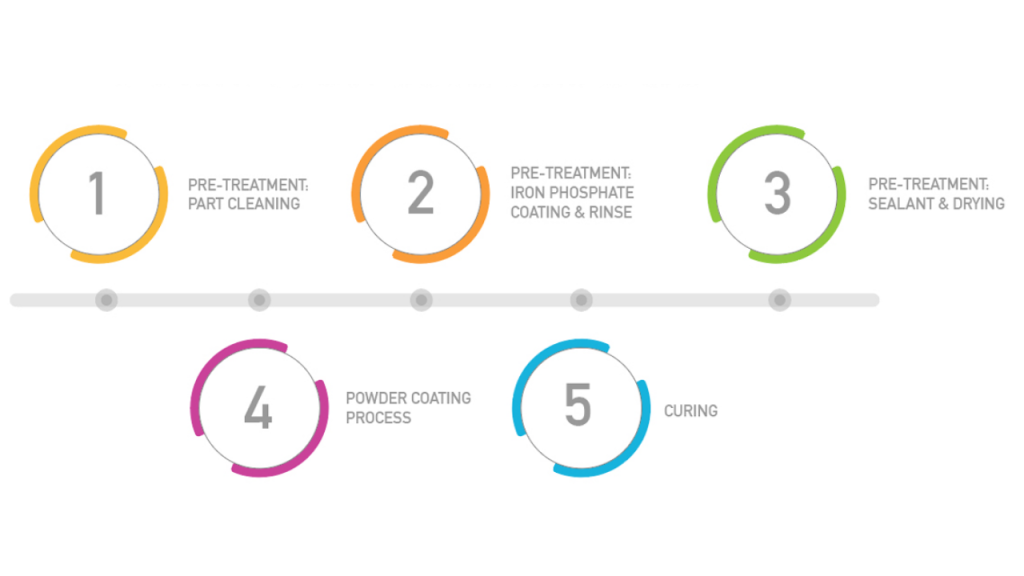
Powder coating curing cycles expose assemblies to 180–200°C. Stress relaxation during heating may change geometry further. Uneven rack loading can cause gravitational sagging.
Stack-up tolerance creates cumulative dimensional variation. A 0.25 mm deviation per component across four panels can exceed 1 mm misalignment. These combined effects make flatness management complex in Thin Wall Sheet Metal Enclosures for D2C.
How Design Decisions Can Either Prevent or Amplify Warpage
Design stage decisions strongly influence final flatness. Large unsupported flat surfaces act like flexible plates. Without reinforcement, thin material easily deforms.
Common design weaknesses observed in Thin Wall Sheet Metal Enclosures for D2C include –
- Wide flat panels without ribs or beadings
- Long unsupported spans between bends
- Sharp internal corners creating stress concentration
- Extremely tight visual tolerances without structural support
- Inappropriate material selection for operating temperature
Material thermal expansion plays a major role. Aluminum expands approximately 23 µm/m°C, while mild steel expands around 12 µm/m°C. Thermal mismatch between material and finishing process may introduce stress.
Effective structural reinforcement strategies include –
- Adding shallow ribs to increase moment of inertia
- Using return flanges to strengthen long edges
- Maintaining bend radius between 1–1.5 times material thickness
- Dividing large surfaces into modular sub-panels
- Performing Finite Element Analysis (FEA) for distortion prediction
A small 4–6 mm bead feature can improve panel stiffness by up to 40%. Early Design for Manufacturability (DFM) validation significantly reduces flatness defects during mass production of Thin Wall Sheet Metal Enclosures for D2C.
Engineering decisions at design stage determine fabrication success.
Process Control Strategies That Deliver Consistent Flatness at Scale
Stable processes ensure repeatable outcomes. Dimensional variation reduces when fabrication parameters remain tightly controlled.
Material handling is foundational. Sheets must be stored on leveled racks to prevent pre-loading stress. Environmental control avoids corrosion-induced warping.
Laser cutting requires controlled feed rate and assist gas pressure. Balanced cutting sequences prevent asymmetric stress release. Micro-joint placement stabilizes sheet geometry during cutting.
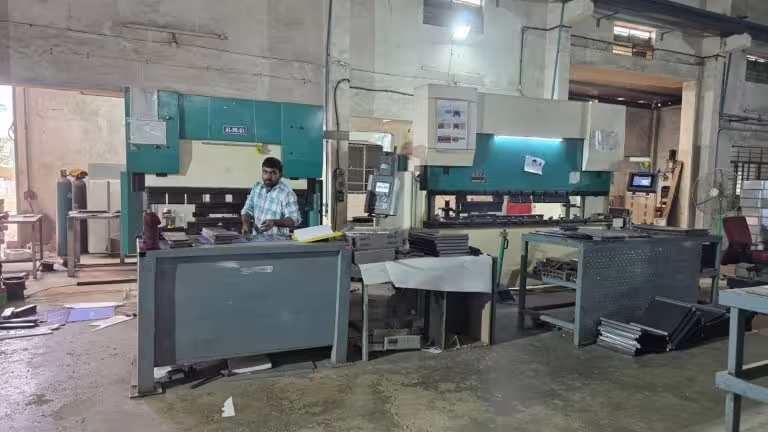
CNC press brakes must undergo routine calibration. Consistent back gauge positioning ensures repeatable bend location. Air bending distributes stress more uniformly than bottoming for thin material.
Welding distortion control involves –
- Symmetrical welding patterns
- Controlled heat input
- Sequencing from center outward
- Fixture-based clamping to restrict movement
Laser welding minimizes heat-affected zones, making it suitable for Thin Wall Sheet Metal Enclosures for D2C.
Powder coating ovens require uniform airflow and gradual temperature ramp-up. Even heating reduces stress imbalance.
Statistical Process Control (SPC) monitors dimensional trends. Real-time data helps detect deviation early. Process discipline ensures scalability without compromising flatness.
Measurement and Validation – Turning Flatness into a Controlled Engineering Variable
Measurement converts flatness from visual observation into quantifiable data.
Granite surface tables provide stable reference planes. Feeler gauges measure deviation at multiple points. Dial indicators capture localized height differences.
Advanced inspection systems enhance precision –
- Coordinate Measuring Machines (CMM) for accurate point measurement
- 3D laser scanning for full surface deviation mapping
- Optical systems generating color-coded distortion reports
Flatness tolerance for Thin Wall Sheet Metal Enclosures for D2C typically ranges between ±0.3 mm and ±0.8 mm depending on application and panel size.
3D scanning creates deviation heat maps. High and low areas become visually clear. Data-driven validation improves supplier transparency and reduces disputes.
First Article Inspection (FAI) ensures dimensional integrity before mass production scaling. Periodic audits maintain consistency across production batches.
Structured inspection systems strengthen reliability.
How Frigate Systematically Controls Flatness in Thin Wall Sheet Metal Enclosures for D2C
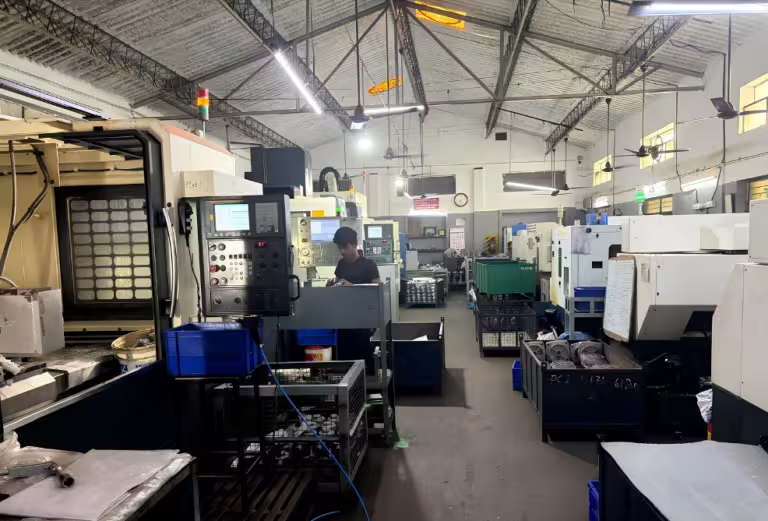
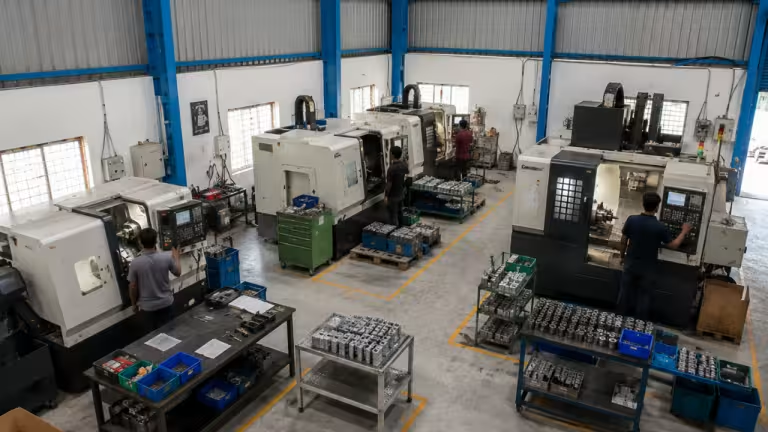
Frigate applies a structured engineering framework to control flatness across the full manufacturing cycle of Thin Wall Sheet Metal Enclosures for D2C. Flatness is treated as a measurable mechanical parameter, not just a cosmetic feature. Each stage — design, fabrication, finishing, and inspection — is engineered to minimize distortion risk.
Engineering-Led DFM and Structural Validation
Control begins at the design stage. Detailed DFM reviews evaluate distortion sensitivity before production starts.
Technical checks include –
- Panel length-to-thickness ratio assessment
- Unsupported span calculation using plate stiffness principles
- Rib depth and spacing optimization
- Bend radius validation (typically 1–1.5× thickness)
- Tolerance stack-up simulation
- Material property review (elastic modulus, thermal expansion)
Finite Element Analysis (FEA) predicts stress during bending and welding. Thermal simulation evaluates deformation during powder coating cycles. Early validation reduces downstream flatness deviations in Thin Wall Sheet Metal Enclosures for D2C.
Precision Laser Cutting with Controlled Heat Input
Laser cutting introduces localized thermal stress. Frigate minimizes distortion by tightly regulating energy input.
Key controls include –
- Optimized cutting speed and feed rate
- Controlled assist gas pressure
- Symmetrical cut sequencing
- Micro-joint placement for sheet stability
- Heat-affected zone (HAZ) limitation
Thermal balance reduces residual stress release and prevents panel bowing. Stable cutting ensures dimensional accuracy before forming operations begin.
CNC Bending with Springback Compensation
Press brake operations are calibrated for thin gauges. CNC systems apply programmed compensation based on material properties.
Process controls include –
- Calibrated back gauge positioning
- Air bending for uniform stress distribution
- Correct V-die selection based on thickness
- Springback prediction using yield strength data
- Optimized multi-bend sequencing
Such controls improve angular consistency and reduce twist across long panels used in Thin Wall Sheet Metal Enclosures for D2C.
Fixture-Based Welding and Thermal Sequencing
Welding distortion is managed through engineered restraint and heat control.
Technical measures include –
- Symmetrical weld patterns
- Controlled heat input parameters
- Center-outward weld sequencing
- Mechanical clamping fixtures
- Inter-pass temperature monitoring
Laser welding is applied where feasible to reduce total heat input. Controlled sequencing minimizes shrinkage and buckling in thin sections.
Thermal Stability During Powder Coating
Powder coating introduces secondary heat cycles. Frigate ensures dimensional stability during curing.
Controls include –
- Balanced rack loading
- Uniform airflow distribution
- Gradual oven ramp-up
- Controlled dwell time
Uniform heating reduces stress relaxation and prevents sagging of large cosmetic panels.
Advanced Metrology and Statistical Monitoring
Flatness is validated using multi-level inspection systems.
Measurement tools include –
- Granite reference tables
- Dial indicators and feeler gauges
- Coordinate Measuring Machines (CMM)
- 3D laser surface deviation mapping
Flatness tolerances typically range between ±0.3 mm and ±0.8 mm depending on panel size. SPC monitoring tracks dimensional trends across batches. Data traceability links each production lot to process parameters, enabling rapid root cause analysis.
Conclusion
Thin materials provide weight reduction and cost efficiency. Reduced thickness also increases sensitivity to stress and temperature variation. Effective flatness control in Thin Wall Sheet Metal Enclosures for D2C requires coordinated engineering across design, fabrication, and inspection.
Frigate delivers reliable, dimensionally stable Thin Wall Sheet Metal Enclosures for D2C through structured design validation, disciplined fabrication control, and advanced inspection systems.
Partner with Frigate to develop precision-engineered enclosures that meet demanding D2C expectations and scale confidently with growth.