


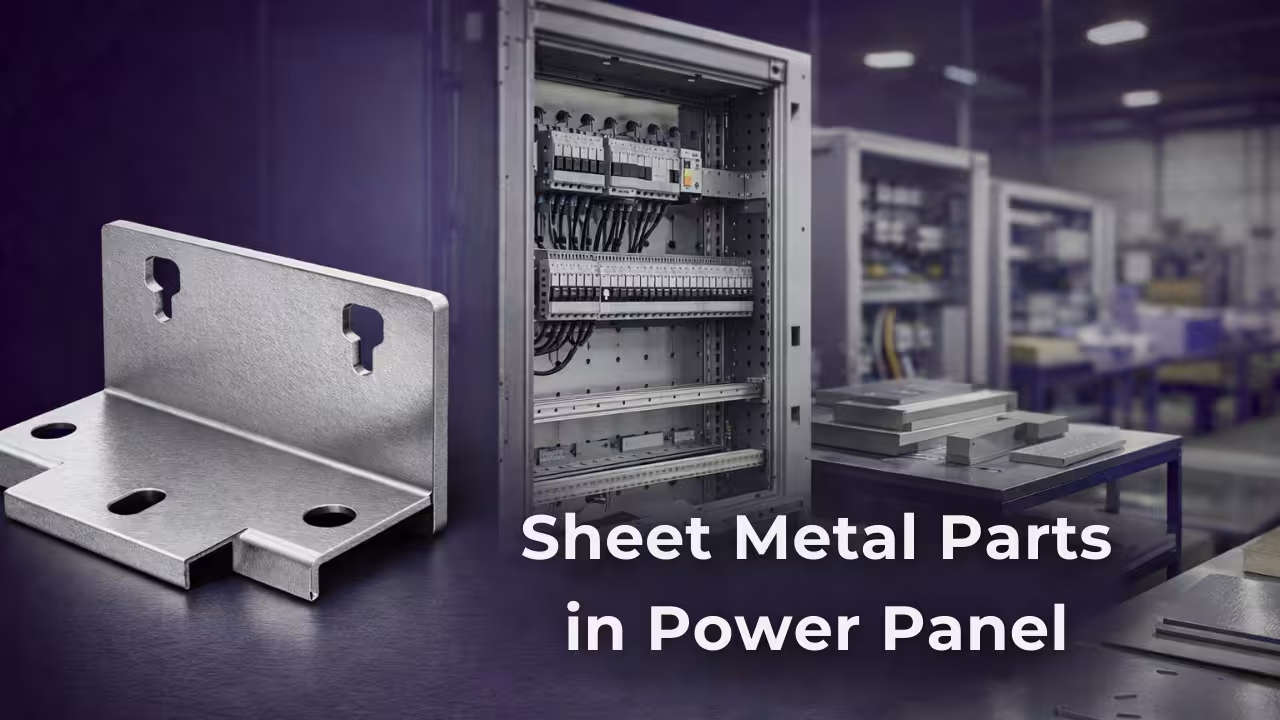
Power panel manufacturers operate in a procurement environment where cost clarity directly impacts margins, competitiveness, and delivery reliability. When sourcing complex enclosures, brackets, frames, and structural components, working with a reliable laser cut sheet metal parts manufacturer becomes a strategic decision rather than a simple vendor selection.
In power panel manufacturing, sheet metal components are not commodity items. Every enclosure, mounting plate, and structural part is designed for exact fitment, electrical safety compliance, and consistent assembly integration. Because of this, procurement teams increasingly demand a transparent should-cost model while working with a laser cut sheet metal parts manufacturer to ensure pricing aligns with actual manufacturing inputs.
This article focuses on the practical cost breakdown while sourcing laser cut and bent sheet metal parts in power panel from a laser cut sheet metal parts manufacturer. The objective is to help procurement teams compare suppliers based on manufacturing capability, cost drivers, and production scalability.
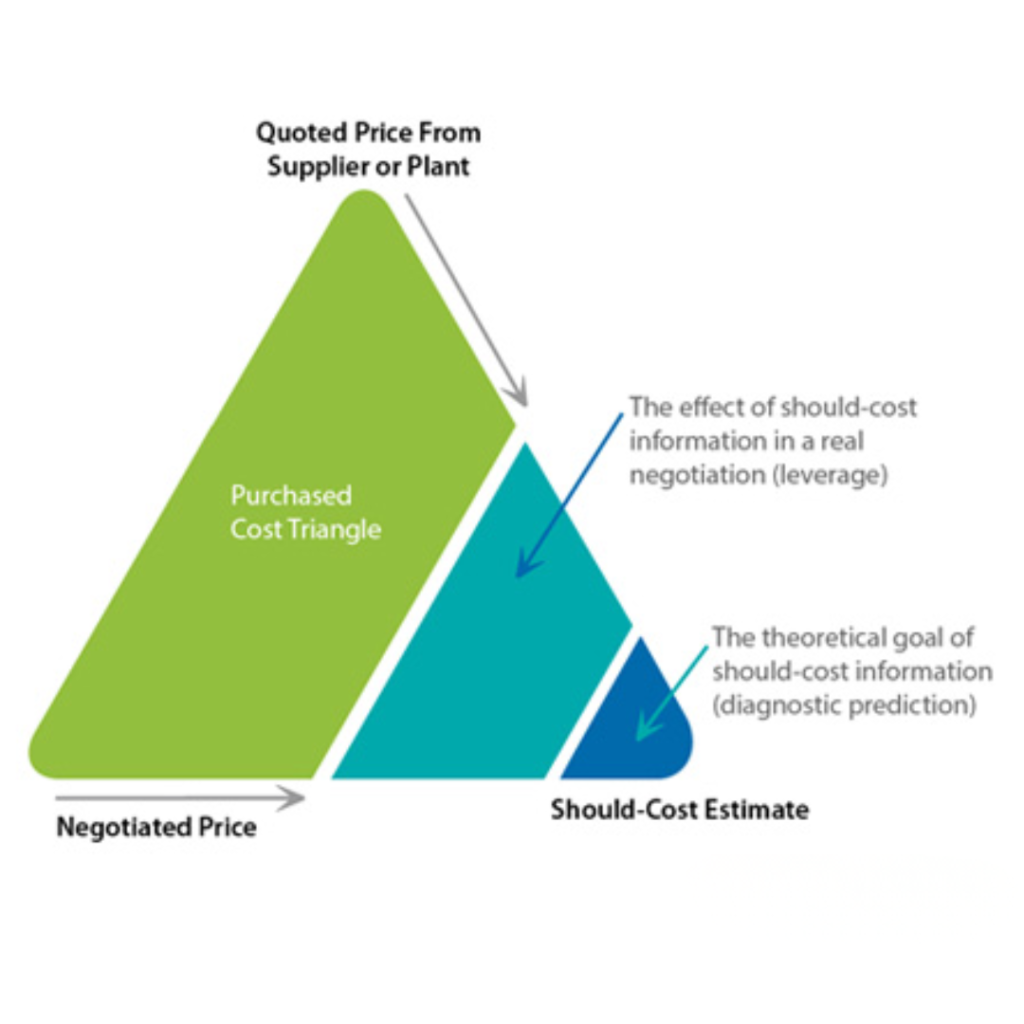
Why Should-Cost Matters in Power Panel Sheet Metal Procurement
Power panel manufacturing involves high-volume sheet metal components such as panel enclosures, busbar chambers, mounting brackets, cable support trays, and internal structural frames. Procurement teams rely on should-cost analysis to verify supplier quotations and ensure consistency across sourcing cycles.
When working with a laser cut sheet metal parts manufacturer, the cost is typically influenced by several measurable factors across the production cycle.
Key Cost Drivers in Laser Cut and Bent Components
Material Cost
Material cost forms the largest portion of the total manufacturing expense. Power panel components typically require CRCA, GI, stainless steel, or aluminum sheets depending on electrical standards and environmental conditions.
In projects involving custom sheet metal fabrication for power panels, material selection often affects not only cost but also bending feasibility and finishing processes.
Laser Cutting Cost
Laser cutting accuracy directly influences downstream bending precision and assembly fitment. High-performance suppliers offering laser cutting and bending sheet metal services usually optimize cutting paths and nesting patterns to reduce scrap and improve material utilization.
Bending and Forming Cost
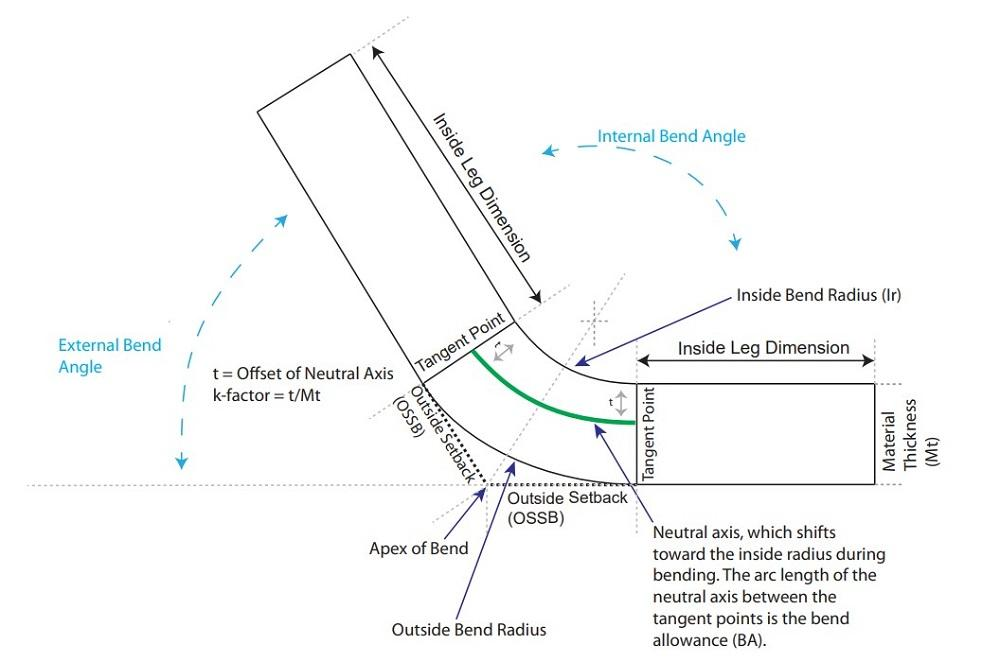
Bending cost depends on part complexity, number of bends, tooling requirements, and tolerance levels. For power panel structures, sourcing from a sheet metal bending services manufacturer capable of maintaining consistent bend angles across production batches becomes essential.
Engineering and Programming Cost
CAD programming, nesting optimization, and process simulation are required for complex assemblies used in sheet metal enclosure manufacturing services. These costs are generally amortized across production volumes but should still be considered in should-cost evaluations.
Laser Cutting Cost Structure for Power Panel Components
Laser cutting forms the foundation of accurate sheet metal manufacturing. For panel manufacturers, even minor dimensional inconsistencies can cause delays during enclosure assembly.
A professional laser cut sheet metal parts manufacturer typically structures cutting cost based on –
Machine Time
Machine hourly rate depends on laser technology, cutting thickness, and production batch size.
Suppliers providing precision sheet metal fabrication services often run automated laser systems that reduce cycle time and improve throughput.
Material Utilization
Efficient nesting plays a significant role in cost control. Experienced vendors offering custom laser cut metal parts supplier capabilities usually optimize nesting to maximize sheet utilization and reduce wastage.
Edge Quality Requirements
Power panel components frequently require burr-free edges and high dimensional accuracy. This is especially important for components supplied by an industrial sheet metal parts supplier working with electrical OEM manufacturers.
Sheet Metal Bending Cost Breakdown
After laser cutting, bending operations convert flat sheet components into functional structures used in power panels.
Bending cost varies depending on –
Number of Bends per Part
Parts used in custom sheet metal fabrication for power panels may involve multiple bends, forming channels, enclosures, and support structures.
Tooling Complexity
Complex bending sequences require specialized tooling. A reliable sheet metal bending services manufacturer maintains an extensive tooling library to reduce setup costs and production delays.
Batch Size and Production Volume
High-volume panel manufacturers often negotiate better pricing with a laser cut sheet metal parts manufacturer due to repeat production cycles and consistent part geometries.
Fabrication Integration in Power Panel Manufacturing
In many projects, cutting and bending are only part of the manufacturing process. Several components require additional fabrication operations such as welding, tapping, countersinking, and assembly.
Suppliers offering OEM sheet metal fabrication services usually integrate these processes into a single production workflow, reducing handling costs and improving lead time reliability.
For example, vendors specializing in sheet metal enclosure manufacturing services can produce complete enclosure assemblies including door frames, mounting plates, and structural reinforcements.
This integration becomes particularly valuable for procurement teams managing complex custom sheet metal fabrication for power panels where multiple parts must align perfectly during panel assembly.
Surface Finishing and Secondary Processing Costs
Finishing costs vary depending on application requirements and environmental conditions.
Common finishing processes include –
- Powder coating
- Zinc plating
- Passivation
- Galvanizing
- Surface deburring
Suppliers providing precision sheet metal fabrication services often coordinate finishing through in-house facilities or certified partners to ensure coating thickness consistency.
For power panel manufacturers, surface finishing directly impacts corrosion resistance and electrical safety compliance.
Logistics and Supply Chain Factors
Apart from manufacturing costs, logistics plays a crucial role in the total cost structure.
An experienced industrial sheet metal parts supplier understands the importance of packaging, batch labeling, and assembly-ready part delivery.
Logistics cost considerations include –
- Batch packaging for assembly lines
- Damage-free transportation
- Just-in-time supply schedules
- Multi-location delivery support
Many panel manufacturers prefer working with a custom laser cut metal parts supplier who can maintain consistent supply schedules aligned with panel production timelines.
Vendor Capability Assessment Beyond Price
Cost evaluation alone is not sufficient when sourcing sheet metal components for power panel manufacturing. Procurement teams must also evaluate manufacturing capability and process reliability.
A qualified laser cut sheet metal parts manufacturer should demonstrate –
Production Infrastructure
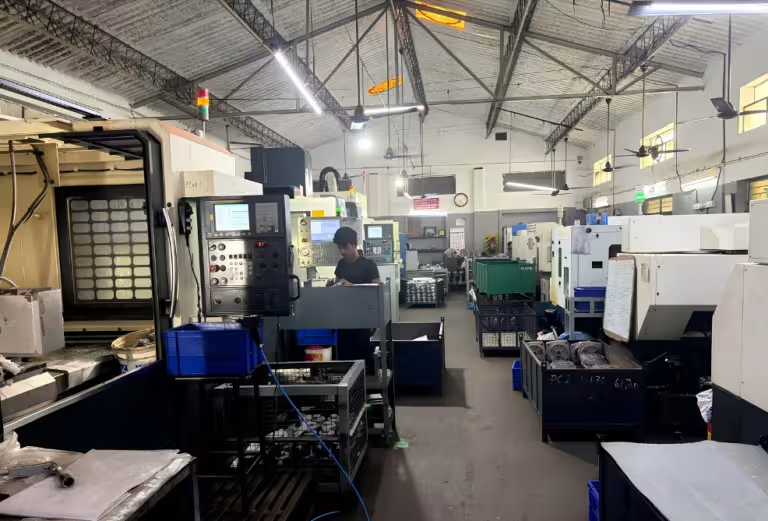
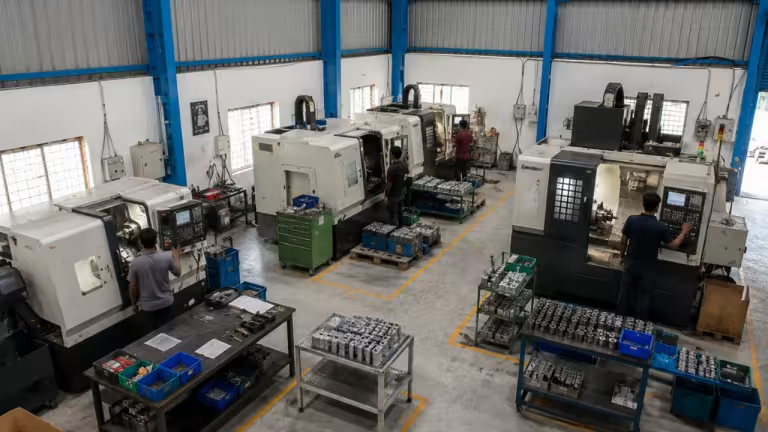
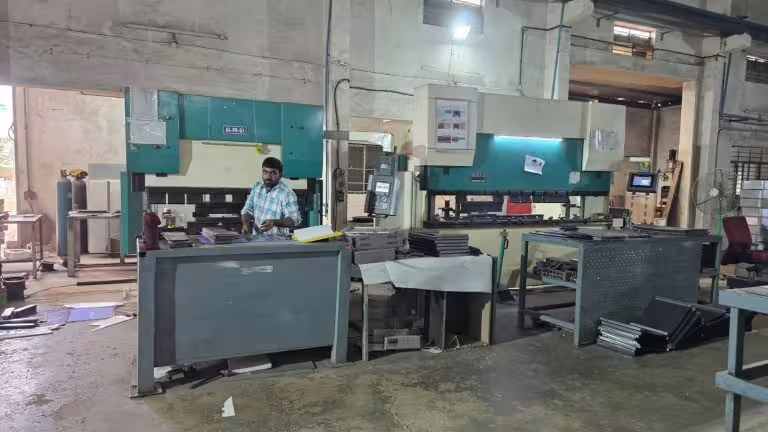
Suppliers offering laser cutting and bending sheet metal services should have modern laser machines, CNC press brakes, and automated material handling systems.
Process Consistency
Suppliers delivering OEM sheet metal fabrication services must maintain strict dimensional tolerance across batches to avoid assembly misalignment.
Engineering Support
For complex designs used in sheet metal enclosure manufacturing services, engineering collaboration with the supplier can significantly reduce manufacturing costs and improve part performance.
Strategic Benefits of Consolidated Sheet Metal Suppliers
Many power panel manufacturers prefer working with a single supplier capable of handling multiple fabrication processes.
A supplier providing custom sheet metal fabrication for power panels alongside laser cutting and bending sheet metal services can streamline procurement and reduce vendor coordination.
Additionally, a dependable industrial sheet metal parts supplier with scalable production capacity can support both prototype runs and high-volume panel manufacturing.
Working with an experienced sheet metal bending services manufacturer also ensures that bend accuracy and repeatability remain consistent across long-term production contracts.
How Frigate Supports Power Panel Manufacturers
Power panel manufacturers often face sourcing challenges that go beyond price comparison. Procurement teams must ensure dimensional accuracy, production scalability, supplier reliability, and strict adherence to engineering specifications. Frigate addresses these challenges by building a structured manufacturing specifically aligned with industrial sheet metal production.
Instead of acting as a simple sourcing platform, Frigate supporting large-scale electrical equipment production.
Engineering and Design Alignment
One of the most common issues in sheet metal procurement is the gap between design intent and manufacturing feasibility. Frigate ensures engineering drawings are optimized for production.
For projects requiring laser cutting and bending sheet metal services, Frigate facilitates technical coordination between design teams and manufacturing engineers. This process helps validate –
- Bend feasibility and bend sequence planning
- Laser cutting tolerances and hole positioning
- Material grade compatibility
- Structural integrity of enclosure designs
This collaboration is particularly important in precision sheet metal fabrication services, where dimensional tolerances must remain consistent across production batches.
Manufacturing Process Coordination
Once a project moves into production, Frigate helps managing operations handled by companies providing –
- OEM sheet metal fabrication services
- sheet metal bending services manufacturer capabilities
- custom laser cut metal parts supplier infrastructure
Frigate ensures that the transition between cutting, bending, and fabrication stages remains smooth. This reduces production delays and prevents inconsistencies that can occur when multiple vendors operate independently.
Production Scalability for Industrial Volumes
Power panel manufacturers often require suppliers capable of scaling production quickly when demand increases.
Frigate match with the right industrial sheet metal parts supplier based on production requirements such as –
- Prototype runs and pilot batches
- Mid-volume production
- High-volume enclosure manufacturing
Suppliers providing sheet metal enclosure manufacturing services through the Frigate typically operate modern laser cutting systems and automated press brakes that support consistent batch production.
Quality Monitoring and Manufacturing Consistency
Maintaining consistent quality across thousands of components is essential in power panel manufacturing. Frigate follow structured quality control procedures for precision sheet metal fabrication services.
Quality management practices within the Frigate ecosystem often include –
- First article inspection validation
- Dimensional inspection using calibrated tools
- Batch traceability documentation
- Surface finishing verification
This structured quality approach ensures that parts supplied by a laser cut sheet metal parts manufacturer remain consistent across repeat orders.
Supply Chain Reliability and Vendor Coordination
Managing multiple suppliers for cutting, bending, and finishing can create logistical complexity for procurement teams.
For example, when a project requires integrated laser cutting and bending sheet metal services, Frigate ensures for different stages of fabrication operate within synchronized production schedules.
This coordination is especially beneficial for manufacturers working on custom sheet metal fabrication for power panels, where multiple parts must arrive together for final assembly.
Procurement Efficiency and Vendor Consolidation
Many electrical equipment manufacturers aim to reduce vendor fragmentation in their supply chain. Frigate helps achieve this by providing multiple fabrication capabilities under one production ecosystem.
Instead of managing separate vendors for laser cutting, bending, and fabrication, companies can work with a qualified laser cut sheet metal parts manufacturer who also supports broader OEM sheet metal fabrication services.
This consolidation simplifies procurement workflows and improves supply chain visibility.
Conclusion
Power panel manufacturing requires high precision, reliable supply chains, and cost transparency across sheet metal component sourcing.
A detailed should-cost breakdown enables procurement teams to evaluate suppliers beyond quoted pricing and identify true manufacturing value.
Choosing the right laser cut sheet metal parts manufacturer ensures production consistency, accurate bending, and scalable fabrication support. When combined with the capabilities of a reliable industrial sheet metal parts supplier, procurement teams gain the confidence needed to maintain stable supply chains for power panel production.
Get an Instant Quote to source from verified suppliers for OEM sheet metal fabrication and precision sheet metal fabrication with Frigate.