




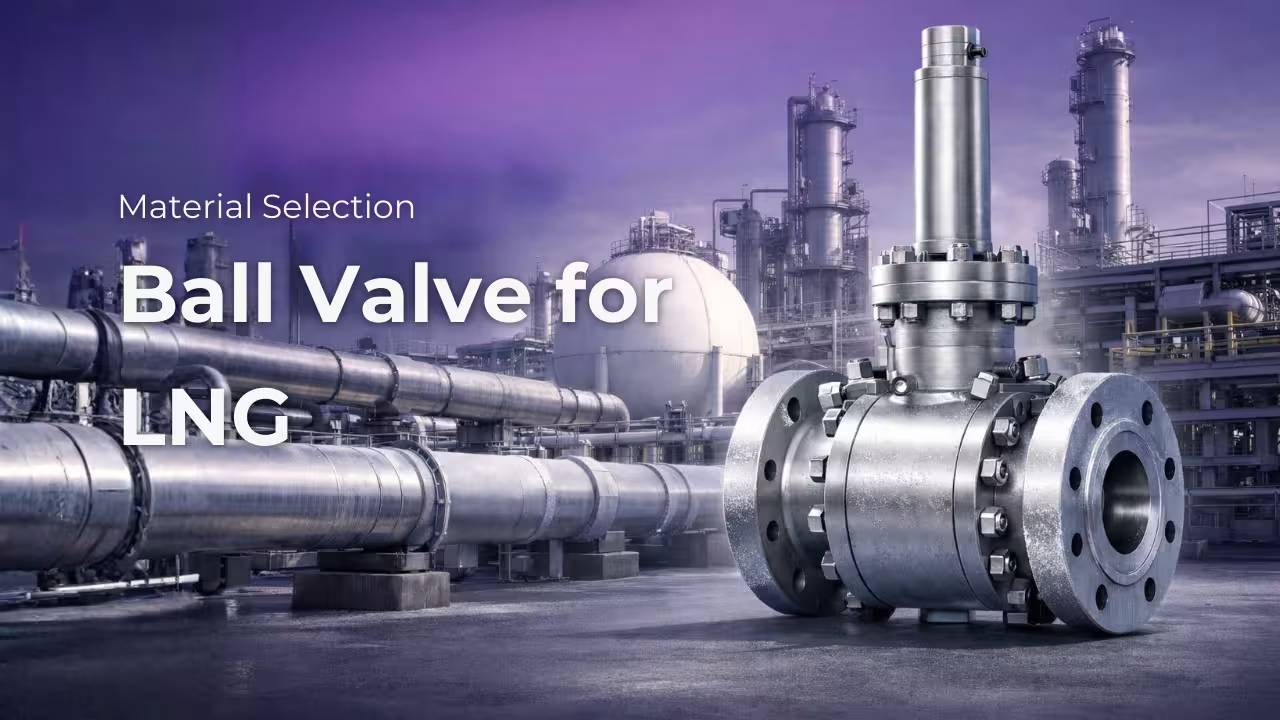
Material selection for cryogenic valve service is a purchase decision tied to execution quality, approval speed, and long-term plant consistency. Buyers evaluating a Cryogenic Ball Valve for LNG Applications do not want broad technical explanations. They want confidence that the valve will be built with the right metallurgy, internal trim combination, sealing arrangement, and testing discipline for the stated project requirement.
A weak material decision can slow approval, affect documentation, create manufacturing variation, and increase risk across the order cycle. A strong material decision supports better machining control, assembly stability, traceability, inspection readiness, and repeatability across multiple valve tags. That is why the LNG Ball Valve Material Specification matters so much in LNG and oil and gas projects where low-temperature valve supply must align with exact plant standards and project expectations.
Buyers also look closely at how the valve manufacturer handles production responsibility. A capable Cryogenic Service Ball Valve Manufacturer must be able to review the application, confirm the material route, validate component compatibility, and manufacture the final valve without creating repeated technical clarification cycles. That same expectation applies when evaluating an Industrial Cryogenic Ball Valve Supplier for large project packages, phased deliveries, or repeat line-item production.
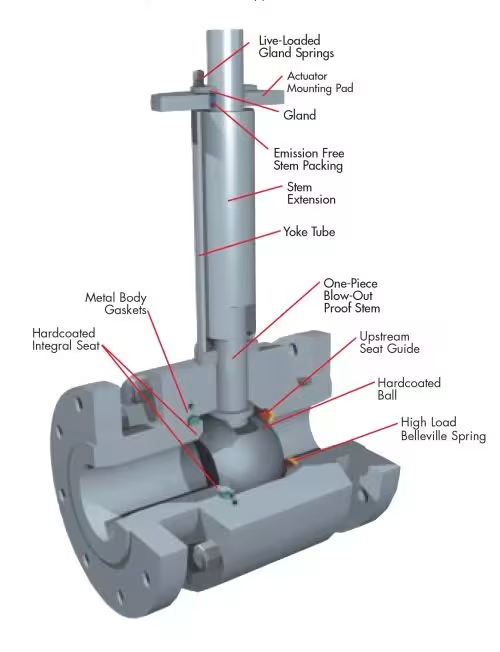
Why material selection drives approval speed and production consistency
Material selection affects far more than service suitability. It directly influences whether the valve can move smoothly from technical review into manufacturing and then through testing, inspection, and dispatch. A correctly selected Cryogenic Ball Valve for LNG Applications supports better component matching, more stable assembly, cleaner documentation, and more predictable project execution.
Project teams usually expect material decisions to support –
- pressure-retaining integrity across the valve build
- compatibility between body, ball, stem, seats, and seals
- stable machining and finishing control
- practical cryogenic test preparation
- traceability and certification readiness
This is why the LNG Ball Valve Material Specification must be clear, manufacturing-ready, and aligned with inspection expectations. When specifications are vague, suppliers interpret them differently, quotations become difficult to compare, and technical approval takes longer than necessary.
A well-defined Cryogenic Ball Valve for LNG Applications should reach the approval stage with fewer open questions and move into production with a stable material route already confirmed. That improves order confidence for EPCs, plant operators, and package builders working under strict schedules.
Why buyers evaluate manufacturer capability before confirming the valve build
A Cryogenic Service Ball Valve Manufacturer is expected to do much more than offer a compliant datasheet. Buyers expect the manufacturer to take ownership of the complete valve build, including metallurgy alignment, machining practicality, sealing compatibility, testing scope, and document submission quality.
During technical evaluation, buyers normally look for –
- ability to review project specifications with production clarity
- control over material and trim execution
- confidence in batch-to-batch manufacturing consistency
- support for quality records and inspection requirements
- ability to manage project-specific valve configurations
This becomes even more important when the order requires an API Certified Cryogenic Ball Valve for plant acceptance or consultant approval. Certification expectations have to be reflected in actual production control, traceability, and test readiness. They cannot be handled only at documentation stage.
Many LNG projects also require a Custom Cryogenic Ball Valve Assembly because standard valve formats do not fully match line requirements, bonnet dimensions, operating features, or mounting details. In such cases, the buyer usually prefers a manufacturer that can convert those requirements into a practical production build from the beginning.
How a strong LNG Ball Valve Material Specification reduces purchasing risk
A clear LNG Ball Valve Material Specification reduces risk at quotation stage and at production stage. It helps buyers compare offers properly, helps engineering teams close reviews faster, and helps manufacturing teams avoid interpretation gaps once the order is released.
A strong material specification typically defines –
- body and end connection material expectations
- ball, stem, and trim metallurgy
- bolting and gasket requirements
- seat and sealing material details
- cryogenic testing and inspection scope
This level of detail becomes critical for every Cryogenic Ball Valve for LNG Applications used in LNG handling, storage, transfer, or processing service. Where the specification is weak, project teams often face mismatch between quoted design intent and the valve actually entering production.
A Stainless Steel Cryogenic Ball Valve for LNG is often preferred in these cases because it supports repeatable manufacturing, familiar approval pathways, and reliable low-temperature suitability. The choice is usually driven by production discipline and project consistency rather than preference alone.
Why stainless steel remains a preferred route for many LNG valve orders
A Stainless Steel Cryogenic Ball Valve for LNG often gives project teams a more stable route for approval and execution. It supports repeatability across multiple valve tags, helps maintain manufacturing consistency, and fits well into project environments where documentation, traceability, and inspection discipline are closely reviewed.
This route is often preferred where buyers need –
- repeatable material logic across multiple line items
- stable machining and assembly performance
- stronger confidence during technical review
- easier standardisation across packages or modules
- clean alignment with cryogenic service expectations
A Cryogenic Ball Valve for LNG Applications built on a stable stainless material route is easier to standardise across trains, skid systems, terminal sections, and expansion packages. That helps procurement teams reduce complexity across current supply and future reorder requirements.
The same logic also supports a Low Temperature Ball Valve for Oil and Gas where buyers want stronger confidence in plant-wide consistency rather than one-off purchasing decisions.
Why project buyers prefer application-based valve manufacturing over generic catalogue supply
A buyer evaluating a cryogenic valve package is not only comparing sizes and pressure classes. The real comparison is about build quality, production control, documentation reliability, and the ability to repeat the same quality standard across the full order. That is why an Industrial Cryogenic Ball Valve Supplier is assessed on execution capability, not only on availability.
Project buyers usually prioritise –
- controlled manufacturing from approved materials
- alignment between quoted design and final valve build
- reliable documentation for approvals and inspection
- repeatable production across phased deliveries
- ability to support project-specific configurations
These expectations become even stronger when the project requires a High Performance LNG Processing Ball Valve for shutdown, isolation, or critical process lines. Performance depends on the accuracy of manufacturing, the way materials are combined, and the consistency of final assembly and testing.
That is also why a Custom Cryogenic Ball Valve Assembly must be reviewed with production practicality in mind from the beginning. A custom build that looks acceptable on paper but is difficult to machine, assemble, or document will slow the order and reduce buyer confidence.
Why low-temperature oil and gas valve orders require stronger production discipline
A Low Temperature Ball Valve for Oil and Gas must support project execution as well as plant service. Buyers need confidence that each valve in the package will be built to the same material standard, tested with the same discipline, and documented with the same level of traceability.
These projects usually demand –
- consistency across valve tags and batches
- reliable quality records for review and dispatch
- stable manufacturing control over approved materials
- strong inspection readiness
- repeatability for future plant expansion or replacement orders
A High Performance LNG Processing Ball Valve becomes valuable only when the manufacturing route can support those expectations without deviation. That is why project teams often place greater value on production control and valve build accountability than on broad descriptive product language.
A properly configured Cryogenic Ball Valve for LNG Applications should reduce approval risk, support smoother project planning, and maintain quality consistency across current and future requirements.
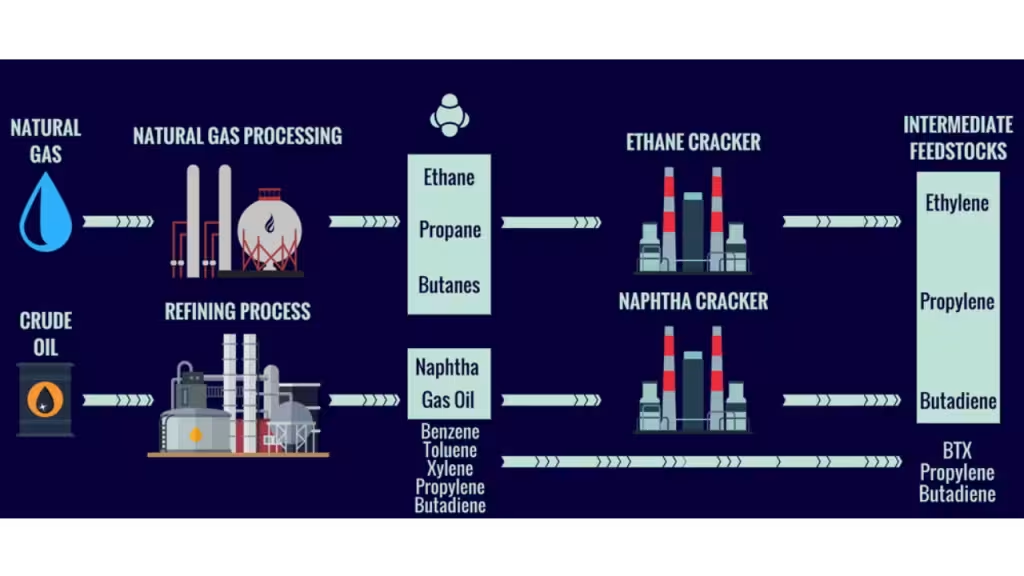
How Frigate Handles Project-Specific Cryogenic Ball Valve Manufacturing
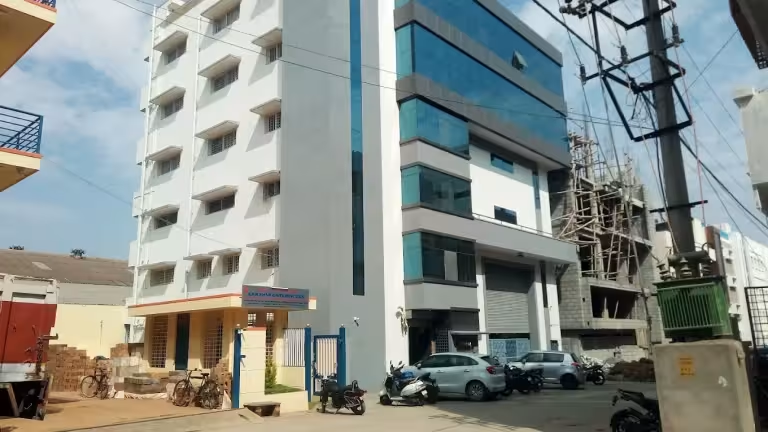
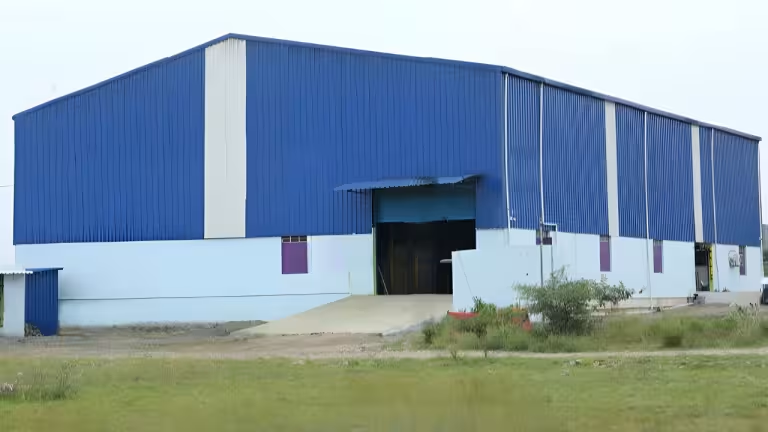
Project-specific cryogenic valve requirements need direct manufacturing involvement from the beginning. Frigate handles this as a manufacturer of cryogenic ball valves, with full control over engineering review, material planning, machining, assembly, testing, and quality documentation. Our role is to manufacture the valve as per project requirement, not to pass specifications through multiple layers.
This helps ensure that the final valve build is practical to produce, aligned with the approved technical requirement, and consistent across the full order quantity. It is especially important for LNG and oil and gas projects where valve construction, material traceability, cryogenic testing, and documentation are all closely reviewed before final approval.
Manufacturing Review Before Production Release
Every project requirement is first reviewed from the standpoint of actual valve manufacturing. Frigate checks whether the specified valve construction, material combination, trim details, and testing scope can be executed properly on the shop floor before the order is released into production.
This review generally covers –
- body and end connection material suitability
- trim and sealing arrangement compatibility
- bonnet extension requirement
- machining feasibility of the approved design
- test and inspection scope linked to manufacturing flow
This stage helps avoid situations where the requirement looks acceptable on paper but creates difficulty during machining, assembly, or cryogenic testing.
Internal Validation of Material and Trim Build
Cryogenic valve performance depends on how the full valve is manufactured, not only on the listed body material. Frigate validates the complete internal build, including body, ball, stem, seats, seals, and bolting, so that all components work together within the approved project requirement.
This becomes especially important when the order includes –
- a Custom Cryogenic Ball Valve Assembly
- an API Certified Cryogenic Ball Valve
- a Stainless Steel Cryogenic Ball Valve for LNG
When these valve types are part of the same package, manufacturing control is essential to maintain consistency between approved specifications and the actual valve produced.
Direct Control Over Machining and Assembly
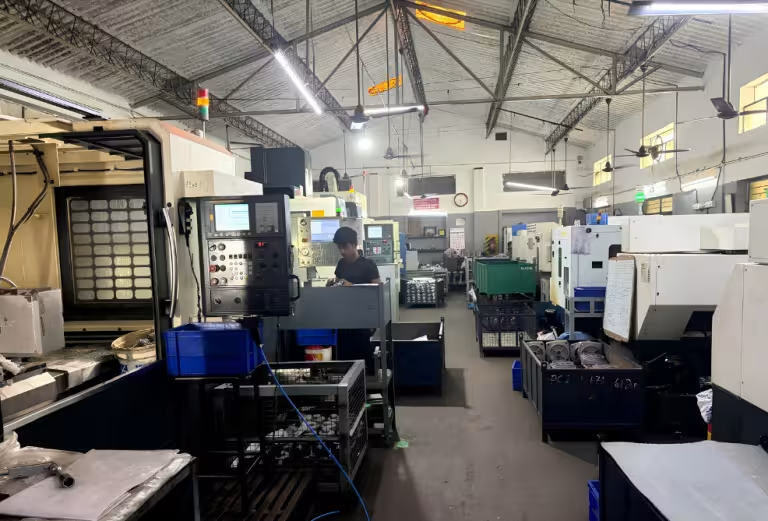
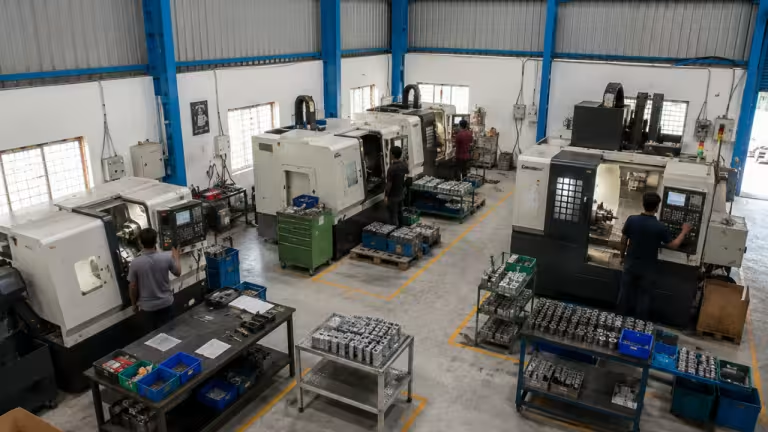
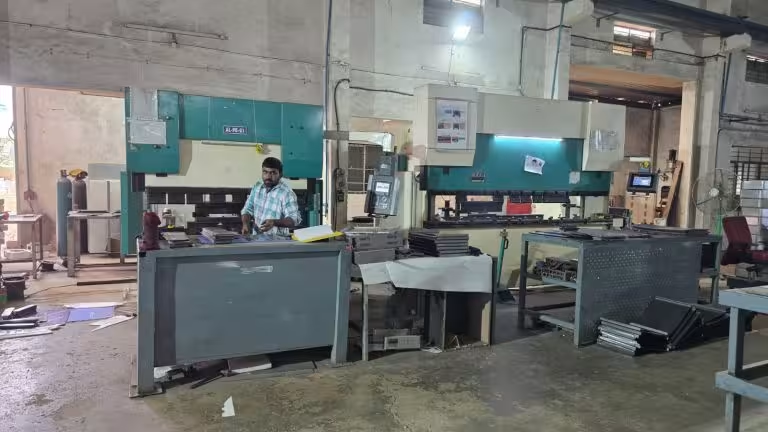
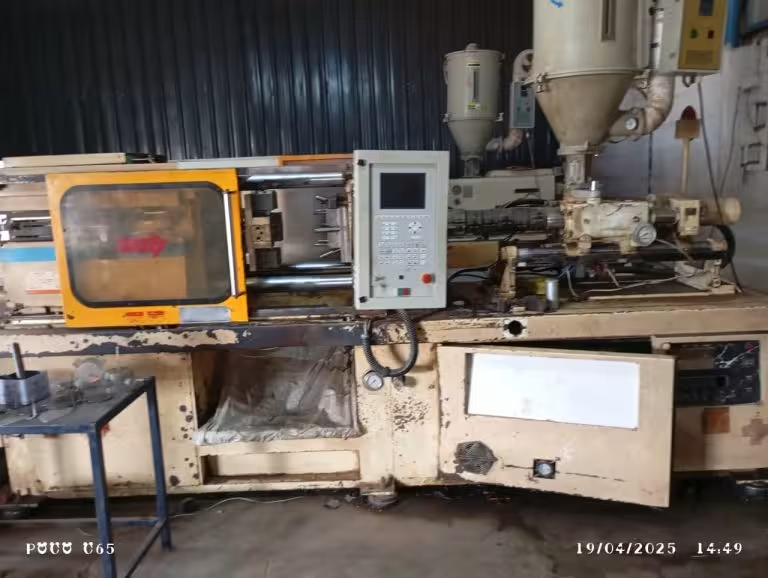
Frigate manufactures cryogenic ball valves with direct control over machining and assembly operations. This is a critical difference because project-specific valve builds cannot be handled like generic catalogue products. Small variations in dimensions, trim fitment, bonnet execution, or sealing arrangement can affect final acceptance and performance.
Our manufacturing control at this stage includes –
- machining based on approved valve construction
- dimensional checks during critical production stages
- controlled assembly of trim and sealing components
- alignment between drawing details and produced valve build
- production checks before the valve moves to testing
This allows the finished valve to remain consistent with the approved requirement from start to finish.
Preparation for Cryogenic Testing and Inspection
Manufacturing is only complete when the valve is ready for cryogenic testing, inspection, and final quality review. Frigate prepares each valve in line with the required test procedure and inspection plan so that the product is ready for customer evaluation and project release.
This preparation usually includes –
- pre-test validation of assembled valve condition
- readiness for cryogenic testing and inspection points
- traceability check of major components
- marking verification
- quality record preparation linked to the manufactured valve
This is particularly important for LNG projects where test readiness and inspection discipline are part of the approval process, not only part of dispatch.
Quality Documentation Based on the Manufactured Valve
Documentation must reflect the actual valve that has been manufactured. Frigate prepares quality documentation based on the executed production route, approved technical requirement, and inspection scope defined in the order.
This documentation may include –
- material traceability records
- inspection and test reports
- drawing and datasheet reference alignment
- marking and identification records
- quality documents required for dispatch and approval
This helps reduce variation between specification, manufacturing, and final delivered valve, which is critical in project-based cryogenic valve orders.
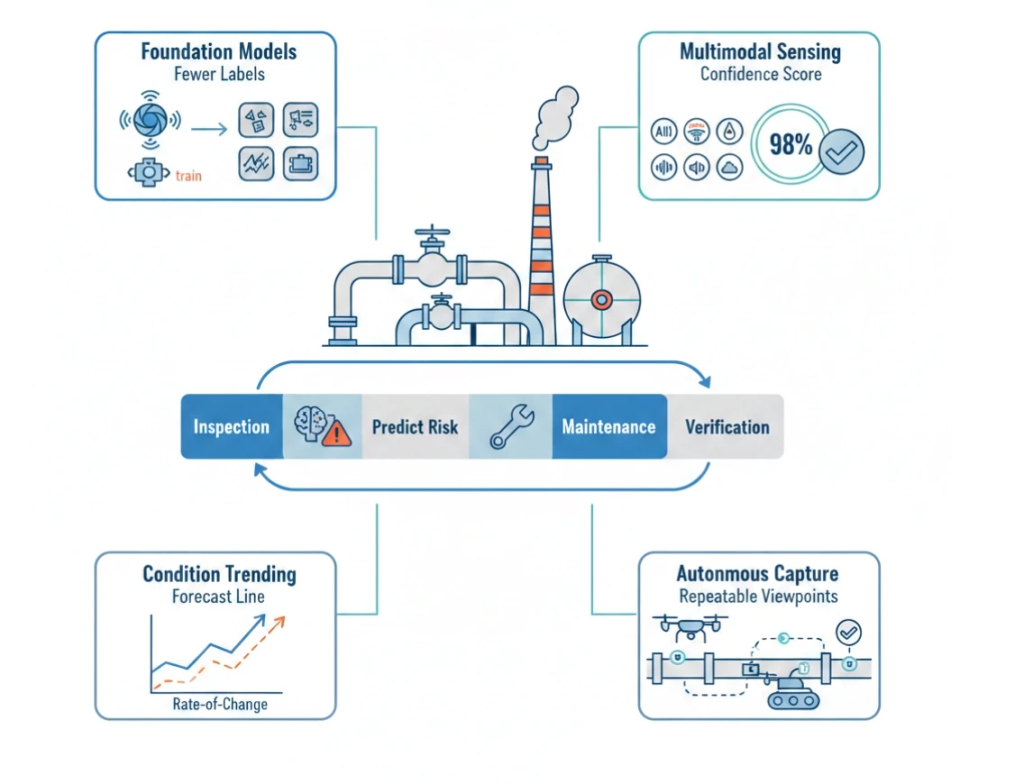
Conclusion
Material selection for cryogenic LNG service directly affects valve manufacturing, testing, approval, and long-term plant consistency. A properly selected Cryogenic Ball Valve for LNG Applications must support manufacturability, component compatibility, cryogenic test readiness, and documentation control without creating execution issues.
Frigate, as a manufacturer, produces every Cryogenic Ball Valve for LNG Applications with direct control over material review, machining, assembly, testing preparation, and quality documentation. Whether the requirement is a stainless steel build, an API Certified Cryogenic Ball Valve, or a Custom Cryogenic Ball Valve Assembly, Frigate manufactures valves to match LNG oil and gas processing requirements with consistent production control.
Connect with Frigate to discuss your cryogenic ball valve manufacturing requirement.