







Precision thermal management drives efficiency in high-temperature industrial processes. Industrial Cartridge Heaters are central to maintaining consistent heat, ensuring operational reliability, and extending equipment life. Misapplication or improper selection can result in process inconsistencies, energy waste, frequent maintenance, and unplanned downtime.
Global industrial trends indicate that over 35% of production delays in high-temperature manufacturing are linked to heating system inefficiencies. Choosing the right Industrial Cartridge Heaters ensures process stability, reduces operational risks, and optimizes overall production efficiency. Industries such as automotive, plastics, aerospace, and metalworking increasingly rely on heaters capable of sustaining extreme temperatures while delivering predictable performance.
What is the Impact of Right Cartridge Heaters for High-Temperature Industrial Use?
High-temperature industrial processes demand precise thermal control to ensure product quality, operational efficiency, and equipment longevity. Selecting the right Industrial Cartridge Heaters directly influences how heat is delivered, maintained, and controlled across critical components. Proper heater selection mitigates risks such as uneven heating, thermal stress, energy inefficiency, and unplanned downtime. The following factors highlight the key impacts of choosing appropriately engineered cartridge heaters for demanding industrial environments.
Optimized Process Yield
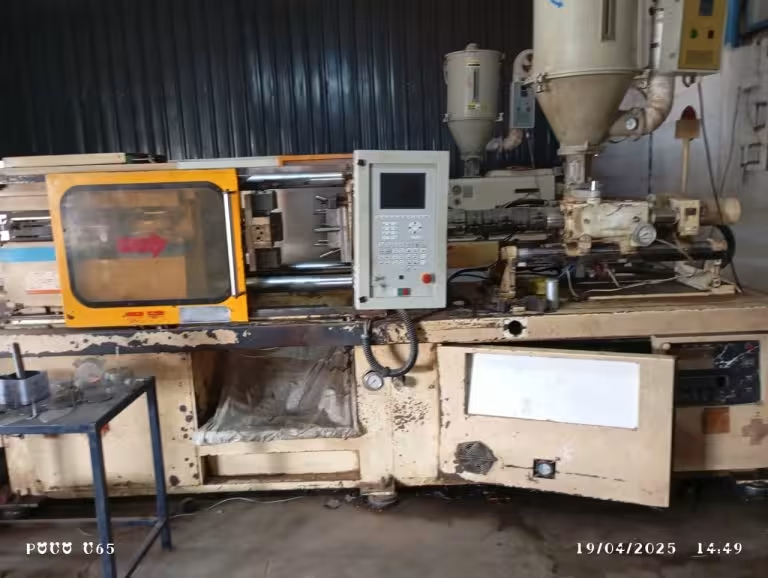
Precise heat delivery is critical for achieving consistent product quality. Industrial processes such as injection molding, die casting, or extrusion depend on uniform temperature profiles to maintain dimensional accuracy, surface finish, and material properties.
Industrial Cartridge Heaters provide controlled and concentrated heat along their length, allowing thermal energy to be transferred directly to the workpiece or mold. This minimizes temperature gradients, which are a common cause of defects such as warping, sink marks, uneven curing, or surface inconsistencies.
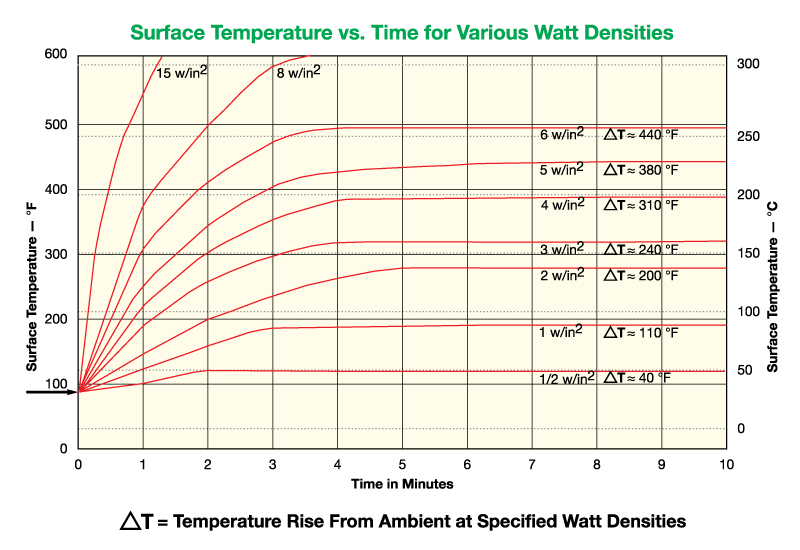
Heaters with precisely calibrated watt density ensure rapid thermal response, meaning the system reaches its target temperature quickly without overshooting. Once the target is reached, the heater maintains the temperature consistently, avoiding fluctuations that can compromise product quality. This level of control improves process repeatability, reducing scrap rates and enhancing throughput. For high-volume manufacturing, the impact on yield is significant: consistent thermal performance can improve output quality by up to 15-20%, according to industrial thermal studies.
Reduced Lifecycle Costs
Industrial operations often experience downtime and unplanned maintenance, which contribute to operational inefficiencies. Selecting durable Industrial Cartridge Heaters reduces the frequency of replacements and service interventions.
Heaters designed for high-temperature cycling and mechanical stress tolerance maintain structural integrity even under repetitive thermal expansion and contraction. Materials like Incoloy or high-grade stainless steel resist oxidation, corrosion, and fatigue, preventing premature failure.
Frigate’s Industrial Cartridge Heaters are engineered for high thermal endurance, capable of sustaining thousands of heating cycles without degradation. This durability lowers overall lifecycle costs by reducing maintenance labor, spare parts inventory, and production interruptions. By investing in heaters designed for prolonged high-temperature operation, facilities can achieve measurable reductions in operational expenditure while maintaining continuous production.
Enhanced Safety & Compliance
High-temperature industrial processes carry inherent safety risks. Flammable materials, reactive chemicals, or pressurized environments can lead to hazardous conditions if thermal management fails.
Industrial Cartridge Heaters designed for these applications prevent overheating, mitigate the risk of thermal runaway, and reduce the likelihood of electrical faults. By adhering to industrial safety standards such as IEC, UL, or ATEX, the heaters ensure compliance with regulatory requirements.
Frigate’s heaters include reinforced insulation, protective sheaths, and precision engineering to withstand thermal shocks, mechanical stress, and electrical surges. These features enhance workplace safety, protect equipment, and reduce the risk of costly accidents. In regulated industries, proper heater selection ensures compliance with both local and international safety standards, which can protect companies from fines, liability, and reputational damage.
Energy and Resource Efficiency
Energy efficiency is a critical factor in high-temperature industrial operations, where heating systems often account for 30–40% of total facility energy consumption. Industrial Cartridge Heaters designed with optimized thermal transfer minimize heat loss and ensure that energy is applied precisely where needed.
High-efficiency heaters reduce the time required to reach operating temperature, lowering electricity consumption and operational costs. Precise wattage control prevents overheating, which not only wastes energy but also accelerates wear on both the heater and surrounding equipment.
Frigate designs heaters with optimized watt density, tight tolerances, and high-conductivity sheaths to maximize thermal efficiency. The result is a more sustainable operation, reduced carbon footprint, and long-term cost savings. For large-scale production, even a 5–10% improvement in energy efficiency can translate into significant annual savings.
Scalability and Process Flexibility
Manufacturing requirements evolve rapidly due to market demand, product complexity, or changes in production volume. Industrial Cartridge Heaters with flexible design parameters allow facilities to adapt without extensive equipment redesign.
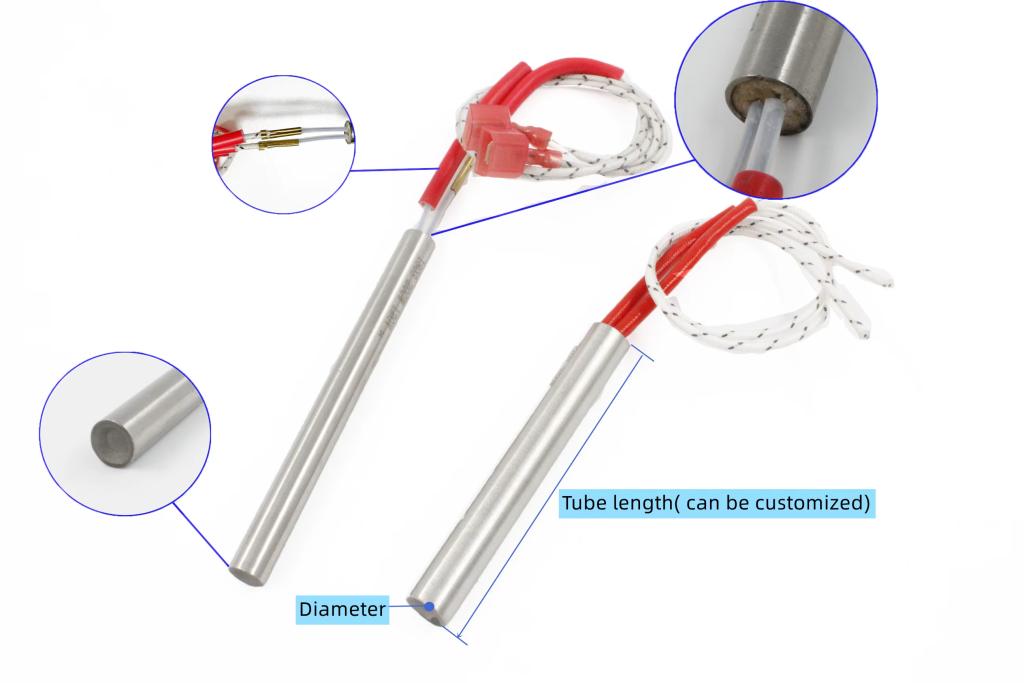
Customizable options in diameter, length, watt density, and thermal profiling enable seamless integration into different molds, dies, or process equipment. Multi-zone heaters can provide localized heating for complex components with uneven thermal requirements.
Frigate provides heaters tailored to specific thermal profiles and production needs, allowing facilities to scale operations or adjust to new product designs without compromising process performance. This adaptability ensures that industrial heating systems remain future-proof and aligned with changing operational demands.
Data-Driven Process Control
Industrial operations increasingly rely on automation and real-time monitoring for operational efficiency and predictive maintenance. Industrial Cartridge Heaters with embedded sensors such as thermocouples or RTDs provide continuous temperature feedback.
This feedback enables precise temperature regulation through closed-loop control systems, preventing deviations that can lead to product defects or energy inefficiency. Data collected from heaters allows predictive maintenance, identifying potential issues before failure occurs and minimizing unplanned downtime.
Frigate’s heaters are designed for integration with advanced monitoring systems and industrial control platforms. This capability provides operators with actionable insights, ensuring optimal process stability, enhancing productivity, and improving operational decision-making.
Tips to Choose Right Cartridge Heaters for High-Temperature Industrial Use
Selecting the right Industrial Cartridge Heaters for high-temperature operations requires a comprehensive understanding of process demands, thermal requirements, and operational constraints. Key factors such as watt density, sheath material, thermal uniformity, and environmental conditions determine heater performance, reliability, and efficiency. A systematic approach ensures optimal energy utilization, precise temperature control, and long-term operational stability, reducing downtime and lifecycle costs. The following guidelines provide a structured framework for choosing heaters that meet the most demanding industrial applications.
Define Thermal Load and Performance Margin
Accurate thermal load calculation is essential to ensure that Industrial Cartridge Heaters deliver sufficient energy for the process without overstressing components. The heater must provide adequate wattage to rapidly reach target temperatures and maintain them during production cycles, accounting for transient spikes, thermal gradients, and environmental heat losses. Misjudging thermal requirements can lead to overheating, reduced heater lifespan, energy inefficiency, and inconsistent product quality.
Frigate engineers calculate precise watt density for each heater to match the process’s peak and steady-state thermal requirements. Safety margins are incorporated to handle sudden temperature fluctuations, ensuring the heater operates reliably under extreme conditions. This approach minimizes process interruptions, improves cycle-to-cycle consistency, and ensures equipment longevity. Optimized thermal load design directly translates into higher yield, reduced scrap, and lower operational risk in high-volume manufacturing.
Select Advanced Sheath Materials
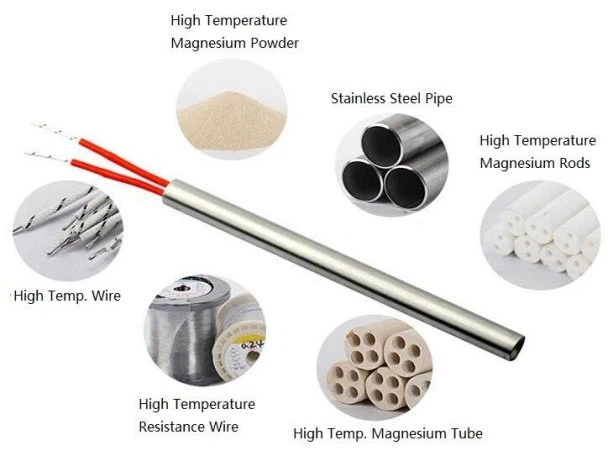
The sheath material is a key determinant of a heater’s durability, thermal conductivity, and resistance to environmental stressors. High-performance alloys such as Incoloy 800, stainless steel 316, or nickel-based coatings offer excellent resistance to oxidation, corrosion, and mechanical stress under continuous high-temperature operation. Material selection also affects heat transfer efficiency and temperature uniformity, critical in applications like die casting, extrusion, and polymer processing.
Frigate customizes sheath materials based on process requirements, including exposure to moisture, corrosive chemicals, or high-pressure environments. Protective coatings and alloy selection prevent sheath degradation and extend operational lifespan. Choosing the correct sheath material reduces maintenance costs, prevents unplanned downtime, and ensures consistent thermal output. In complex industrial operations, proper material selection can improve heater reliability by 30–40% over standard sheaths.
Incorporate Embedded Sensor Integration
Heaters that support embedded sensors, such as thermocouples or RTDs, enable real-time temperature monitoring and closed-loop control. These sensors provide continuous feedback, allowing automated adjustments to maintain precise thermal conditions. In high-temperature industrial processes, even minor deviations can cause material defects, reduced yield, or equipment stress, making sensor integration critical for process accuracy and repeatability.
Frigate designs Industrial Cartridge Heaters to seamlessly integrate sensors with industrial PLCs and automation systems. Sensor-enabled heaters allow predictive maintenance by monitoring heater performance and detecting anomalies before failures occur. This approach not only enhances operational reliability but also reduces energy consumption by avoiding overcompensation and unnecessary heating, making the process both safer and more cost-efficient.
Evaluate Thermal Uniformity Across Critical Zones
Components with complex geometries or non-uniform heating requirements demand multi-zone or gradient wattage heaters to achieve consistent thermal distribution. Uneven heating can lead to hotspots or cold zones, causing material stresses, warping, and reduced product quality. Thermal uniformity is critical in precision applications like aerospace component processing or high-performance injection molding.
Frigate engineers Industrial Cartridge Heaters with zone-specific wattage allocation to match the heat requirement of each section of the component. By maintaining precise thermal gradients, these heaters reduce the risk of part failure, minimize scrap, and ensure consistent product performance. Multi-zone control also allows for energy optimization by supplying power only where it is needed, improving efficiency while maintaining tight process tolerances.
Consider Mechanical and Environmental Stresses
Industrial environments often expose heaters to vibration, mechanical shocks, chemical exposure, and high-pressure conditions. Inadequate design can lead to premature heater failure, resulting in downtime, replacement costs, and potential safety hazards. Mechanical and environmental resilience is essential for heaters in heavy machinery, presses, extrusion lines, or chemical processing equipment.
Frigate designs Industrial Cartridge Heaters with reinforced insulation, vibration-resistant construction, and protective coatings to withstand harsh conditions. These design measures maintain thermal stability and prevent structural damage under repeated thermal cycling, shocks, or corrosive environments. By accounting for environmental stressors, Frigate heaters ensure long-term operational reliability, reducing maintenance frequency and safeguarding overall process continuity.
Assess Operational Efficiency vs. Lifecycle Cost
Heater selection must balance immediate thermal performance with long-term operational cost. High thermal output and fast response times improve productivity but can lead to higher energy consumption and faster wear if not optimized. Total cost of ownership includes energy use, maintenance, replacement frequency, and process downtime, which can significantly impact industrial budgets.
Frigate optimizes Industrial Cartridge Heaters for energy efficiency and durability, achieving rapid heating while minimizing power consumption. Advanced heater designs reduce heat loss and overshoot, lowering electricity costs and extending heater life. By selecting heaters that maximize energy efficiency without compromising performance, industries can reduce total operational expenditure while ensuring reliable, high-quality output over the heater’s lifecycle.
Check Electrical and Control Compatibility
Electrical and control compatibility ensures that heaters integrate seamlessly with industrial systems, including PLCs, variable frequency drives, and automated process controllers. Incorrect voltage, current, or wiring can lead to inefficiency, equipment damage, or safety risks. Compatibility is critical for maintaining precise temperature regulation and avoiding operational disruptions.
Frigate engineers Industrial Cartridge Heaters to comply with stringent electrical standards while supporting advanced control integration. Heaters are designed for safe and efficient operation across a wide range of industrial electrical systems, ensuring stable performance and precise control. Electrical compatibility also allows for predictive monitoring and seamless automation, improving operational reliability and reducing the risk of downtime.
Plan for Customization and Future Scaling
Industrial processes evolve due to changing product designs, increased production volumes, or updated thermal profiles. Standard heaters may fail to accommodate these changes efficiently, causing delays or additional investment in new equipment. Customization allows heaters to meet current operational needs while supporting future scalability.
Frigate provides modular and bespoke Industrial Cartridge Heaters tailored to specific thermal, dimensional, and operational requirements. These heaters can adapt to new production lines, higher throughput, or specialized thermal applications without requiring major equipment redesign. Custom solutions ensure process flexibility, reduce operational risk, and support long-term growth in dynamic industrial environments.
Evaluate Certification, Standards, and Reliability Data
Certification ensures that Industrial Cartridge Heaters meet rigorous thermal, electrical, and safety standards for industrial use. Compliance with IEC, UL, ATEX, or ISO standards guarantees operational safety, reliability, and regulatory adherence. Certified heaters reduce the risk of failure, fire, or regulatory penalties.
Frigate rigorously tests all heaters against industrial benchmarks to ensure consistent performance under high-temperature conditions. Detailed reliability data and quality assurance protocols provide confidence in operational durability and long-term efficiency. This verification is essential in critical industries like aerospace, automotive, and chemical processing, where heater failure can lead to significant financial and operational consequences.
Leverage Predictive Insights for Maintenance Planning
Predictive maintenance improves operational uptime by identifying potential failures before they occur. Monitoring-enabled heaters provide data on thermal stability, load variations, and operational anomalies. Early detection allows maintenance teams to plan interventions proactively, reducing unexpected downtime and avoiding costly emergency repairs.
Frigate supports Industrial Cartridge Heaters with integrated diagnostics and monitoring capabilities. These systems track heater performance in real-time, enabling predictive maintenance schedules and ensuring process continuity. This approach extends equipment life, optimizes production reliability, and lowers operational costs, making predictive insights a critical component of high-temperature industrial efficiency.
Conclusion
High-temperature industrial efficiency depends on precise selection and application of Industrial Cartridge Heaters. Factors including thermal load, sheath material, sensor integration, environmental conditions, and electrical compatibility determine performance, safety, and lifecycle costs.
Frigate offers engineered heater solutions designed for reliability, efficiency, and adaptability in demanding industrial environments. Leveraging high-performance Industrial Cartridge Heaters ensures process stability, energy efficiency, and long-term operational savings.
Contact Frigate to consult on Industrial Cartridge Heaters tailored to your high-temperature industrial requirements.