



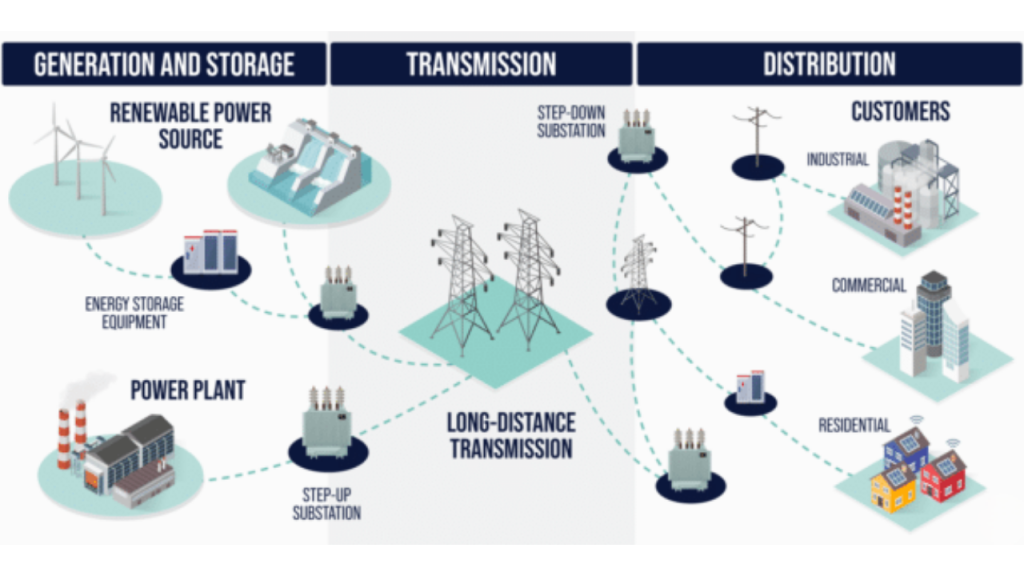
Global power systems are expanding rapidly due to renewable energy integration, grid modernization, battery storage growth, and digital substations. International energy reports show electricity demand increasing by more than 3% annually. Growth at this rate means thousands of new electrical panels, switchgear assemblies, transformers, and control cabinets are deployed every month.
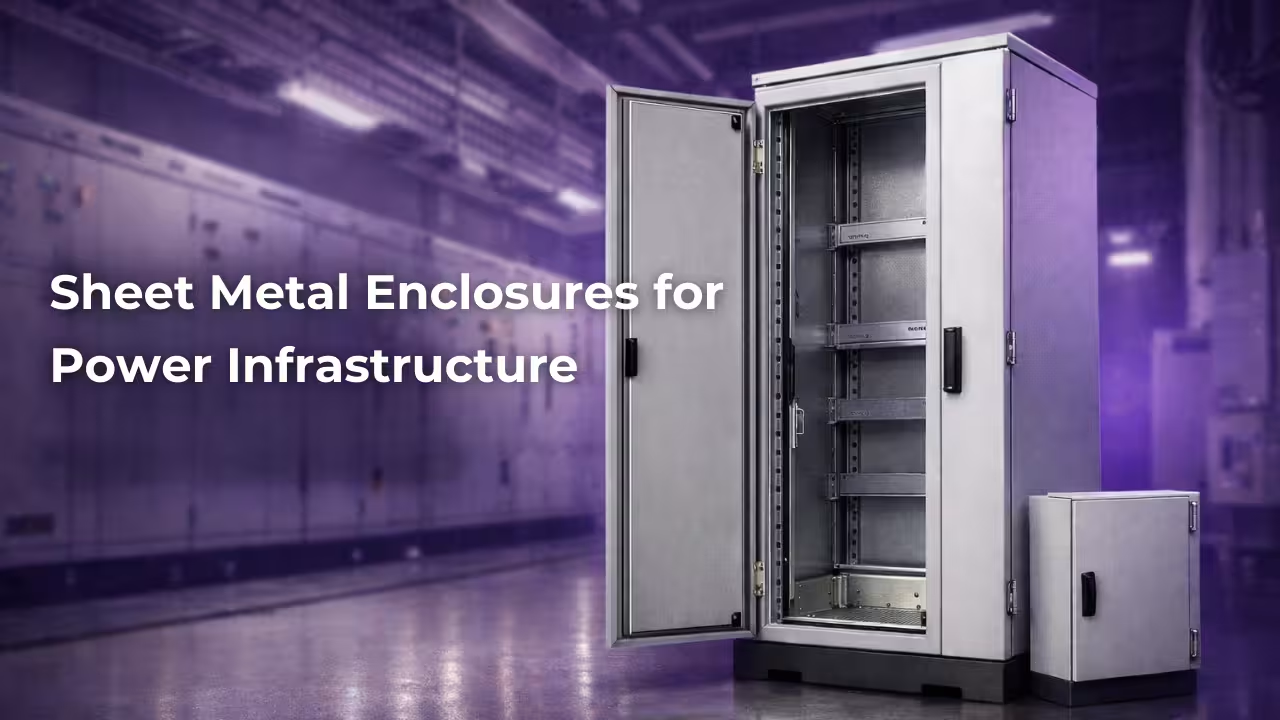
All these systems require protection from environmental exposure, mechanical stress, and electrical faults. That protection comes from Sheet Metal Enclosures for Power Infrastructure.
Failure of an enclosure can cause –
- Overheating and insulation breakdown
- Water and dust ingress
- Arc flash hazards
- Structural instability
- Expensive downtime
Critical infrastructure cannot afford such failures. Downtime in utilities and heavy industry can cost thousands to millions of dollars per hour. Careful evaluation of Sheet Metal Enclosures for Power Infrastructure therefore becomes a technical and financial priority.
This guide explains how to assess them properly using clear and structured engineering principles.
What Functional Requirements and Load Conditions Must Be Evaluated Before Finalizing the Design?
Every power application has unique operational conditions. A transformer marshalling kiosk experiences different stresses compared to a battery storage cabinet or switchgear panel. Proper evaluation of Sheet Metal Enclosures for Power Infrastructure starts with understanding these functional requirements.
Electrical load density defines internal space planning. Higher component concentration increases heat generation and total enclosure weight. Mounting plates must handle static loads without bending.
Mechanical conditions must also be reviewed carefully –
- Wind load for outdoor installations
- Seismic forces based on regional classification
- Equipment vibration in industrial zones
- Short-circuit electromagnetic forces
Short-circuit currents can create strong mechanical forces on busbars. Panels and internal supports must withstand these sudden stresses. Structural rigidity depends on –
- Sheet metal thickness (often 1.6 mm to 3 mm or more)
- Reinforcement ribs and frame design
- Weld strength and joint integrity
- Hinge load capacity
- Door deflection limits
Poor structural planning may cause door misalignment or IP seal failure. High-quality Sheet Metal Enclosures for Power Infrastructure maintain mechanical stability for decades under dynamic conditions.
How Does Material Selection and Corrosion Protection Impact Long-Term Performance?
Material selection directly influences lifespan and maintenance cost. Corrosion damage accounts for billions in global losses annually. Electrical enclosures installed in coastal or industrial regions face aggressive atmospheric conditions.
Common materials used for Sheet Metal Enclosures for Power Infrastructure include –
- CRCA steel with powder coating
- Galvanized steel
- Stainless steel 304
- Stainless steel 316 for chloride-rich environments
- Aluminum alloys for weight-sensitive designs
Environmental classification based on ISO 12944 (C1 to C5) determines protection level. Coastal C5 environments often demand stainless steel 316 or heavy galvanization.
Protective processes typically include –
- Surface cleaning and phosphating
- Electrostatic powder coating (60–120 microns thickness)
- Hot-dip galvanization
- Salt spray testing (500–1000+ hours validation)
Ingress protection ratings such as IP55, IP65, and IP66 ensure resistance against dust and water. Gasket durability is equally important for maintaining seal integrity.
Weak coating or poor surface preparation reduces service life significantly. Durable Sheet Metal Enclosures for Power Infrastructure combine proper material engineering with validated corrosion protection systems.
Why Is Thermal Management Critical in Sheet Metal Enclosures for Power Infrastructure?
Electrical components continuously generate heat. Research indicates that every 10°C rise above recommended temperature can reduce electronic lifespan by nearly 50%.
Heat sources inside Sheet Metal Enclosures for Power Infrastructure include –
- Power converters
- Transformers
- Busbars
- Circuit breakers
- Battery modules
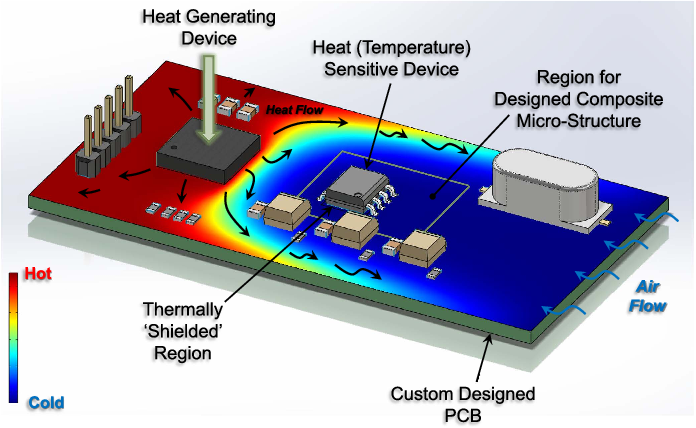
Thermal design must calculate total internal heat dissipation in watts. Ambient temperature assumptions should reflect worst-case site conditions, often exceeding 45°C outdoors.
Cooling methods may involve –
- Natural convection through louvers
- Forced ventilation with fans
- Air-to-air heat exchangers
- Closed-loop cooling systems
- Thermal insulation barriers
Airflow design must prevent hotspots. Computational fluid dynamics (CFD) simulations are often used to model temperature distribution. Poor airflow planning may lead to localized overheating and premature component failure.
Condensation management is also essential. Temperature fluctuations can create moisture buildup, increasing corrosion and short-circuit risk.
Properly engineered Sheet Metal Enclosures for Power Infrastructure maintain stable operating temperatures and prevent equipment derating.
What Safety, Compliance, and Certification Standards Must Be Verified?
Electrical safety regulations exist to prevent accidents and ensure reliability. Arc flash incidents can reach temperatures above 19,000°C and create intense pressure waves.
Compliance evaluation for Sheet Metal Enclosures for Power Infrastructure usually includes –
- IEC 60529 for ingress protection
- IEC 62208 for empty enclosure design
- NEMA classifications for regional markets
- UL certification where required
- Internal arc classification testing
Safety-focused design features should include –
- Reinforced doors and locking systems
- Secure grounding and bonding provisions
- Flame-retardant gasket materials
- Adequate insulation clearance distances
- Mechanical strength against internal arc pressure
Regulatory non-compliance may result in inspection delays and liability risks. Strong and compliant Sheet Metal Enclosures for Power Infrastructure protect both equipment and personnel.
How Does Manufacturing Precision Influence Installation and Reliability?
Even a well-designed enclosure can fail if manufacturing precision is compromised. Dimensional accuracy determines how effectively components fit and seals perform.
Typical manufacturing benchmarks for Sheet Metal Enclosures for Power Infrastructure include –
- Laser cutting tolerance within ±0.1 mm
- Bending accuracy within ±0.5 degrees
- Consistent weld penetration
- Uniform powder coating thickness
- Reliable gasket compression
Dimensional errors can cause –
- Water leakage
- Misaligned doors
- Poor grounding continuity
- Increased installation time
Large infrastructure projects often deploy hundreds of enclosures. Small deviations multiply across installations and delay commissioning.
Modular designs improve efficiency through removable gland plates, structured cable routing, and simplified access. Precision fabrication enhances long-term durability of Sheet Metal Enclosures for Power Infrastructure.
Why Should Lifecycle Cost, Maintainability, and Scalability Be Considered Early?
Initial purchase cost does not represent total ownership cost. Lifecycle evaluation ensures long-term value from Sheet Metal Enclosures for Power Infrastructure.
Key lifecycle considerations include –
- Ease of inspection and servicing
- Replaceable panels and components
- Spare part standardization
- Expansion flexibility
- Corrosion resistance longevity
Power networks evolve continuously. Renewable integration and grid expansion demand scalable enclosure systems.
Future-ready designs may allow –
- Additional busbar capacity
- Expanded ventilation systems
- Modular expansion compartments
- Retrofit compatibility
Durable materials and strong structural design reduce maintenance frequency. Strategic planning ensures that Sheet Metal Enclosures for Power Infrastructure remain reliable across decades of operation.
Why Is Frigate a Reliable Partner for Sheet Metal Enclosures for Power Infrastructure?
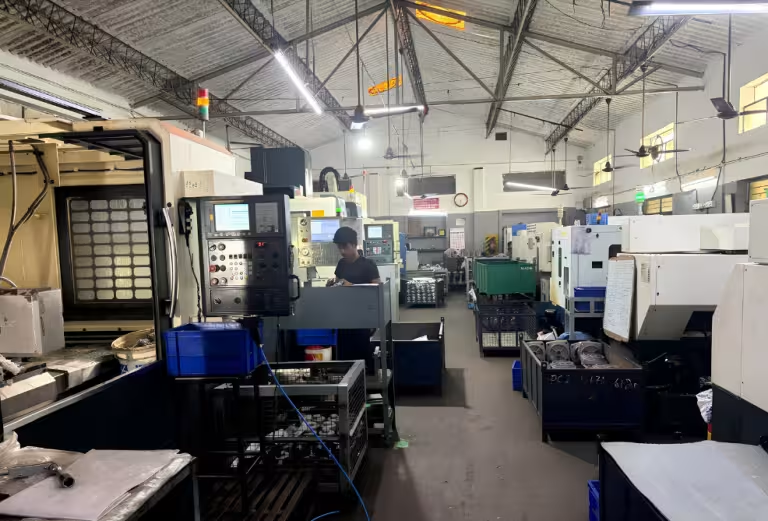
Frigate approaches Sheet Metal Enclosures for Power Infrastructure as engineered protection systems designed for long service life, safety, and structural reliability. Focus remains on precision manufacturing, validated performance, and compliance with power sector requirements.
Engineering-Led Design Approach
Every enclosure begins with structured engineering analysis. Load calculations, environmental classification, and thermal planning are evaluated before fabrication.
Core engineering focus includes –
- Structural load analysis for mounted equipment
- Reinforcement placement to prevent deflection
- Door and hinge strength validation
- Electrical clearance and grounding integration
This method ensures enclosures withstand vibration, wind loads, and short-circuit mechanical stress without deformation.
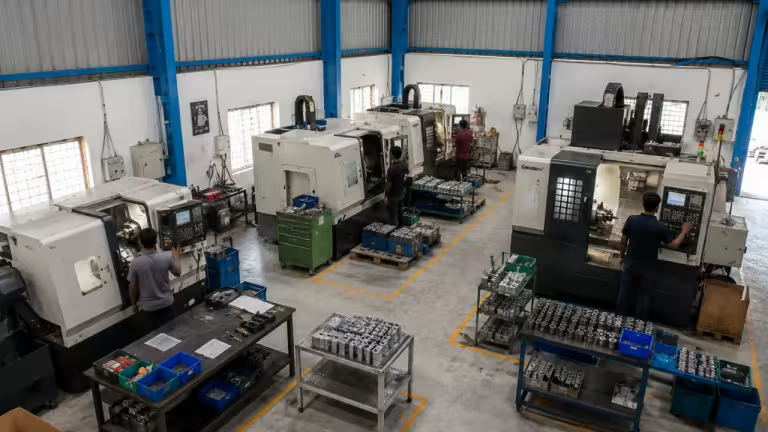
Advanced CNC Fabrication for Dimensional Accuracy
Precision manufacturing directly impacts sealing performance and installation efficiency.
Capabilities include –
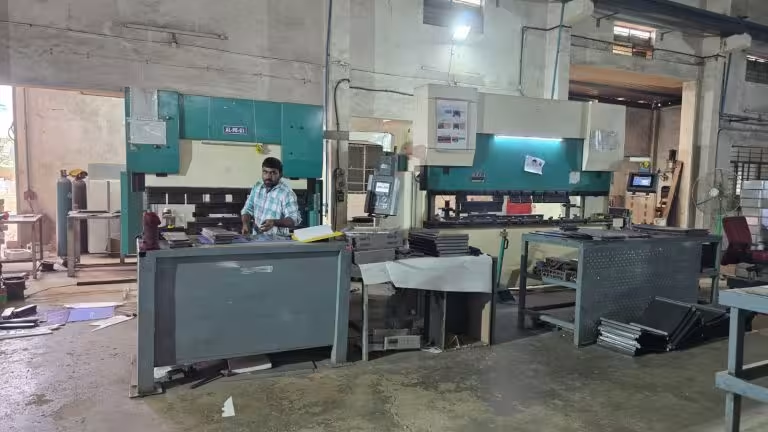
- High-accuracy CNC laser cutting
- Consistent CNC bending angles
- Repeatable production for batch projects
- Tight tolerance control
Accurate fabrication ensures proper gasket compression, alignment, and reduced on-site modification.
Controlled Welding and Structural Reinforcement
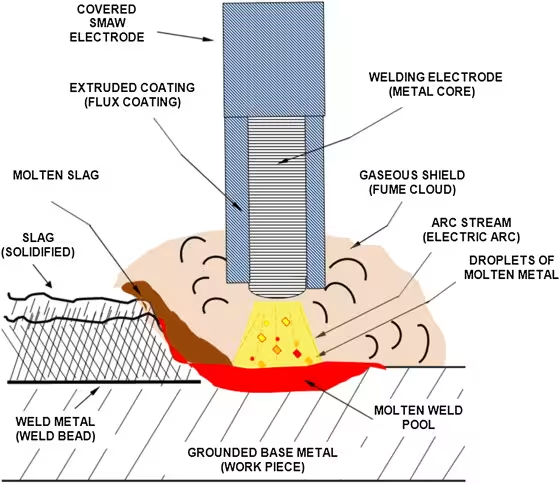
Weld integrity determines long-term mechanical stability. Controlled welding processes maintain joint strength and minimize distortion.
Key practices include –
- Adequate weld penetration
- Reinforced corners and joints
- Heat control to avoid warping
Reinforcement-focused construction prevents panel sagging and structural fatigue over time.
High-Quality Surface Treatment and Corrosion Protection
Environmental exposure can shorten enclosure life if not managed correctly. Structured surface preparation and coating systems enhance durability.
Processes include –
- Chemical pre-treatment for adhesion
- Electrostatic powder coating with controlled thickness
- Inspection of coating uniformity
Effective corrosion protection preserves structural strength and electrical grounding integrity.
Thermal and Safety-Centric Design Validation
Thermal planning ensures electrical components operate within safe temperature limits.
Design validation covers –
- Heat dissipation assessment
- Ventilation and airflow planning
- Provision for forced cooling where required
- Grounding and safety compliance integration
Safety-focused design reduces arc flash exposure and operational risk.
Rigorous Quality Inspection and Compliance Verification
Each enclosure undergoes systematic inspection before dispatch.
Quality checks include –
- Dimensional verification
- Weld inspection
- Coating thickness measurement
- Seal and IP compliance testing
This structured validation reduces field failures and ensures regulatory alignment.
Customization for Complex Power Applications
Power projects often require non-standard configurations. Frigate supports tailored designs for substations, renewable systems, battery storage units, and industrial distribution panels.
Engineering flexibility ensures Sheet Metal Enclosures for Power Infrastructure meet application-specific load, thermal, and environmental requirements.
Conclusion – How Does Proper Technical Evaluation Strengthen Power Infrastructure?
Electrical infrastructure faces constant mechanical, environmental, and thermal stress. Protection systems must withstand these conditions reliably. Proper evaluation of Sheet Metal Enclosures for Power Infrastructure ensures structural strength, corrosion resistance, and thermal stability.
Compliance verification, precision manufacturing, and lifecycle planning reduce operational risks and downtime. Durable Sheet Metal Enclosures for Power Infrastructure protect critical assets and extend service life.
Frigate delivers engineered enclosure solutions built for safety, performance, and long-term reliability. Connect with Frigate to develop high-performance Sheet Metal Enclosures for Power Infrastructure tailored to demanding applications.