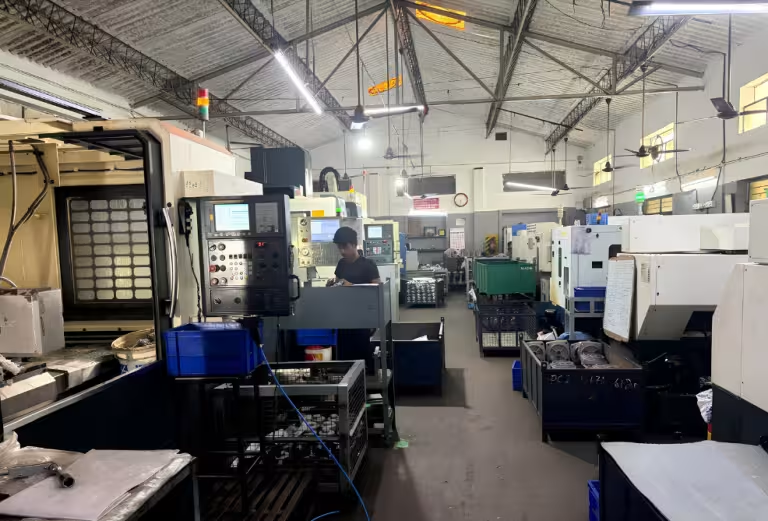

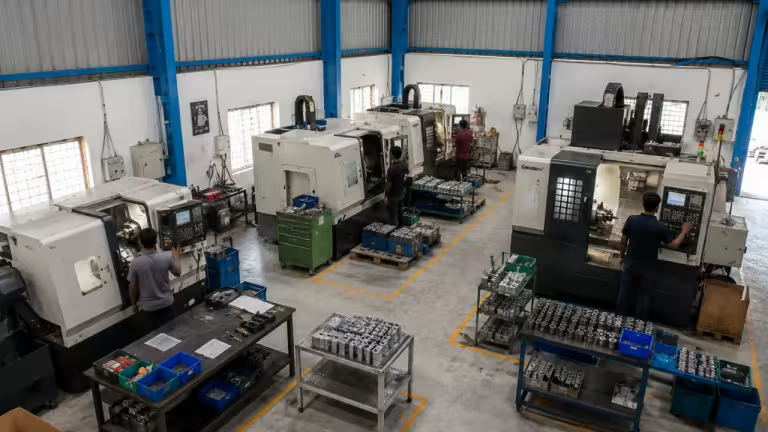

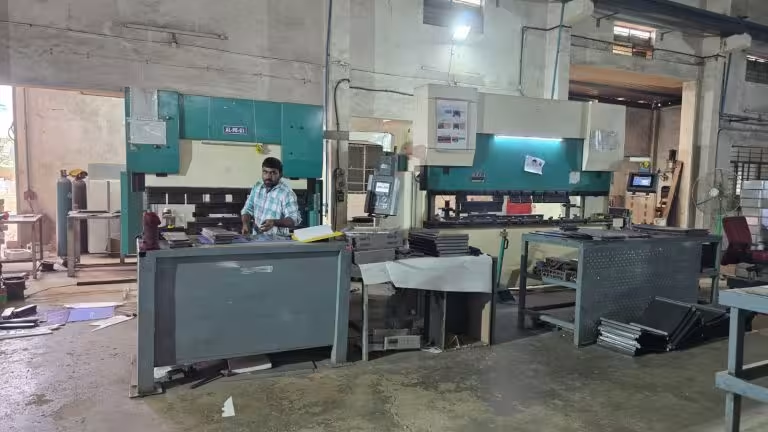
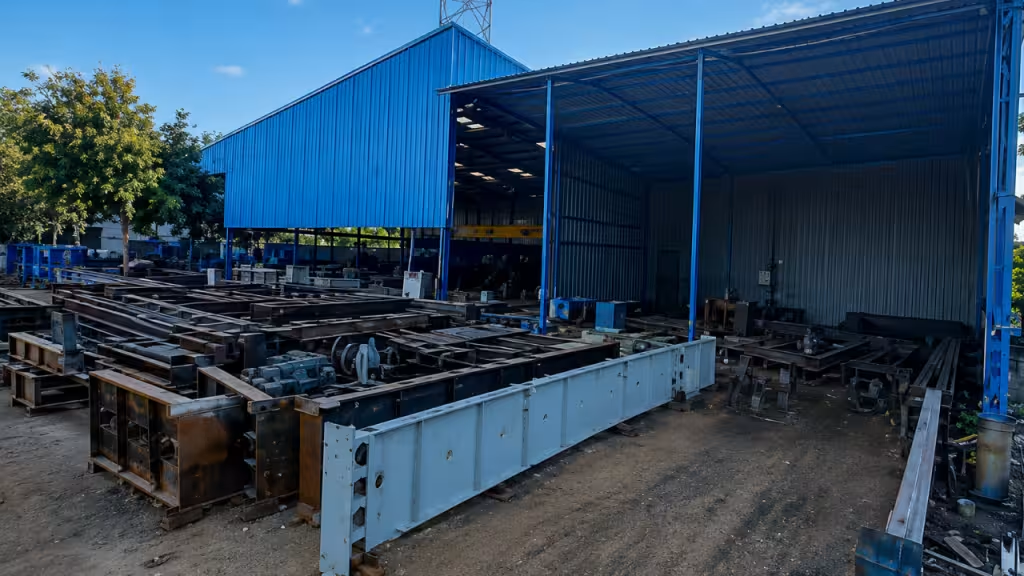
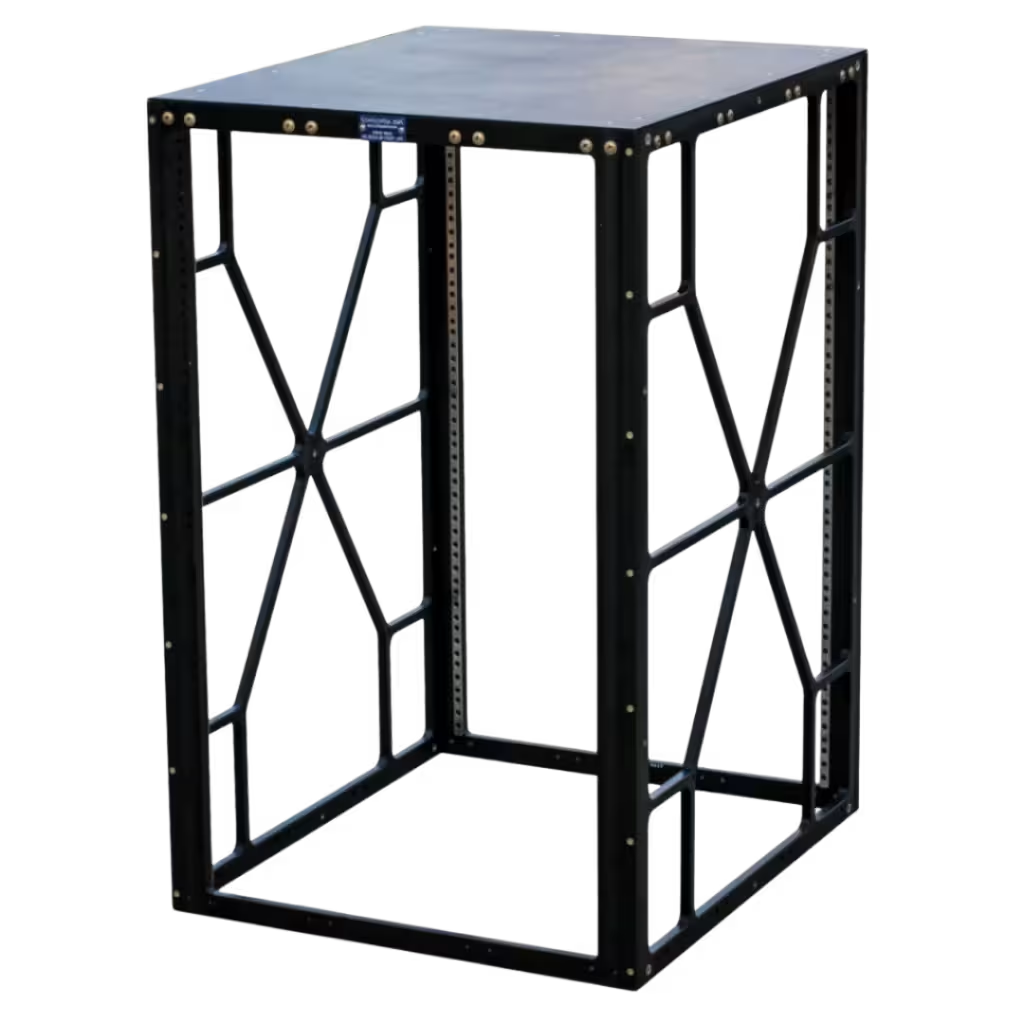



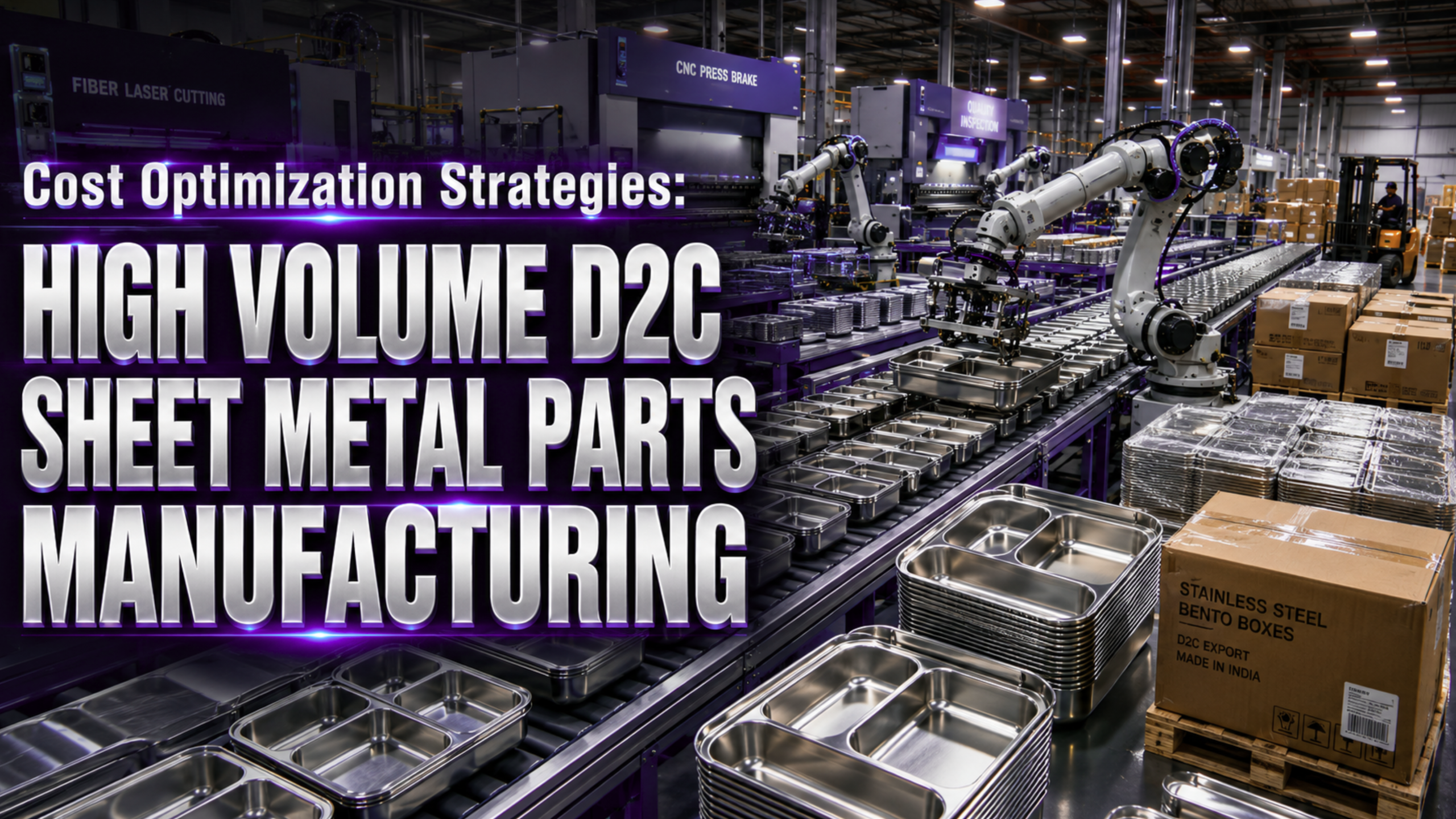
A rapid shift toward direct-to-customer (D2C) supply models has increased the pressure on manufacturing systems. Faster order cycles, leaner inventories, and transparent pricing expectations reshape how High Volume D2C Sheet Metal Parts must be designed, produced, and delivered. Growing demand for precision components places stress on material availability, machine utilization, and quality stability.
A recent global manufacturing survey highlights that nearly 72% of fabrication-focused businesses list cost variability as their top challenge when handling high-volume production. Rising raw material prices, tighter tolerances, and shorter delivery windows make efficiency essential.
Every defect, delay, or poorly optimized step multiplies across thousands of parts, creating significant losses.
A strong cost-optimization strategy supports predictable pricing, better throughput, and reliable engineering performance—critical factors for companies depending on high volume D2C sheet metal parts.
What Really Drives Costs When Producing High Volume D2C Sheet Metal Parts?
Cost challenges become more complex as production volumes increase. Technical, operational, and supply-related factors combine to influence the overall cost of sheet metal components.
Key contributors to rising manufacturing costs
- Material price volatility
Raw materials often make up 40–60% of total cost. Any price swing directly affects the cost of High Volume D2C Sheet Metal Parts.
- Tooling wear and upkeep
Punches, dies, forming tools, and fixtures degrade over time. Worn tooling increases rejections and reduces part accuracy.
- Setup and changeover delays
Every machine reset creates nonproductive time. Longer setup cycles increase cost per unit when volumes are large.
- Inefficient nesting or cutting
Poor sheet utilization generates unnecessary scrap, especially during laser-cutting operations.
- Logistics, packaging, and labeling requirements
D2C models often require customized packaging that adds layers of cost.
- Quality deviations and rework loops
A small error can spread across hundreds of parts before being detected.
Understanding these contributors allows teams to create more stable and predictable cost models for High Volume D2C Sheet Metal Parts.
How Smarter Processes Help Lower Costs Without Compromising Precision?
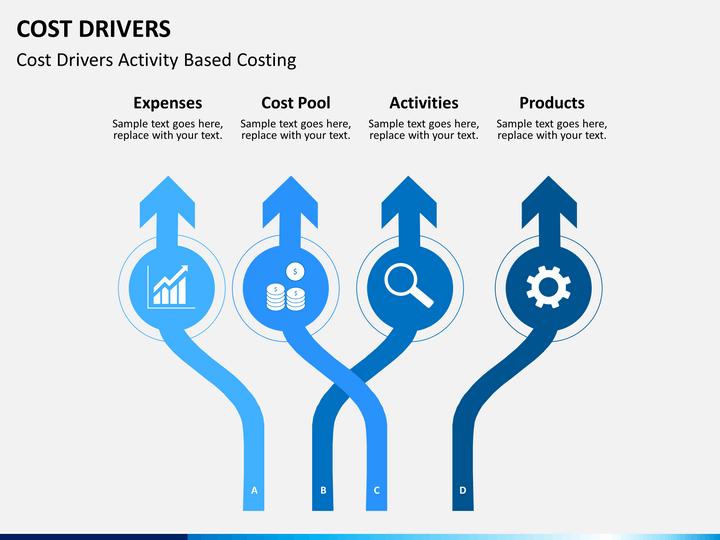
Strong processes reduce waste, improve consistency, and bring down cost without compromising quality. Simple optimizations generate massive savings when applied across thousands of components.
High-impact process improvement techniques
- Design for Manufacturability (DFM)
Simplifying bends, radii, hole placements, and material thickness reduces production time and tool strain. DFM reduces cost by 15–20% for High Volume D2C Sheet Metal Parts.
- Optimized nesting and cutting workflows
Smart nesting ensures the best sheet utilization, while efficient laser paths reduce energy consumption and cutting time.
- Batch grouping for smoother workflows
Processing similar thicknesses, materials, or bending patterns in batches eliminates unnecessary tool changes.
- Controlled bending and welding sequences
Stable fixtures and repeatable welding paths increase dimensional accuracy and reduce rework.
- Continuous QC-based feedback loops
High-precision measuring tools and automated inspection systems reveal deviations early, preventing large-scale scrap generation.
A strong process foundation forms the backbone of cost-efficient production of High Volume D2C Sheet Metal Parts.
How Technology and Automation Strengthen Cost Efficiency
Technology accelerates accuracy, reduces human error, and provides real-time insights. Automation cuts down repetitive tasks and makes high-volume production more reliable.
Key automation-driven improvements
- CAD/CAM automation for part programming
Automated CAM generation reduces manual programming errors and shortens setup cycles.
- Predictive maintenance for better machine uptime
Early detection of equipment wear reduces breakdowns and ensures machines remain productive while manufacturing High Volume D2C Sheet Metal Parts.
- Real-time digital quality control
Automated gauges and scanners detect issues quickly, keeping rework minimal.
- Production tracking and analytics
Digital dashboards offer visibility across WIP, machine loads, bottlenecks, and operator performance. Better data leads to better decisions.
A modernized production environment minimizes slowdowns, improves accuracy, and delivers higher value per production hour.
Why Strong Supplier and Vendor Management Reduces Overall Cost
A reliable supply chain forms the foundation of scalable and predictable manufacturing. High-quality material suppliers and technically capable vendors help ensure consistent output.
Supply chain strategies that reduce unnecessary costs
- Balanced vendor portfolios
Working with both primary and secondary suppliers stabilizes prices and prevents stockouts.
- Technically capable partners
Vendors able to read drawings, validate feasibility, and suggest manufacturing improvements reduce risks associated with errors or redesigns.
- Better control over lead times
Real-time logistics visibility lowers buffer inventory and improves scheduling accuracy.
- Quality-first supplier selection
Stable and consistent vendors minimize inspection load and rework on High Volume D2C Sheet Metal Parts.
- Transparent cost structures
Clear material and processing breakdowns enable more strategic decision-making.
A dependable supply chain builds long-term stability and prevents hidden cost leaks that many teams overlook.
Manufacturing
Frigate brings a structured, data-driven approach to sheet metal production, making it easier to plan, monitor, and scale manufacturing activities. The platform connects engineering, operations, procurement, quality control, and vendor management into one unified system. This reduces friction, eliminates manual errors, and improves cost predictability—especially for teams producing High Volume D2C Sheet Metal Parts.
Frigate removes uncertainty by giving complete clarity on pricing, timelines, production loads, and vendor capabilities. Teams gain full visibility from the moment a drawing is uploaded until the final part is dispatched. This level of transparency helps manufacturers reduce hidden costs, optimize decision-making, and achieve consistency across large batches.
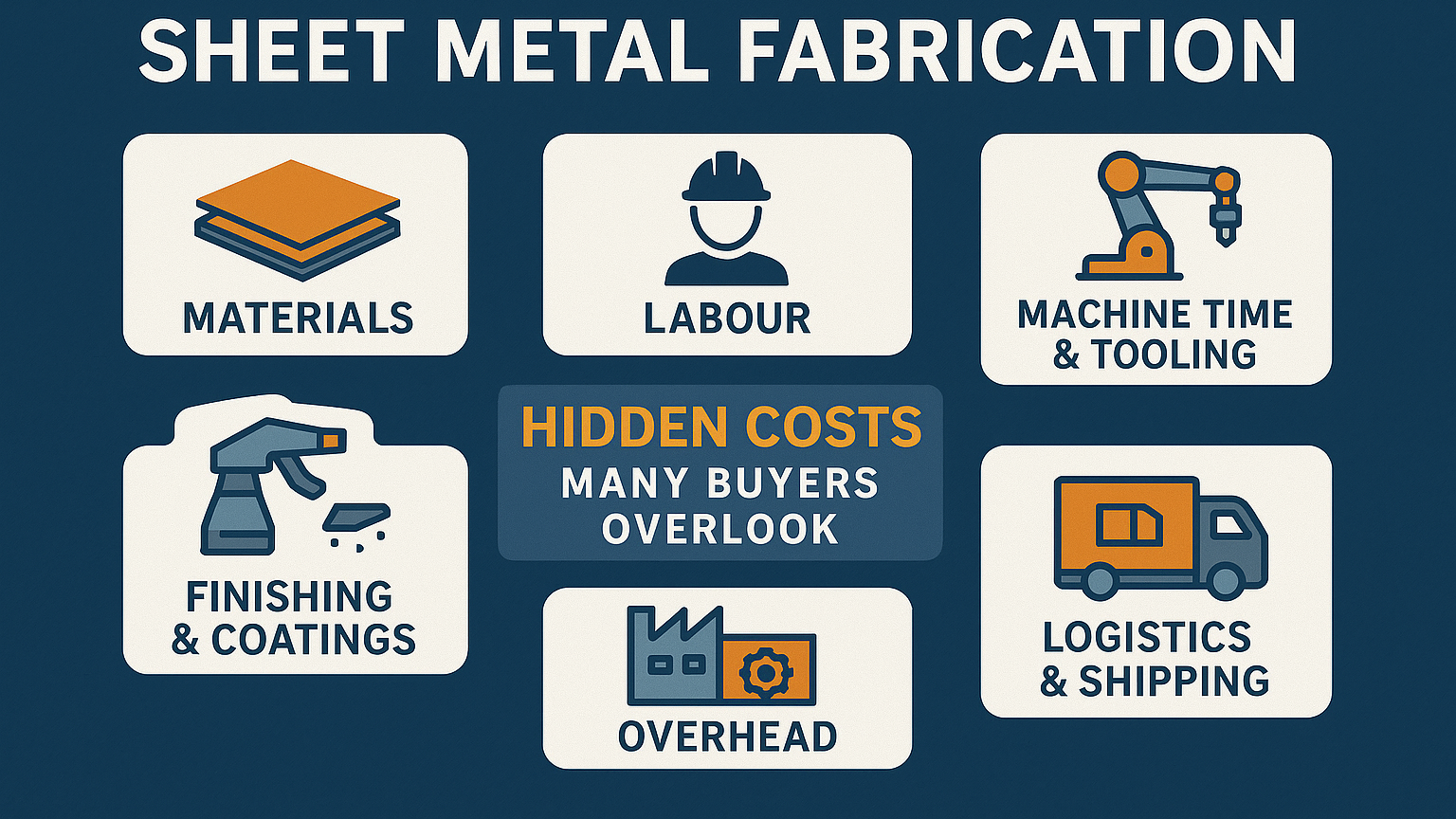
Automated costing with complete transparency
A strong costing engine lies at the heart of Frigate. The system evaluates every technical parameter—material type, sheet thickness, cutting paths, bend counts, welding effort, tolerances, and finishing requirements—and instantly generates highly accurate cost estimates.
This helps manufacturers –
- Understand cost impact of design changes instantly
- Compare materials and processes in real time
- Plan high-volume batches without budgeting uncertainty
Teams working on High Volume D2C Sheet Metal Parts can quote faster, avoid miscalculations, and maintain consistent margins even as order volumes grow.
BOM-driven workflow execution
A well-structured Bill of Materials (BOM) ensures every part, fastener, material grade, and process step is clearly defined. Frigate automatically maps the BOM into individual workflows for cutting, bending, welding, finishing, and inspection.
This ensures –
- No confusion regarding material allocation
- Clear routing of every part through the right work centers
- Zero dependency on manual note-taking or verbal instructions
A clean BOM eliminates production errors that typically appear during large-scale manufacturing.
Production intelligence dashboards
Frigate provides deep visibility into real-time production operations.
Users can monitor –
- Machine loading patterns
- Rejection and rework trends
- Work-in-progress status
- Bottlenecks across work centers
- Material movement and processing delays
This helps teams detect issues early—before they turn into large-scale scrap or delays across thousands of components. Faster corrective action means lower operational cost and higher output stability.
Reliable vendor ecosystem with proven capability
Frigate connects manufacturers with a curated network of vendors who follow strong process discipline and maintain consistent quality. Every vendor is evaluated for capacity, technical capability, lead-time accuracy, and quality performance.
This delivers –
- Predictable production even during peak loads
- Access to specialized processes when needed
- Reduced risk of supply chain failures
- Reliable fulfillment for High Volume D2C Sheet Metal Parts
A dependable vendor ecosystem helps manufacturers scale without stress.
Unified digital manufacturing pipeline
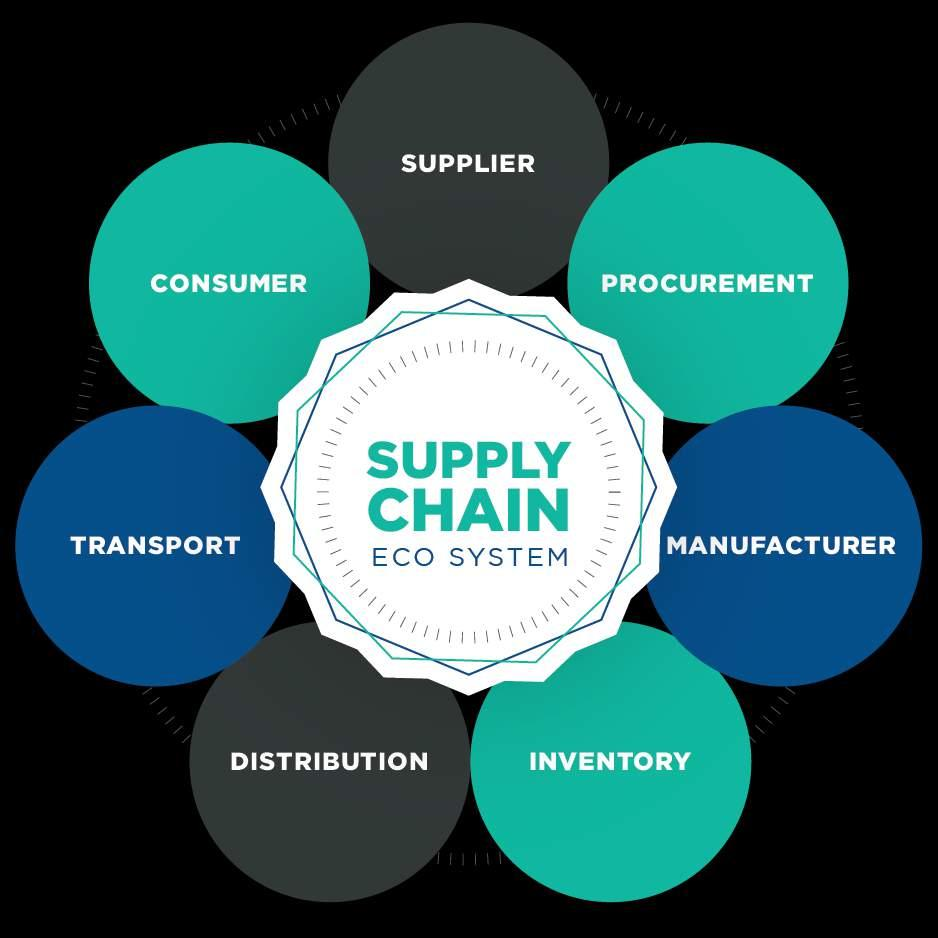
Frigate centralizes every step—from drawing upload to production approvals to dispatch—into one digital flow. This eliminates the scattered mix of emails, spreadsheets, manual notes, and WhatsApp messages that often slow down operations.
The platform synchronizes –
- Drawings and revisions
- Cost sheets and approvals
- Material planning and availability
- Production schedules
- QC checkpoints
- Packaging and dispatch details
A fully digital pipeline prevents miscommunication, reduces rework, and speeds up every stage of the manufacturing cycle.
Conclusion
Cost control for High Volume D2C Sheet Metal Parts requires a careful balance of strong engineering practices, optimized process flows, smart automation, and dependable supply partnerships. Factories that embrace these principles gain consistent quality, reduced variability, and better unit economics.
Better processes create stronger margins. Stronger margins lead to competitive pricing. Competitive pricing drives long-term growth in D2C manufacturing.
Ready to reduce manufacturing cost, improve quality, and accelerate production Explore Frigate and optimize your entire sheet metal workflow today.