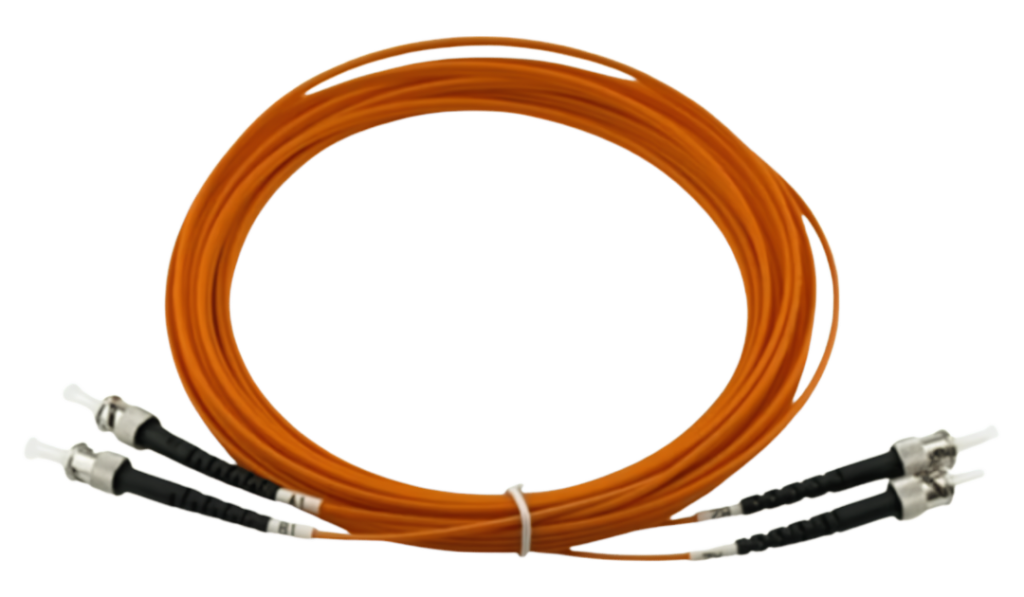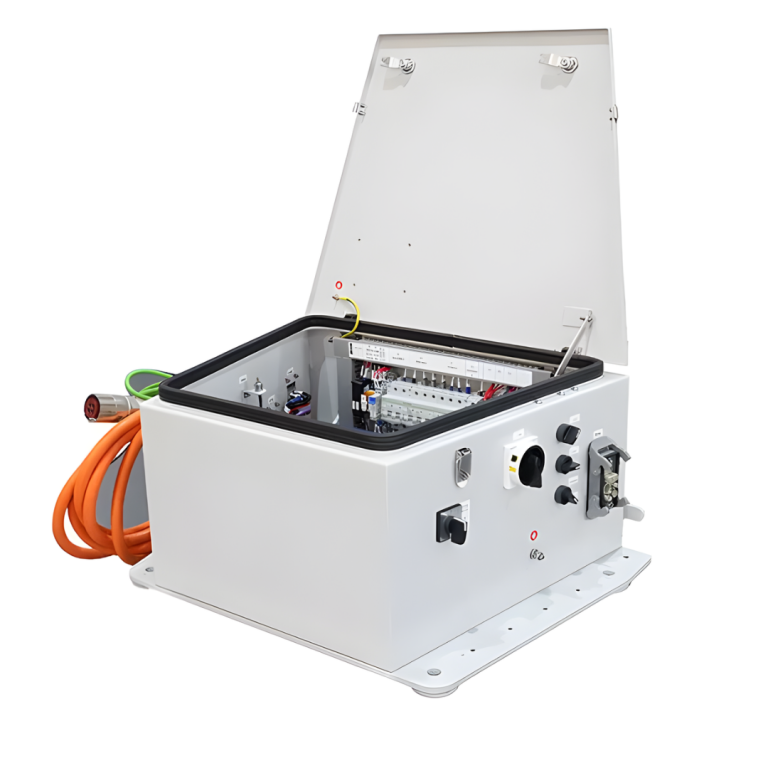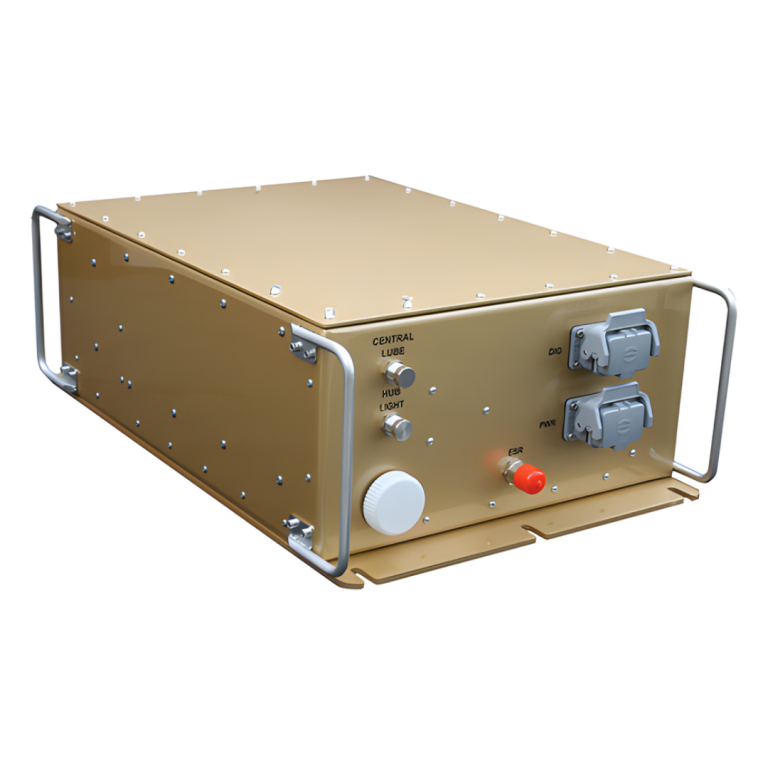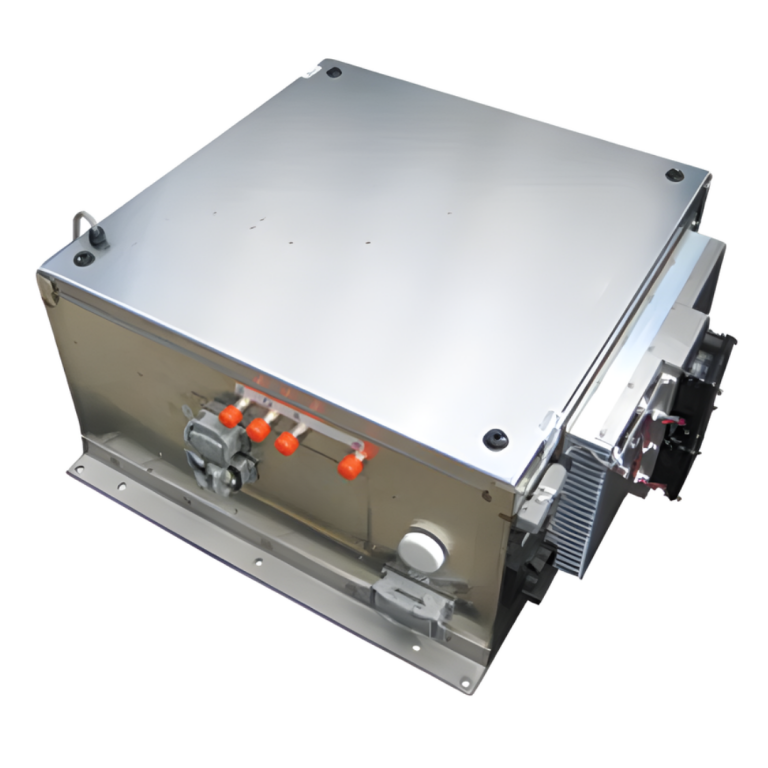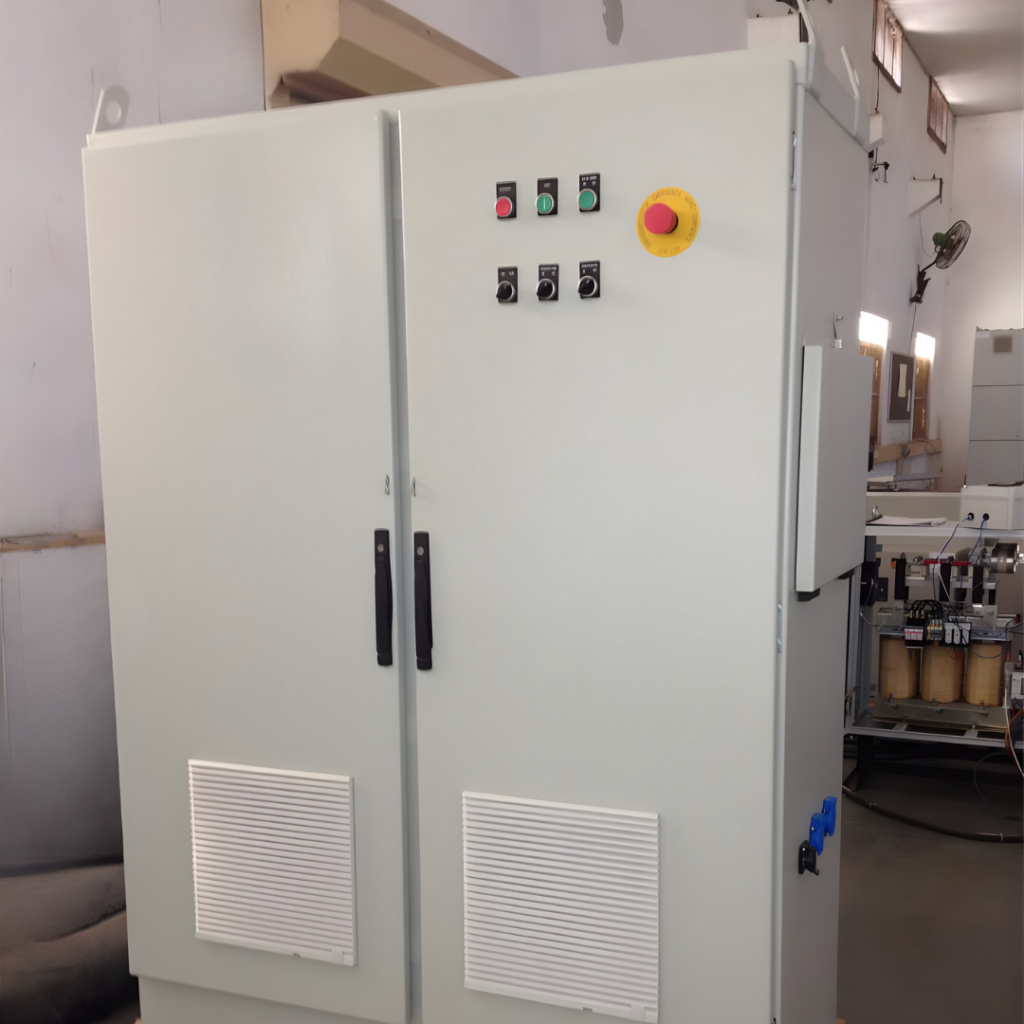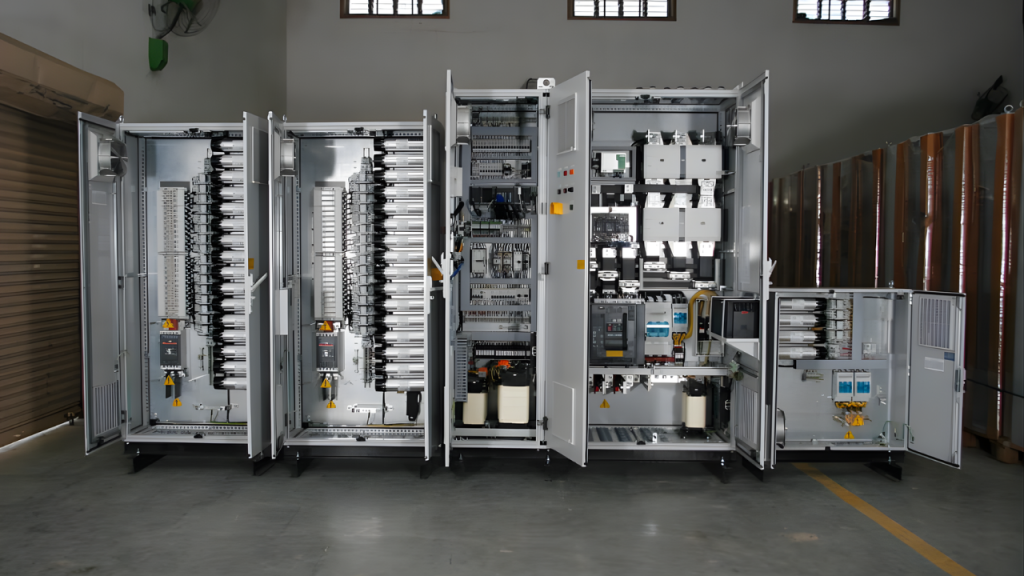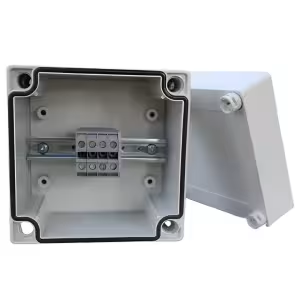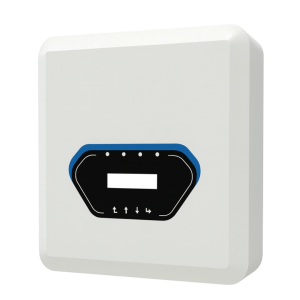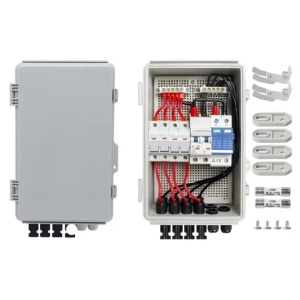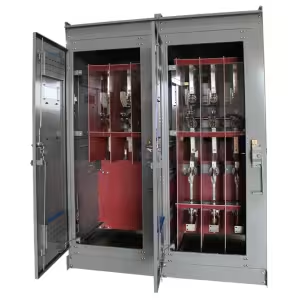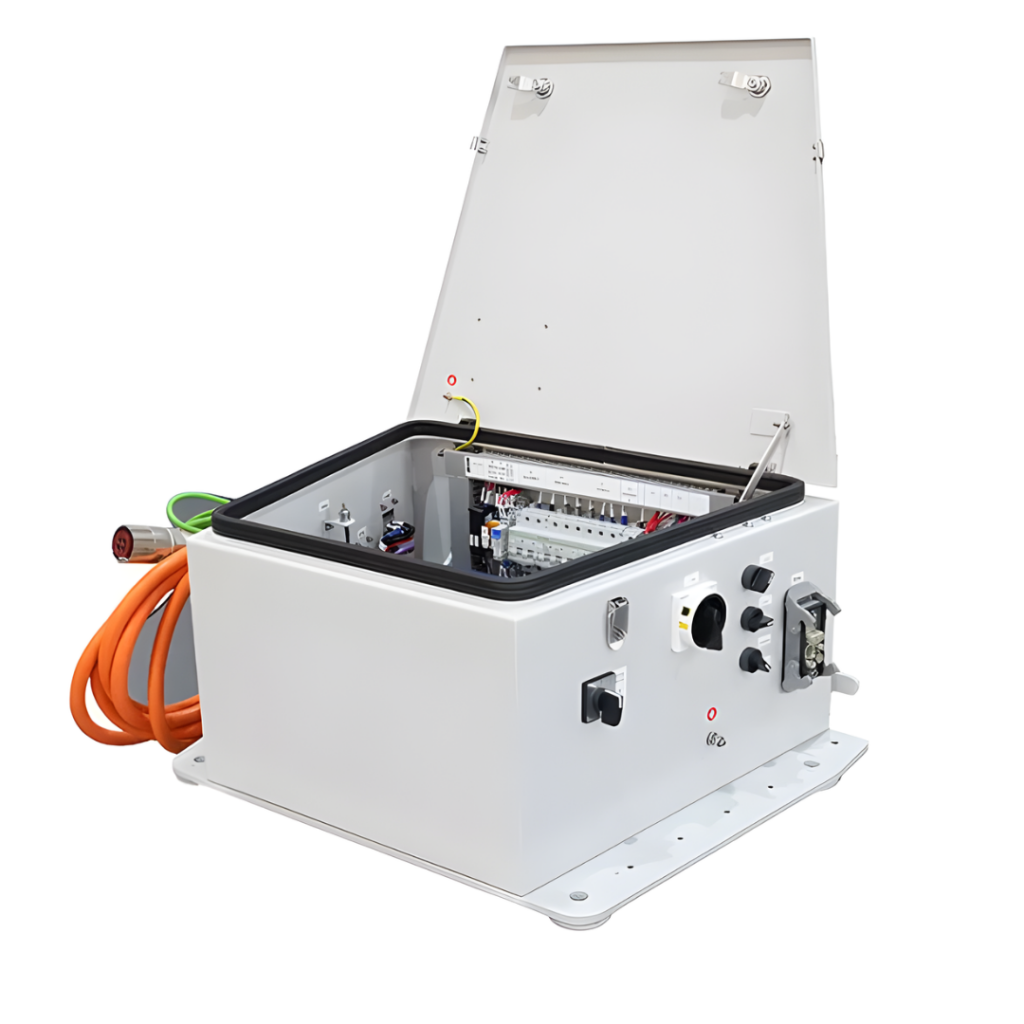
Pitch Control System Enclosures

Blade pitch angle adjustments maintain optimal rotor speed and prevent overspeed conditions during variable wind events across onshore and offshore turbine installations. Pitch Control System Enclosures protect servo motors, drive electronics, and safety controllers managing individual blade positioning within nacelle or hub environments. 
HY D R O L Y SIS RESIS T ANCE
Material & Grade
  • Cold Rolled Steel (CRS) – SPCC
  • Galvanized Steel – SGCC
  • Stainless Steel – SS304, SS316
  • Aluminum Sheet – 5052, 6061
  • Sheet thickness – Up to 3.0mm capable 
  • Maximum capable – 1200mm (H) x 1000mm (W) x 600mm (D)
  • Custom sizes available per control system requirements
  • Powder Coating – RAL 9005, RAL 7035, Custom RAL colors
  • Thickness – 80-120 microns (outdoor grade)
  • Hot-Dip Galvanizing + Powder Coating 
  • Marine-grade epoxy coating (offshore)
  • Anti-corrosion coating
  • CNC Laser Cutting
  • CNC Punching & Bending 
  • TIG/MIG Welding
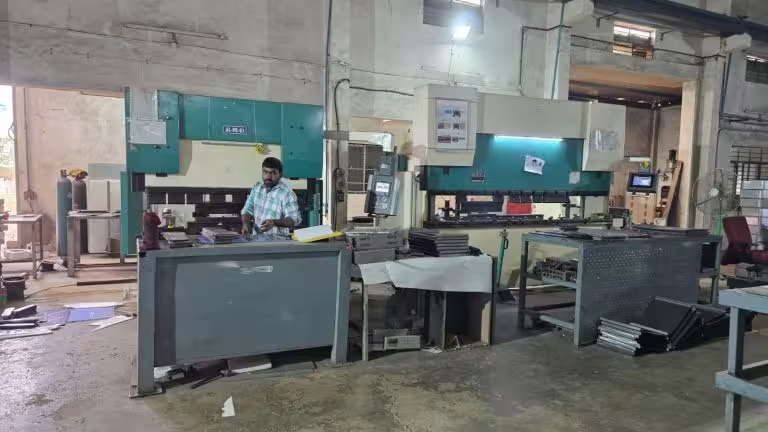
  • CNC Press Brake Forming
  • Seam welding for weatherproofing
  • Vibration-resistant construction
  • Stainless Steel 304/316 Hardware
  • Vibration-resistant fasteners
  • Weather-sealed hinges 
  • Multi-point locking systems
  • Grounding lugs & busbars
  • DIN rail mounting provisions

Product Description

These enclosures withstand constant vibration, temperature extremes, and centrifugal forces with internal volumes reaching 1200mm dimensions. Sealed construction achieving IP65 or IP66 ratings prevents moisture infiltration from condensation and weather ingress. 

Mounting Type
  • Nacelle mounting (hub-side)
  • Hub mounting (rotating)
  • Wall/Frame mount
  • Vibration isolation mounting
  • Adjustable mounting brackets
  • Seismic/vibration dampening provisions
  • Standard – IP54 (dust/splash protected)
  • Enhanced – IP55 (dust/water jet protected)
  • Premium – IP65 (dust-tight/water jet protected)
  • Offshore – IP66/IP67 capable
  • Cable glands – M20, M25, M32, M40, M50
  • Bottom/Top/Side entry configurations
  • Rotary cable entry systems (hub-mounted)
  • Strain relief and cable management
  • EMC cable glands for motor drives 
  • Conduit knockout provisions
  • Single or Double door configurations
  • 180° door opening with hold-open
  • Removable panels for equipment access
  • Tool-required or quick-access latches
  • Safety interlock provisions
  • Natural convection with ventilation louvers
  • Forced air cooling with fan systems
  • Heat exchanger compatibility
  • Operating Temperature – -40°C to +60°C  
  • Heat dissipation – Up to 3kW capable
  • Heater provisions for cold climates
  • IEC 61400 (Wind Turbine Design)
  • IEC 60529 (IP Rating)
  • IEC 61439 (Switchgear Assemblies)
  • DNV GL Wind Turbine Certification
  • CE Marked
  • RoHS Compliant
  • ISO 9001 –2015 Manufacturing 

Technical Advantages

Continuous rotor rotation generates multi-frequency vibration transmitted through mounting structures to control enclosures. Elastomeric isolation mounts decouple enclosure bodies from nacelle frames, reducing peak acceleration transmission to sensitive electronics.  

Seam-welded joints with continuous gasket compression prevent water ingress from condensation forming during temperature fluctuations. Cable entry systems incorporate rotary glands for hub-mounted installations where cables traverse rotating interfaces between stationary nacelles and spinning hubs. 

Let's Get Started

Need reliable Enclosures for your next project? Get in touch with us today, and we’ll help you find exactly what you need!

Industry Applications

Offshore Wind Farms

 Houses pitch control electronics in nacelle environments experiencing salt spray, humidity, and continuous vibration from wave action. 

Onshore Utility-Scale Turbines

Protects hub-mounted pitch systems rotating with blade assemblies while managing centrifugal loads during operation.

Cold Climate Wind Projects

Integrates heating elements preventing hydraulic fluid freezing and electronic failure in Arctic or mountainous installations. 

Repowering Retrofit Projects

Accommodates upgraded pitch control systems during turbine life extension programs replacing legacy mechanical controls. 

Floating Wind Platforms

Secures pitch electronics on oscillating turbine foundations where motion amplifies vibration and environmental exposure. 

Distributed Wind Systems

Manages pitch control for small-scale turbines serving remote communities or industrial facilities. 

Robust Turbine Integration

Turbine manufacturers, retrofit specialists, and maintenance providers each face distinct mounting configurations and control system architectures. Pitch Control System Enclosures arrive in nacelle-mount or hub-mount formats with internal layouts accommodating specific drive topology requirements. 

Complete installation packages include vibration-isolation hardware, EMC-rated cable glands for variable frequency drive connections, and corrosion-resistant finishes. Offshore-grade stainless steel construction withstands marine environments, ensuring enclosure durability matches turbine design life without premature component replacement. 

Having Doubts? Our FAQ

Check all our Frequently Asked Questions

How does Frigate address rotational mounting challenges in hub-mounted Pitch Control System Enclosures?

Hub-mounted enclosures rotate with the blade assemblies, which means they need specialized cable routing through slip rings or rotary cable glands. To handle this, Frigate integrates rotating interfaces that transfer power and control signals from the stationary nacelle electronics to the spinning pitch motors without causing cable twisting. Within the hub cavity, cable service loops accommodate the limited rotational travel needed during maintenance positioning. As a result, the right rotary gland selection directly impacts system reliability and how easily technicians can access components throughout turbine operation. 

What vibration frequency ranges must Pitch Control System Enclosures withstand in wind turbine applications?

Wind turbine nacelles experience complex vibration from multiple mechanical sources, creating a challenging operating environment – 

  • 1P frequency – This comes from rotor rotation, typically 10-20 RPM, and generates low-frequency oscillations 
  • 3P frequency – Blade passage vibration occurs at three times the rotor speed, which can create harmonic resonance risks 
  • Gearbox meshing – In geared turbines, high-frequency vibration results from gear tooth engagement 
  • Tower sway – Wind gusts and structural resonance create sub-1Hz oscillations 

To address these challenges, Frigate designs vibration isolation systems that handle this entire frequency spectrum, preventing fatigue failures over millions of operational cycles. 

Can Frigate's Pitch Control System Enclosures accommodate both electric and hydraulic pitch actuation systems?

Electric pitch systems rely on servo motors with integrated drives, which require EMC shielding and thermal management provisions. In contrast, hydraulic systems need separate compartments for hydraulic power units, accumulators, and solenoid valve manifolds. To address both needs, Frigate manufactures enclosures with modular internal layouts and component-specific mounting provisions that adapt to either architecture. This means standardized enclosure platforms can support diverse pitch control technologies across different turbine manufacturer portfolios without requiring complete redesigns. 

How does Frigate select materials for offshore Pitch Control System Enclosures?

Offshore turbines face accelerated corrosion because of salt spray, humidity exceeding 95%, and temperature cycling amplified by marine climates. For these harsh conditions, Frigate specifies stainless steel grade SS316, which provides superior chloride resistance compared to SS304 in direct salt exposure zones. On top of that, marine-grade epoxy powder coatings with 120-micron thickness create an additional barrier against pitting corrosion. All external hardware uses A4-grade stainless steel as well, preventing galvanic corrosion and seized fasteners that would otherwise complicate maintenance interventions years down the line. 

What thermal management challenges arise in sealed Pitch Control System Enclosures?

Variable frequency drives and servo amplifiers generate significant heat loads within sealed enclosures that lack natural airflow. To manage this, Frigate incorporates thermostat-controlled fans that activate when internal temperatures approach 45°C thresholds, keeping electronics within their operating specifications. For higher heat loads, heat exchanger installations can transfer internal heat to external nacelle airflow without compromising IP ratings. Beyond that, cold climate installations receive heater provisions that prevent hydraulic fluid from becoming too viscous, which would otherwise slow pitch response during emergency shutdown sequences. 

How does Frigate integrate lightning strike protection with Pitch Control System Enclosure grounding?

Blade-mounted lightning receptors conduct strike currents through pitch bearings into hub structures, creating dangerous transient voltage surges. To protect against this, Frigate engineers grounding systems that provide low-impedance paths to divert fault currents away from sensitive control electronics – 

  • Bonding straps – These high-conductivity copper connections link enclosure bodies to hub ground points 
  • Surge protection devices – Transient voltage suppressors on power and signal lines are rated for 10kA discharge currents 
  • Fiber optic isolation – Non-conductive communication links eliminate ground loop paths between nacelle and hub electronics 
  • Equipotential bonding – All metallic components get referenced to a common ground potential, preventing voltage differences 

When done properly, this grounding approach prevents lightning-induced failures, which account for 15-20% of turbine downtime events. 

Can Frigate's Pitch Control System Enclosures support individual blade pitch control architectures?

Individual pitch control strategies require independent servo systems for each blade rather than using collective pitch mechanisms. To meet this need, Frigate designs enclosures that accommodate three separate drive channels with isolated power supplies and control processors. Redundant communication networks between blade controllers and turbine supervisory systems ensure that operation continues even during single-channel failures. Because of this careful design, the enclosure internal layouts provide both physical and electrical separation between pitch channels, meeting the safety integrity level requirements specified in IEC 61400 standards.

What access requirements dictate door configurations in Frigate's Pitch Control System Enclosures?

Hub-mounted enclosures need to allow tool-free access so technicians can reach the pitch motors during nacelle service visits. To support this, Frigate incorporates quick-release latches with safety interlocks that prevent the doors from opening while the rotors are spinning, protecting personnel from rotating hazards. Removable panels simplify initial equipment installation before turbine commissioning, when components must pass through the hub’s confined access hatches. In addition, transparent inspection windows let technicians check the pitch motor status without breaking the environmental seals during routine maintenance rounds. 

How does Frigate address EMC requirements for variable frequency drives in Pitch Control System Enclosures?

Variable frequency drives generate conducted and radiated emissions across broad frequency spectra, which can potentially interfere with turbine SCADA systems. To tackle these challenges, Frigate implements comprehensive shielding strategies – 

  • Shielded cable glands – EMC-rated entries with 360° shield termination maintain enclosure shielding effectiveness above 60dB 
  • Conductive gaskets – Metal mesh or finger stock gaskets on door seams prevent RF leakage through panel gaps 
  • Internal grounding – Star-point grounding topology separates noisy drive grounds from sensitive control circuits 
  • Filter mounting – Line reactor and EMI filter provisions at power entry points attenuate conducted emissions 

When properly implemented, this EMC design prevents false fault signals and communication disruptions during pitch operations, ensuring reliable turbine performance over time. 

What maintenance accessibility features does Frigate incorporate into Pitch Control System Enclosure designs?

Nacelle and hub environments present confined workspace challenges whenever technicians need to replace components or troubleshoot problems. To ease these tasks, Frigate engineers modular internal mounting rails that allow drive removal without disturbing adjacent components or disrupting cable routing. Hinged doors open a full 180° and include hold-open mechanisms that prevent wind-induced closure during outdoor nacelle maintenance work. For faster diagnostics, cable management systems use labeled terminal blocks that correlate directly to turbine wiring diagrams. Taken together, these thoughtful design choices reduce mean time to repair by 30-40% compared to poorly organized enclosures. 

Get Clarity with Our Manufacturing Insights

We'd love to Manufacture for you!

Submit the form below and our representative will be in touch shortly.

LOCATIONS

Registered Office

10-A, First Floor, V.V Complex, Prakash Nagar, Thiruverumbur, Trichy-620013, Tamil Nadu, India.

Operations Office

9/1, Poonthottam Nagar, Ramanandha Nagar, Saravanampatti, Coimbatore-641035, Tamil Nadu, India. ㅤ

Other Locations

GENERAL ENQUIRIES

Get Quote
Support All File Formats Including - STEP | STP | SLDPRT | STL | DXF | IPT | X_T | X_B | 3DXML | CATPART | PRT | SAT | 3MF | JT files

LOCATIONS

Registered Office

10-A, First Floor, V.V Complex, Prakash Nagar, Thiruverumbur, Trichy-620013, Tamil Nadu, India.

Other Locations

GENERAL ENQUIRIES

Get Your Quote Now

New Get Quote form

Pitch Control System Enclosures

Need reliable wires and cables for your next project? Get in touch with us today, and we’ll help you find exactly what you need!

Get Latest Price

Get Price Form

Pitch Control System Enclosures

Need reliable Machining for your next project? Get in touch with us today, and we’ll help you find exactly what you need!

Get Latest Price

Get Price Form