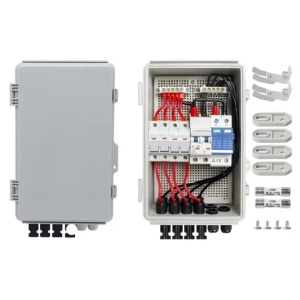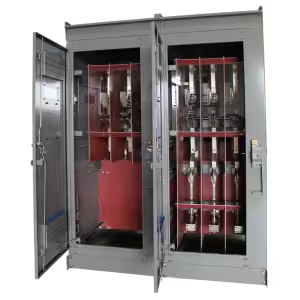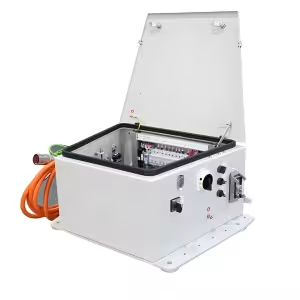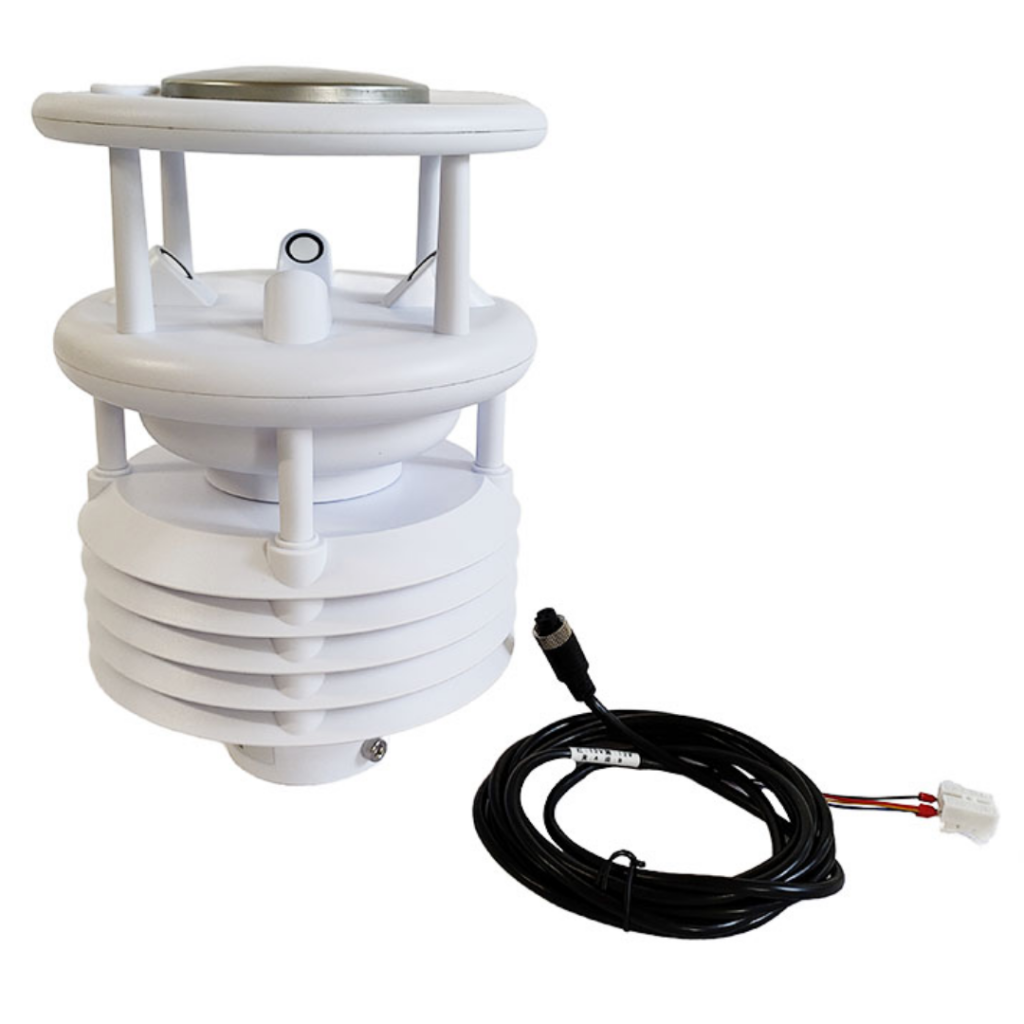
Weather Station Sensor Housings

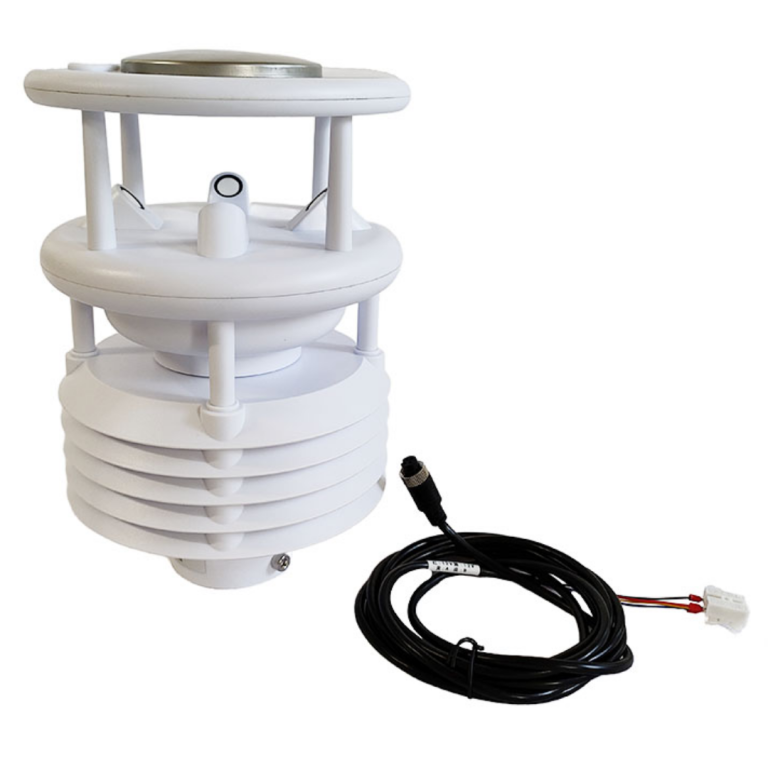
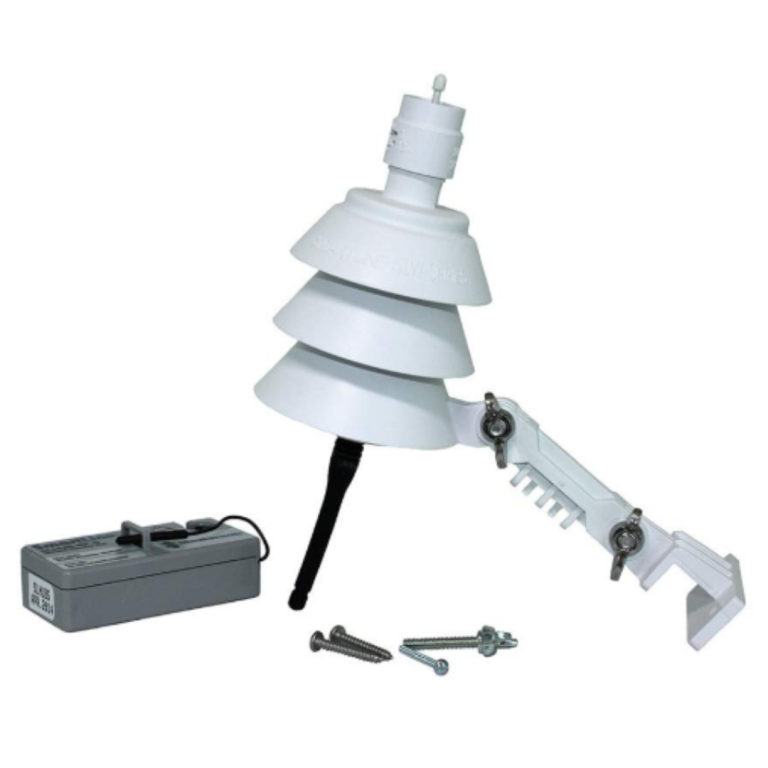
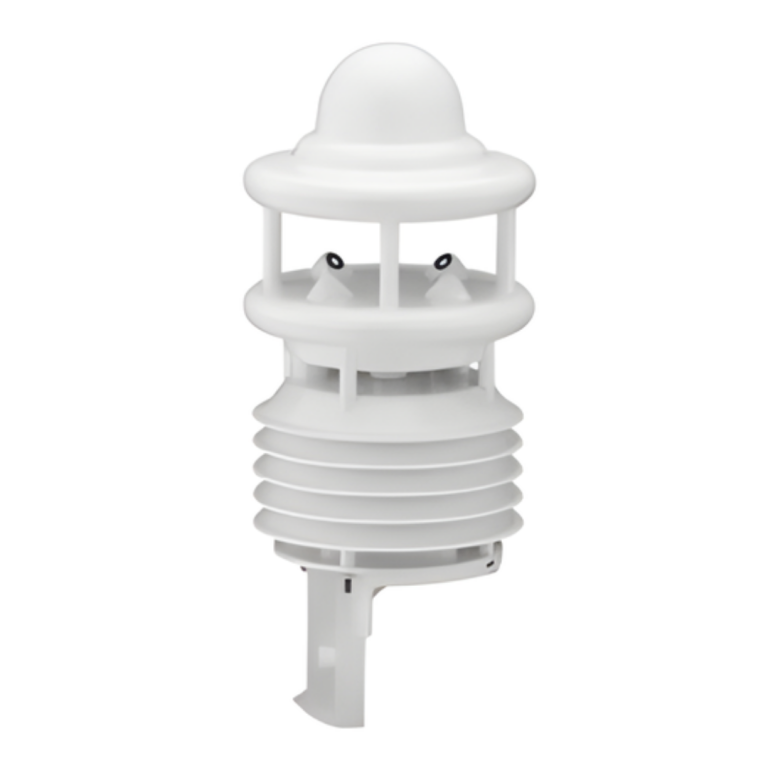
Accurate meteorological data collection drives solar plant performance optimization, energy forecasting, and compliance reporting across photovoltaic installations. Weather Station Sensor Housings protect pyranometers, anemometers, temperature probes, and data loggers from environmental exposure while maintaining measurement accuracy. 
HY D R O L Y SIS RESIS T ANCE
Material & Grade
  • Cold Rolled Steel (CRS) – SPCC
  • Galvanized Steel – SGCC
  • Stainless Steel – SS304, SS316
  • Aluminum Sheet – 5052, 6061
  • Sheet thickness  – Up to 2.0mm capable
  • Maximum capable  – 600mm (H) x 500mm (W) x 300mm (D)
  • Compact and custom sizes available
  • Powder Coating – RAL 9005, RAL 7035, Custom RAL colors 
  • Thickness  – 80-120 microns (outdoor grade)
  • Hot-Dip Galvanizing + Powder Coating 
  • UV-resistant finish 
  • Anti-corrosion coating
  • CNC Laser Cutting
  • CNC Punching & Bending
  • TIG/MIG Welding
  • CNC Press Brake Forming
  • Gasket groove forming 
  • Edge deburring & finishing
  • Stainless Steel 304/316 Hardware
  • Weather-sealed hinges
  • Quick-release latches
  • Grounding lugs & terminals
  • Sensor mounting brackets
  • Anti-corrosion fasteners

Product Description

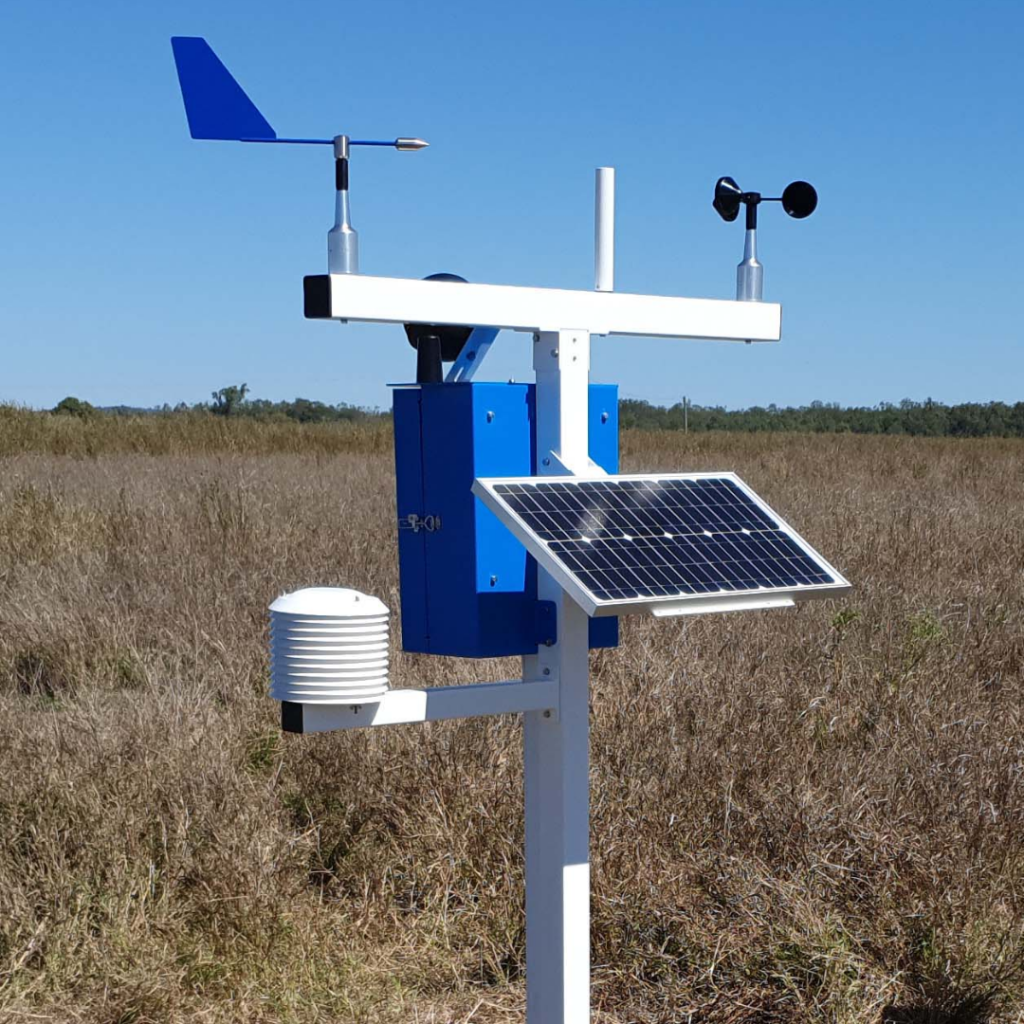
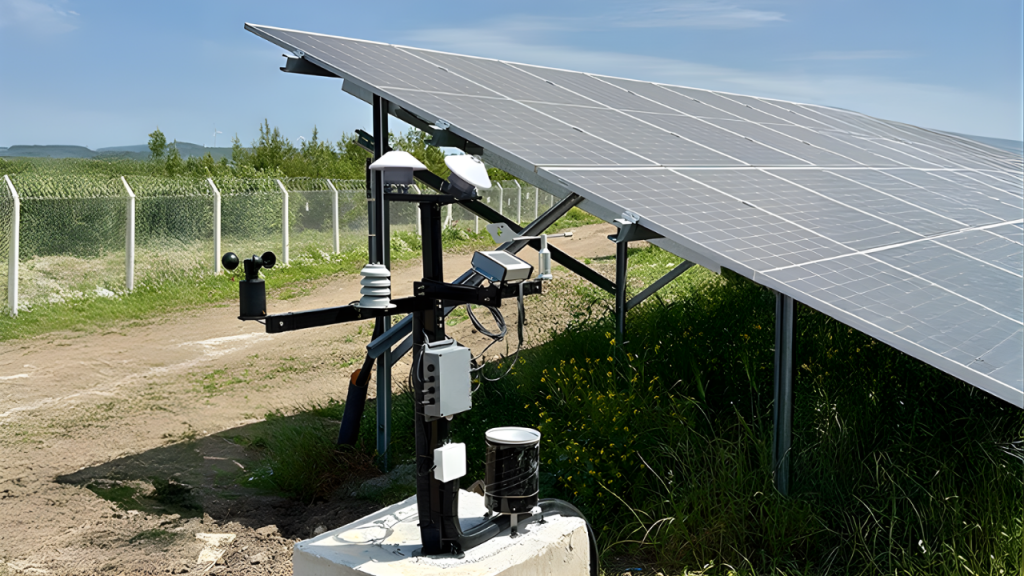
These compact enclosures accommodate sensor electronics and communication equipment with internal volumes reaching 600mm height and IP67 sealing. Frigate manufactures aluminum or stainless steel housings with radiation shield compatibility, ventilated designs, and pole-mount provisions. 

Mounting Type
  • Pole Mount (standard)
  • Wall Mount with brackets
  • Mast Mount with clamps
  • Ground stand mounting
  • Solar panel frame integration
  • Universal mounting provisions
  • Cable glands  – M12, M16, M20, M25
  • Bottom/Side entry configurations
  • Strain relief integrated
  • Multiple cable routing options
  • Conduit knockout provisions
  • Weather-sealed cable entries
  • Standard  – IP65 (dust-tight/water jet protected) 
  • Enhanced  – IP66 (heavy water jet protected) 
  • Premium  – IP67 (temporary immersion protected)
  • Outdoor installation rated
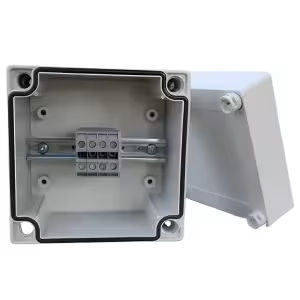
  • DIN rail mounting provisions
  • Sensor mounting plates
  • Data logger compartment
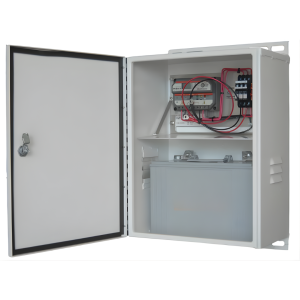
  • Battery housing provisions
  • Wire routing channels 
  • Component labeling areas
  • Hinged cover with gasket seal
  • Screwed cover access
  • Transparent cover (polycarbonate) optional
  • Radiation shield compatibility
  • Quick-access design
  • UV-stable materials
  • IEC 60529 (IP Rating)
  • ISO 9060 (Solar Irradiance Standards) 
  • WMO Standards (Meteorological Instruments)
  • CE Marked  
  • RoHS Compliant
  • ISO 9001  –2015 Manufacturing
  • NEMA 4X

Technical Advantages

Sensor housing design directly impacts measurement accuracy through thermal effects and environmental shielding requirements. Frigate fabricates naturally ventilated enclosures preventing solar heating from elevating internal temperatures above ambient conditions.  

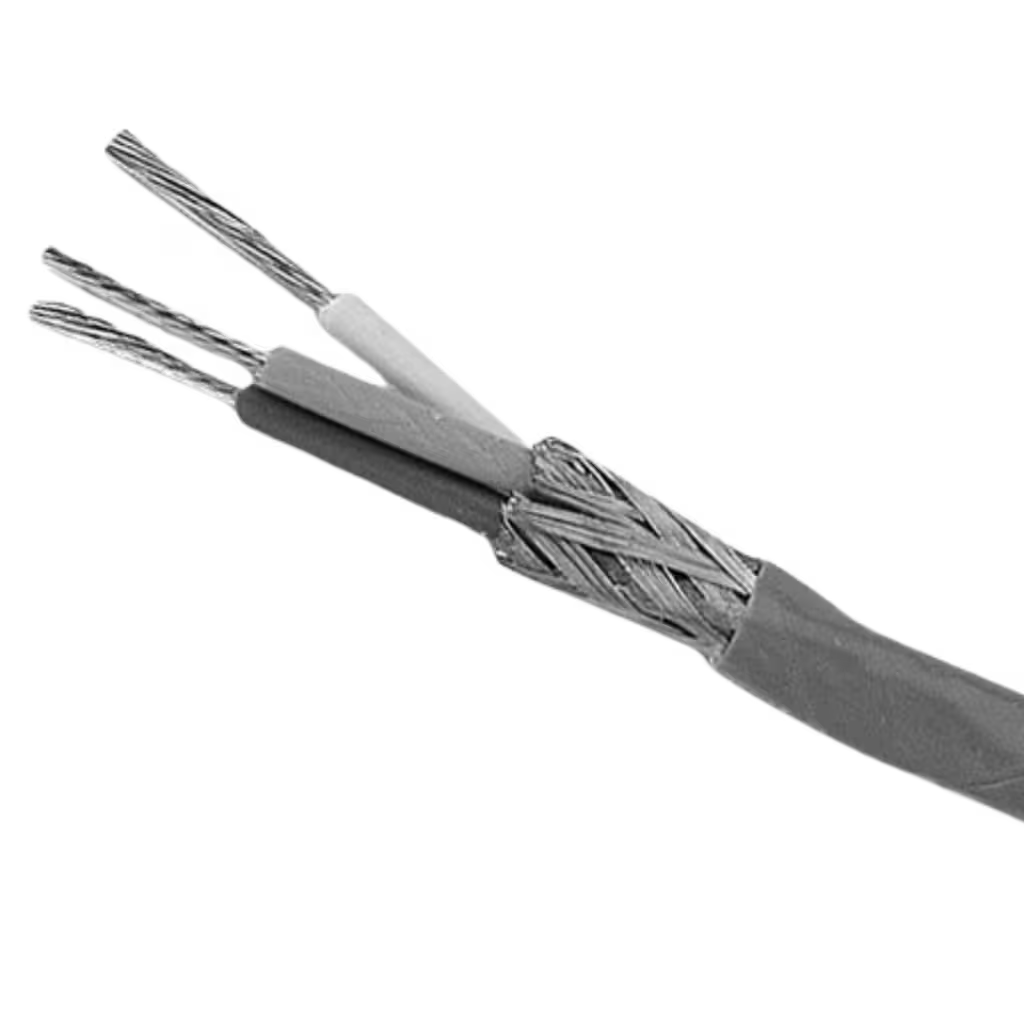
Cable entry provisions maintain IP67 integrity while accommodating shielded twisted-pair signal cables and power conductors. Internal DIN rail mounting accepts data acquisition modules, cellular modems, and battery backup systems within organized layouts. 

Let's Get Started

Need reliable Enclosures for your next project? Get in touch with us today, and we’ll help you find exactly what you need!

Industry Applications

Utility-Scale Solar Farms

Houses reference cell pyranometers and meteorological sensors providing performance ratio calculations and contractual energy production verification. 

Bifacial Solar Research Sites

Protects specialized albedo measurement sensors tracking ground reflection contributions to rear-side panel generation in experimental installations. 

Solar Forecasting Networks

Secures sky imagers and irradiance sensors feeding predictive models that optimize grid dispatch scheduling and battery charge strategies. 

Agrivoltaic Monitoring Systems

Integrates microclimate sensors measuring temperature, humidity, and soil moisture beneath elevated panel arrays in dual-use agricultural operations. 

Floating Solar Platforms

Shields weather instrumentation on pontoon-mounted arrays where constant water exposure and corrosive environments threaten standard sensor enclosures. 

Rooftop Commercial Arrays

Mounts performance monitoring equipment on building parapets where accurate plane-of-array irradiance data validates energy production guarantees. 

Meteorological-Grade Enclosures for Solar

Installation heights, sensor types, and communication requirements vary significantly between research facilities and commercial solar farms. Our Weather Station Sensor Housings arrive in pole-mount or mast-mount configurations with internal compartments sized for specific instrument combinations. 

Frigate supplies mounting hardware including stainless steel U-bolts, leveling mechanisms, and cable management accessories matched to standard meteorological tower dimensions. Marine-grade finishes withstand coastal corrosion exposure, ensuring housing performance aligns with long-term sensor calibration schedules and plant monitoring objectives. 

Having Doubts? Our FAQ

Check all our Frequently Asked Questions

How does radiation shield integration affect Weather Station Sensor Housing design?

Temperature sensors require aspiration shields blocking direct solar radiation while permitting natural airflow across sensing elements. Frigate manufactures housings with mounting provisions accepting standard radiation shields from manufacturers like R.M. Young or Campbell Scientific. Ventilation openings align with shield positioning, ensuring continuous air exchange without creating turbulent flow patterns. Consequently, ambient temperature measurements remain accurate within ±0.2°C despite housing proximity to heated enclosure surfaces. 

What cable routing strategies does Frigate employ to maintain measurement of signal integrity?

Frigate separates low-voltage sensor signals from power cables through dedicated internal routing channels preventing electromagnetic interference – 

  • Shielded signal pathways – Grounded metal conduits protecting millivolt-level pyranometer outputs from noise 
  • Twisted-pair cable management – Organized routing maintaining differential signal balance for thermocouples and RTD sensors 
  • Power cable isolation – Separate entry zones for AC power supplies and battery charging circuits 
  • Strain relief systems – Cable retention preventing connector stress from wind-induced housing movement 

Proper cable management ensures measurement accuracy meets WMO meteorological standards. 

Can Weather Station Sensor Housings accommodate both wired and wireless communication systems?

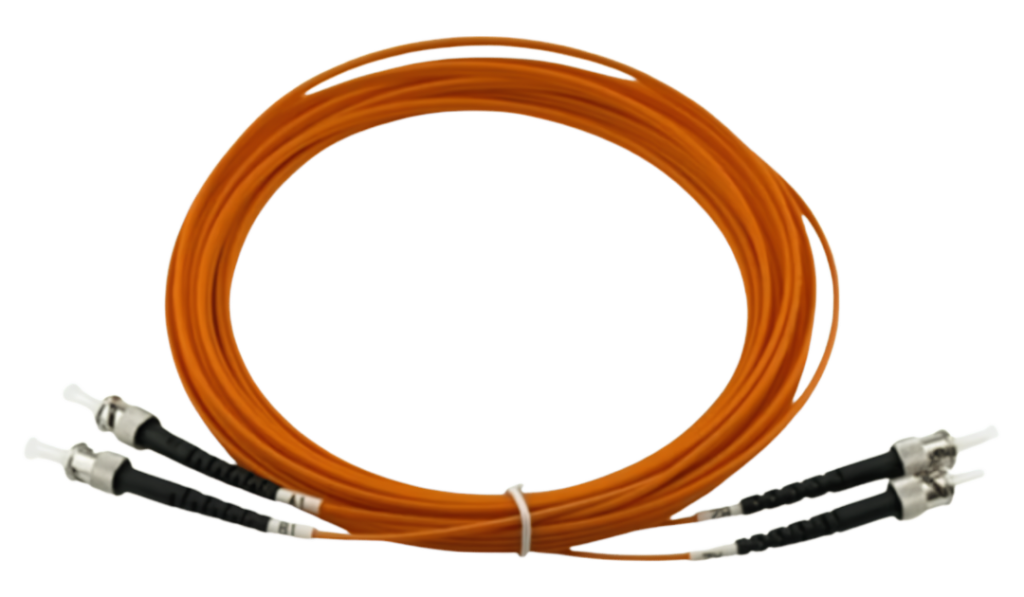
Modern solar plants deploy varied telemetry strategies depending on site connectivity and data requirements. Frigate provisions internal mounting space for cellular modems, LoRaWAN gateways, or Ethernet switches within sensor housings. External antenna mounting points with weatherproof feedthrough connectors support wireless communications without compromising IP ratings. Additionally, cable gland provisions accept fiber optic or Ethernet cables for hardwired SCADA integration in sites with existing communication infrastructure. 

How does Frigate prevent condensation accumulation inside Weather Station Sensor Housings?

Temperature cycling between day and night creates condensation on interior surfaces when humid air cools below dew point. Frigate incorporates breathable membrane vents that equalize internal pressure during thermal expansion without admitting liquid water or dust. Drainage channels at enclosure bottoms with weep holes allow any condensed moisture to escape rather than pooling near electronics. Furthermore, desiccant mounting provisions enable operators to install silica gel packets in high-humidity coastal or tropical installations. 

What mounting height considerations affect Weather Station Sensor Housing specifications?

Meteorological standards specify sensor positioning at precise heights above ground or panel surfaces for representative measurements. Frigate engineers housings with minimal wind resistance profiles reducing mechanical loads on supporting poles or masts. Pole-mount clamp systems accommodate 50mm to 100mm diameter vertical masts common in meteorological tower construction. Moreover, lightweight aluminum construction minimizes top-heavy loading on slender support structures, preventing excessive deflection during high-wind events. 

How does Frigate address lightning protection in exposed Weather Station Sensor Housings?

Meteorological towers present elevated strike points attracting direct lightning hits that can destroy unprotected sensor electronics. Frigate installs grounding lugs accepting #6 AWG copper conductors bonding housing bodies to tower grounding systems. Internal surge protection device mounting provisions allow installation of transient voltage suppressors on sensor signal lines. Additionally, fiber optic communication options eliminate conductive paths between towers and control buildings preventing ground potential rise of damage. 

Can Weather Station Sensor Housings integrate solar panel power supplies for autonomous operation?

Remote meteorological stations often lack grid power requiring photovoltaic charging systems for battery-backed operation. Frigate manufactures housings with external mounting brackets accepting 10W to 50W solar panels positioned for optimal sun exposure. Internal battery compartments accommodate sealed lead-acid or lithium batteries sized for 7-14 day autonomy during cloudy periods. Furthermore, charge controller mounting provisions regulate panel output preventing battery overcharge that reduces lifespan in cycling applications. 

What ventilation requirements do Frigate address for data logger thermal management?

Data acquisition systems and cellular modems generate heat requiring ventilation despite outdoor enclosure locations. Frigate positions intake vents at lower enclosure sections drawing cool air while exhaust vents at top zones release heated air through natural convection. Vent openings incorporate labyrinth baffles maintaining IP67 protection while permitting airflow rates sufficient for 15-25W heat dissipation. Consequently, internal temperatures remain within data logger operating specifications during peak solar irradiance conditions.

How does material selection impact sensor calibration stability in Weather Station Sensor Housings?

Thermal expansion coefficients affect sensor mounting alignment critical for pyranometer leveling and anemometer positioning accuracy – 

  • Aluminum construction – Provides thermal stability with expansion rates matching sensor mounting hardware preventing misalignment 
  • Stainless steel – Offers superior corrosion resistance in coastal installations where salt spray degrades aluminum finishes 
  • Powder coating – White or light colors reflect solar radiation minimizing differential heating across housing surfaces 
  • Non-magnetic materials – Prevent compass deviation in installations near magnetic declination measurement equipment 

Material selection balances thermal performance against environmental durability requirements. 

What testing protocols do Frigate employ to validate Weather Station Sensor Housing environmental performance?

Meteorological instruments operate continuously across extreme temperature ranges and weather conditions demanding rigorous housing validation. Frigate conducts thermal cycling tests between -40°C and +70°C verifying gasket integrity and dimensional stability across 500 cycles. Subsequently, IP67 immersion testing confirms sealing effectiveness after thermal stress exposure. Finally, UV exposure testing validates powder coating durability and polycarbonate window clarity after 3000 hours ensuring long-term measurement accuracy. 

Get Clarity with Our Manufacturing Insights

We'd love to Manufacture for you!

Submit the form below and our representative will be in touch shortly.

LOCATIONS

Registered Office

10-A, First Floor, V.V Complex, Prakash Nagar, Thiruverumbur, Trichy-620013, Tamil Nadu, India.

Operations Office

9/1, Poonthottam Nagar, Ramanandha Nagar, Saravanampatti, Coimbatore-641035, Tamil Nadu, India. ㅤ

Other Locations

GENERAL ENQUIRIES

Get Quote
Support All File Formats Including - STEP | STP | SLDPRT | STL | DXF | IPT | X_T | X_B | 3DXML | CATPART | PRT | SAT | 3MF | JT files

LOCATIONS

Registered Office

10-A, First Floor, V.V Complex, Prakash Nagar, Thiruverumbur, Trichy-620013, Tamil Nadu, India.

Other Locations

GENERAL ENQUIRIES

Get Your Quote Now

New Get Quote form

Weather Station Sensor Housings

Need reliable wires and cables for your next project? Get in touch with us today, and we’ll help you find exactly what you need!

Get Latest Price

Get Price Form

Weather Station Sensor Housings

Need reliable Machining for your next project? Get in touch with us today, and we’ll help you find exactly what you need!

Get Latest Price

Get Price Form