








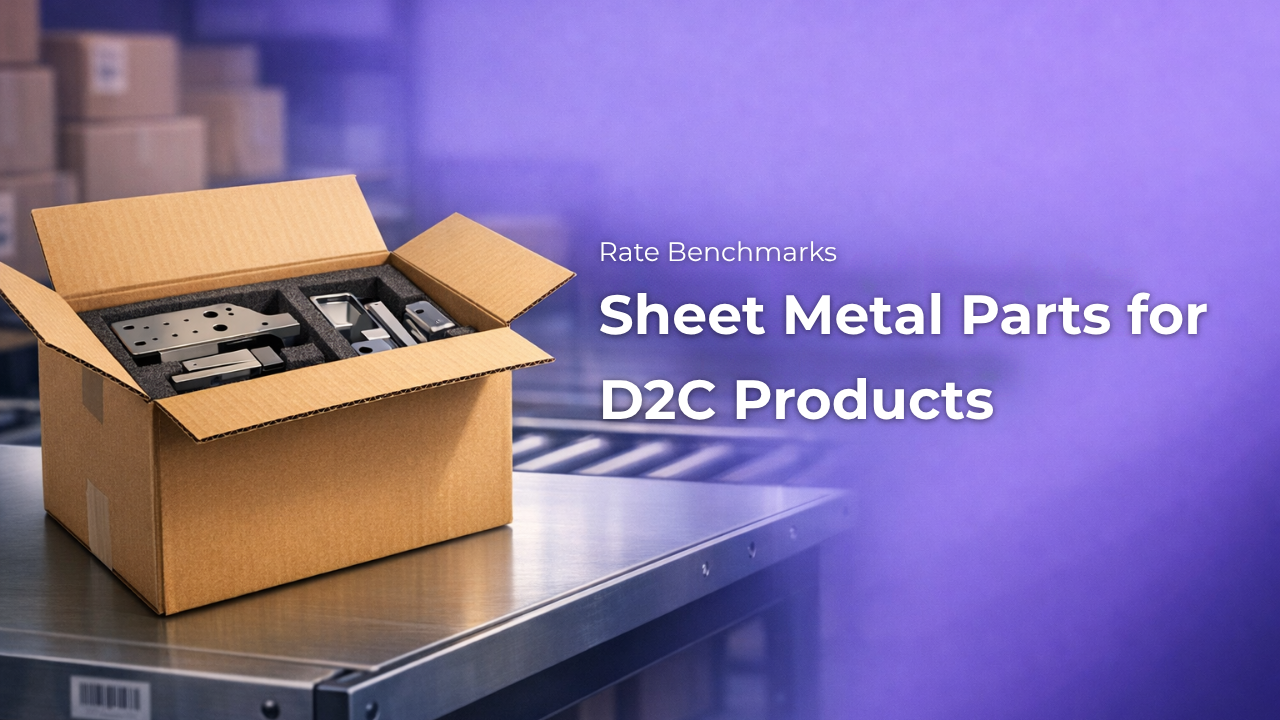
For mass-market D2C brands, rejection and rework percentages directly affect procurement cost, inventory movement, dispatch commitments, and return ratios at the customer end. Production teams working with large monthly volumes cannot depend on generic quality assumptions or broad supplier claims. Clearly defined sheet metal manufacturing quality benchmarks become critical for vendor selection, commercial negotiation, production scale-up, and long-term supply contracts.
Frigate works with brands that need stable Sheet Metal Parts for D2C Products with measurable quality standards linked directly to commercial performance. Every sourcing program must be backed by defined rejection thresholds, acceptable rework percentages, supplier SLAs, and lot-level acceptance criteria.
Without strong sheet metal manufacturing quality benchmarks, sourcing costs rise through hidden rework, delayed dispatches, warranty replacements, repeat inspections, and excess supplier management effort.
This becomes especially important for products such as –
- appliance housings with visible cosmetic surfaces
- modular furniture brackets and support frames
- consumer electronics enclosures
- mobility product components
- retail display fixtures
- home hardware assemblies
- storage system sheet metal modules
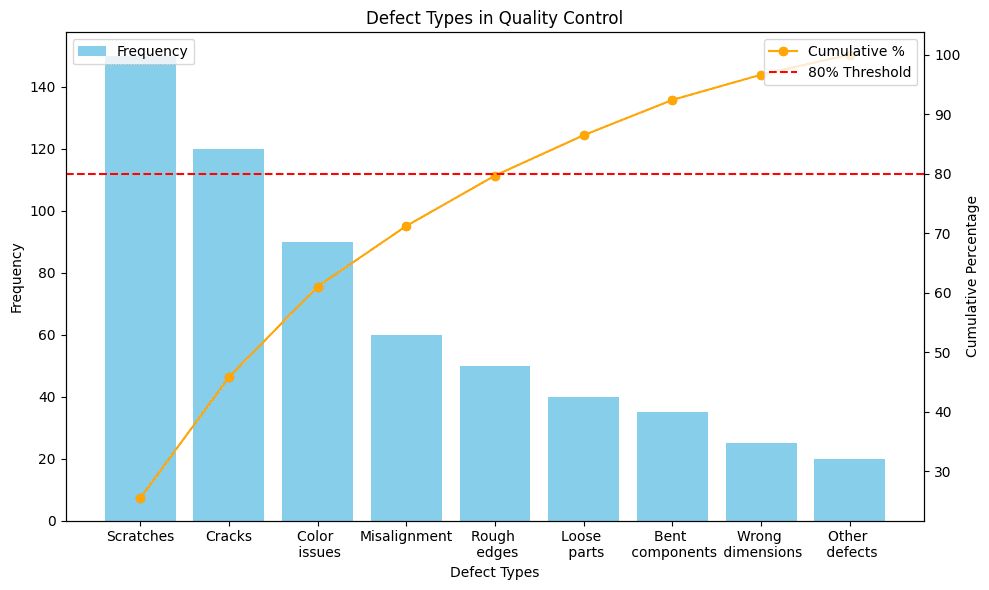
Commercial rejection benchmarks for vendor finalization and rate negotiation
Supplier finalization for D2C production should always be benchmark-led and commercially measurable.
Procurement teams need clearly defined sheet metal part rejection rate standards before commercial closure and PO release. Lower quoted prices often become commercially expensive when suppliers run unstable rejection levels.
Typical benchmark ranges followed by Frigate for Sheet Metal Parts for D2C Products include –
Consumer visible finished components
- Pilot production lots – 3% to 5%
Early lots typically see higher cosmetic and fitment issues while tooling and process settings are being stabilized.
- Line stabilization stage – below 2%
Once production processes settle, rejection should come down to commercially acceptable levels for regular dispatch.
- Mature supply stage – below 1.2%
Long-term supply partners must consistently maintain this benchmark for cost-effective production.
Functional structural components
- Pilot lots – 2.5% to 4%
Structural parts usually see dimensional tolerance and bend-angle related rejections during the early stage.
- Steady production – below 1.5%
Mature fixtures and controlled process flow should maintain this benchmark.
- Mature lots – below 1%
Strategic suppliers for long-term contracts should stay below this level.
These sheet metal part rejection rate standards help buyers compare commercial viability beyond per-piece pricing.
Frigate aligns every sourcing program with practical sheet metal manufacturing quality benchmarks before supplier onboarding.
Rework rate benchmarks for commercial production contracts
Hidden production costs are often driven by internal correction cycles rather than visible rejections.
A supplier may quote an attractive rate but operate with unstable correction percentages that reduce actual commercial efficiency.
This is where sheet metal rework rate benchmarks for production become commercially critical.
Frigate typically deploys the following sheet metal rework rate benchmarks for production –
Process-wise rework benchmarks
- Laser cutting correction – below 0.8%
Excessive edge correction or profile mismatch indicates process inconsistency.
- Bend correction – below 1.2%
High bend correction percentage usually signals poor tooling setup or tolerance stack issues.
- Weld repair – below 1.5%
Repeated weld touch-up increases production time and weakens output efficiency.
- Powder coat touch-up – below 1%
Surface finish correction must remain low for visible D2C products.
- Final fitment correction – below 0.7%
Assembly-stage mismatch directly affects dispatch schedules.
Total production rework benchmark
- Ideal commercial benchmark – below 3%
- Upper acceptable threshold – 3.5%
- Supplier risk level – above 4%
These sheet metal rework rate benchmarks for production are used by Frigate during supplier performance review and commercial renewal discussions.
Procurement-focused quality benchmarks for high volume D2C orders
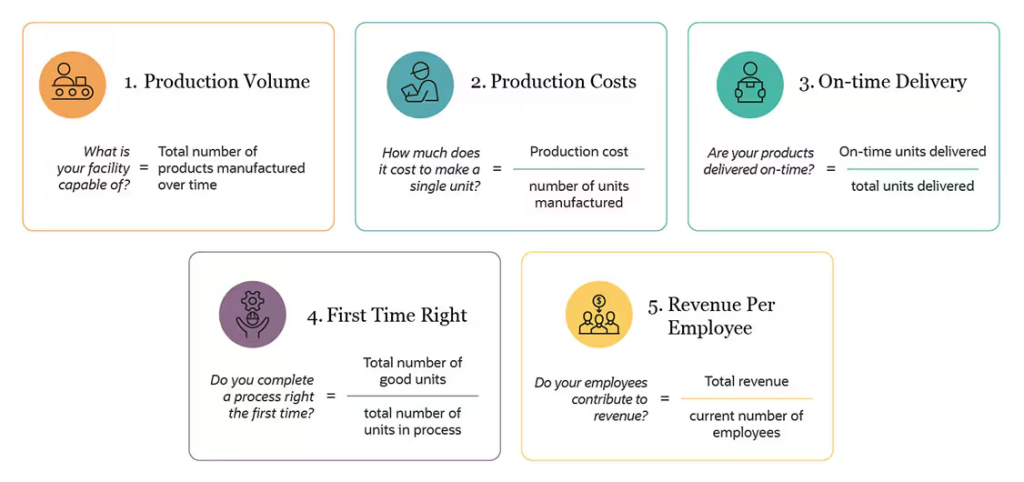
Large D2C orders need measurable high volume sheet metal production quality metrics that directly support dispatch and customer fulfillment targets.
Frigate tracks the following commercial metrics for live production programs –
Lot-level commercial metrics
- First pass yield
Measures accepted output without correction and reflects line stability.
- Accepted dispatch ratio
Indicates the percentage of lots cleared for shipment without intervention.
- Lot rejection percentage
Used for supplier quality comparison and cost analysis.
- Lot rework percentage
Helps assess internal supplier efficiency.
- Repeat defect ratio
Critical for measuring corrective action effectiveness.
Dispatch performance metrics
- OTIF percentage
Measures supplier’s ability to meet committed timelines.
- Packaging damage ratio
Important for D2C products where final customer experience matters.
- Transit rejection percentage
Tracks logistics-linked quality failures.
These high volume sheet metal production quality metrics help buyers benchmark supplier output against contractual commitments.
Supplier performance benchmarks for strategic vendor consolidation
Vendor consolidation decisions should be performance-driven and commercially sustainable.
Frigate uses measurable sheet metal supplier performance benchmarks such as –
- rejection below 1.5%
- rework below 3%
- OTIF above 98%
- CAPA closure within 72 hours
- repeat defects below 0.5%
These sheet metal supplier performance benchmarks help procurement teams reduce vendor dependency and improve supply consistency.
For long-term sourcing contracts, Frigate aligns these with OEM sheet metal quality assurance benchmarks.
Commercial defect reduction framework for large production programs
Rejection control must happen at process level and not only during final inspection.
Frigate’s sheet metal defect reduction solutions focus on commercial output stability.
This includes –
- fixture-based weld consistency controls
- tolerance stack validation before scale-up
- tooling correction audits
- automated dimension checkpoints
- finish defect control matrix
- pre-dispatch cosmetic validation
These sheet metal defect reduction solutions help reduce cost leakage and improve supplier profitability.
Contract manufacturing benchmarks for D2C product scale programs
Brands moving from pilot batches to scale require dependable D2C product sheet metal manufacturing services.
Frigate supports –
- pilot production validation
- commercial ramp-up
- monthly scale supply
- supplier stabilization support
- rejection control governance
These D2C product sheet metal manufacturing services are built for long-term commercial continuity.
Absolutely — here’s a more detailed and commercially strong version of that section, with each subheading description expanded while keeping the tone professional and manufacturing-focused.
Why Frigate is the right manufacturing partner for D2C scale
Frigate operates as a precision manufacturing partner for high-volume D2C product programs, helping brands scale from pilot batches to mass-market production with consistent quality and predictable output. Our focus is on engineering-led manufacturing, process control, and lot-level quality governance that supports aggressive growth targets without compromising production stability.
For Sheet Metal Parts for D2C Products, our manufacturing systems are designed to minimize defect leakages, improve line efficiency, and ensure repeatable quality across every batch and every dispatch cycle.
Production-ready manufacturing processes
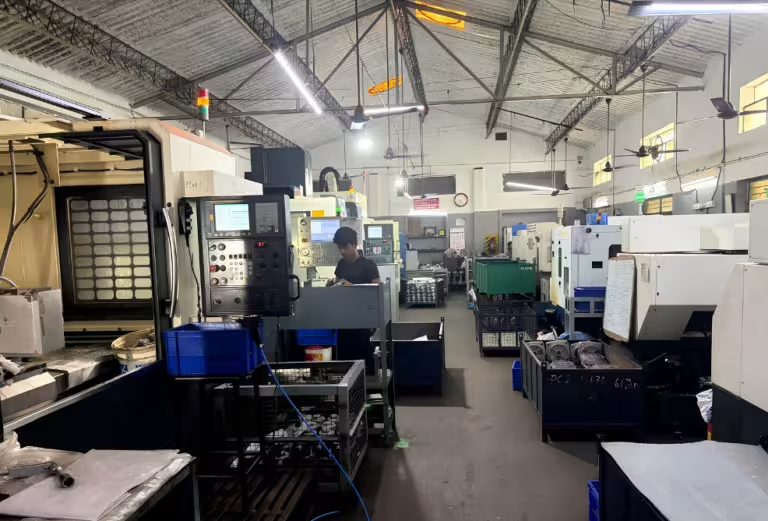
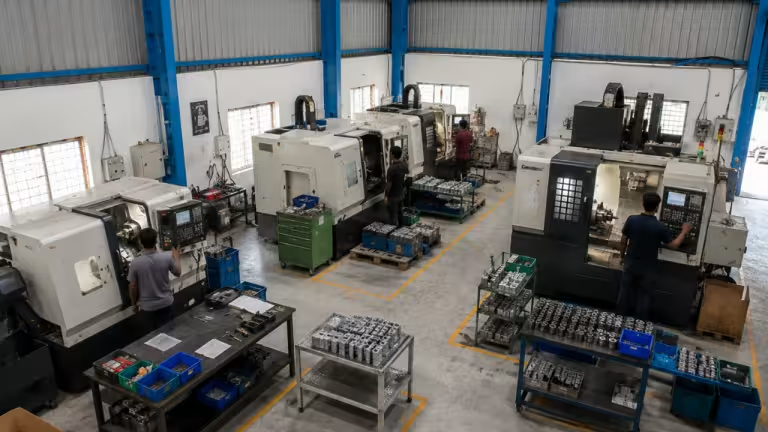
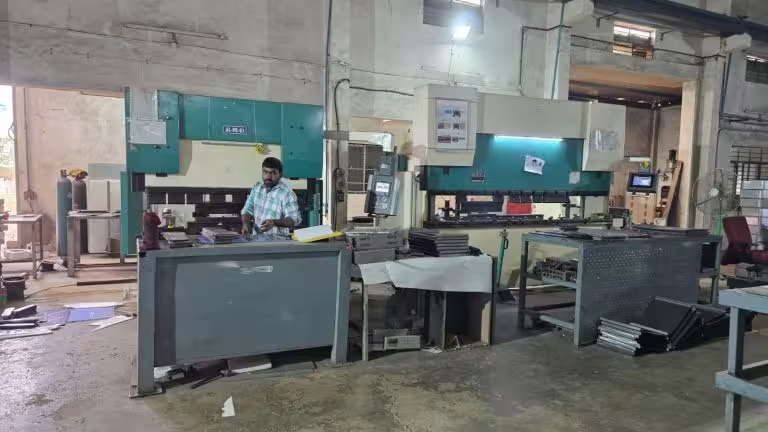
Frigate’s manufacturing setup is built for repeatable, high-volume production where dimensional accuracy, finish consistency, and assembly fitment are critical for D2C brands.
Our production capabilities include –
- Precision laser cutting for profile accuracy and edge quality
- CNC bending and forming for tight tolerance control
- Fixture-based welding for dimensional repeatability
- Controlled powder coating and surface treatment
- Fitment and assembly-stage validation
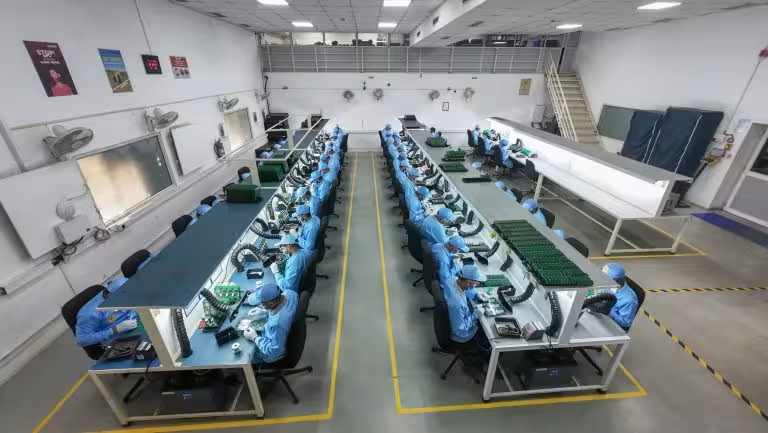
Every stage is governed by defined process parameters and in-line checkpoints to ensure consistency across large monthly volumes. This helps maintain stable sheet metal manufacturing quality benchmarks even when production scales rapidly from pilot lots to mature demand volumes.
Rejection and rework control at process level
Frigate focuses on controlling defects during manufacturing rather than relying only on end-stage inspection.
Our teams deploy stage-wise controls such as –
- Dimensional checks after cutting and bending
- Angle and tolerance verification during forming
- Weld penetration and distortion checks
- Cosmetic inspection before surface finishing
- Final assembly fitment validation
This process-led approach significantly reduces rejection and rework leakages. By identifying variation at the source, we help brands achieve controlled sheet metal part rejection rate standards that improve overall manufacturing efficiency and reduce cost overruns.
Engineering-led defect reduction framework
Our engineering teams work proactively to eliminate recurring production defects through structured root-cause analysis and process correction.
This framework includes –
- Tooling validation before production ramp-up
- Fixture optimization for repeat precision
- Tolerance stack-up reviews
- Process capability studies
- Corrective action implementation and tracking
These sheet metal defect reduction solutions help improve repeatability, reduce variation between lots, and strengthen process reliability for mass-market D2C production programs.
High-volume quality monitoring and lot control
For D2C brands operating at scale, lot-level visibility is critical.
Frigate tracks every production batch through measurable KPIs such as –
- First-pass yield percentage
- Lot acceptance ratio
- Rework percentage
- Defect recurrence trends
- Dispatch clearance rate
This lot-wise governance ensures dependable mass production sheet metal quality control services directly embedded into the manufacturing workflow. It allows brands to maintain dispatch confidence and reduce customer return risk.
Built for predictable commercial outcomes
For Sheet Metal Parts for D2C Products, our manufacturing approach directly translates into measurable business outcomes.
This means –
- Lower return and replacement costs
- Stable monthly production volumes
- Improved dispatch reliability
- Reduced quality leakage
- Predictable commercial performance
Frigate helps D2C brands scale with confidence by combining production engineering, process control, and quality-led manufacturing execution.
Conclusion
Strong sheet metal manufacturing quality benchmarks are essential for controlling rejection cost, reducing rework, and ensuring reliable supply for Sheet Metal Parts for D2C Products. Clearly defined supplier benchmarks help procurement teams scale production with better commercial control and lower return risk.
Frigate helps D2C and OEM brands improve supplier performance, reduce quality leakages, and stabilize high-volume production with measurable quality SLAs and production-ready controls.
Connect with Frigate to discuss your production requirements and build benchmark-driven sheet metal manufacturing at scale.