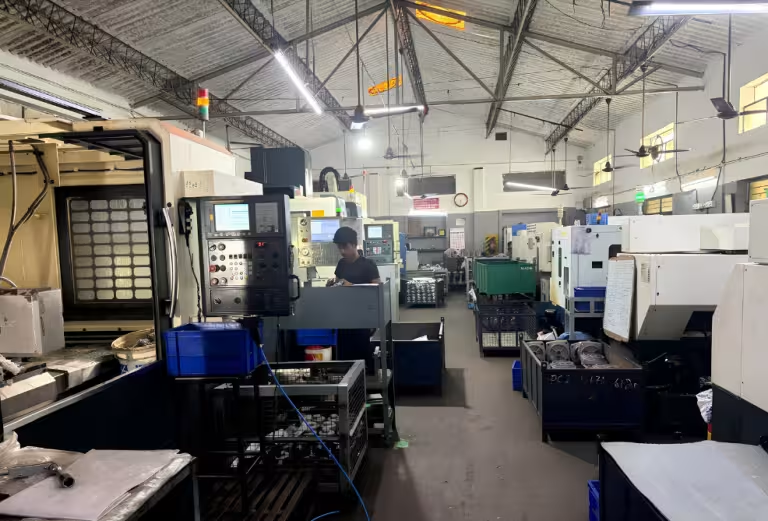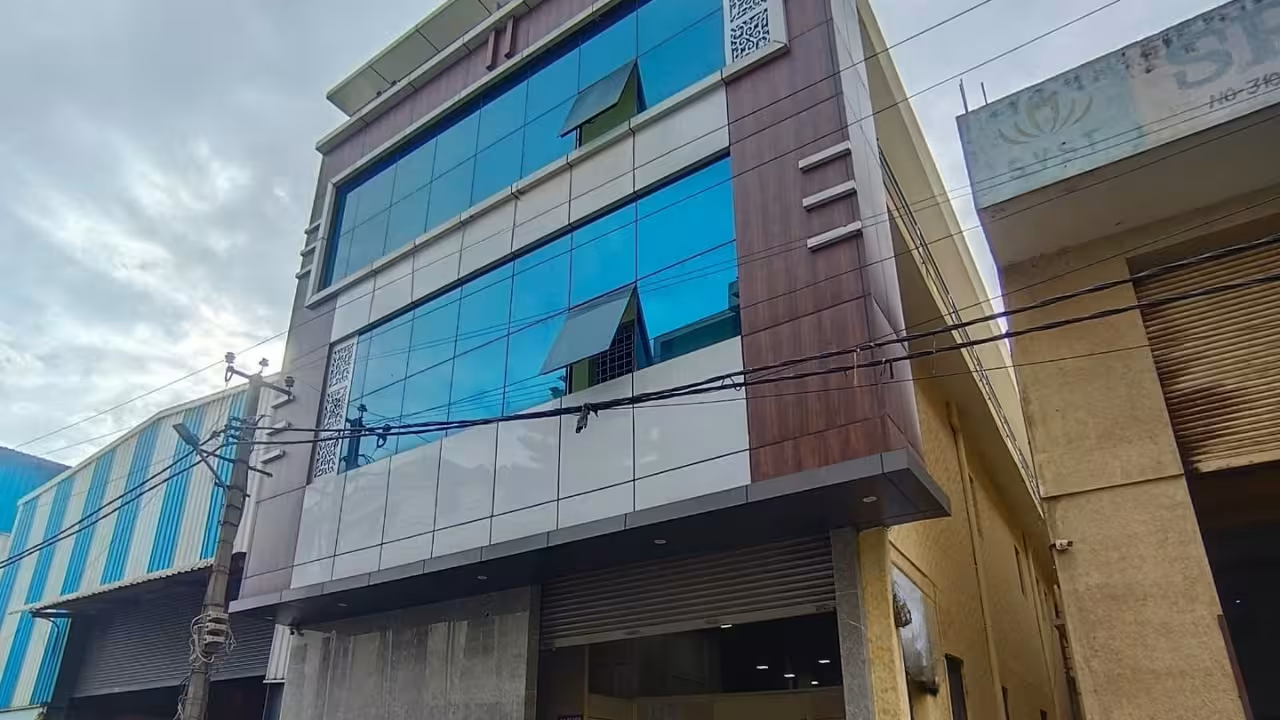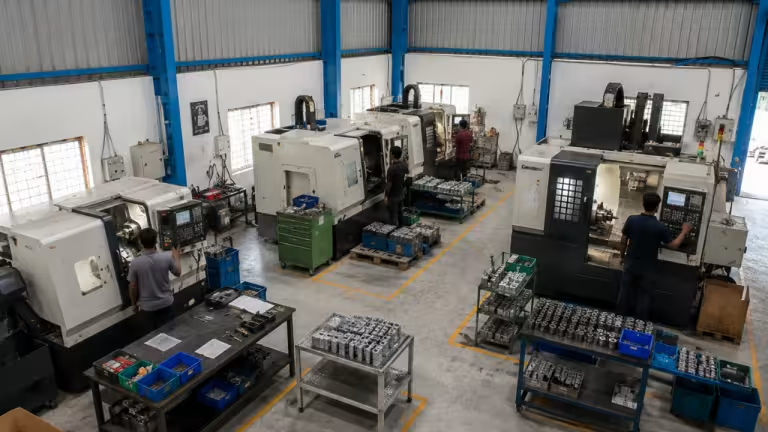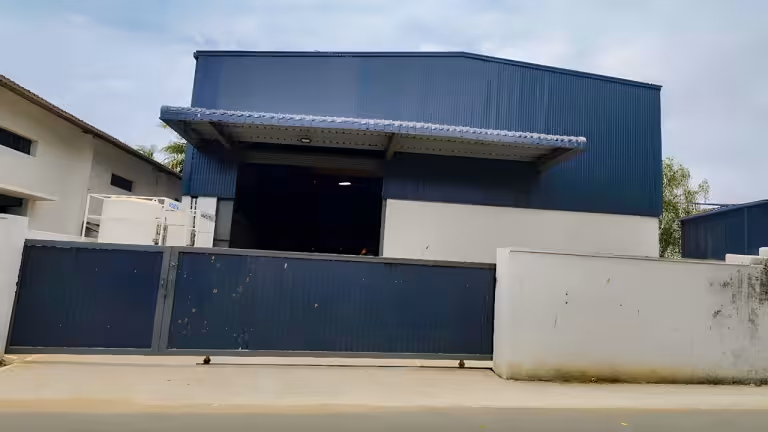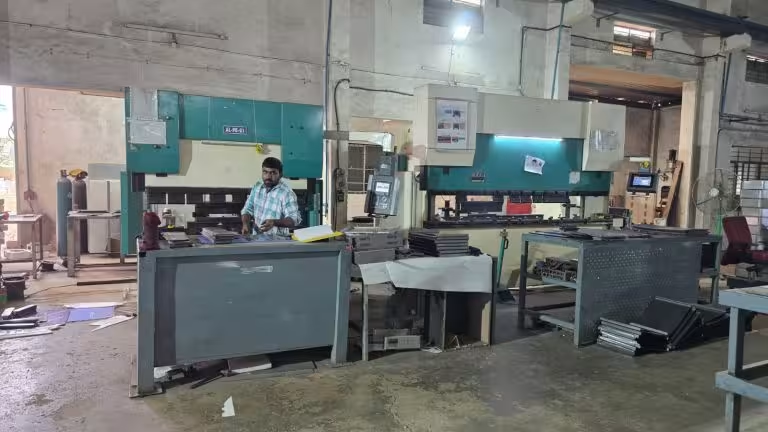
High-precision manufacturing capabilities for metal, plastic, electrical, and assembly requirements.
Manufacturing support for precision parts, assemblies, and production-ready components across demanding industries.
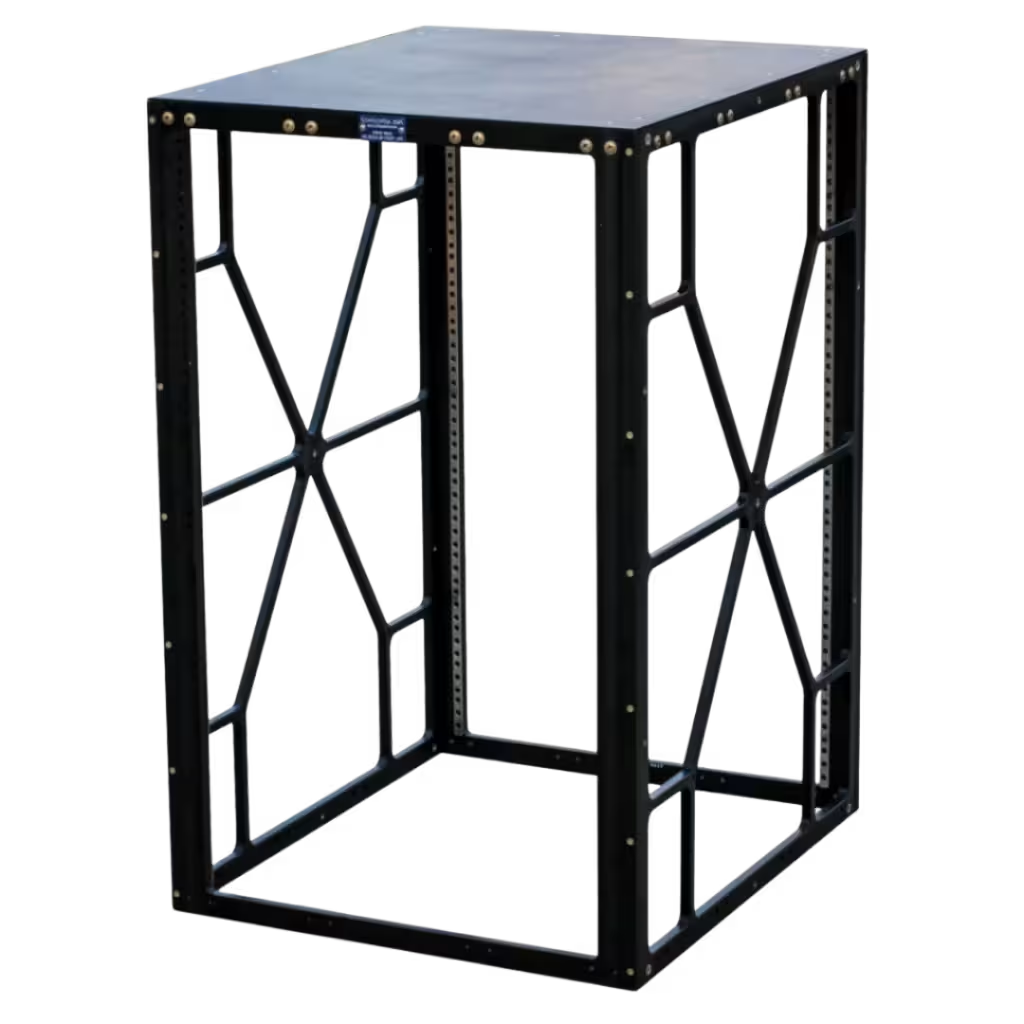
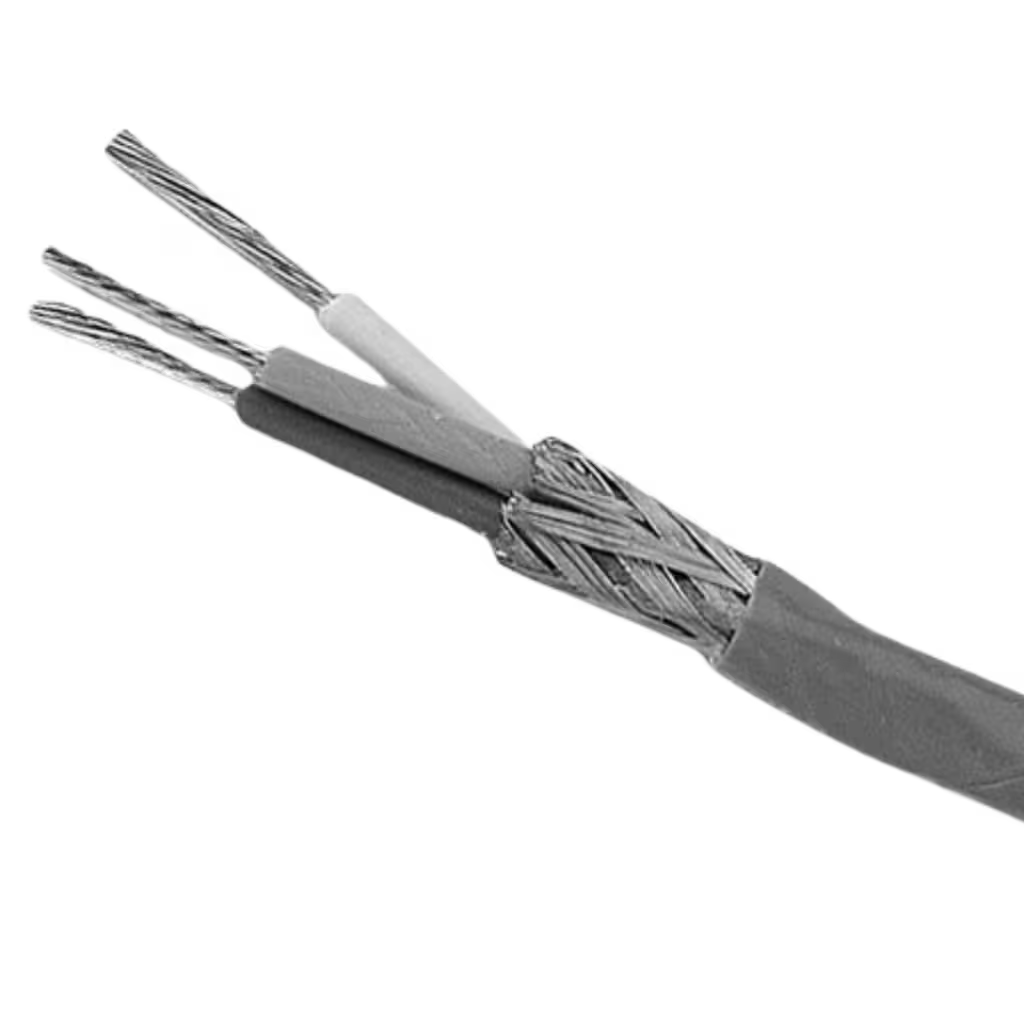
Manufacturing support for enclosures, Bento Box assemblies, cables, wiring harnesses, and BESS components.
High-strength fasteners, landing gear parts, and structural assemblies.
Metal frames, brackets, and assemblies for appliances and home equipment.
Forged housings, armor brackets, and mission-critical structural parts.
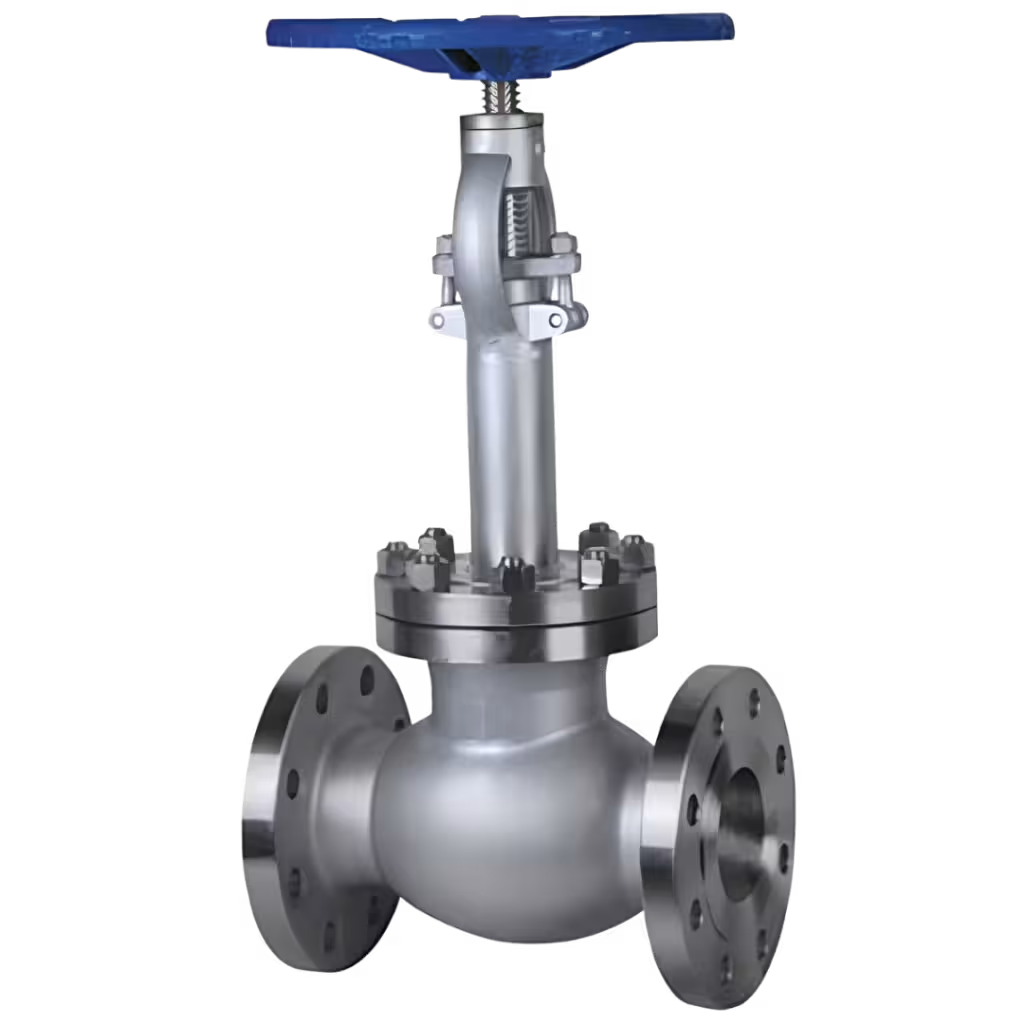
Valve bodies, flange blocks, and downhole drilling components.
Solar mounting parts, wind turbine brackets, and battery enclosures.
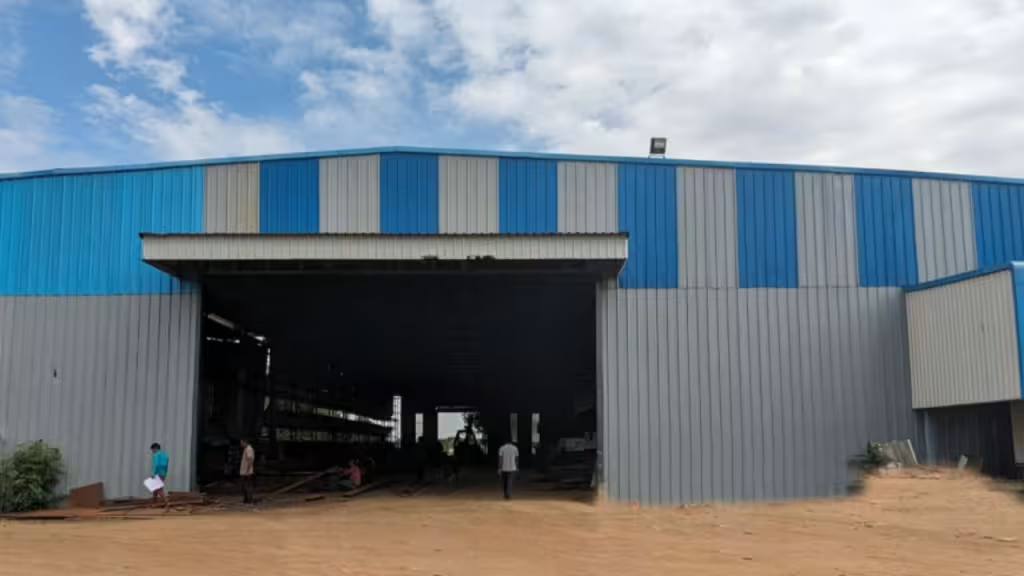
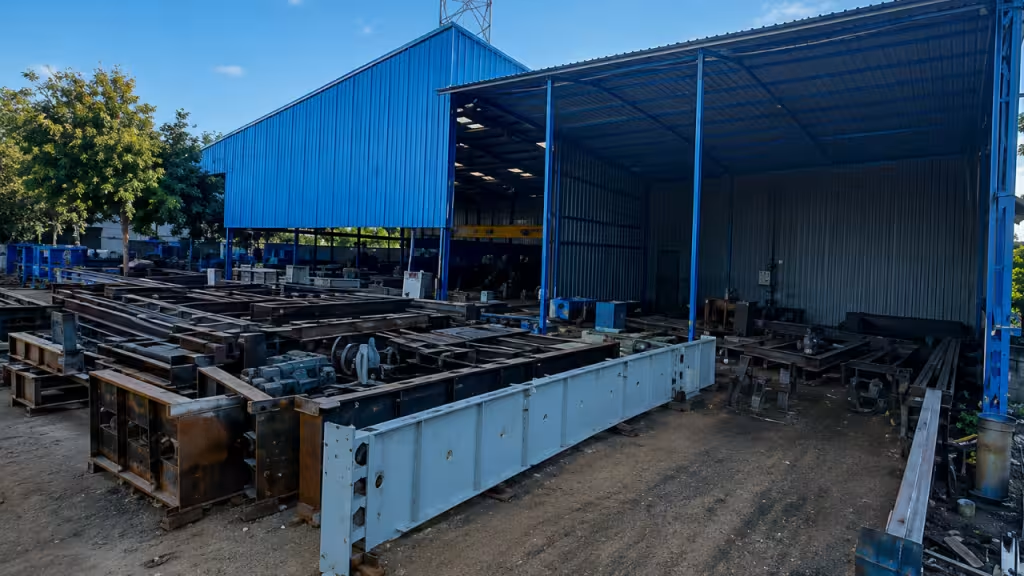
Large welded frames, PEB structures, and assemblies for industrial equipment.
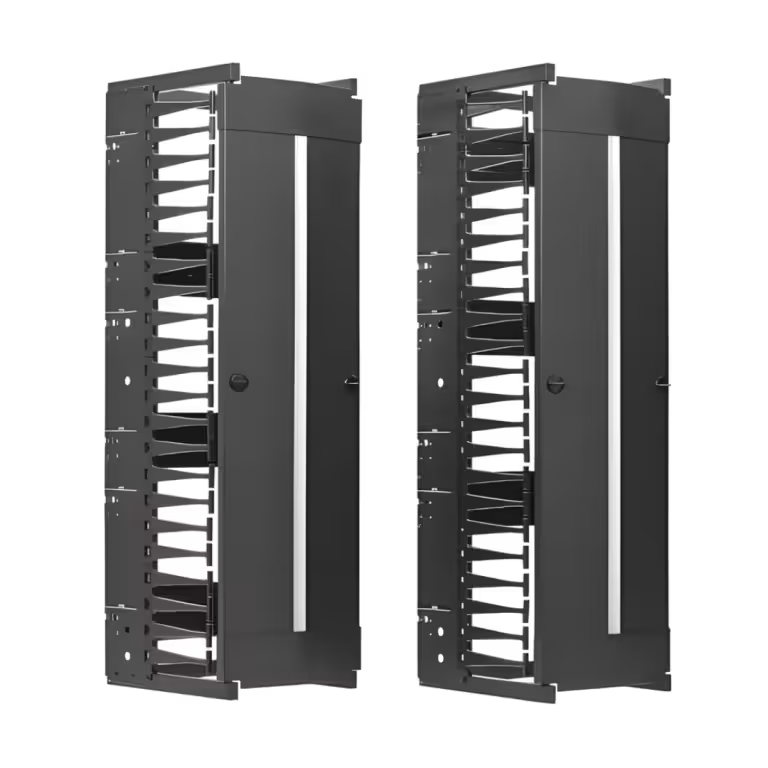
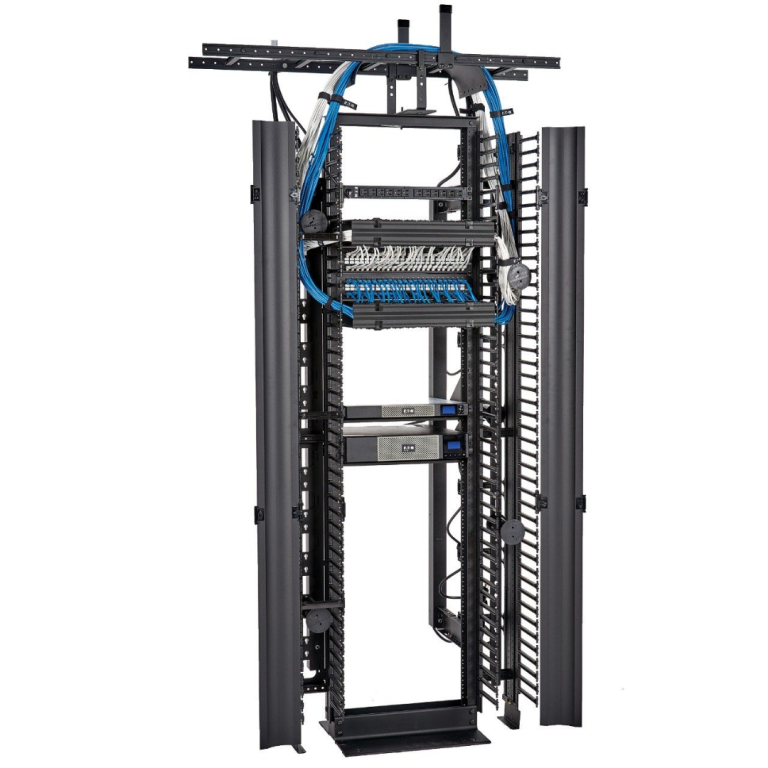
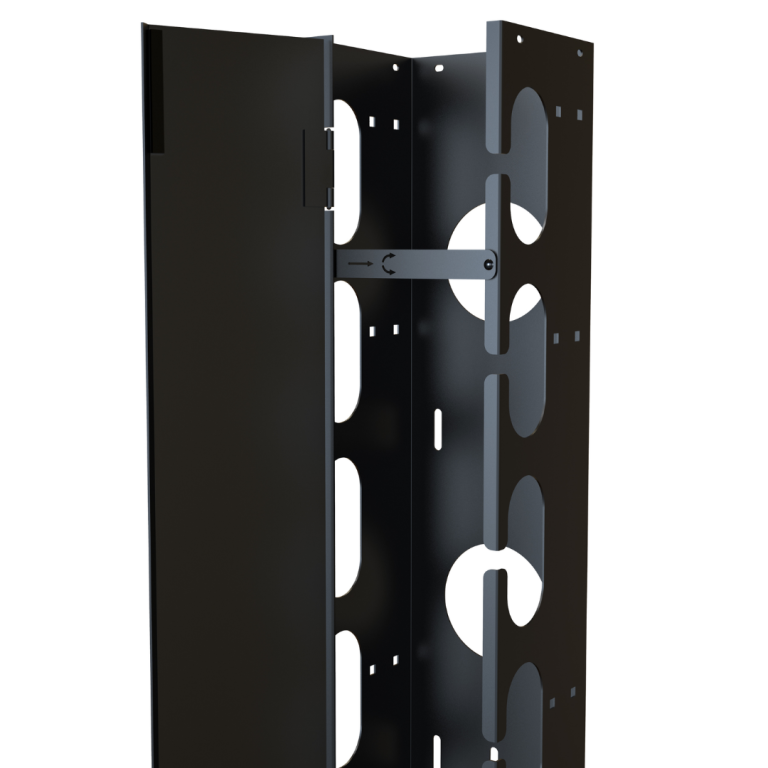
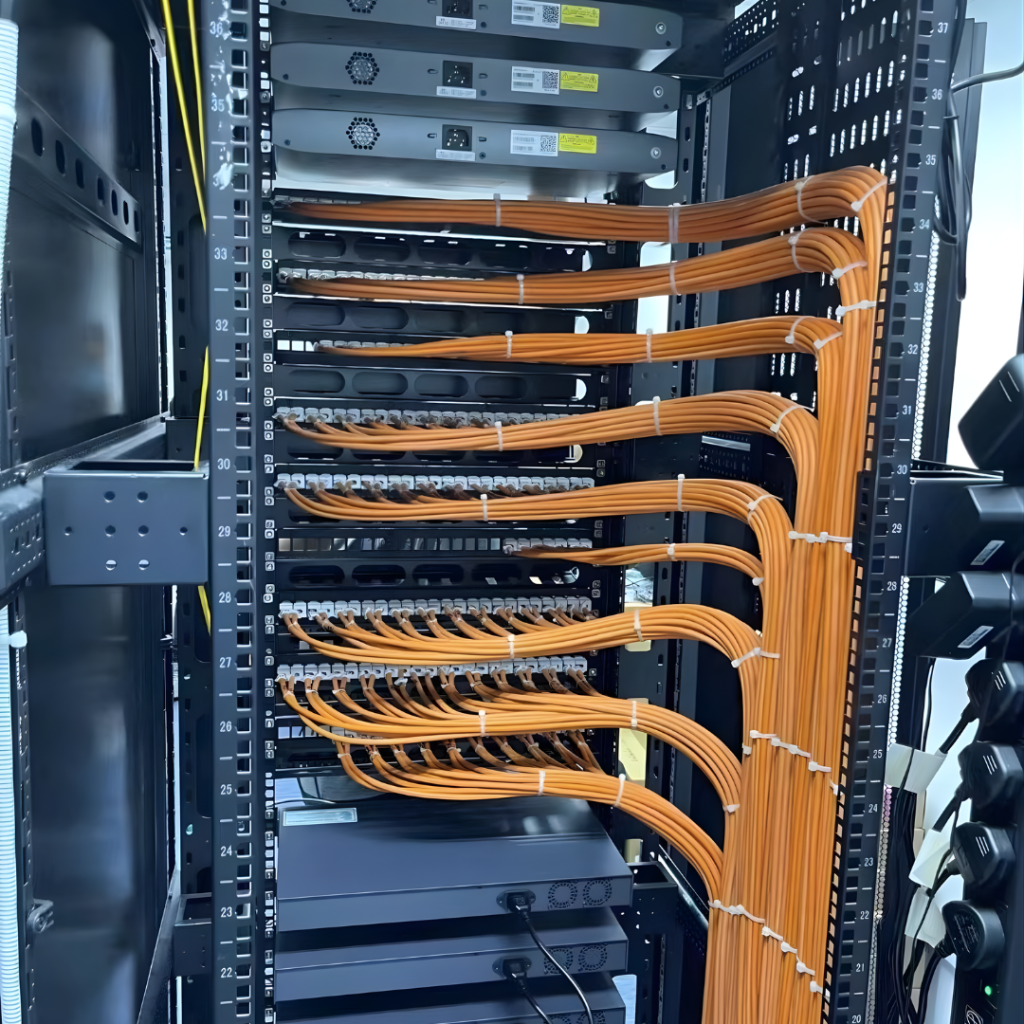
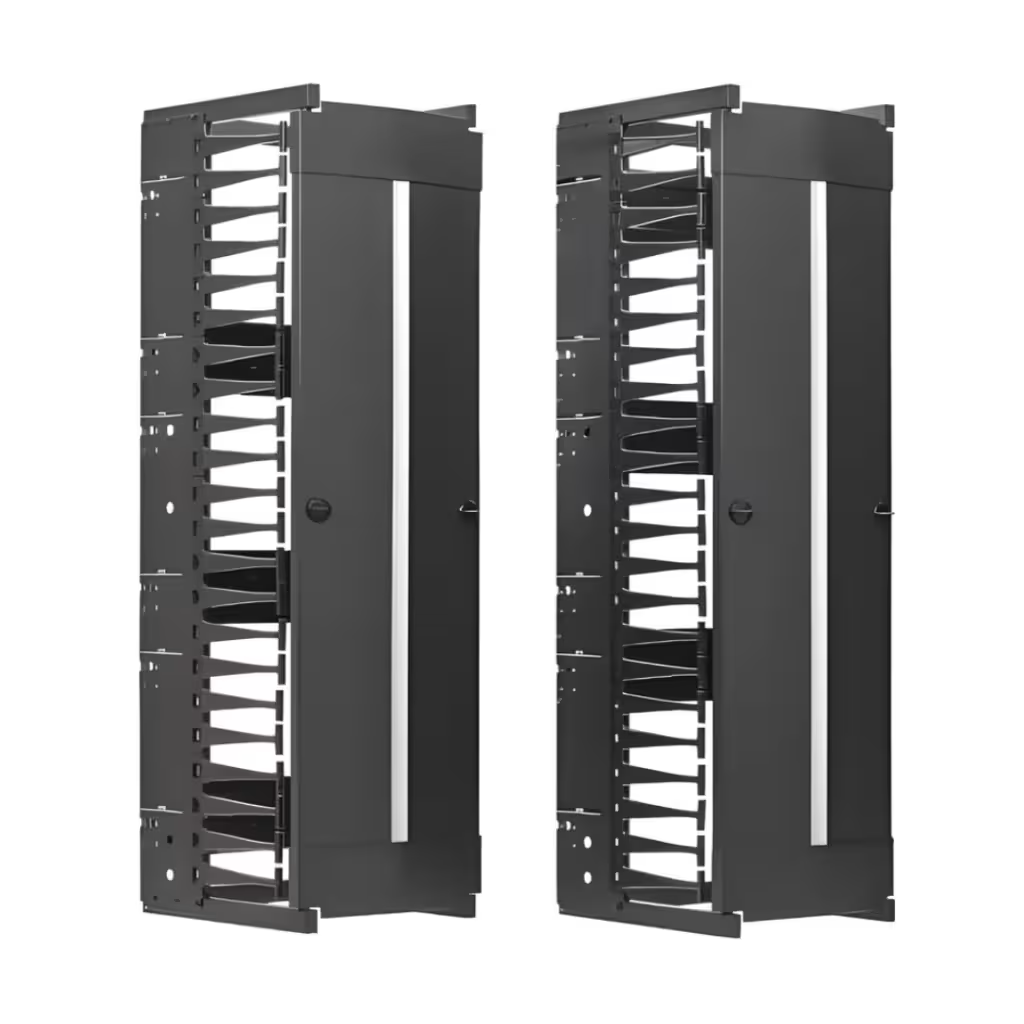
Ranging from 42U to 47U heights with channel depths spanning 80 to 150 mm, these structures organize 50 to 300 cables per rack in single or double-sided configurations. Finger duct designs with horizontal routing guides separate cable types while maintaining minimum bend radius specifications for copper and fiber installations.
Cold-rolled steel construction through CNC punching creates finger duct patterns with 25-50 mm spacing that guide cables horizontally without snagging jacket materials during installation. Frigate applies Design for Manufacturing principles to optimize mounting bracket geometry, reducing hardware count while maintaining Zero-U attachment rigidity under cable bundle weight.
Supporting bundle diameters reaching 100 mm with depths from 80 to 150 mm, these managers accommodate mixed cable types including power cords, twisted-pair copper, and fiber trunk assemblies. Powder coating with 60-80 micron thickness resists abrasion from cable friction during adds and changes. Each unit includes integrated D-ring tie-off points at vertical intervals matching standard U spacing for secure bundling without improvised attachment methods.
Need reliable Enclosures for your next project? Get in touch with us today, and we’ll help you find exactly what you need!
Routes inter-node networking cables between compute nodes without creating horizontal cable trays that block equipment ventilation paths.
Maintains strict separation between market data feeds and order execution cables to prevent electromagnetic interference affecting microsecond-latency transactions.
Organizes video streaming server connections across multiple switch fabrics where hundreds of Cat6A cables converge at aggregation points.
Segregates replication traffic cables from client access networks in distributed storage deployments requiring isolated data planes.
Manages fiber distribution between DWDM equipment and patch panels in carrier-grade installations with frequent circuit provisioning.
Structures cabling within prefabricated rack modules where cable pathways must integrate with overhead or underfloor distribution systems during site assembly.
Installation environments present varying cable densities, access patterns, and pathway constraints based on equipment types and network topologies. Our Vertical Cable Managers deploy in single-sided formats for racks with unilateral cable entry or double-sided configurations handling bilateral connections from front and rear equipment zones.
Frigate delivers complete assemblies with toolless mounting clips, plastic management rings, and straps calibrated to your rack unit count and anticipated cable volume, alongside corrosion-resistant finishes suited to controlled or industrial atmospheres. This adaptability accommodates infrastructure evolution from sparse initial deployments to maximum capacity utilization without replacing cable management hardware.
Frigate calculates finger spacing based on cable jacket diameter and minimum bend radius requirements specified in TIA-568 standards. Cat5e and Cat6 cables typically use 25-30 mm finger spacing to prevent kinking during horizontal routing transitions. Cat6A and fiber trunk assemblies require 40-50 mm spacing to accommodate larger outer diameters and maintain signal integrity. Frigate designs finger geometry with rounded edges that distribute pressure across cable bundles rather than creating pinch points. This prevents jacket deformation that could degrade transmission performance over time.
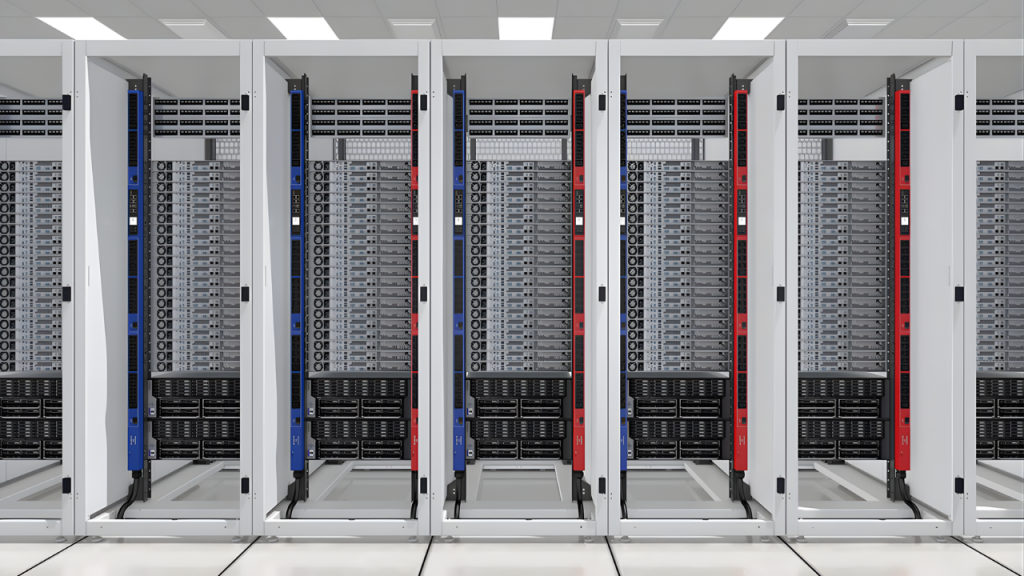
Double-sided managers address bidirectional cable routing requirements common in modern data centers:
Frigate recommends double-sided units for racks exceeding 70% port density or deployments requiring strict cable type separation.
Frigate engineers finger duct channels with 30-40% reserve capacity beyond initial cable counts to support phased equipment additions. Hinged cover panels on enclosed channel models allow mid-bundle access without disturbing existing cables. Finger ducts enable individual cable insertion by flexing horizontal guides rather than requiring bundle disassembly. Frigate positions D-ring tie points at every 3U interval, allowing technicians to secure new cables at multiple heights without removing existing Velcro straps. This design reduces maintenance windows from hours to minutes during infrastructure expansions.
Frigate applies powder coating with textured finish that reduces friction coefficients compared to bare metal surfaces. All exposed edges undergo deburring processes that eliminate sharp corners capable of cutting cable jackets during pulling operations. Finger duct designs use rolled edges rather than stamped cutouts to create smooth cable contact surfaces. Frigate specifies minimum finger thickness at 1.2 mm to prevent deflection under cable tension that could create new abrasion points. These features extend cable service life in colocation facilities experiencing weekly circuit provisioning activity.
Frigate produces Vertical Cable Managers with adjustable mounting brackets that accommodate square-hole, round-hole, and threaded rack rails without adapter hardware. Toolless clips snap directly onto vertical rails for installations requiring frequent repositioning during equipment refreshes. Screw-mount options suit permanent installations in seismic zones where vibration resistance is critical. Frigate’s Zero-U attachment positions managers outside equipment mounting zones, preserving all rack units regardless of rail type. Custom bracket spacing addresses legacy racks with non-EIA hole patterns found in telecommunications applications.
Channel depth determines the horizontal offset available for cables transitioning from vertical runs to equipment connections. Cat6A cables require minimum 38 mm bend radius under TIA specifications, necessitating 80-100 mm channel depths when cables route perpendicular to the manager. Fiber optic cables with 50 mm bend radius requirements demand 100-150 mm depths to prevent signal loss from excessive curvature. Frigate calculates depth based on the largest cable diameter in the bundle multiplied by four times to maintain proper bending geometry. Insufficient depth forces cables into sharp angles that fail certification testing and reduce long-term reliability.
Frigate designs toolless mounting systems specifically for retrofit scenarios where removing rack-mounted equipment is impractical. Mounting brackets slide vertically along rails between installed servers, locking into position without requiring cage nuts in occupied U spaces. Split-assembly models arrive in sections that technicians assemble in place rather than installing as complete units requiring equipment removal. Frigate’s lightweight aluminum construction allows single-person installation without additional support personnel. This approach enables cable management upgrades during scheduled maintenance windows without triggering unplanned downtime.
Material choice addresses specific operational and environmental factors:
Frigate conducts salt spray testing per ASTM B117 to validate finish durability across material types.
Frigate manufactures managers using fire-retardant materials meeting UL94 V-0 flammability ratings where plastic components appear in D-rings or finger tips. Metal construction inherently satisfies non-combustible building code requirements without additional treatment. Powder coating formulations contain flame-inhibiting additives that prevent ignition propagation along cable management surfaces. Frigate avoids foam or fabric materials that generate toxic smoke during fire events. Open finger duct designs allow fire suppression agents to reach cable bundles directly rather than creating sealed channels that shield flames from extinguishing systems.
Frigate recommends calculating total cable count based on current equipment ports multiplied by 1.5 to account for three-year growth projections. Cat6 cables average 6 mm diameter, meaning 100 cables require minimum 100 mm width assuming optimal bundling. Adding 30% overhead for cable routing inefficiency and service loops yields 130 mm functional width. Frigate suggests 150-200 mm managers for racks exceeding 80 network ports or containing blade servers with high inter-chassis cabling requirements. This sizing prevents costly mid-lifecycle manager replacements when port densities increase during technology refresh cycles.
Submit the form below and our representative will be in touch shortly.
10-A, First Floor, V.V Complex, Prakash Nagar, Thiruverumbur, Trichy-620013, Tamil Nadu, India.
9/1, Poonthottam Nagar, Ramanandha Nagar, Saravanampatti, Coimbatore-641035, Tamil Nadu, India. ㅤ
10-A, First Floor, V.V Complex, Prakash Nagar, Thiruverumbur, Trichy-620013, Tamil Nadu, India.
Need reliable wires and cables for your next project? Get in touch with us today, and we’ll help you find exactly what you need!
Need reliable Machining for your next project? Get in touch with us today, and we’ll help you find exactly what you need!