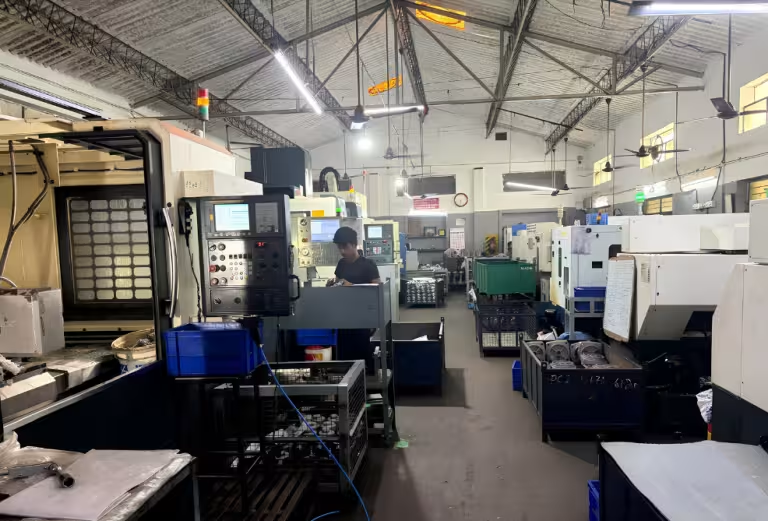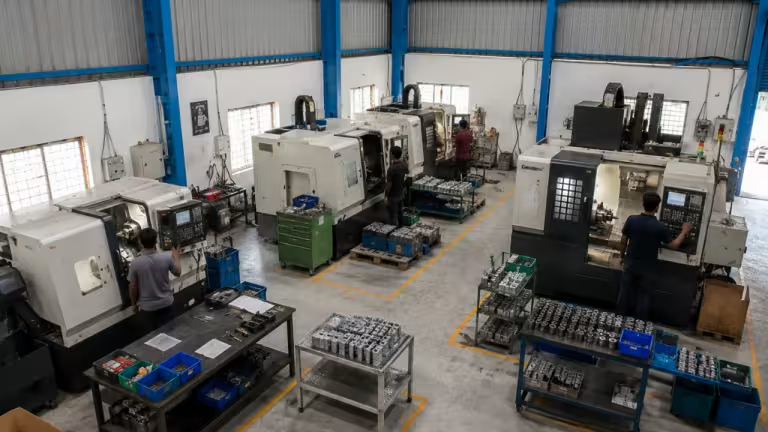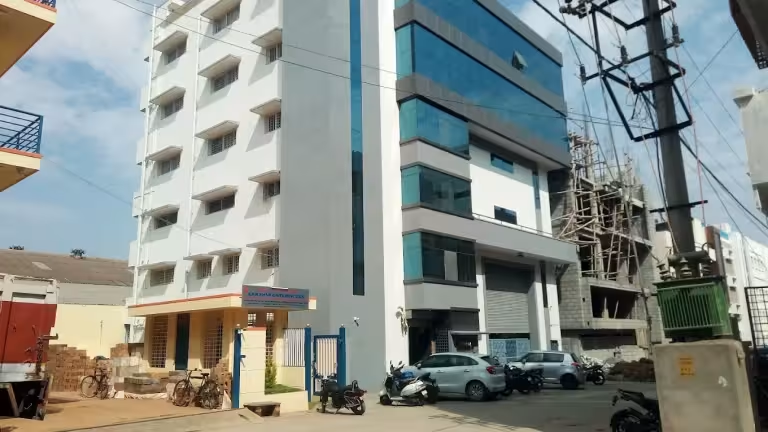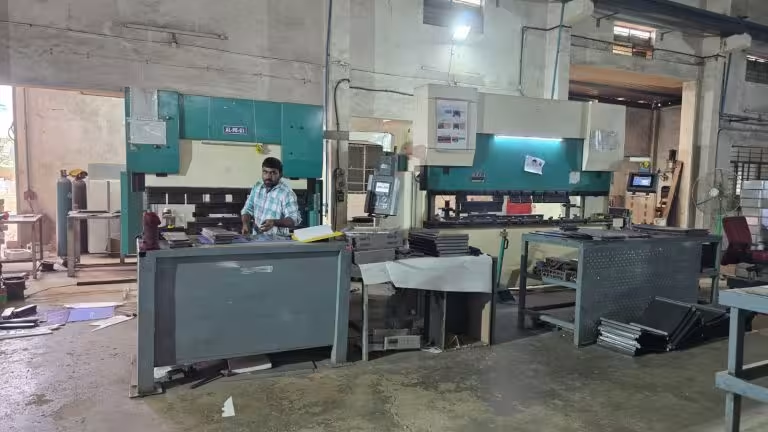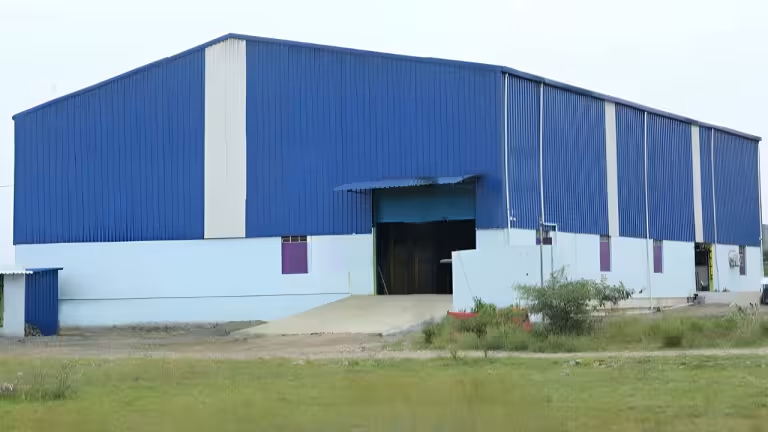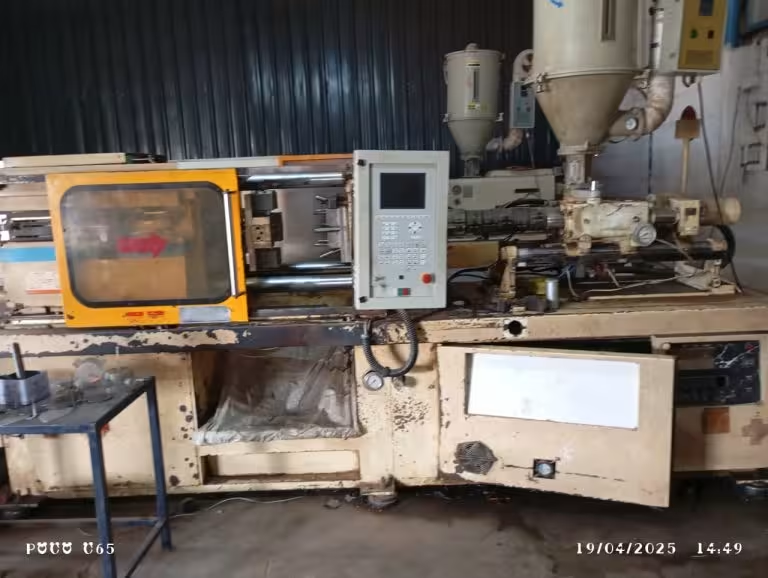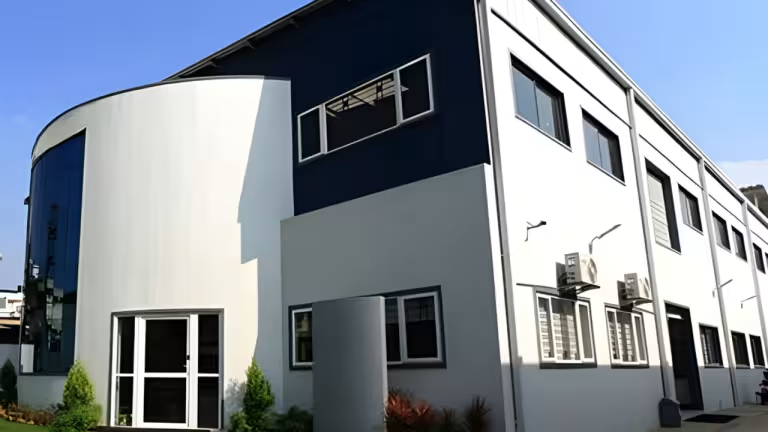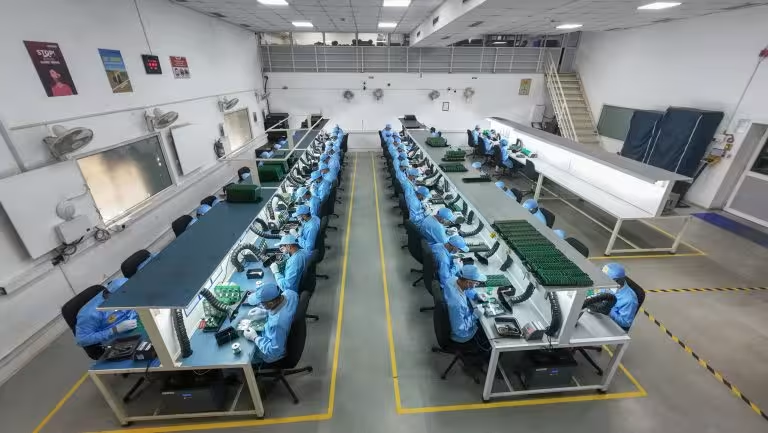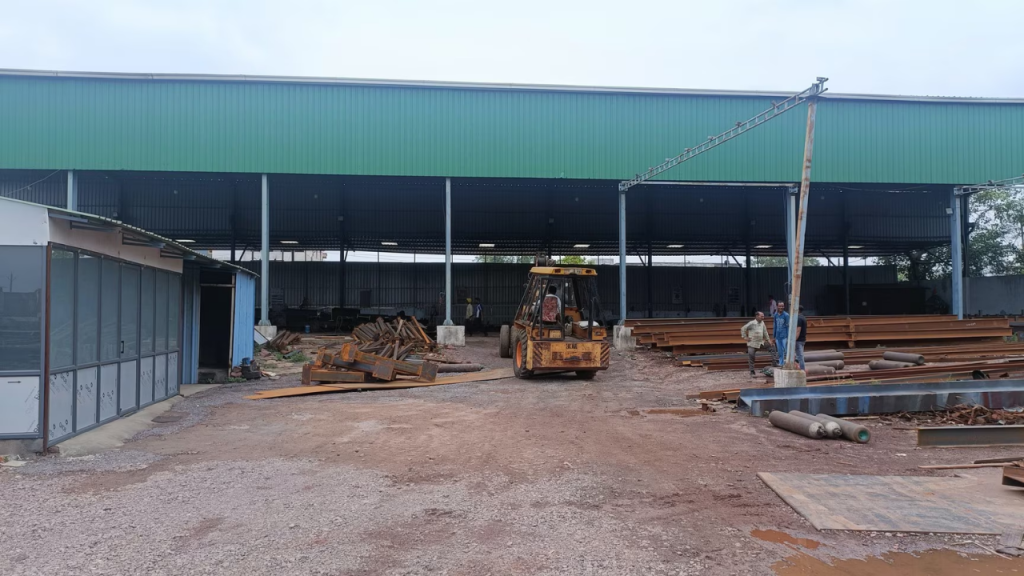
High-precision manufacturing capabilities for metal, plastic, electrical, and assembly requirements.
Manufacturing support for precision parts, assemblies, and production-ready components across demanding industries.
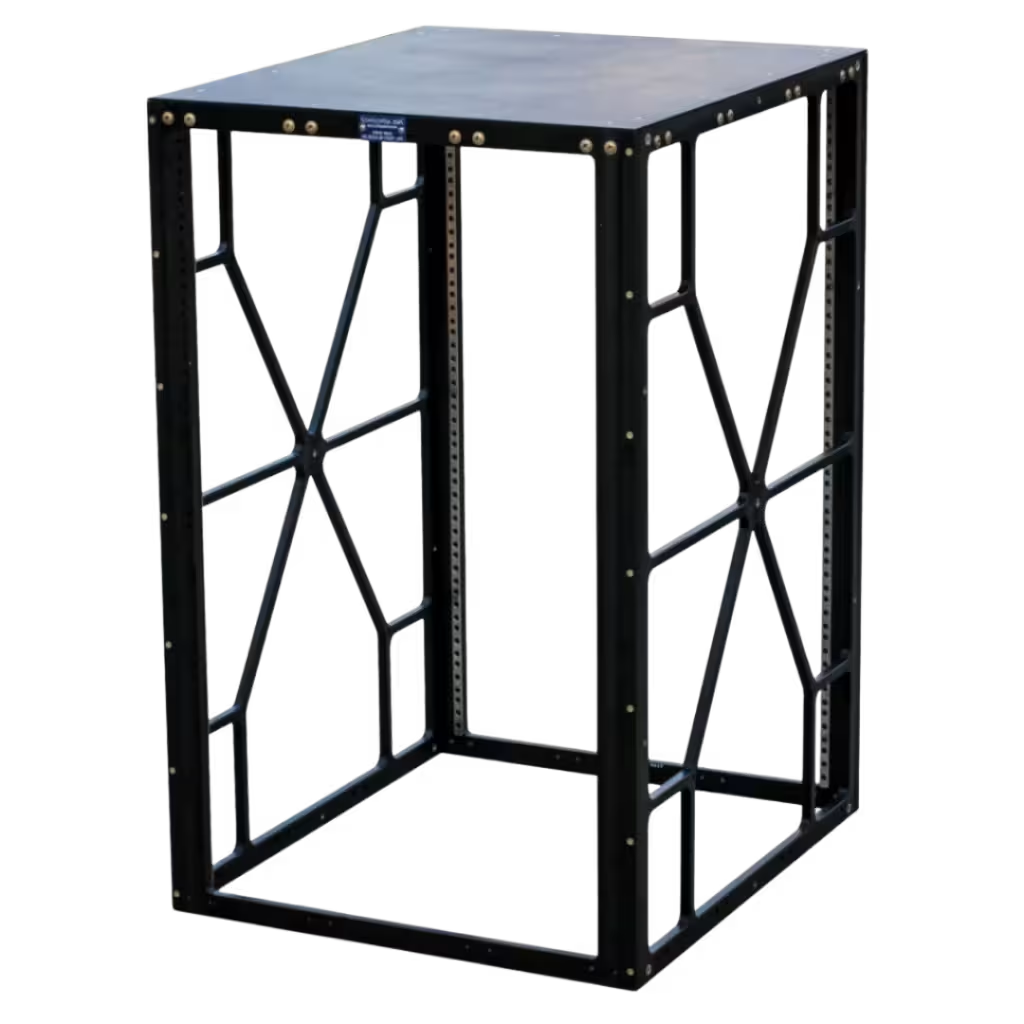
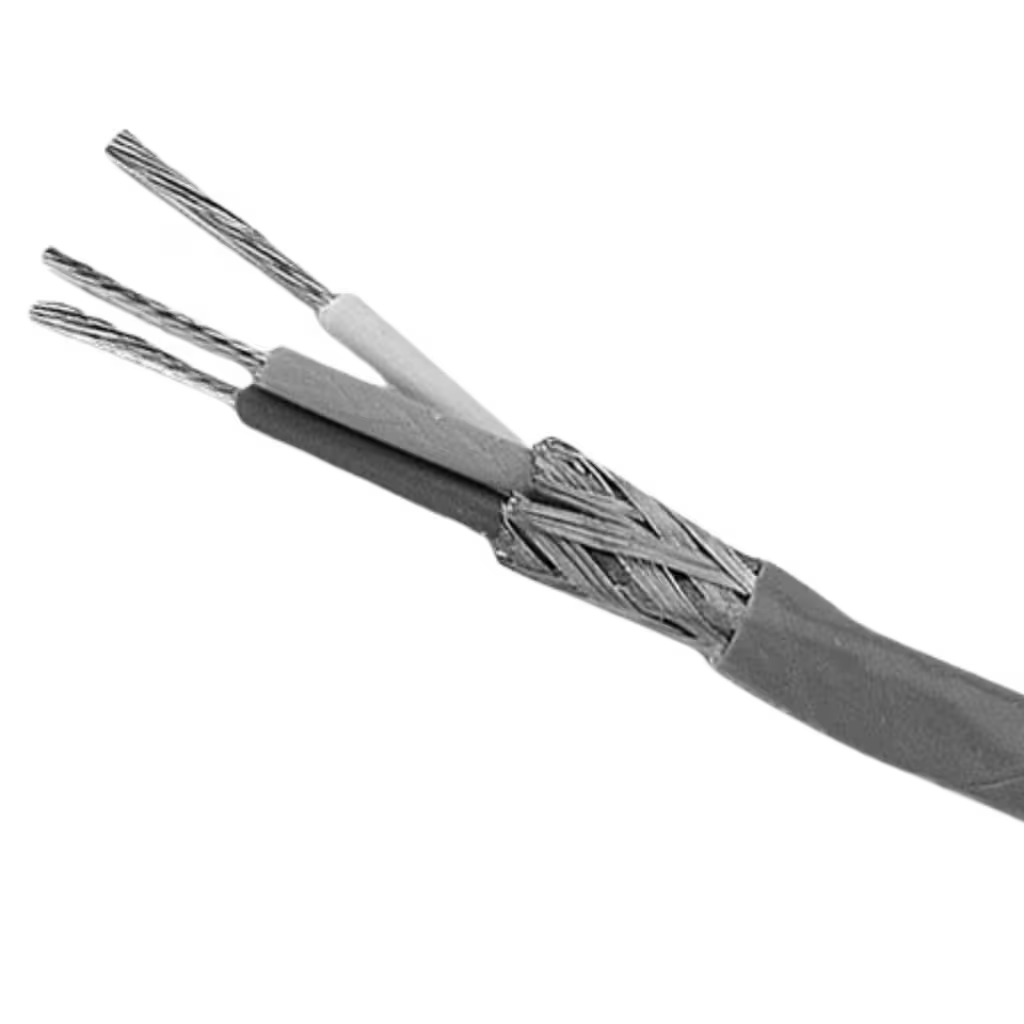
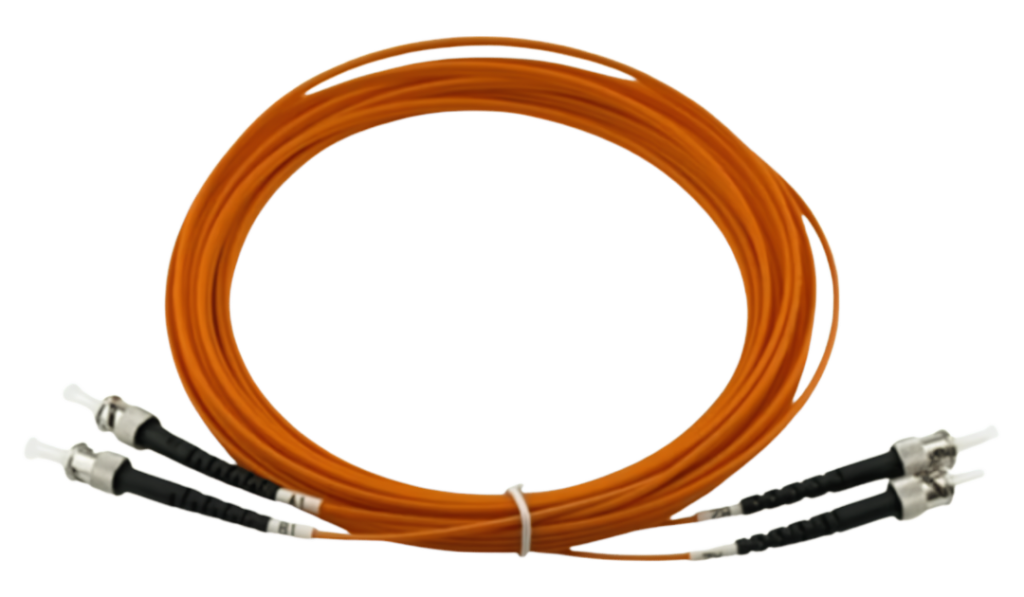
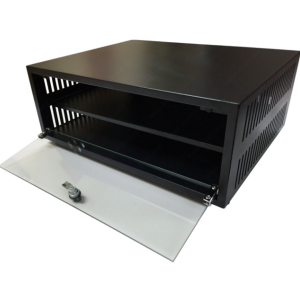
Manufacturing support for enclosures, Bento Box assemblies, cables, wiring harnesses, and BESS components.
High-strength fasteners, landing gear parts, and structural assemblies.
Metal frames, brackets, and assemblies for appliances and home equipment.
Forged housings, armor brackets, and mission-critical structural parts.
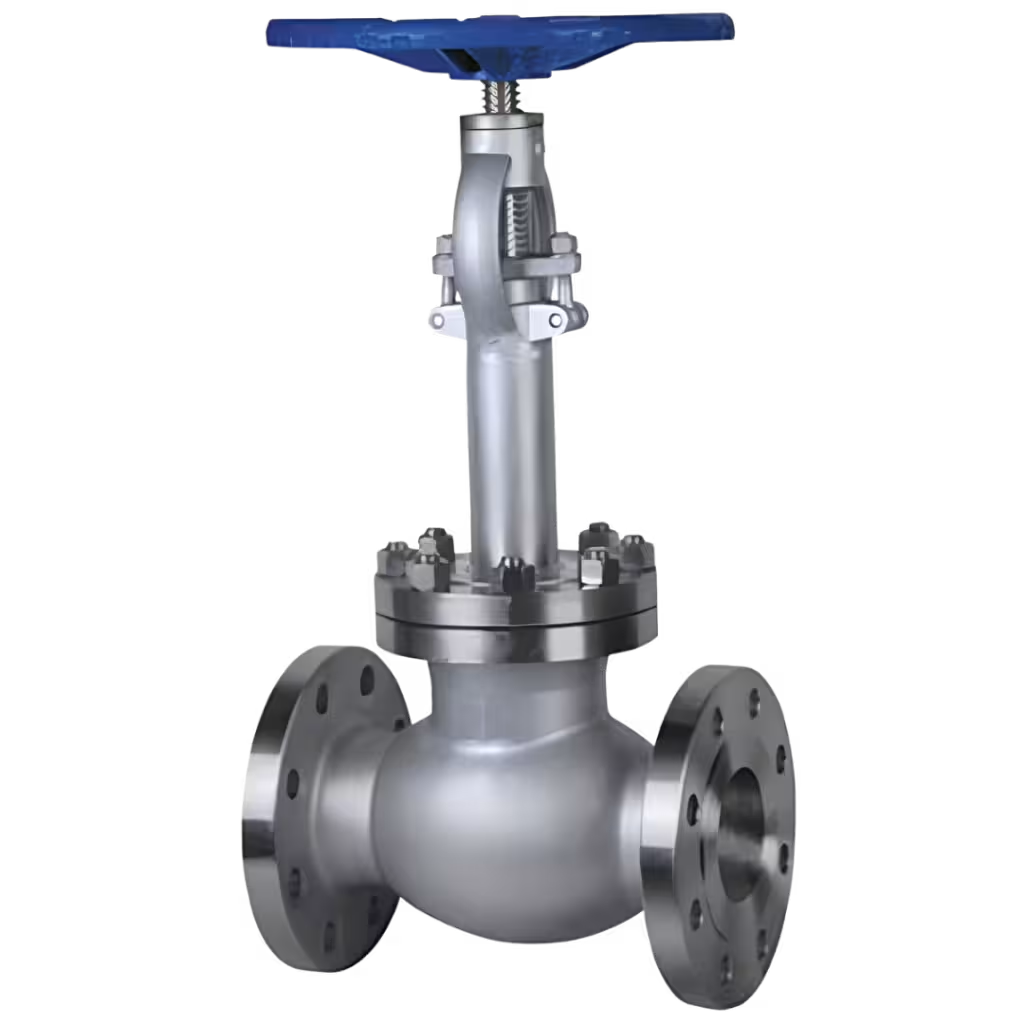
Valve bodies, flange blocks, and downhole drilling components.
Solar mounting parts, wind turbine brackets, and battery enclosures.
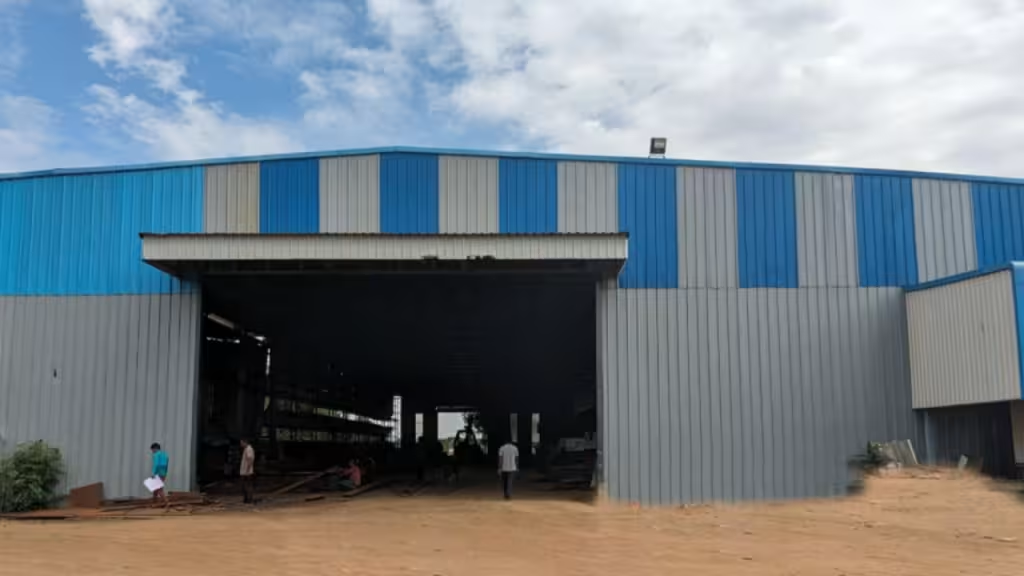
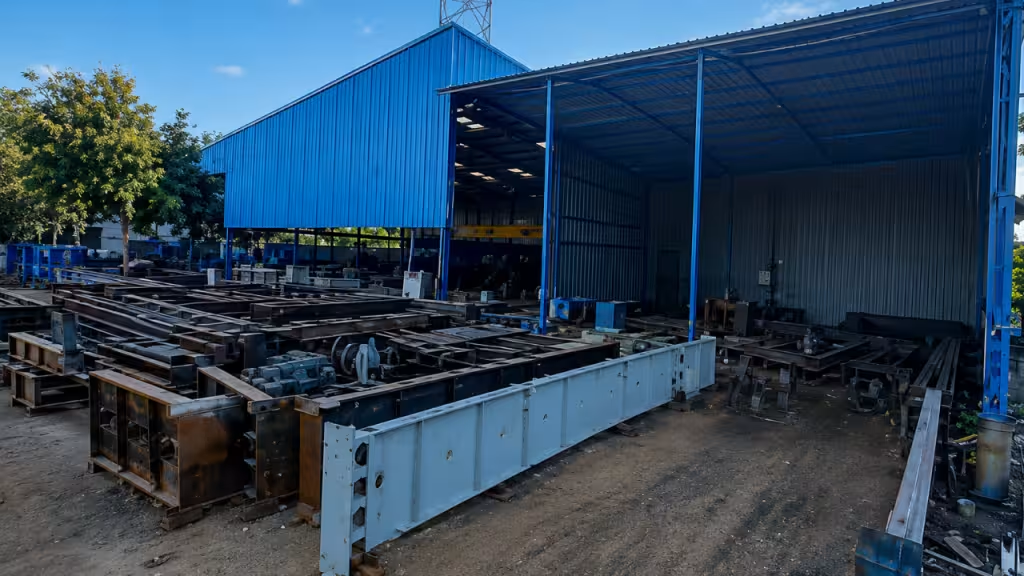
Large welded frames, PEB structures, and assemblies for industrial equipment.
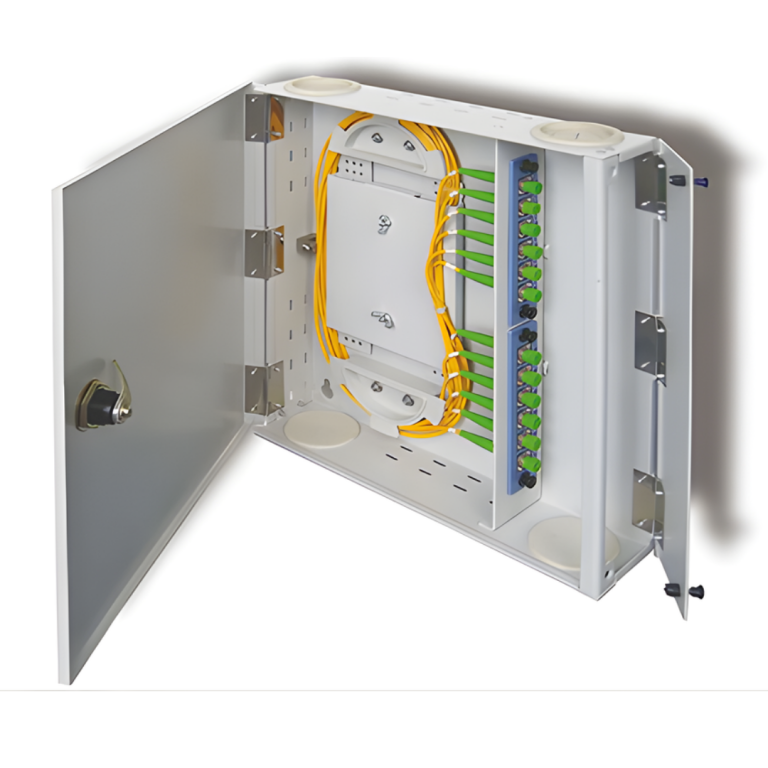
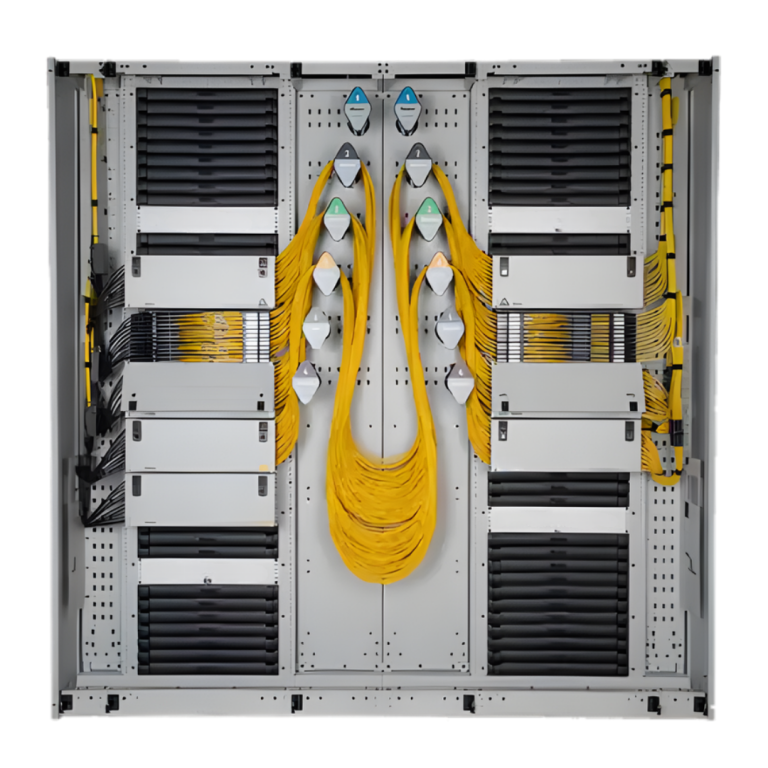
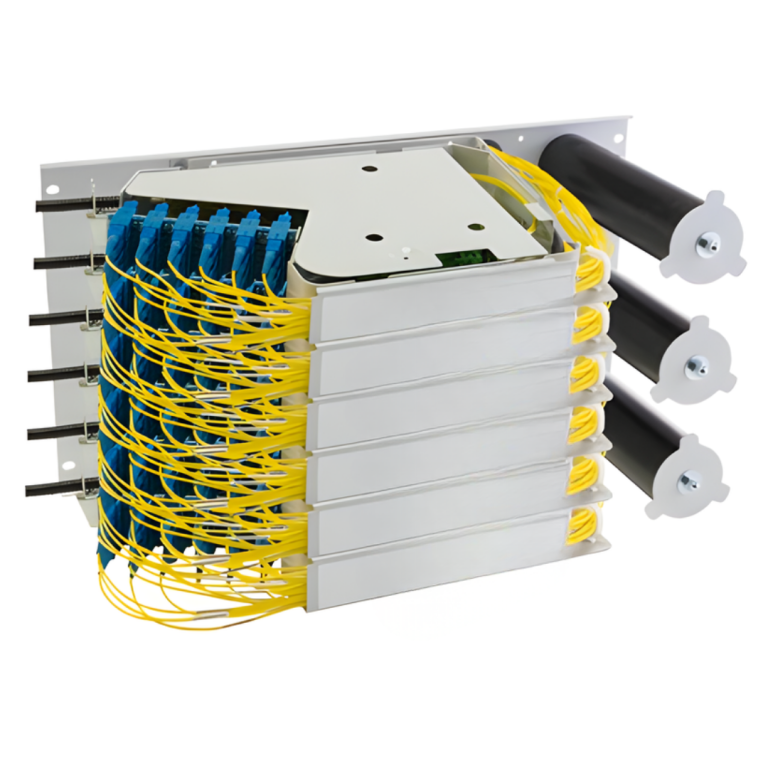
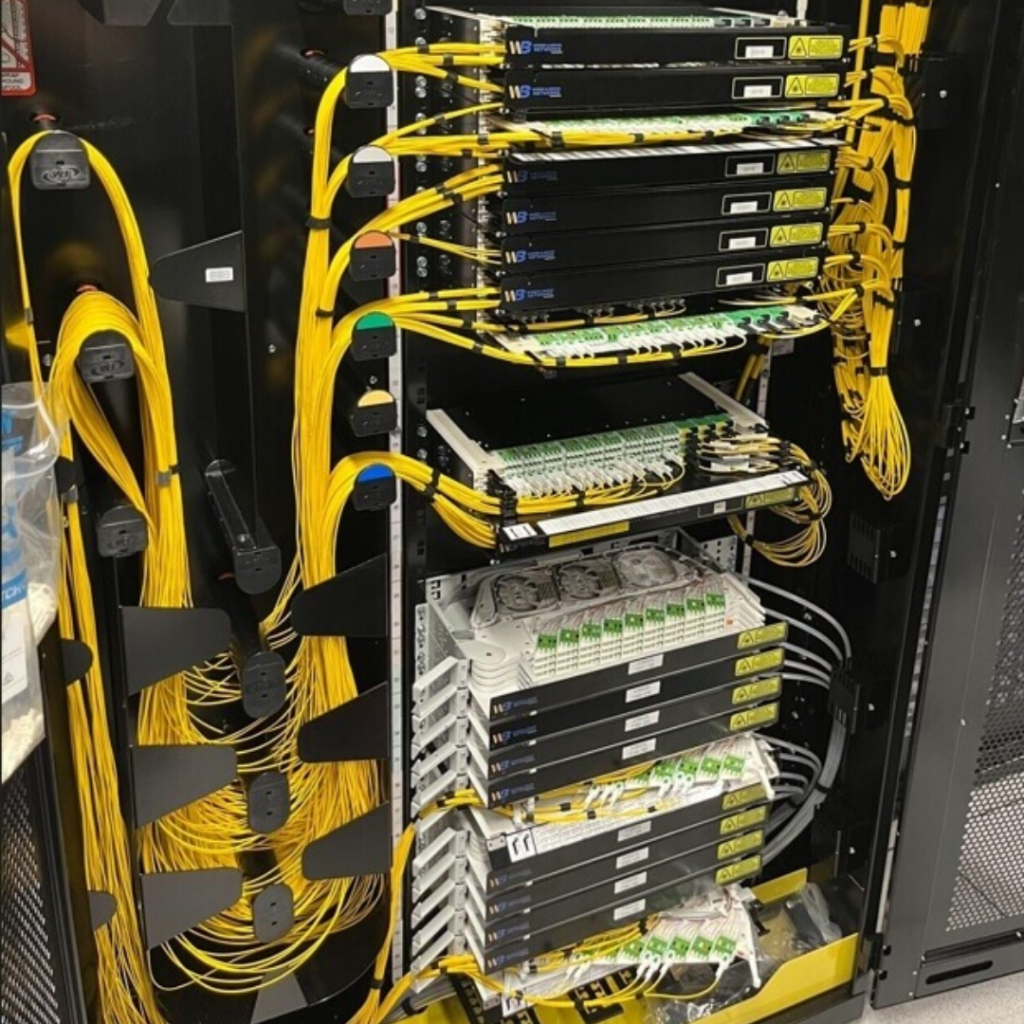
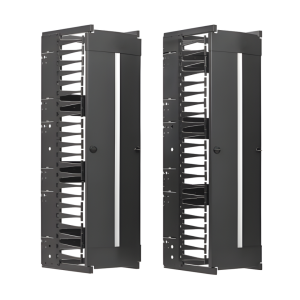
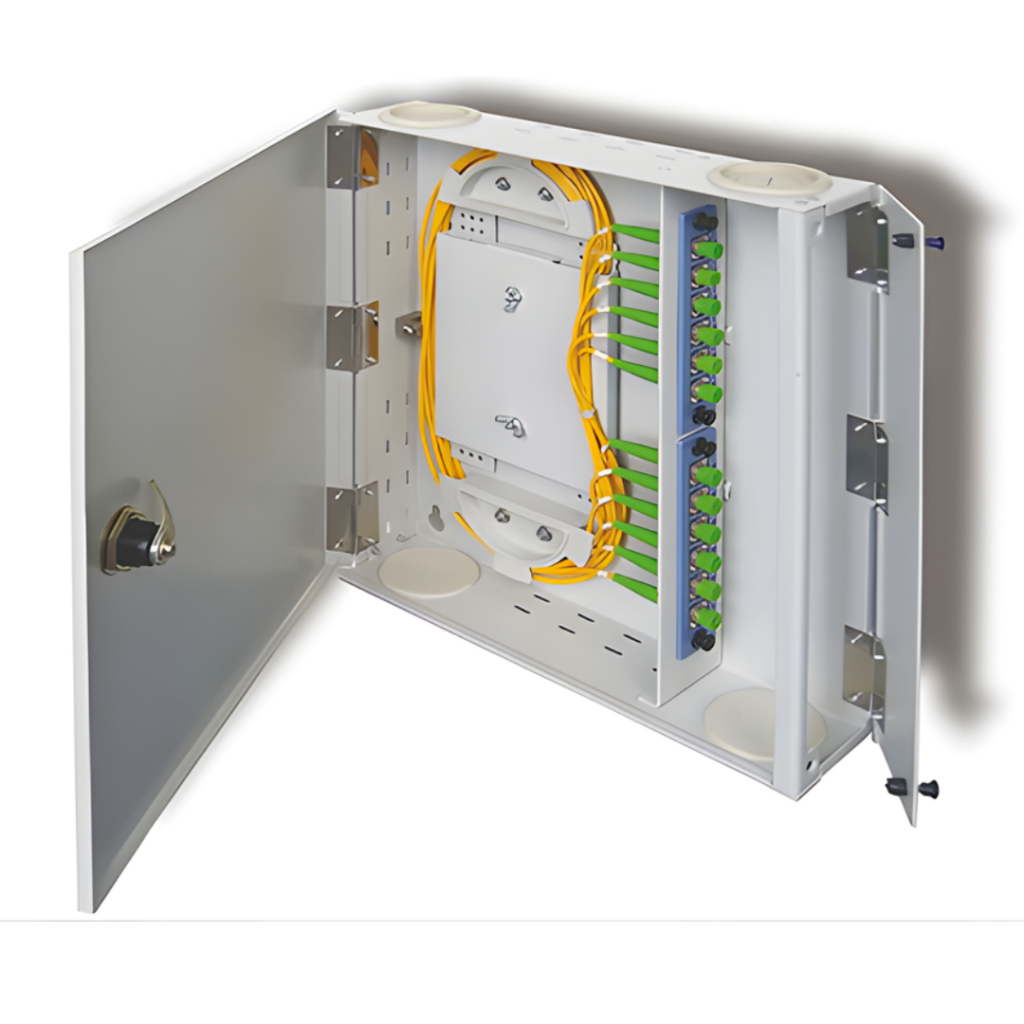
Spanning 1U to 4U rack heights with fiber capacities from 24 to 288 strands across modular tray systems, these frames centralize interconnection points for single-mode and multi-mode deployments. Slide-out tray mechanisms combined with front-access adapter panels reduce splice exposure time while maintaining minimum 30 mm bend radius throughout cable pathways.
Laser-cut cold-rolled steel construction creates mounting slots for splice trays and adapter panels while maintaining structural rigidity during tray extension cycles. Frigate incorporates radius protection guides at all cable entry points and internal routing corners to prevent fiber stress concentrations below the 30 mm minimum specified in TIA-568 standards.
Accommodating connector types including LC, SC, ST, and MPO/MTP formats with densities reaching 288 fibers in 4U profiles, these frames handle both legacy and current transmission equipment. Powder-coated surfaces with anti-static properties minimize particulate attraction that could contaminate optical connections during maintenance procedures. Each frame includes labeled routing channels and protective dust covers to maintain splice integrity between service intervals.
Need reliable Enclosures for your next project? Get in touch with us today, and we’ll help you find exactly what you need!
Terminates trunk fiber from multiple campus buildings into backbone switches serving 40G and 100G uplink connectivity.
Manages dedicated fiber channels between primary and disaster recovery storage arrays requiring low-latency synchronous data mirroring.
Organizes InfiniBand or Ethernet RDMA connections across computational nodes in parallel processing clusters demanding microsecond-level communication.
Distributes uncompressed 4K and 8K video feeds between editing suites and central storage platforms through fiber infrastructure supporting 25G channels.
Segregates exchange connectivity fiber from internal trading network links in low-latency environments where physical path isolation prevents crosstalk.
Provides carrier-neutral fiber cross-connect points where customer circuits terminate before routing to individual cabinet locations across the facility.
Deployment scenarios range from initial 10G access layer builds to eventual 400G backbone upgrades requiring different connector densities and cable management strategies. Optical Distribution Frames arrive in cassette-based or splice tray configurations with adapter panel counts matching your current termination requirements and projected expansion timelines.
Frigate supplies mounting hardware including cage nuts, cable retention systems, and splice tray slides calibrated to standard 19-inch rack dimensions, plus durable finishes resistant to cleaning solvents used in controlled data center environments. This modularity permits incremental fiber strand activation as bandwidth demands increase without replacing core distribution infrastructure.
Frigate engineers internal routing channels with fixed-radius corners that physically prevent cables from forming bends tighter than 30 mm for single-mode fiber and 38 mm for multi-mode assemblies. Cable entry ports include flared guide funnels that transition external cables into the frame without sharp directional changes. Splice tray designs incorporate curved routing guides that maintain gradual transitions between horizontal and vertical cable runs. Frigate validates bend radius compliance through optical time-domain reflectometry testing to verify zero insertion loss from mechanical stress during installation and service procedures.
Frigate recommends calculating initial fiber count and multiplying by 2.0 to accommodate three-to-five year growth projections in data center environments. A 48-fiber initial deployment would require 96-fiber frame capacity to avoid premature replacement. Modular tray systems allow purchasing frames with full capacity but populating only necessary trays initially, deferring capital expense until activation. Frigate designs each tray to handle 12 or 24 fibers independently, enabling granular expansion aligned with equipment procurement cycles rather than forced bulk upgrades.
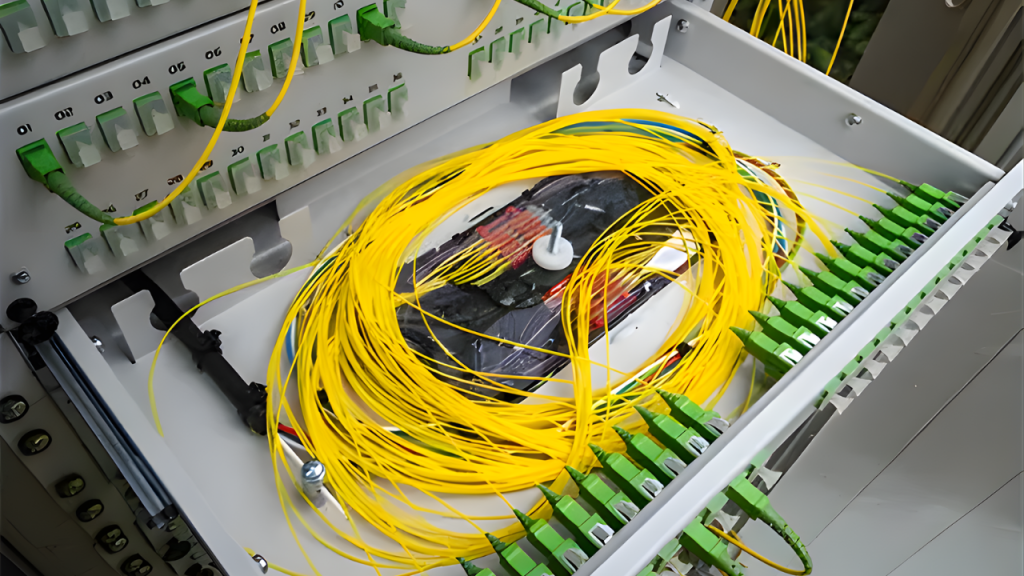
Frigate manufactures frames with adapter panel configurations accepting pre-terminated trunk assemblies using MPO or MTP connectors for rapid deployment scenarios. These same frames accommodate field-terminated LC or SC connectors installed via fusion splicing when custom cable lengths are required. Splice trays include both fusion splice holders and mechanical splice clips to support mixed termination methods within a single enclosure. Frigate provides removable dividers that separate pre-terminated cassettes from field splice zones, preventing accidental disturbance during maintenance activities.
Slide-out mechanisms bring splice points forward outside the rack envelope, providing technicians with unobstructed visibility and workspace during splicing operations. This eliminates the need to reach deep into frames where limited maneuverability increases accidental fiber contact probability. Frigate designs slide mechanisms with positive locking detents at full extension to prevent tray collapse during splice work. Trays extend without disconnecting adapter panel connections, maintaining active circuit integrity while exposing only the specific splice requiring service. This approach reduces mean time to repair by 40-60% compared to fixed tray architectures.
Frigate offers multiple density configurations to balance port count against technician accessibility:
Selection depends on whether technicians require tool-free access or can accommodate breakout cable management complexity.
Frigate includes hinged dust covers on all adapter panels that remain closed except during active patching operations, blocking airborne particulate from settling on connector end-faces. Unused adapter ports receive individual dust caps that seal ferrule interfaces against contamination. Frame designs create positive pressure zones when doors close, preventing infiltration through cable entry gaps. Frigate specifies powder coating with smooth surface finish that resists particulate adhesion compared to textured finishes. Regular inspection windows in dust covers allow visual circuit verification without exposing all connectors simultaneously.
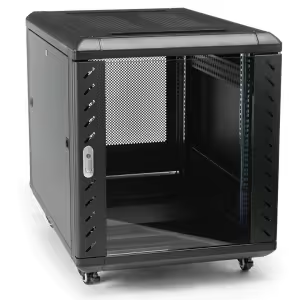
Frigate engineers frames with multiple cable entry options including top, bottom, and rear ports that align with overhead ladder rack, underfloor conduit, or vertical cable manager pathways. Entry grommets accommodate various cable jacket diameters from 3mm indoor fiber to 15mm armored outdoor assemblies without requiring field modifications. Frames mount using standard 19-inch rack hardware, fitting between existing network equipment without displacing adjacent devices. Frigate’s shallow 200-250mm depths suit installations where rear rack access is limited by wall proximity or containment structures.
Material choice addresses environmental and performance requirements:
Frigate conducts accelerated aging tests simulating 10-year exposure for each material-coating combination.
Frigate designs slide mechanisms with dual-point latching that prevents tray ejection during horizontal acceleration events up to 1.5g as specified in seismic Zone 4 requirements. Tray slides include anti-backlash guides that eliminate play in the closed position, maintaining tray alignment under vibration. Fiber routing within trays uses slack loops with 50mm diameter that absorb movement without inducing tensile stress on splices. Frigate validates retention through shake table testing per NEBS Level 3 protocols, verifying zero splice failures during simulated earthquake profiles.
Frigate provides label holders at multiple hierarchy levels including frame-level identification, individual tray labels, and per-port designations on adapter panels. Clear protective windows over label areas allow reading without removing covers that would expose fibers to contamination. Tray designs include printed circuit routing diagrams showing physical splice locations correlated to logical network paths. Frigate offers color-coded cable boots and adapter panel inserts following TIA-598 fiber type standards where blue indicates single-mode and aqua denotes multi-mode 50-micron fiber. QR code mounting locations enable mobile device scanning that links physical ports to network management database records for rapid troubleshooting.
Submit the form below and our representative will be in touch shortly.
10-A, First Floor, V.V Complex, Prakash Nagar, Thiruverumbur, Trichy-620013, Tamil Nadu, India.
9/1, Poonthottam Nagar, Ramanandha Nagar, Saravanampatti, Coimbatore-641035, Tamil Nadu, India. ㅤ
10-A, First Floor, V.V Complex, Prakash Nagar, Thiruverumbur, Trichy-620013, Tamil Nadu, India.
Need reliable wires and cables for your next project? Get in touch with us today, and we’ll help you find exactly what you need!
Need reliable Machining for your next project? Get in touch with us today, and we’ll help you find exactly what you need!