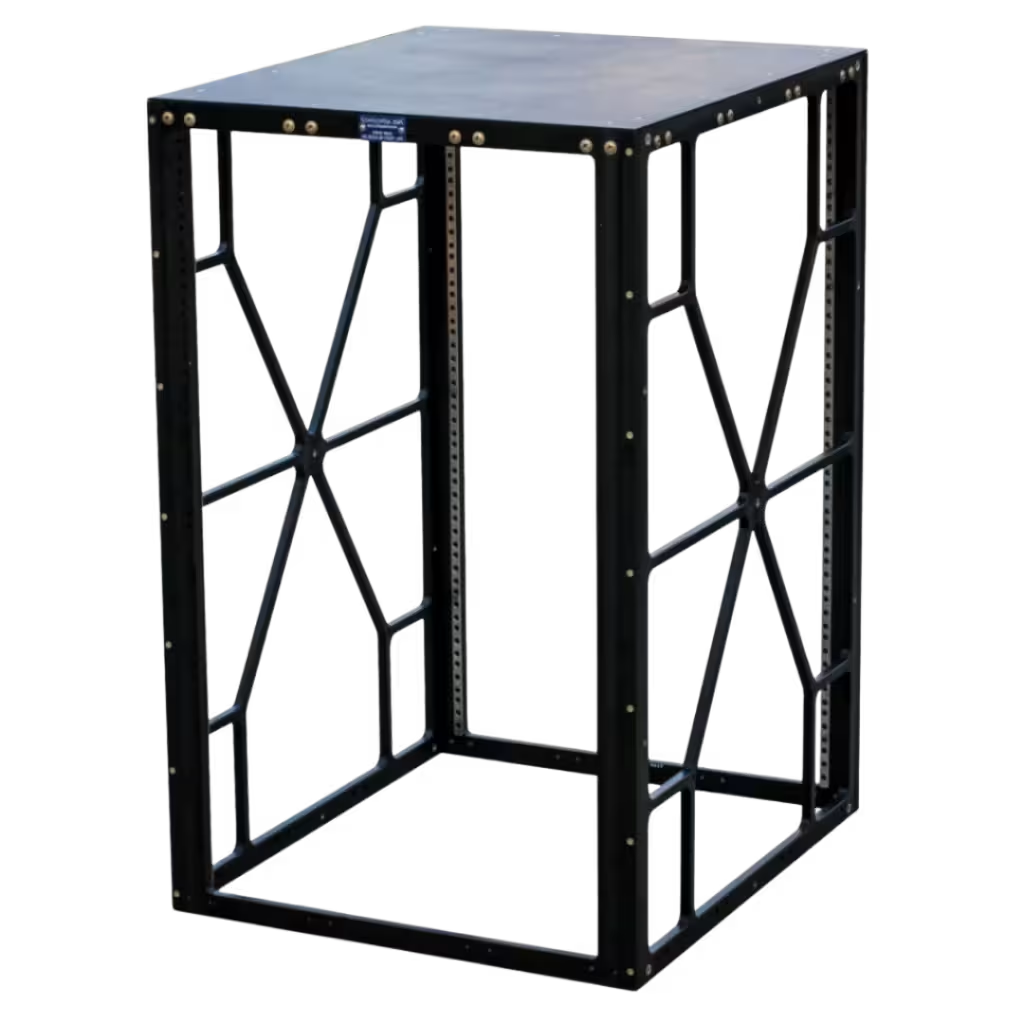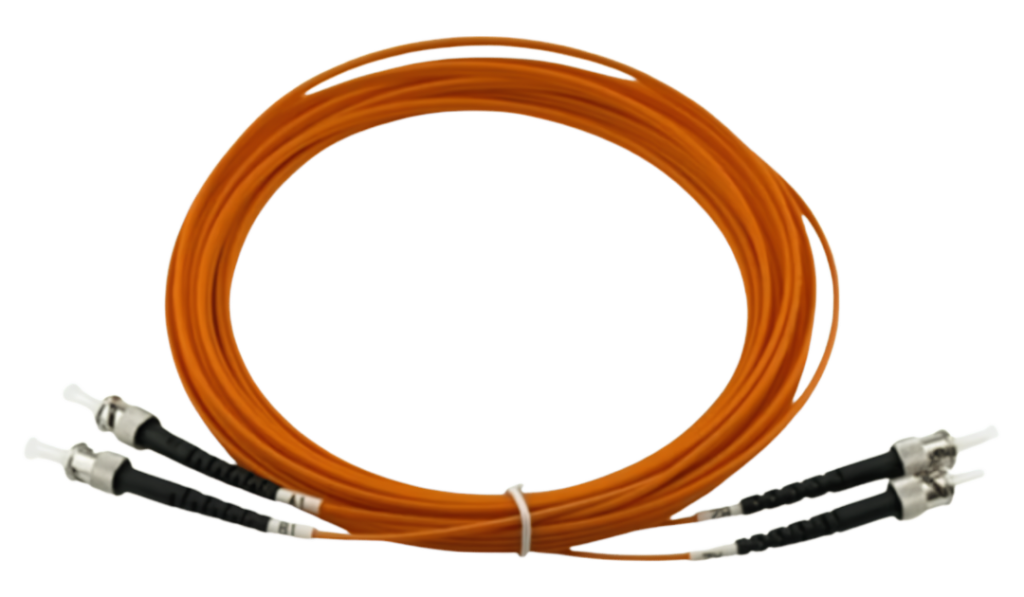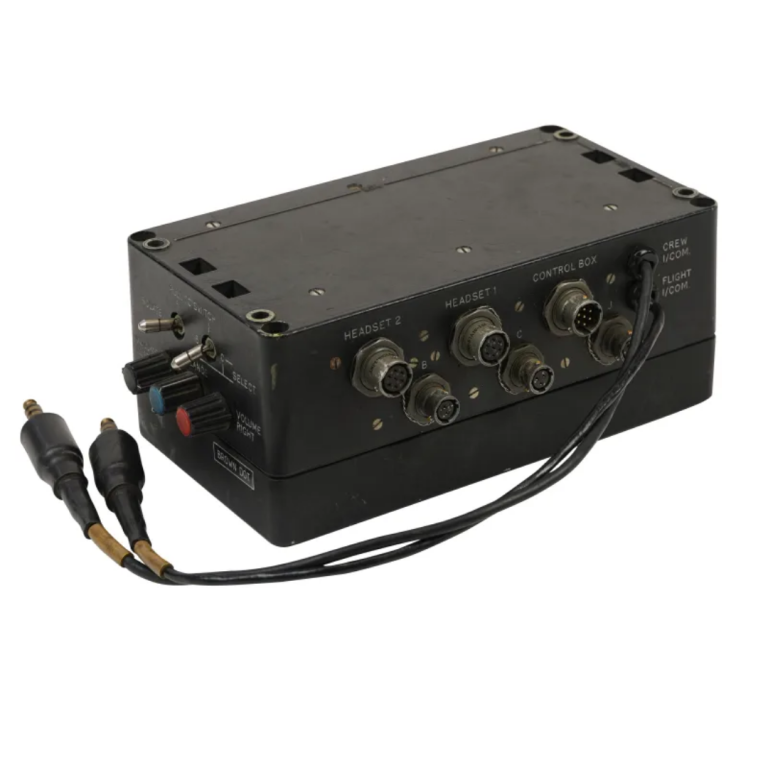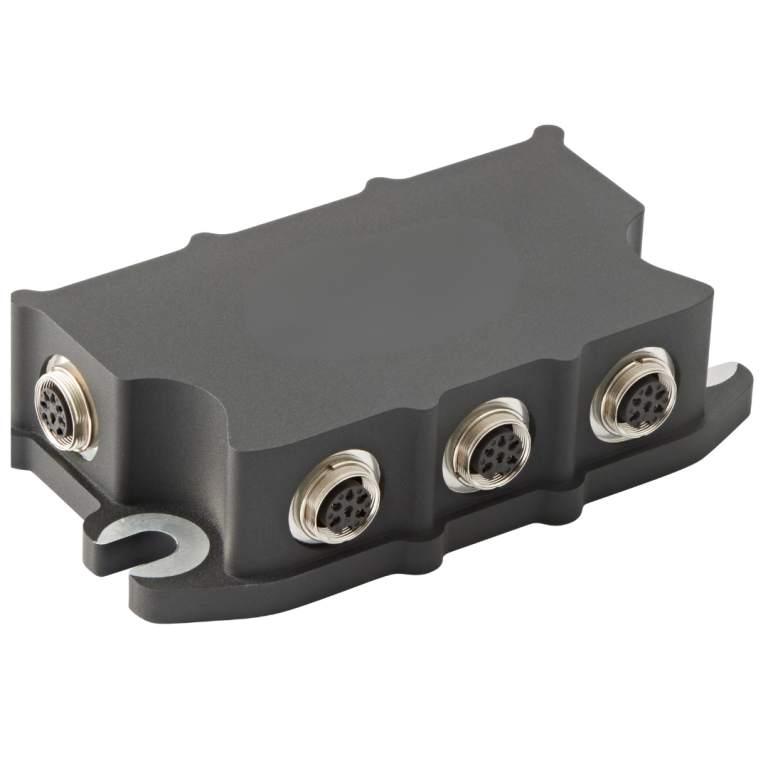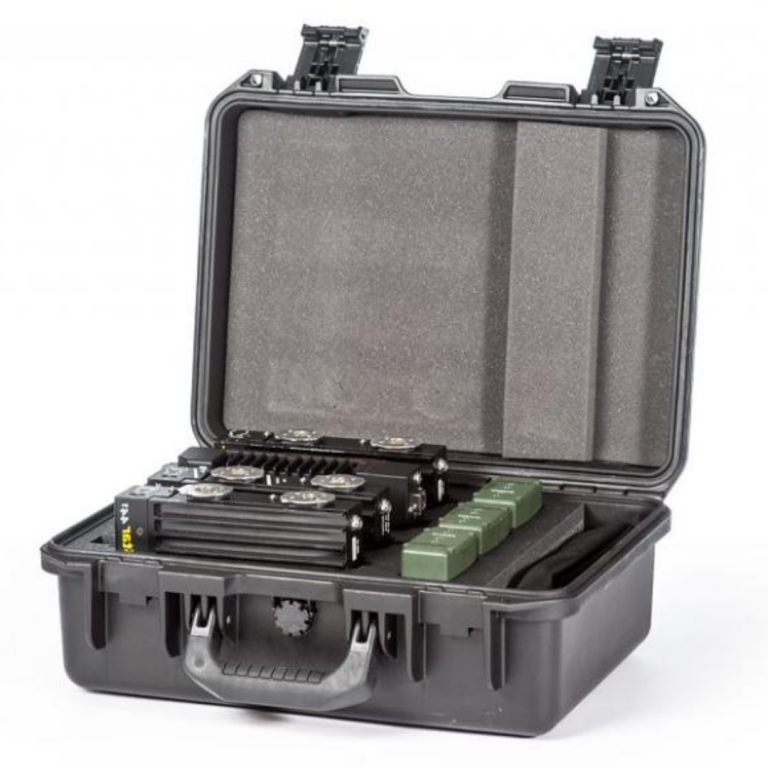
Tactical Communication System Boxes

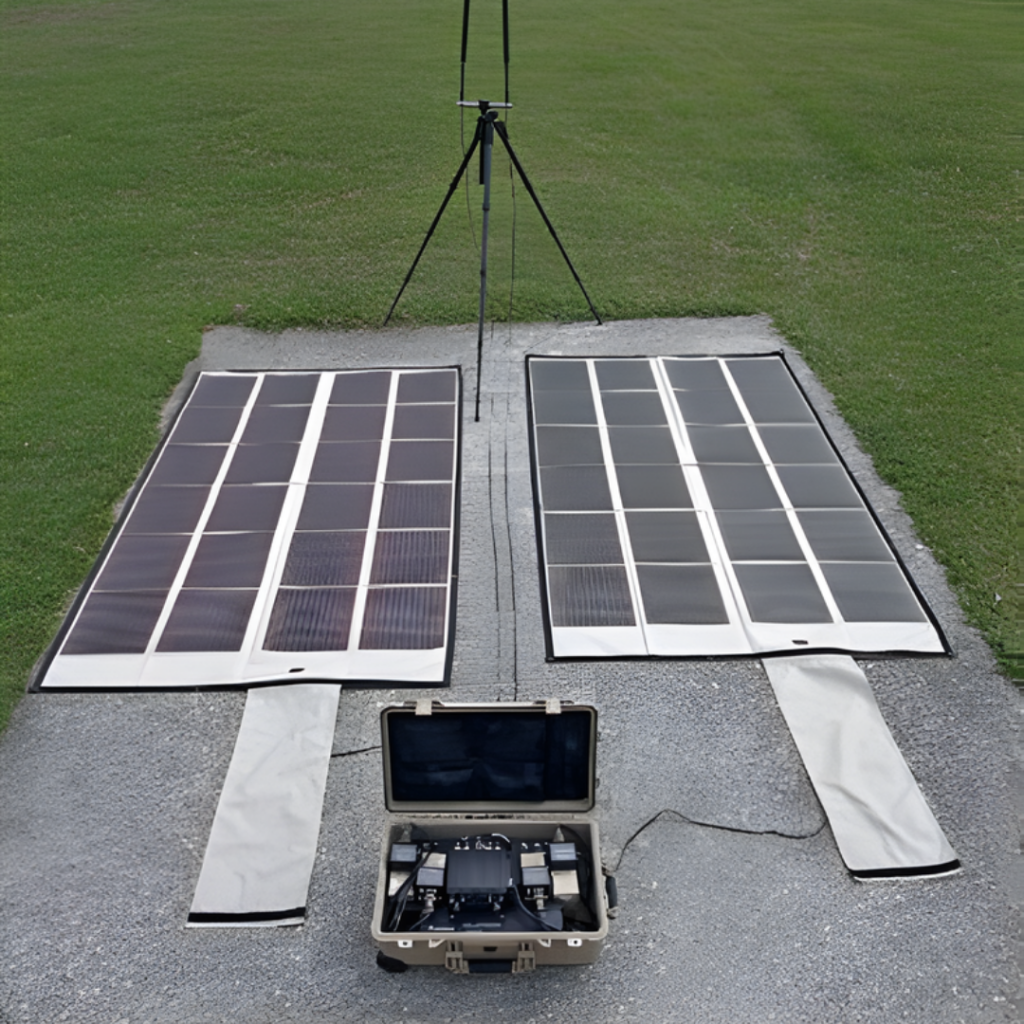
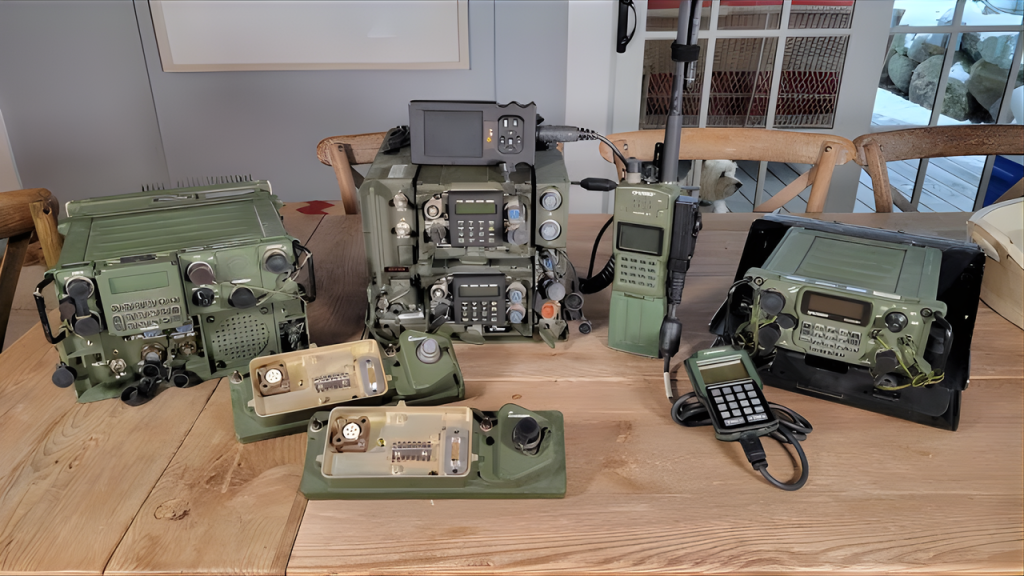
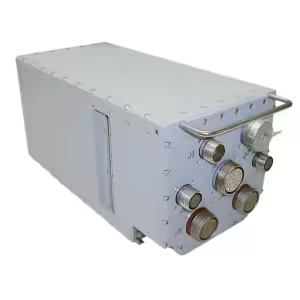
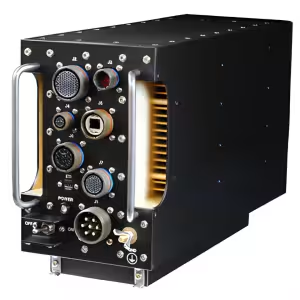
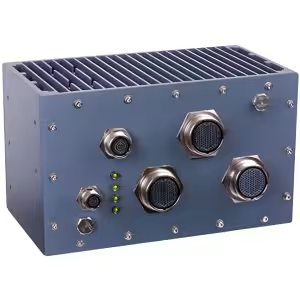
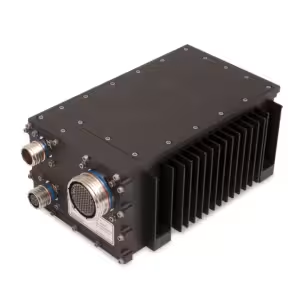
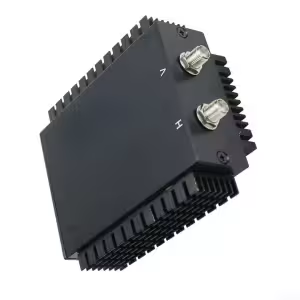
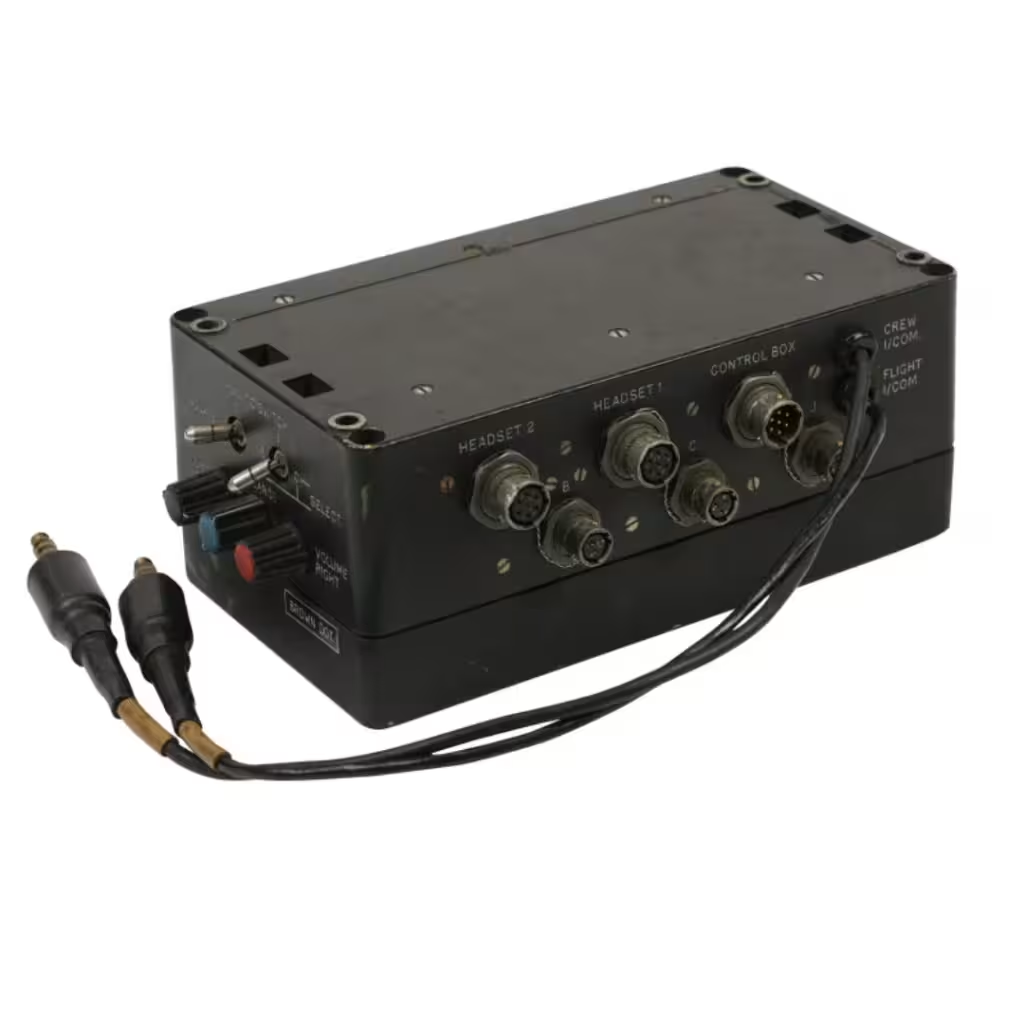
How do forward-deployed infantry units maintain encrypted communications with command elements when operating beyond fixed infrastructure? Tactical Communication System Boxes provide portable enclosures for radio transceivers, satellite terminals, and network encryption equipment supporting mobile military operations. 
HY D R O L Y SIS RESIS T ANCE
Material & Grade
  • Aluminum Alloy – 6061-T6, 5052
  • Stainless Steel – SS304, SS316
  • Composite armor
  • Cold Rolled Steel – SPCC (reinforced)
  • Sheet thickness – Up to 3.5mm capable
  • Maximum capable – 1000mm (H) x 700mm (W) x 500mm (D)
  • Customizable based on tactical system configuration 
  • Chemical Agent Resistant Coating (CARC)
  • Zinc-Nickel Plating (MIL-DTL-16232)
  • Hard Anodizing (MIL-A-8625)
  • Tactical camouflage coating
  • IR-suppressive coating
  • CNC Precision Machining
  • TIG Welding (MIL-spec)
  • Aerospace-grade Forming
  • Ballistic panel integration
  • EMI seam welding
  • Modular assembly design
  • Stainless Steel 316/A286 Hardware
  • Quick-release latches (glove-compatible)
  • Padlock/security provisions  
  • Shock-mounted hardware 
  • Grounding studs (multiple points)
  • Carrying handle systems 

Product Description

Manpack or vehicle-mounted configurations accommodate communication hardware with external dimensions reaching 1000mm while surviving battlefield conditions. Aluminum construction balances weight reduction against structural protection essential for equipment carried during dismounted patrols. Through IP68 environmental sealing and shock isolation, these boxes enable reliable communications across desert, arctic, and jungle operational environments. 

Mounting Type
  • Portable with reinforced handles
  • Vehicle mounting brackets (shock-isolated)
  • Backpack/Manpack frame integration 
  • Tripod/Mast mount provisions
  • Stacking/Modular configurations
  • Quick-disconnect systems
  • IP67/IP68 Environmental Sealing
  • MIL-STD-810 sealed construction
  • Pressure equalization valves
  • Desiccant humidity control
  • Water-tight construction
  • NBC filtration compatible (optional)
  • MIL-STD-810 Method 501 (High Temp – +71°C)
  • MIL-STD-810 Method 502 (Low Temp – -46°C)
  • Operating Temperature – -40°C to +65°C
  • Salt Fog (MIL-STD-810 Method 509)
  • Sand & Dust (MIL-STD-810 Method 510)
  • Rain/Immersion tested (IP68)
  • MIL-STD-810 Method 514 (Vibration)
  • MIL-STD-810 Method 516 (Shock)
  • Drop test rated (1.2m to 2m) 
  • Vehicle transportation shock
  • Parachute drop rated (optional)
  • Crash hazard protection
  • MIL-STD-461 Compliance
  • Shielding Effectiveness – 60-90 dB
  • Conductive gaskets (MIL-DTL-83528)
  • RF-filtered connectors
  • Power line filtering
  • Compartmentalized shielding
  • MIL-STD-810 (Environmental Engineering)
  • MIL-STD-461 (EMI/EMC Requirements)
  • MIL-STD-188 (Telecommunications)
  • MIL-STD-810 Method 516 (Shock/Drop)
  • NATO STANAG Compliance
  • ITAR Compliant Manufacturing
  • ISO 9001:2015 + AS9100 

Technical Advantages

Battlefield mobility demands equipment withstanding vehicle vibration, accidental drops, and harsh weather without operational degradation. Addressing these requirements, shock-isolated internal mounting frames decouple communication equipment from enclosure walls during transportation over rough terrain. Reinforced corner protection prevents structural damage when boxes drop from truck beds or during air deployment operations. 

Quick-release latches enable single-handed opening when operators wear tactical gloves during cold weather or NBC-contaminated environments. Frigate engineers pressure equalization valves preventing altitude-induced seal failure during helicopter transport or mountain operations while maintaining water-tight integrity. Internal cable management provisions organize antenna connections, power distribution, and network links preventing connector damage during repeated equipment deployment and recovery cycles. 

Let's Get Started

Need reliable Enclosures for your next project? Get in touch with us today, and we’ll help you find exactly what you need!

Industry Applications

Infantry Squad Communications

Houses portable radio systems enabling encrypted voice and data links between squad members and platoon leadership during ground operations. 

Special Operations Forces

Protects satellite communication terminals providing beyond-line-of-sight connectivity during covert missions in denied territories.

Forward Air Control Teams

Secures radio equipment coordinating close air support missions between ground controllers and attack aircraft.

Mobile Command Posts

Consolidates network switches, encryption devices, and communication servers in transportable tactical operations centers. 

Border Patrol Operations

Manages portable communication systems linking remote observation posts with headquarters during border security missions. 

Humanitarian Assistance Deployments

Contains communication equipment coordinating disaster relief operations in infrastructure-damaged regions. 

Built for Operational Readiness

Communication requirements vary from single-soldier radios to battalion-level network infrastructure each demanding different enclosure configurations. Tactical Communication System Boxes arrive in backpack-frame formats for dismounted patrol equipment or larger transit cases housing vehicle-mounted systems. 

Modular stacking provisions enable rapid setup of communication nodes when multiple boxes consolidate into field command centers. Our CARC coating meets chemical decontamination requirements allowing equipment operation in CBRN-threatened environments while camouflage finish options blend equipment with tactical surroundings reducing visual detection risks. 

Having Doubts? Our FAQ

Check all our Frequently Asked Questions

How does Frigate engineer shock-isolated mounting frames in Tactical Communication System Boxes protecting equipment during vehicle transport over rough terrain?

Shock-isolated frames use elastomeric isolators, floating sub-plates, and controlled stiffness points to absorb vibration and shock loads during transport. Isolation tuning is customized to payload weight, vehicle profile, and shock spectra defined in your deployment requirement, with Frigate aligning the mount design to those inputs. 

What reinforced corner protection does Frigate integrate in Tactical Communication System Boxes preventing structural damage during accidental drops?

Frigate improves drop survivability through – 

  • Thickened corner castings or formed reinforcements 
  • Energy-absorbing bumpers at impact points 
  • Load paths that redirect shock away from electronics 

Corner geometry and reinforcement level can be set to the drop height and payload mass in your spec. 

Are quick-release latches in these boxes operable with tactical gloves during cold weather or NBC-contaminated environments?

Yes. Latches are selected for oversized actuation surfaces and positive engagement feedback that remain usable with gloves. Spring force, latch throw, and sealing interface can be adjusted to match handling requirements and decon constraints, with Frigate incorporating those details into the build. 

What pressure equalization valve specifications does Frigate employ in Tactical Communication System Boxes maintaining water-tight seals during altitude changes?

Pressure equalization typically uses – 

  • Membrane-based breather valves rated for IP68 
  • Flow capacity matched to enclosure volume 
  • Placement that avoids leak-prone low points 

Valve sizing and location can be customized to altitude change rate and sealing requirements. 

How does Frigate organize internal cable management in Tactical Communication System Boxes preventing connector damage during repeated deployment cycles?

Internal routing uses strain relief points, tie-down locations, and service loops to keep connectors from taking load during packing and redeployment. Routing geometry is configured to the connector mix and access needs shown in your drawing so repeated cycles don’t loosen terminations. 

Do these boxes support parachute drop ratings for airborne infantry equipment insertions into combat zones?

Support depends on drop height, payload mass, and the cushioning or suspension method used internally. Frigate can design reinforcement and damping features to the specified drop profile so the enclosure and mounted equipment stay within allowable shock limits. 

What modular stacking provisions does Frigate design into Tactical Communication System Boxes enabling rapid command center assembly?

Frigate enables fast stacking using – 

  • Interlocking corner features for alignment 
  • Anti-slip surfaces to prevent shifting 
  • Load-rated pins or rails for stable vertical stacks 

Stack geometry and load limits can be matched to how many units you plan to build into a rack-up. 

How does Frigate validate IP68 immersion resistance in Tactical Communication System Boxes during river crossings or amphibious operatio

Frigate validates IP68 by combining controlled immersion testing with seal compression checks and post-test inspection of interfaces. Test depth and duration are selected to reflect your expected water exposure scenario rather than a generic dunk test. 

Are backpack-frame integration kits compatible with standard MOLLE/PALS load-bearing equipment for dismounted patrol configurations?

Compatibility can be supported through – 

  • MOLLE/PALS interface panels or straps 
  • Weight-distribution frames sized to the box footprint 
  • Quick-detach harness points for rapid doffing 

Attachment points and harness geometry can be adjusted to load limits and mobility constraints. 

What camouflage coating options does Frigate offer for Tactical Communication System Boxes matching operational environment requirements?

Frigate supports field-appropriate finishes such as – 

  • Low-reflectivity matte coatings 
  • Environment-specific camouflage colors 
  • Coating systems compatible with decontamination procedures 

Color, texture, and coating thickness can be selected to match the theater and durability requirements. 

Get Clarity with Our Manufacturing Insights

We'd love to Manufacture for you!

Submit the form below and our representative will be in touch shortly.

LOCATIONS

Registered Office

10-A, First Floor, V.V Complex, Prakash Nagar, Thiruverumbur, Trichy-620013, Tamil Nadu, India.

Operations Office

9/1, Poonthottam Nagar, Ramanandha Nagar, Saravanampatti, Coimbatore-641035, Tamil Nadu, India. ㅤ

Other Locations

GENERAL ENQUIRIES

Get Quote
Support All File Formats Including - STEP | STP | SLDPRT | STL | DXF | IPT | X_T | X_B | 3DXML | CATPART | PRT | SAT | 3MF | JT files

LOCATIONS

Registered Office

10-A, First Floor, V.V Complex, Prakash Nagar, Thiruverumbur, Trichy-620013, Tamil Nadu, India.

Other Locations

GENERAL ENQUIRIES

Get Your Quote Now

New Get Quote form

Tactical Communication System Boxes

Need reliable wires and cables for your next project? Get in touch with us today, and we’ll help you find exactly what you need!

Get Latest Price

Get Price Form

Tactical Communication System Boxes

Need reliable Machining for your next project? Get in touch with us today, and we’ll help you find exactly what you need!

Get Latest Price

Get Price Form