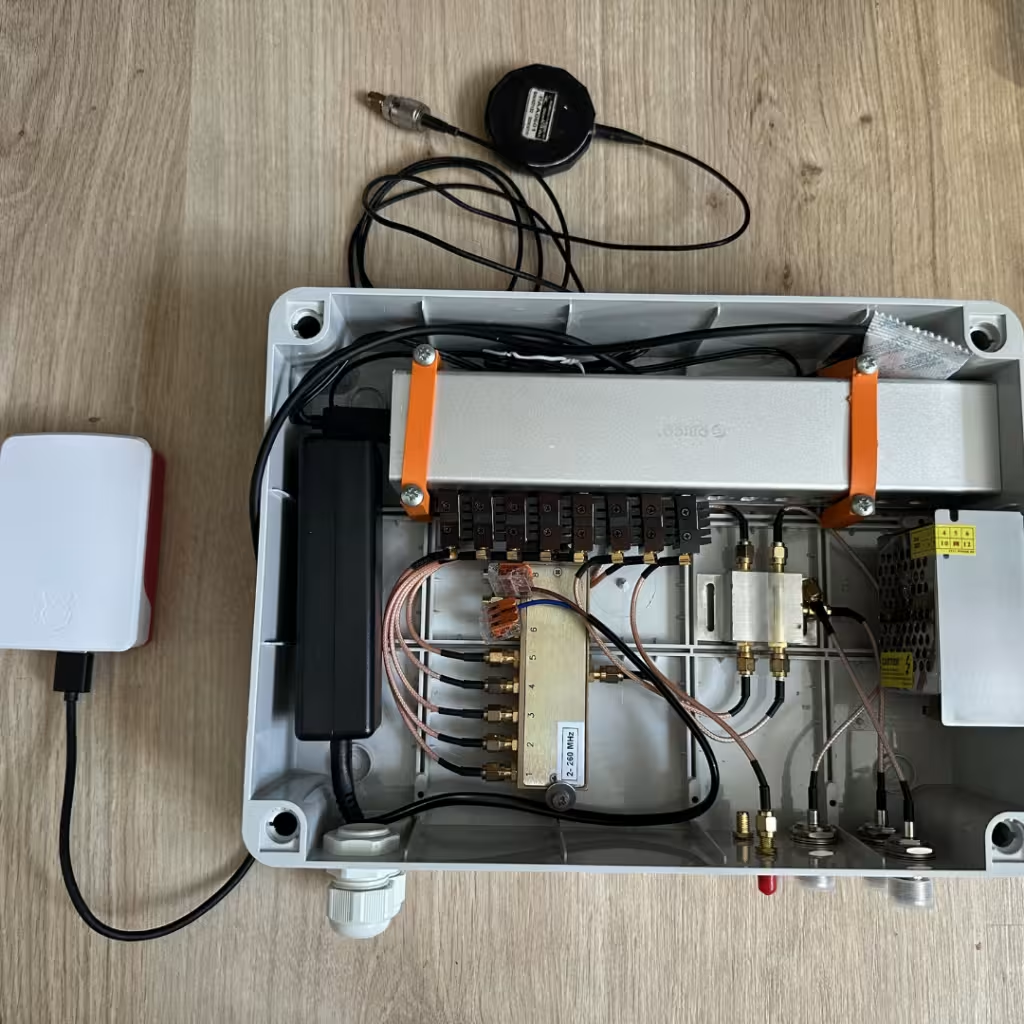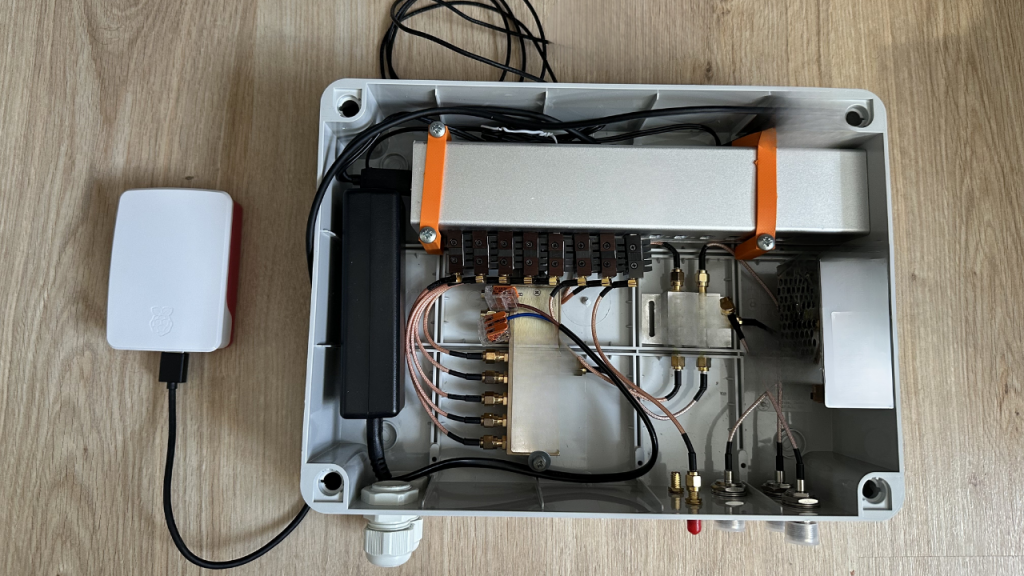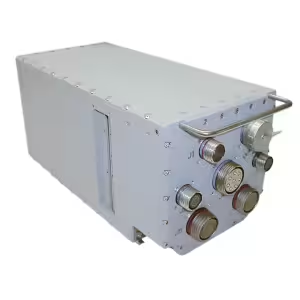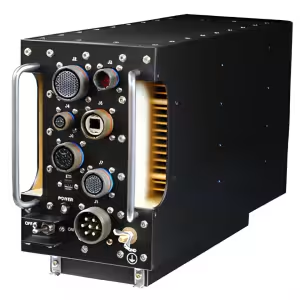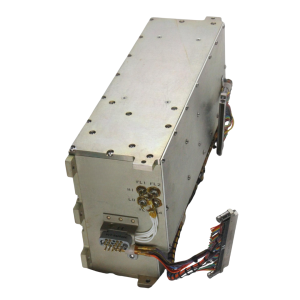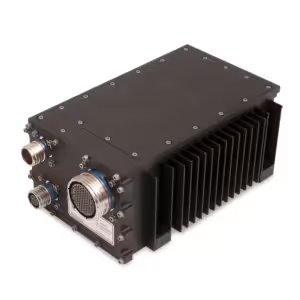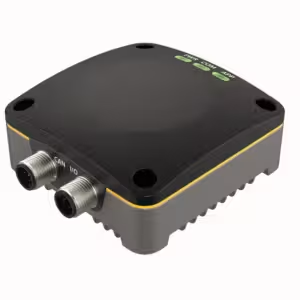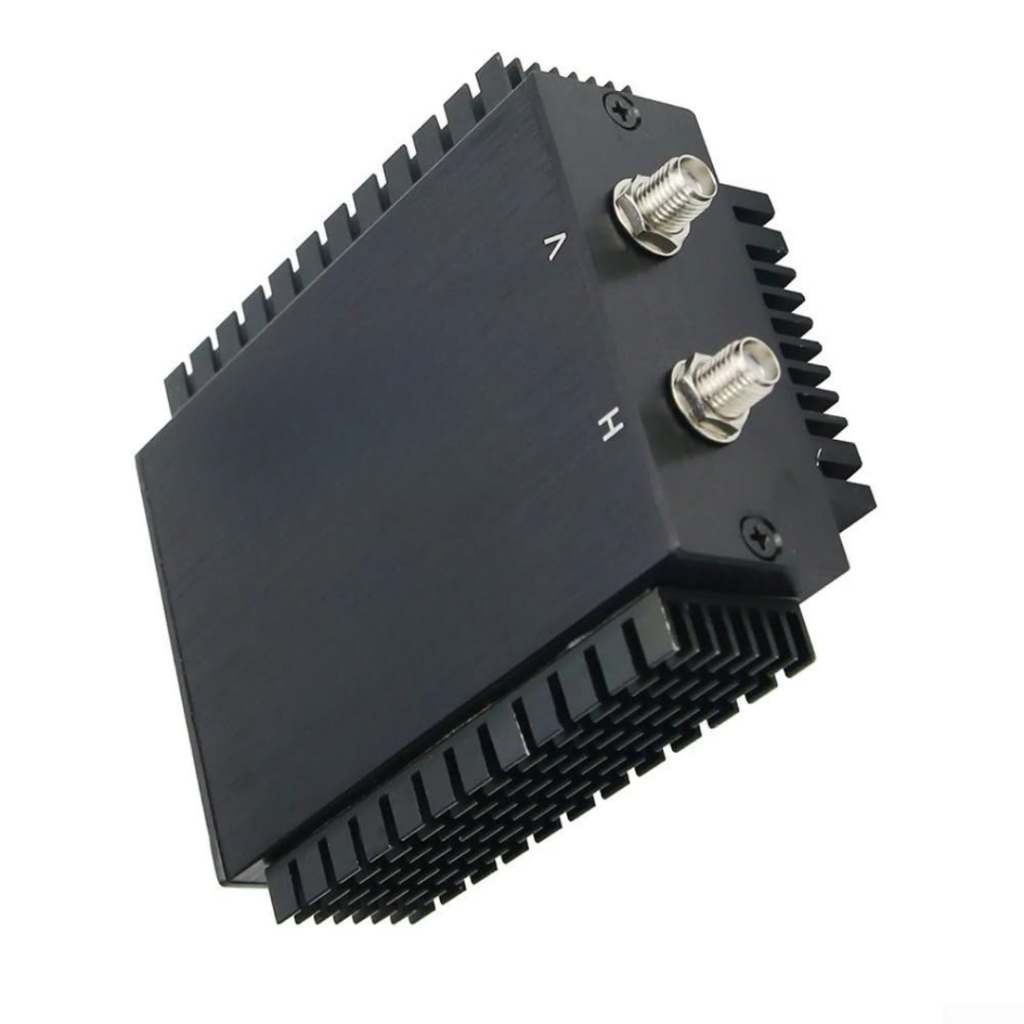
SDR Receiver Enclosure

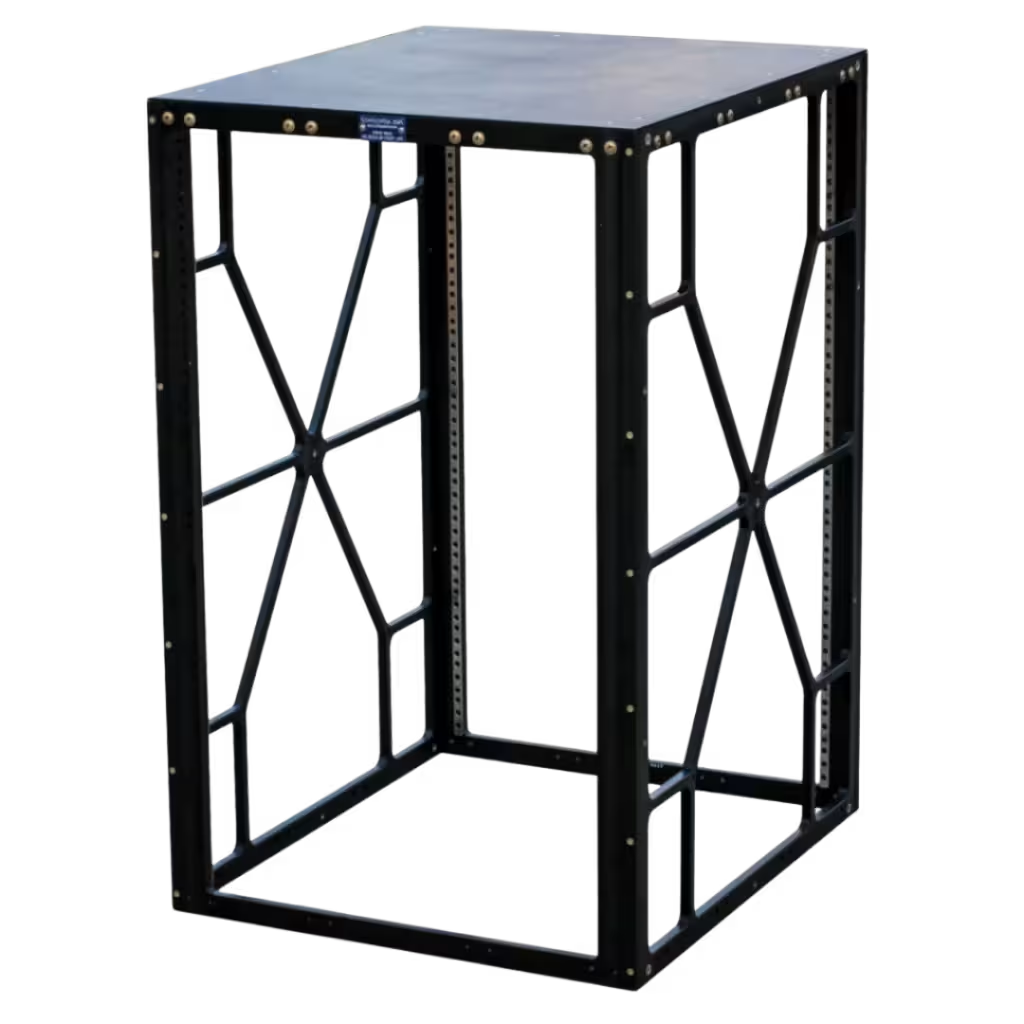
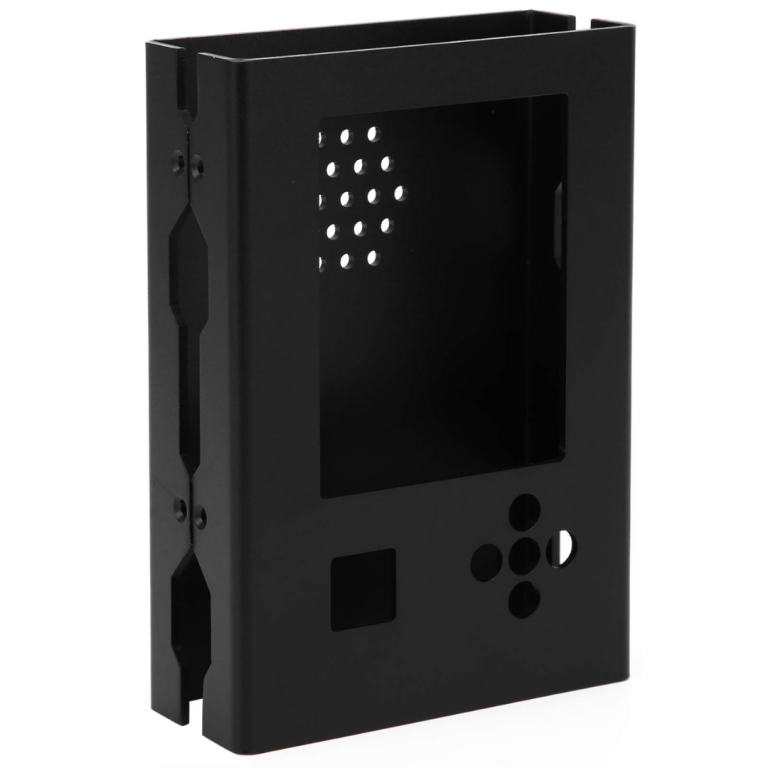
If military communications require frequency-agile receivers monitoring multiple bands simultaneously, software-defined radio equipment needs ruggedized protection for field deployment. SDR Receiver Enclosures house reconfigurable radio hardware, signal processing modules, and antenna interface equipment operating across tactical environments. 
HY D R O L Y SIS RESIS T ANCE
Material & Grade
  • Aluminum Alloy – 6061-T6, 5052
  • Stainless Steel – SS304, SS316
  • Copper-plated aluminum (RF shielding)
  • Cold Rolled Steel – SPCC (reinforced)
  • Sheet thickness – Up to 3.0mm capable 
  • Maximum capable – 1200mm (H) x 800mm (W) x 600mm (D)
  • Customizable based on SDR system requirement
  • Chemical Agent Resistant Coating (CARC)
  • Hard Anodizing (MIL-A-8625)
  • Chromate Conversion Coating (MIL-DTL-5541)
  • Conductive nickel coating
  • IR-suppressive coating
  • CNC Precision Machining
  • TIG Welding (aerospace-grade)
  • RF seam welding
  • Precision RF connector integration
  • Thermal interface machining
  • EMI compartmentalization
  • Stainless Steel 316/A286 Hardware
  • Captive EMI/RFI screws
  • Grounding studs (multiple points)
  • RF connector bulkhead provisions
  • Shock-isolation hardware
  • Tamper-evident fasteners 

Product Description

Portable or rack-mounted configurations accommodate SDR systems with external dimensions reaching 1200mm while maintaining electromagnetic shielding. Aluminum construction provides lightweight durability essential for manpack installations where operators carry equipment during foot patrols. Through MIL-STD environmental protection and RF compartmentalization, these enclosures enable reliable signal intelligence collection across hostile territories. 

Mounting Type
  • Rack Mount (19″ MIL-spec)
  • Portable transit case configuration
  • Vehicle-integrated mounting
  • Backpack/Manpack provisions
  • Tripod/Mast mount options
  • Quick-release mounting systems
  • IP65/IP67 Environmental Sealing
  • MIL-STD-810 sealed construction
  • Gore-Tex breather vents
  • Desiccant humidity control
  • Positive pressure capability
  • NBC filtration compatible
  • MIL-STD-810 Method 501 (High Temperature)
  • MIL-STD-810 Method 502 (Low Temperature)
  • Operating Temperature – -40°C to +65°C
  • Salt Fog resistance (MIL-STD-810 Method 509)
  • Sand & Dust (MIL-STD-810 Method 510)
  • Rain/Humidity resistance
  • MIL-STD-810 Method 514 (Vibration)
  • MIL-STD-810 Method 516 (Shock)
  • Drop test rated (MIL-STD-810 Method 516)
  • Crash hazard protection
  • Vibration isolation provisions
  • Transportation shock rated
  • MIL-STD-461 Compliance (RE/CE)
  • Shielding Effectiveness – 70-100 dB
  • RF compartment isolation
  • Conductive gaskets (MIL-DTL-83528)
  • Filtered power entry
  • TEMPEST-rated
  •  MIL-STD-810 (Environmental Engineering)
  • MIL-STD-461 (EMI/EMC Requirements)
  • MIL-STD-188 (Telecommunications)
  • NATO STANAG Compliance
  • FCC Part 15 (Radio Frequency)
  • ITAR Compliant Manufacturing
  • ISO 9001:2015 + AS9100 

Technical Advantages

Software-defined radios process wide bandwidth signals susceptible to interference from adjacent transmitters and digital processing noise. Addressing these challenges, internal RF compartments isolate receiver front-ends from digital processing modules using copper-plated barriers and filtered power distribution. Our shielding architecture achieves 70-100dB attenuation preventing spurious emissions from internal processors degrading receiver sensitivity. 

Portable configurations demand lightweight construction without compromising structural rigidity during field handling and transportation shock. Frigate engineers honeycomb aluminum panels providing high strength-to-weight ratios while maintaining thermal conduction paths dissipating heat from power amplifiers. RF connector bulkheads use precision-machined interfaces maintaining impedance matching across antenna feedlines preventing signal reflections that reduce receiver dynamic range. 

Let's Get Started

Need reliable Enclosures for your next project? Get in touch with us today, and we’ll help you find exactly what you need!

Industry Applications

Signals Intelligence Operations

Contains wideband SDR receivers monitoring adversary communications across HF, VHF, and UHF frequency ranges in field intelligence gathering. 

Electronic Warfare Systems

Houses jamming transmitters and intercept receivers in airborne pods and ground-based platforms disrupting enemy communications.

Tactical Communications Networks

Protects software-defined radios providing secure voice and data links between forward operating bases and mobile units. 

Spectrum Monitoring Stations

Secures frequency scanning equipment identifying unauthorized transmissions and electromagnetic interference sources in operational theaters. 

Counter-Drone Systems

Manages RF detection receivers identifying drone control signals enabling electronic countermeasures against unmanned aerial threats. 

Naval Communications Suites

Consolidates multi-band receivers in shipboard installations maintaining contact with shore commands and tactical groups.

SDR Receiver Enclosure

Designed for Tactical Mobility

SDR configurations range from backpack-portable units for dismounted operations to vehicle-mounted systems supporting brigade-level communications. SDR Receiver Enclosures arrive in transit case formats with shock-isolated foam interiors or standard 19-inch rack-mount configurations. 

Quick-release mounting provisions enable rapid equipment installation during vehicle integration or shelter deployment in forward areas. For classified operations, TEMPEST-rated versions prevent unintentional RF emissions revealing signal processing parameters or intercepted communications to adversarial electronic surveillance systems.

SDR Receiver Enclosure

Having Doubts? Our FAQ

Check all our Frequently Asked Questions

What RF compartmentalization strategies does Frigate implement in SDR Receiver Enclosures isolating digital processors from sensitive receiver front-ends?

Frigate separates noise-sensitive RF sections from high-speed digital processors using internal shielding partitions, dedicated grounding planes, and controlled cable routing paths. Compartment layout is customized to the receiver architecture and frequency sensitivity defined in the system drawing.

Does the enclosure achieve MIL-STD-810 drop test ratings for backpack-portable SDR configurations during field deployment? 

Yes. Drop survivability is achieved through reinforced corner structures, shock-absorbing internal mounts, and load-spreading panel designs. Frigate adapts the mechanical design to the required drop height, payload mass, and handling conditions specified for the program. 

How does Frigate optimize strength-to-weight ratios in SDR Receiver Enclosures using honeycomb aluminum panel construction?

Frigate improves strength-to-weight by using – 

  • Aluminum honeycomb cores bonded to thin face sheets 
  • Reinforced edges for fastener and connector zones 
  • Local solid inserts at high-stress points 

Panel thickness and core density are selected to match portability and durability targets in your requirement set. 

What shielding effectiveness does Frigate validate in SDR Receiver Enclosures preventing internal processing noise from degrading receiver sensitivity?

Shielding effectiveness commonly ranges from 80 to 110 dB depending on frequency band, seams, and interface density. Validation includes seam continuity checks and emission testing, and Frigate aligns acceptance criteria to the receiver sensitivity targets defined in the specification. 

Are filtered power entry modules integrated in SDR Receiver Enclosures preventing conducted emissions on supply lines?

Conducted emissions are controlled through – 

  • EMI-filtered power entry modules 
  • Short, bonded ground paths at entry points 
  • Segregation of power and signal wiring 

Filter ratings and connector styles can be selected to match your power quality and compliance requirements.

How does Frigate maintain RF connector impedance matching in SDR Receiver Enclosures through precision-machined bulkhead interfaces?

Frigate maintains impedance consistency by machining bulkhead interfaces to tight tolerances and controlling connector seating depth and grounding continuity. Connector spacing, flange geometry, and surface finish are adapted to the RF connector types and layout defined in your drawing. 

What thermal management provisions does Frigate engineer in SDR Receiver Enclosures dissipating heat from wideband power amplifiers?

Frigate manages amplifier heat using – 

  • Direct conduction paths to enclosure walls 
  • Internal heat spreaders and mounting plates 
  • Optional airflow or heat exchanger interfaces 

Thermal provisions are scaled to amplifier duty cycle and ambient conditions specified for the deployment. 

Does the enclosure support NATO STANAG interoperability requirements for multi-national coalition communications operations?

Yes. Mechanical interfaces, grounding provisions, and environmental protection can be aligned to relevant STANAG requirements when applicable interface control documents are provided. Frigate incorporates interoperability constraints early so mounting, connectors, and markings reflect the required standard set. 

How does Frigate address Gore-Tex breather vent integration in SDR Receiver Enclosures equalizing pressure without compromising environmental sealing?

Frigate equalizes pressure using – 

  • Membrane vents rated for IP67/IP68 environments 
  • Placement outside EMI-critical zones 
  • Sealed mounting features that avoid leak paths 

Vent size and location are chosen to match altitude change rate and enclosure volume requirements. 

What quick-release mounting systems does Frigate provide in SDR Receiver Enclosures enabling rapid vehicle integration during tactical deployment?

Frigate supports rapid integration with – 

  • Tool-less latch or cam-lock interfaces 
  • Slide-in rails compatible with vehicle mounts 
  • Reinforced attachment points for repeated use 

Mounting and release mechanisms are customized to the vehicle interface and deployment workflow in your request. 

Get Clarity with Our Manufacturing Insights

We'd love to Manufacture for you!

Submit the form below and our representative will be in touch shortly.

LOCATIONS

Registered Office

10-A, First Floor, V.V Complex, Prakash Nagar, Thiruverumbur, Trichy-620013, Tamil Nadu, India.

Operations Office

9/1, Poonthottam Nagar, Ramanandha Nagar, Saravanampatti, Coimbatore-641035, Tamil Nadu, India. ㅤ

Other Locations

GENERAL ENQUIRIES

Get Quote
Support All File Formats Including - STEP | STP | SLDPRT | STL | DXF | IPT | X_T | X_B | 3DXML | CATPART | PRT | SAT | 3MF | JT files

LOCATIONS

Registered Office

10-A, First Floor, V.V Complex, Prakash Nagar, Thiruverumbur, Trichy-620013, Tamil Nadu, India.

Other Locations

GENERAL ENQUIRIES

Get Your Quote Now

New Get Quote form

SDR Receiver Enclosure

Need reliable wires and cables for your next project? Get in touch with us today, and we’ll help you find exactly what you need!

Get Latest Price

Get Price Form

SDR Receiver Enclosure

Need reliable Machining for your next project? Get in touch with us today, and we’ll help you find exactly what you need!

Get Latest Price

Get Price Form