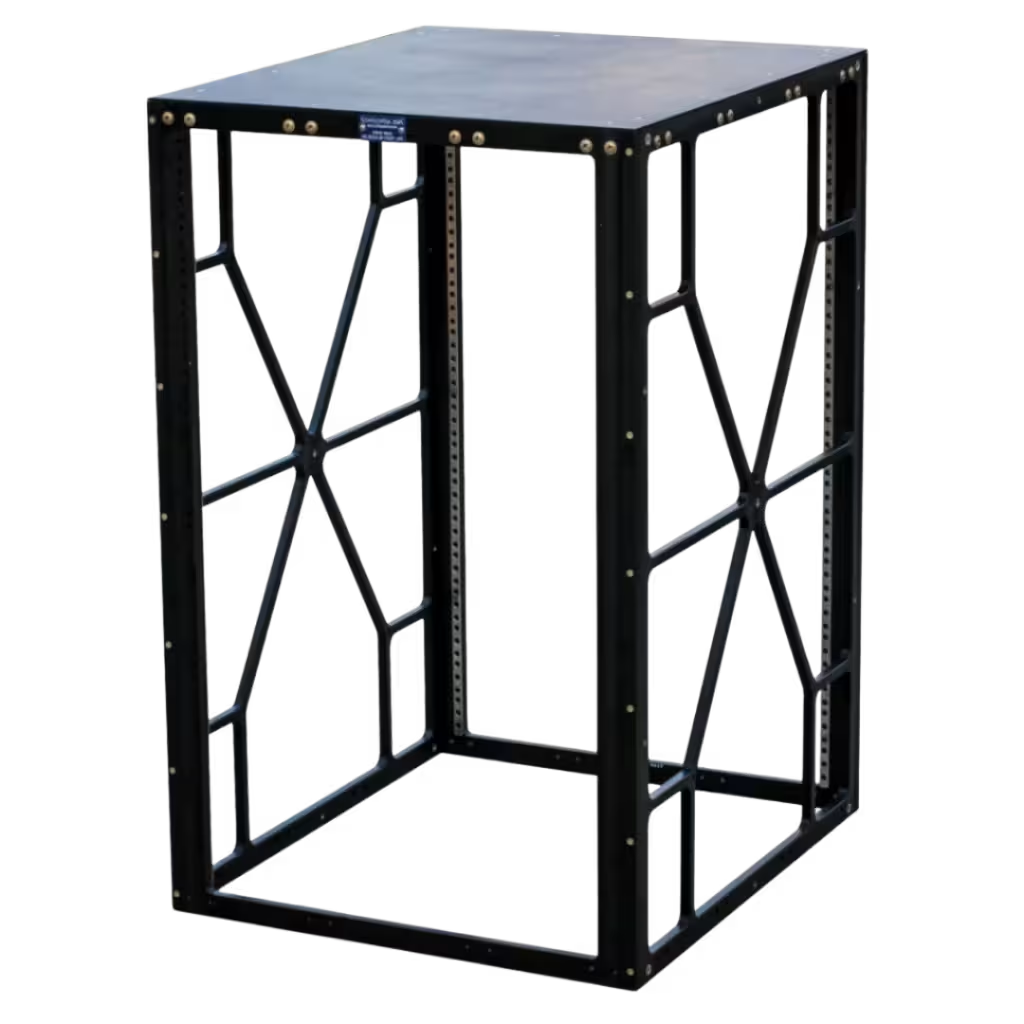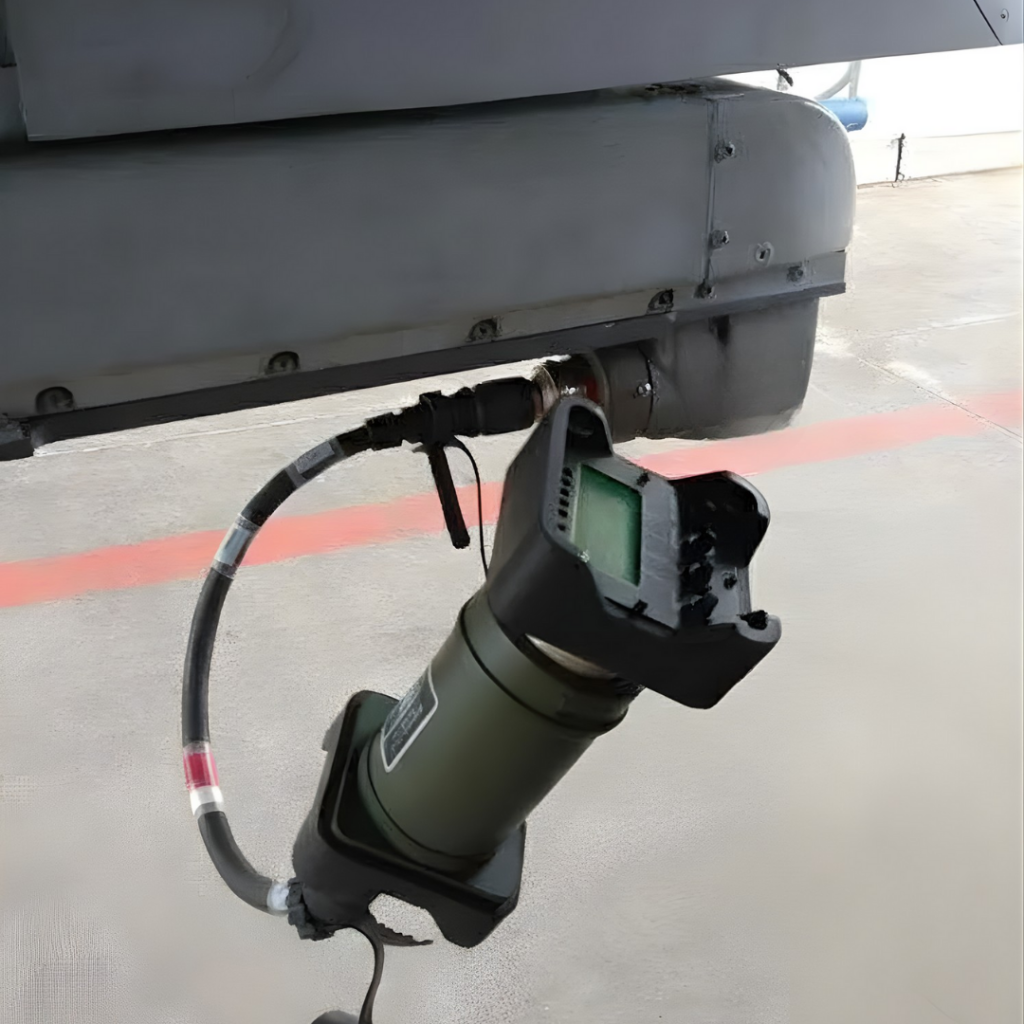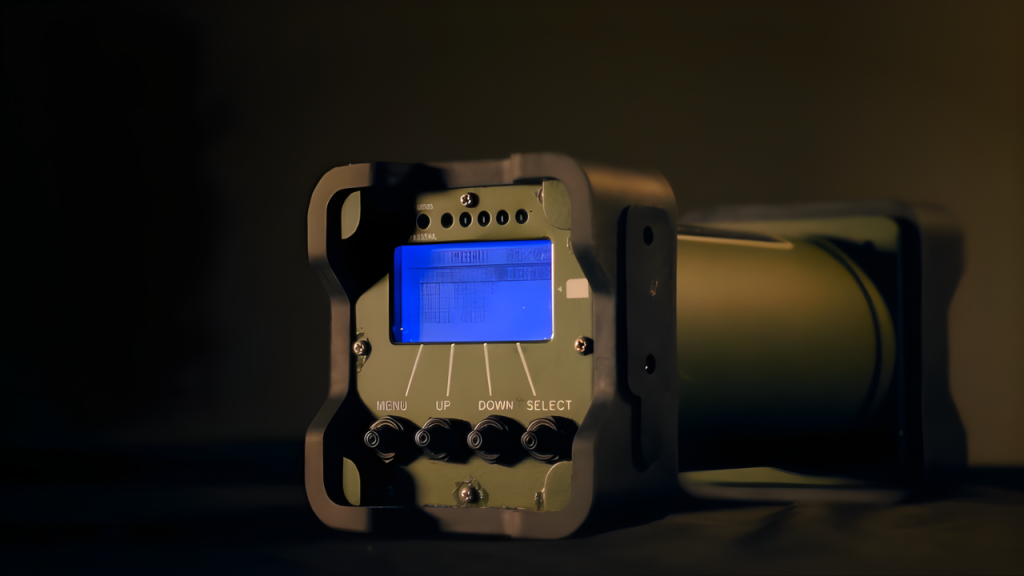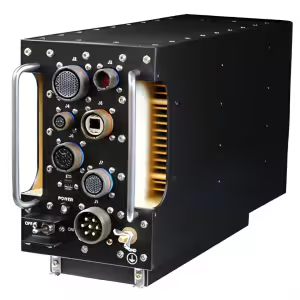
Armament Test Set Housing

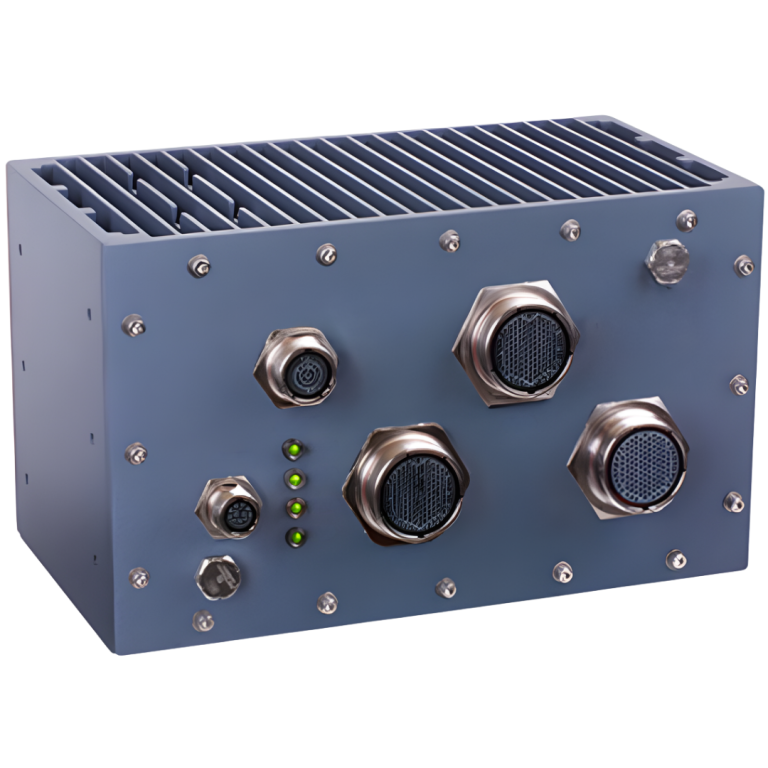
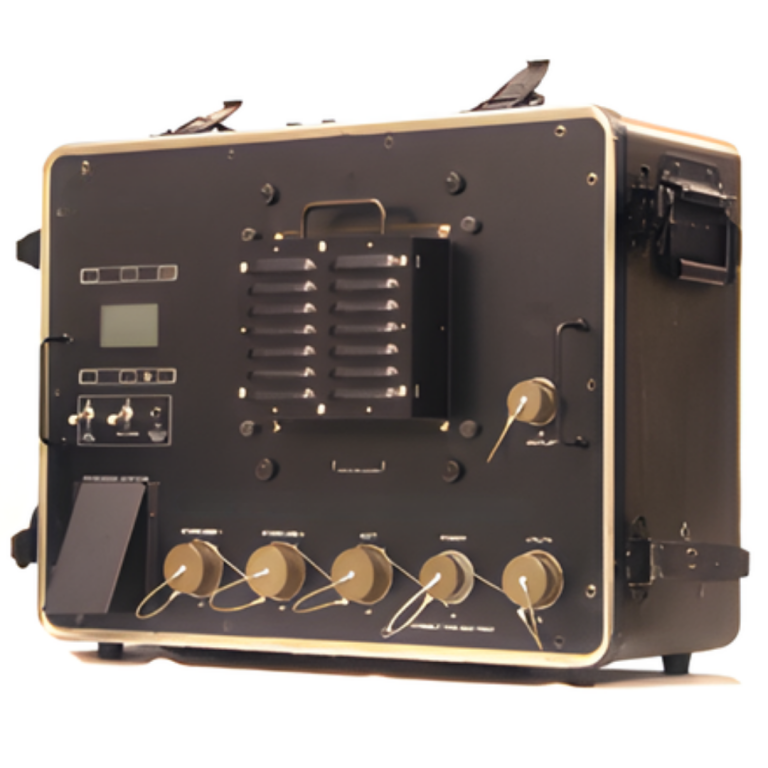
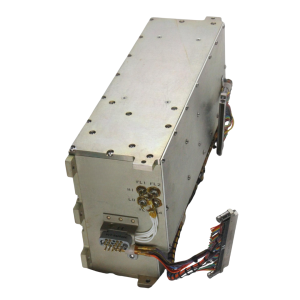
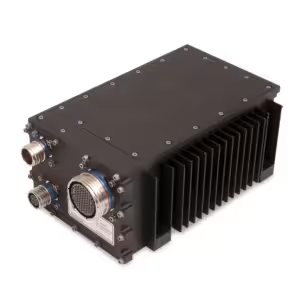
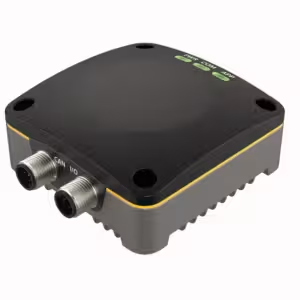
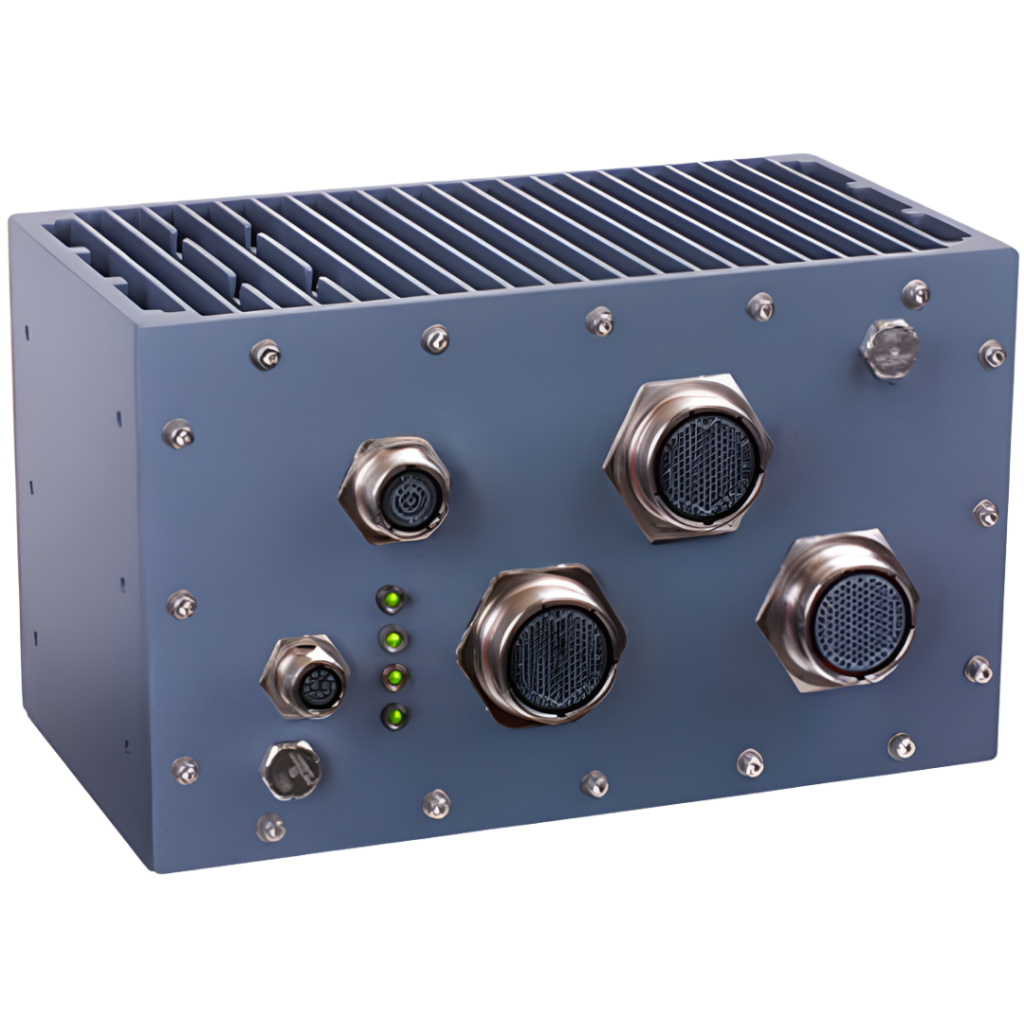
Testing weapons systems before deployment requires diagnostic equipment verifying firing circuits, safety interlocks, and targeting systems without live ammunition. Armament Test Set Housing provides protective enclosures for electronic test equipment simulating weapon interfaces during maintenance and pre-flight inspections. 
HY D R O L Y SIS RESIS T ANCE
Material & Grade
  • Aluminum Alloy – 6061-T6, 7075-T6
  • Stainless Steel – SS304, SS316
  • Cold Rolled Steel – SPCC (reinforced)
  • Blast-resistant materials
  • Sheet thickness – Up to 5.0mm capable
  • Maximum capable – 1500mm (H) x 1000mm (W) x 700mm (D)
  • Customizable based on test equipment specifications
  • Chemical Agent Resistant Coating (CARC)
  • Hard Anodizing (MIL-A-8625 Type III)
  • Zinc-Nickel Plating (MIL-DTL-16232)
  • Chromate Conversion Coating (MIL-DTL-5541) 
  • Blast-resistant coating
  • CNC Precision Machining
  • TIG Welding (aerospace-grade)
  • Reinforced structural framing
  • Precision alignment provisions
  • Grounding integration
  • Safety interlock provisions
  • Stainless Steel 316/A4 Hardware
  • Heavy-duty hinges (high-cycle rated) 
  • Multi-point locking systems
  • Safety interlock mechanisms
  • Grounding studs & busbars
  • Explosion-proof latches

Product Description

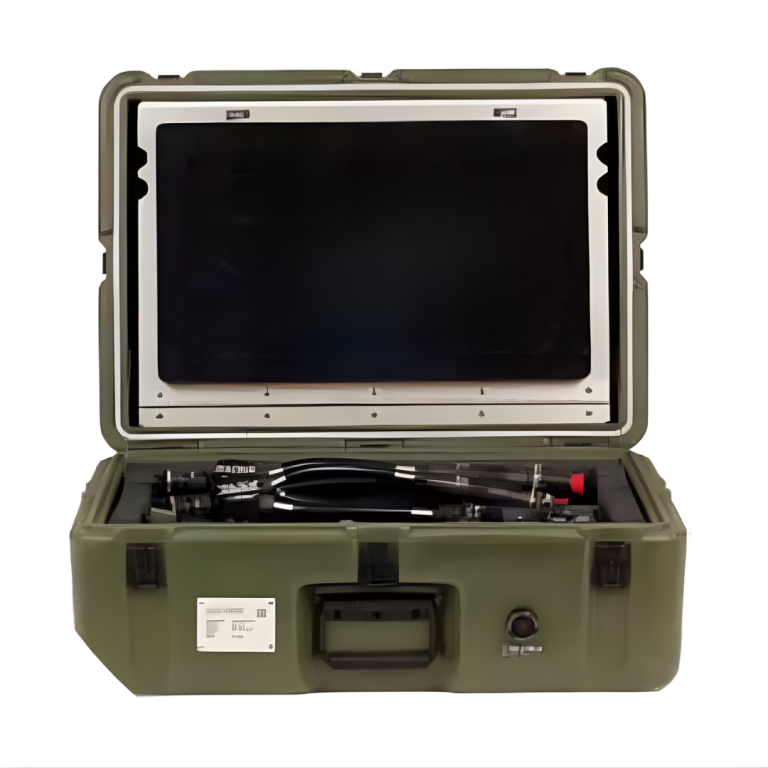
Portable or wheeled configurations accommodate test instrumentation with external dimensions reaching 1500mm while surviving flight line and shipboard environments. Heavy-gauge aluminum construction withstands handling during aircraft servicing operations where test sets connect to weapons pylons and launch rails. Through safety interlocks and explosion-proof provisions, these housings enable armament testing near ordnance storage areas meeting stringent explosives safety requirements. 

Mounting Type
  • Portable with reinforced handles
  • Mobile cart/Wheeled configurations
  • Floor Standing with leveling feet
  • Vehicle-mounted provisions
  • Transit case integration
  • Shock-isolated mounting
  • IP65/IP66 Environmental Sealing
  • MIL-STD-810 sealed construction
  • Pressure relief provisions
  • Desiccant humidity control
  • Dust-tight construction
  • NBC filtration compatible (optional) 
  • MIL-STD-810 Method 501 (High Temperature)
  • MIL-STD-810 Method 502 (Low Temperature)
  • Operating Temperature – -32°C to +63°C
  • Salt Fog resistance (MIL-STD-810 Method 509)
  • Sand & Dust (MIL-STD-810 Method 510)
  • Explosive atmosphere rated
  • MIL-STD-810 Method 514 (Vibration)
  • MIL-STD-810 Method 516 (Shock)
  • Transportation shock rated
  • Weapon recoil isolation
  • Drop test rated
  • Vibration isolation mounting
  • MIL-STD-461 Compliance
  • Shielding Effectiveness – 60-80 dB
  • Conductive gaskets (MIL-DTL-83528)
  • Filtered power entry
  • RF connector provisions
  • ESD protection integrated
  • MIL-STD-810 (Environmental Engineering)
  • MIL-STD-461 (EMI/EMC Requirements)
  • MIL-STD-464 (EME Requirements)
  • NAVSEA OP 3565 (Explosives Safety)
  • MIL-STD-1472 (Human Engineering)
  • ITAR Compliant Manufacturing
  • ISO 9001:2015 + AS9100

Technical Advantages

Armament test equipment generates electrical pulses simulating weapon firing signals requiring shielding preventing inadvertent ordnance initiation from electromagnetic interference. Addressing this critical safety requirement, continuous conductive paths with filtered power entry prevent RF energy from reaching weapon interfaces during testing procedures. We engineer safety interlock systems preventing test set operation unless ground straps establish proper electrical bonding between equipment and weapon mounts. 

Mobile configurations demand wheeled carts enabling technicians to position test equipment adjacent to aircraft weapon stations or artillery firing platforms. Reinforced caster assemblies support equipment weights exceeding 100 kilograms while maintaining maneuverability across flight deck non-skid surfaces and uneven depot floors. Internal shock mounting protects delicate test instrumentation from damage during transport between maintenance facilities and forward operating locations. 

Let's Get Started

Need reliable Enclosures for your next project? Get in touch with us today, and we’ll help you find exactly what you need!

Industry Applications

Aircraft Weapons Testing

Contains test equipment verifying missile launch circuits, bomb release mechanisms, and targeting pod interfaces during pre-flight maintenance. 

Naval Weapons Systems

Houses diagnostic instruments testing torpedo firing systems, vertical launch mechanisms, and close-in weapon system interfaces aboard surface combatants. 

Ground Artillery Maintenance

 Protects test sets verifying firing circuits on self-propelled howitzers and rocket artillery systems during organizational maintenance. 

Munitions Depot Operations

Secures test equipment performing acceptance testing on guided missiles and smart bombs before inventory acceptance. 

Helicopter Weapons Integration

Manages test instrumentation validating rocket pod wiring, gun firing circuits, and missile control interfaces during rotary-wing armament checks. 

Air Defense Systems

Consolidates diagnostic equipment testing launcher interfaces, fire control circuits, and radar integration on surface-to-air missile platforms. 

Armament Test Set Housing

Engineered for Weapons Safety

Test equipment specifications vary from handheld continuity testers to comprehensive diagnostic systems with integrated oscilloscopes and signal generators. Armament Test Set Housing arrives in portable transit case formats or wheeled cart configurations with internal foam cushioning protecting precision measurement equipment. 

Explosion-proof latching mechanisms meet NAVSEA explosives safety standards enabling test set operation in magazines and ordnance assembly areas. ESD protection provisions prevent static discharge damage to weapon electronics during interface testing procedures critical for guided munition reliability. 

Armament Test Set Housing

Having Doubts? Our FAQ

Check all our Frequently Asked Questions

What safety interlock mechanisms does Frigate integrate in Armament Test Set Housing preventing operation without proper electrical grounding?

Safety interlocks are designed to block power-up unless grounding continuity is verified through dedicated sensing paths. Interlock logic can include door position, ground lug engagement, and connector presence, with Frigate configuring the sequence to match the test procedure and safety rules defined in your requirement set. 

How does Frigate achieve filtered power entry in Armament Test Set Housing preventing RF energy from reaching weapon interfaces during testing?

Frigate achieves filtered power entry using – 

  • EMI/RFI power filters rated for test current levels 
  • Shielded entry plates bonded to the enclosure wall 
  • Short internal ground paths to control leakage 

Filter selection and layout are customized to the frequency range and test sensitivity in your specification. 

Are wheeled cart configurations compatible with flight deck non-skid surfaces and uneven depot floor conditions?

Yes. Mobility design accounts for high-friction deck coatings and irregular floors by selecting wheel compounds and diameters suited to the environment. Frigate adapts cart geometry, handle height, and wheel spacing based on where the housing will be rolled and parked. 

What reinforced caster specifications does Frigate employ in Armament Test Set Housing supporting equipment weights exceeding 100 kilograms?

Heavy-load support can include – 

  • High-capacity swivel or fixed casters with safety margins 
  • Reinforced mounting plates tied into the frame 
  • Locking mechanisms to prevent unintended movement 

Frigate selects caster type and load rating to match total system mass and movement frequency requirements. 

How does Frigate engineer internal shock mounting in Armament Test Set Housing protecting delicate measurement instrumentation during transport?

Frigate engineers internal shock protection using elastomer mounts, floating subframes, or isolated trays to decouple instruments from enclosure shocks. Mount stiffness and travel limits are tuned to instrument fragility and the transport conditions defined in your logistics profile.

What explosion-proof latching systems does Frigate specify in Armament Test Set Housing for hazardous location compliance?

Latch systems may include – 

  • Captive, non-sparking latch mechanisms 
  • Multi-point latching for uniform seal compression 
  • Designs aligned to hazardous-area practices 

Frigate tailors latch selection to access frequency, seal requirements, and site hazard classification. 

How does Frigate integrate ESD protection provisions in Armament Test Set Housing preventing static discharge damage to weapon electronics?

Frigate integrates ESD control through conductive coatings, bonded panels, and defined grounding points that dissipate charge safely. Operator touch points and internal layouts are arranged so discharge paths remain controlled during connection and test cycles.

Are transit case configurations available with custom foam cushioning matched to specific test equipment dimensions?

Transit protection can be provided using – 

  • CNC-cut foam matched to equipment geometry 
  • Layered cushioning for shock and vibration control 
  • Replaceable inserts for future equipment changes 

Foam density and layout can be customized to equipment weight, fragility, and the packing drawing. 

What conductive gasket specifications does Frigate validate in Armament Test Set Housing achieving 60–80 dB shielding effectiveness?

Shielding performance is supported through – 

  • Conductive elastomer or mesh gaskets 
  • Controlled compression across access panels 
  • Verified continuity at seams and doors 

Frigate validates gasket material and compression targets to the required shielding level and access-cycle expectations. 

Get Clarity with Our Manufacturing Insights

We'd love to Manufacture for you!

Submit the form below and our representative will be in touch shortly.

LOCATIONS

Registered Office

10-A, First Floor, V.V Complex, Prakash Nagar, Thiruverumbur, Trichy-620013, Tamil Nadu, India.

Operations Office

9/1, Poonthottam Nagar, Ramanandha Nagar, Saravanampatti, Coimbatore-641035, Tamil Nadu, India. ㅤ

Other Locations

GENERAL ENQUIRIES

Get Quote
Support All File Formats Including - STEP | STP | SLDPRT | STL | DXF | IPT | X_T | X_B | 3DXML | CATPART | PRT | SAT | 3MF | JT files

LOCATIONS

Registered Office

10-A, First Floor, V.V Complex, Prakash Nagar, Thiruverumbur, Trichy-620013, Tamil Nadu, India.

Other Locations

GENERAL ENQUIRIES

Get Your Quote Now

New Get Quote form

Armament Test Set Housing

Need reliable wires and cables for your next project? Get in touch with us today, and we’ll help you find exactly what you need!

Get Latest Price

Get Price Form

Armament Test Set Housing

Need reliable Machining for your next project? Get in touch with us today, and we’ll help you find exactly what you need!

Get Latest Price

Get Price Form