




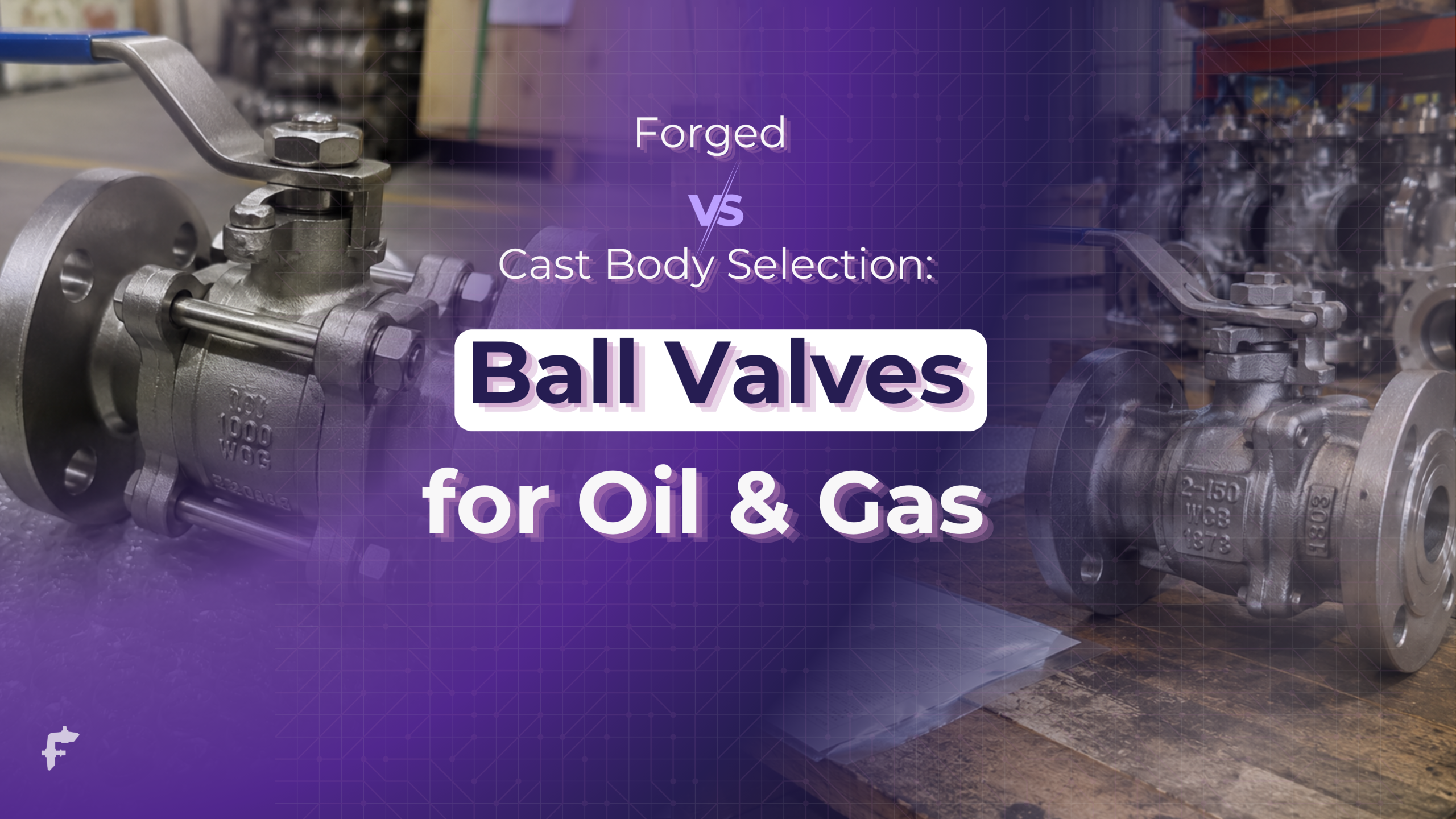
High pressure oil and gas procurement needs valve body selection that supports approval speed, production control, inspection confidence, and long-term operating reliability. That is why custom forged ball valve for high pressure oil and gas becomes a serious commercial requirement for EPC contractors, OEMs, skid builders, and plant procurement teams handling critical hydrocarbon service.
Most decision-makers at this level already know the basic technical differences. What actually matters during sourcing is whether the selected route will move cleanly through technical review, manufacturing, testing, dispatch, and final acceptance. A custom forged ball valve for high pressure oil and gas is often preferred where project pressure, shutdown criticality, and quality expectations make buying risk more important than basic unit pricing.
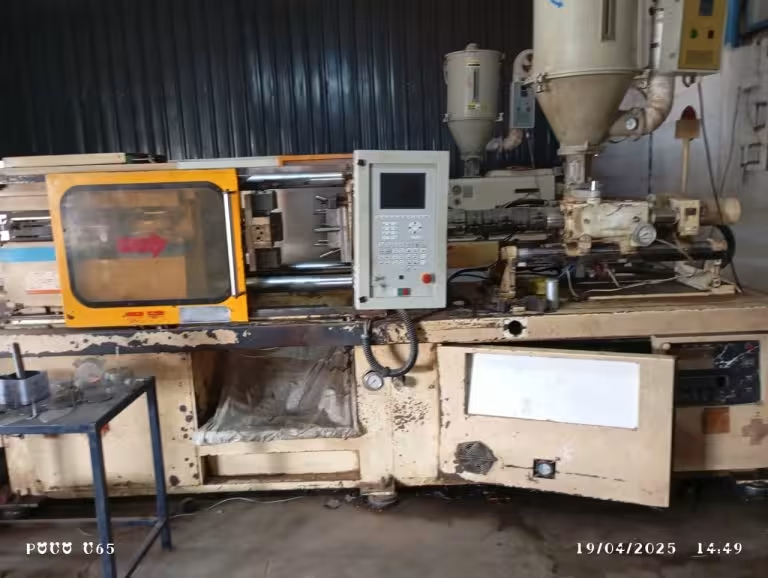
Frigate works as a manufacturer for industrial buyers who need manufacturing-backed recommendations, not generic market commentary. Our role is to align body construction with service severity, project documentation, inspection scope, and production feasibility. That is why buyers evaluating custom forged ball valve for high pressure oil and gas requirements approach Frigate for a selection route that is commercially practical and manufacturing-ready.
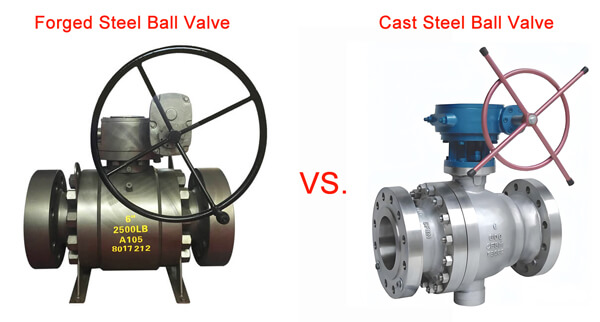
Commercial Priorities That Drive Body Selection
Valve body choice affects more than product design. It affects the entire buying cycle, from RFQ clarification to project release. A serious cast body vs forged body ball valve selection process is usually tied to approval risk, supply continuity, traceability expectations, and project exposure during third-party inspection.
Procurement teams do not compare forged and cast routes only to satisfy a checklist. They compare them to understand which option is easier to approve, more dependable to manufacture, and safer to release into critical service. That is why cast body vs forged body ball valve selection becomes a commercial decision before it becomes a technical closeout.
Buyers usually review these commercial priorities first –
- approval confidence during consultant or end-user technical review
- production consistency across repeat or multi-package orders
- traceability and documentation expectations for critical service
- inspection readiness during TPI and final release
- total cost of delay, rejection, or rework after quotation stage
A high pressure forged ball valve manufacturer is expected to support these priorities with practical manufacturing logic. Frigate approaches this stage by connecting body route with project execution, not just with product description.
Why Forged Body Construction Gets Preference in Pressure-Critical RFQs
A forged route generally becomes stronger when the buyer is working on high-pressure hydrocarbon duty, compact valve sizes, severe shutdown conditions, or specification-driven projects where review standards are stricter. A custom forged ball valve for high pressure oil and gas is commonly selected in these cases because the body route needs to support a more controlled production and approval path.
Buyers looking for dependable project execution do not want uncertainty at inspection stage. They want a valve body route that reduces the chances of repeated clarifications, documentation pushback, or approval-stage hesitation. That is one reason a custom forged ball valve for high pressure oil and gas keeps getting preference in critical oil and gas packages.
Commercial reasons forged body valves are preferred in critical projects –
- stronger fit for compact high-pressure valve construction
- better alignment with stricter project review environments
- greater confidence during quality documentation review
- lower commercial exposure in severe service packages
- easier positioning for buyers who want a higher-integrity sourcing route
Frigate supports this requirement as a manufacturer that understands how pressure-critical applications are reviewed by EPCs, consultants, and plant operators. Buyers looking for a high pressure forged ball valve manufacturer usually need support beyond production alone. They need recommendation clarity, manufacturing discipline, and documentation alignment from the same source.
Where Cast Body Construction Still Remains Commercially Relevant
Cast routes do remain part of selected oil and gas procurement decisions. A cast steel ball valve for oil and gas pipelines may still be commercially acceptable where process conditions, size range, owner specification, and budget structure support that route. Decision quality depends on reviewing the actual application instead of applying one body logic to every line item.
The problem starts when cast construction is selected only on initial pricing without considering approval pressure and operating seriousness. Buyers comparing forged vs cast ball valve body options often realize that the lower quote value may not remain attractive if technical queries, inspection delays, or documentation concerns start appearing later.
Cast body options generally stay under evaluation when –
- service severity is moderate relative to project requirement
- valve size and geometry make casting commercially practical
- end-user specifications do not push toward a forged route
- inspection and traceability expectations are manageable
- lifecycle risk remains acceptable for the intended duty
Frigate reviews these cases one by one. A proper evaluation of forged steel vs cast steel valve body differences should end in a buying decision that protects project timelines and quality expectations, not just the initial purchase value.
Supplier Shortlisting Is Not Enough; Manufacturer Capability Decides the Outcome
Many RFQs begin with a broad market search, but final approval usually depends on actual manufacturing capability. Buyers do not benefit from attractive quotations if the selected source cannot support body route justification, document readiness, customization, and stable production control. That is why a reliable high pressure forged ball valve manufacturer becomes more relevant than a general market option during final closure.
Frigate supports this stage as a manufacturer that can align valve construction with service condition, material requirement, pressure class, end connection, and inspection scope. A custom forged ball valve for high pressure oil and gas is rarely a standard shelf product in serious projects. Manufacturing capability therefore matters as much as design suitability.
What buyers expect from a serious valve manufacturer –
- application-based recommendation, not generic product matching
- manufacturing support for project-specific body configurations
- traceability and document discipline for critical service
- ability to align production with inspection and dispatch planning
- commercial responsiveness during RFQ, TQ, and approval stages
That is also why many industrial buyers prefer working directly with a manufacturer during critical valve selection rather than depending only on intermediary sourcing layers.
Supplier Evaluation Table for Body Route Selection
The table below shows how industrial buyers typically compare forged and cast routes during commercial and technical closure.
| Evaluation Factor | Forged Body Route | Cast Body Route | Impact for Buyer |
| High-pressure suitability | Strong preference for severe service | Application dependent | Reduces buying risk in critical lines |
| Approval positioning | Usually stronger in strict review environments | Depends on project spec | Affects TQ closure speed |
| Manufacturing control | Better suited for compact high-pressure builds | Can work where duty permits | Impacts repeatability and confidence |
| Inspection readiness | Commonly preferred for tighter inspection control | Depends on end-user expectation | Influences release timelines |
| Traceability comfort | Stronger positioning in critical applications | Acceptable where requirements allow | Affects document approval |
| Initial quote value | Often higher than cast route | Often attractive at quote stage | Must be judged against total project cost |
| Lifecycle sourcing confidence | Strong for pressure-critical applications | Depends on service seriousness | Impacts long-term commercial value |
Buying Risk Becomes Clearer During Technical Closure
Body route selection becomes sharper once the RFQ moves into technical-commercial review. That is the stage where approval teams begin checking how the valve will be manufactured, tested, documented, and released. A cast body vs forged body ball valve selection that looked simple during early enquiry can change quickly once project conditions are fully applied.
A custom forged ball valve for high pressure oil and gas often moves ahead at this stage because buyers want stronger confidence on production and approval discipline. A manufacturer-led recommendation is valuable here because the body route needs to match not only service condition but also the practical realities of machining, inspection, and documentation.
Main buying risks considered during technical closure –
- approval delay due to weak body route justification
- rejection risk during inspection or review
- repeated clarification requests from EPC or consultant teams
- higher project cost from rework or delayed dispatch
- uncertain lifecycle performance in severe service
Frigate helps buyers reduce these risks by reviewing the requirement as a complete project package. That is where high pressure industrial ball valve design considerations become commercially important. Selection must support what happens after ordering, not only what looks acceptable before it.
Manufacturing-Led Selection Creates Stronger Procurement Outcomes
A manufacturing-led review gives buyers a more dependable route for critical valve decisions. Frigate uses project conditions, pressure class, material requirements, valve configuration, testing scope, and approval expectations to recommend the right construction. That approach is especially important when the RFQ is for custom forged ball valve for high pressure oil and gas service and the margin for commercial error is low.
A forged steel ball valve for high pressure applications is usually selected where buyers want a higher-integrity route that can support pressure retention, stronger inspection confidence, and smoother technical closure. A cast steel ball valve for oil and gas pipelines can still be positioned where project conditions justify it, but that decision should always be backed by full application review.
Frigate’s manufacturing-led review covers –
- pressure severity and hydrocarbon service profile
- valve size, end connection, and configuration requirement
- applicable material grade and project standards
- testing, inspection, and documentation expectations
- commercial impact of approval delay or route change
That is how Frigate handles forged vs cast ball valve body decisions in a way that supports real procurement outcomes instead of generic comparisons.
Why Buyers Choose Us for Pressure-Critical Valve Requirements
Pressure-critical oil and gas valve procurement does not get decided on product availability alone. Buyers usually evaluate whether the manufacturer can support the full requirement from technical review to production release. That is where we stand apart. Our role is not limited to quoting a valve. Our role is to help buyers secure a valve solution that is commercially practical, technically aligned, and production-ready for demanding operating conditions.
A custom forged ball valve for high pressure oil and gas usually comes with tighter expectations around pressure class, body construction, material traceability, documentation quality, inspection readiness, and project-specific customization. We support this requirement as a manufacturer with direct control over production planning, quality coordination, and execution support. That makes the buying process more reliable for EPC contractors, OEMs, package builders, and plant procurement teams.
Manufacturing partnership, not just quotation support
Many valve enquiries look manageable at RFQ stage but become difficult during technical-commercial closure. Problems usually start when the selected source cannot properly support body route justification, drawing discussions, inspection planning, or documentation alignment. We remove that gap by working as a manufacturer involved in the actual execution side of the order.
Buyers choose us because they need –
- project-based valve body selection for pressure-critical applications
- direct manufacturing visibility instead of depending on third-party coordination
- stronger control on production planning and quality checkpoints
- faster decision-making support during technical and commercial review
- reliable execution from requirement review to dispatch stage
That becomes especially important when the order is for a custom forged ball valve for high pressure oil and gas, where errors in selection or documentation can create approval delays and commercial disruption.
Project-specific valve body selection with manufacturing logic
Pressure-critical applications cannot be handled with generic product matching. Valve body selection has to reflect actual process duty, pressure severity, project standards, and review expectations. Our team studies the application from a manufacturing and execution perspective so the recommended route is practical for production as well as acceptable for the project.
We support body route decisions by reviewing –
- service pressure and hydrocarbon duty seriousness
- end-user or consultant approval expectations
- valve size, end connection, and body configuration
- material grade and documentation requirement
- inspection scope and production feasibility
This approach helps buyers move from comparison to closure with more confidence. A custom forged ball valve for high pressure oil and gas should not only meet the specification. It should also move smoothly through manufacturing, testing, and inspection without avoidable friction.
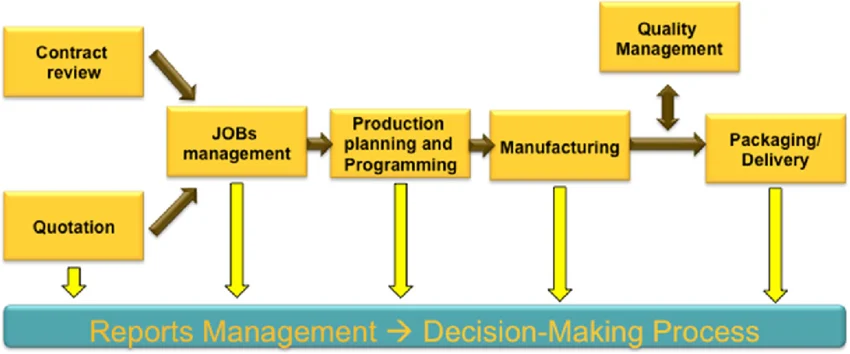
Direct manufacturing control that improves buying confidence
We operate as a manufacturer, which means buyers work with a team that understands how the valve will be built, tested, documented, and released. That creates better coordination during the most sensitive stages of the order. Buyers do not need broad market answers. They need a manufacturer that can confirm what is feasible, what is preferred, and what will support project delivery with fewer risks.
Direct manufacturing control helps buyers with –
- better clarity on feasibility of forged valve requirements
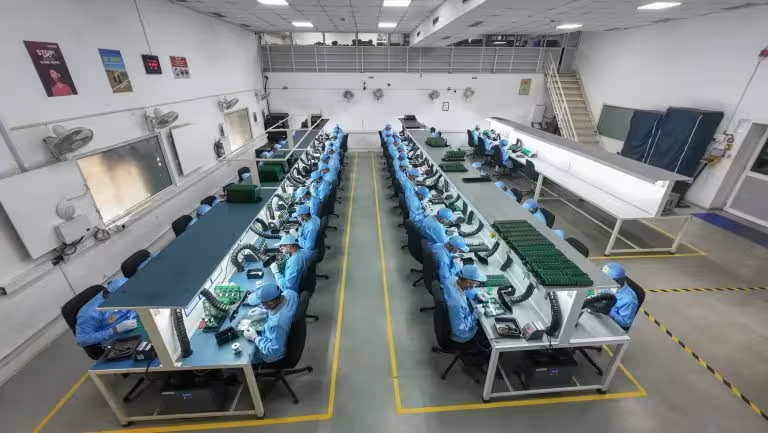
- stronger coordination between engineering, QA, and production
- fewer gaps between quoted scope and manufacturing scope
- faster resolution of technical queries during review stages
- more dependable planning for inspection and final dispatch
That is why buyers looking for a high pressure forged ball valve manufacturer often prefer direct engagement when the requirement is commercially critical.
Customization support for demanding project requirements
A pressure-critical valve order is rarely a standard catalogue item. Buyers often need application-specific details around end connections, operation type, material grade, trim compatibility, testing scope, and documentation package. We support these requirements with a manufacturing-first approach that keeps customization practical and execution-focused.
We commonly support customization around –
- body pattern and valve configuration
- flanged, threaded, socket weld, or butt weld end connections
- manual, gear-operated, or actuated operation
- project-specific material and trim requirements
- inspection, testing, and documentation expectations
This level of support matters because a custom forged ball valve for high pressure oil and gas adds value only when the customization can be manufactured consistently and approved without unnecessary delay.
Documentation readiness that reduces approval pressure
Pressure-critical oil and gas projects usually involve strict quality and documentation expectations. A manufacturer must be prepared to support traceability, test records, material certification, and review-stage documentation in a way that reduces approval pressure on the buyer. We support this requirement as part of the manufacturing process, not as an afterthought.
Buyers value this support because it helps with –
- documentation aligned to project and client expectations
- material traceability support for critical applications
- smoother coordination during third-party inspection
- better readiness for testing and release documentation
- reduced back-and-forth during approval stages
This becomes even more important when the selected valve is a custom forged ball valve for high pressure oil and gas, because the review level is often stricter and the commercial cost of delay is higher.
Faster alignment across procurement, QA, and production
A major reason projects slow down is weak coordination between the people buying the valve, the people approving the valve, and the people manufacturing the valve. We reduce this gap by supporting cross-functional alignment from early enquiry through final release. Buyers do not have to spend extra time translating commercial requirements into manufacturing language or quality expectations into production follow-ups.
We help create faster alignment through –
- clearer technical-commercial discussions during RFQ stage
- practical feedback on body route and configuration decisions
- coordinated support across engineering, QA, and production
- quicker response to project review and inspection requirements
- better control over execution at order stage
That coordination gives buyers better control over procurement outcomes, especially when project schedules are tight and approval timelines are already under pressure.
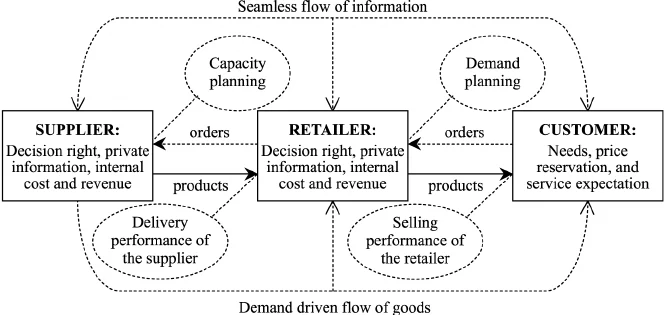
Lower sourcing uncertainty in high-pressure projects
A high pressure forged ball valve manufacturer must do more than produce hardware. The manufacturer must make it easier for the buyer to move from specification to approved supply without unnecessary uncertainty. We support that role by combining project understanding with manufacturing discipline.
Buyers choose us because we help reduce –
- uncertainty in body route selection
- risk during technical-commercial approval
- delays linked to weak documentation support
- confusion between customization request and production feasibility
- commercial exposure caused by poor execution planning
That is the value we bring to pressure-critical oil and gas procurement. Buyers work with us not only to purchase a valve, but to secure a manufacturing-backed solution that supports approval confidence, production discipline, and smoother project execution.
Conclusion
Body route decisions in high-pressure oil and gas service should be based on approval confidence, production stability, and total commercial risk. A custom forged ball valve for high pressure oil and gas remains the stronger choice for many critical applications where service severity and review expectations are high.
A proper cast body vs forged body ball valve selection should focus on manufacturing control, documentation readiness, inspection support, and lifecycle confidence. Buyers comparing forged steel vs cast steel valve body differences usually make better decisions when they evaluate total project exposure, not just initial cost.
For a manufacturing-ready recommendation on forged or cast body selection, contact Frigate with your project specification.