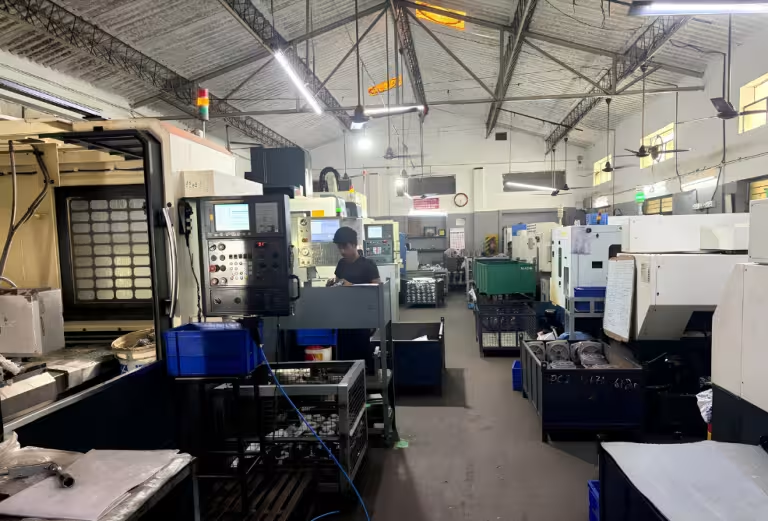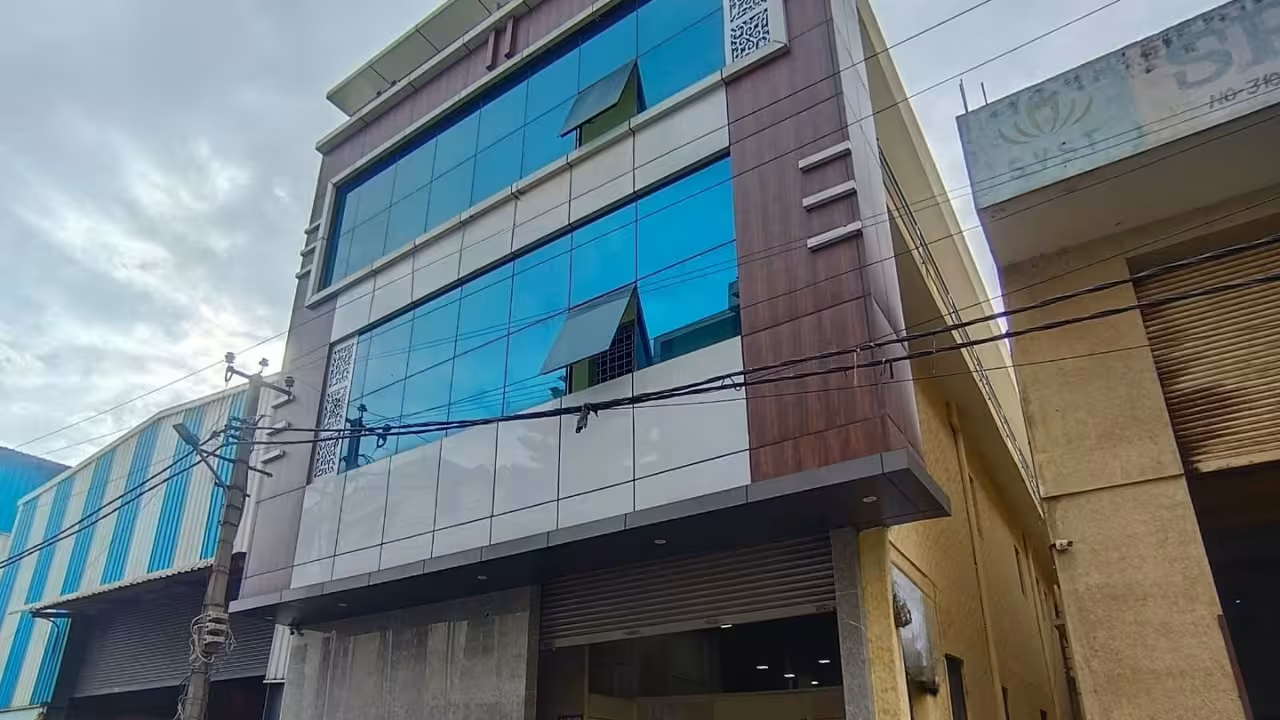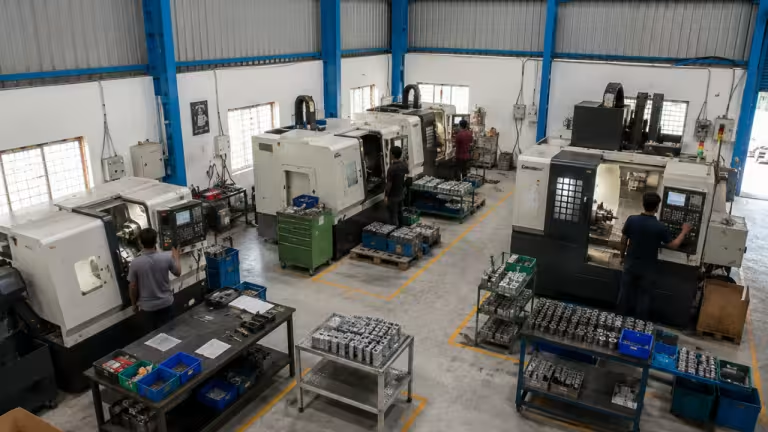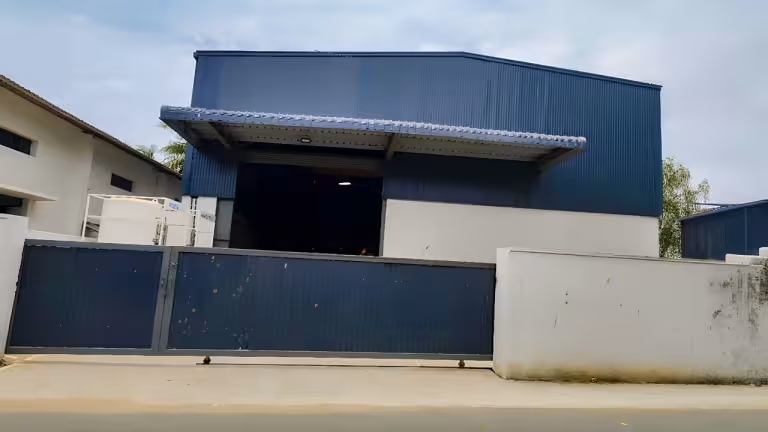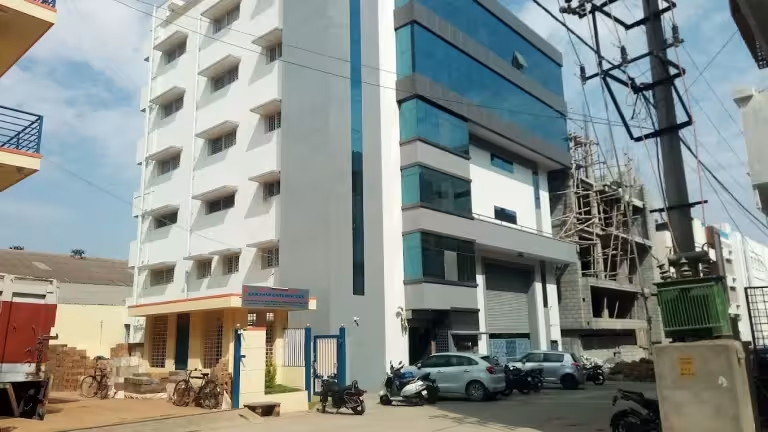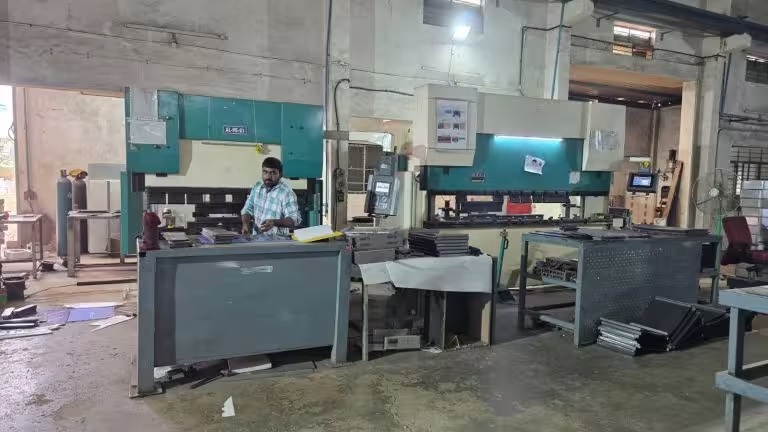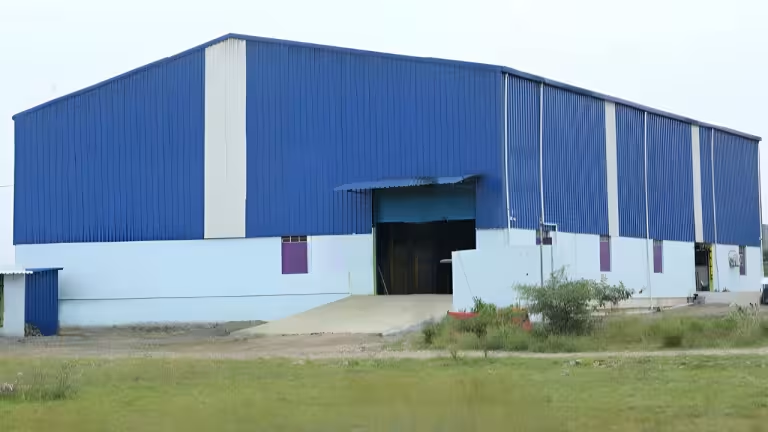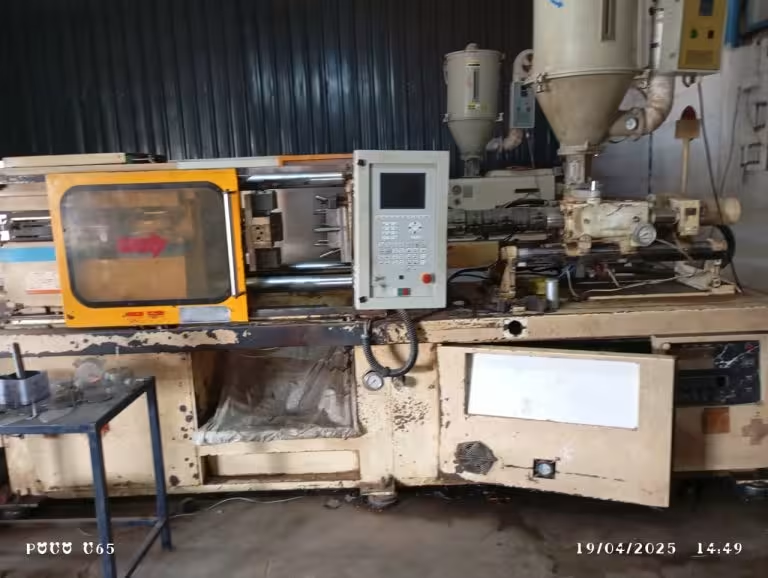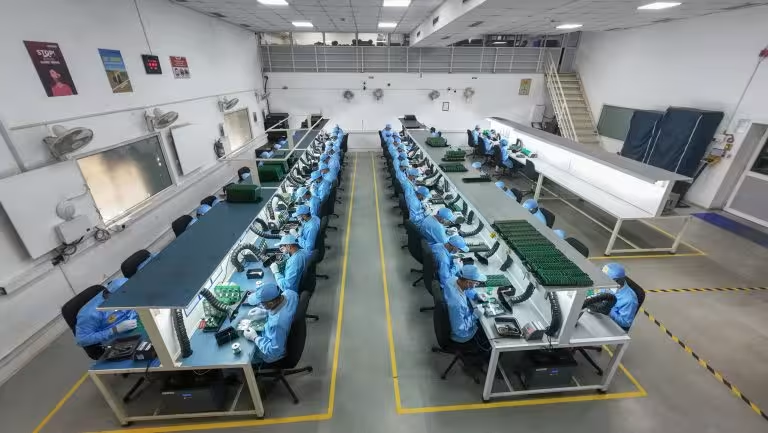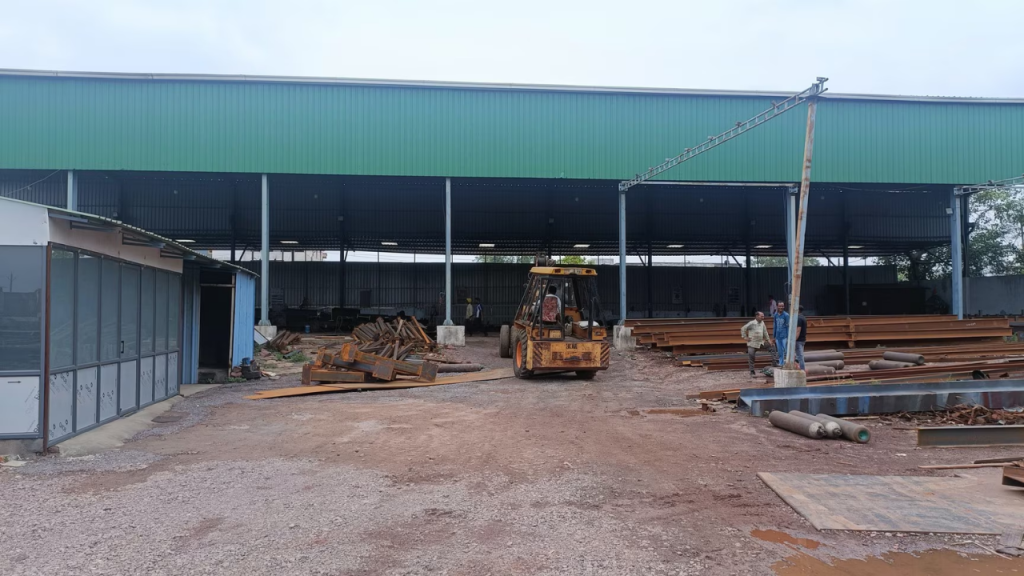
High-precision manufacturing capabilities for metal, plastic, electrical, and assembly requirements.
Manufacturing support for precision parts, assemblies, and production-ready components across demanding industries.
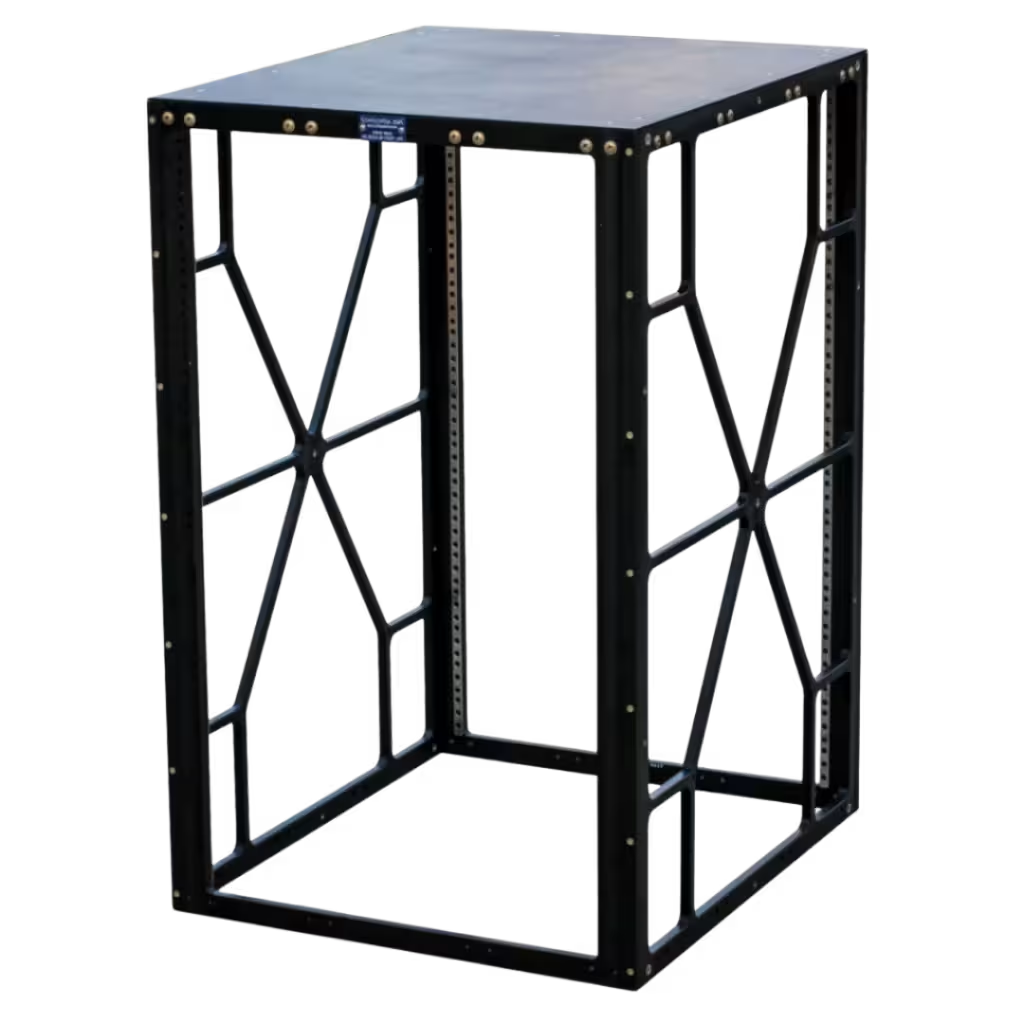
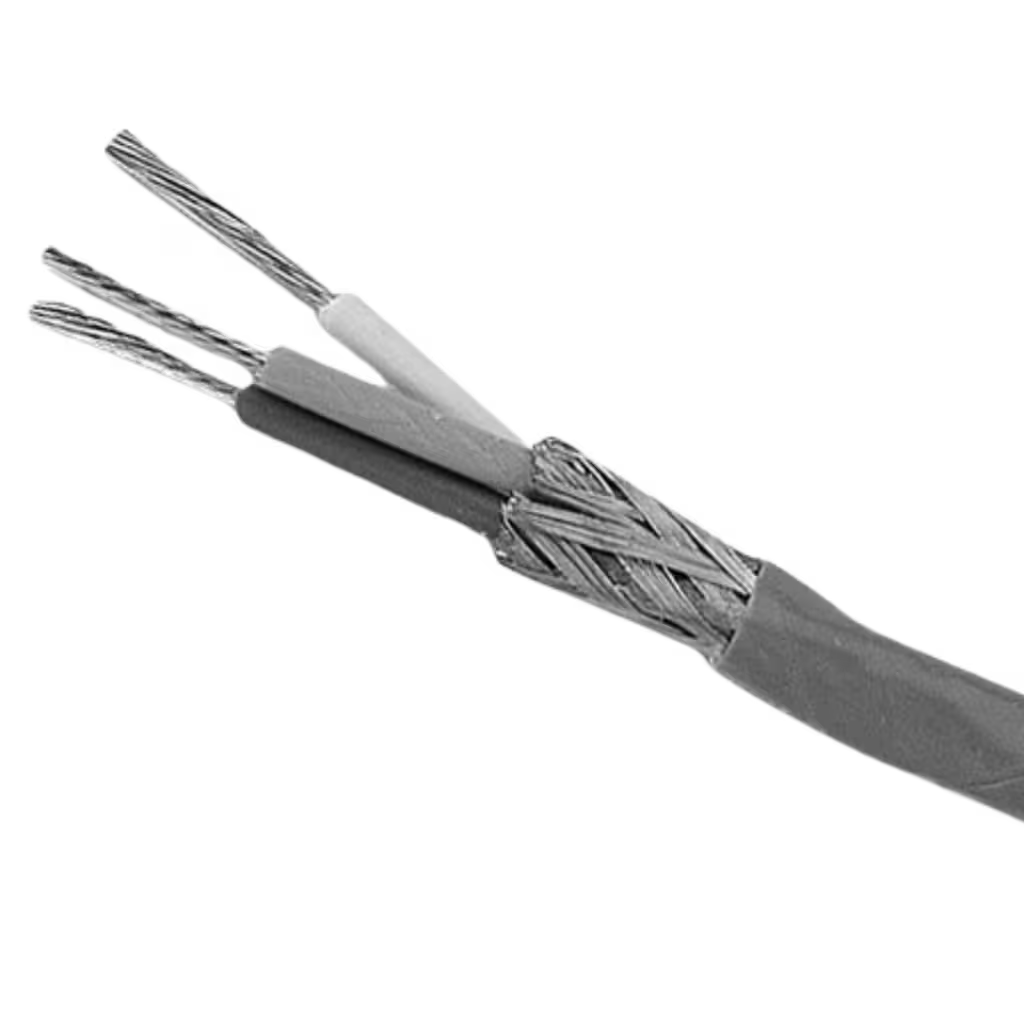
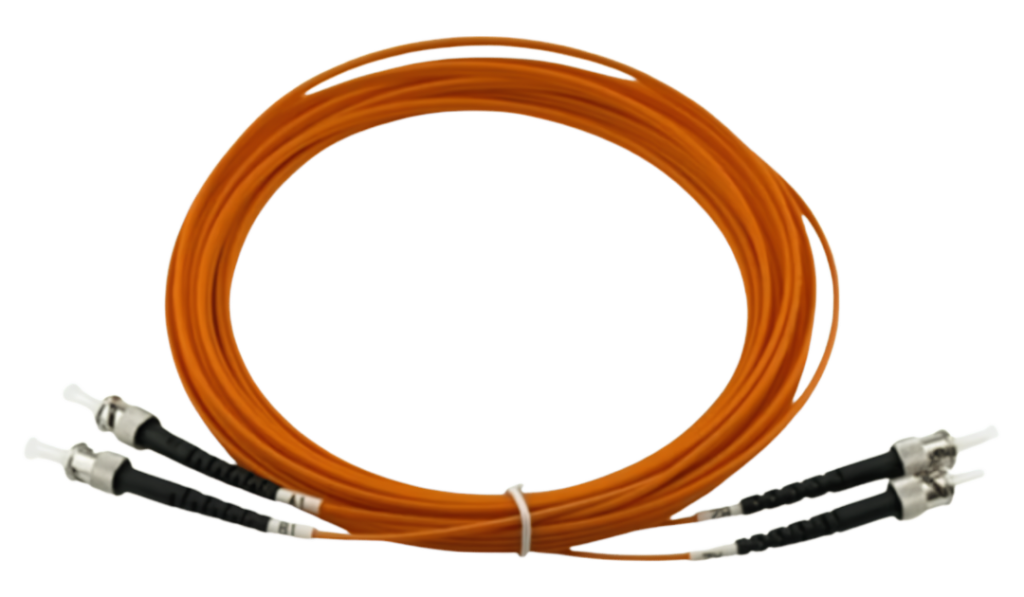
Manufacturing support for enclosures, Bento Box assemblies, cables, wiring harnesses, and BESS components.
High-strength fasteners, landing gear parts, and structural assemblies.
Metal frames, brackets, and assemblies for appliances and home equipment.
Forged housings, armor brackets, and mission-critical structural parts.
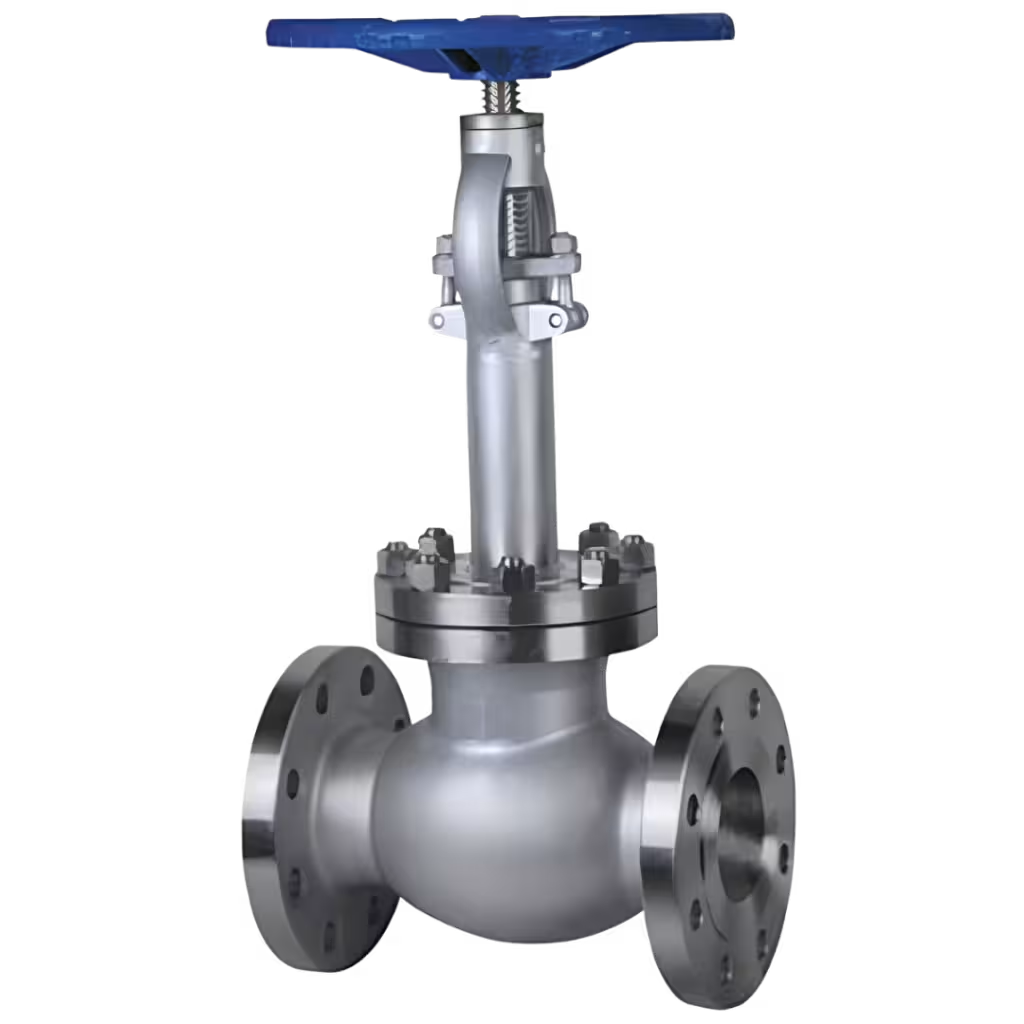
Valve bodies, flange blocks, and downhole drilling components.
Solar mounting parts, wind turbine brackets, and battery enclosures.
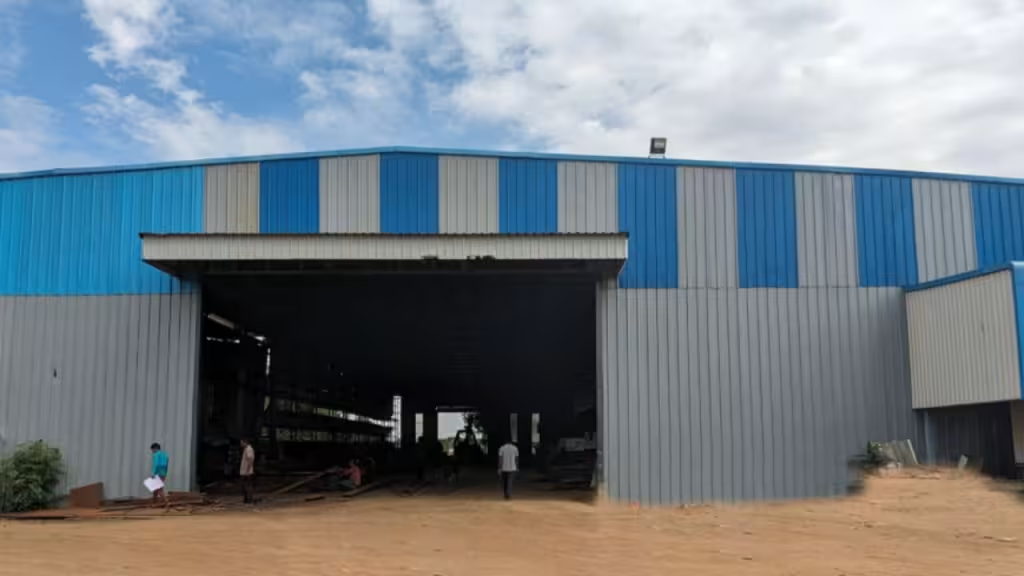
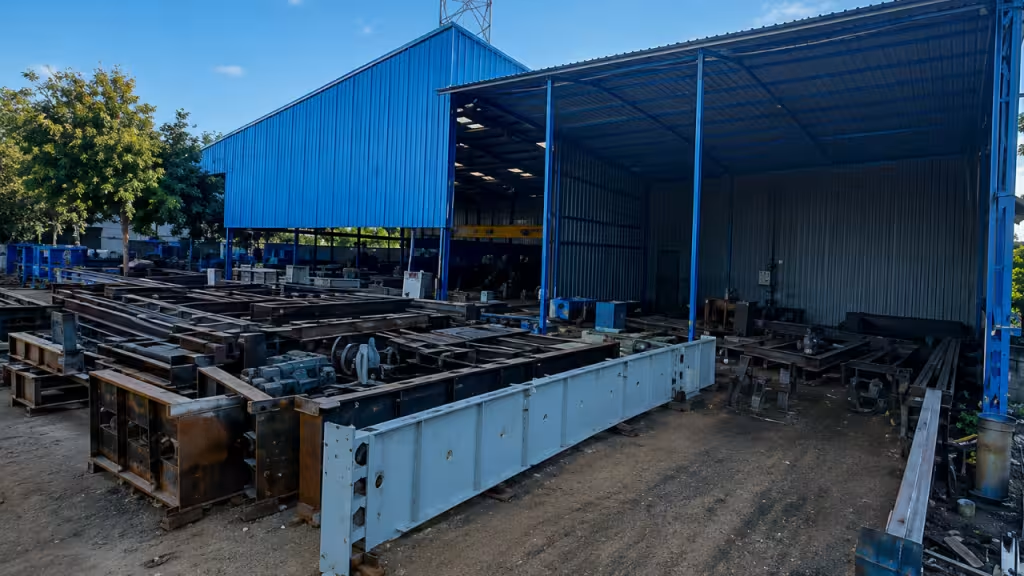
Large welded frames, PEB structures, and assemblies for industrial equipment.
Copper or aluminum alloys for optimal conductivity and strength.
5-15 microns to ensure good solderability and corrosion resistance.
Customizable thickness from 5 mm to 20 mm for different applications.
Customizable width from 20 mm to 150 mm to suit various designs.
Copper: 58-60 MS/m, Aluminum: 35-37 MS/m for efficient power transmission.
The integration of water cooling allows for compact designs without sacrificing performance. This approach reduces the need for additional cooling mechanisms, saving space and energy. Water cooled busbars are particularly suited for applications requiring continuous operation, where thermal stability directly impacts system longevity and safety.
Copper: 390 W/m·K, Aluminum: 235 W/m·K for effective heat dissipation.
Up to 1000 V DC/AC for high-voltage power transmission applications.
Up to 10,000 A depending on the busbar design and material.
Operates from -40°C to +150°C under varying environmental conditions.
High resistance to corrosion from water, salt, and humidity.
Copper: 210 MPa, Aluminum: 140 MPa tensile strength for durability.
>90% adhesion for improved performance and longevity in harsh environments.
Smooth, electroplated or brushed finish for better electrical contact.
Custom lengths, shapes, and cooling channels for tailored solutions.
Meets RoHS, IEC 60947-1, UL 94V-0, ISO 9001:2015 for safety standards.
Water-cooled busbars also offer exceptional electrical conductivity, ensuring that voltage drop is kept to an absolute minimum and current capacity is maximized. The use of high-quality conductive materials such as copper or aluminum, combined with water’s cooling efficiency, guarantees stable and reliable performance even under demanding load conditions. The integrated cooling system also minimizes the need for bulky air-conditioning units or heat sinks, which would otherwise take up valuable space and increase energy consumption.
The robustness and durability of these busbars further enhance their value, offering a long lifespan and consistent performance over time. Their resistance to corrosion, particularly in harsh or high-humidity environments, ensures they remain operational for years, even under challenging conditions. Whether used in electrical substations, data centers, or electric vehicle charging infrastructure, water-cooled busbars provide a reliable, compact, and efficient solution to today’s high-power electrical needs.
Need reliable Bus Bars for your next project? Get in touch with us today, and we’ll help you find exactly what you need!
These buses ensure efficient thermal management for continuous DC power transmission with minimal voltage drop across large-scale substations.
Water cooled busbars effectively manage heat in high-frequency inverters and converters used for precise power modulation in industrial applications.
These systems facilitate stable and efficient power transmission for electromagnetic propulsion systems with minimal thermal load under high-speed operations.
Used in high-voltage power systems to minimize heat in the power delivery of resonant transformers.
Cooling for high-capacity busbars in large battery energy storage systems to prevent thermal runaways during high discharge cycles.
Enables efficient power handling in naval propulsion systems, ensuring thermal stability during long-duration operations.
The design of water cooled busbars also supports high current capacities while minimizing the physical space required for heat management. The compact nature of these systems allows for greater flexibility in installation and design, even in limited spaces. Their ability to handle high currents without excessive heating reduces the need for complex cooling systems, offering a more streamlined and cost-effective solution.
Additionally, water cooled busbars reduce the need for external cooling mechanisms like fans or air conditioning, which can be noisy, bulky, and energy-consuming. By utilizing water as a cooling medium, these busbars provide a more energy-efficient and environmentally friendly solution, reducing the overall carbon footprint of electrical systems.
Check all our Frequently Asked Question
Water cooled busbars use water as a heat transfer medium, which has a much higher thermal conductivity than air. This allows for more efficient heat removal from the busbar, ensuring that high current loads can be handled without excessive temperature rise, reducing the risk of overheating and component failure.
Water cooled busbars are usually made from copper or aluminum alloys due to their excellent electrical conductivity and ability to handle high currents. The cooling channels are typically made from materials like stainless steel, which is corrosion-resistant, ensuring durability and long-lasting performance in harsh environments.
The water flow rate through the cooling channels is critical to the busbar’s thermal performance. A higher flow rate allows for faster heat removal, ensuring the system stays within its optimal temperature range. Insufficient water flow can lead to inadequate cooling, causing the busbar to overheat and potentially compromising the entire electrical system.
Pressure plays a key role in ensuring the consistent flow of water through the cooling channels. In water cooled busbars, pressure is carefully controlled to prevent leaks and ensure an even coolant distribution. Pressure regulators and expansion tanks are used to maintain stable system pressure, optimize cooling efficiency, and prevent damage from thermal expansion.
To prevent corrosion, water-cooled busbars are designed with corrosion-resistant materials like stainless steel or coated with protective layers. The water used in the system is typically treated to reduce mineral content and prevent buildup that could lead to corrosion. Additionally, the system may incorporate monitoring sensors to detect any signs of corrosion or leakage, ensuring the busbars remain effective over time.
Submit the form below and our representative will be in touch shortly.
10-A, First Floor, V.V Complex, Prakash Nagar, Thiruverumbur, Trichy-620013, Tamil Nadu, India.
9/1, Poonthottam Nagar, Ramanandha Nagar, Saravanampatti, Coimbatore-641035, Tamil Nadu, India. ㅤ
10-A, First Floor, V.V Complex, Prakash Nagar, Thiruverumbur, Trichy-620013, Tamil Nadu, India.
Need reliable wires and cables for your next project? Get in touch with us today, and we’ll help you find exactly what you need!
Need reliable Machining for your next project? Get in touch with us today, and we’ll help you find exactly what you need!