




Construction equipment works harder than most industrial machines. Excavators strike rock repeatedly. Loaders lift tons of material every hour. Drilling rigs operate under constant vibration. Every moving component carries load, absorbs shock, and resists wear at the same time.
Failure is rarely sudden. Damage builds slowly. Microscopic cracks form due to cyclic stress. Surface wear increases friction. Corrosion reduces cross-sectional strength. Eventually, performance drops or a breakdown occurs. Industry data shows that nearly 60% of heavy equipment failures relate to wear, fatigue, or material defects. Downtime costs often exceed $1,000 per hour per machine, depending on project scale.
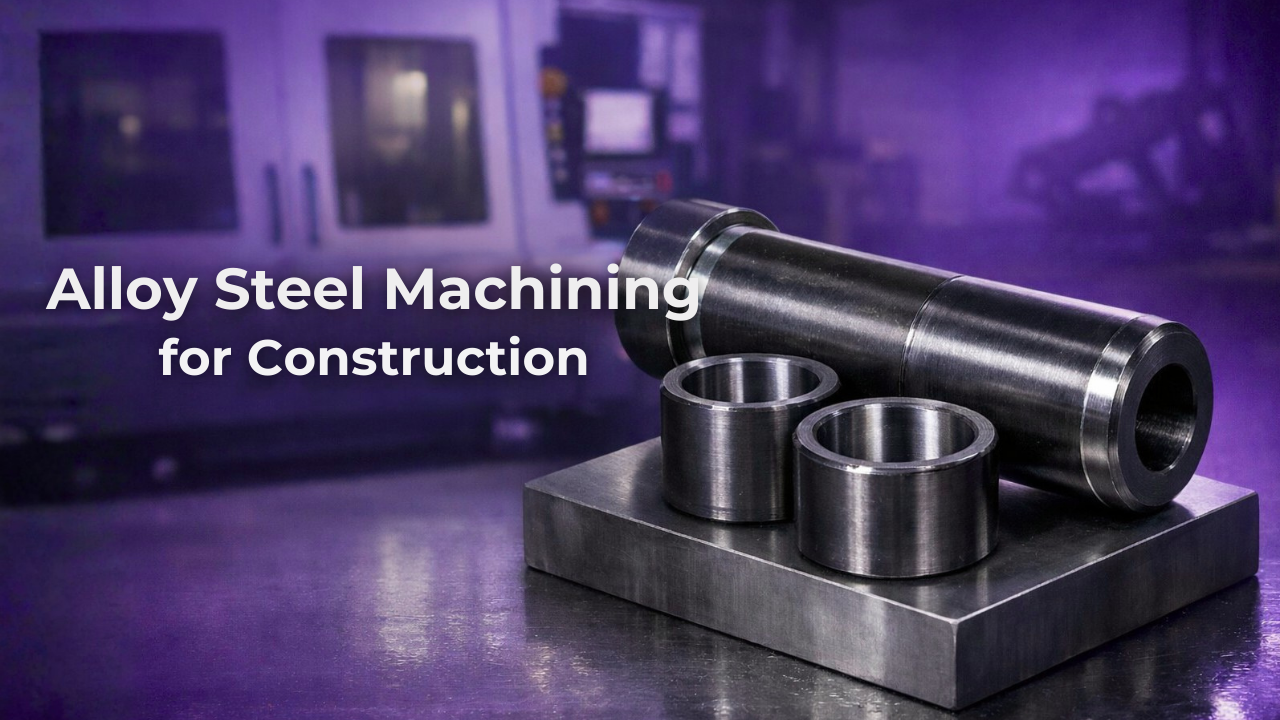
Durability therefore becomes a strategic engineering priority. Alloy Steel Machining for Construction determines how well components survive extreme environments. Strength alone is not enough. Proper machining, surface control, and inspection ensure that alloy steel performs reliably throughout its service life.
This discussion explores the technical durability requirements associated with Alloy Steel Machining for Construction, focusing on material science, machining precision, surface integrity, quality control, and long-term cost considerations.
Why Does Durability Matter So Much in Construction Equipment Components?
Construction machinery operates under complex and repetitive stress cycles. Components experience bending, torsion, compression, and impact in rapid succession. These forces generate fatigue over time.
Operating conditions typically include –
- Heavy impact from digging and loading
- Continuous vibration from engines and hydraulics
- Abrasive contact with sand, gravel, and rock
- Exposure to moisture, mud, and chemicals
- Wide temperature fluctuations
Each condition accelerates wear or crack formation. Fatigue cracks often start at stress concentration points such as machining marks, sharp corners, or surface defects.
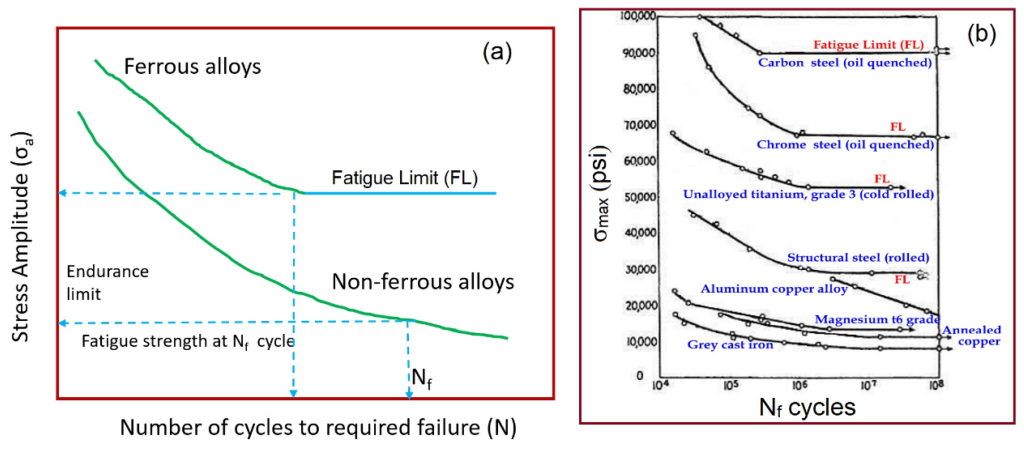
Durability within Alloy Steel Machining for Construction depends on achieving –
- High tensile and yield strength
- Adequate impact toughness
- Strong fatigue resistance
- Controlled hardness for wear performance
- Stable dimensional accuracy under load
Improper machining can introduce tensile residual stresses. Those stresses reduce fatigue life significantly. A small surface imperfection can reduce fatigue strength by 20% or more.
Reduced durability leads to frequent maintenance, higher replacement costs, and operational downtime. Engineering focus must therefore remain on long-term performance rather than short-term production speed.
How Material Selection Directly Influences Long-Term Performance
Alloy steel grades used in construction equipment must balance strength, toughness, and machinability. Common chromium-molybdenum and nickel-chromium grades such as 4140 and 4340 provide high strength with controlled ductility.
Alloying elements influence mechanical behavior –
- Chromium increases hardness and corrosion resistance
- Molybdenum improves strength at elevated temperatures
- Nickel enhances toughness and impact resistance
- Carbon controls hardness and wear resistance
Correct grade selection within Alloy Steel Machining for Construction depends on load conditions and expected fatigue cycles. High hardness improves wear resistance but may reduce impact toughness. Excessive carbon content may increase brittleness.
Material inconsistency creates additional risk. Variations in chemical composition or heat treatment response alter microstructure. Grain size and phase distribution directly affect fatigue strength.
Reliable durability requires –
- Certified material test reports
- Controlled alloy composition
- Uniform forging quality
- Full traceability of raw material batches
Material defects or inconsistent microstructure may reduce service life by 25–30%. Proper selection ensures predictable mechanical performance under real operating conditions.
What Makes Machining Alloy Steel Technically Challenging?
Alloy steels are stronger and harder than mild steels. Cutting forces are higher. Heat generation increases. Tool wear accelerates. Process control becomes critical.
Several machining variables affect durability during Alloy Steel Machining for Construction.
Tool Performance and Surface Quality
Carbide cutting tools with wear-resistant coatings are commonly used. Progressive tool wear causes –
- Rough surface finish
- Dimensional inaccuracies
- Micro-tearing at the surface
- Increased residual stress
Poor surface finish acts as a stress concentrator. Fatigue cracks often initiate at surface irregularities.
Residual Stress Control
Aggressive machining parameters introduce tensile residual stresses. Tensile stress accelerates crack propagation under cyclic loading.
Control measures include –
- Optimized feed and speed selection
- Balanced depth of cut
- Intermediate stress-relief heat treatment
- Multi-stage roughing and finishing
Compressive residual stress is beneficial, while tensile stress reduces fatigue life.
Thermal Stability
Heat generated during machining alters local microstructure if not controlled. Heat-affected zones may form, leading to localized hardness variation.
Effective cooling strategies involve –
- High-pressure coolant systems
- Controlled spindle speeds
- Stable clamping to minimize vibration
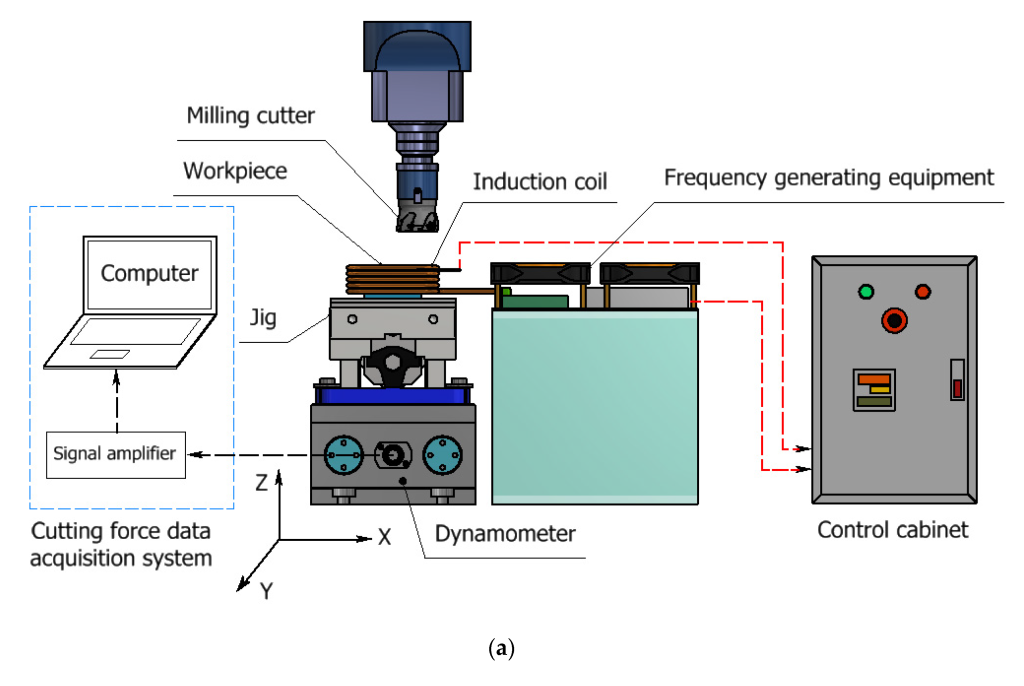
Dimensional tolerances for rotating shafts and pins often remain within ±0.01 mm. Even slight deviations disrupt load distribution.
Precision-driven Alloy Steel Machining for Construction protects structural integrity and fatigue resistance.
Why Surface Integrity and Post-Treatment Define Component Lifespan
Most fatigue failures begin at the surface rather than within the core material. Surface integrity determines how well a component resists crack initiation.
Critical surface parameters include –
- Surface roughness (Ra values)
- Microhardness consistency
- Absence of surface microcracks
- Controlled residual stress profile
Ra values for critical rotating components often remain below 1.6 µm to reduce friction and stress concentration.
Post-machining treatments enhance durability –
- Induction hardening to strengthen wear surfaces
- Case carburizing for improved abrasion resistance
- Shot peening to introduce compressive surface stress
- Precision grinding for improved finish and accuracy
- Protective coatings for corrosion resistance
Shot peening may increase fatigue life by up to 50% by compressing surface layers. Induction hardening provides a hard exterior while maintaining a tough inner core.
Construction environments expose components to moisture and chemicals. Protective treatments slow corrosion and preserve cross-sectional strength.
Surface engineering strengthens the overall effectiveness of Alloy Steel Machining for Construction.
How Quality Control Ensures Predictable Durability
Durability cannot be assumed. Verification through inspection and testing is essential.
Mechanical property testing includes –
- Hardness testing using Rockwell or Brinell scales
- Tensile strength verification
- Yield strength confirmation
- Impact resistance testing
Non-destructive testing methods detect hidden defects –
- Ultrasonic testing for internal discontinuities
- Magnetic particle inspection for surface cracks
- Dye penetrant testing for fine defects
Dimensional inspection uses –
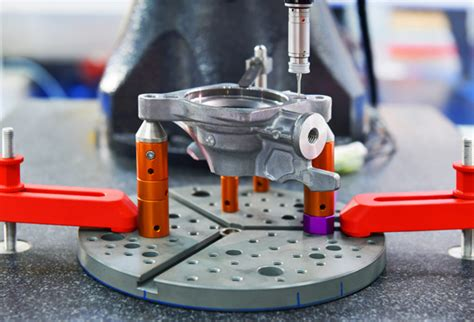
- Coordinate Measuring Machines (CMM)
- Laser measurement systems
- Surface roughness testers
Facilities implementing structured quality management systems report up to 35% lower field failure rates.
Traceability supports consistent Alloy Steel Machining for Construction. Each component must link to its raw material batch, heat treatment record, and machining program.
Process consistency ensures repeatable durability.
Is Lower Cost Really Saving Money in the Long Run?
Cost pressure often drives material or process compromises. However, lifecycle analysis presents a broader picture.
Short-term savings may involve –
- Selecting lower-grade alloy steel
- Reducing heat treatment duration
- Skipping finishing operations
- Limiting inspection procedures
Long-term effects may include –
- Increased part replacement frequency
- Higher maintenance expenses
- Unexpected downtime
- Reduced operational efficiency
Studies indicate that inferior material choices can increase lifecycle cost by 20–25%.
Total cost of ownership considers –
- Component lifespan
- Service intervals
- Replacement expenses
- Downtime impact
Higher precision in Alloy Steel Machining for Construction extends service life and improves overall equipment productivity.
Strategic durability decisions protect long-term margins and operational reliability.
How Frigate Delivers Reliable Alloy Steel Machining for Construction
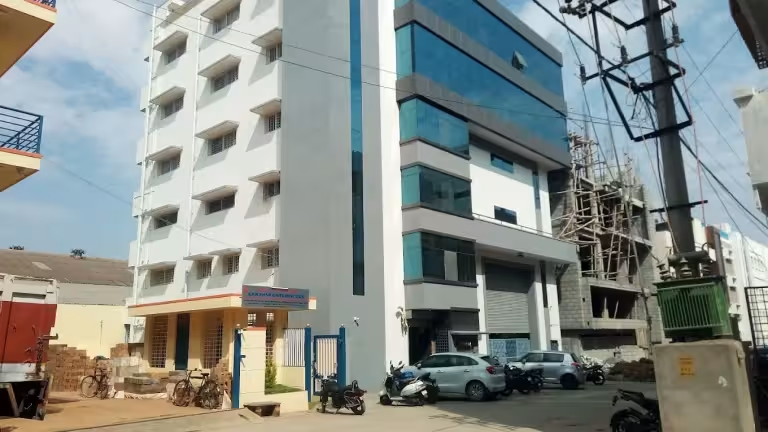
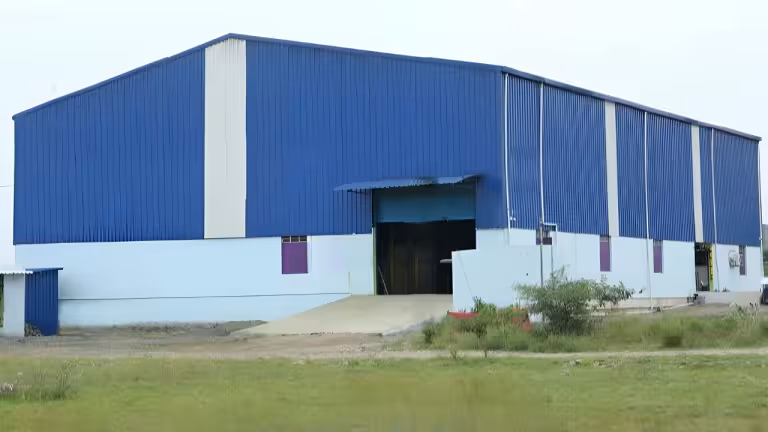
Durability in heavy equipment components is not achieved by material strength alone. It results from disciplined process control, metallurgical understanding, machining precision, and inspection rigor working together. Frigate approaches Alloy Steel Machining for Construction as a controlled engineering system rather than a basic manufacturing activity.
Material behavior under cyclic load, impact stress, and abrasive exposure is carefully evaluated before production begins. Process planning aligns raw material properties, machining strategy, heat treatment sequence, and surface enhancement to ensure predictable field performance.
Material Expertise and Controlled Sourcing
Reliable performance begins with verified raw material quality. Frigate sources alloy steels such as chromium-molybdenum and nickel-chromium grades from certified suppliers. Each batch is supported by Material Test Reports (MTRs) confirming –
- Chemical composition within specified limits
- Mechanical properties including yield and tensile strength
- Heat treatment condition at delivery
- Batch-level traceability
Metallurgical verification ensures uniform grain structure and proper phase distribution. Controlled chemistry prevents unwanted brittleness or inconsistent hardening response. Traceability systems connect each finished component to its original raw material lot, reducing supply chain risk and improving accountability.
Such material discipline strengthens consistency in Alloy Steel Machining for Construction, particularly where fatigue strength and wear resistance are critical.
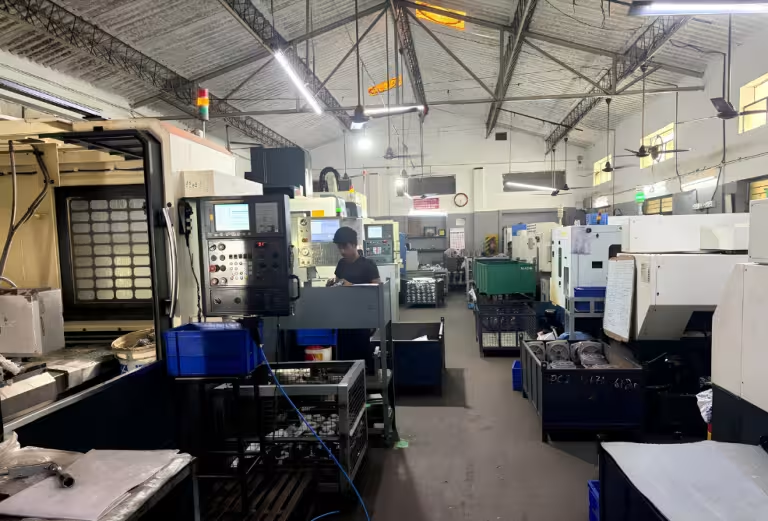
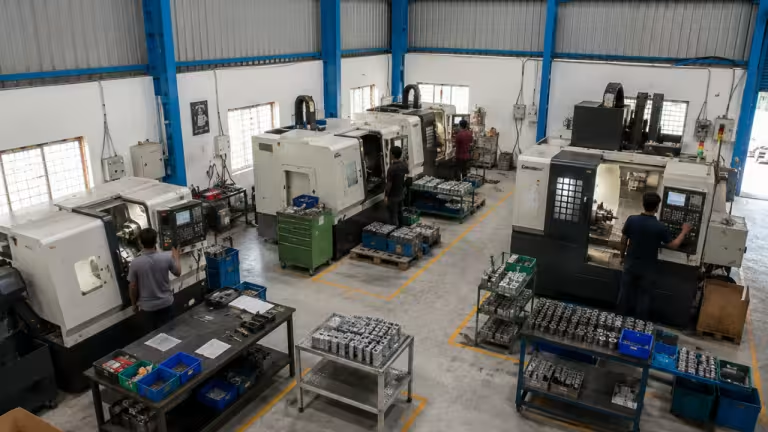
Precision CNC Machining for Structural Integrity
High-strength alloy steels generate significant cutting forces during machining. Improper tool paths or unstable setups can introduce residual stresses and dimensional deviation.
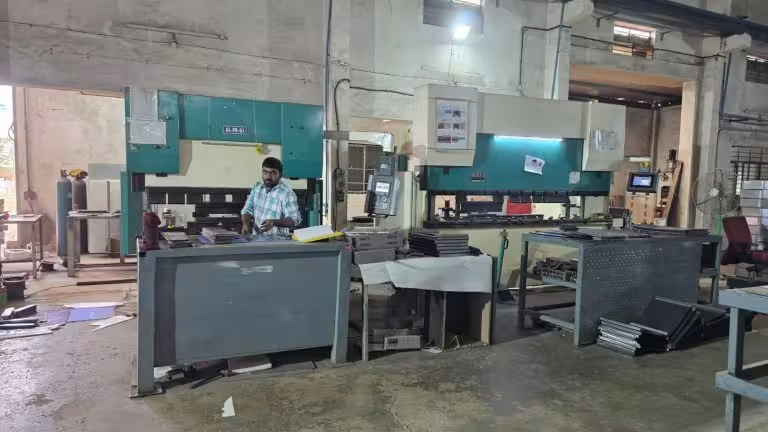
Frigate employs advanced CNC machining platforms capable of maintaining tight tolerances, often within ±0.01 mm for critical rotating and load-bearing components. Precision machining ensures –
- Accurate load distribution across mating parts
- Reduced stress concentration at corners and transitions
- Uniform surface finish to minimize crack initiation points
Tool selection and coating strategies are optimized for hardened alloy steels. Cutting parameters are carefully calibrated to balance productivity and surface integrity. Controlled feed rates and spindle speeds prevent excessive heat buildup.
Process documentation standardizes machining conditions. Consistent parameters reduce variation between batches and maintain repeatable quality in Alloy Steel Machining for Construction applications.
Controlled Heat Treatment for Balanced Mechanical Properties
Heat treatment defines the final mechanical characteristics of alloy steel components. Strength without toughness increases brittleness. Excessive hardness may compromise fatigue life.
Frigate integrates controlled heat treatment cycles that align with the intended load profile of each component. Processes include –
- Quenching and tempering for balanced strength and toughness
- Induction hardening for localized wear resistance
- Case hardening for improved abrasion protection
Temperature monitoring and time control ensure uniform transformation of microstructure. Proper tempering relieves internal stresses created during quenching. Hardness testing validates that surface and core properties meet engineering requirements.
Balanced heat treatment improves fatigue resistance and extends service intervals. Consistency across batches strengthens reliability within Alloy Steel Machining for Construction.
Surface Hardening and Finishing for Fatigue Resistance
Surface integrity strongly influences durability. Most fatigue failures begin at the surface due to stress concentration or micro-defects.
Frigate enhances surface performance through finishing and strengthening processes such as –
- Precision grinding for improved dimensional accuracy
- Shot peening to induce compressive residual stress
- Controlled surface hardening to resist wear
- Protective coatings to reduce corrosion
Shot peening introduces compressive stress layers that slow crack propagation. Grinding removes surface irregularities and improves contact behavior between components. Controlled Ra values reduce friction and abrasive wear.
Such measures significantly increase fatigue life, especially in high-cycle components like shafts, pins, and gears used in construction machinery.
Multi-Stage Inspection and Testing Systems
Durability must be verified at every stage of production. Frigate integrates multi-layered inspection systems to ensure mechanical and dimensional integrity.
Inspection protocols include –
- Hardness testing to confirm heat treatment effectiveness
- Tensile and impact verification when required
- Ultrasonic testing for internal discontinuities
- Magnetic particle inspection for surface cracks
- Coordinate Measuring Machine (CMM) dimensional validation
Statistical process control methods monitor variation trends and prevent deviation before defects occur. Inspection checkpoints are integrated between rough machining, heat treatment, and finishing stages.
Batch documentation and traceability create transparency and accountability. Each component delivered under Alloy Steel Machining for Construction undergoes structured verification to ensure compliance with performance expectations.
Process Stability and Repeatability
Process stability forms the foundation of consistent durability. Variability in machining parameters, tool wear, or thermal cycles can alter fatigue performance.
Frigate maintains production discipline through –
- Documented machining programs
- Tool life monitoring systems
- Calibrated inspection equipment
- Controlled workflow sequencing
Standardized operating procedures minimize process drift. Repeatability reduces rejection rates and ensures uniform performance across high-volume production.
Reliable machining solutions translate into measurable operational benefits –
- Extended component service life
- Reduced unplanned downtime
- Lower maintenance frequency
- Stable and predictable supply continuity
Durability becomes quantifiable through fatigue life testing, hardness validation, and dimensional accuracy metrics.
Conclusion
Construction equipment demands strength, fatigue resistance, and long-term reliability. Durability depends on precise material control, machining accuracy, surface integrity, and strict quality validation.
Alloy Steel Machining for Construction directly influences wear life, structural stability, and operational uptime. Controlled processes ensure consistent and predictable performance.
Frigate delivers dependable Alloy Steel Machining for Construction solutions built for durability and sustained field performance.
Connect with Frigate to strengthen construction equipment reliability through precision-focused machining expertise.