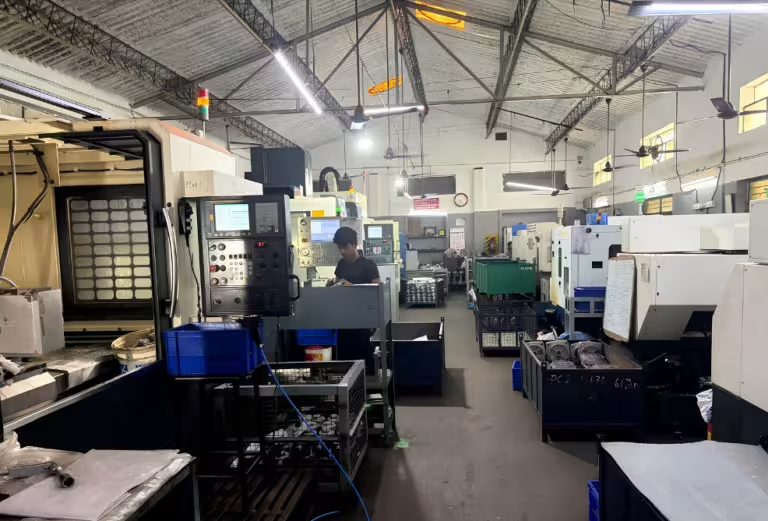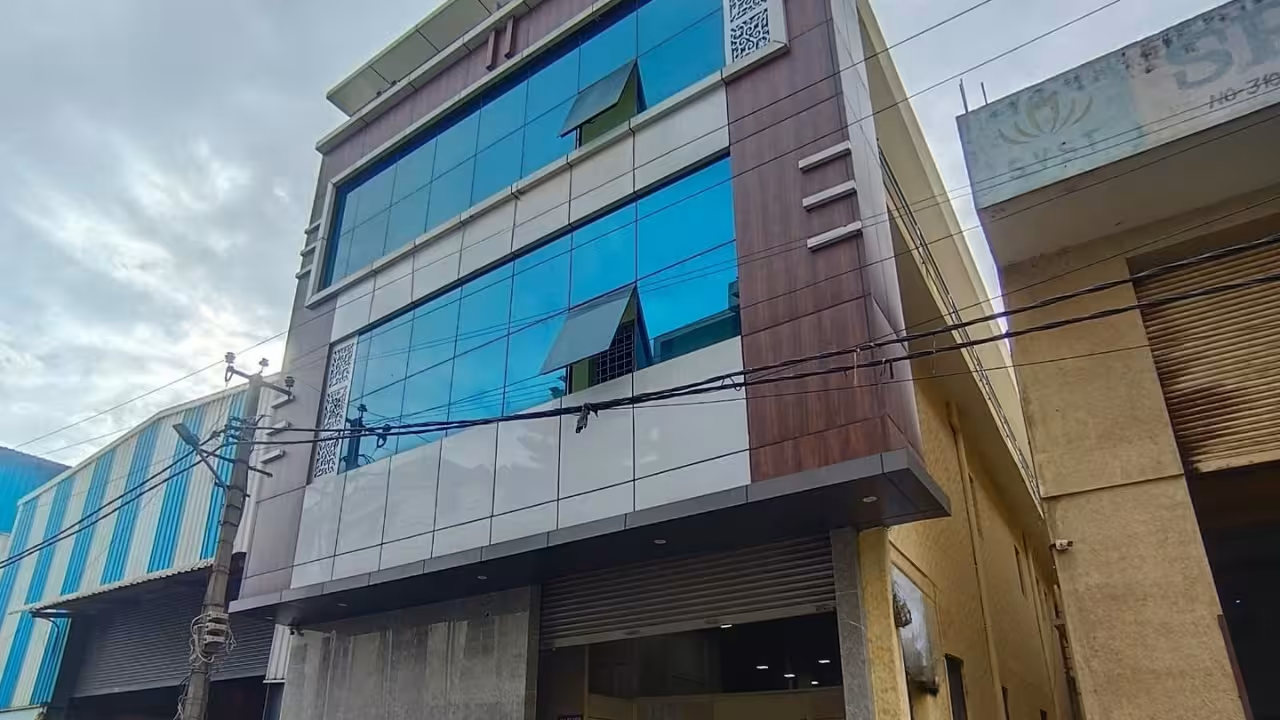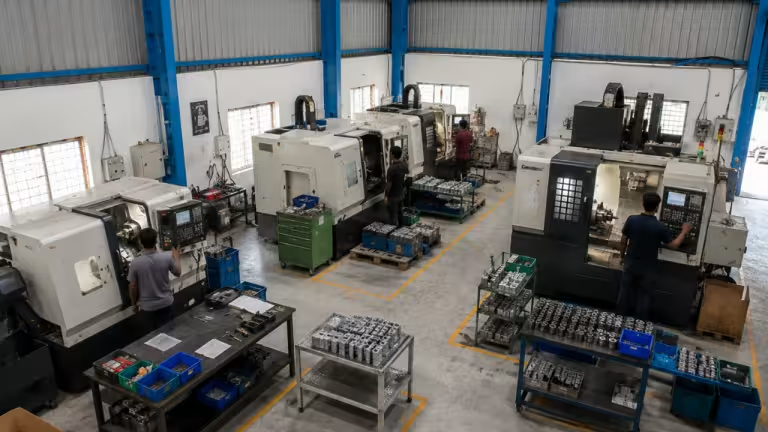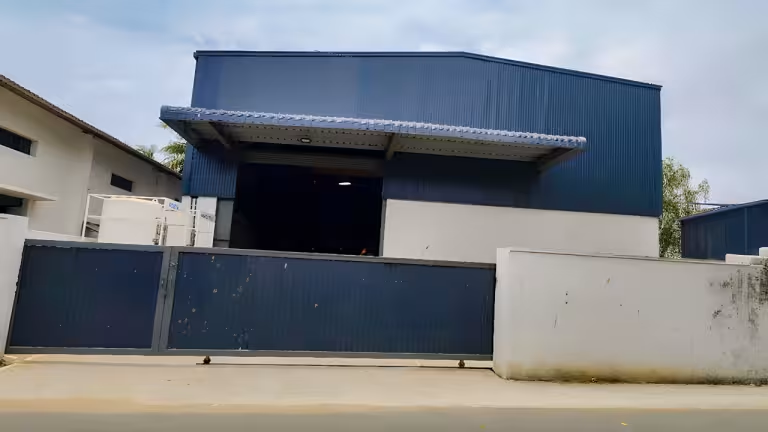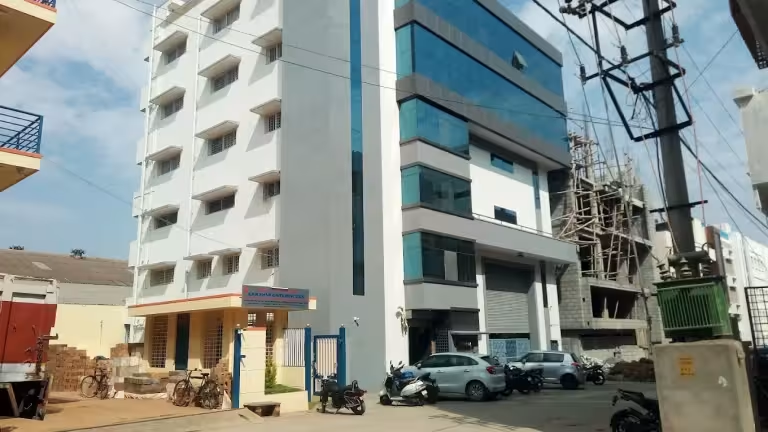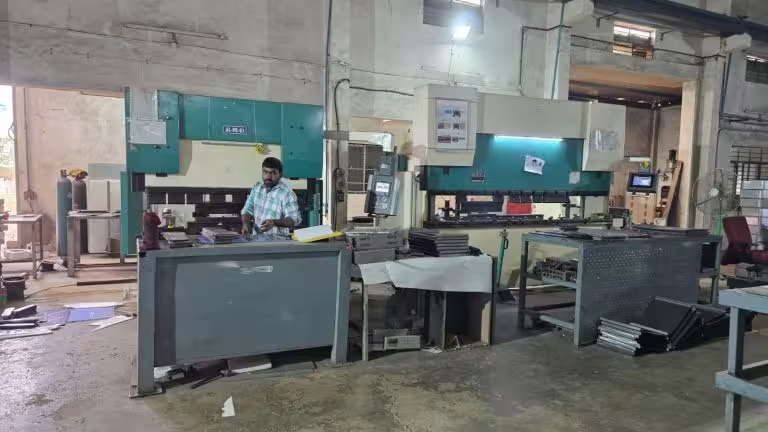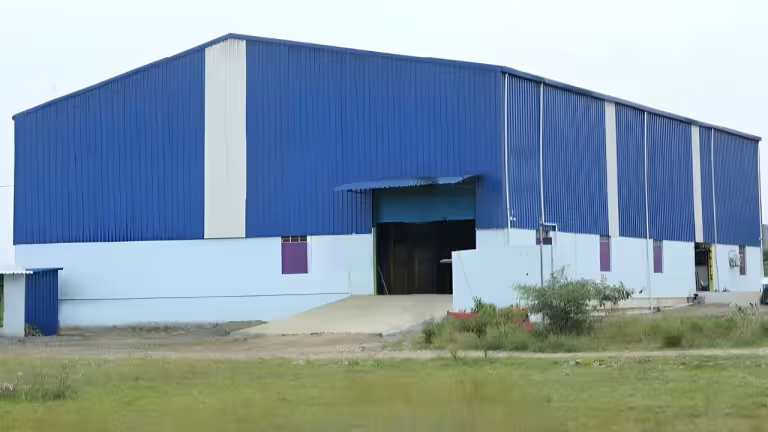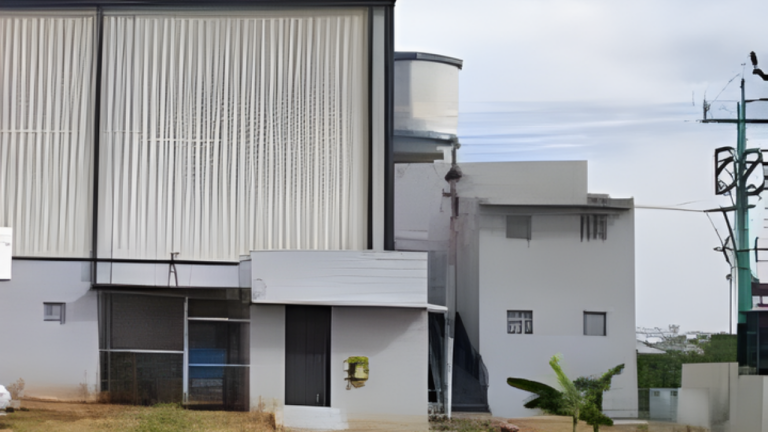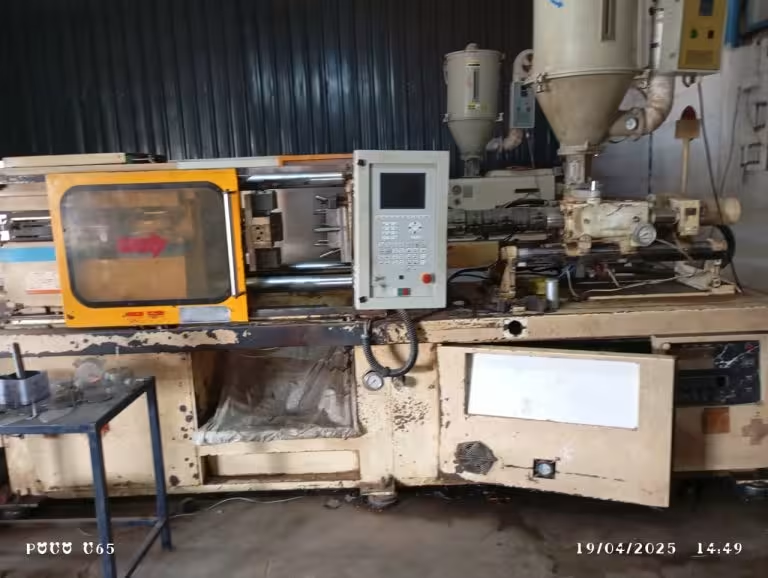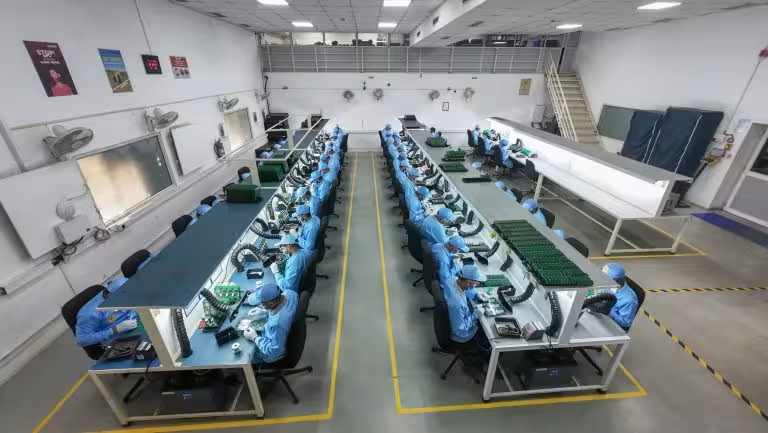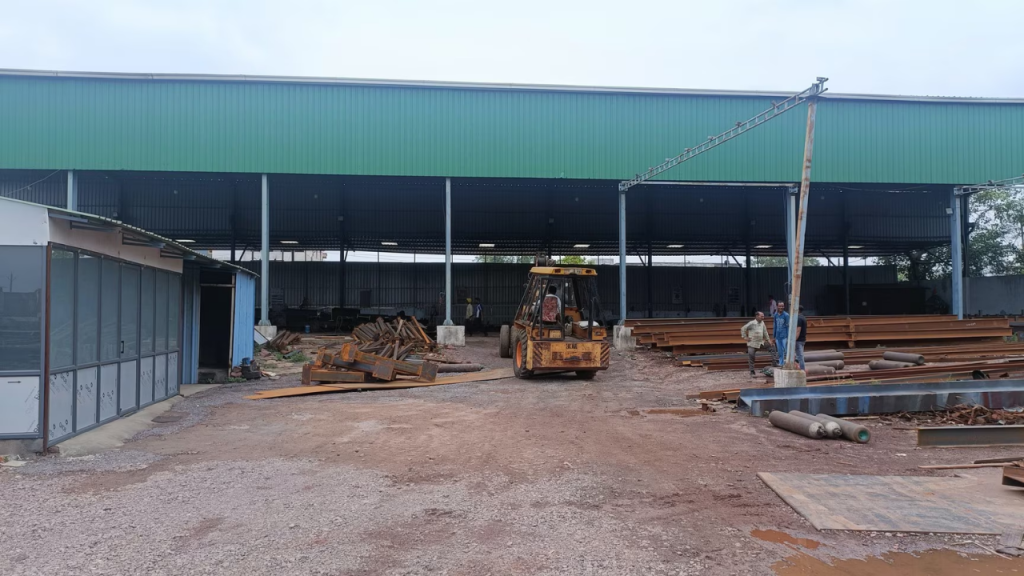
High-precision manufacturing capabilities for metal, plastic, electrical, and assembly requirements.
Manufacturing support for precision parts, assemblies, and production-ready components across demanding industries.
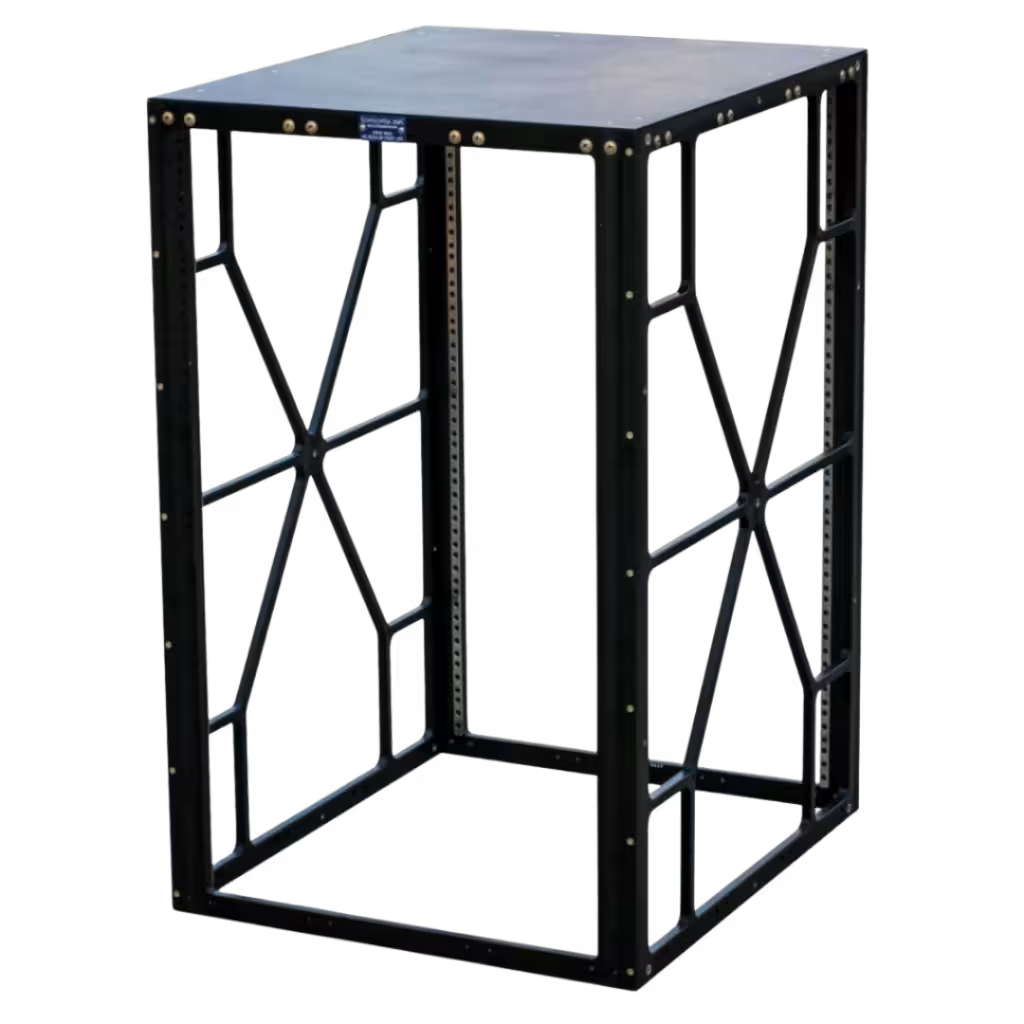
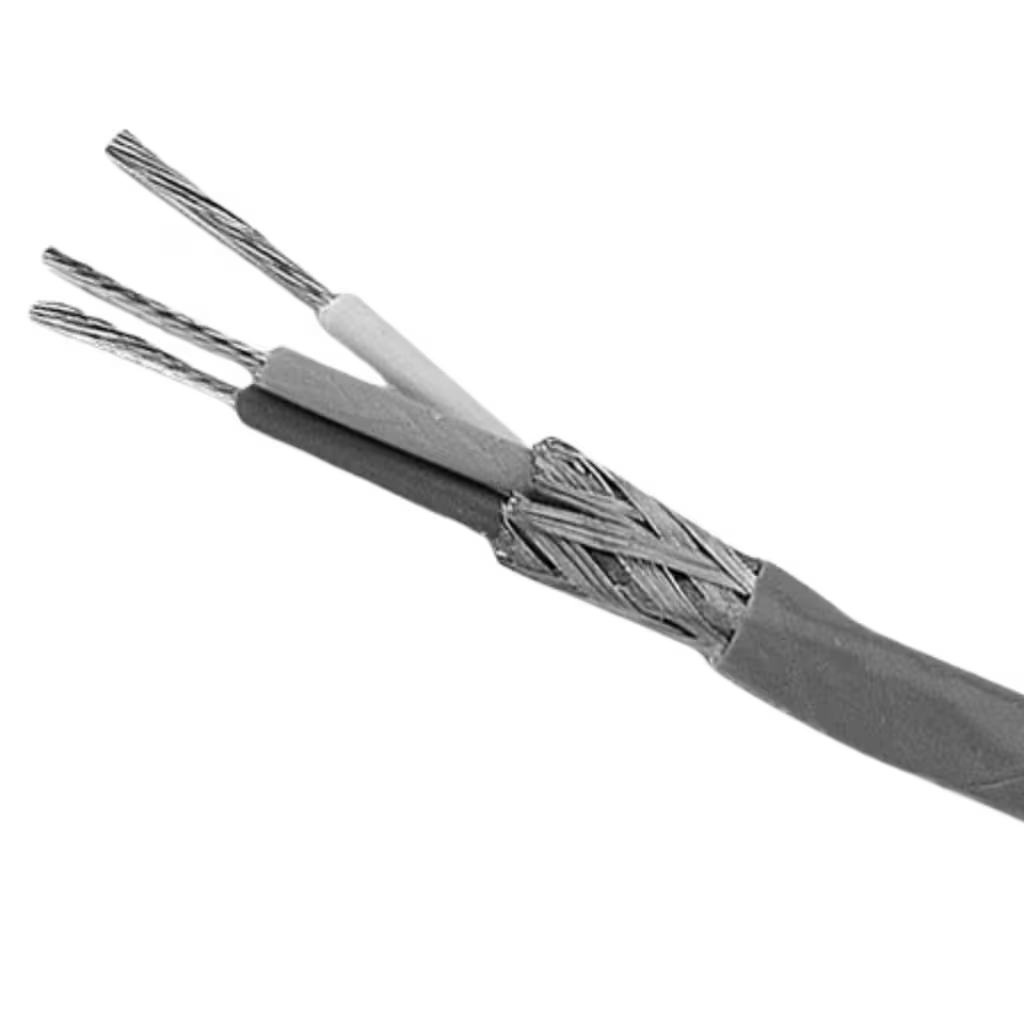
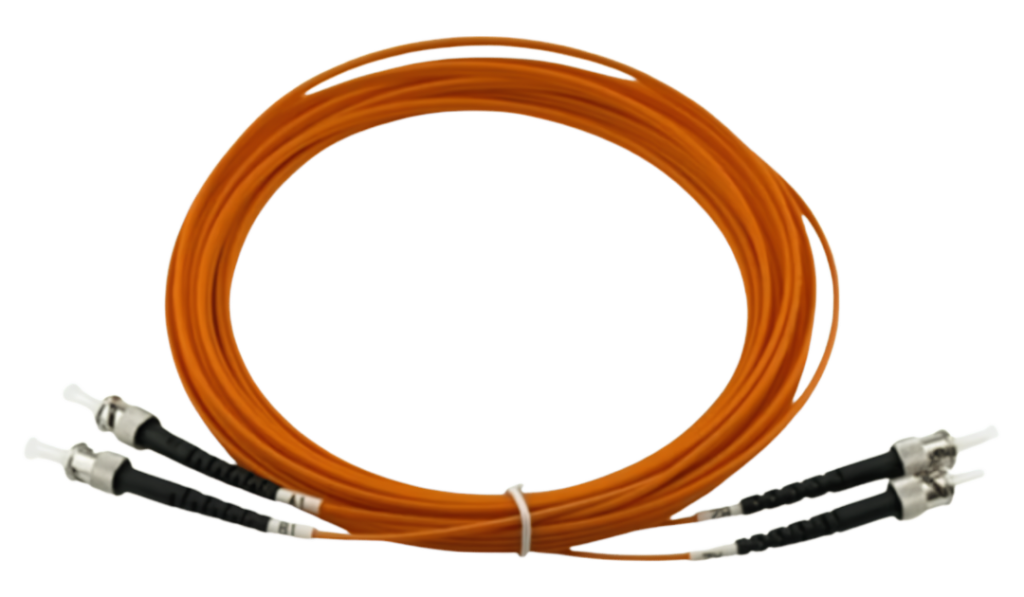
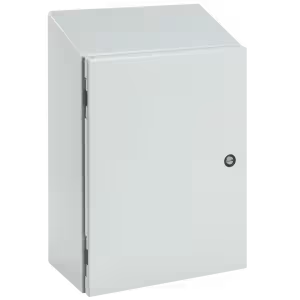
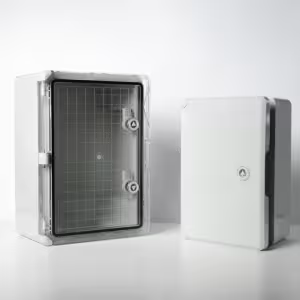
Manufacturing support for enclosures, Bento Box assemblies, cables, wiring harnesses, and BESS components.
High-strength fasteners, landing gear parts, and structural assemblies.
Metal frames, brackets, and assemblies for appliances and home equipment.
Forged housings, armor brackets, and mission-critical structural parts.
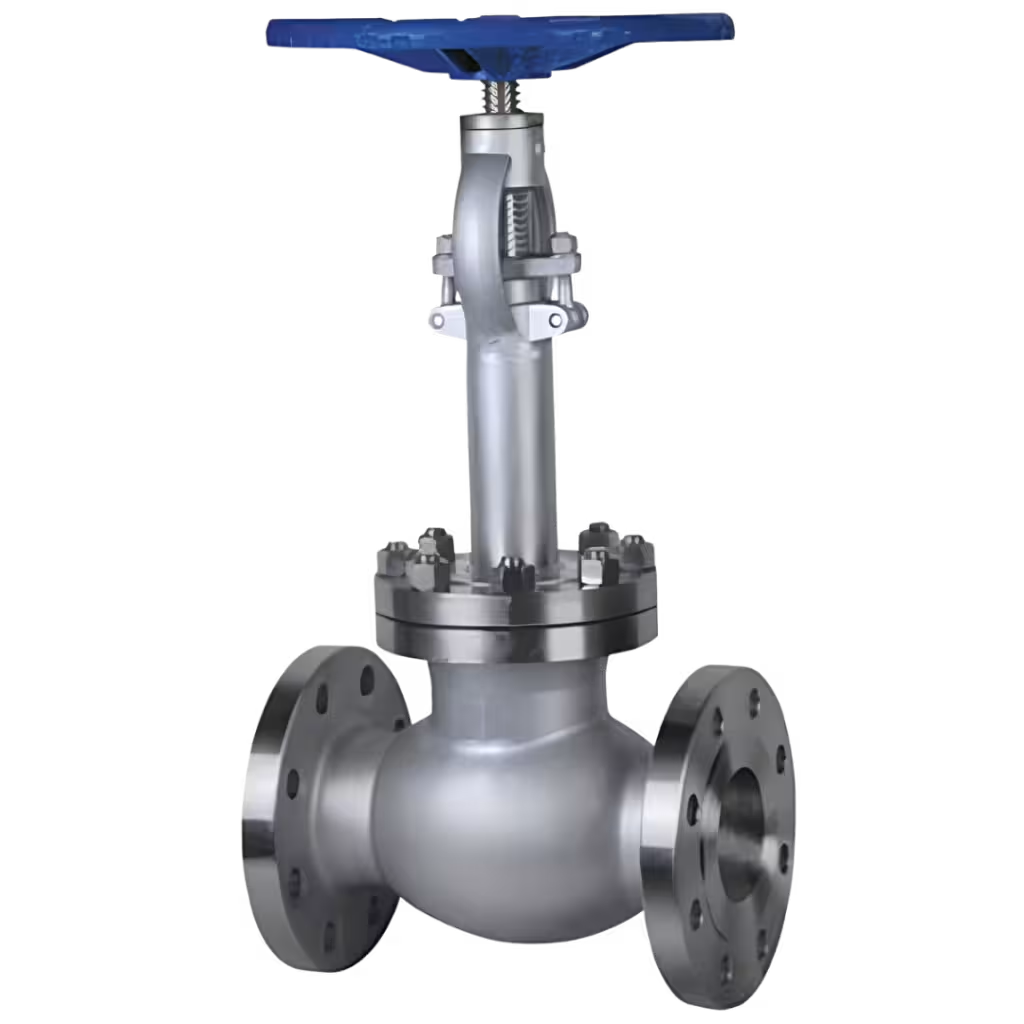
Valve bodies, flange blocks, and downhole drilling components.
Solar mounting parts, wind turbine brackets, and battery enclosures.
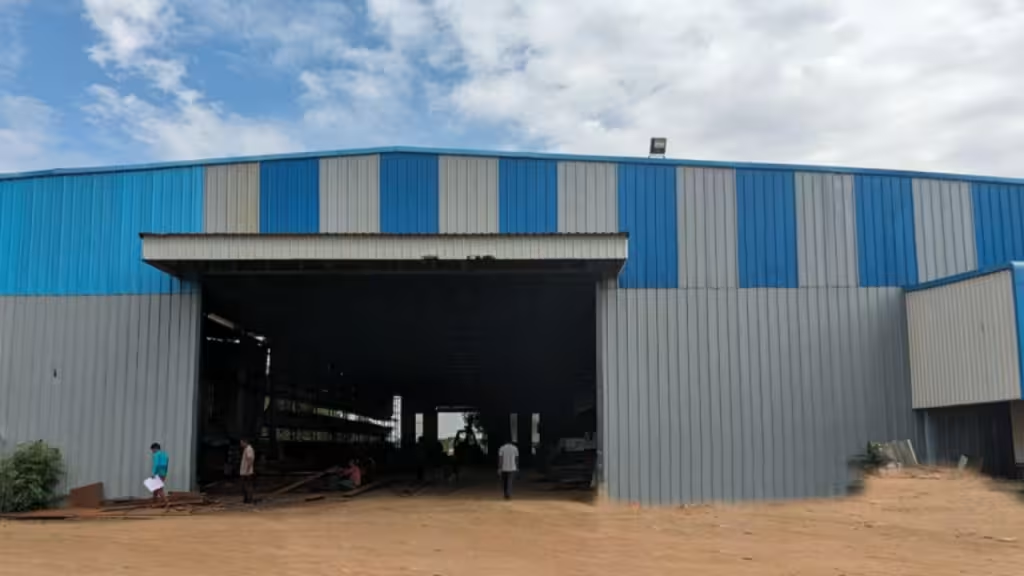
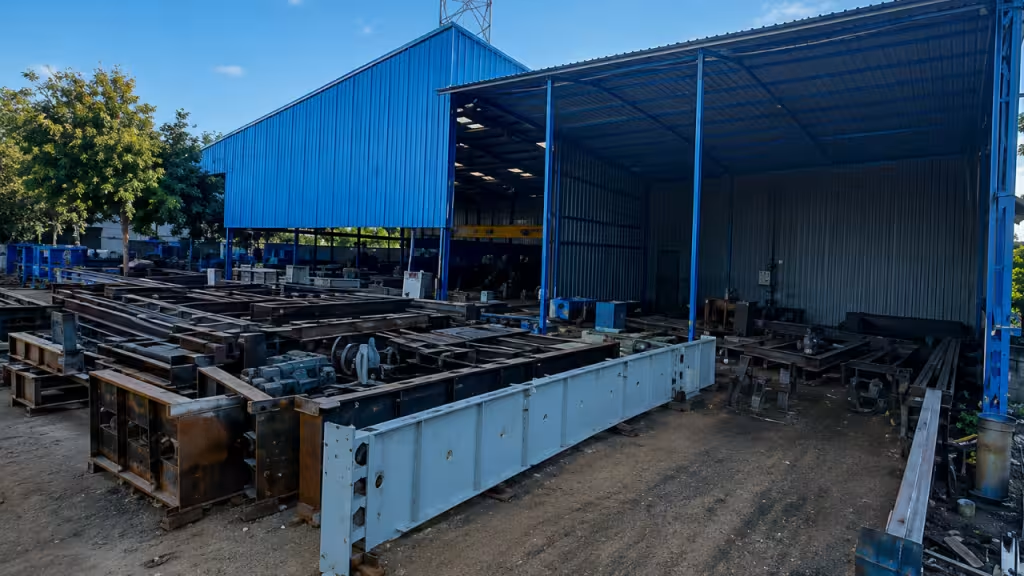
Large welded frames, PEB structures, and assemblies for industrial equipment.
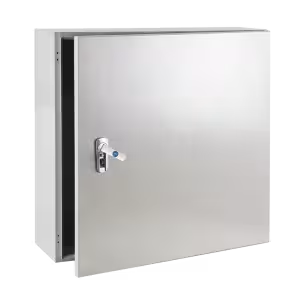
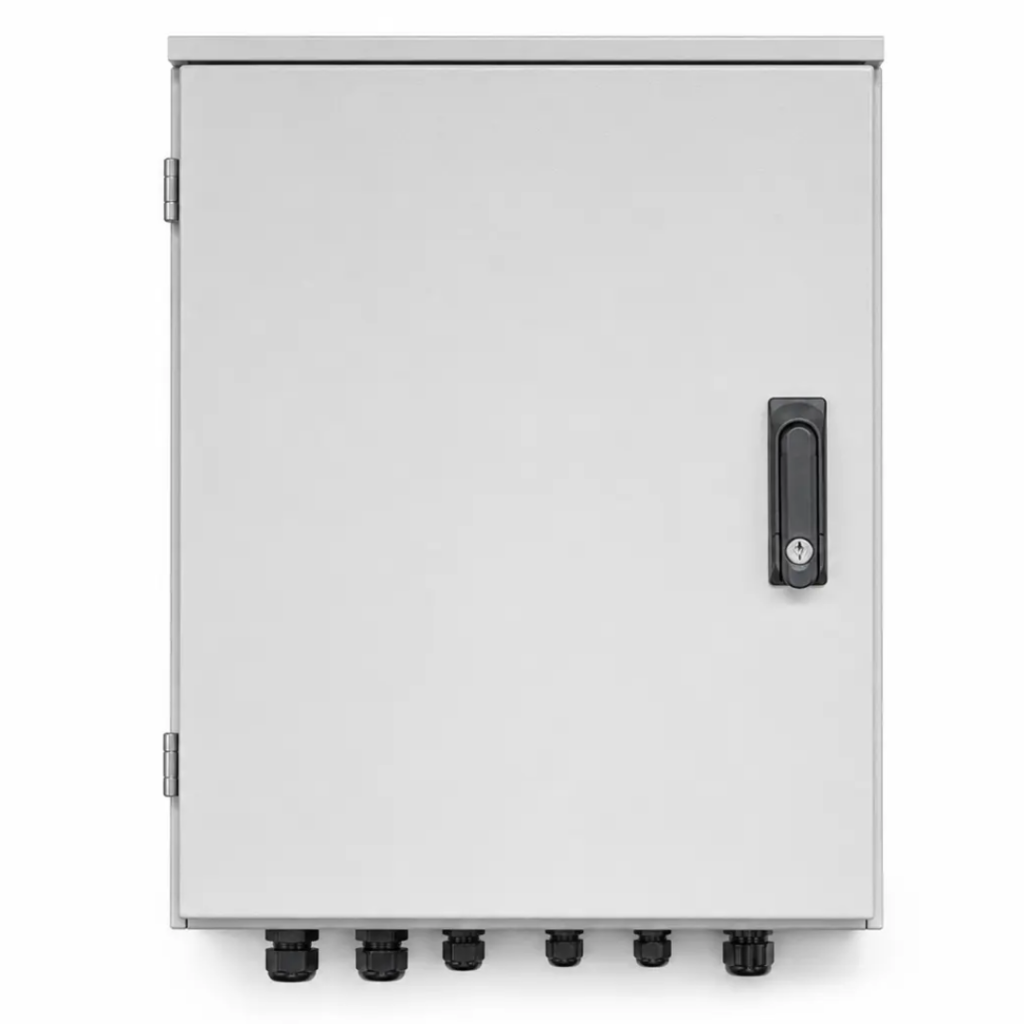
Achieving tight tolerances is critical. Sheet Metal Components Enclosure are fabricated using high-precision stamping, laser cutting, and CNC bending. These methods achieve tolerances down to ±0.1mm. Laser cutting ensures clean edges, minimizing heat distortion. Robotic bending guarantees repeatable precision, even in high-volume production.
Heat management is essential for high-performance applications. To enhance heat dissipation, a Sheet Metal Components Enclosure can be designed with vents, heat sinks, and internal fins. Aluminum is often chosen for its thermal conductivity. In more demanding cases, heat pipes or phase change materials can be integrated for efficient cooling.
Protecting sensitive electronics from EMI is vital. Sheet Metal Components Enclosure uses copper or nickel-plated steel for effective shielding. These materials block external interference, ensuring reliable performance. Conductive gaskets and coatings improve shielding, providing continuous protection for your components.
Need reliable Sockets for your next project? Get in touch with us today, and we’ll help you find exactly what you need!
Protects control panels and circuit boards in industrial processes, preventing interference and ensuring stable operation.
Safeguards electronic components in trains, buses, and subways from vibration, heat, and external elements.
Shields instrumentation and electrical components from extreme temperatures, corrosive environments, and pressure variations.
Protects solar, wind, and hydroelectric system components from environmental exposure and electrical instability.
This product protects sensors, controllers, and electrical components in heating, ventilation, and air conditioning equipment.
Encloses critical electronic systems in cleanroom environments, shielding against dust and electromagnetic disruptions.
The Sheet Metal Components Enclosure must resist corrosion. Stainless steel and aluminum alloys with protective coatings offer enhanced durability. Coatings like powder coating or anodizing protect against moisture, dust, and chemicals. Passivation and galvanization further increase resistance in harsh environments, ensuring longevity.
Customization allows the Sheet Metal Components Enclosure to meet specific requirements. Features like cutouts, mounting points, and integrated cooling systems are possible. CAD software enables precise design, ensuring the enclosure fits seamlessly into the system. Modular designs offer flexibility for future upgrades or changes.
Check all our Frequently Asked Question
The choice of material, such as copper or nickel-plated steel, plays a critical role in EMI shielding. These materials have high conductivity, allowing them to effectively block or attenuate electromagnetic waves. The thickness of the metal and the application of conductive coatings can further enhance shielding by ensuring no gaps or weak points for electromagnetic signals to penetrate.
CNC punching, laser cutting, and robotic bending achieve tight tolerances in sheet metal components. Laser cutting minimizes thermal distortion, while CNC punching ensures precision in hole placement. Robotic bending systems maintain consistent angles, providing uniformity in high-volume production.
Sheet metal enclosures are designed with features like heat sinks, vents, and internal fins to enhance heat dissipation. The material’s thermal conductivity, especially with metals like aluminum, also aids in spreading heat away from sensitive components. Additional cooling mechanisms, such as heat pipes or liquid cooling systems, can be integrated into the enclosure for high-power systems.
The choice of material and surface treatments primarily influences corrosion resistance. Stainless steel and aluminum alloys are selected for their natural corrosion resistance. Coatings like anodizing, powder coating, or galvanization, which form a protective layer against moisture, chemicals, and saltwater exposure, provide further protection.
To prevent mechanical damage, sheet metal enclosures often feature reinforced corners and ribbed sections that absorb impacts. The design ensures stress distribution across the enclosure, reducing the risk of deformation. Additionally, shock-absorbing internal materials or mounting points protect sensitive components from physical stress during handling or operation.
Submit the form below and our representative will be in touch shortly.
10-A, First Floor, V.V Complex, Prakash Nagar, Thiruverumbur, Trichy-620013, Tamil Nadu, India.
9/1, Poonthottam Nagar, Ramanandha Nagar, Saravanampatti, Coimbatore-641035, Tamil Nadu, India. ㅤ
10-A, First Floor, V.V Complex, Prakash Nagar, Thiruverumbur, Trichy-620013, Tamil Nadu, India.
9/1, Poonthottam Nagar, Ramanandha Nagar, Saravanampatti, Coimbatore-641035, Tamil Nadu, India. ㅤ
Need reliable wires and cables for your next project? Get in touch with us today, and we’ll help you find exactly what you need!
Need reliable Machining for your next project? Get in touch with us today, and we’ll help you find exactly what you need!