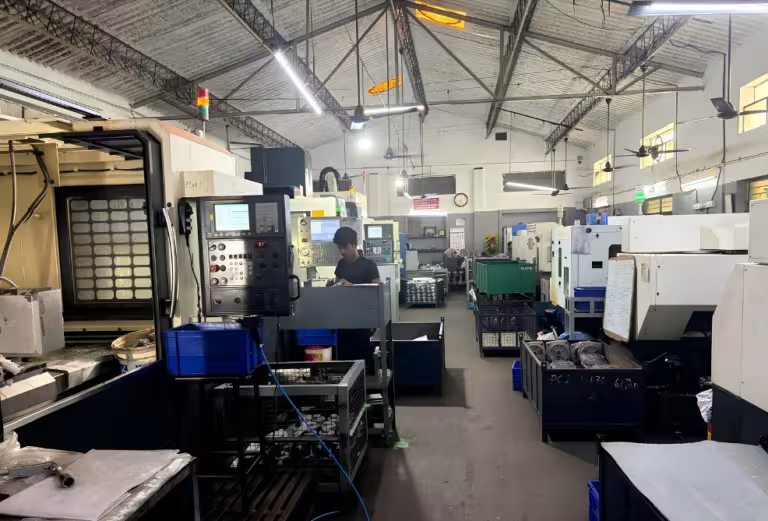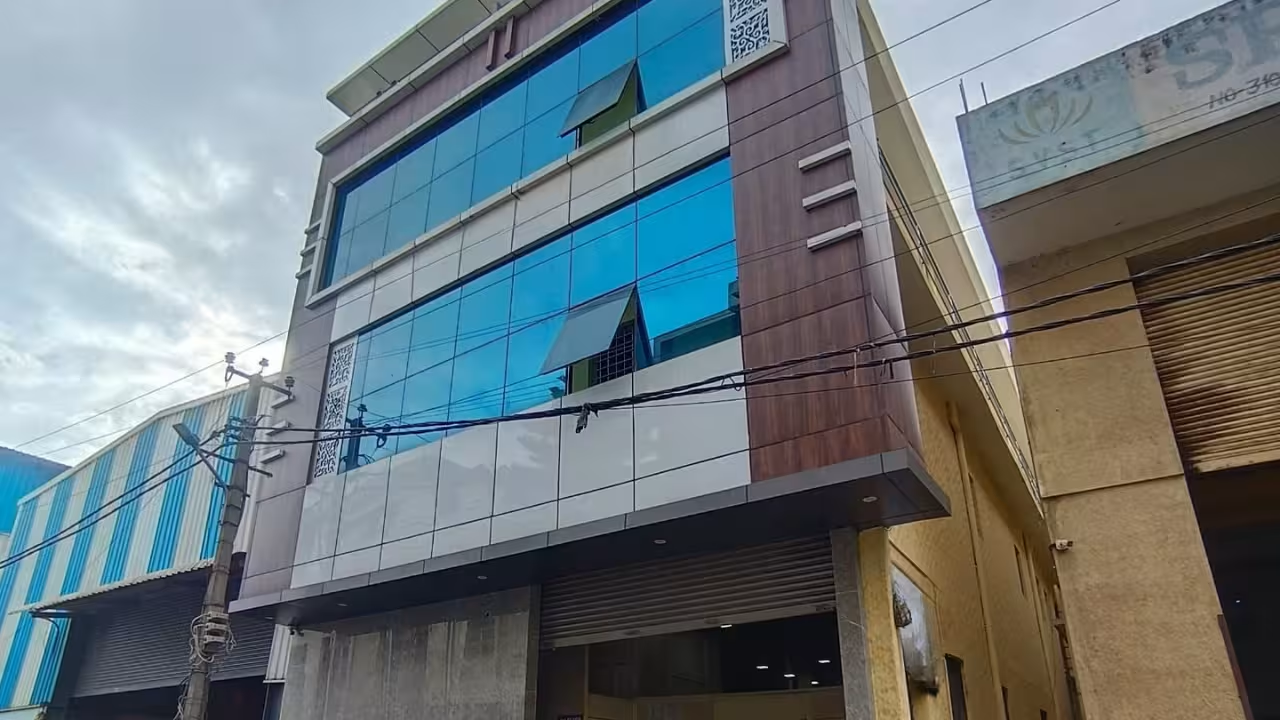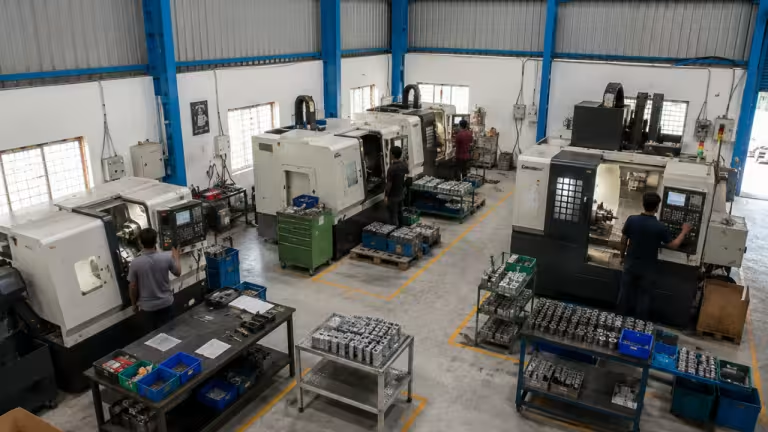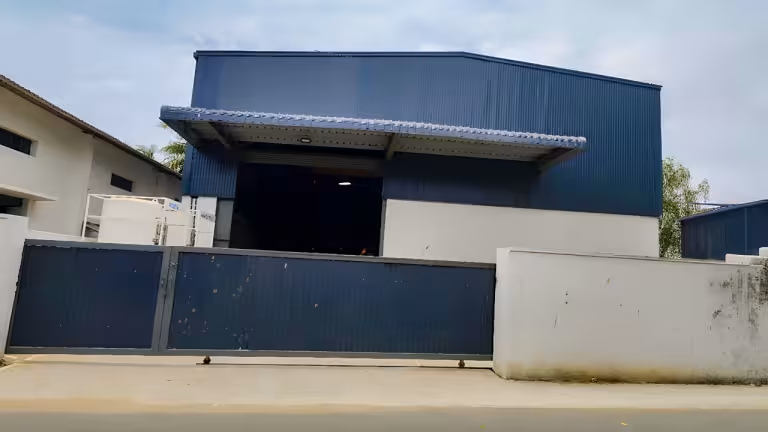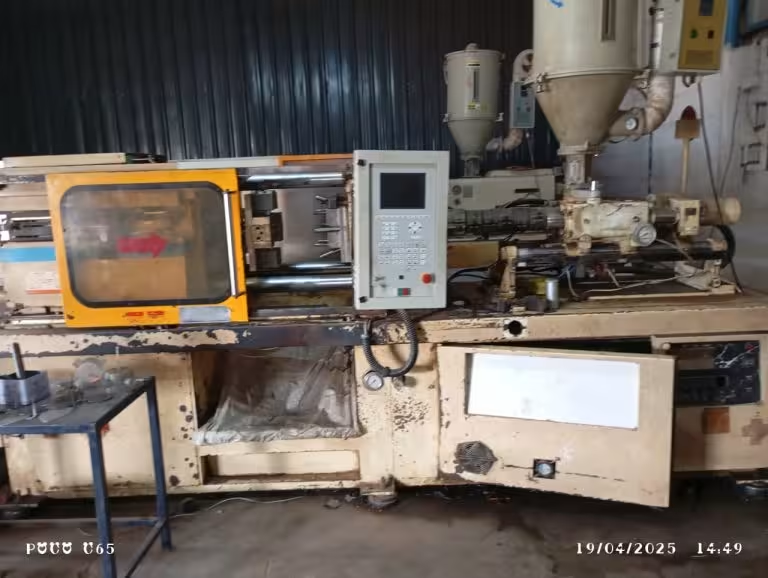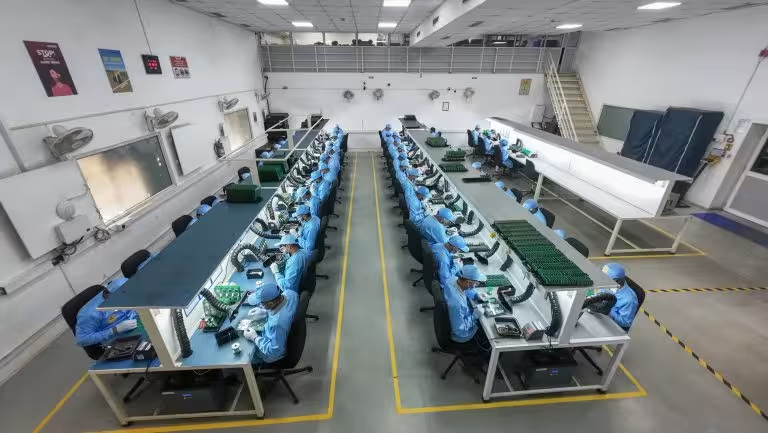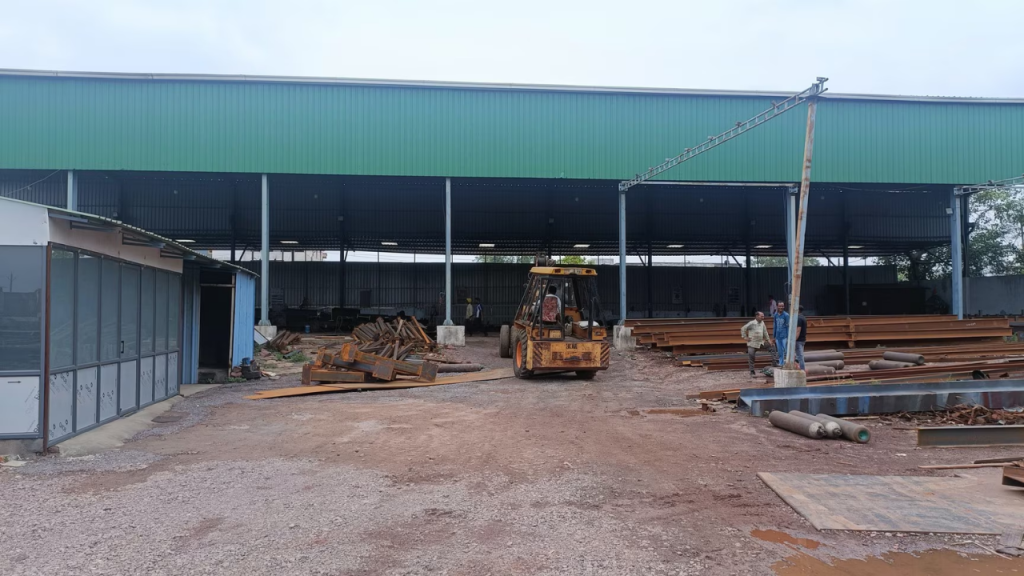
High-precision manufacturing capabilities for metal, plastic, electrical, and assembly requirements.
Manufacturing support for precision parts, assemblies, and production-ready components across demanding industries.
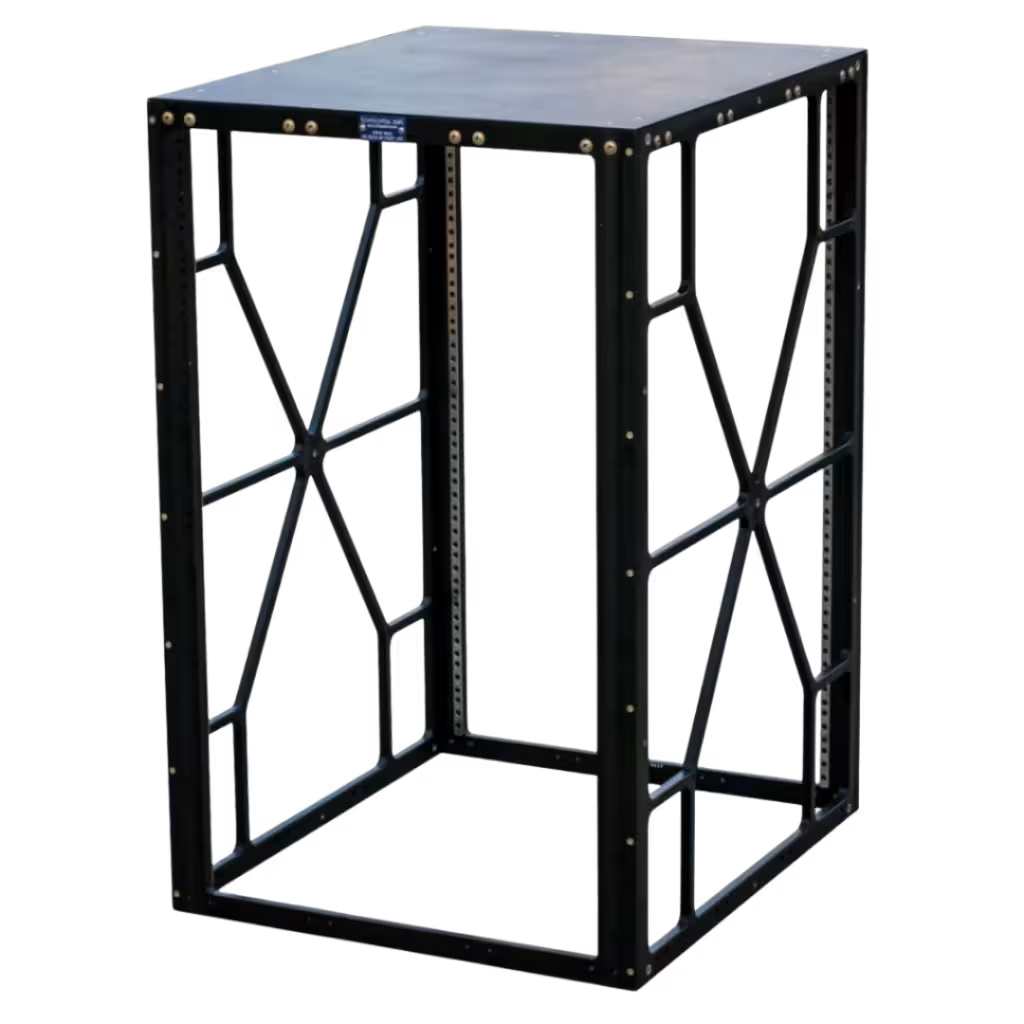
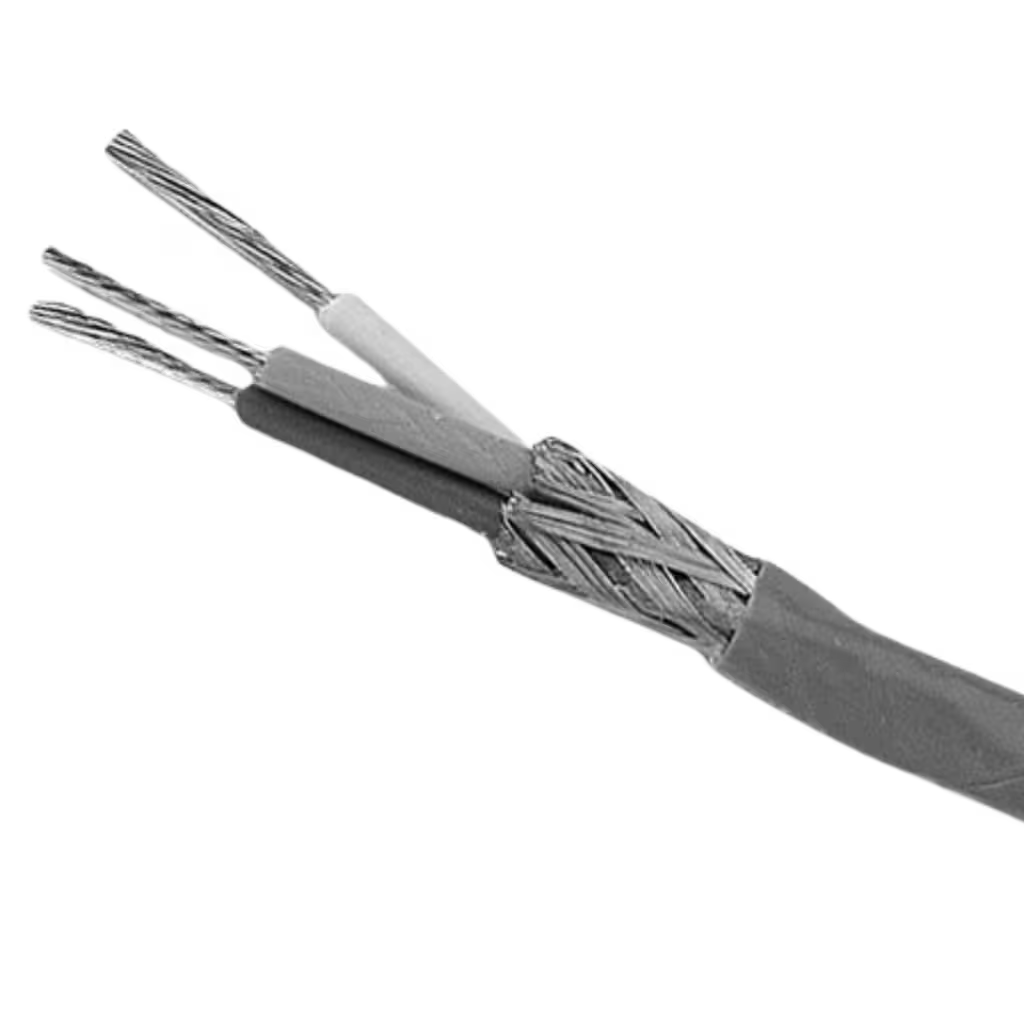
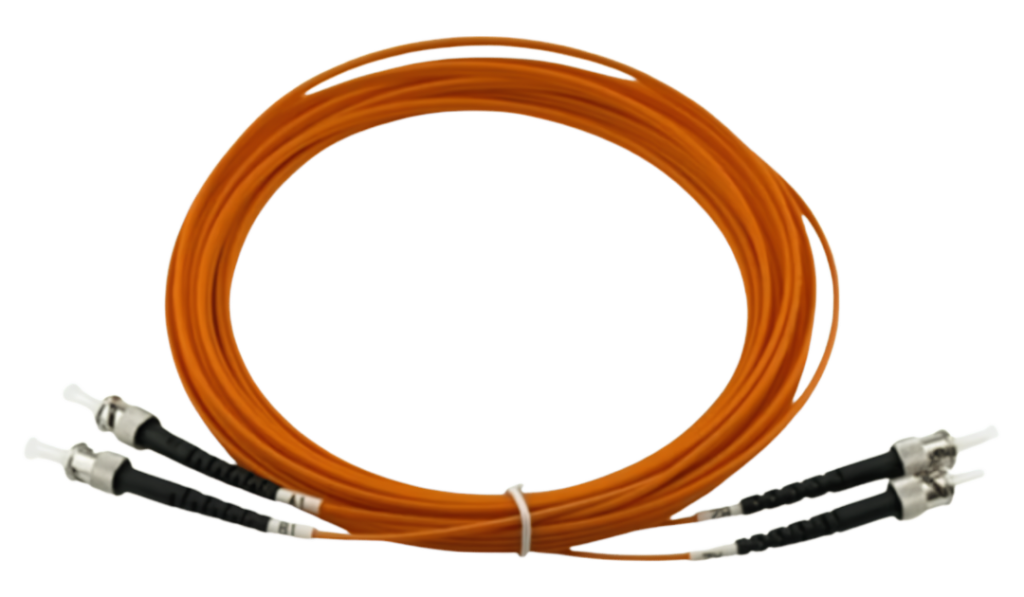
Manufacturing support for enclosures, Bento Box assemblies, cables, wiring harnesses, and BESS components.
High-strength fasteners, landing gear parts, and structural assemblies.
Metal frames, brackets, and assemblies for appliances and home equipment.
Forged housings, armor brackets, and mission-critical structural parts.
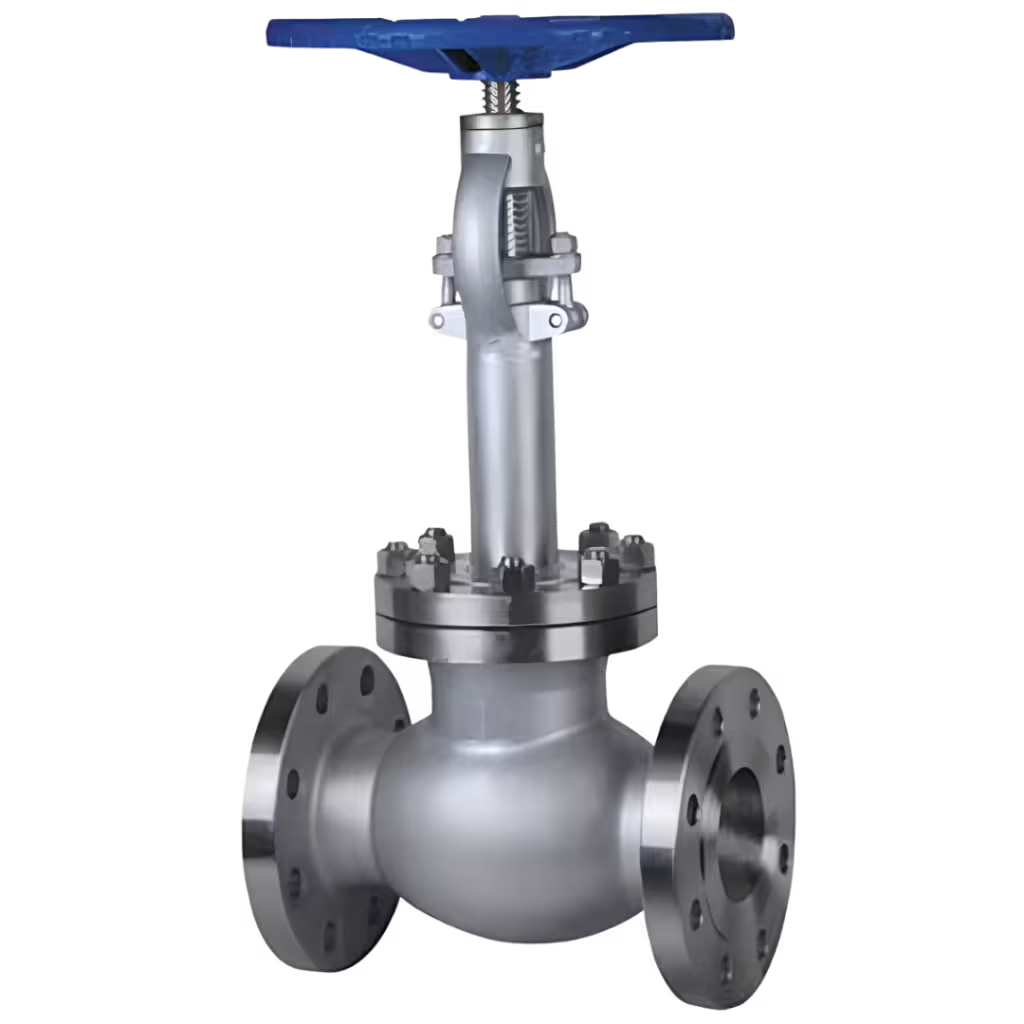
Valve bodies, flange blocks, and downhole drilling components.
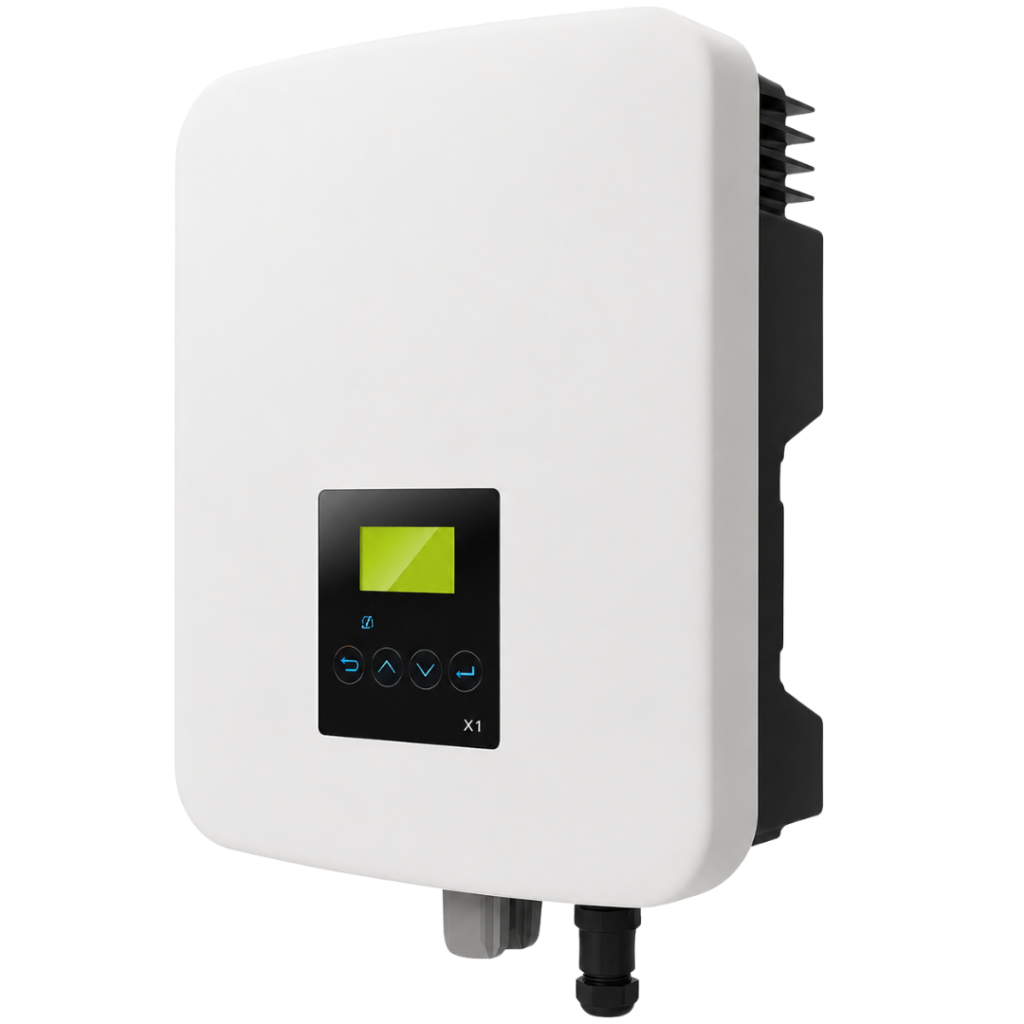
Solar mounting parts, wind turbine brackets, and battery enclosures.
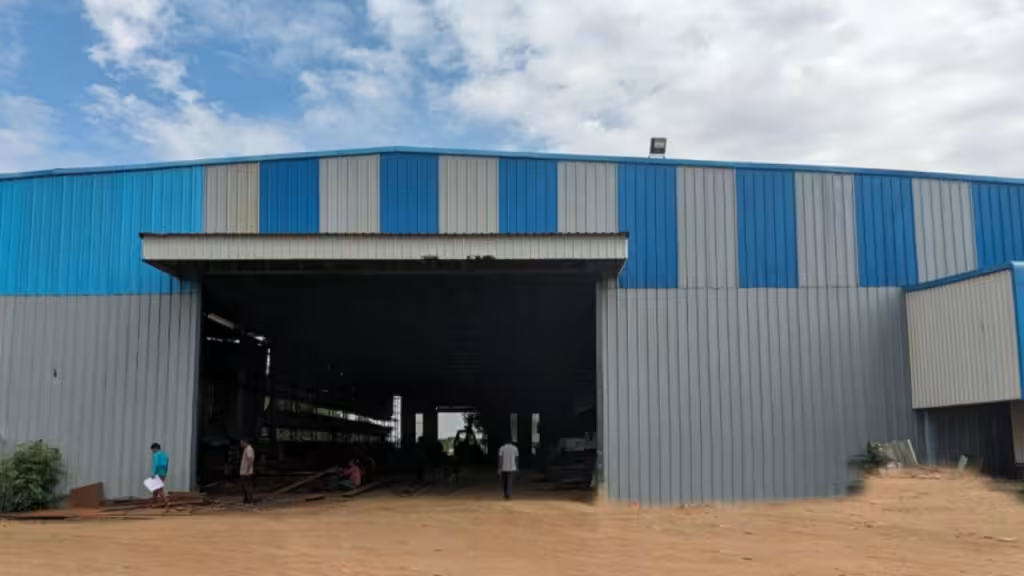
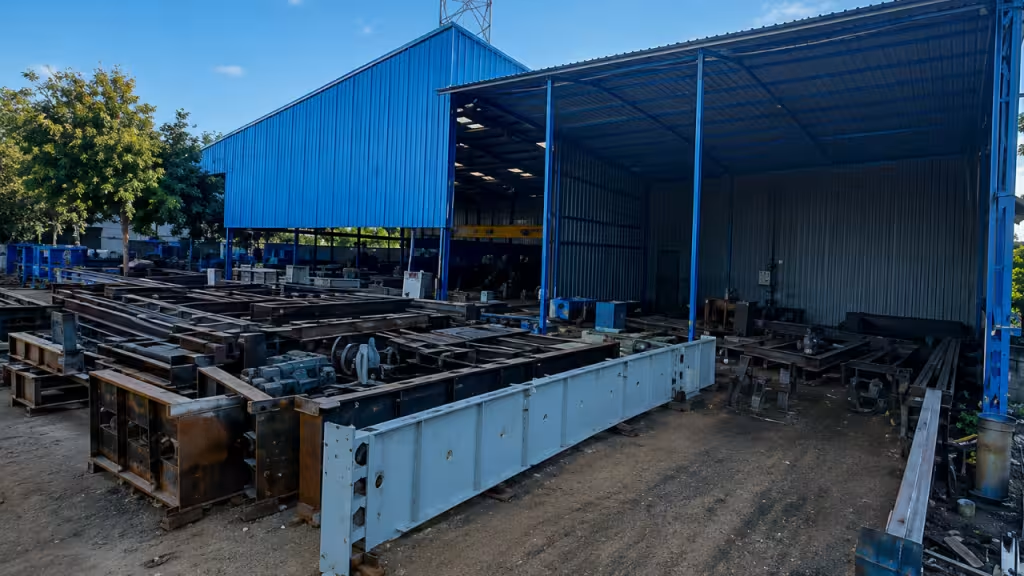
Large welded frames, PEB structures, and assemblies for industrial equipment.
Copper, aluminum, or alloys for optimal electrical performance.
3-8 microns for enhanced conductivity and corrosion resistance.
1-6 mm for efficient power distribution and thermal management.
10-150 mm to fit various system designs and space requirements.
>98% IACS for minimal power loss and optimal energy transfer.
Overmolded busbars are a highly effective solution for addressing common challenges in electrical connectivity. With their compact design, superior durability, efficient heat dissipation, fast assembly, and precise electrical performance, they provide a reliable and cost-effective way to enhance the efficiency and longevity of electrical systems. Their versatility and customization options make them ideal for various industries, ensuring that systems are optimized for performance and functionality.
Copper: 398 W/m·K; Aluminum: 205 W/m·K for effective heat dissipation.
Up to 1000 V DC/AC for reliable power distribution in systems.
100-1000 A based on size and system current handling needs.
-40°C to +125°C for reliable operation in extreme temperatures.
Highly resistant to environmental factors like moisture and chemicals.
Copper: 210 MPa; Aluminum: 130 MPa for strong, durable connections.
Excellent adhesion for long-lasting performance under mechanical stress.
Smooth, high-quality finish to reduce electrical resistance.
Custom shapes, sizes, and configurations tailored to system needs.
Complies with RoHS, UL, ISO 9001, IEC 60269, MIL-STD-202 standards.
The overmolding process encapsulates electrical conductors within a protective layer, making overmolded busbars highly resistant to external factors like moisture, chemicals, and vibration. This enhanced durability ensures that the busbars perform reliably in demanding environments, extending the system’s lifespan and reducing the risk of failures due to environmental damage.
Managing heat in electrical systems is crucial for preventing damage and maintaining long-term performance. Overmolded busbars excel in heat dissipation, ensuring electrical components remain at safe operating temperatures even under high-current conditions. The materials used in overmolding facilitate efficient thermal management, preventing overheating and enhancing the system’s overall reliability.
Need reliable Bus Bars for your next project? Get in touch with us today, and we’ll help you find exactly what you need!
Overmolded busbars efficiently distribute high currents from battery packs to powertrain components, ensuring stable and low-resistance connections in confined spaces.
In aerospace, overmolded busbars integrate power distribution for avionics and control systems, minimizing weight while maintaining high electrical conductivity and thermal stability under fluctuating operational conditions.
Overmolded busbars are employed in high-power DC-DC converters to efficiently transfer power between photovoltaic modules and inverters, reducing power losses and ensuring reliable connections in harsh environmental conditions.
Overmolded busbars are utilized in uninterruptible power supplies (UPS) to handle high-current flow between rectifiers and inverters, with optimal heat dissipation and minimal voltage drop during power transition events.
These busbars facilitate the distribution of high currents from locomotive traction batteries to the electric traction motors, ensuring thermal stability and resistance to vibrations and shocks during operation.
In large-scale data centers, overmolded busbars provide low-resistance power connections for server racks and cooling systems, ensuring thermal management and preventing signal interference in high-density layouts.
Overmolded busbars are designed for quick and easy integration, minimizing assembly complexity and time required. The pre-molded design reduces the need for additional connectors, cables, or manual wiring, resulting in faster installation and lower labor costs. This contributes to more streamlined manufacturing processes, improving overall production efficiency.
These busbars are engineered to provide precise electrical performance, handling high-current applications without signal degradation or power loss. The materials and design of overmolded busbars ensure optimal conductivity, minimizing electrical resistance and ensuring stable power delivery, which is essential for high-performance systems.
Check all our Frequently Asked Question
Overmolded busbars are designed with materials that facilitate superior heat transfer. The overmolding encapsulates the conductors to maximize surface area, allowing heat to dissipate more efficiently. This design minimizes the risk of overheating by spreading the heat across the surface, ensuring that the system operates at safe temperatures even in high-current environments.
The materials used in overmolded busbars, such as copper or aluminum alloys, are chosen for their high conductivity. The overmolding process ensures the electrical pathways remain uninterrupted and smooth, reducing electrical resistance. This results in more efficient power delivery with minimal energy loss, crucial for maintaining stable operation in high-power applications.
Overmolding materials like thermoplastics protect against environmental factors like moisture, dust, and chemicals. This ensures the electrical conductors remain insulated and safe from corrosion, oxidation, or physical damage. The overmolded layer also reduces the effects of vibration, which can degrade the performance of traditional, unprotected connectors.
Overmolded busbars can be designed with shielding materials or specific geometries that help reduce electromagnetic interference (EMI). The molded layer can act as a barrier that absorbs or deflects EMI, ensuring that electrical signals remain stable and interference from external sources is minimized. This is especially important in sensitive electronic equipment or communication systems where noise can disrupt performance.
Yes, overmolded busbars are highly customizable to meet unique electrical requirements. They can be tailored in shape, size, and configuration to fit complex layouts or limited spaces. Custom overmolding ensures that the busbars integrate seamlessly with other components, providing optimal conductivity and performance while saving space and reducing the need for additional wiring or connectors.
Submit the form below and our representative will be in touch shortly.
10-A, First Floor, V.V Complex, Prakash Nagar, Thiruverumbur, Trichy-620013, Tamil Nadu, India.
9/1, Poonthottam Nagar, Ramanandha Nagar, Saravanampatti, Coimbatore-641035, Tamil Nadu, India. ㅤ
10-A, First Floor, V.V Complex, Prakash Nagar, Thiruverumbur, Trichy-620013, Tamil Nadu, India.
Need reliable wires and cables for your next project? Get in touch with us today, and we’ll help you find exactly what you need!
Need reliable Machining for your next project? Get in touch with us today, and we’ll help you find exactly what you need!