








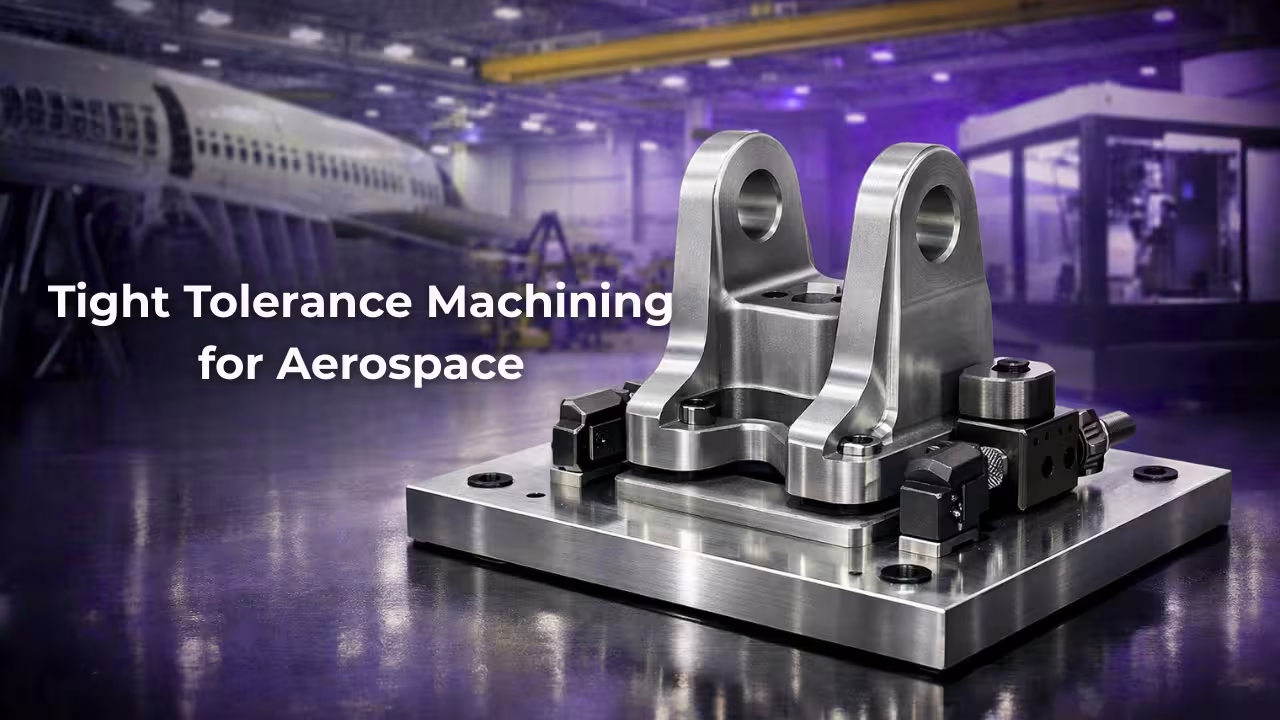
Aircraft components operate under extreme mechanical stress, vibration, and temperature swings. A dimensional deviation smaller than a human hair can affect aerodynamic performance or structural reliability. Aerospace tolerances frequently fall within ±2 to ±10 microns. That scale of precision demands disciplined engineering and strong risk control syste
Tight Tolerance Machining for Aerospace supports turbine blades, landing gear assemblies, actuator housings, structural frames, and flight-critical systems. Each part must meet strict dimensional, geometric, and surface finish requirements while complying with AS9100, NADCAP, and customer-specific standards.
Scrap and rework in aerospace manufacturing can consume 5–10% of annual production cost. Program delays caused by dimensional non-conformance can disrupt aircraft assembly schedules and long-term contracts. Risk mitigation therefore becomes a strategic necessity.
The following discussion explains how Tight Tolerance Machining for Aerospace can be managed through structured process control, supplier governance, metrology discipline, and cost optimization.
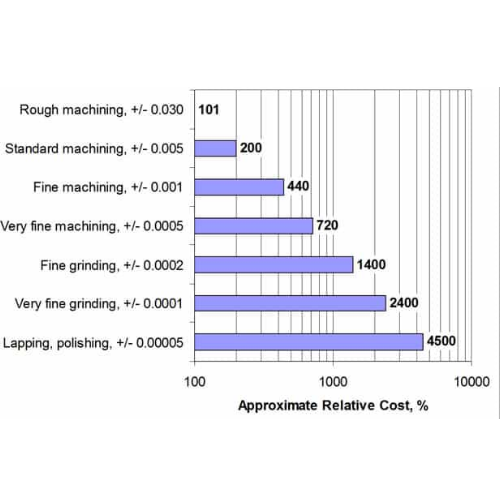
Why Micron-Level Deviations Create Major Financial and Operational Exposure
Precision machining for aerospace operates at the edge of material and machine capability. Titanium alloys, Inconel 718, and aluminum-lithium materials introduce machining instability due to high strength and thermal sensitivity.
Primary risk contributors include –
- Thermal expansion during cutting cycles
- Tool wear causing progressive dimensional drift
- Machine vibration affecting geometric accuracy
- Misinterpretation of GD&T symbols
- Environmental temperature fluctuation impacting inspection
Dimensional stack-up represents a hidden risk. Multiple tight features combine across assemblies. Small variations accumulate and push final assemblies outside tolerance bands.
Process capability must remain statistically stable. Aerospace-critical dimensions often require Cpk values greater than 1.67. Values below 1.33 indicate high variation and unacceptable risk. Lack of continuous monitoring increases the probability of batch rejection.
Financial consequences extend beyond scrap. Rework can increase production cost by 20%. Delays affect aircraft program milestones. Supplier scorecards and future awards may also suffer.
Reliable execution of Tight Tolerance Machining for Aerospace demands system-level risk visibility rather than isolated quality checks.
Where Aerospace Precision Machining Commonly Breaks Down
Failures rarely occur randomly. Most issues originate from predictable process weaknesses.
Frequent breakdown areas include –
- Tool flank wear altering critical diameters
- Residual stress release causing part distortion
- Fixture instability affecting positional accuracy
- Surface finish non-conformance exceeding Ra limits
- Measurement system variation exceeding acceptable Gage R&R thresholds
Residual stress distortion is common in thin-wall titanium brackets. Material removal releases internal stress and changes geometry after unclamping. Holding ±5 microns becomes extremely challenging without stress-relief planning.
Surface integrity also affects fatigue performance. Micro-cracks or excessive roughness reduce component life under cyclic loading. Aerospace components often require Ra below 1.6 µm or tighter.
Measurement uncertainty adds additional exposure. Gage R&R values above 10% reduce confidence in inspection results. Poor calibration tracking may invalidate compliance documentation.
Stable execution of Tight Tolerance Machining for Aerospace depends on controlling these predictable breakdown points before they escalate.
How Process Discipline and Real-Time Monitoring Reduce Machining Risk
Process stability forms the foundation of risk mitigation. Variation must be identified and corrected during production rather than after completion.
Effective controls include –
- Statistical Process Control (SPC) with automated trend alerts
- Real-time in-process probing for dimensional correction
- Tool condition monitoring using spindle load analytics
- Predictive maintenance for spindle bearings and axis systems
- Climate-controlled machining environments at 20°C ±1°C
SPC enables early detection of drift toward tolerance limits. Corrective actions prevent non-conformance before it spreads across production batches.
In-process probing creates a closed-loop machining environment. Machine offsets adjust automatically when minor deviations appear. Repeatability improves significantly.
Predictive maintenance systems analyze vibration signatures and axis backlash. Studies indicate predictive strategies reduce unplanned downtime by up to 30%.
Digital twin simulations strengthen validation before production begins. Tool path analysis prevents collision risk and thermal distortion surprises.
Systematic monitoring transforms Tight Tolerance Machining for Aerospace from reactive correction to proactive control.
Why Supplier Stability and Traceability Determine Long-Term Program Success
Precision performance extends beyond internal machining operations. Supply chain inconsistency can undermine even well-controlled processes.
Common supply chain risks include –
- Dependence on single-source machining partners
- Inconsistent Cp/Cpk capability across vendors
- Incomplete heat lot traceability
- Limited visibility into subcontracted operations
Aerospace programs frequently span 10 to 20 years. Long-term reliability requires structured vendor governance.
Risk mitigation strategies include –
- Multi-tier supplier qualification audits
- First Article Inspection (FAI) validation per AS9102
- Mandatory statistical capability reporting
- Digital traceability linking raw material to final shipment
- Risk-based supplier segmentation models
Heat lot traceability ensures alloy composition compliance. Missing documentation can lead to complete part rejection regardless of dimensional accuracy.
Capability benchmarking across suppliers improves predictability. Continuous performance scoring identifies risk early.
Structured supplier governance strengthens Tight Tolerance Machining for Aerospace across the entire production ecosystem.
Why Inspection Strategy Matters as Much as Machining Precision
Inspection should prevent escapes, not simply record measurements. Reliable metrology ensures dimensional accuracy and audit readiness.
Advanced metrology technologies include –
- Automated Coordinate Measuring Machines (CMM)
- Laser scanning for complex contours
- Optical non-contact measurement systems
- Surface roughness and contour analyzers
Automated CMM programs reduce operator variability and improve repeatability. Complex aerospace geometries benefit from multi-axis scanning to verify freeform surfaces.
Key performance metrics include –
- First Pass Yield (FPY) above 95%
- Non-Conformance Rate (NCR) below 2%
- Measurement variation under 10% Gage R&R
Calibration schedules must be strictly maintained. Expired calibration invalidates measurement credibility.
Comprehensive documentation control supports AS9100 and NADCAP compliance. Traceable inspection records strengthen audit performance.
Strong inspection systems reinforce stability across Tight Tolerance Machining for Aerospace programs.
Balancing Precision Requirements with Cost and Margin Protection
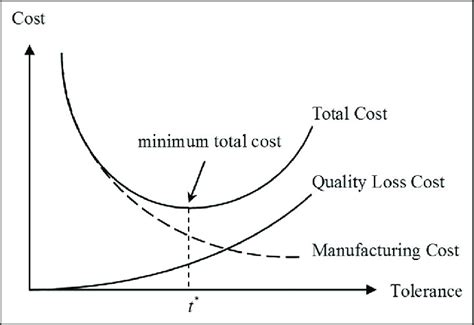
Ultra-tight tolerances increase machining cycle time, tooling wear, and inspection intensity. However, insufficient precision introduces field failure risk.
Cost of Poor Quality (COPQ) in aerospace manufacturing may reach 15% of total production cost. Preventive quality investment reduces lifecycle expense significantly.
Balanced strategies include –
- Design for Manufacturability (DFM) collaboration
- Tolerance stack-up simulation during design review
- Functional feature prioritization
- Lifecycle risk and cost modeling
Not every feature requires ±5 microns. Functional analysis identifies truly critical dimensions. Broader tolerance on non-critical features reduces cost without compromising safety.
Tolerance optimization aligns engineering intent with machining capability. Margin stability improves while compliance remains intact.
Strategic balance enhances sustainability of Tight Tolerance Machining for Aerospace operations.
How Frigate Strengthens Risk Control Across Aerospace Precision Programs
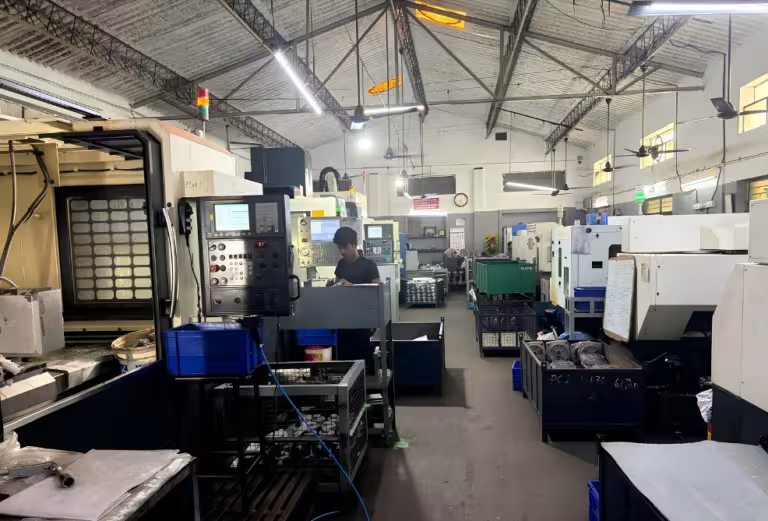
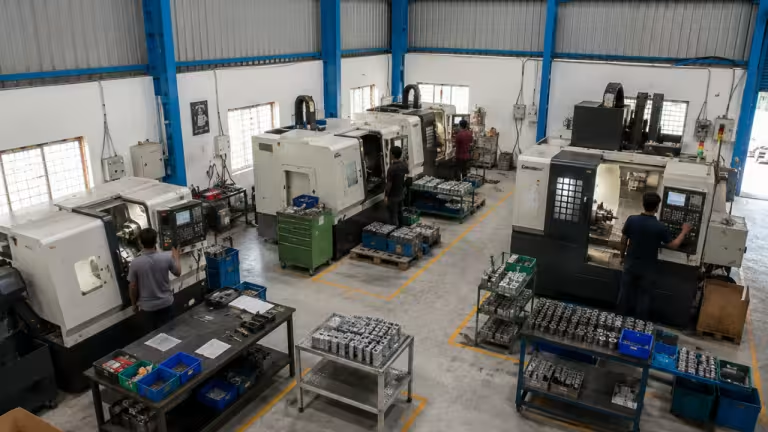
Frigate structures aerospace precision manufacturing around measurable risk control. Machining accuracy, statistical validation, supplier governance, and compliance documentation are integrated into one controlled ecosystem. The focus remains on predictable, repeatable execution across the full lifecycle of Tight Tolerance Machining for Aerospace programs.
Advanced 5-Axis CNC Infrastructure with Stability Controls
High-complexity aerospace geometries require rigid, thermally stable 5-axis CNC systems. Frigate’s machining platforms are configured for –
- High positional accuracy with volumetric compensation
- Thermal monitoring and correction systems
- Vibration-controlled spindle performance
- High-torque capability for titanium and nickel alloys
Machine health is continuously monitored. Spindle load, axis backlash, and thermal growth are tracked to prevent dimensional drift during long machining cycles.
Continuous Statistical Process Control (SPC)
Process capability is monitored in real time through SPC dashboards. Critical dimensions are tracked for –
- Cp and Cpk performance above 1.67
- Trend movement toward tolerance limits
- Tool wear influence on feature stability
Automated alerts trigger corrective action before non-conformance occurs. Closed-loop in-process probing further improves repeatability and reduces batch-level risk.
Automated Metrology and Measurement Integrity
Reliable measurement strengthens dimensional confidence. Frigate integrates –
- CNC-programmed CMM inspection routines
- Laser scanning for complex surfaces
- Surface roughness verification for fatigue-critical parts
- Gage R&R validation under 10% variation
Calibration schedules are digitally managed to maintain audit compliance. Inspection data is automatically recorded for traceability.
Qualified Aerospace Supplier Ecosystem
Supplier performance directly impacts aerospace program stability. Frigate qualifies vendors based on –
- Demonstrated Cp/Cpk capability
- AS9100 compliance
- Heat lot traceability
- AS9102 First Article Inspection approval
Suppliers are risk-segmented, and statistical reporting is required for critical components. This structured governance reduces supply chain variability.
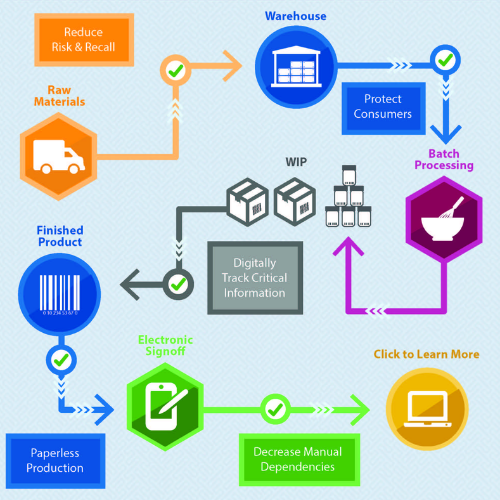
End-to-End Digital Traceability
Full traceability connects raw material, machining parameters, inspection results, and compliance documentation. The system provides –
- Complete part genealogy tracking
- Version-controlled process records
- Centralized audit documentation
Audit readiness remains continuous, reducing regulatory exposure.
Environmental and Tooling Stability Controls
Dimensional stability depends on environmental control. Facilities operate at 20°C ±1°C to minimize thermal distortion. Tool life tracking systems monitor wear progression and prevent dimensional shift.
Spindle vibration and performance analytics further protect surface finish and geometric accuracy.
Conclusion
Aerospace precision manufacturing demands more than advanced CNC capability. Long-term success depends on disciplined systems that combine process control, supplier oversight, metrology accuracy, and regulatory compliance.
Tight Tolerance Machining for Aerospace carries unavoidable technical and financial risk. Structured mitigation converts that risk into stable, measurable performance. Strong Cp/Cpk values, high First Pass Yield, full material traceability, and controlled cost structures define resilient machining ecosystems.
Frigate delivers precision machining supported by statistical monitoring and compliance-focused infrastructure. Collaboration with Frigate strengthens Tight Tolerance Machining for Aerospace strategies, reduces dimensional risk, and improves long-term program stability.