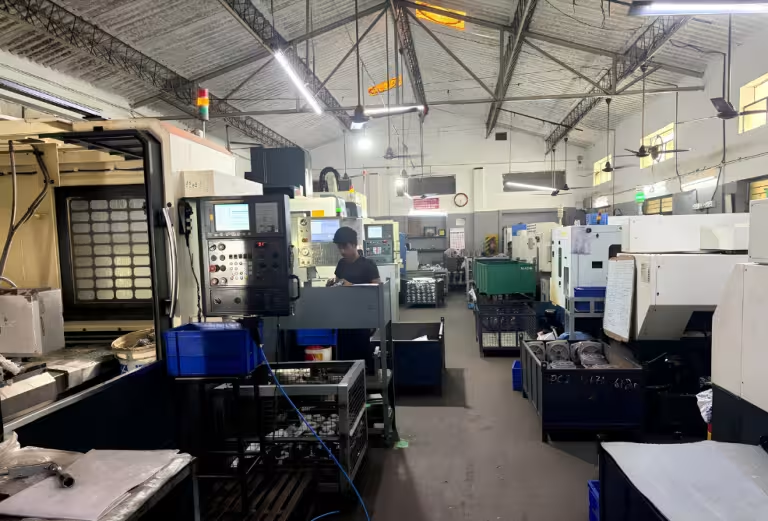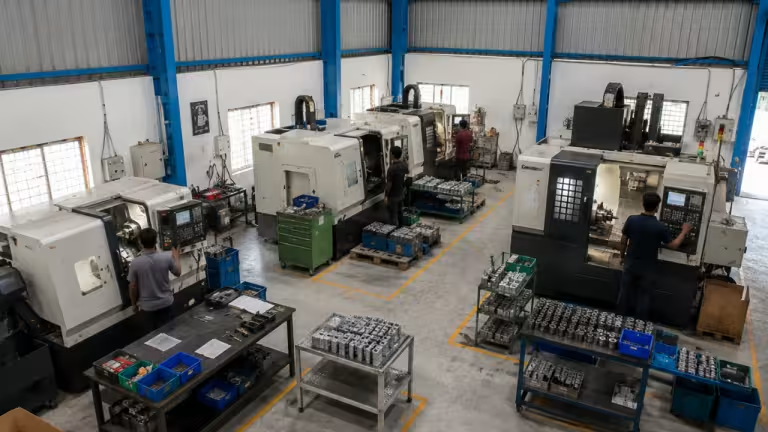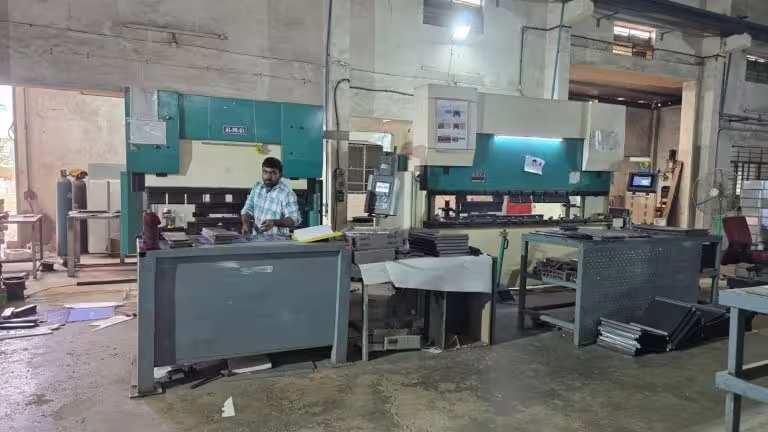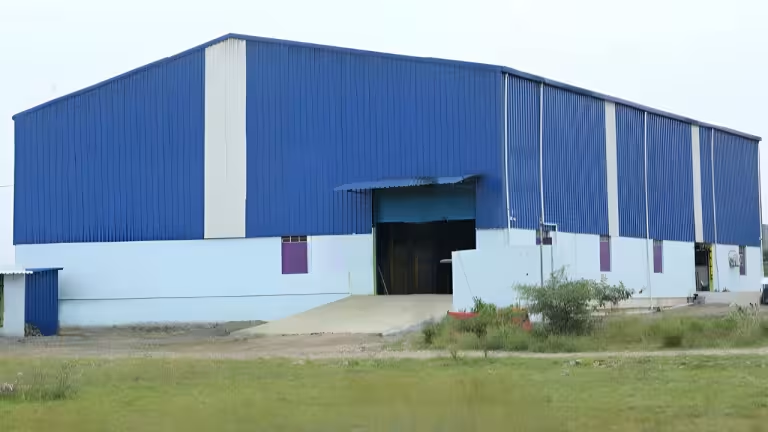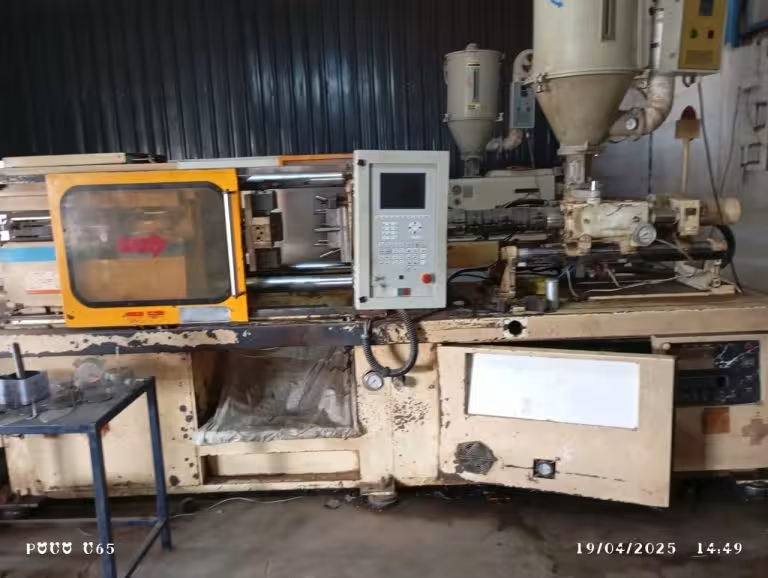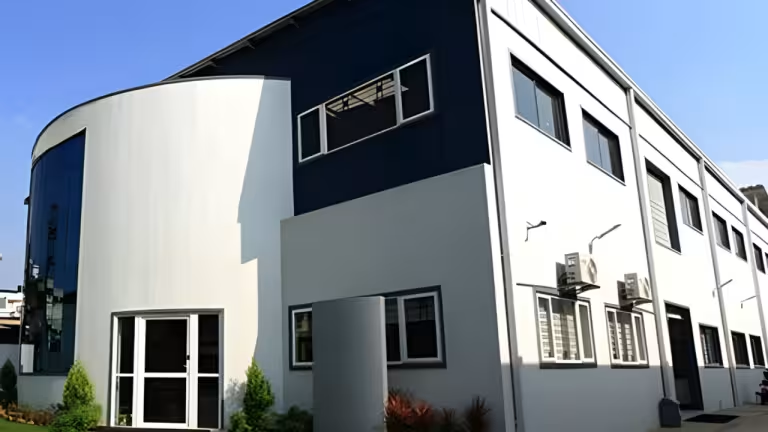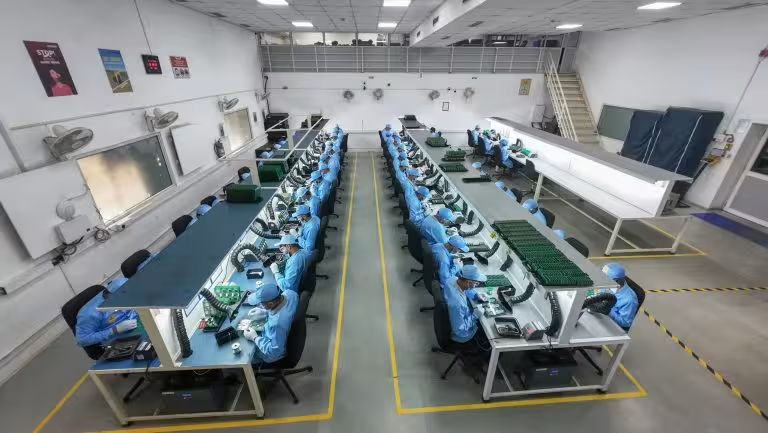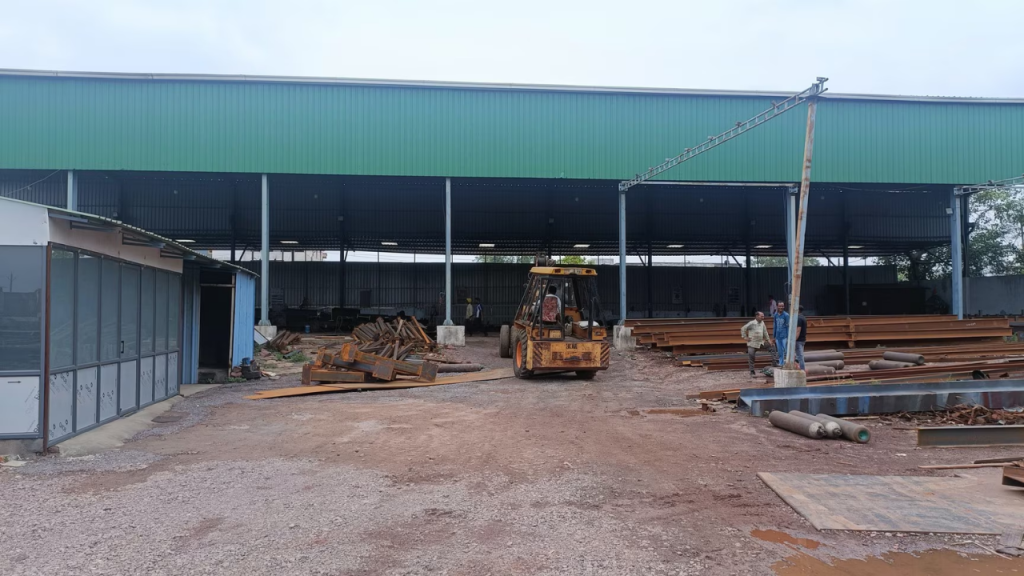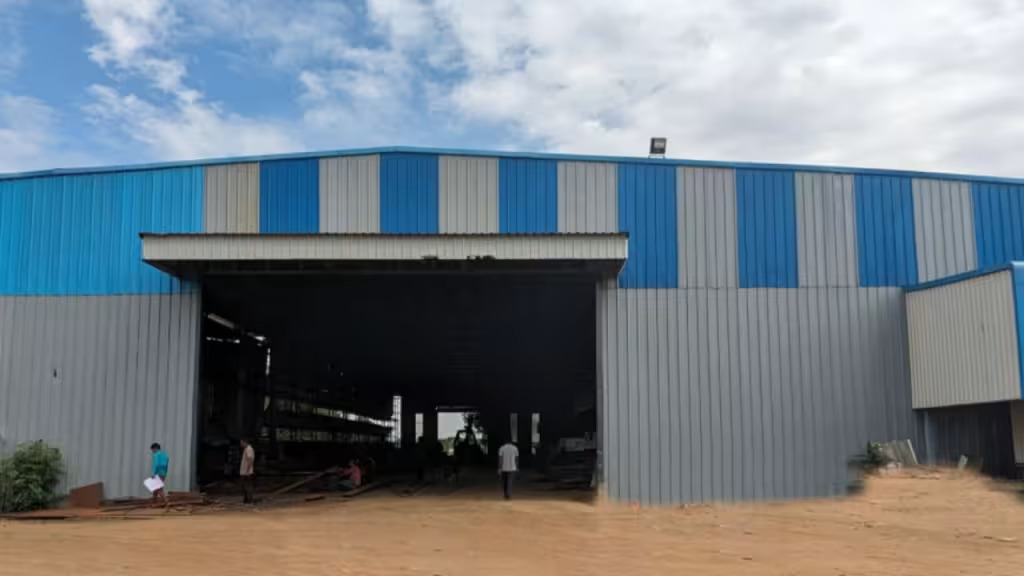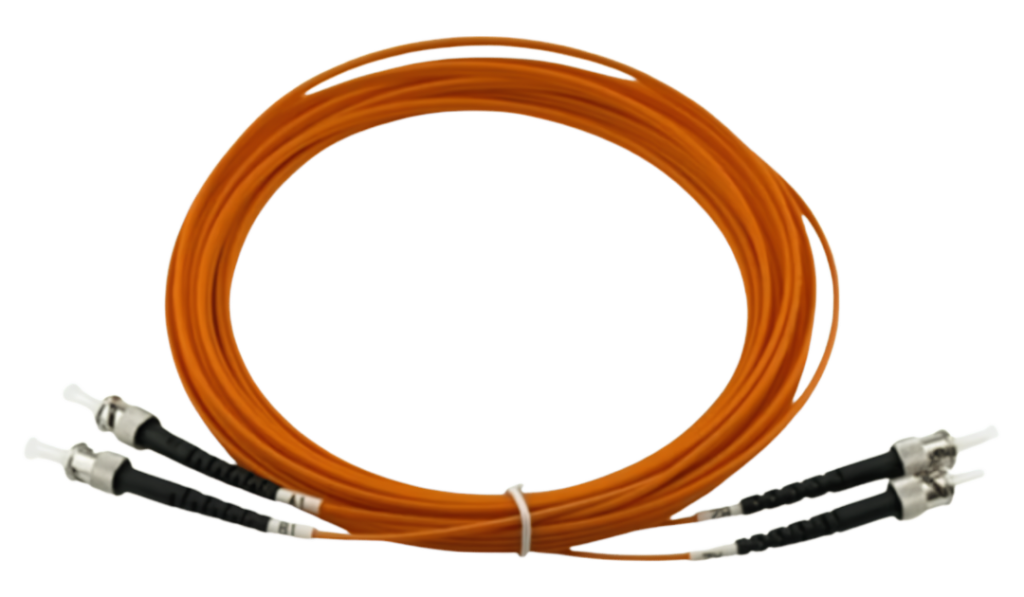
High-precision manufacturing capabilities for metal, plastic, electrical, and assembly requirements.
Manufacturing support for precision parts, assemblies, and production-ready components across demanding industries.
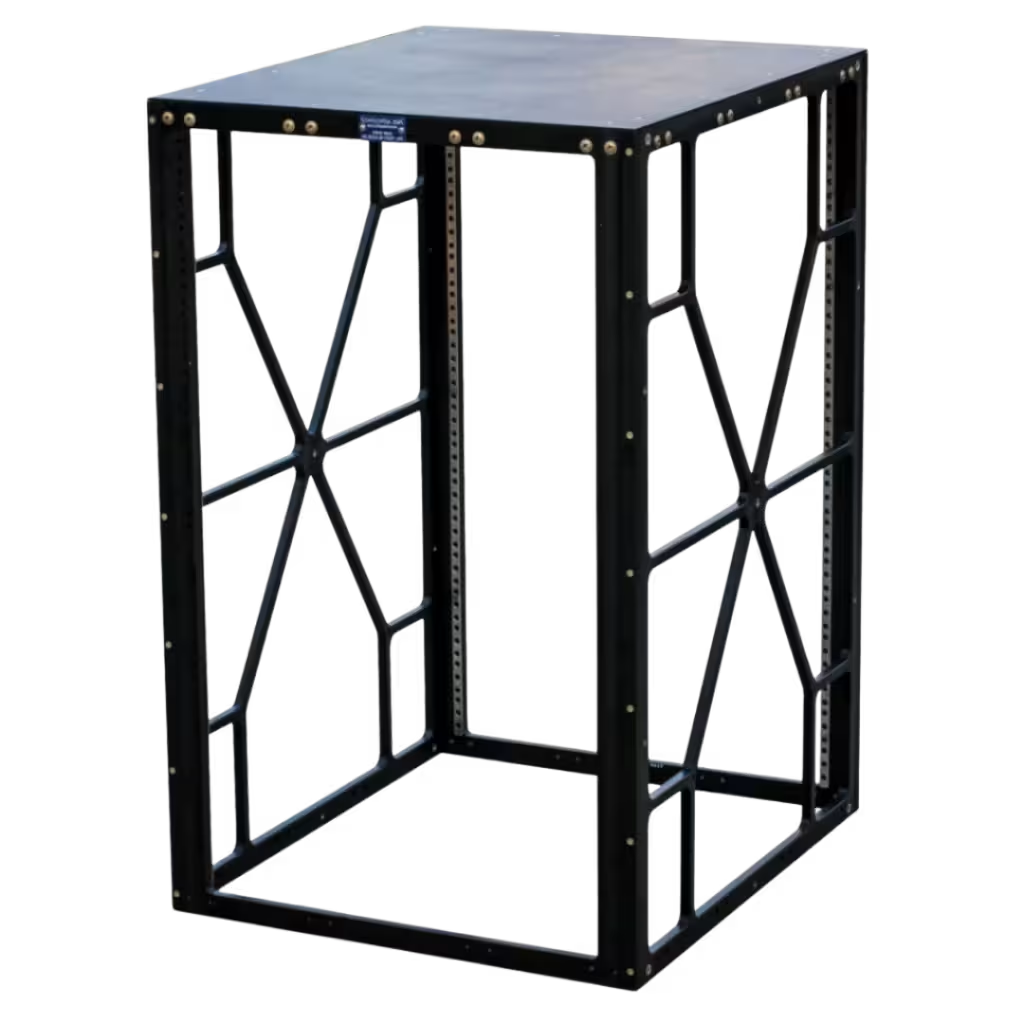
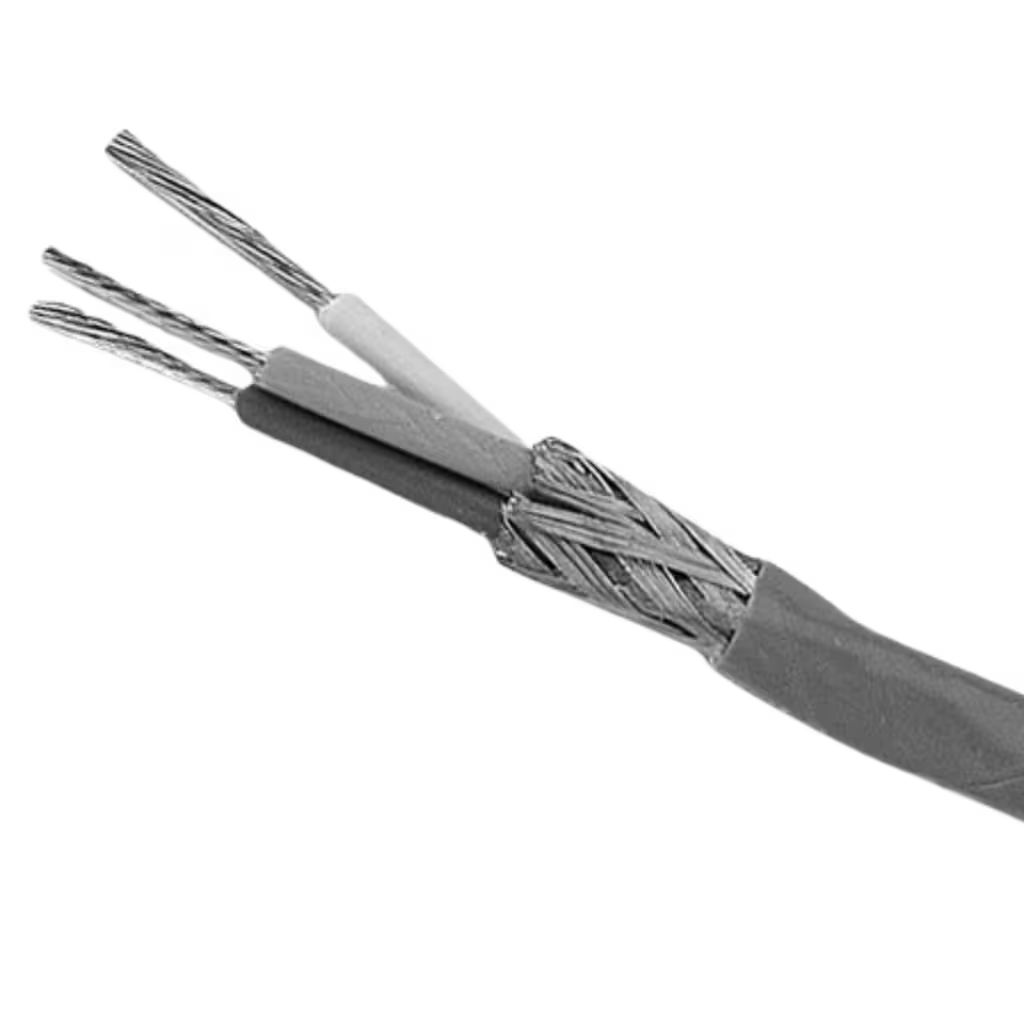
Manufacturing support for enclosures, Bento Box assemblies, cables, wiring harnesses, and BESS components.
High-strength fasteners, landing gear parts, and structural assemblies.
Metal frames, brackets, and assemblies for appliances and home equipment.
Forged housings, armor brackets, and mission-critical structural parts.
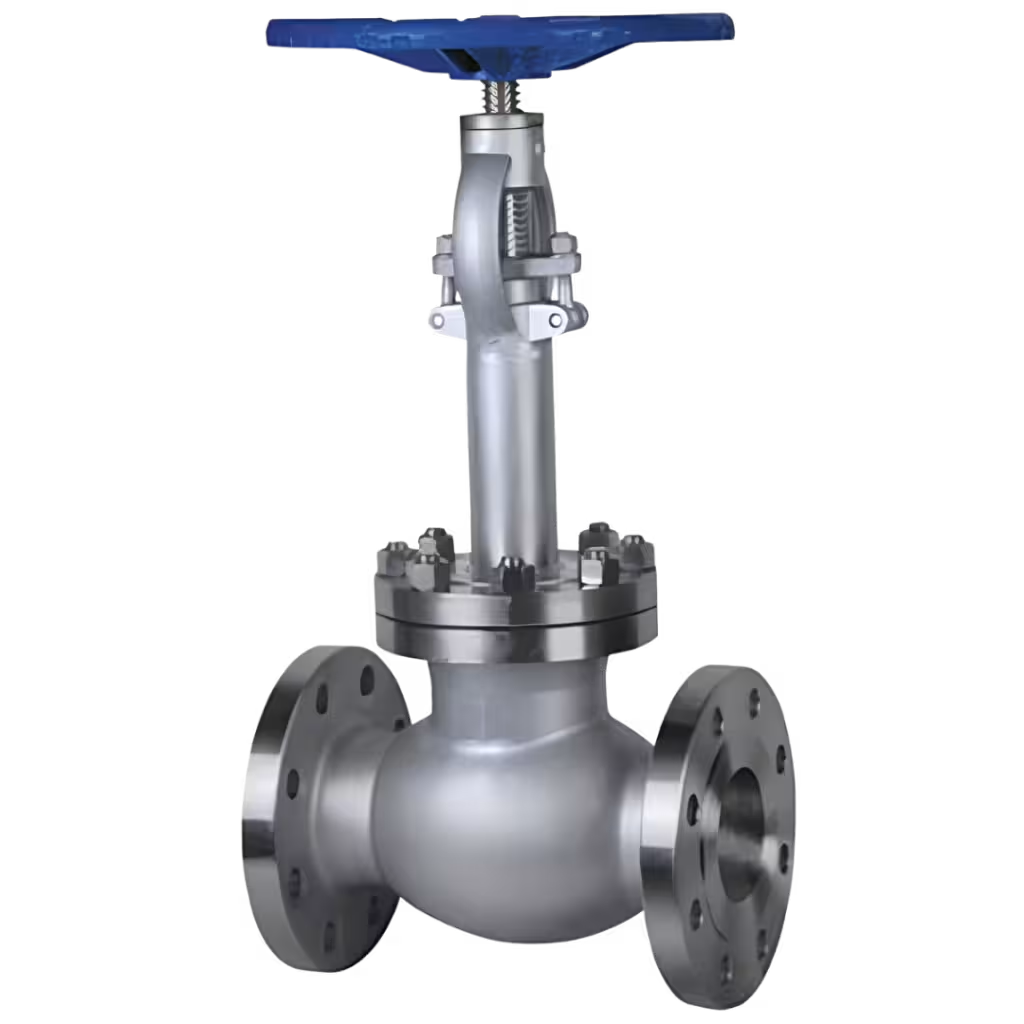
Valve bodies, flange blocks, and downhole drilling components.
Solar mounting parts, wind turbine brackets, and battery enclosures.
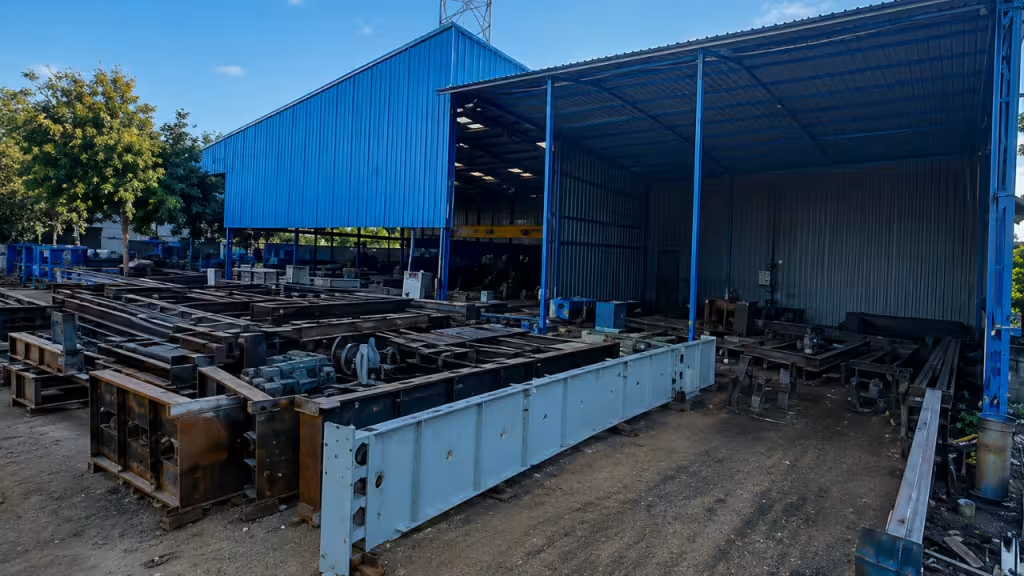
Large welded frames, PEB structures, and assemblies for industrial equipment.
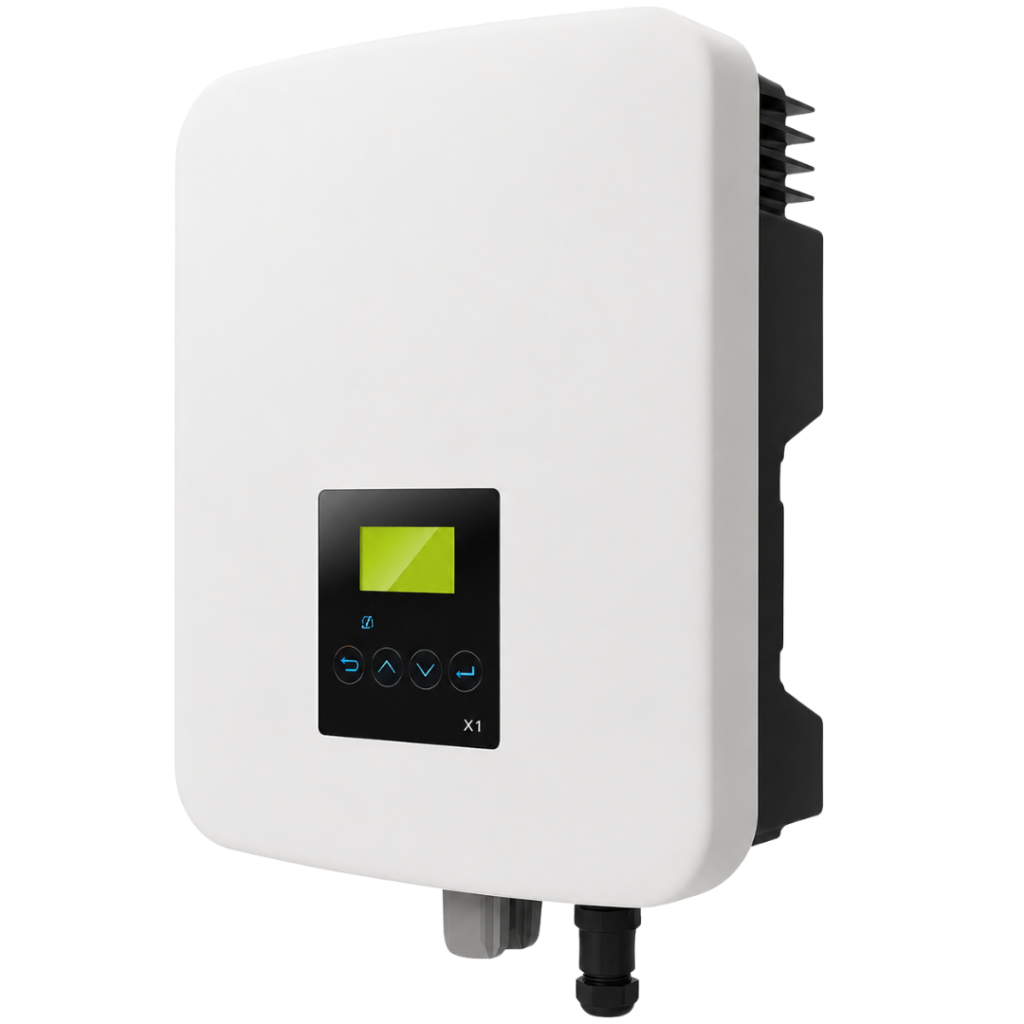
Confined engine rooms generate excessive ambient heat, often pushing dry-type reactors beyond acceptable temperature rise limits. Direct water cooling through hollow copper conductor paths and jacketed coil surfaces enables precise control over thermal gradients. By rejecting heat directly into closed-loop freshwater or seawater systems, the reactor maintains Class H insulation performance during continuous operation. Heat transfer coefficients are engineered for uniform coolant flow distribution to avoid localized hotspots and premature thermal fatigue.
Variable frequency drives (VFDs), frequently used in marine propulsion and thruster systems, introduce dominant 5th, 7th, and higher-order harmonics. These harmonics increase total harmonic distortion (THD), which leads to overheating of generators and destabilization of sensitive electronic controls. The water-cooled reactor is designed with carefully calculated leakage reactance and core permeability to provide controlled impedance at specific frequencies. This supports selective harmonic filtering and helps maintain voltage waveform integrity across busbars and switchboards.
Weight and space constraints on vessels require reactors that offer high magnetic performance without excessive bulk. The design integrates low-loss core laminations with compact winding geometries and fluid-embedded cooling paths. Use of rectangular conductors and precision-wound coils enhances the space factor while maintaining required air gaps for thermal insulation. The reactor’s overall footprint is minimized through vertically stacked winding modules and integrated manifold routing, allowing flexible mounting in auxiliary rooms or motor control centers.
Need reliable Reactors for your next project? Get in touch with us today, and we’ll help you find exactly what you need!
Installed between VFD and propulsion motor to reduce harmonics, control inrush current, and stabilize drive performance under variable loads.
Used to dampen voltage spikes and minimize current distortion during rapid directional changes in thruster motor control systems.
Deployed to balance reactive power, suppress harmonic feedback, and improve voltage waveform quality feeding auxiliary shipboard loads.
Connected on feeder circuits to limit fault currents, control power transients, and protect downstream switchgear from electrical disturbances.
Supports inductive motor loads by smoothing current waveform, improving power factor, and reducing stress on refrigeration and air systems.
Filters high-frequency switching harmonics from VFD-controlled pump motors to prevent cable heating and interference with navigation electronics.
Electrical propulsion systems on ships often suffer from lagging power factors due to inductive load dominance. The reactor’s designed reactance compensates for leading or lagging reactive power components, improving power factor and reducing generator excitation demand. This lowers fuel consumption per kilowatt and minimizes the need for oversized alternators. The reactor impedance is tuned to the load characteristics of each vessel type—be it cargo, cruise, or offshore support vessel—for optimal reactive load sharing across multiple power sources.
High motor starting currents and abrupt load variations in marine systems cause voltage spikes and transient oscillations. The reactor incorporates low-saturation, high-flux-density core materials and non-linear permeability profiles to absorb transient energy while maintaining steady-state inductance. This protects insulation systems in transformers, cables, and switchgear from over-voltage stress. Damping behavior is calculated to match shipboard fault response times and prevent sympathetic resonance with capacitor banks or harmonic filters.
Check all our Frequently Asked Question
Frigate uses vertical winding layouts and optimized coil stacking to reduce reactor footprint without compromising performance. Cooling manifolds are integrated within the core structure to eliminate external pipe routing. All units are custom-dimensioned based on available mounting space and airflow restrictions. This ensures compliance with shipboard layout constraints and service access requirements.
Each reactor undergoes high-voltage insulation testing, impedance verification, and thermal endurance tests under simulated marine loading. Water-side pressure testing ensures jacket integrity under operational and surge conditions. RTD sensors are calibrated and verified for accuracy against thermal rise limits. Final validation includes harmonic response analysis under load-matched VFD conditions.
Frigate selects titanium or duplex stainless steel for all coolant-exposed components in seawater circuits. Epoxy encapsulation with high tracking index prevents moisture-induced partial discharges within the winding area. Gasket materials are chosen for chloride resistance and long-term sealing stability. Optional sacrificial anode integration helps prevent galvanic activity in mixed-metal systems.
Frigate simulates overload, loss of coolant flow, and rapid load change scenarios using finite element thermal models. The cooling path is engineered to handle short-duration overcurrent without exceeding Class H insulation limits. Embedded thermal switches and RTDs detect threshold violations in real time. This approach ensures protective tripping before insulation damage occurs.
Impedance values are calculated based on connected motor characteristics, switching frequency, and system resonance points. Frigate adjusts core geometry, winding spacing, and conductor size to achieve target reactance. Each unit is simulated using harmonic analysis tools to confirm suppression at dominant frequencies. Final values are validated with prototype testing before production.
Submit the form below and our representative will be in touch shortly.
10-A, First Floor, V.V Complex, Prakash Nagar, Thiruverumbur, Trichy-620013, Tamil Nadu, India.
9/1, Poonthottam Nagar, Ramanandha Nagar, Saravanampatti, Coimbatore-641035, Tamil Nadu, India. ㅤ
10-A, First Floor, V.V Complex, Prakash Nagar, Thiruverumbur, Trichy-620013, Tamil Nadu, India.
9/1, Poonthottam Nagar, Ramanandha Nagar, Saravanampatti, Coimbatore-641035, Tamil Nadu, India. ㅤ
Need reliable wires and cables for your next project? Get in touch with us today, and we’ll help you find exactly what you need!
Need reliable Machining for your next project? Get in touch with us today, and we’ll help you find exactly what you need!