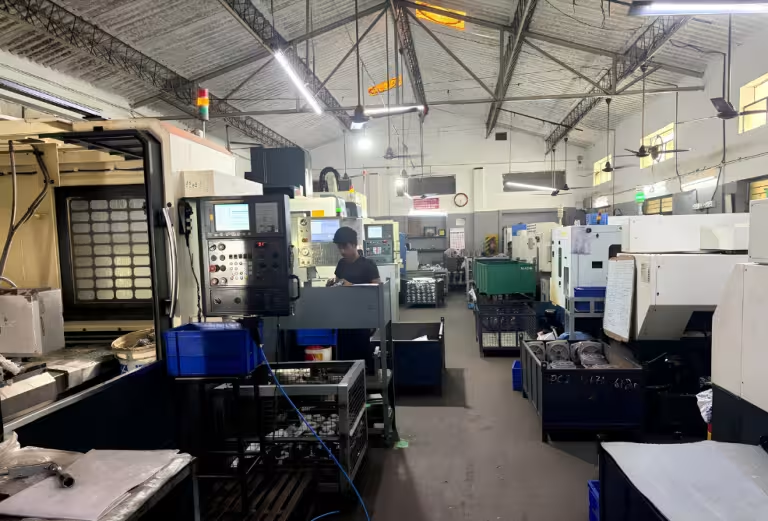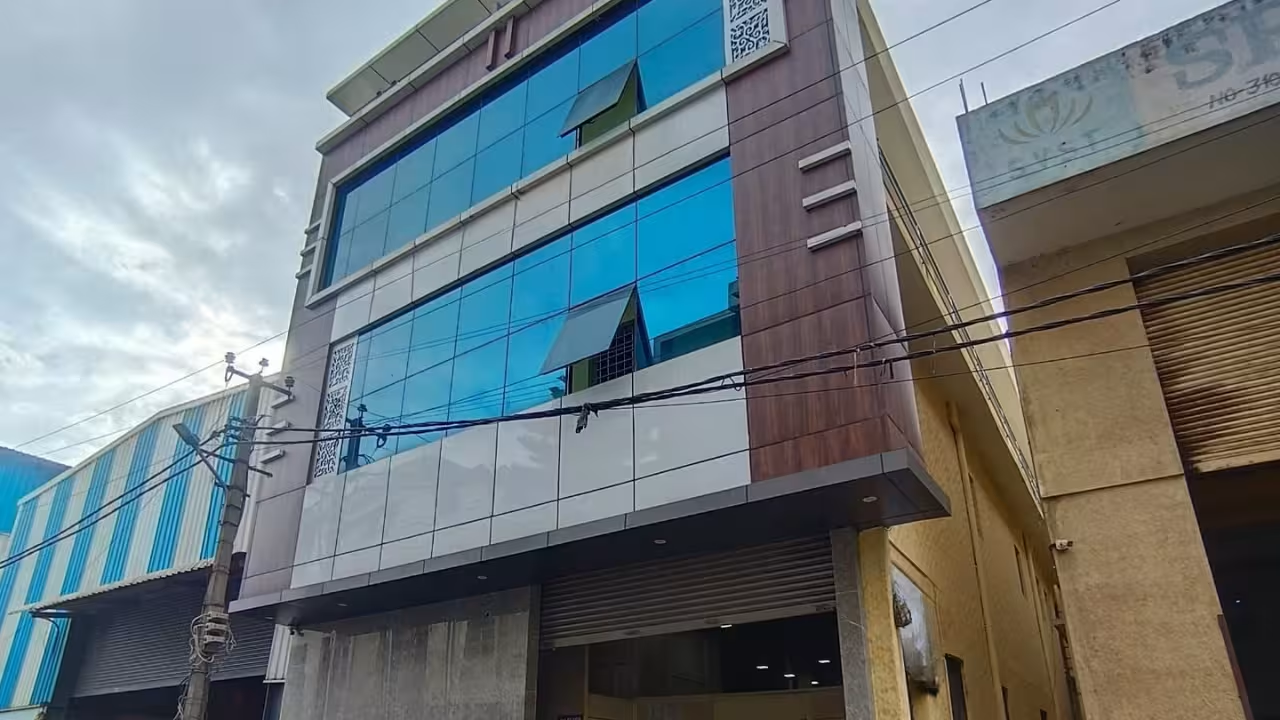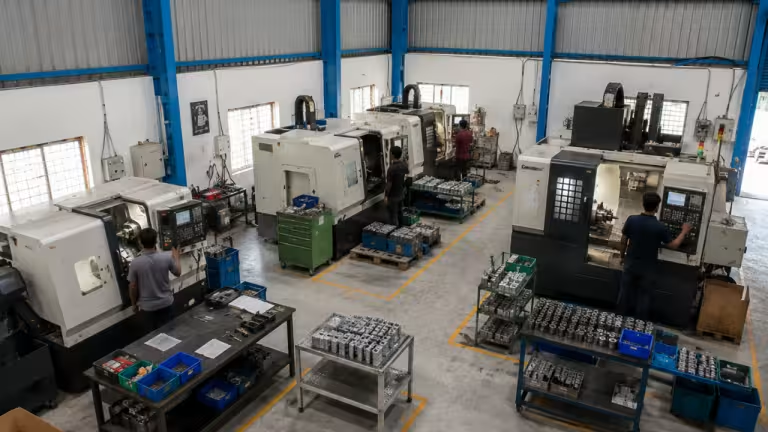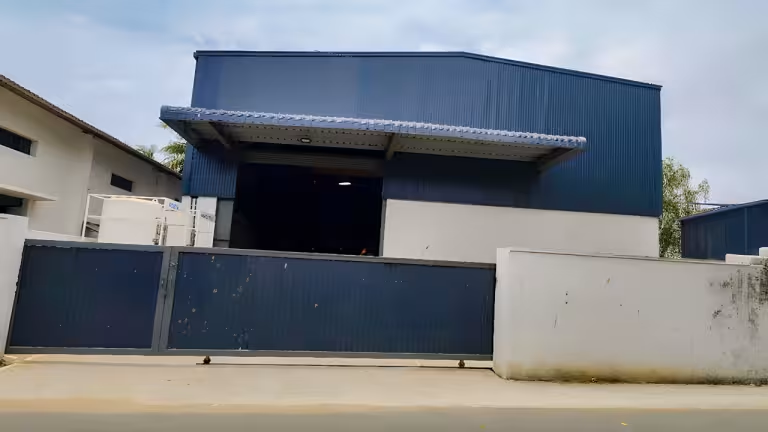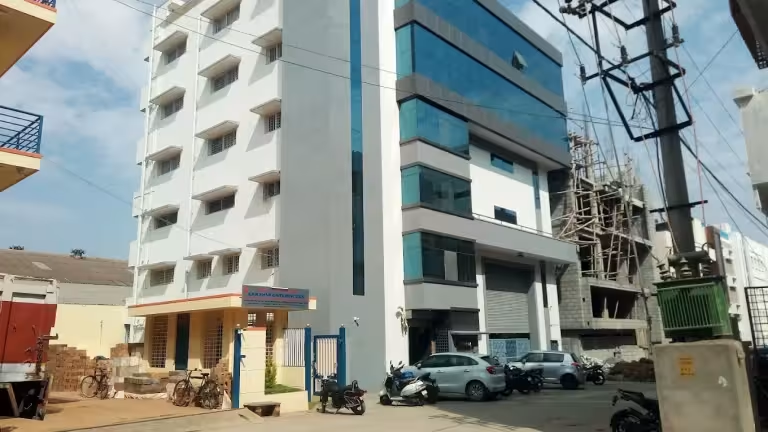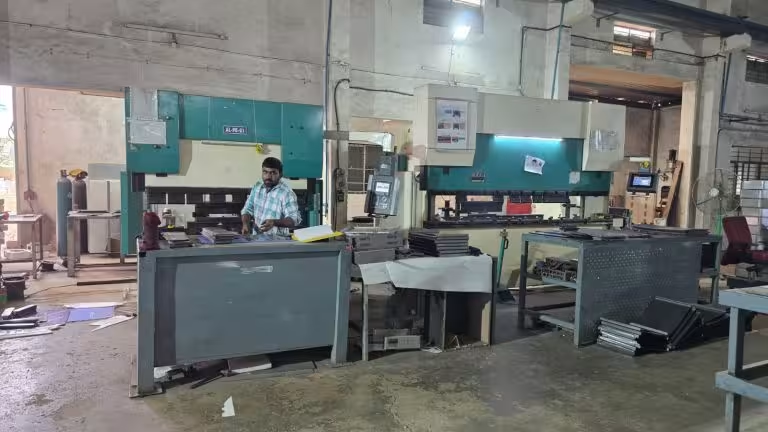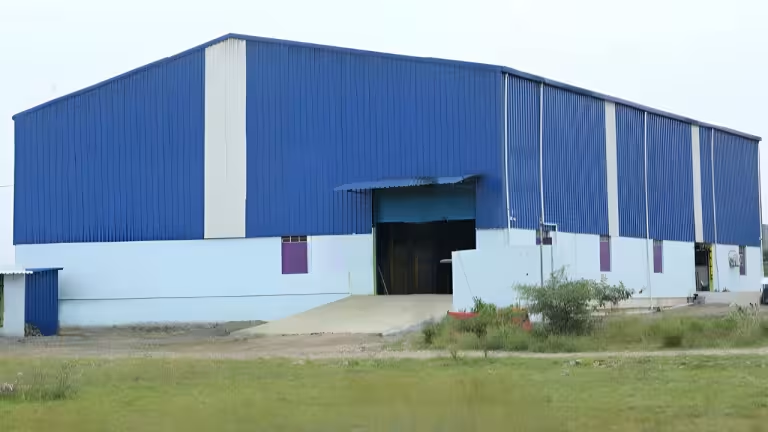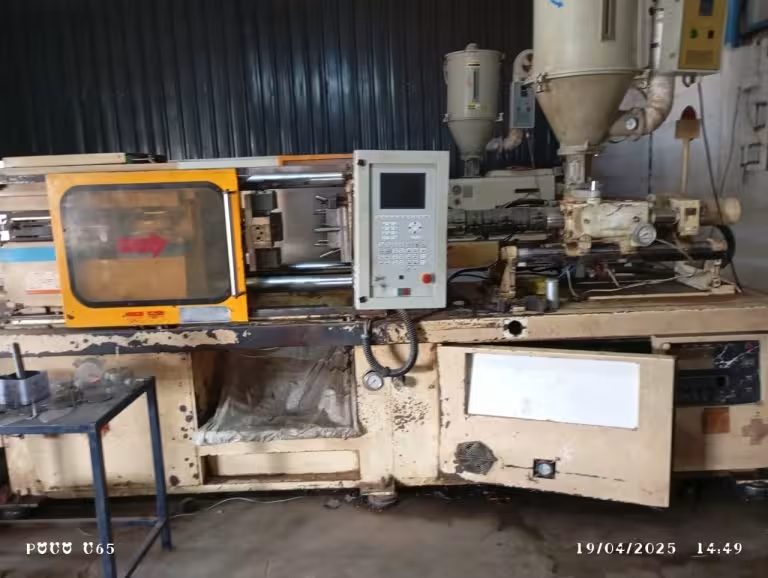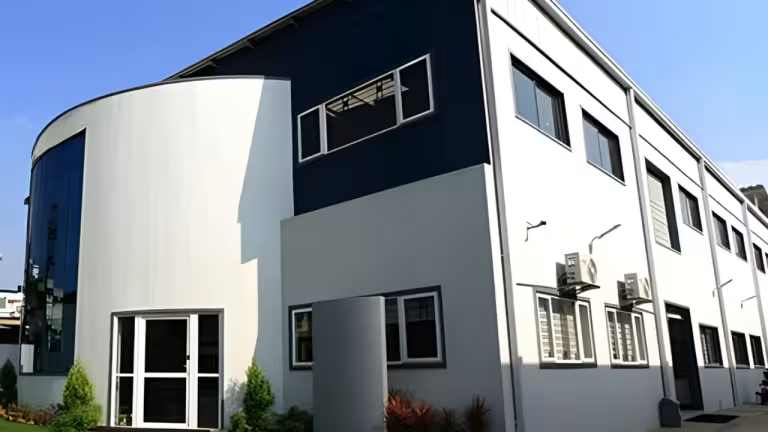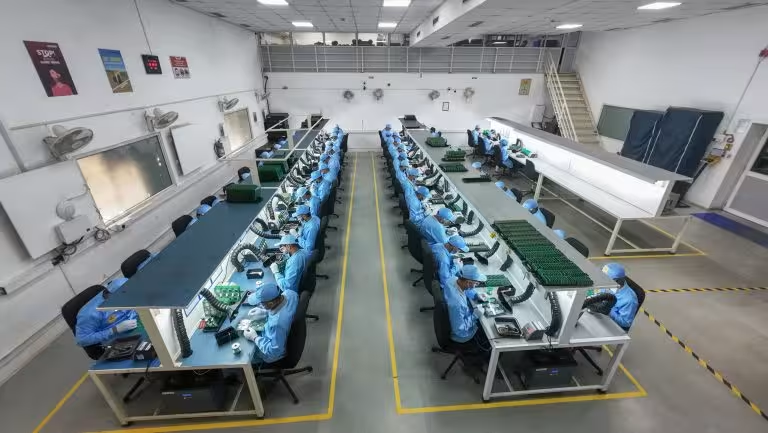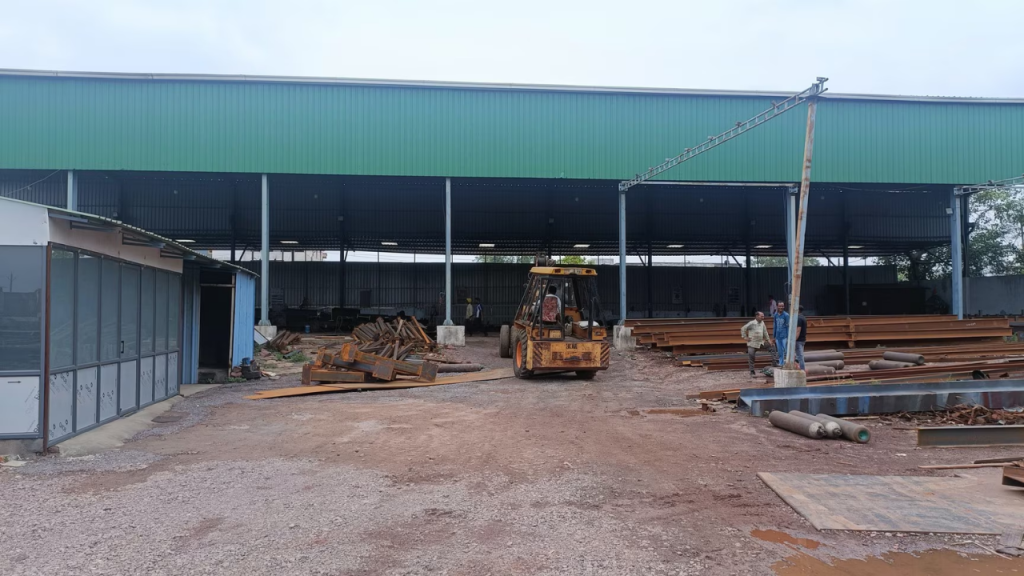
High-precision manufacturing capabilities for metal, plastic, electrical, and assembly requirements.
Manufacturing support for precision parts, assemblies, and production-ready components across demanding industries.
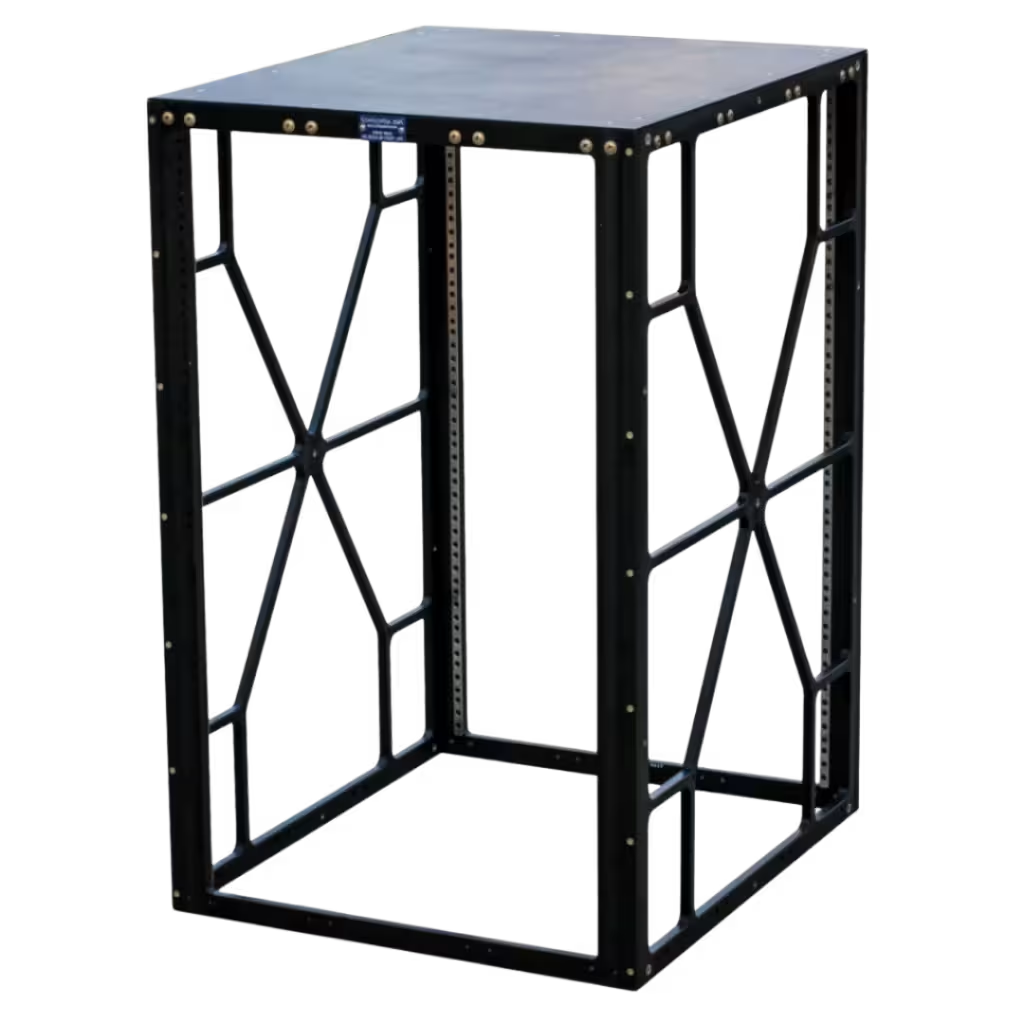
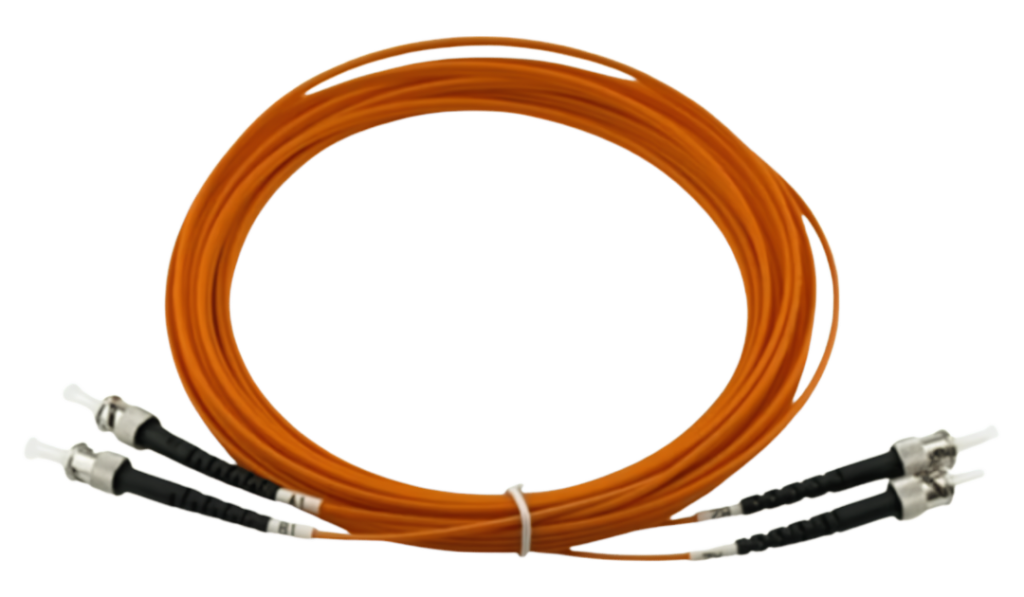
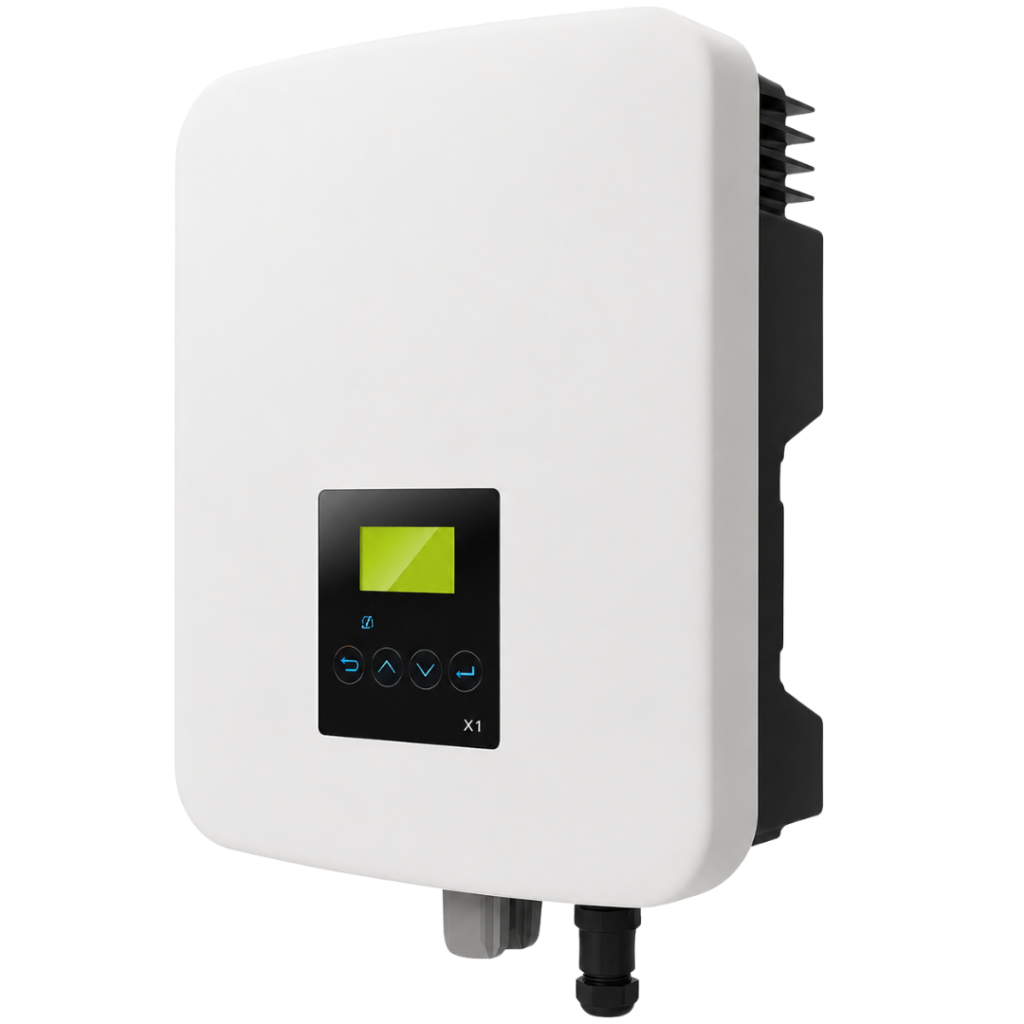
Manufacturing support for enclosures, Bento Box assemblies, cables, wiring harnesses, and BESS components.
High-strength fasteners, landing gear parts, and structural assemblies.
Metal frames, brackets, and assemblies for appliances and home equipment.
Forged housings, armor brackets, and mission-critical structural parts.
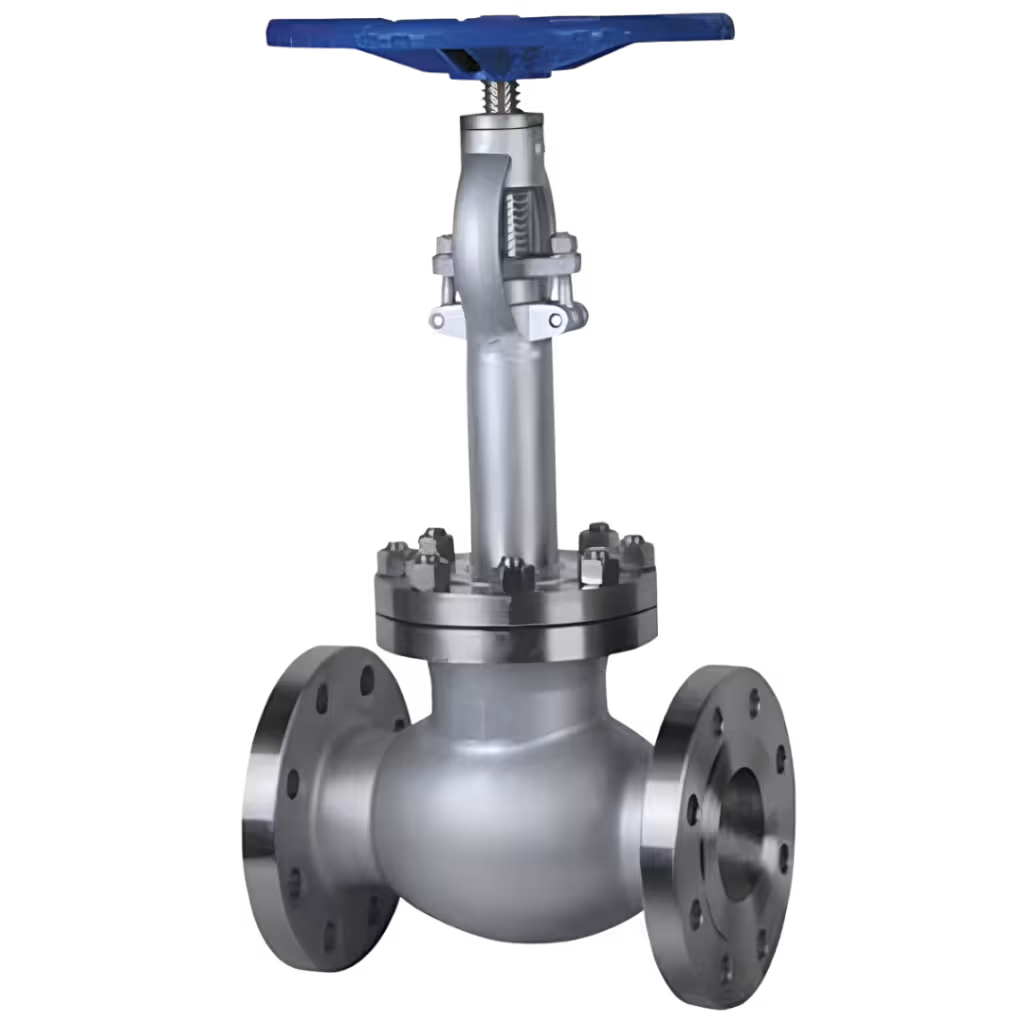
Valve bodies, flange blocks, and downhole drilling components.
Solar mounting parts, wind turbine brackets, and battery enclosures.
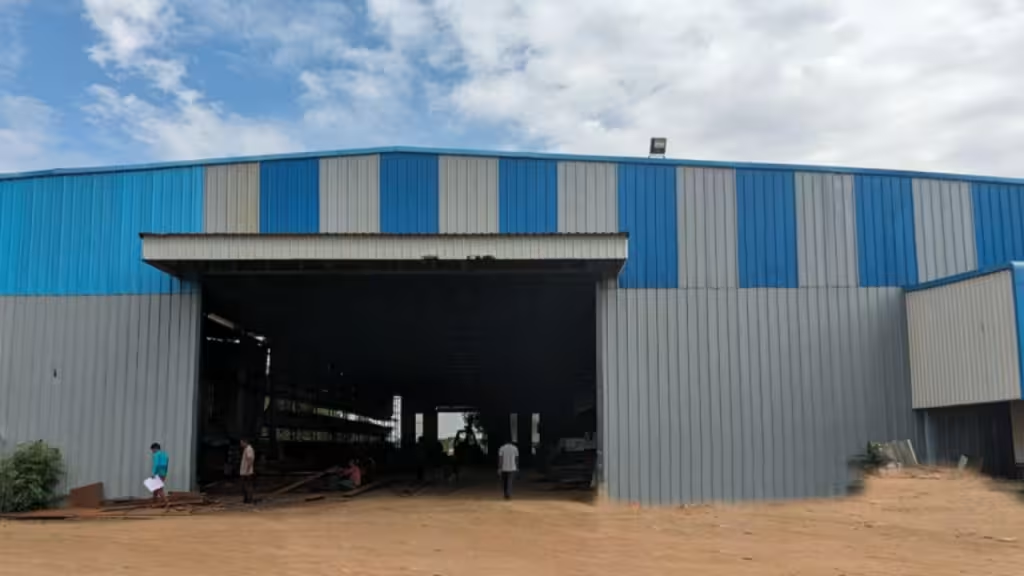
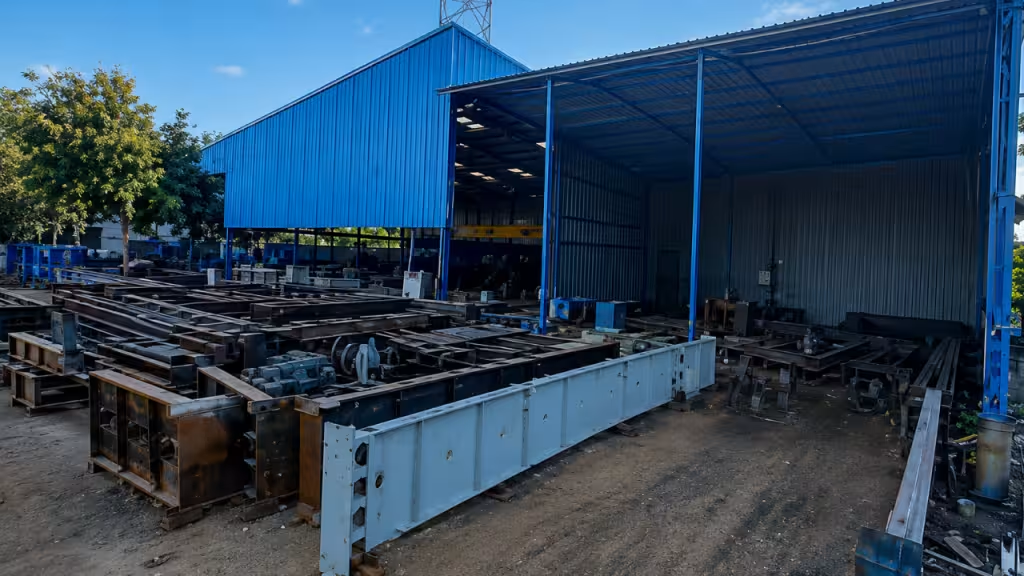
Large welded frames, PEB structures, and assemblies for industrial equipment.
Material compatibility is essential for system longevity in chemically aggressive or high-salinity environments. All wetted components are manufactured from corrosion-resistant alloys such as duplex stainless steel, bronze-nickel blends, or high-performance thermoplastics like PVDF or PTFE. Surface treatments, including electropolishing and passivation, further reduce susceptibility to microbial growth, crevice corrosion, and ion leaching, ensuring integrity over prolonged service intervals in desalination, chemical processing, and wastewater treatment systems.
Valve sealing integrity under static and dynamic pressure is maintained using high-compression elastomer seats or precision-lapped metal-to-metal seals. These components are tolerance-matched to within microns to ensure consistent contact under varying temperature and pressure conditions. Float valves are designed to maintain shutoff performance under backpressure scenarios, typically tested to ANSI/FCI 70-2 Class VI leakage standards. Seals retain dimensional stability across wide thermal cycles and differential pressure zones.
Actuation is inherently mechanical and self-regulating. Valve operation continues during power failure or sensor malfunction, offering a deterministic response to fluid level changes. Mechanical stiction and hysteresis are minimized through low-friction pivot assemblies and linear float guidance systems. Designs often include secondary containment floats or dual-arm redundancies for critical systems, enabling fail-safe closure even in the event of primary float degradation.
Need reliable Flanges for your next project? Get in touch with us today, and we’ll help you find exactly what you need!
Controls liquid levels in clarifiers and storage tanks to maintain hydraulic balance and prevent overflow during continuous operation.
Regulates makeup water based on evaporation losses, ensuring thermal efficiency and preventing pump cavitation from low-level conditions.
Maintains optimal water levels in condensate tanks to protect feed pumps and avoid thermal shock in boiler internals.
Prevents reagent overflow or depletion by automatically adjusting inlet flow based on tank liquid level and fluid density.
Ensures consistent fluid supply in elevated tanks for gravity-fed distribution, avoiding dry-run damage in downstream control valves.
Maintains fluid interface levels to support phase separation efficiency and avoid cross-contamination between immiscible fluid layers.
Valve orifices and seats are engineered to minimize cavitation and hydrodynamic turbulence at high flow rates. Flow coefficients (Cv) are optimized via computational fluid dynamics (CFD) to maintain laminar flow through the throttling range. In high-pressure systems, staged or pressure-balanced designs are available to reduce valve wear and minimize water hammer effects during actuation.
Valve assemblies are available in top-entry, side-entry, and bottom-mount configurations to support horizontal or vertical tank installations. Customizable float arm lengths, angular offsets, and buoyant volumes allow precise level setting tailored to vessel geometry and fluid density. For high-viscosity fluids, float materials with modified density and surface coatings improve actuation response and reduce contamination buildup.
Check all our Frequently Asked Question
Frigate utilizes advanced CNC machining and automated assembly lines to maintain tight tolerances across all valve components. Continuous in-process monitoring ensures dimensional accuracy and consistency. A robust quality control system, including pressure testing and leak detection, is employed at multiple stages. The result is a high degree of precision in float valve production, ensuring optimal functionality in high-demand applications.
Frigate conducts rigorous pressure, thermal cycling, and corrosion testing on each batch of float valves to simulate real-world operating conditions. Stress tests under variable flow and temperature conditions ensure that seals and components maintain integrity. Additionally, specialized fatigue testing verifies the valve’s performance over extended operational lifespans. These tests ensure that each float valve can handle the toughest environments without failure.
Frigate employs advanced material selection processes, considering factors like chemical exposure, pressure ratings, and temperature ranges. For example, valves used in chemical processing may feature corrosion-resistant alloys or fluoropolymer linings, while those for oil and gas are constructed from high-strength, impact-resistant materials. Each material is selected based on detailed compatibility analysis to ensure long-term durability and operational reliability. Comprehensive material certifications and testing confirm their suitability for demanding industries.
Frigate uses computational fluid dynamics (CFD) simulations to analyze and optimize the internal flow characteristics of each valve model. Flow rate adjustments are made by varying the orifice size, float geometry, and valve seat design to match specific application demands. Additionally, the float valves are designed for dynamic performance under fluctuating pressures and flow conditions, ensuring efficient and reliable operation. This approach ensures precise liquid level control across diverse industries
Frigate offers tailored float valve solutions by leveraging flexible manufacturing processes and custom design capabilities. Engineers collaborate with clients to define specific requirements such as tank dimensions, fluid types, and operating pressures. The team then customizes float arms, valve bodies, and seals to meet those needs while maintaining optimal performance. Prototypes and testing ensure that the final product meets the desired specifications before mass production.
Submit the form below and our representative will be in touch shortly.
10-A, First Floor, V.V Complex, Prakash Nagar, Thiruverumbur, Trichy-620013, Tamil Nadu, India.
9/1, Poonthottam Nagar, Ramanandha Nagar, Saravanampatti, Coimbatore-641035, Tamil Nadu, India. ㅤ
10-A, First Floor, V.V Complex, Prakash Nagar, Thiruverumbur, Trichy-620013, Tamil Nadu, India.
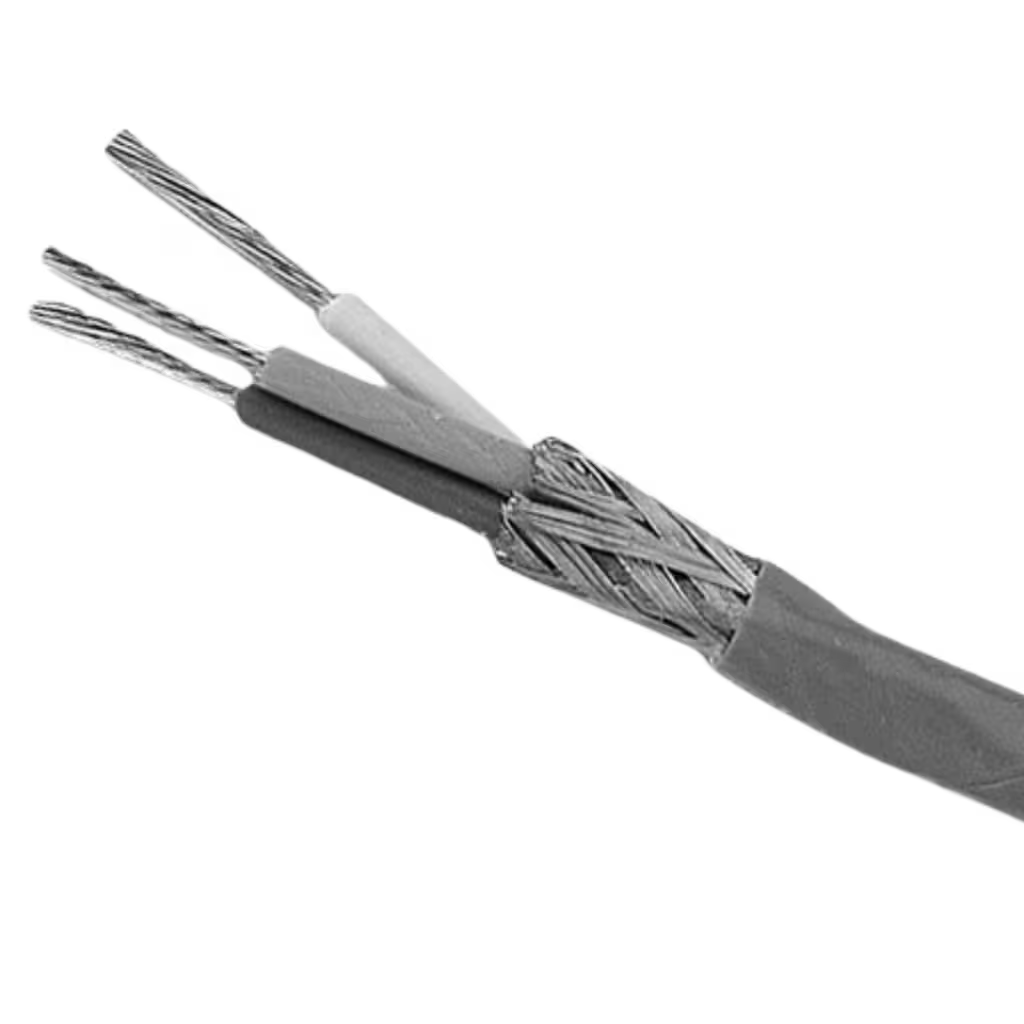
Need reliable wires and cables for your next project? Get in touch with us today, and we’ll help you find exactly what you need!
Need reliable Machining for your next project? Get in touch with us today, and we’ll help you find exactly what you need!