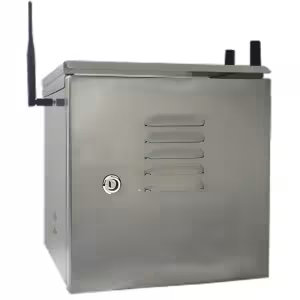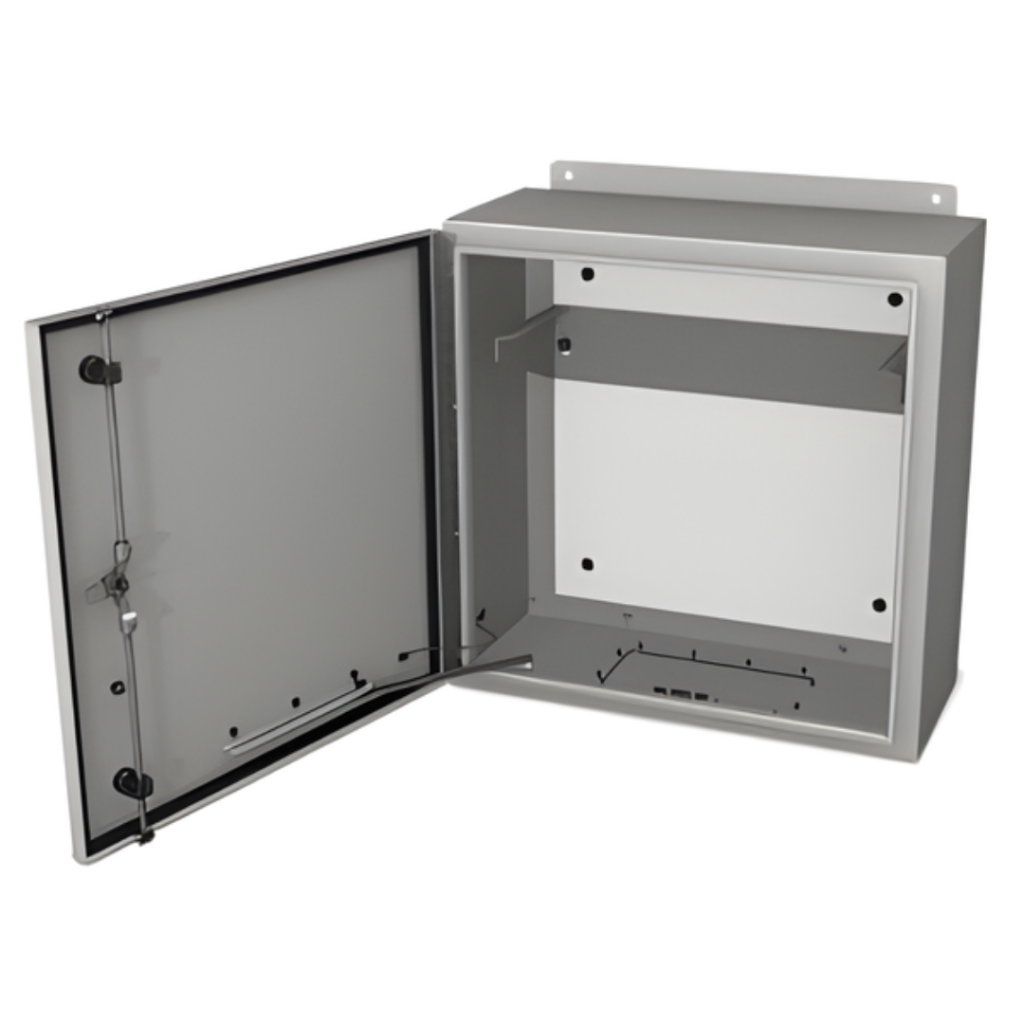
DAS (Distributed Antenna System) Enclosures

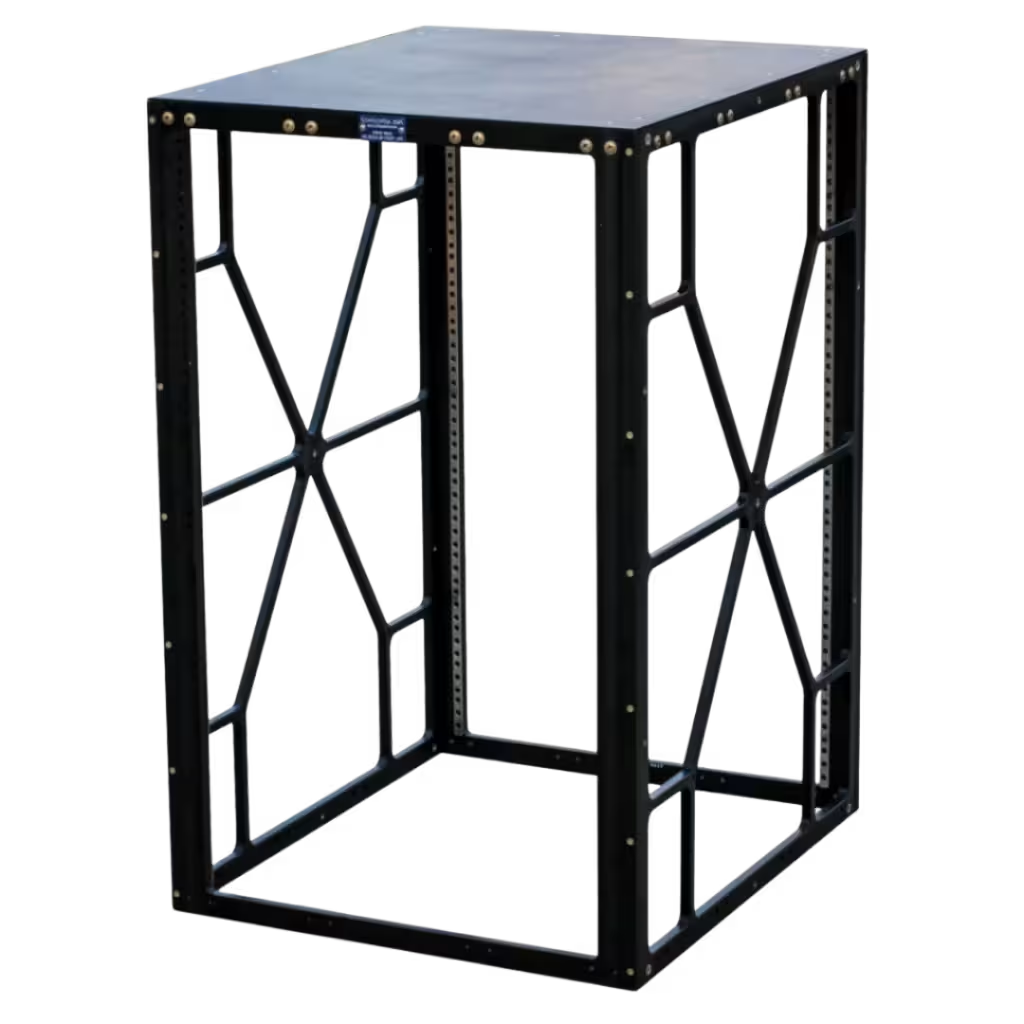
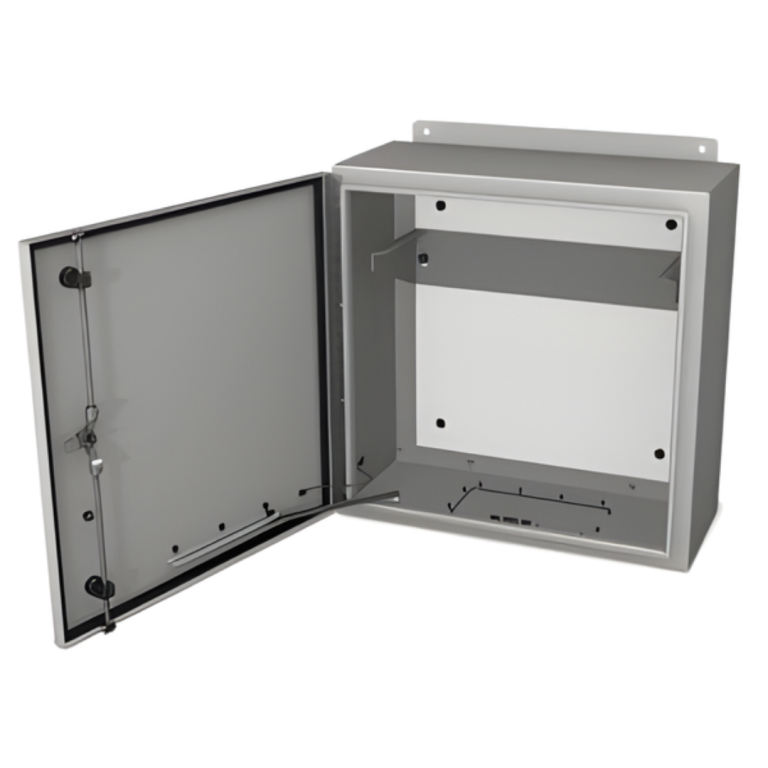
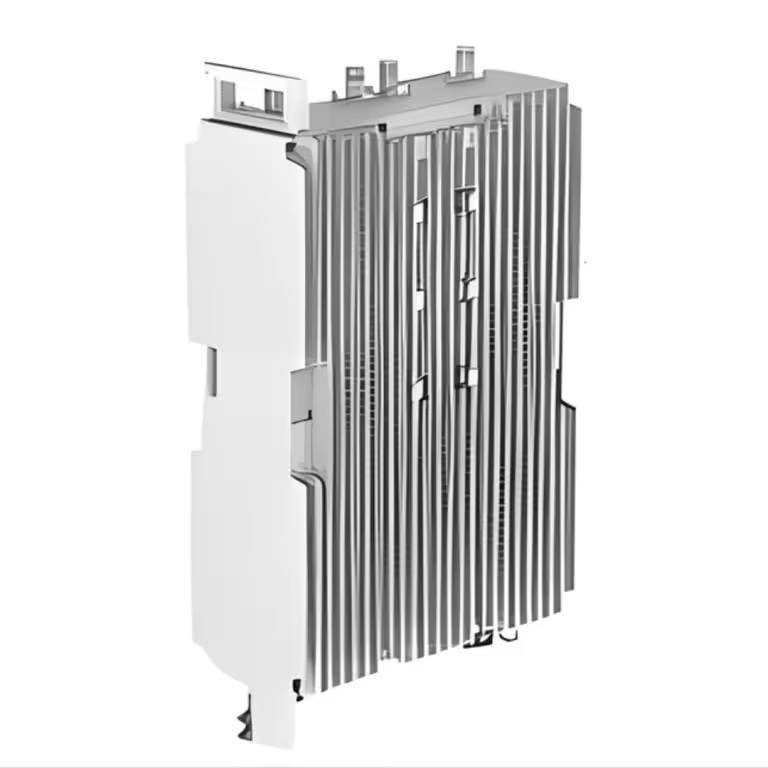
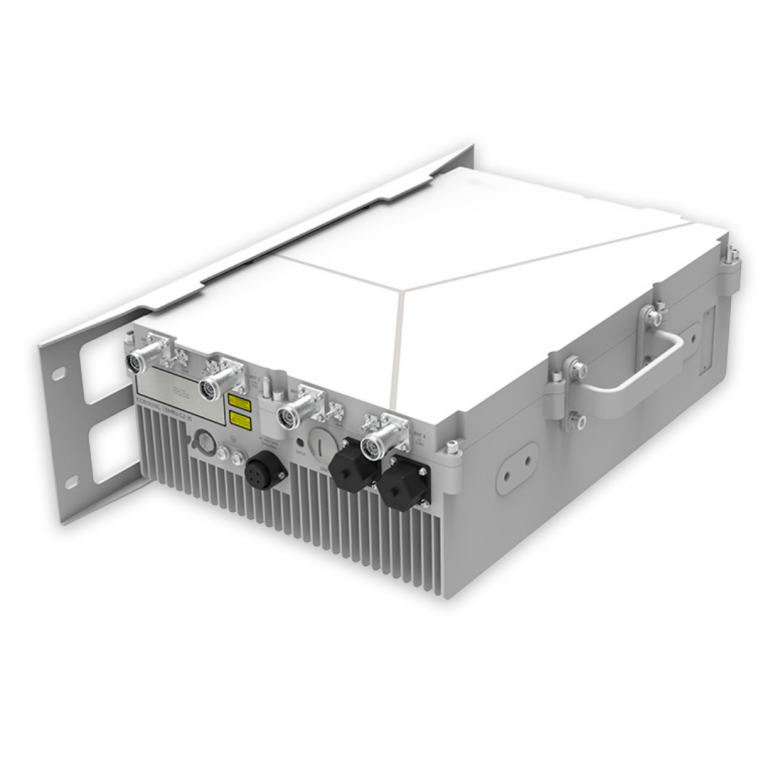
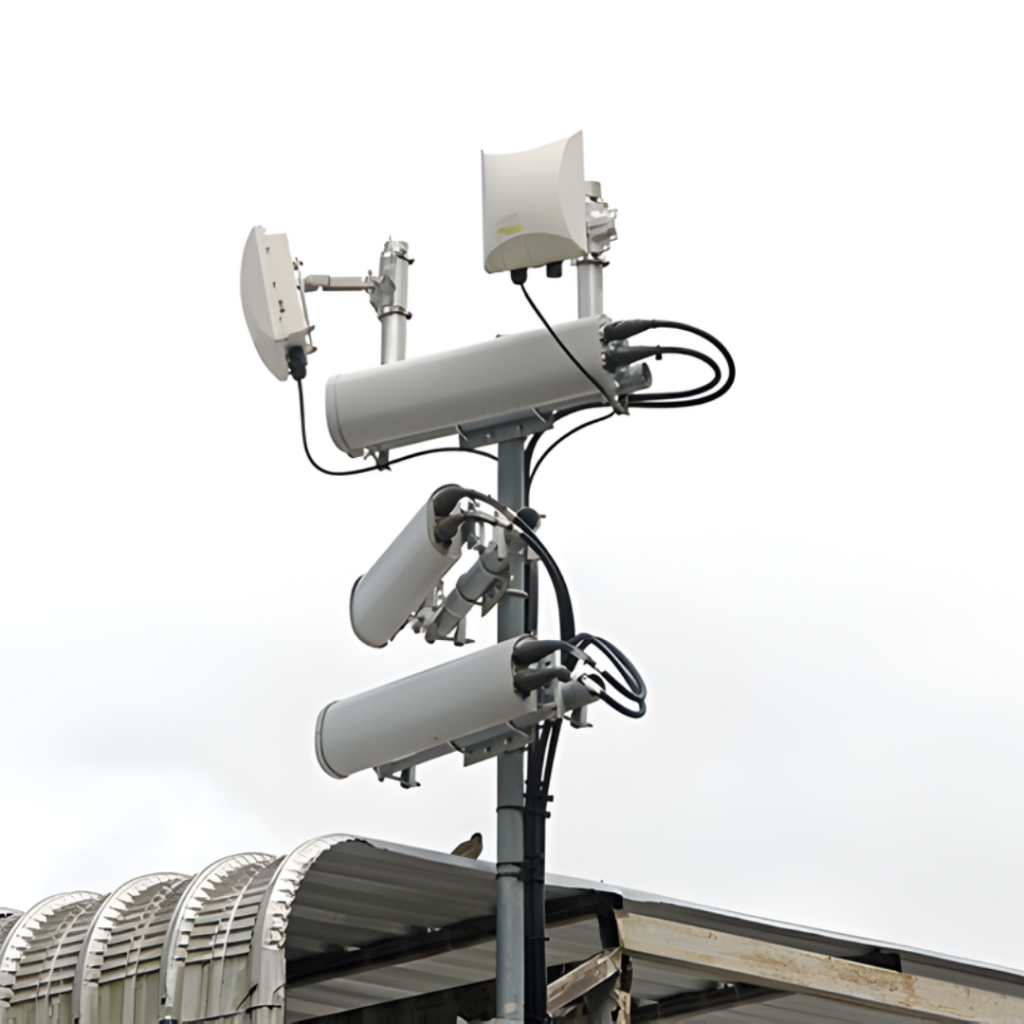
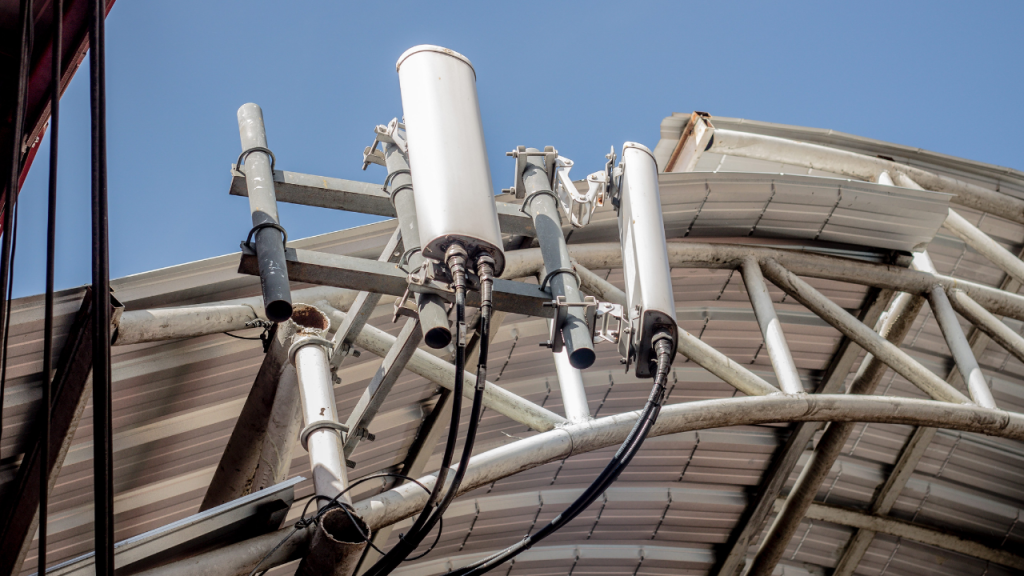
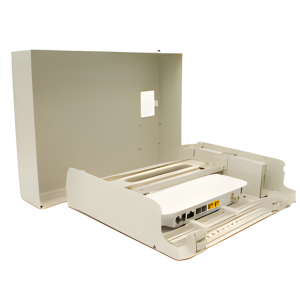
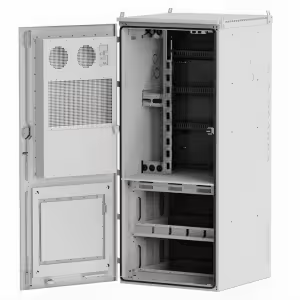
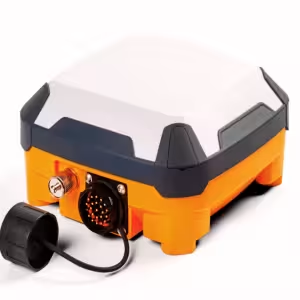
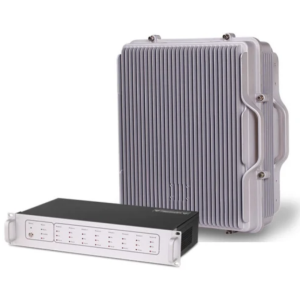
Large buildings with steel and concrete construction create dead zones where cellular signals cannot penetrate, leaving occupants without reliable wireless connectivity. DAS (Distributed Antenna System) Enclosures house signal amplifiers, splitters, and combining equipment that distribute carrier signals throughout structures via strategically positioned antennas. 
HY D R O L Y SIS RESIS T ANCE
Material & Grade
  • Cold Rolled Steel (CRS) – SPCC
  • Galvanized Steel – SGCC
  • Stainless Steel – SS304, SS316
  • Aluminum Sheet – 5052, 6061
  • Sheet thickness – Up to 2.5mm capable
  • Maximum capable – 800mm (H) x 600mm (W) x 400mm (D) 
  • Compact and custom sizes available
  • Powder Coating – RAL 9005, RAL 7035, Custom RAL colors
  • Thickness – 60-80 microns
  • Electro-galvanized finish
  •  UV-resistant coating
  • Fire-retardant finish
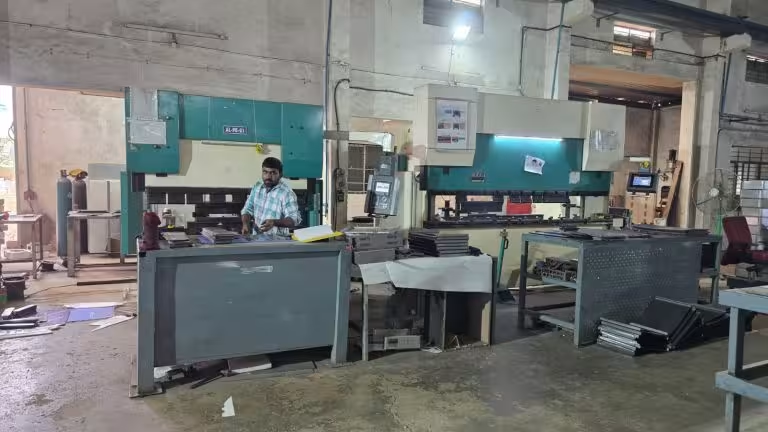
  • CNC Laser Cutting
  • CNC Punching & Bending
  • TIG/MIG Welding
  • CNC Press Brake Forming
  •  EMI shielding construction 
  • Gasket groove forming
  • Stainless Steel 304/316 Hardware
  • Hinged or screwed covers
  • Quick-release latches
  • Grounding lugs & terminals
  • DIN rail mounting provisions
  • Equipment mounting brackets

Product Description

Wall-mounted or ceiling-recessed housings accommodate RF distribution components with internal volumes reaching 800mm while maintaining low visual profiles in commercial interiors. Steel or aluminum construction provides EMI shielding that prevents interference between DAS equipment and adjacent building systems. By organizing complex RF pathways and protecting sensitive electronics, these enclosures enable seamless cellular coverage in venues where traditional outdoor towers cannot reach. 

Mounting Type
  • Wall Mount (indoor/outdoor)
  • Ceiling Mount with brackets
  • Pole Mount configurations
  • Rack Mount (19″ compatible)
  • Recessed mounting options
  • Universal mounting provisions 
  • Cable glands – M16, M20, M25, M32
  • Bottom/Top/Side entry options
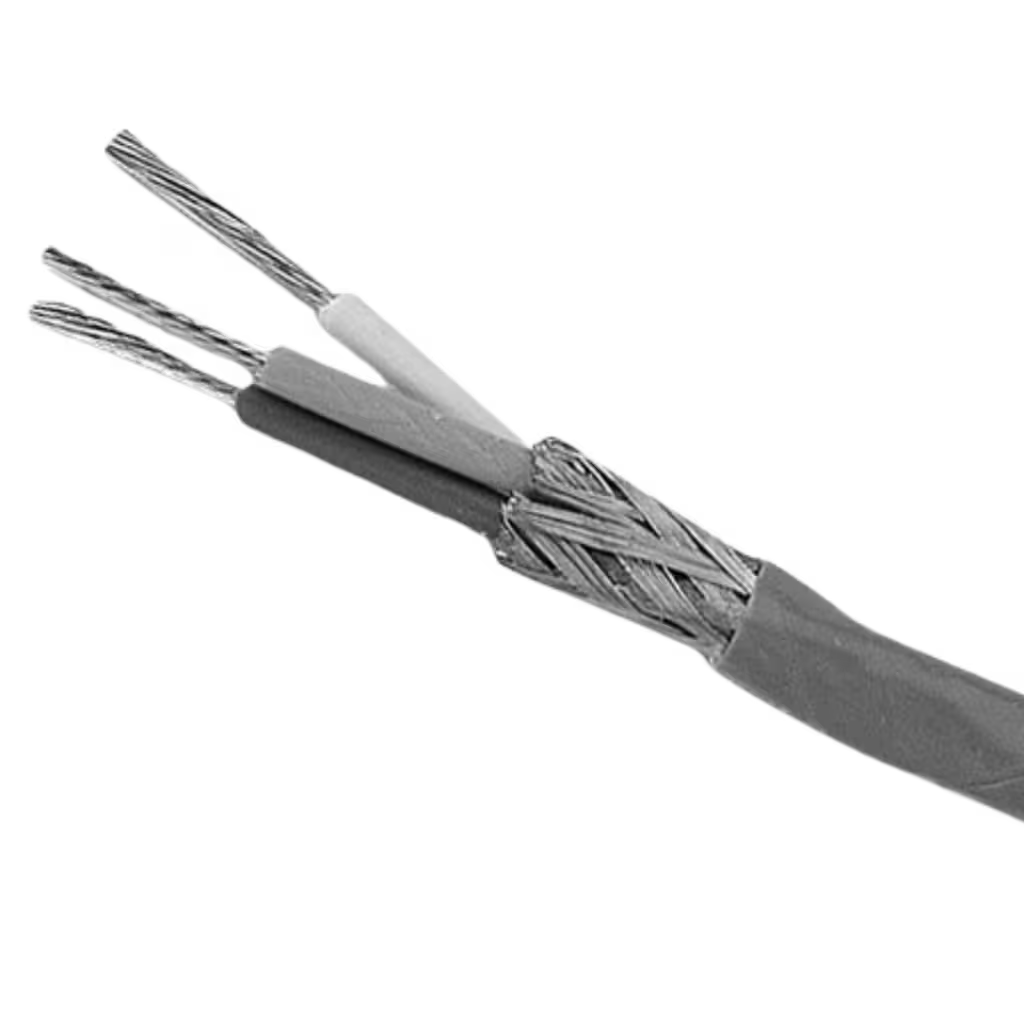
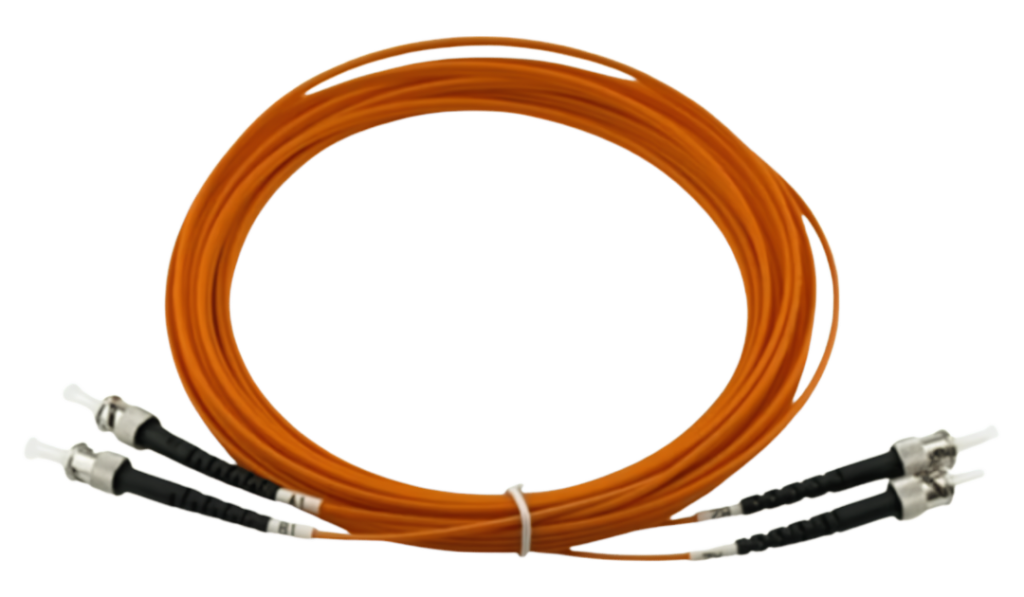
  • Fiber and coax cable routing
  • RF cable bend radius protection
  • Strain relief systems
  • EMI-filtered cable entries
  • Indoor – IP40, IP54
  • Outdoor – IP65 (dust-tight/water jet protected)
  • Enhanced – IP66 (heavy water jet protected) 
  • Environment-specific ratings
  • DIN rail mounting for equipment
  • Splitter/combiner mounting plates
  • RF component organization
  • Cable management channels
  • Fiber splice tray provisions
  • Ventilation for heat dissipation
  • Hinged cover with latch
  • Screwed cover with gasket seal
  • Transparent viewing window 
  • Tool-required or tool-less access
  • Quick-access design  
  • Lockable cover options 
  • 3GPP Standards (DAS specifications)
  • IEC 60529 (IP Rating)  
  • FCC Part 15 (Radio Frequency)
  • NFPA 72 (Fire Alarm Code – for public safety DAS)
  • UL Listed
  • CE Marked
  • RoHS Compliant 
  • ISO 9001 –2015 Manufacturing 

Technical Advantages

DAS architectures split carrier signals from head-end equipment to multiple remote antenna locations maintaining signal strength throughout distribution pathways. To accomplish this, internal component layouts organize splitters, combiners, and amplifiers on DIN rails with labeled connection points correlating to building floor plans. RF cable routing maintains proper bend radius specifications preventing signal degradation from kinked or sharply curved coaxial runs. 

EMI shielding prevents interference between DAS frequencies and sensitive building systems including fire alarms, elevators, and medical equipment. Grounding provisions bond all metallic components to building ground systems establishing proper RF performance and personnel safety. Furthermore, ventilation provisions dissipate heat from active amplifiers without compromising ingress protection ratings required for outdoor or mechanical room installations. 

Let's Get Started

Need reliable Enclosures for your next project? Get in touch with us today, and we’ll help you find exactly what you need!

Industry Applications

Corporate Office Buildings

Distributes multi-carrier cellular signals throughout high-rise structures where exterior macro cell coverage fails to penetrate interior workspaces. 

Healthcare Facilities

Ensures reliable wireless connectivity for medical staff communications, patient monitoring systems, and emergency response coordination throughout hospital complexes.

Sports Stadiums and Arenas

Manages massive capacity demands during events when tens of thousands of simultaneous users require data and voice services. 

Convention Centers and Airports

Provides seamless coverage across expansive indoor spaces where large crowds generate peak traffic surges beyond typical network capacity. 

Underground Transit Systems

Extends cellular service into subway tunnels, underground shopping concourses, and parking structures lacking direct signal paths to surface towers. 

Higher Education Campuses

Supports dense user populations in lecture halls, dormitories, and research facilities requiring consistent connectivity for educational applications. 

DAS (Distributed Antenna System) Enclosures

Building-Integrated Wireless Infrastructure

Deployment environments range from finished office spaces requiring aesthetic integration to industrial mechanical rooms prioritizing equipment density over appearance. DAS Enclosures are available in architectural finishes matching interior design specifications or standard telecom-grade housings optimized for equipment access and thermal management. 

Complete installation packages include mounting hardware for various building materials, cable management accessories, and grounding provisions. For high-security facilities, Frigate offers tamper-evident enclosures with access logging capabilities that track maintenance activities and unauthorized entry attempts throughout the DAS network.

DAS (Distributed Antenna System) Enclosures

Having Doubts? Our FAQ

Check all our Frequently Asked Questions

How does Frigate address EMI shielding requirements in DAS Enclosures to prevent interference with building systems?

Frigate controls EMI risk in DAS enclosures through measures such as – 

  • Conductive enclosure construction and shielding continuity 
  • Filtered or controlled cable entry points where required 
  • Bonding and grounding provisions that stabilize RF reference 

Shielding approach can be tailored to the venue RF environment and system architecture. 

What mounting options does Frigate provide for DAS Enclosures in finished architectural spaces versus mechanical rooms?

Mounting is matched to the space type and access expectations, including – 

  • Wall-mount patterns for back-of-house and mechanical rooms 
  • Low-profile mounts for finished public areas 
  • Adjustable bracket options to suit uneven substrates 

Frigate can customize mounting kits to align with site constraints and aesthetics. 

Can DAS Enclosures accommodate both passive and active DAS system components within the same housing?

Yes. Frigate can configure internal zoning and mounting provisions to house passive splitters/couplers alongside active components such as amplifiers, depending on heat load and service access needs. Cable routing and segregation can be planned to keep RF pathways organized and maintainable. 

How does Frigate manage heat dissipation from active amplifiers in sealed DAS Enclosures?

Heat is managed without compromising sealing by using – 

  • Conduction paths from amplifier mounts to the enclosure body 
  • External surface area optimized for passive convection 
  • Finish options that reduce heat absorption in warm spaces 

Thermal design is customized to amplifier wattage and installation location. 

What cable management provisions are integrated into DAS Enclosures for organizing multiple RF distribution pathways?

Frigate supports clean RF routing and serviceability through – 

  • Segregated routing channels for different RF runs 
  • Tie points and bend-control features to protect coax 
  • Labeling locations aligned to RF port mapping 

Cable management can be configured based on pathway count and carrier layout. 

Can DAS Enclosures support multi-carrier and multi-band configurations in shared venue installations?

Shared-venue deployments can be supported by designing for – 

  • Multiple carrier termination points and port organization 
  • Internal separation to reduce cross-coupling risk 
  • Space planning for combiners, splitters, and filters 

Frigate can tailor layouts to the carrier mix and frequency bands in use. 

How does Frigate balance aesthetic integration with functional accessibility in DAS Enclosures for public spaces?

In public areas, the enclosure has to blend in without becoming hard to service. Frigate offers low-profile form factors, finish options, and mounting positions that reduce visual impact while preserving access to connectors, labeling, and modules needed for routine inspection and upgrades. 

What fire safety and building code compliance features are incorporated into DAS Enclosure designs?

Compliance considerations are supported through options such as – 

  • Material and finish selections suited to indoor building environments 
  • Cable entry and routing provisions that protect jacket integrity 
  • Grounding/bonding features aligned to site electrical practices 

Frigate can align enclosure configuration to project code requirements and venue standards. 

Can DAS Enclosures accommodate future capacity expansion as building occupancy and wireless demand increases?

Capacity growth can be planned through – 

  • Reserved mounting space for additional modules 
  • Cable management headroom for added RF pathways 
  • Modular internal layouts that allow phased additions 

Frigate can size the enclosure around expansion forecasts to avoid early replacement. 

How does material selection affect DAS Enclosure performance in high-humidity environments like underground transit systems?

High humidity increases corrosion risk, so selection typically focuses on – 

  • Corrosion-resistant metals or coated constructions 
  • Fastener choices that reduce galvanic effects 
  • Sealing strategies that remain stable under condensation cycles 

Material stacks can be tailored to the humidity profile and service life targets. 

Get Clarity with Our Manufacturing Insights

We'd love to Manufacture for you!

Submit the form below and our representative will be in touch shortly.

LOCATIONS

Registered Office

10-A, First Floor, V.V Complex, Prakash Nagar, Thiruverumbur, Trichy-620013, Tamil Nadu, India.

Operations Office

9/1, Poonthottam Nagar, Ramanandha Nagar, Saravanampatti, Coimbatore-641035, Tamil Nadu, India. ㅤ

Other Locations

GENERAL ENQUIRIES

Get Quote
Support All File Formats Including - STEP | STP | SLDPRT | STL | DXF | IPT | X_T | X_B | 3DXML | CATPART | PRT | SAT | 3MF | JT files

LOCATIONS

Registered Office

10-A, First Floor, V.V Complex, Prakash Nagar, Thiruverumbur, Trichy-620013, Tamil Nadu, India.

Other Locations

GENERAL ENQUIRIES

Get Your Quote Now

New Get Quote form

DAS (Distributed Antenna System) Enclosures

Need reliable wires and cables for your next project? Get in touch with us today, and we’ll help you find exactly what you need!

Get Latest Price

Get Price Form

DAS (Distributed Antenna System) Enclosures

Need reliable Machining for your next project? Get in touch with us today, and we’ll help you find exactly what you need!

Get Latest Price

Get Price Form