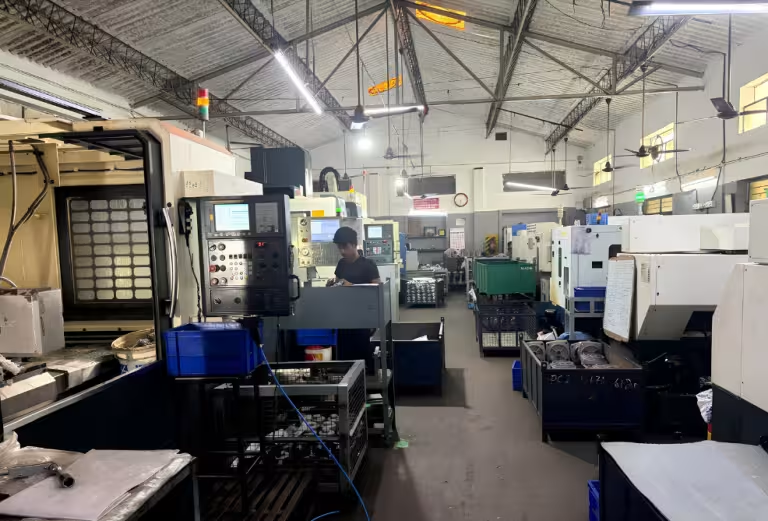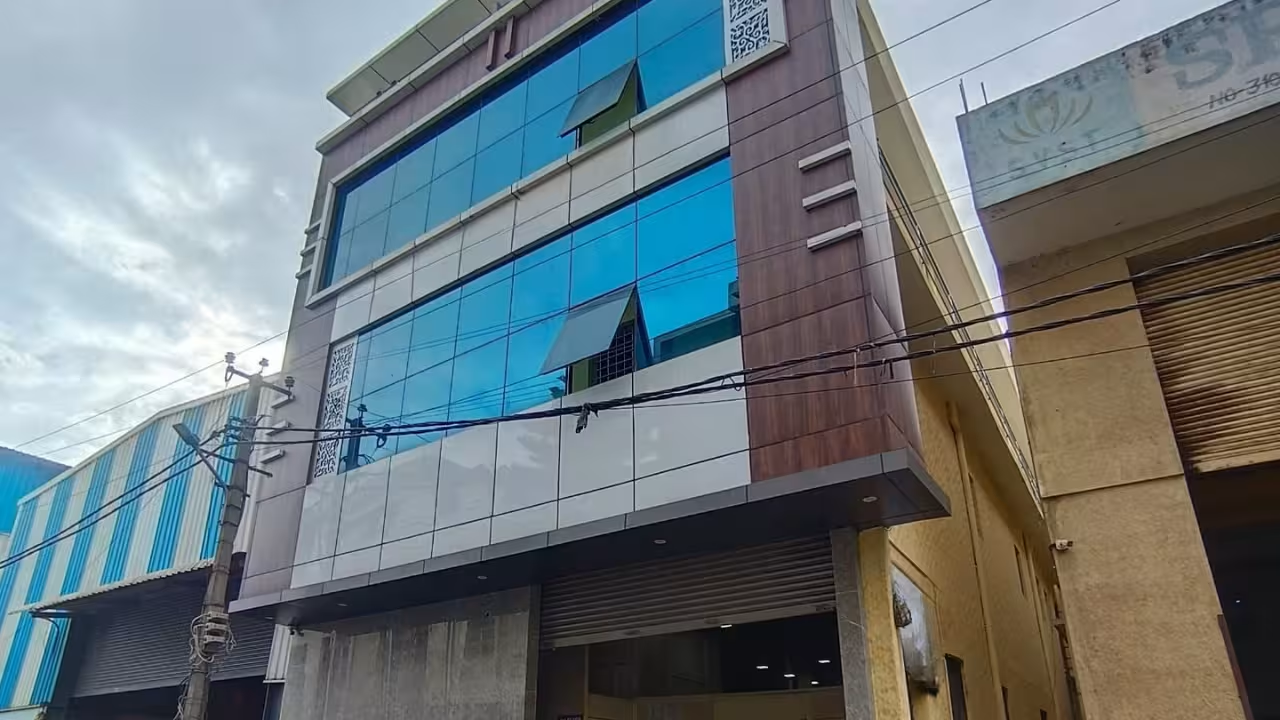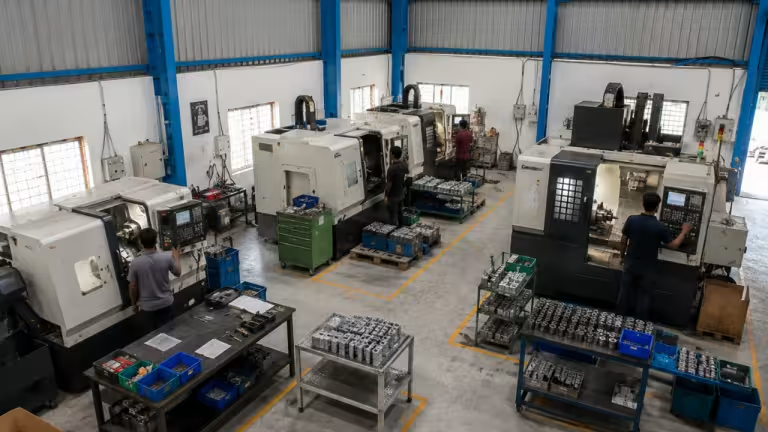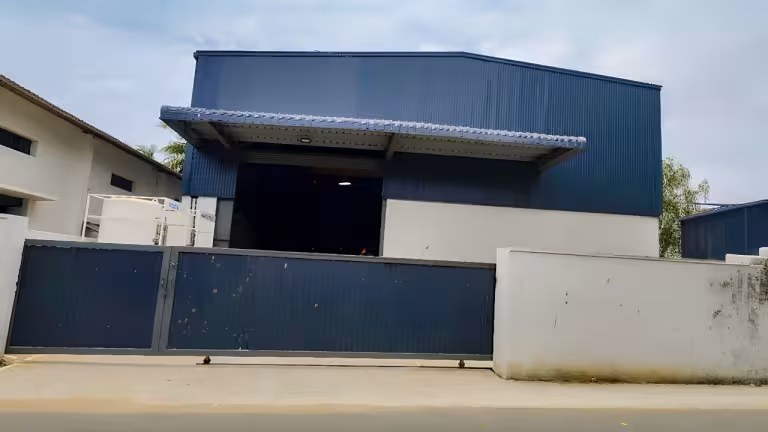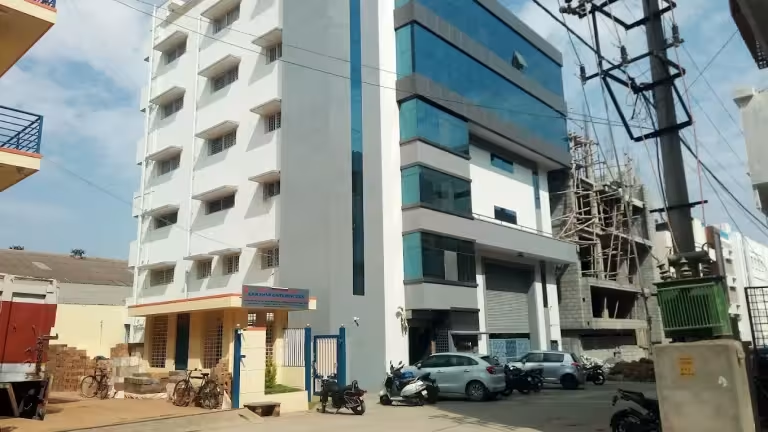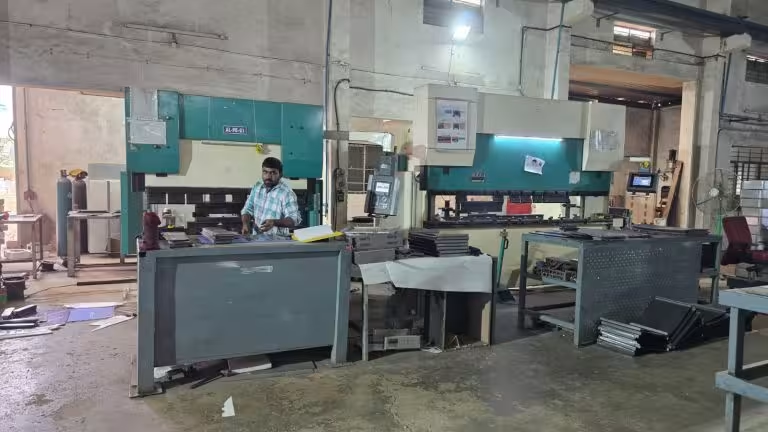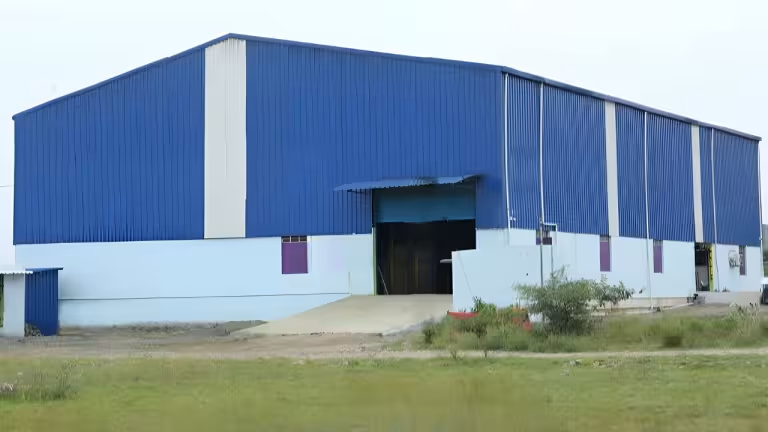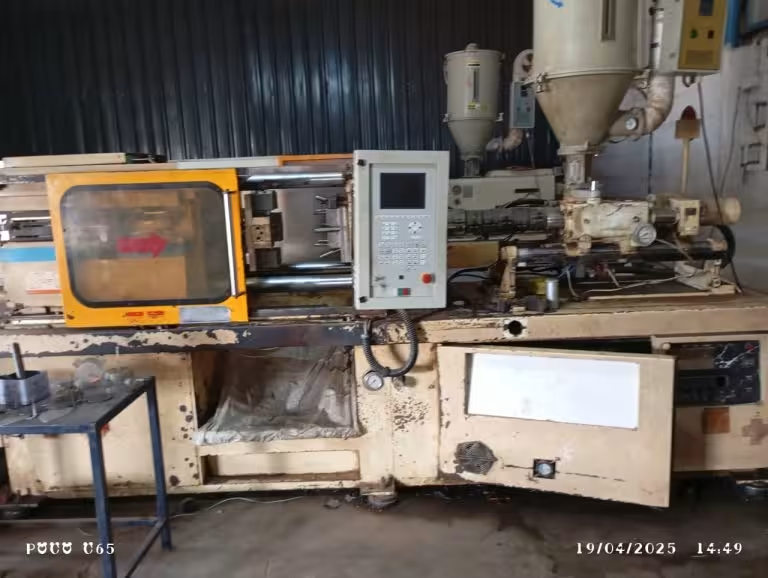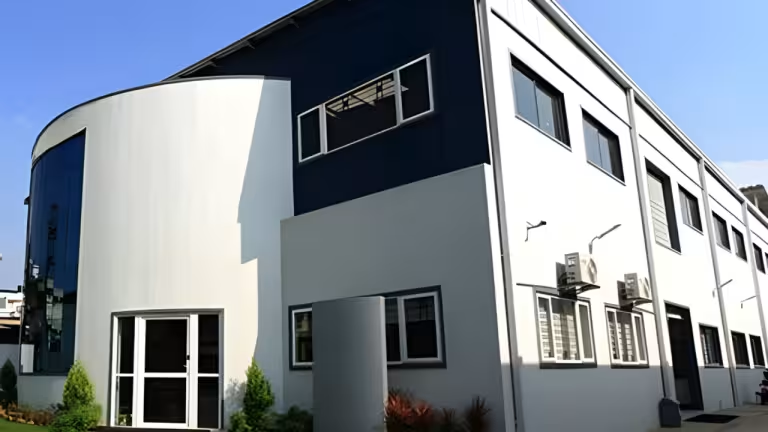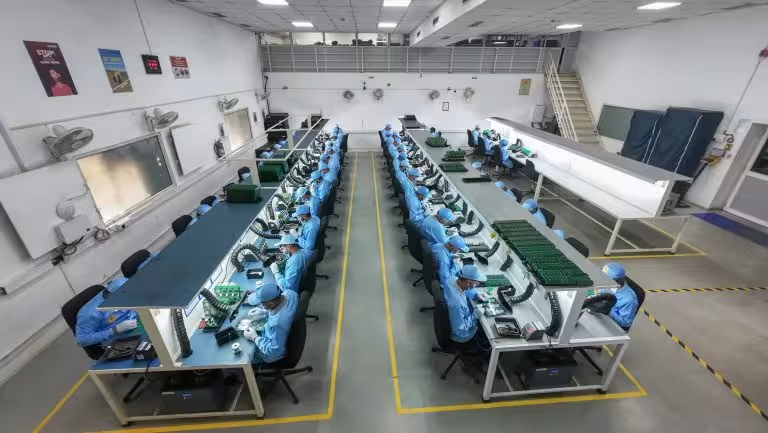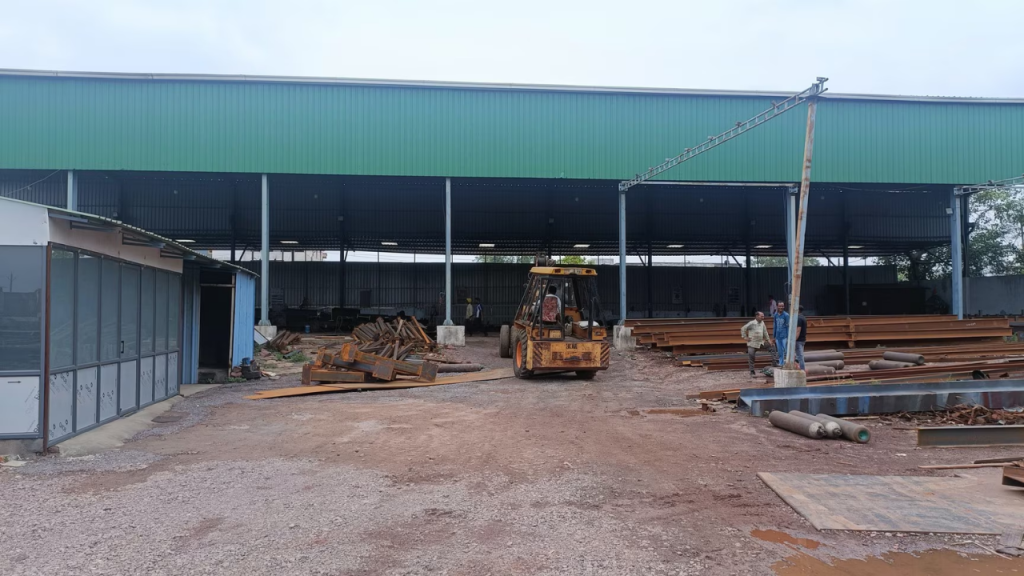
High-precision manufacturing capabilities for metal, plastic, electrical, and assembly requirements.
Manufacturing support for precision parts, assemblies, and production-ready components across demanding industries.
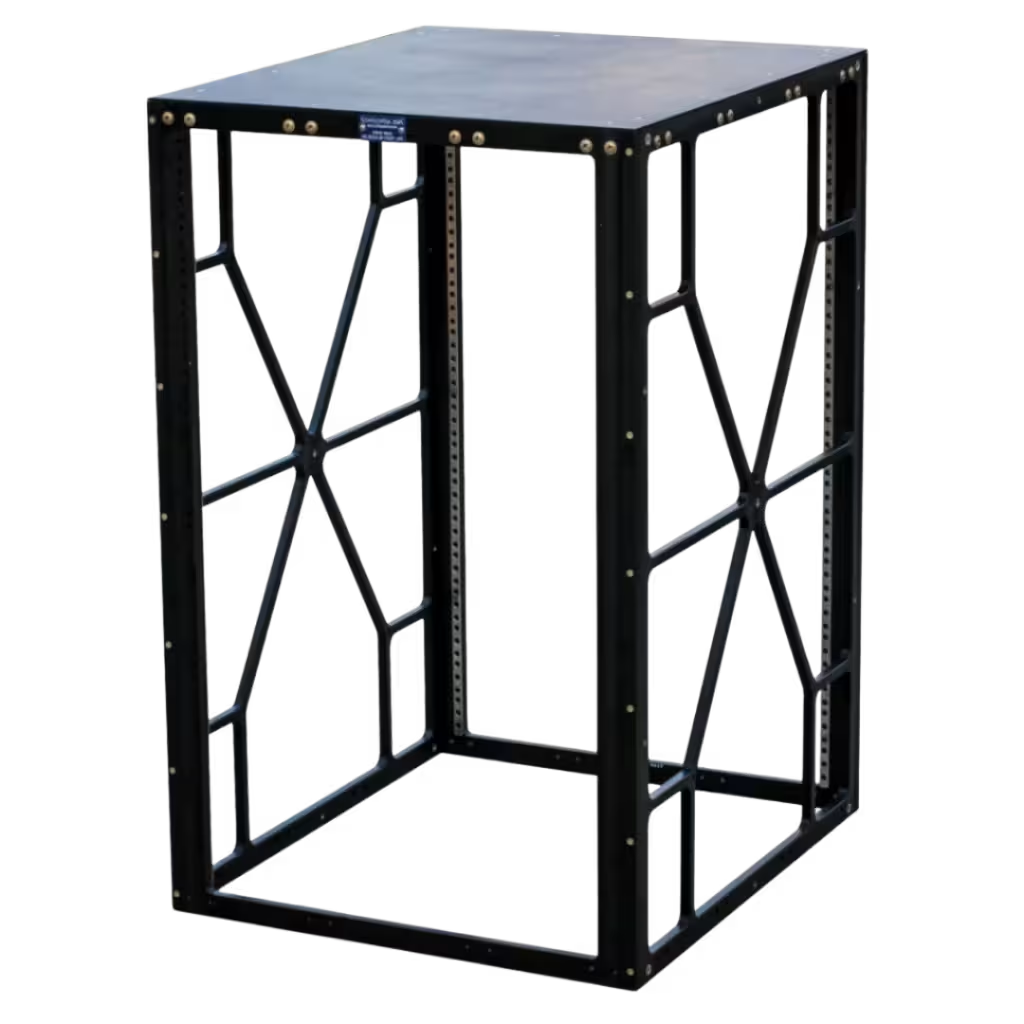
Manufacturing support for enclosures, Bento Box assemblies, cables, wiring harnesses, and BESS components.
High-strength fasteners, landing gear parts, and structural assemblies.
Metal frames, brackets, and assemblies for appliances and home equipment.
Forged housings, armor brackets, and mission-critical structural parts.
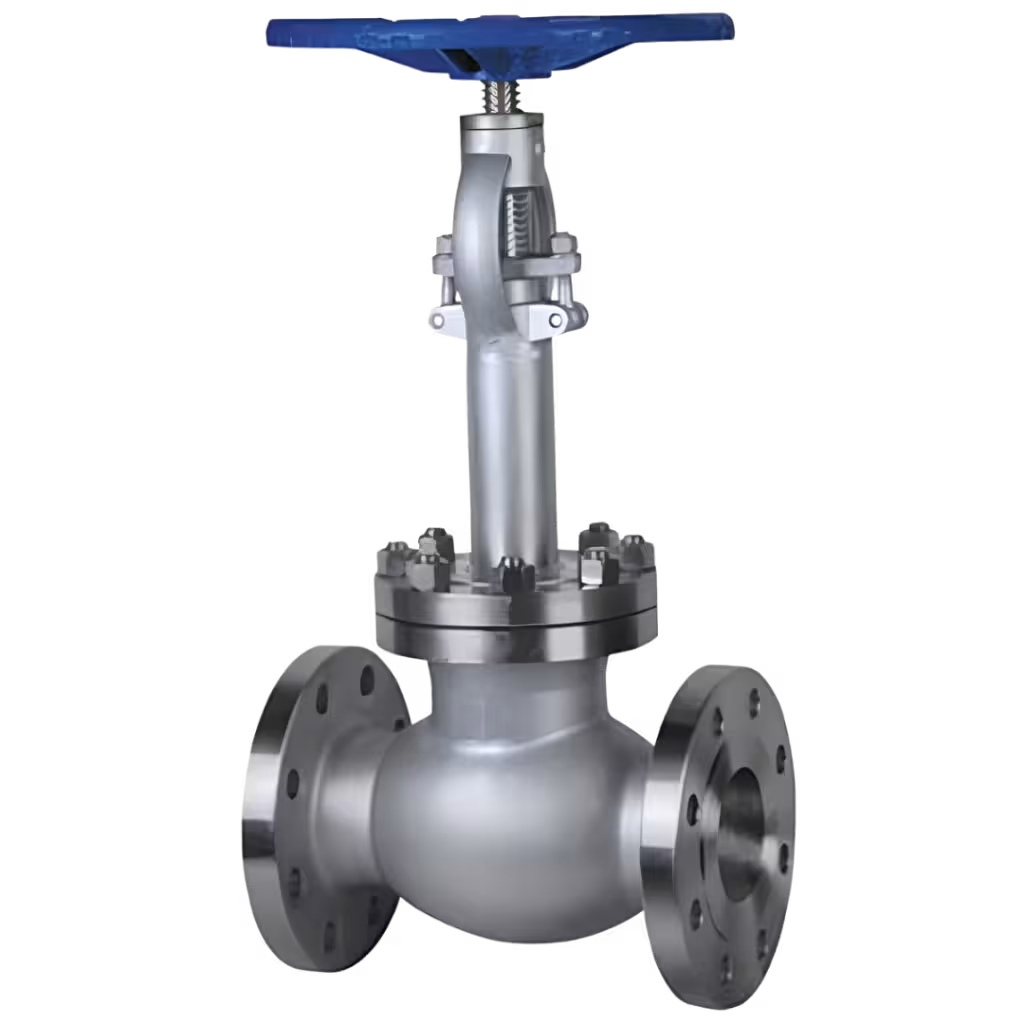
Valve bodies, flange blocks, and downhole drilling components.
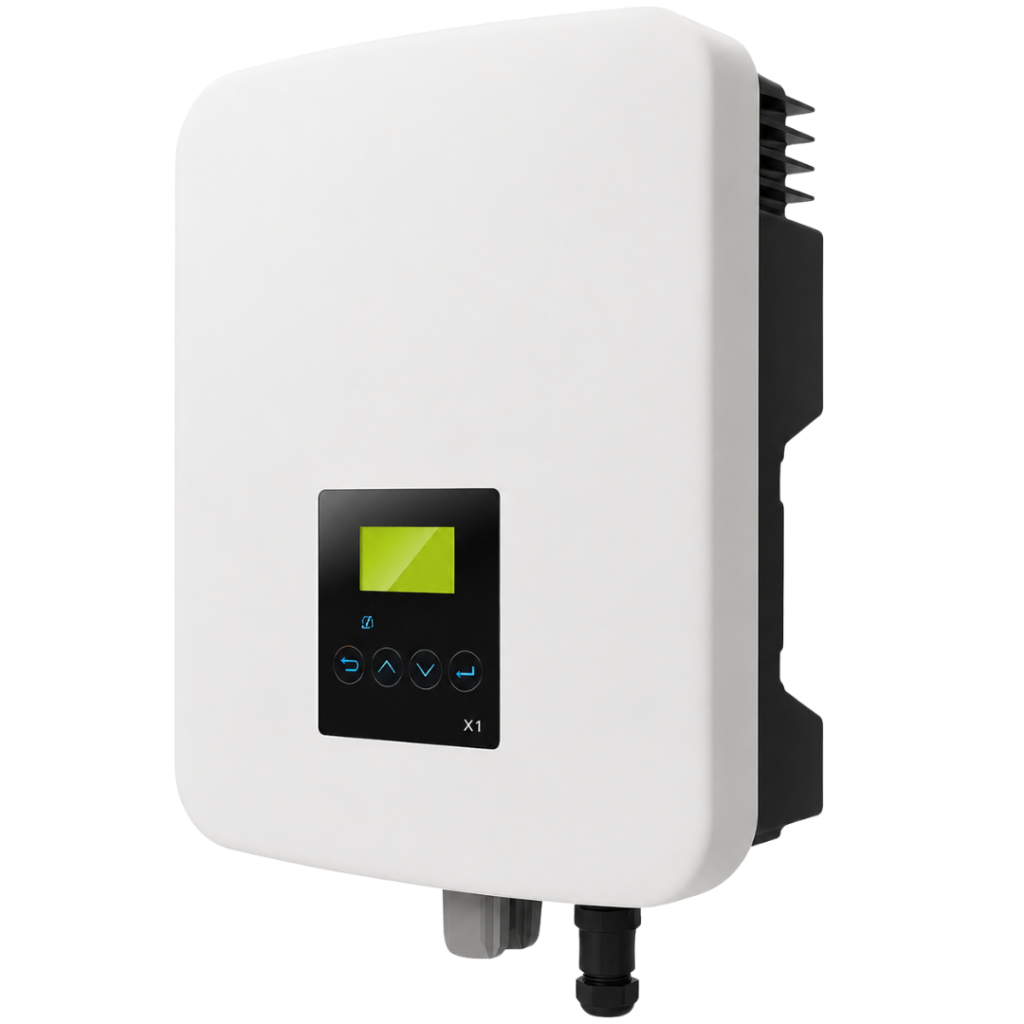
Solar mounting parts, wind turbine brackets, and battery enclosures.
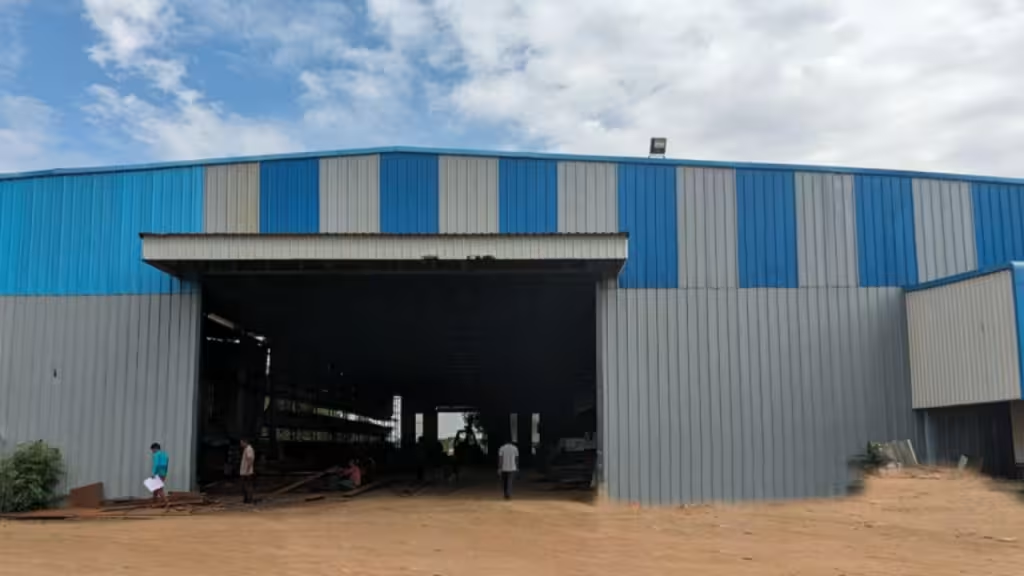
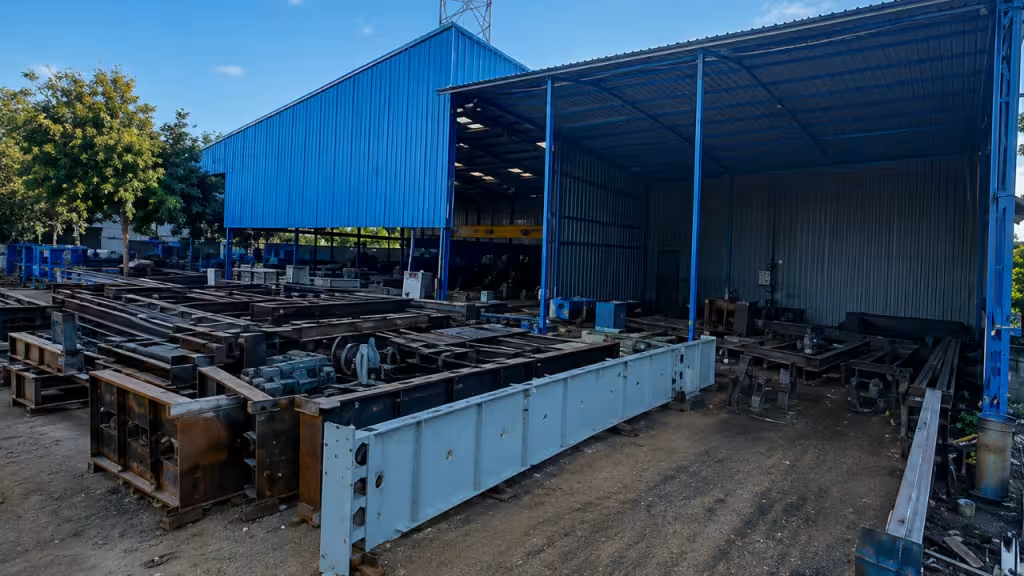
Large welded frames, PEB structures, and assemblies for industrial equipment.
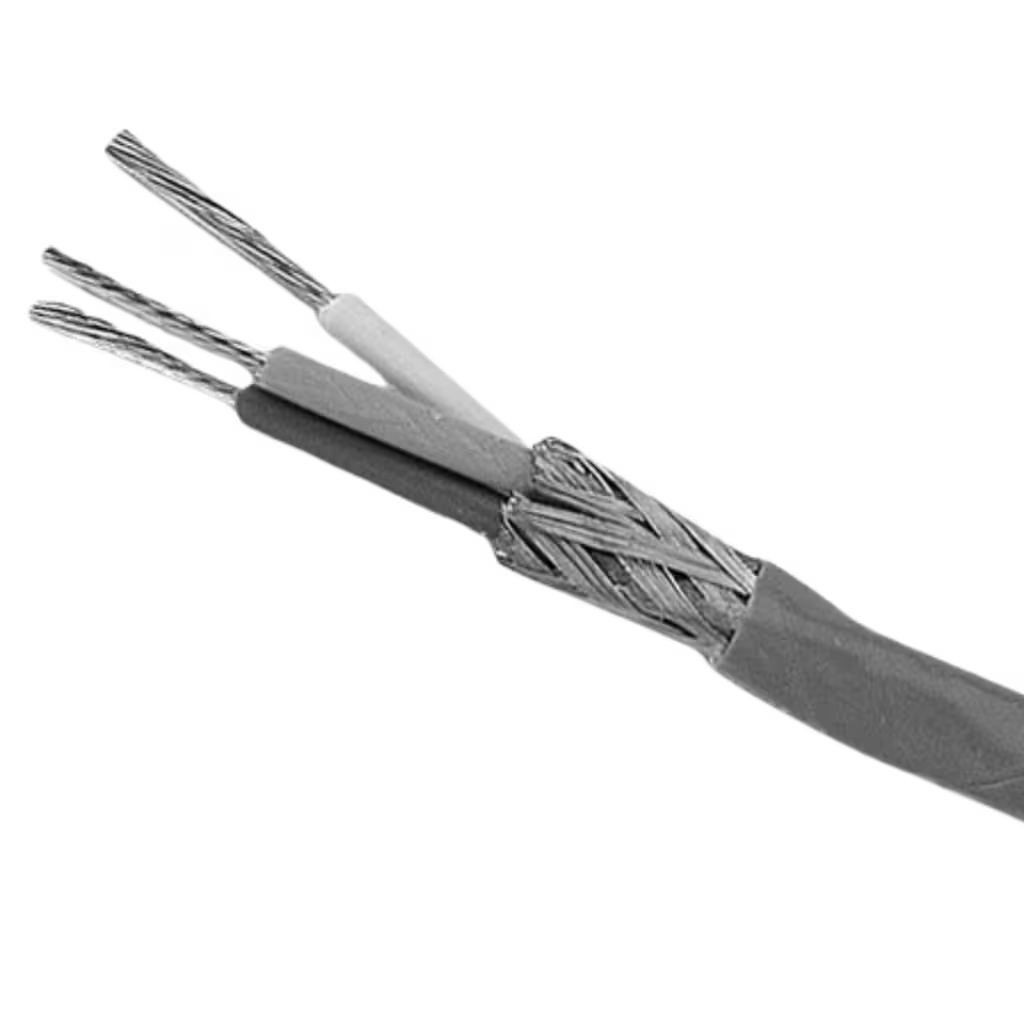
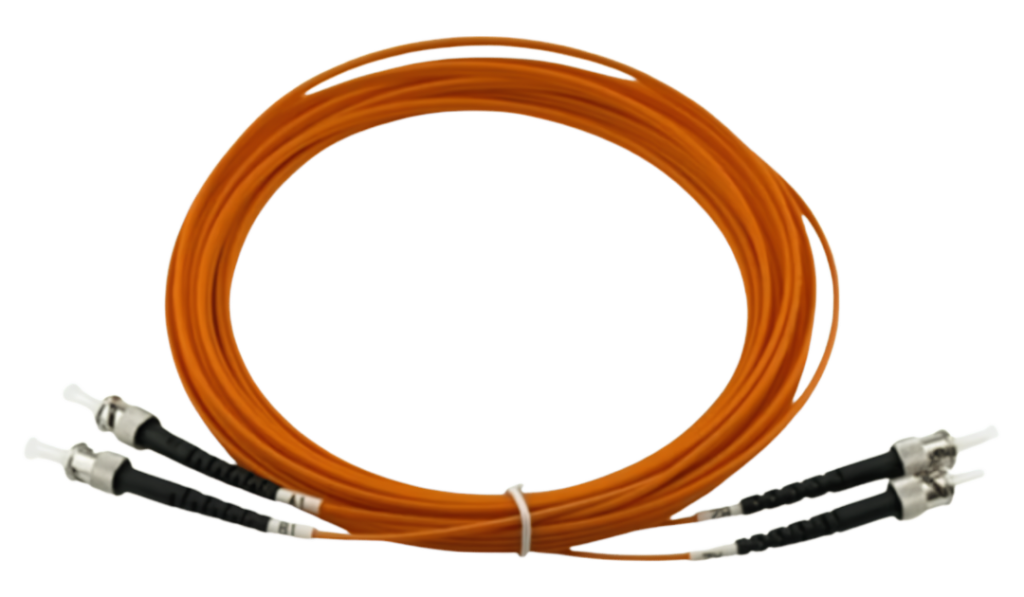
Control cables are durable and designed for extreme conditions. They resist high temperatures, moisture, and abrasion. Advanced insulation materials protect against chemicals and UV damage. These features ensure cables continue performing under tough conditions, even in harsh industrial environments.
Flexible control cables bend and move easily with machinery. They remain flexible even in cold environments, simplifying installation. Their compact design allows them to fit into tight spaces without difficulty, speeding up setup time and reducing installation costs.
Problem Solved: Install cables quickly and easily, even in confined or moving spaces.
Control cables are built for optimal electrical performance. They resist short circuits and protect against electromagnetic interference (EMI). Shielding keeps your equipment safe from external disruptions. These cables ensure reliable power and signal transmission in complex systems.
Problem Solved: Minimize electrical faults and protect against interference with high-performance cables.
Need reliable Signal Cables for your next project? Get in touch with us today, and we’ll help you find exactly what you need!
Enable real-time feedback in automated processes, ensuring precision in CNC machining and robotic arms.
Deliver accurate signals to engine monitoring systems, maintaining performance under extreme heat and vibrations.
These systems transmit control signals for underwater ROVs and subsea production systems, and they are resistant to high pressure and corrosion.
Provide signal transmission in cryogenic applications with insulation that can withstand ultra-low temperatures.
Facilitate communication between test devices and circuits, maintaining signal accuracy in high-frequency environments.
Control and monitor electrical loads, ensuring signal integrity under fluctuating voltages and currents.
Control cables, such as UL and RoHS, meet international safety and quality standards. They comply with regulations, ensuring your systems are safe and legal. Certified cables reduce the risk of costly regulatory issues and downtime, giving you peace of mind.
Quality control cables save money in the long run. They last longer, reducing replacement costs. Their durability and low maintenance needs cut downtime, contributing to overall savings. These cables offer excellent value over their lifespan. Save money over time with durable, low-maintenance cables that last longer.
Check all our Frequently Asked Question
Control cables are designed with shielding, such as foil or braided wire, to protect signals from electromagnetic interference (EMI). The shielding is a barrier, preventing external noise from affecting the signals transmitted through the cables. This ensures your equipment receives accurate, interference-free signals, which is crucial in high-precision environments like medical or aerospace systems.
Control cables use high-performance insulating materials like Teflon, PVC, and thermoplastic elastomers (TPE). These heat-resistant materials allow the cables to operate in temperatures ranging from -40°C to +200°C. This makes them ideal for industrial applications where high or low temperatures are common, ensuring reliable performance in extreme conditions.
Control cables are constructed with flexible, strain-resistant materials that withstand constant movement and vibration. The cables have reinforced jackets and flexible conductors to prevent wear and tear. This makes them suitable for robotics, heavy machinery, and automotive applications, where vibration is a common issue.
The conductor material, cross-sectional area, and insulation quality influence the electrical resistance of control cables. Copper and aluminum are commonly used for conductors because of their low resistance. Thicker conductors reduce resistance, improving signal transmission. Insulation materials with higher dielectric strength ensure minimal power loss and prevent electrical shorts.
Control cables for harsh environments are built with chemical-resistant insulation and jackets, such as fluoropolymers or cross-linked polyethylene (XLPE). When exposed to oils, acids, and other chemicals, these materials prevent degradation. Cables with these properties are ideal for industries like oil and gas, where chemical exposure is frequent, and cables must maintain performance.
Submit the form below and our representative will be in touch shortly.
10-A, First Floor, V.V Complex, Prakash Nagar, Thiruverumbur, Trichy-620013, Tamil Nadu, India.
9/1, Poonthottam Nagar, Ramanandha Nagar, Saravanampatti, Coimbatore-641035, Tamil Nadu, India. ㅤ
10-A, First Floor, V.V Complex, Prakash Nagar, Thiruverumbur, Trichy-620013, Tamil Nadu, India.
Need reliable wires and cables for your next project? Get in touch with us today, and we’ll help you find exactly what you need!
Need reliable Machining for your next project? Get in touch with us today, and we’ll help you find exactly what you need!