







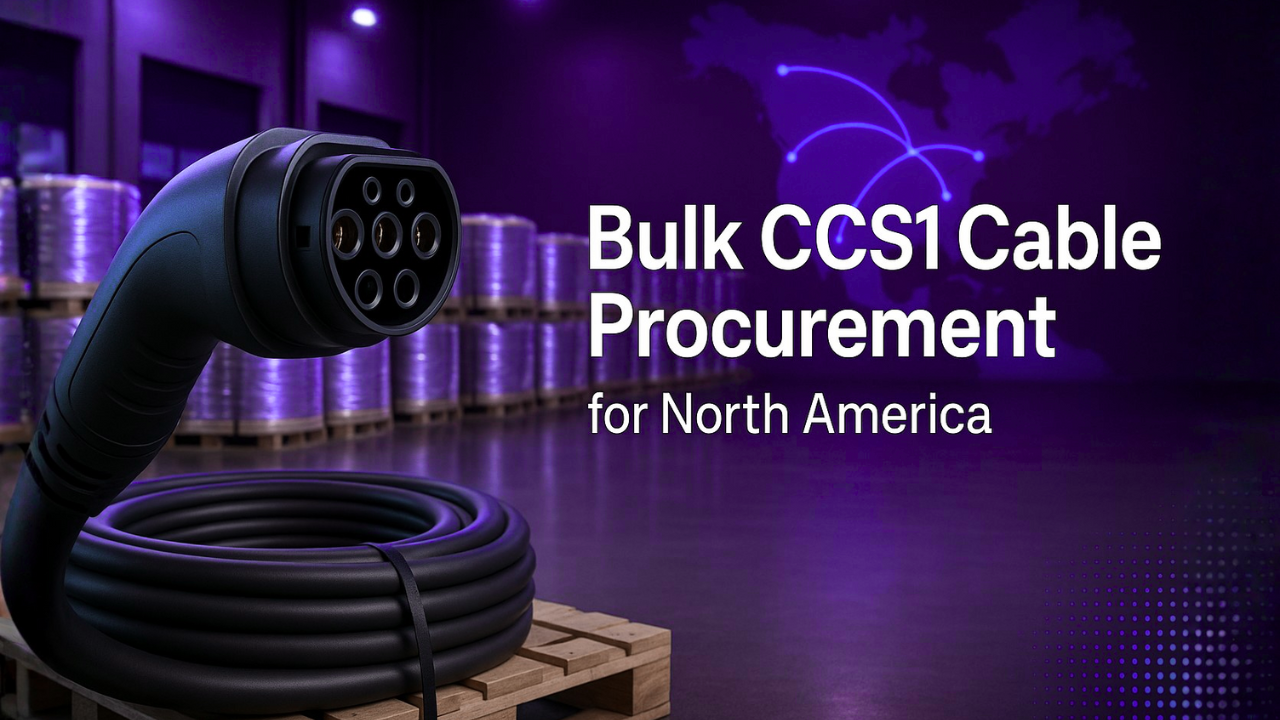
North America’s EV charging infrastructure is expanding at an unprecedented pace. With over 3.5 million EVs on U.S. roads in 2024 and projections reaching 15 million by 2030, demand for CCS1 (Combined Charging System Type 1) charging cables has surged exponentially. CCS1 remains the dominant DC fast charging standard across the United States and Canada, making bulk CCS1 cable procurement a critical strategic decision for charging network operators, automotive OEMs, and infrastructure developers. However, procurement decisions driven solely by lowest unit price often result in field failures, premature degradation, and costly warranty claims. True cost efficiency in bulk CCS1 cable procurement emerges not from aggressive price negotiation alone but from a structured approach that balances material science, manufacturing precision, supply chain predictability, and lifecycle performance.
Bulk CCS1 cable procurement for North America involves far more complexity than conventional power cable sourcing. CCS1 cables must simultaneously handle high DC current (up to 500A), communication protocols, and rigorous safety requirements—all within a flexible, weather-resistant assembly designed for thousands of charge cycles and extreme temperature swings from -40°C to +90°C. Regulatory compliance across UL 2251, SAE J1772, SAE J3068, and IEC 62893 standards is non-negotiable, while connector precision, multi-conductor architecture, and dynamic flexing demands make this a precision engineering challenge rather than a commodity purchase.
This article provides a comprehensive framework for optimizing procurement economics while maintaining the quality standards essential for North American EV infrastructure.
What Makes CCS1 Cable Procurement Different from Standard Industrial Cables?
Bulk CCS1 cable procurement for North America involves far more complexity than conventional power cable sourcing. CCS1 cables must simultaneously handle high DC current (up to 500A), communication protocols (CAN and PLC), and rigorous safety requirements—all within a flexible, weather-resistant assembly designed for daily user interaction.
Key differentiators include –
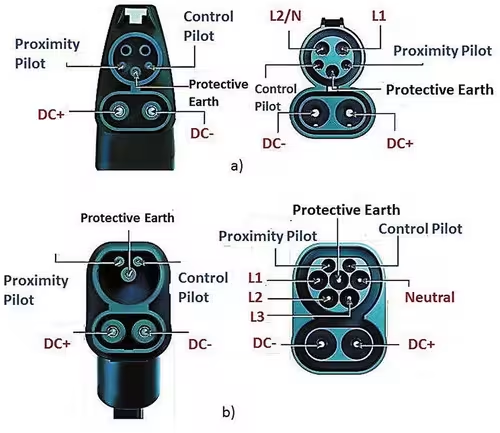
Multi-conductor architecture – CCS1 cables integrate power conductors (DC+, DC-, protective earth), communication lines, and proximity detection circuits within a single assembly. Each conductor requires specific gauge sizing, insulation class, and shielding configuration.
Connector complexity – The CCS1 connector itself contains precision-machined contacts, locking mechanisms, temperature sensors, and sealing systems. Contact resistance below 0.5 mΩ and mechanical endurance exceeding 10,000 mating cycles are baseline requirements.
Dynamic flexing demands – Unlike fixed industrial cables, CCS1 assemblies undergo continuous flexing during user handling. Cable constructions must maintain electrical integrity through minimum 30,000 bend cycles without conductor fatigue or insulation cracking.
Environmental exposure – Operating temperature ranges from -40°C to +50°C ambient, with cable surface temperatures reaching +90°C during high-power charging. UV resistance, ozone stability, and chemical resistance to automotive fluids are non-negotiable.
Regulatory compliance landscape – North American bulk CCS1 cable procurement must address UL 2251, SAE J1772, SAE J3068, IEC 62893, and regional electrical codes. Non-compliance results in certification delays that can stall entire infrastructure projects.
These factors make bulk CCS1 cable procurement a precision engineering challenge rather than a commodity purchase. Cost efficiency depends on understanding how each technical variable influences long-term reliability and total cost of ownership.
Conductor Selection and Current-Carrying Economics
Conductor design represents the largest material cost driver in bulk CCS1 cable procurement. The choice between copper grades, stranding configurations, and cross-sectional areas directly impacts both upfront cost and operational efficiency.
Material trade-offs – Oxygen-free copper (OFC) offers superior conductivity and flexibility compared to standard electrolytic copper, reducing resistive losses by 3-5%. For bulk procurement volumes exceeding 10,000 cables annually, this efficiency gain translates to measurable energy savings across charging networks. However, OFC commands a 12-18% premium over standard copper.
Conductor sizing strategy – While SAE J1772 specifies minimum conductor sizes, oversizing by one AWG gauge reduces voltage drop and heat generation. A 70 mm² conductor versus 50 mm² adds approximately $8-12 per cable in material cost but extends service life by 30-40% through reduced thermal stress.
Stranding architecture – Ultra-flexible stranding (Class 6 per IEC 60228) prevents work hardening during repeated flexing. Fine-strand constructions with individual wire diameters below 0.4 mm maintain flexibility after thousands of bend cycles—critical for user-facing charging cables.
A major U.S. charging network operator initially selected standard copper conductors to reduce bulk CCS1 cable procurement costs by 15%. Field data after 18 months revealed 8% higher cable replacement rates due to premature conductor fatigue. Switching to OFC with optimized stranding increased procurement cost by 11% but reduced total lifecycle costs by 22% through extended cable lifespan and lower replacement frequency.
Strategic conductor selection in bulk CCS1 cable procurement requires analyzing ampacity requirements, duty cycle profiles, and expected service life—not just initial material cost per kilogram.
Insulation Engineering and Thermal Management
Insulation materials determine a CCS1 cable’s ability to withstand electrical stress, thermal cycling, and environmental degradation. Bulk CCS1 cable procurement decisions must evaluate multiple insulation layers: conductor insulation, jacket material, and filler compounds.
Primary insulation materials – Cross-linked polyethylene (XLPE) provides excellent dielectric strength (>25 kV/mm) and thermal stability up to 90°C continuous operation. Thermoplastic elastomers (TPE) offer superior flexibility and low-temperature performance down to -40°C. Premium silicone rubber insulation delivers both extremes but increases material costs by 40-60%.
Jacket optimization – Thermoplastic polyurethane (TPU) jackets combine abrasion resistance, UV stability, and oil resistance essential for outdoor charging applications. Material formulations meeting ASTM D2632 for oil resistance and SAE J2551 for thermal aging ensure performance consistency.
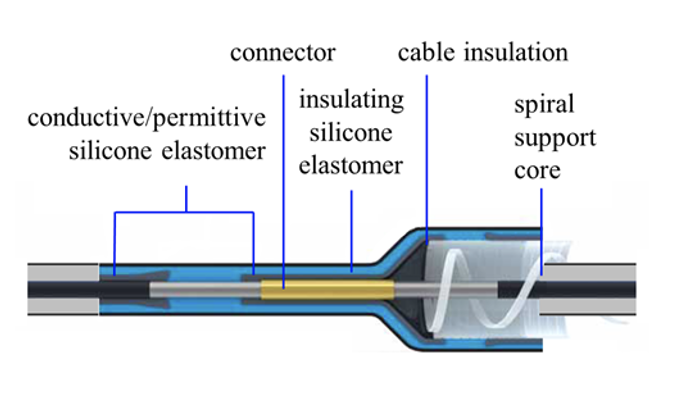
Thermal pathway design – Effective insulation systems incorporate thermal dissipation strategies—conductor insulation thickness, filler materials between conductors, and jacket thermal conductivity all influence maximum current capacity without exceeding temperature limits.
Testing validation – Accelerated aging tests at 120°C for 2,000 hours simulate 10+ years of field exposure. Insulation resistance measurements exceeding 100 MΩ at rated voltage confirm long-term dielectric integrity. Suppliers in bulk CCS1 cable procurement negotiations should provide certification of these thermal aging tests.
Organizations pursuing cost-effective bulk CCS1 cable procurement often discover that mid-tier insulation materials (TPE/TPU combinations) deliver optimal cost-performance ratios for most charging applications, reserving premium silicone constructions only for extreme-environment installations.
Supply Chain Architecture and Procurement Volume Economics
Effective bulk CCS1 cable procurement requires understanding how volume commitments, production scheduling, and supply chain configuration impact pricing structures and delivery reliability.
Volume threshold analysis – Procurement volumes below 2,000 cables typically face “small lot” premiums of 25-35% versus bulk pricing. The steepest cost reductions occur between 2,000-5,000 unit volumes, with additional savings flattening beyond 10,000 units. Consolidating purchases across multiple sites or projects achieves better economies of scale.
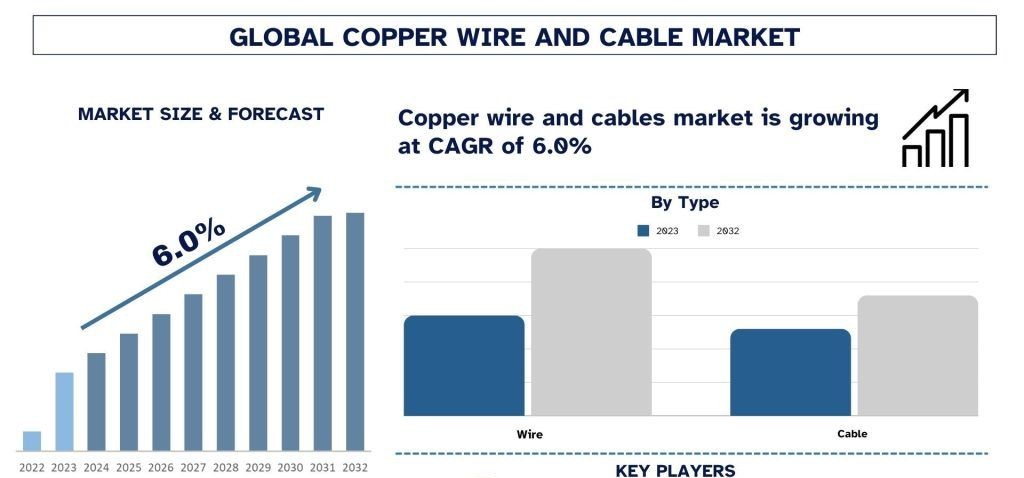
Raw material hedging – Copper represents 40-55% of CCS1 cable material cost and experiences significant price volatility. Forward contracts or indexed pricing tied to London Metal Exchange (LME) copper futures protect against mid-contract price escalation. For bulk CCS1 cable procurement spanning 12-24 months, copper hedging can reduce total cost variance by 60-70%.
Component sourcing transparency – CCS1 connectors often source from specialized manufacturers (Yazaki, Phoenix Contact, Huber+Suhner). Lead times for connector components can extend 16-24 weeks. Understanding your supplier’s connector sourcing strategy prevents production delays that inflate costs through expedited shipping or alternative sourcing premiums.
Geographic production considerations – North American bulk CCS1 cable procurement faces a choice: domestic production with 8-12 week lead times and 20-30% cost premiums, or overseas manufacturing (primarily China, Southeast Asia) with 14-18 week lead times but 25-40% cost savings. Hybrid strategies—overseas cable assembly with North American connector integration—can balance cost and lead time.
An automotive OEM launching CCS1-equipped vehicle models across North America implemented a dual-sourcing bulk CCS1 cable procurement strategy: 70% volume from a qualified Asian manufacturer with 16-week lead times, 30% from a U.S. supplier with 10-week flexibility. This approach achieved 28% cost savings versus single U.S. sourcing while maintaining supply continuity during logistics disruptions.
Strategic bulk CCS1 cable procurement treats supply chain architecture as a cost optimization lever—balancing price, lead time, and risk through informed sourcing decisions.
Quality Specification and Process Capability Alignment
One of the costliest mistakes in bulk CCS1 cable procurement involves specifying tighter tolerances or quality parameters than functionally necessary. Over-specification increases manufacturing cost, inspection time, and supplier qualification complexity without improving field performance.
Critical versus non-critical parameters – Contact resistance below 0.5 mΩ directly affects charging efficiency and connector temperature—this is a critical specification requiring 100% testing. Jacket color uniformity or minor cosmetic variations have no functional impact yet often drive inspection costs unnecessarily.
Process capability matching – If a manufacturing process consistently achieves 0.3 mΩ contact resistance with Cpk of 1.67, specifying 0.2 mΩ forces additional process controls that increase cost by 15-25% without meaningful reliability improvement. Understanding supplier process capabilities prevents over-specification.
Testing protocol optimization – Full electrical validation (insulation resistance, dielectric withstand, continuity, contact resistance) on every cable adds $12-18 per unit in inspection cost. Statistical sampling plans (AQL 0.65) with 100% testing of critical parameters reduces inspection cost while maintaining quality assurance.
Standards alignment – SAE J1772 and UL 2251 define minimum performance requirements. Specifying additional custom requirements beyond these standards—unless functionally justified—increases supplier qualification effort and reduces competitive sourcing options in bulk CCS1 cable procurement.
Organizations achieving optimal bulk CCS1 cable procurement economics apply engineering rigor to specifications: tight controls where performance demands, relaxed tolerances where function permits. This approach reduces manufacturing cost 18-25% without compromising field reliability.
Testing Protocols and Certification Economics
Comprehensive testing validates CCS1 cable performance but also represents significant cost. Strategic bulk CCS1 cable procurement balances validation thoroughness with testing economics.
Essential electrical tests –
- Insulation resistance (>100 MΩ at 500V DC)
- Dielectric withstand (2.5 kV AC for 60 seconds)
- Continuity and contact resistance (<0.5 mΩ)
- Communication line integrity (signal attenuation, crosstalk)
Mechanical endurance validation –
- Bend cycle testing (30,000 cycles minimum)
- Connector insertion/extraction force
- Strain relief pull testing (minimum 500N)
- Impact resistance per IEC 60068-2-75
Environmental qualification –
- Temperature cycling (-40°C to +90°C, 500 cycles)
- UV aging (2,000 hours per ASTM G155)
- Salt spray corrosion (1,000 hours per ASTM B117)
- Humidity resistance (95% RH at 40°C)
Certification pathway optimization – UL 2251 certification costs $15,000-25,000 per cable design with 12-16 week lead times. For bulk CCS1 cable procurement involving multiple cable lengths or slight variations, leveraging “family” certifications under a single UL file number reduces certification costs by 60-70% versus individual submissions.
Field trial validation – Before committing to bulk volumes exceeding 5,000 units, pilot deployments of 100-200 cables in representative field conditions validate real-world performance. Six months of field data provides confidence that laboratory testing translates to operational reliability—preventing costly full-scale procurement mistakes.
Smart bulk CCS1 cable procurement treats testing as a risk mitigation investment rather than overhead, scaling test intensity to procurement volume and deployment criticality.
Vendor Qualification and Long-Term Partnership Value
Vendor selection criteria extend beyond quoted unit price. Optimal bulk CCS1 cable procurement evaluates manufacturing capability, quality systems, financial stability, and continuous improvement practices.
Manufacturing infrastructure assessment –
- Production capacity and scalability (can they handle volume surges?)
- Process automation level (reduces labor cost variability)
- Quality management systems (ISO 9001, IATF 16949 certification)
- Statistical process control implementation
- Traceability systems linking materials to finished cables
Technical capability evaluation –
- In-house testing laboratories (reduces reliance on third-party validation)
- Engineering support for custom specifications
- Design for manufacturability feedback
- Material science expertise for alternative constructions
Supply chain transparency –
- Component sourcing documentation
- Supplier qualification processes for raw materials
- Inventory management practices
- Business continuity planning
Financial and operational metrics –
- On-time delivery performance (target >95%)
- Quality PPM rates (target <500 PPM)
- Responsiveness to corrective action requests
- Pricing stability across contract terms
A charging infrastructure developer evaluated three suppliers for bulk CCS1 cable procurement of 8,000 cables annually. The lowest bid offered 19% cost savings but operated from a single facility with limited testing capability. The selected supplier bid 7% higher but demonstrated redundant production capacity, comprehensive in-house testing, and Cpk >1.67 on all critical parameters. Over three years, the quality-focused supplier delivered 94% fewer field failures, eliminating warranty costs that would have exceeded the initial price savings by 3.2x.
Long-term bulk CCS1 cable procurement relationships built on capability alignment outperform transactional lowest-price sourcing by reducing total cost of ownership—warranty claims, replacement logistics, and reputation impact.
How Frigate Optimizes Bulk CCS1 Cable Procurement Economics
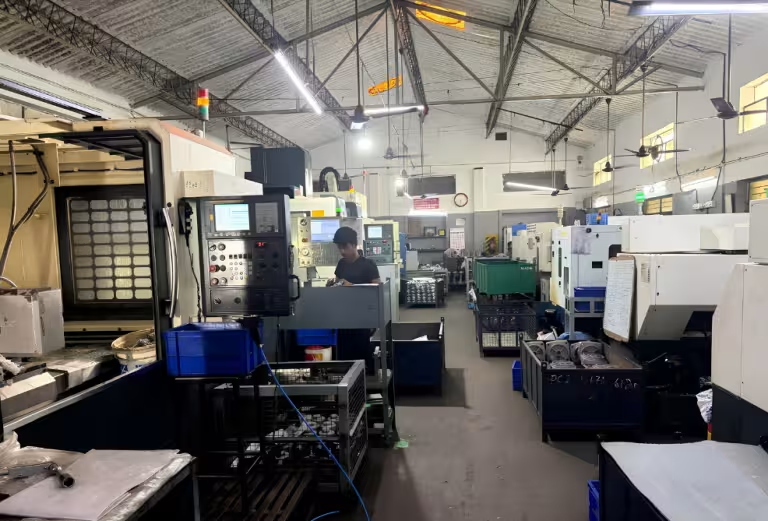
Frigate’s approach to bulk CCS1 cable procurement integrates engineering precision, supply chain intelligence, and scalable manufacturing to deliver cost-efficient CCS1 cables without quality compromise.
Design-to-Value Engineering
Frigate applies Design for Manufacturing and Assembly (DFMA) principles to CCS1 cable construction—optimizing conductor stranding, insulation layer thickness, and connector integration to reduce material waste and assembly complexity. Digital twin simulations model electrical performance, thermal behavior, and mechanical stress before physical prototyping, eliminating design iterations that inflate development costs.
Data-Driven Manufacturing Control
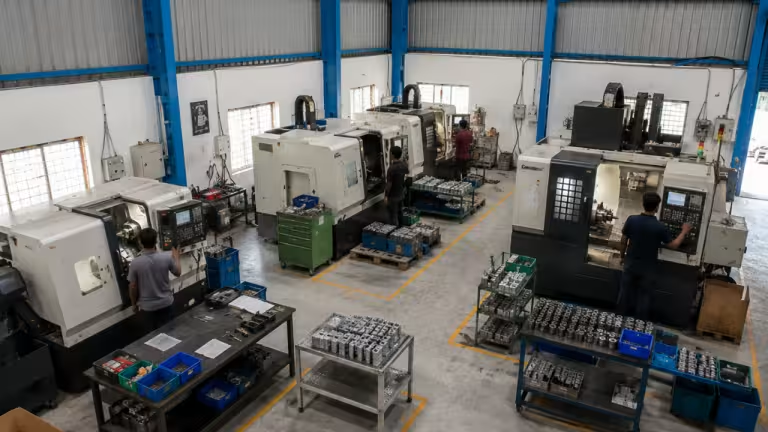
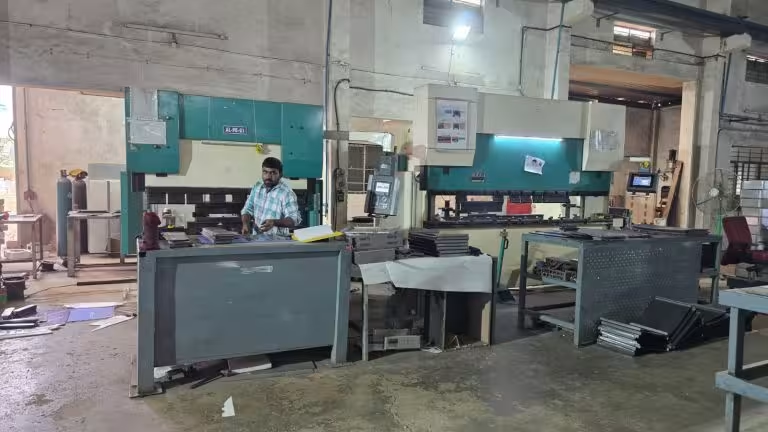
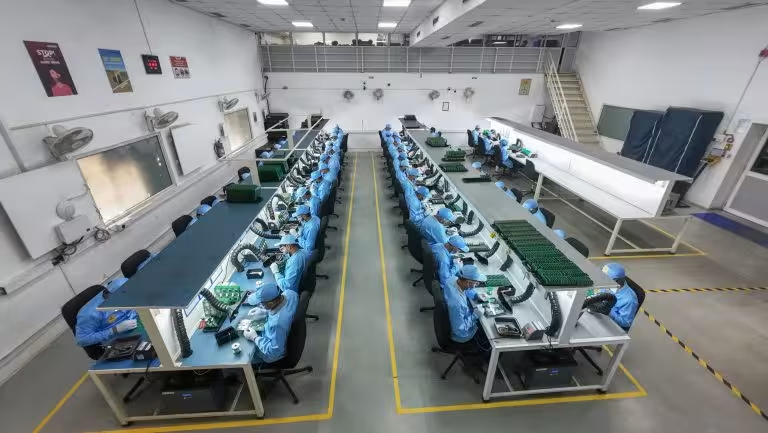
Real-time Statistical Process Control (SPC) monitors critical parameters during cable assembly – conductor crimping force, insulation extrusion temperature, overmolding pressure, and connector assembly torque. Deviations trigger immediate corrective action, maintaining Cpk values above 1.67 on all critical dimensions. This precision reduces scrap rates to below 0.3% and eliminates the quality-cost trade-off inherent in lower-tier manufacturing.
Strategic Raw Material Sourcing
Frigate’s procurement system integrates copper price hedging, long-term polymer supply agreements, and dual-sourced connector components to stabilize bulk CCS1 cable procurement costs across multi-year contracts. Predictive demand algorithms optimize raw material inventory, reducing carrying costs while preventing production delays from material shortages.
Scalable Production Infrastructure
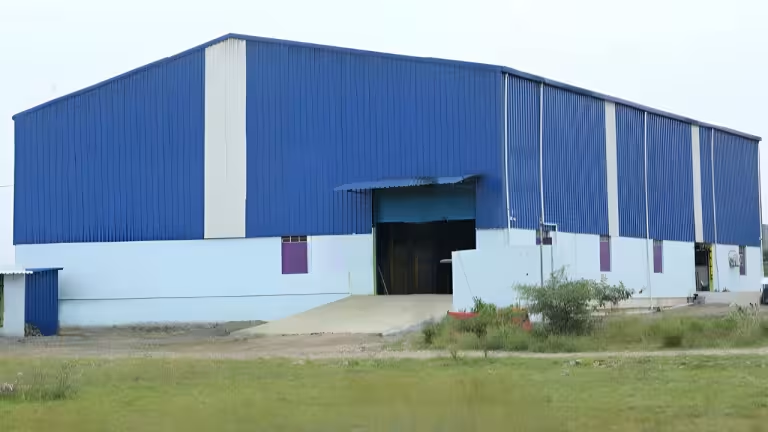
Modular manufacturing cells configured for CCS1, CCS2, and CHAdeMO standards enable rapid capacity scaling without quality degradation. Flexible tooling and programmable assembly systems allow batch sizes from 500 to 50,000 units with consistent process parameters, supporting diverse bulk CCS1 cable procurement volumes across customer requirements.
Comprehensive Testing and Certification
In-house environmental chambers, high-voltage test systems, and mechanical endurance equipment validate every cable design against UL 2251 and SAE J1772 requirements. Frigate maintains UL-certified manufacturing under ongoing surveillance, accelerating customer deployment timelines by eliminating third-party certification bottlenecks. Each cable includes serialized traceability linking production batch, material lot numbers, and test results—supporting warranty management and field performance analysis.
Total Cost of Ownership Transparency
Frigate’s procurement analytics platform models lifecycle costs across initial purchase price, warranty exposure, replacement frequency, and energy efficiency impacts. This visibility enables bulk CCS1 cable procurement decisions based on 5-10 year total cost rather than upfront unit price alone—typically revealing 20-35% total cost advantages for quality-optimized specifications.
Conclusion
Optimal cost efficiency in bulk CCS1 cable procurement emerges from engineering intelligence, not aggressive price negotiation. Organizations that achieve sustainable cost advantages understand that every technical decision—conductor grade, insulation material, testing protocol, supplier qualification—directly impacts long-term economics. The most cost-efficient bulk CCS1 cable procurement strategy balances material quality, manufacturing precision, supply chain stability, and lifecycle performance. Cables that maintain electrical integrity through 100,000+ charge cycles, withstand extreme environmental exposure, and require minimal field service deliver superior ROI compared to lowest-price alternatives requiring frequent replacement.
As North America’s EV charging infrastructure scales from thousands to millions of charge points, bulk CCS1 cable procurement decisions will increasingly differentiate successful networks from those burdened by reliability issues and escalating maintenance costs. Strategic procurement—grounded in engineering data, supply chain intelligence, and total cost visibility—positions organizations to capitalize on EV adoption growth while maintaining operational efficiency.
Connect with Frigate today to transform your bulk CCS1 cable procurement strategy—where engineering precision and cost efficiency drive infrastructure reliability together.