




Modern machinery systems depend on precision parts that must perform under load, pressure, heat, and motion. A shaft that is off by 15 microns can create vibration. A housing with poor flatness can cause leakage. A misaligned bore can reduce bearing life by 30–40%. Performance, safety, and lifecycle cost all begin with machining accuracy.
That is why Contract Machining for Machinery Components has become a strategic manufacturing decision rather than a simple sourcing activity. Market research shows that over 60% of industrial OEMs outsource a portion of their machining operations to improve flexibility, reduce capital exposure, and manage technical complexity.
Machinery manufacturers today face constant pressure to –
- Control capital expenditure
- Improve return on assets
- Maintain strict tolerance requirements
- Deliver faster without quality compromise
- Reduce supply chain risk
A structured make-or-buy analysis around Contract Machining for Machinery Components helps balance operational control with financial discipline and scalability.
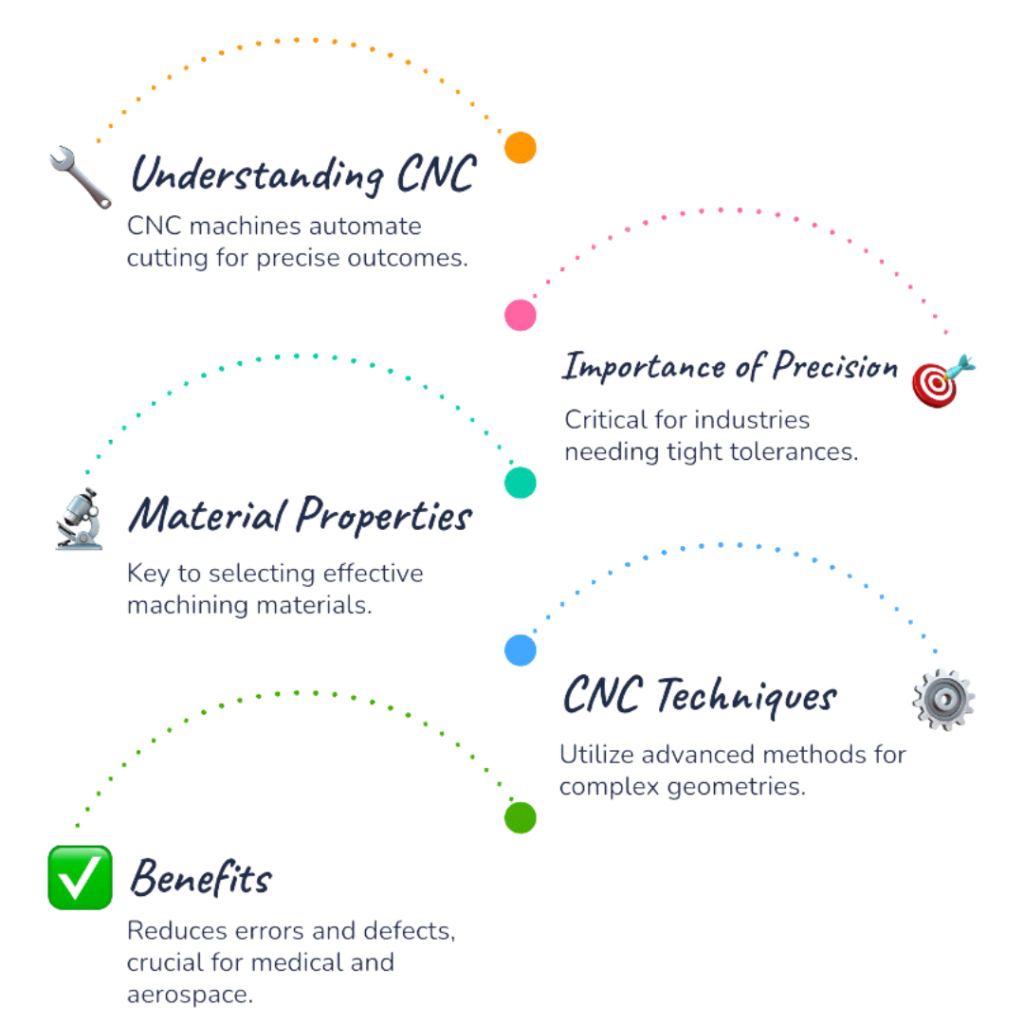
Why Contract Machining for Machinery Components Has Become a Strategic Lever, Not Just a Sourcing Choice
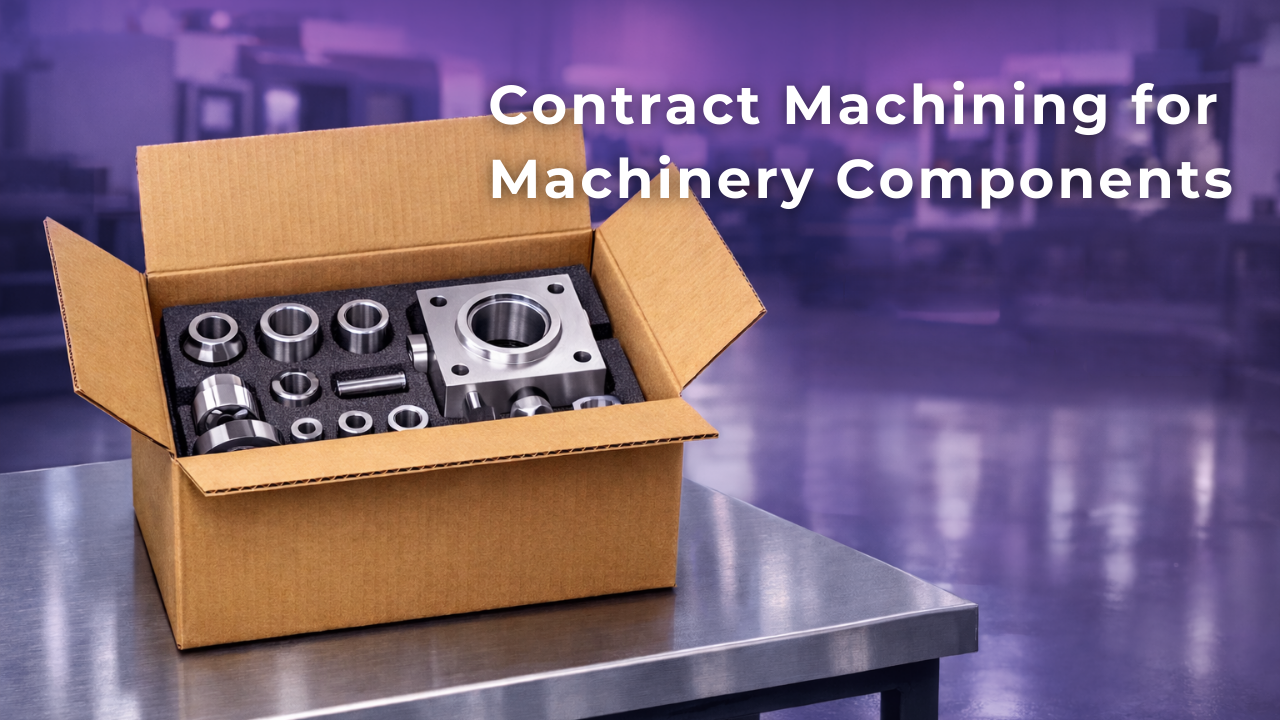
Machinery components are engineered parts designed to transmit motion, contain pressure, or carry load. These components include transmission housings, pump bodies, gear blanks, spindles, structural frames, valve blocks, and mounting plates.
Each component must meet technical parameters such as –
- Dimensional tolerances often within ±5 to ±20 microns
- Surface roughness requirements between Ra 0.8–3.2 µm
- Strict concentricity, perpendicularity, and flatness limits
- Controlled heat treatment response
- Certified material traceability
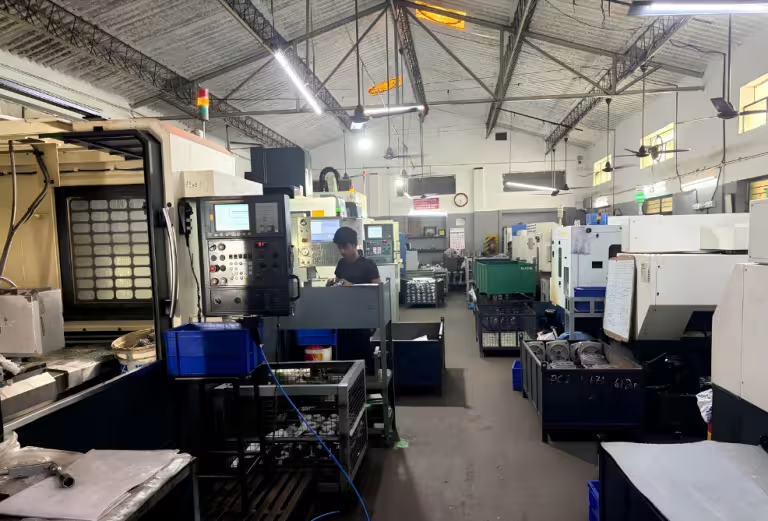
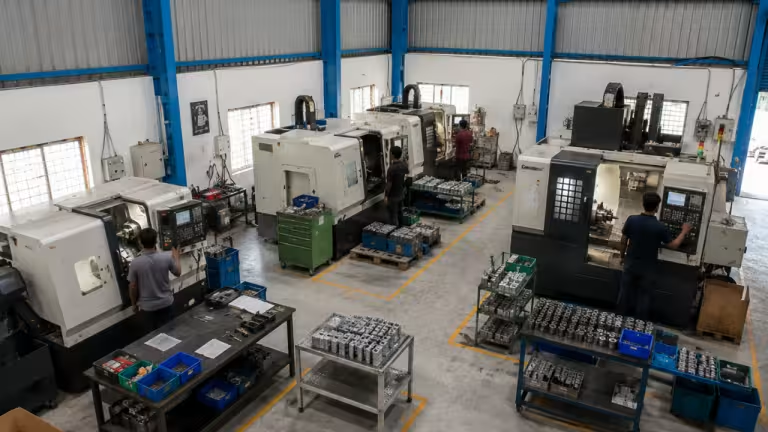
Advanced processes required to achieve this precision include 3-axis, 4-axis, and 5-axis CNC machining, mill-turn operations, precision boring, cylindrical grinding, and surface finishing.
Internal machining facilities must invest across several technical domains –
- High-precision CNC equipment
- CAM programming software and engineering expertise
- Tool presetting and tool life management systems
- Inspection labs equipped with CMM and surface testers
- Skilled machinists capable of multi-axis programming
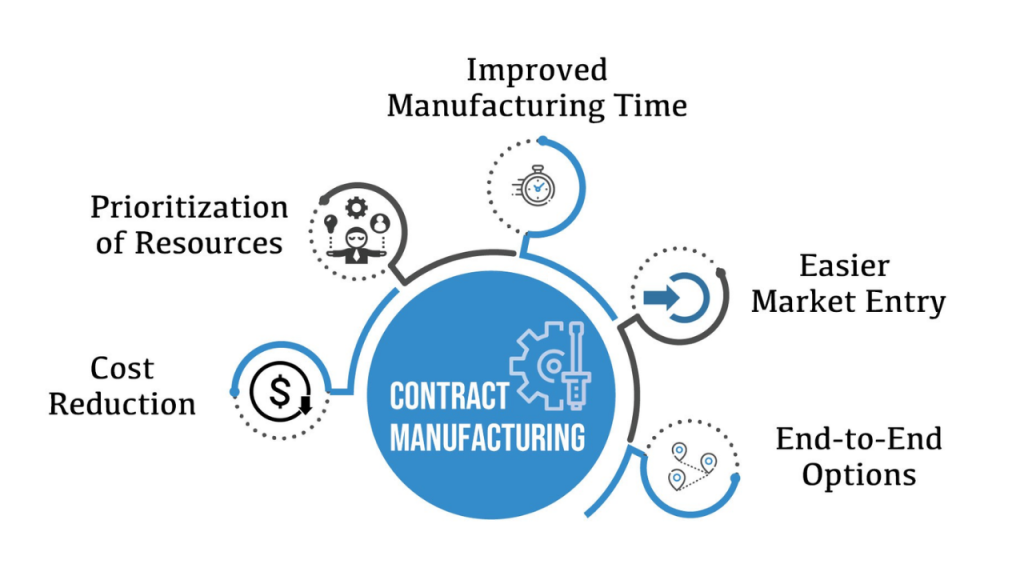
Contract Machining for Machinery Components allows manufacturers to access this complete technical ecosystem without building it from scratch. Outsourcing machining becomes a strategic lever when internal resources are better allocated to product design, system integration, and market expansion.
Demand volatility further increases complexity. Machinery industries often experience demand swings between 20% and 40% annually. Fixed assets operating at 60–70% utilization reduce capital efficiency. Converting fixed machining infrastructure into a variable procurement model improves financial agility.
The Real Cost Equation – Capital Investment, Hidden Overheads, and Variable Cost Advantage
Precision machining demands significant capital. A modern 5-axis machining center can cost $400,000 to $900,000. Additional investments include automation cells, robotic loaders, tool storage systems, coolant filtration, and inspection equipment.
Total cost of ownership typically includes –
- Machine depreciation over 5–10 years
- Preventive and corrective maintenance
- Tooling and fixture replacement
- Skilled labor compensation
- Energy and utility consumption
- Scrap and rework losses
Machine downtime alone can reduce effective productivity by 10–20%. Scrap rates for complex geometries may range from 3% to 8%, directly impacting margins.
Financial exposure increases when equipment becomes underutilized during slow demand cycles. Idle machinery still incurs depreciation and maintenance expenses.
Contract Machining for Machinery Components shifts this cost structure from fixed to variable. Payment aligns with actual production volume. Benefits include –
- Reduced capital lock-in
- Lower balance sheet risk
- No long-term equipment depreciation burden
- Predictable per-part pricing
- Simplified cost modeling
Capital preservation improves financial resilience. Cash flow remains available for strategic investments such as R&D, automation, or market expansion.
When Internal Capacity Becomes a Bottleneck – Managing Scalability and Demand Surges
Production forecasts rarely remain constant. New project wins, seasonal spikes, and rapid product launches can exceed internal machining capacity.
Common operational constraints include –
- Limited machine hours across shifts
- Long setup and changeover times
- Skilled machinist shortages
- Maintenance interruptions
- Tooling constraints
Industry studies estimate a shortage of more than 2 million skilled manufacturing workers globally by 2030. Hiring and training cycles slow expansion.
Expanding internal capacity requires –
- Capital approval for additional CNC machines
- Facility space expansion
- Workforce recruitment and training
- Increased working capital for raw materials
Lead time to expand capacity may exceed 12–18 months.
Contract Machining for Machinery Components offers scalable production without long approval cycles. Specialized machining partners operate multiple CNC platforms and distribute workload efficiently.
Scalability advantages include –
- Rapid ramp-up during demand spikes
- Parallel production across facilities
- Reduced lead time variability
- Smooth transition from prototype to high-volume production
Operational agility improves competitiveness. Production flexibility becomes a safeguard against lost revenue.
Quality and Compliance Pressures – Meeting Tight Tolerances Without Compromise
Machinery components operate under stress. Dimensional errors can cause vibration, leakage, misalignment, and premature wear. Surface finish deviations can affect lubrication performance and fatigue life.
Robust quality assurance requires –
- Coordinate Measuring Machine (CMM) validation
- GD&T verification
- Surface roughness testing
- Hardness and metallurgical testing
- Statistical Process Control (SPC)
Cost of poor quality can reach 10–15% of total production cost. Warranty claims and service failures increase long-term risk.
Internal operations under pressure may experience reduced inspection discipline or rushed processes. Quality systems may become reactive instead of preventive.
Providers specializing in Contract Machining for Machinery Components typically maintain structured quality management systems aligned with ISO standards and sector-specific certifications.
Strong quality frameworks include –
- First Article Inspection (FAI) documentation
- Digital inspection records
- Batch-level traceability
- Tool wear monitoring systems
- Root cause analysis and corrective action processes
Consistent quality reduces lifecycle cost and enhances customer trust. Precision machining must deliver repeatability, not just compliance.
Supply Chain Complexity and Lead Time Risks – Why Consolidation Matters
Machinery components require alloy steels, stainless steels, aluminum alloys, and sometimes specialty metals. Material lead times can range from 2 to 12 weeks depending on global supply conditions.
Fragmented supply chains create coordination challenges. Separate vendors for machining, heat treatment, coating, and finishing increase communication gaps and scheduling risk.
Recent global disruptions have extended industrial lead times by up to 25% in certain sectors.
Contract Machining for Machinery Components consolidates machining, finishing, and sometimes material sourcing under a single accountable partner. Operational benefits include –
- Centralized raw material procurement
- Integrated machining and finishing workflow
- Reduced administrative coordination
- Improved schedule visibility
- Lower inventory carrying requirements
Diversified production facilities reduce single-point failure risk. Business continuity improves when production can shift between locations if disruption occurs.
Working capital efficiency also improves. Lower safety stock levels reduce financial strain.
Technology Evolution and Process Optimization – Staying Competitive Without Continuous Capital Upgrades
Machining technology advances rapidly. Automation, robotics, and digital monitoring systems enhance productivity and precision.
Modern machining environments integrate –
- Robotic loading systems
- In-process probing
- Tool presetting and monitoring
- IoT-enabled machine tracking
- Predictive maintenance software
Automation can improve productivity by 20–30% while enhancing repeatability. However, implementation demands engineering capability and continuous reinvestment.
Contract Machining for Machinery Components provides access to advanced infrastructure without direct ownership risk.
Technical benefits include –
- Optimized cutting parameters for each material
- Reduced cycle times through process engineering
- Controlled thermal stability
- Data-driven tool life optimization
- Continuous process improvement
Digital systems enable real-time traceability and deviation detection. Early correction reduces scrap and ensures consistent output.
Technology access without capital burden strengthens competitive positioning.
Why Frigate Enhances Strategic Value in Contract Machining for Machinery Components
Frigate delivers comprehensive Contract Machining for Machinery Components tailored to demanding industrial applications. Machinery parts often operate under high load, pressure, and continuous motion. Consistency, dimensional accuracy, and repeatability are critical.
Engineering teams focus on –
- Stable machining processes
- Tight tolerance control
- Scalable and predictable production planning
This structured approach reduces variability and improves delivery confidence.
Advanced Machining Capabilities for Complex Components
Frigate supports a wide range of geometries and materials used in machinery manufacturing.
Core capabilities include –
- Multi-axis CNC machining (3, 4, and 5-axis) for complex shapes and angled features
- Precision turning and mill-turn operations for rotational and concentric parts
- Tight tolerance machining across alloy steels, stainless steels, and aluminum
- Custom fixture design to maintain repeatability
- Advanced inspection systems, including CMM validation
Optimized cutting parameters, tool monitoring, and controlled setups ensure consistent output across production batches.
Engineering-Driven Execution from DFM to Cost Efficiency
Frigate integrates engineering review early in the manufacturing cycle. Design for Manufacturability (DFM) helps simplify complex geometries while maintaining function.
Engineering support includes –
- Tolerance stack-up analysis
- Tool path optimization
- Cycle time estimation
- Fixture and clamping strategy planning
Process refinement reduces cycle time and stabilizes quality. Cost modeling aligns machining strategy with expected production volumes.
Structured Production Systems That Scale Smoothly
Production demands shift between prototypes, pilot runs, and high-volume programs. Frigate’s systems are structured to handle this transition efficiently.
Production support includes –
- Prototype validation with documented inspection
- Low-volume pilot production
- Stable medium-volume runs
- High-volume manufacturing with monitored SPC
Capacity planning and preventive maintenance minimize bottlenecks and support reliable scaling.
Disciplined Quality Control and Traceability
Quality consistency is central to effective Contract Machining for Machinery Components.
Frigate integrates –
- First Article Inspection (FAI) documentation
- Tool life monitoring
- Batch-level material traceability
- Root cause corrective action systems
Defined inspection checkpoints reduce deviation risk and improve repeatability.
Integrated Supply Chain Coordination for Reliability
Machining performance depends on material quality and scheduling discipline. Frigate coordinates sourcing, machining, finishing, and logistics under a unified plan.
Benefits include –
- Verified raw material sourcing
- Coordinated heat treatment and finishing
- Controlled lead times
- Reduced vendor complexity
- Improved production visibility
Integrated management improves timeline predictability and reduces operational disruption.
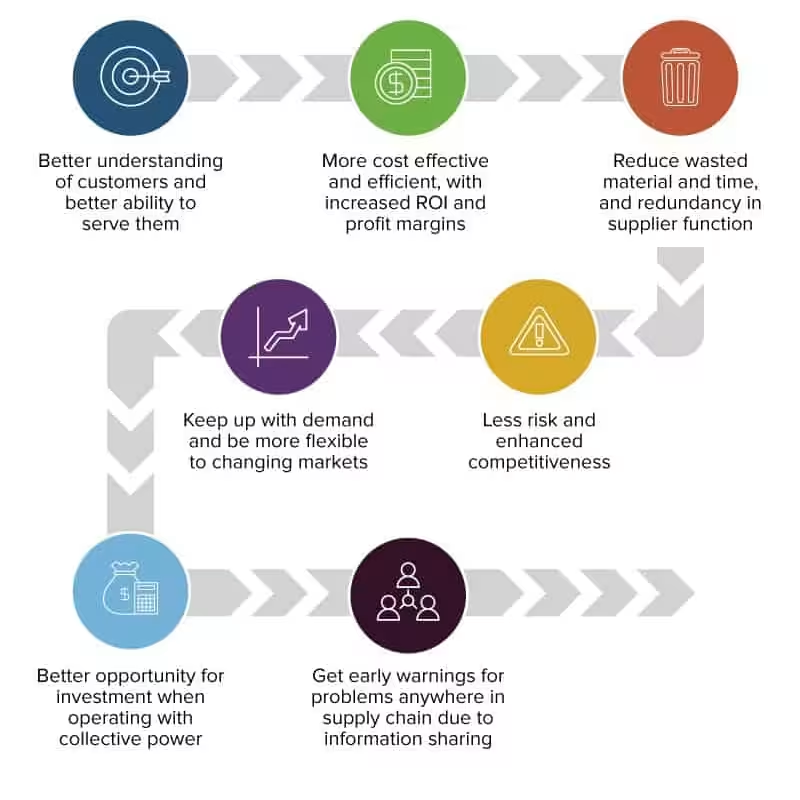
Strengthening Long-Term Manufacturing Performance
Frigate strengthens Contract Machining for Machinery Components through –
- Engineering depth
- Stable machining processes
- Structured quality systems
- Scalable production capacity
- Coordinated supply chain management
Operational risk decreases while precision and delivery reliability improve. This approach supports long-term manufacturing efficiency and competitive performance.
Conclusion
Make-or-buy decisions influence manufacturing performance for years. Internal machining offers control but requires heavy capital investment, workforce stability, and continuous technology upgrades.
Contract Machining for Machinery Components provides financial flexibility, scalable capacity, advanced technology access, and structured quality systems. Strategic outsourcing reduces risk while protecting margins.
Connect with Frigate to build a machining strategy that balances control, cost efficiency, and long-term growth.