









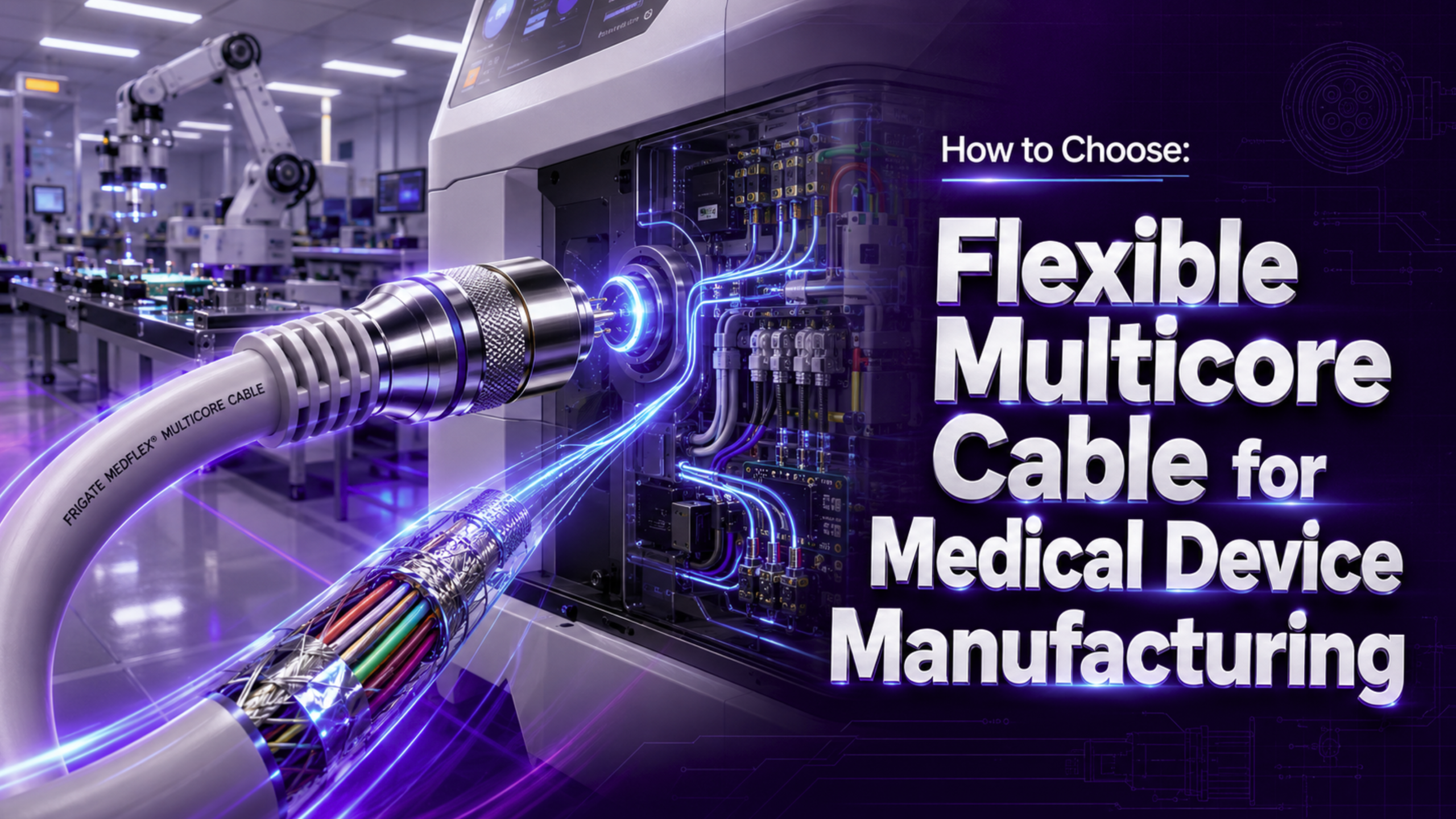
Medical devices are becoming smarter, smaller, and more connected every year. Advanced imaging systems, robotic surgery platforms, portable diagnostic equipment, and wearable monitoring devices all rely on highly reliable internal interconnect systems. The global medical device industry is projected to surpass $800 billion within the next decade, reflecting rapid innovation and increased healthcare demand.
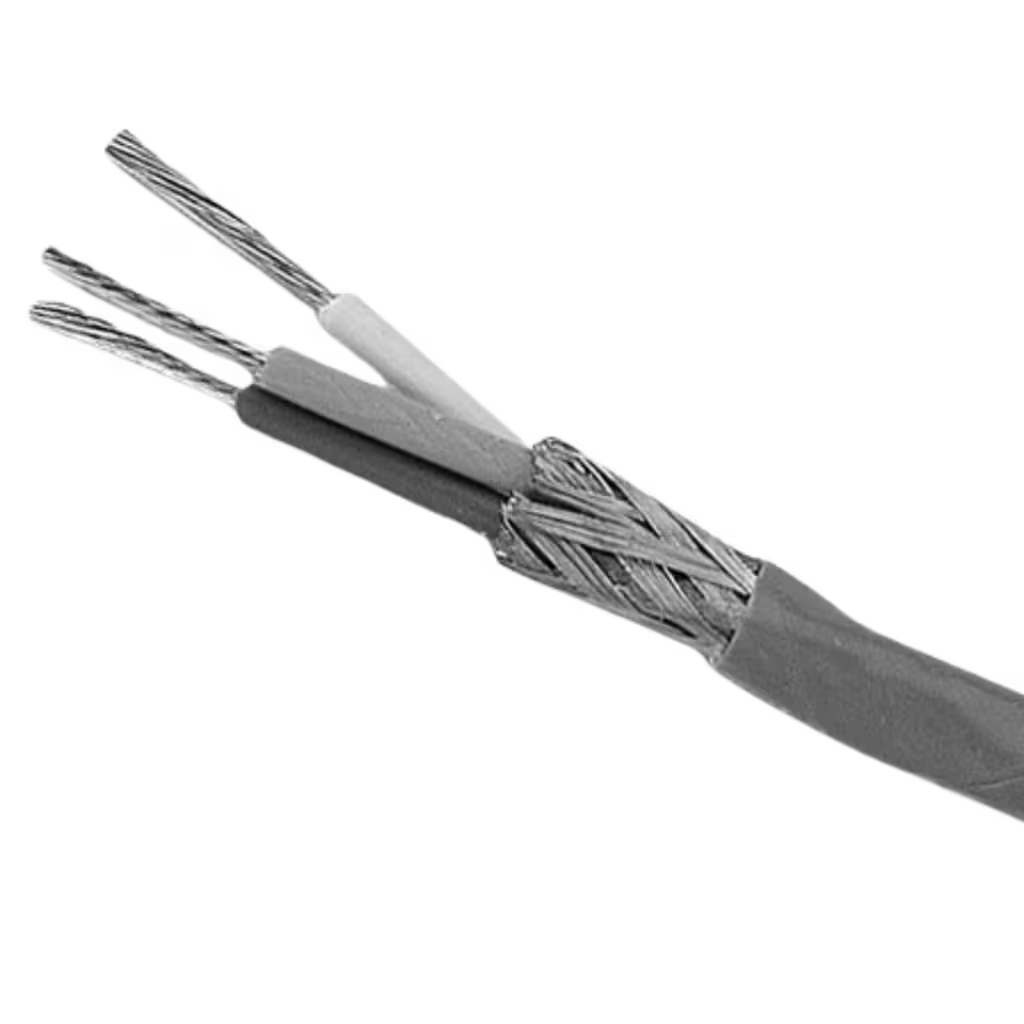
Hidden beneath the housing of these systems lies a critical component — the Multicore Cable for Medical Device applications. This cable does much more than connect two points. It carries low-voltage signals, high-speed data, and controlled power distribution. Performance failure at this level can interrupt device functionality, distort clinical readings, or delay regulatory certification.
A properly engineered Multicore Cable for Medical Device architecture directly influences –
- Signal accuracy
- Electrical safety
- Mechanical durability
- Sterilization resistance
- Long-term compliance
Technical decisions made during cable selection often determine overall product stability. Early evaluation reduces redesign cycles, prevents compliance delays, and lowers lifecycle costs.
Why a Standard Cable Is Not Enough for Medical Devices
Medical environments demand precision. Consumer-grade or industrial cables are not designed for the stress conditions found in healthcare systems. A Multicore Cable for Medical Device applications must meet tighter electrical tolerances and higher mechanical endurance standards.
Robotic surgical systems and imaging arms move continuously during operation. Flex cycles may exceed one to five million repetitions over product life. Standard cables often fail early due to conductor fatigue or insulation micro-cracking.
Specialized engineering ensures –
- Fine-stranded conductors that improve flexibility
- Controlled impedance for stable signal transmission
- High shielding coverage to block electromagnetic interference
- Medical-grade materials compatible with sterilization
Signal distortion directly impacts diagnostic accuracy. Electromagnetic interference can alter ECG signals or imaging output. Shield design, expressed in coverage percentage and transfer impedance, plays a key role in maintaining clarity.
Device miniaturization further increases complexity. Equipment size has reduced by nearly 30% over the past decade, while internal electronics density has increased. A compact yet durable Multicore Cable for Medical Device configuration supports multiple signal paths within limited space without sacrificing reliability.
Which Technical Specifications Truly Define Long-Term Reliability?
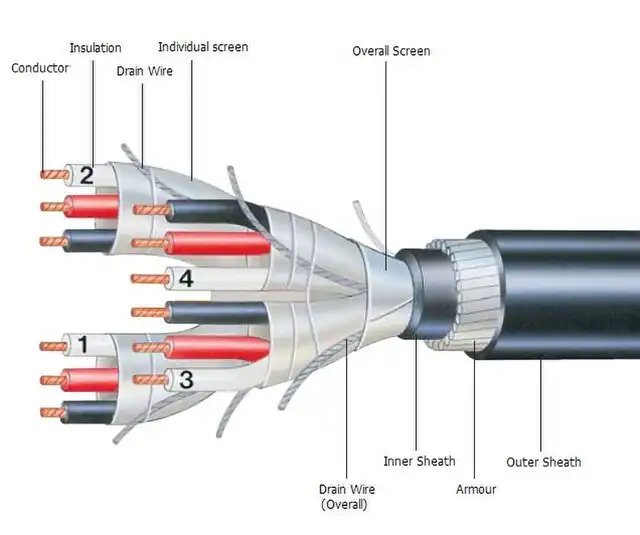
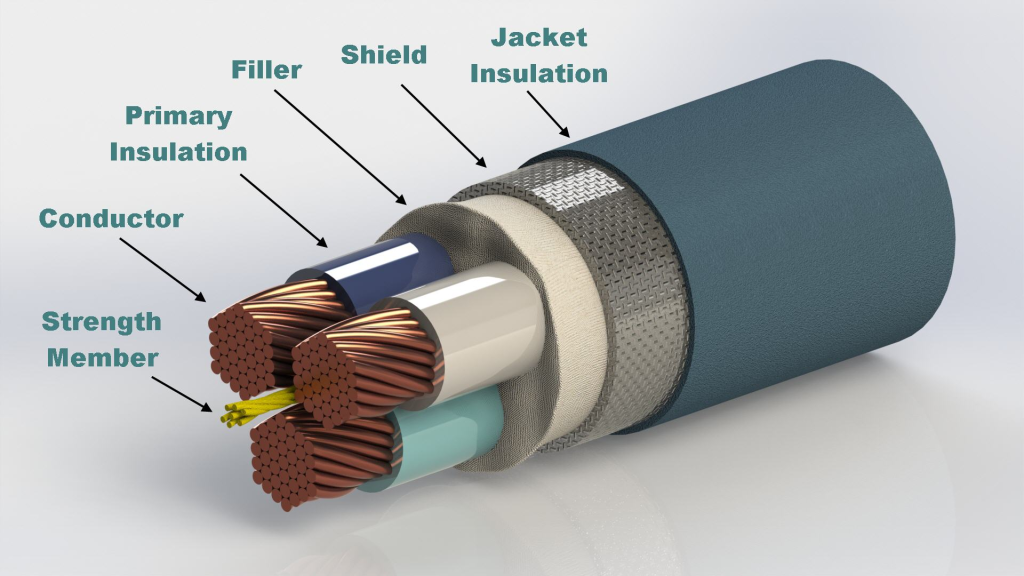
Reliability depends on precise control of electrical and mechanical properties. Every component inside a Multicore Cable for Medical Device construction contributes to performance consistency.
Conductor Design
High-strand-count copper conductors enhance flexibility and reduce internal stress during repeated bending. Silver-plated copper improves conductivity and corrosion resistance. Stable resistance values reduce heat buildup and energy loss.
Insulation Materials
Medical devices face chemical cleaning agents, autoclave temperatures exceeding 120°C, and exposure to disinfectants. Insulation must maintain dielectric strength and structural integrity. Common options include –
- Thermoplastic polyurethane (TPU) for abrasion resistance
- Silicone for flexibility and high-temperature tolerance
- Fluoropolymers such as FEP for chemical resistance
Insulation failure often leads to leakage currents, which can violate IEC 60601 safety requirements.
Shielding Performance
Medical electronics operate in electromagnetically sensitive environments. Shielding protects low-level signals from interference generated by motors, RF devices, or nearby equipment.
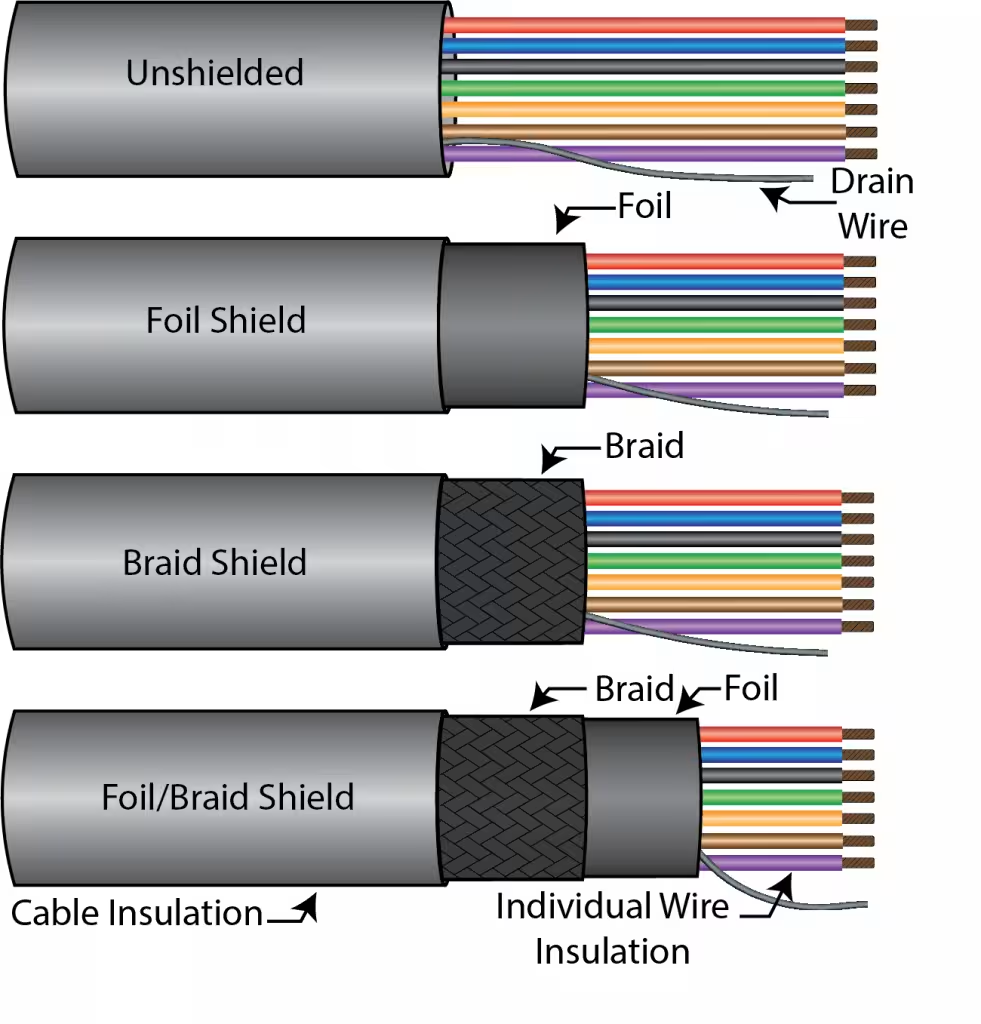
Braided copper shielding provides mechanical durability and EMI reduction. Foil shielding improves high-frequency noise protection. Hybrid shielding offers layered protection for advanced diagnostic systems.
Mechanical Strength
Mechanical specifications determine durability –
- Bend radius tolerance
- Tensile strength
- Torsional resistance
- Flex cycle rating
Premium-grade Multicore Cable for Medical Device assemblies can withstand millions of dynamic motion cycles without structural degradation.
Precision across these parameters directly reduces field failure rates and warranty claims.
How Regulatory Compliance Impacts Cable Selection Decisions
Healthcare manufacturing operates under strict regulatory oversight. Cable selection affects both product approval timelines and audit readiness.
A compliant Multicore Cable for Medical Device must align with standards such as –
- UL certification
- RoHS and REACH environmental directives
- ISO 10993 biocompatibility requirements
- IEC 60601 electrical safety standards
Non-compliant components can delay product launch by 6 to 18 months. Redesign and retesting may increase development costs by up to 30%.
Documentation plays an equally important role. Regulatory audits require –
- Material declarations
- Batch traceability
- Electrical test reports
- Validation documentation
Healthcare product recalls exceed 4,000 cases annually in the U.S., many related to component-level defects. Selecting a certified Multicore Cable for Medical Device solutions reduces exposure to compliance risks and protects long-term market access.
What Happens When Miniaturization Meets Mechanical Stress?
Device manufacturers face two competing challenges – reduce size while increasing performance. Compact equipment demands tighter internal routing. At the same time, cables must endure mechanical movement.
A well-designed Multicore Cable for Medical Device configuration consolidates multiple conductors into a single structured assembly. This simplifies routing and improves internal organization.
Design trade-offs must balance –
- Higher conductor count versus cable diameter
- Flexibility versus tensile strength
- Thinner insulation versus voltage capacity
Strain relief design also becomes critical. Termination points experience the highest stress concentration. Poor strain management often leads to early failure near connectors.
Space constraints within housings require precise dimensional control. Oversized cable assemblies increase assembly difficulty and restrict airflow. Efficient cable design improves mechanical integration and overall device longevity.
Why Supply Chain Stability Is as Important as Technical Performance
Medical devices remain on the market for extended periods, often 7 to 10 years or longer. Long-term production demands consistent material availability and process control.
Variations in manufacturing can lead to –
- Inconsistent conductor diameter
- Irregular insulation thickness
- Uneven shielding coverage
- Mechanical strength fluctuations
Even minor dimensional changes can affect impedance and signal stability.
Global supply disruptions have increased lead times from 4 weeks to more than 16 weeks for certain electronic components. Reliable sourcing reduces production delays and protects launch schedules.
Supplier evaluation should consider –
- Process validation systems
- Quality certifications
- In-house electrical testing
- Scalability for mass production
A stable Multicore Cable for Medical Device partner ensures repeatable quality from prototype builds to full production volumes.
How Frigate Supports Reliable Multicore Cable for Medical Device Manufacturing
Medical device manufacturing demands precision, compliance discipline, and consistent performance. Generic sourcing increases the risk of signal failure, regulatory delays, and lifecycle instability. Frigate approaches Multicore Cable for Medical Device programs through engineering validation, controlled manufacturing, and long-term supply reliability.
Engineering-Led Technical Evaluation
Every Multicore Cable for Medical Device project begins with structured technical assessment. Electrical and mechanical requirements are clearly defined before production.
Evaluation focuses on –
- Current carrying capacity and voltage rating
- Signal integrity and impedance control
- Shielding effectiveness against EMI
- Flex cycle and torsional stress capability
- Thermal performance under operating conditions
Conductor size, strand design, and shielding type are selected based on device architecture. Early validation minimizes redesign risk and improves long-term durability.
Material Selection Aligned With Medical Compliance
Material compliance is critical for healthcare applications. Frigate ensures that each Multicore Cable for Medical Device solution aligns with global regulatory standards.
Material selection considers –
- ISO 10993 biocompatibility requirements
- RoHS and REACH environmental compliance
- IEC 60601 electrical safety alignment
- Sterilization and chemical resistance performance
Insulation and jacket materials are tested for thermal stability, abrasion resistance, and dielectric strength. Complete documentation packages support audit readiness and certification processes.
Advanced Quality Assurance and Testing Protocols
Performance consistency depends on strict testing. Frigate applies multi-level quality validation for every Multicore Cable for Medical Device batch.
Testing includes –
- Flex life simulation for dynamic applications
- Dielectric withstand (Hi-Pot) testing
- Insulation resistance measurement
- Conductor continuity and resistance checks
- Dimensional tolerance verification
Statistical process controls maintain batch uniformity. Testing data is recorded to ensure traceability and repeatability.
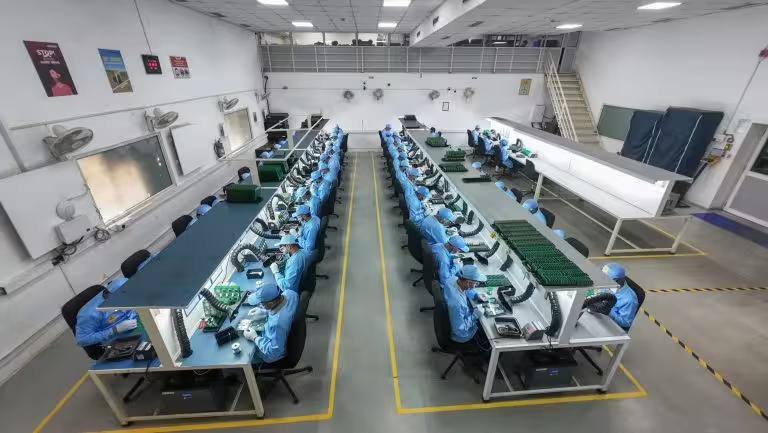
Controlled Manufacturing for Long-Term Consistency
Medical products often remain active for many years. Stable production processes ensure that every Multicore Cable for Medical Device batch matches original specifications.
Process controls include –
- Precision conductor stranding
- Monitored insulation extrusion
- Consistent shielding application
- In-process inspection checkpoints
Traceability systems document raw materials, production parameters, and test outcomes. This structured control reduces field failure risk and supports regulatory audits.
Scalable Production With Supply Chain Stability
Scaling from prototype to mass production requires process stability. Frigate supports smooth production transitions for Multicore Cable for Medical Device programs.
Capabilities include –
- Pilot production runs
- Mid-volume validation builds
- High-volume commercial manufacturing
Supplier networks are qualified for long-term availability. Demand planning and inventory strategies reduce lead-time disruptions and supply variability.
Ongoing Technical Collaboration
Healthcare device requirements evolve over time. Frigate provides continuous engineering support to maintain performance alignment.
Support areas include –
- Diameter optimization without signal compromise
- Enhanced flexibility for robotic systems
- Shielding refinement for EMI control
- Cost optimization while maintaining compliance
This collaborative approach ensures that each Multicore Cable for Medical Device solution remains reliable throughout its lifecycle.
Conclusion
Modern healthcare systems rely on precision, safety, and uninterrupted performance. Cable architecture plays a foundational role in achieving these objectives.
Selecting the correct Multicore Cable for Medical Device applications requires alignment across engineering, compliance, durability, and supply chain continuity. Technical validation at the early design stage prevents costly redesigns and regulatory setbacks.
Reliable interconnect solutions protect device functionality, patient safety, and long-term business outcomes. Connect with Frigate to explore customized multicore cable solutions that support compliance, durability, and scalable medical device manufacturing success.