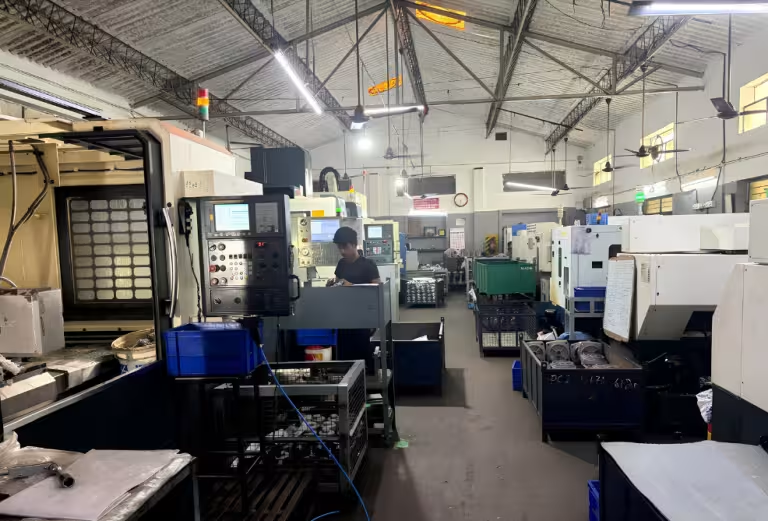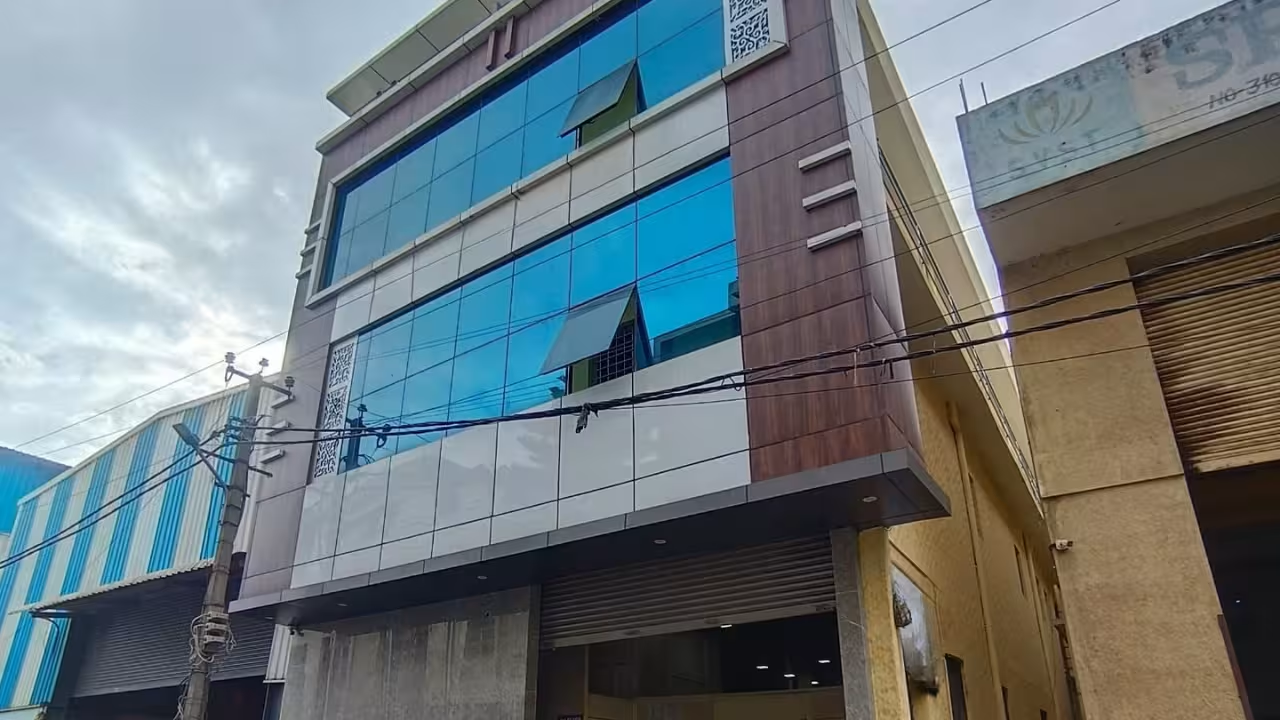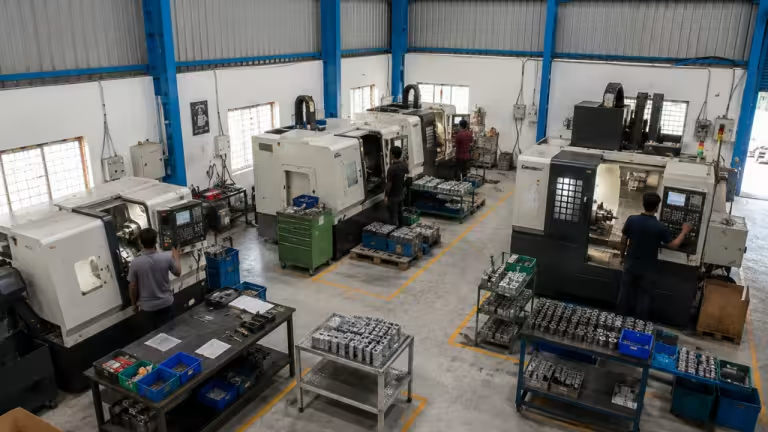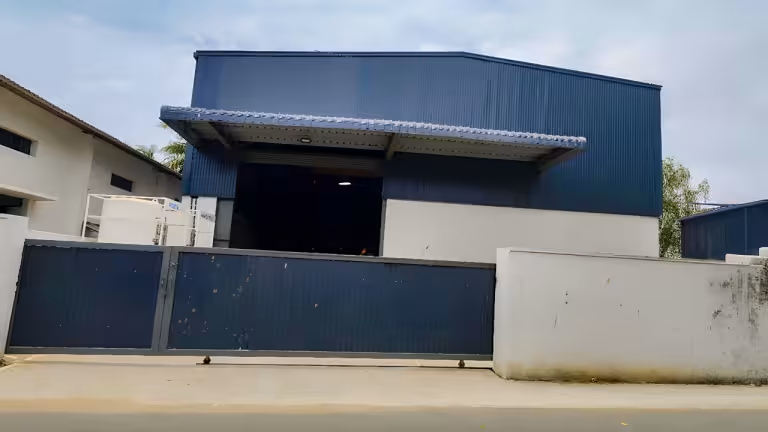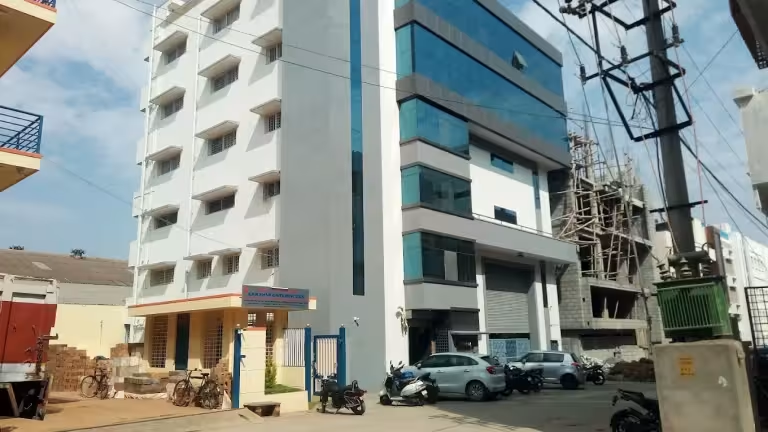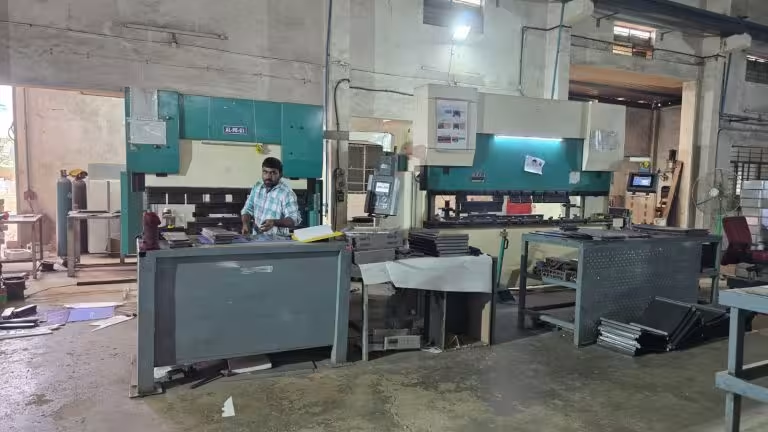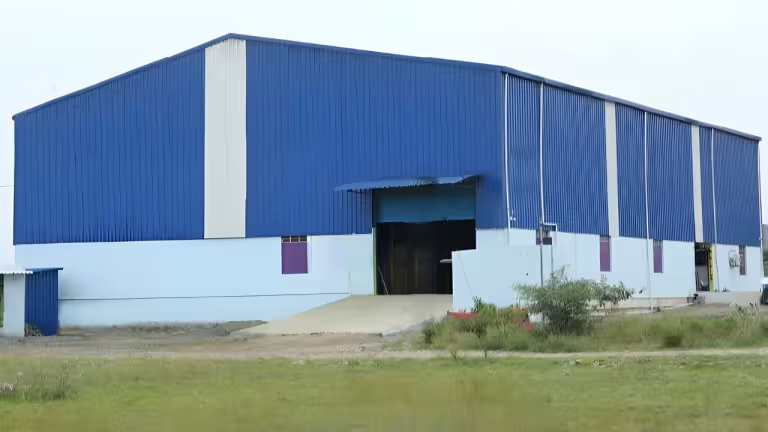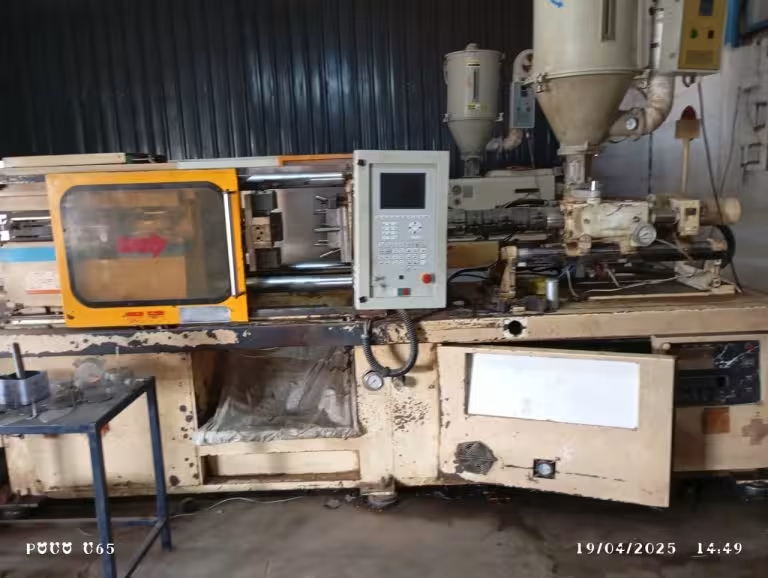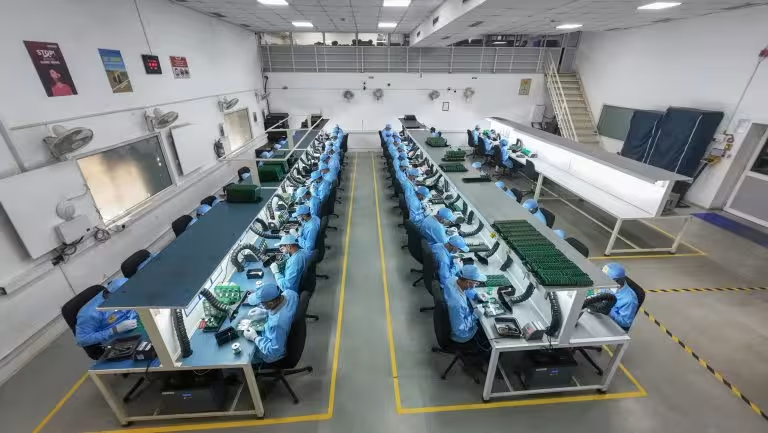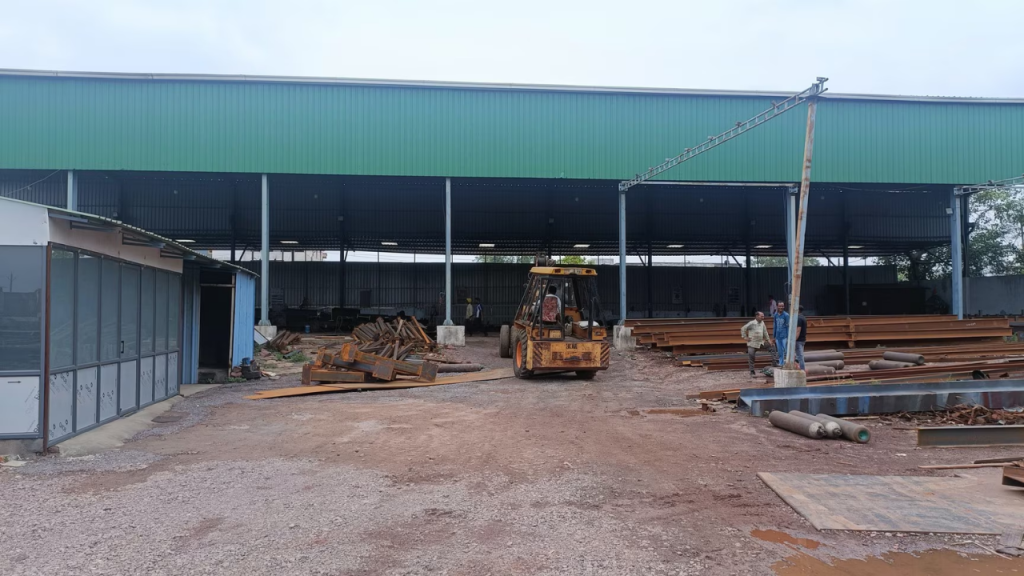
High-precision manufacturing capabilities for metal, plastic, electrical, and assembly requirements.
Manufacturing support for precision parts, assemblies, and production-ready components across demanding industries.
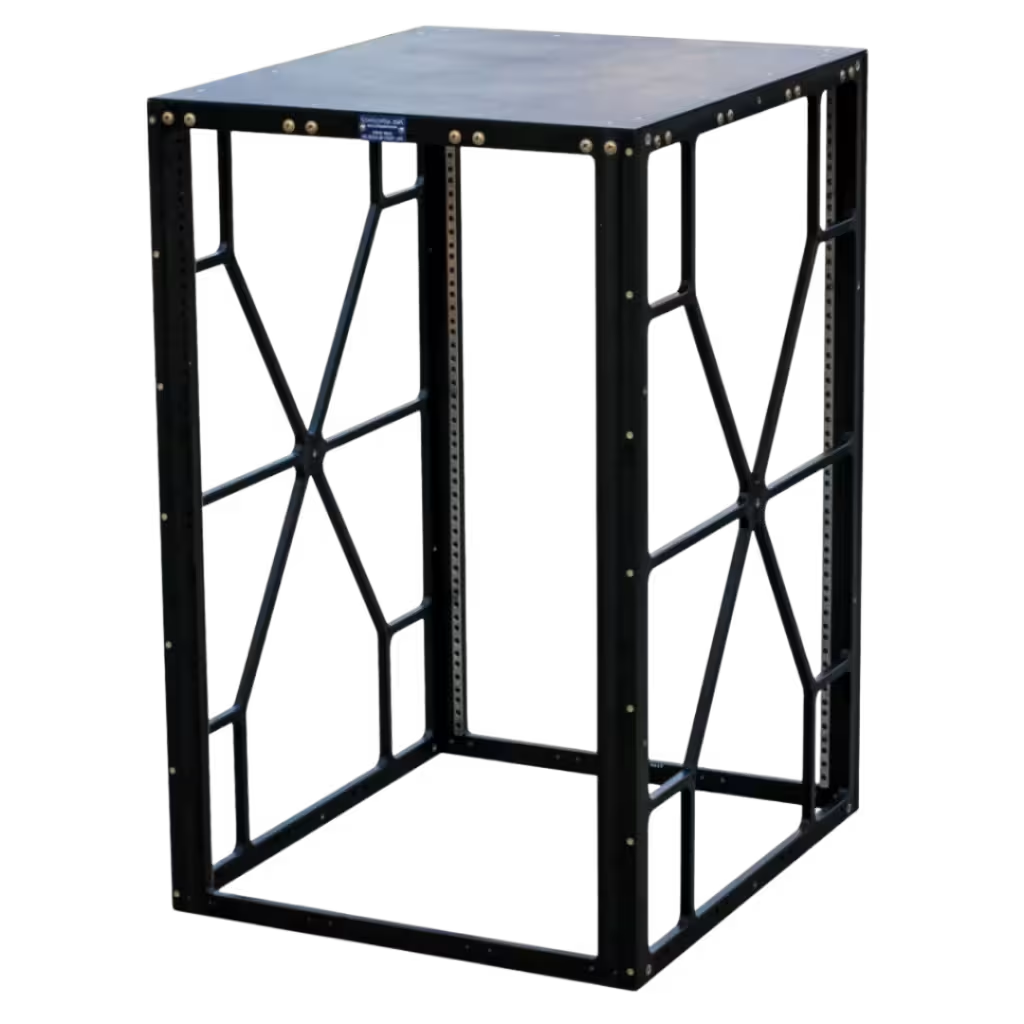
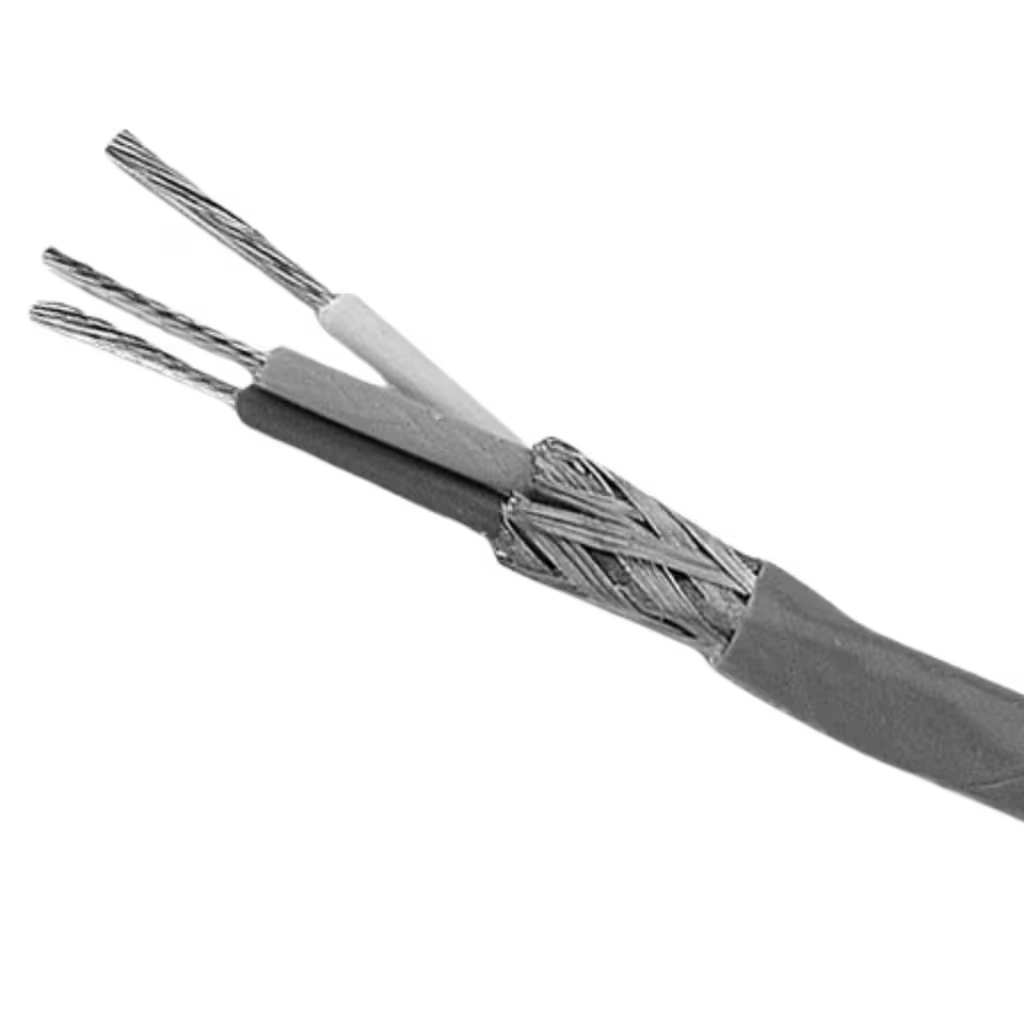
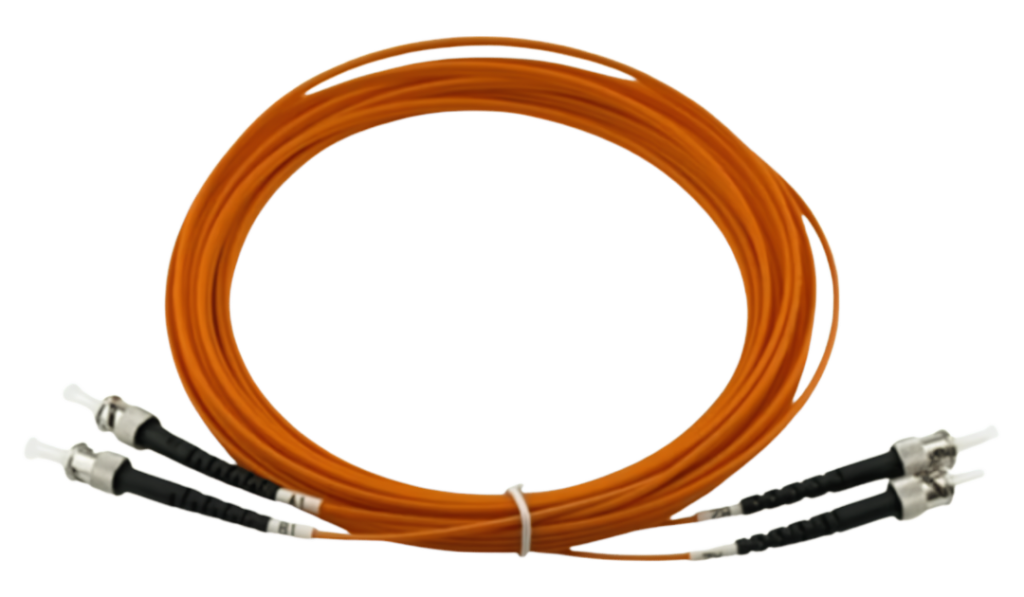
Manufacturing support for enclosures, Bento Box assemblies, cables, wiring harnesses, and BESS components.
High-strength fasteners, landing gear parts, and structural assemblies.
Metal frames, brackets, and assemblies for appliances and home equipment.
Forged housings, armor brackets, and mission-critical structural parts.
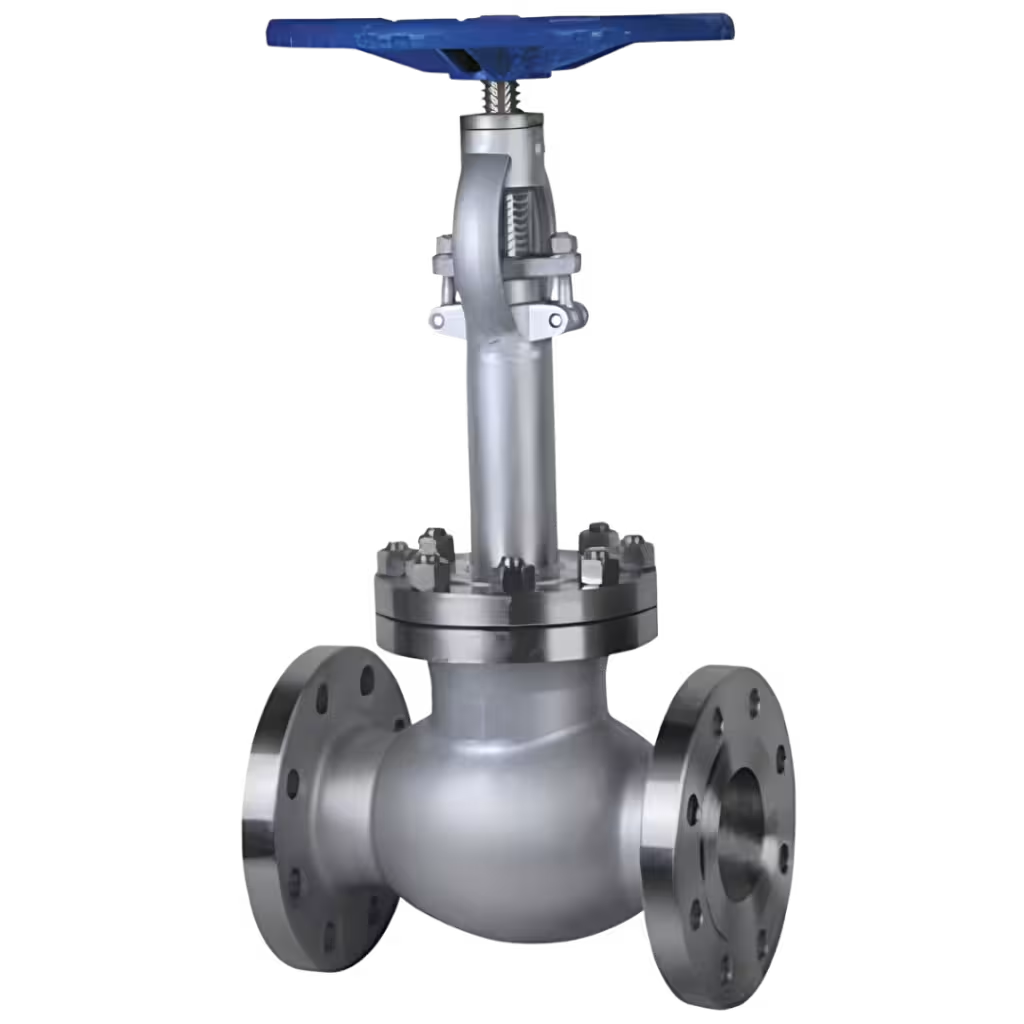
Valve bodies, flange blocks, and downhole drilling components.
Solar mounting parts, wind turbine brackets, and battery enclosures.
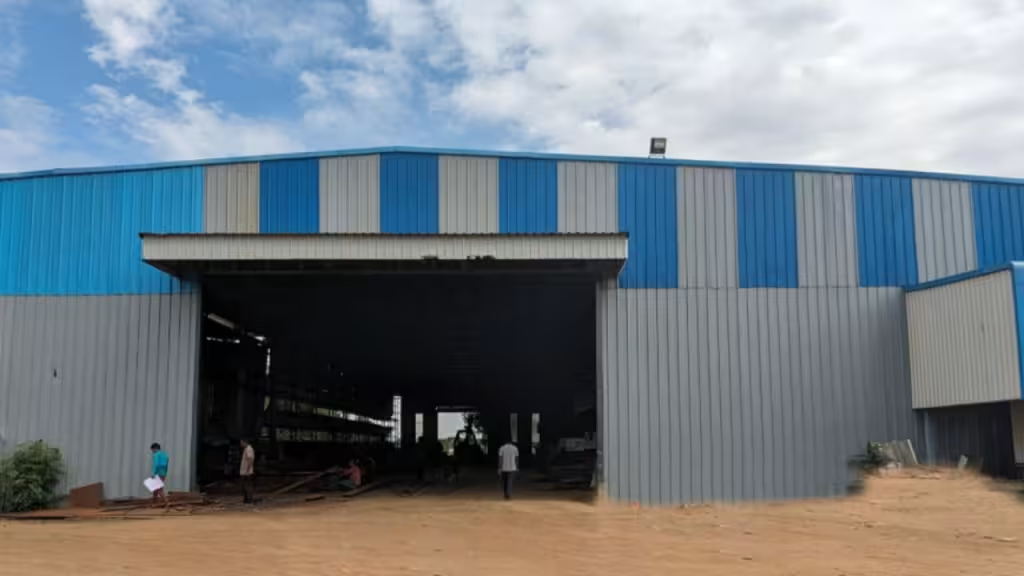
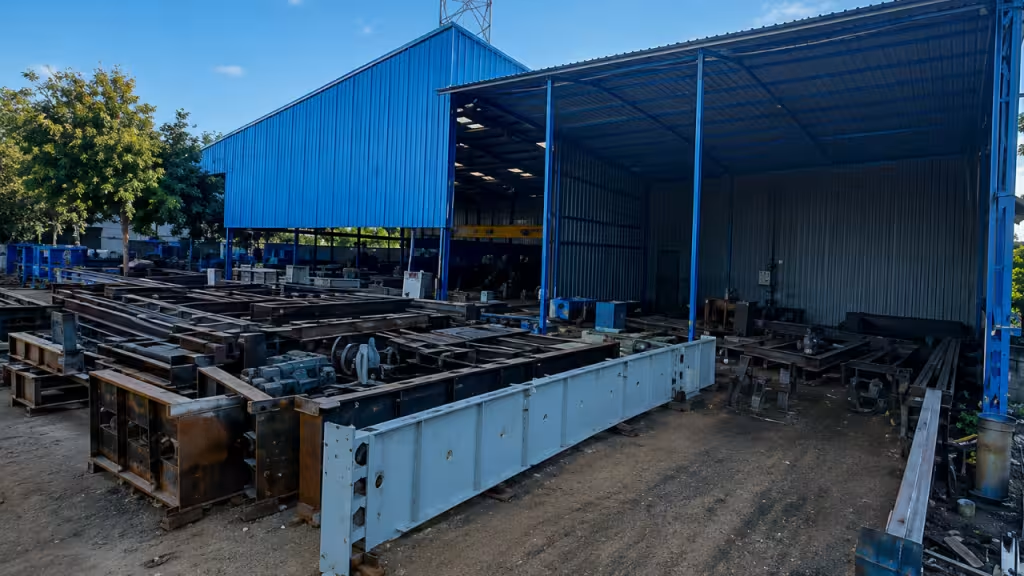
Large welded frames, PEB structures, and assemblies for industrial equipment.
Copper, Aluminum, or Copper-Alloy
3-15 microns (depending on application)
2-10 mm (customizable based on current rating)
10-150 mm (customizable for space optimization)
> 95% IACS (Copper) or > 60% IACS (Aluminum)
Heat buildup in power distribution systems can lead to inefficiencies, energy waste, and premature component failure. Bolted and clinched bus bars minimize electrical resistance at joints, ensuring efficient current flow. These bus bars significantly reduce heat generation by maintaining uniform conductivity, enhancing overall system performance and lifespan.
398 W/m·K (Copper), 235 W/m·K (Aluminum)
Up to 36 kV (depending on insulation and design)
Up to 5000 A (based on size and material)
-40°C to 105°C (standard range)
Excellent resistance with tin, silver, or nickel coatings
Tensile Strength: 200-300 MPa
> 2.5 N/mm (meets industry standards for durability)
Smooth or brushed (customizable for electrical contact)
Thickness, width, material, coating, and specific shapes
IEC 60947, UL 1950, RoHS Compliant
Traditional cable systems often involve intricate installations and tedious maintenance. Bolted and clinched busbars simplify power connections with streamlined, pre-assembled components. Their modular design allows easy integration into existing systems, reducing installation time and labor costs.
Space constraints in modern electrical enclosures demand compact, high-capacity solutions. Bolted and clinched busbars offer a low-profile, space-saving design compared to traditional cable bundles. Their flexibility in customization ensures they fit seamlessly into even the most confined layouts without compromising performance.
Need reliable Bus Bars for your next project? Get in touch with us today, and we’ll help you find exactly what you need!
Used in battery packs and powertrain systems for low-resistance, high-current power distribution.
Ensure efficient energy transfer in high-density power distribution units and backup systems.
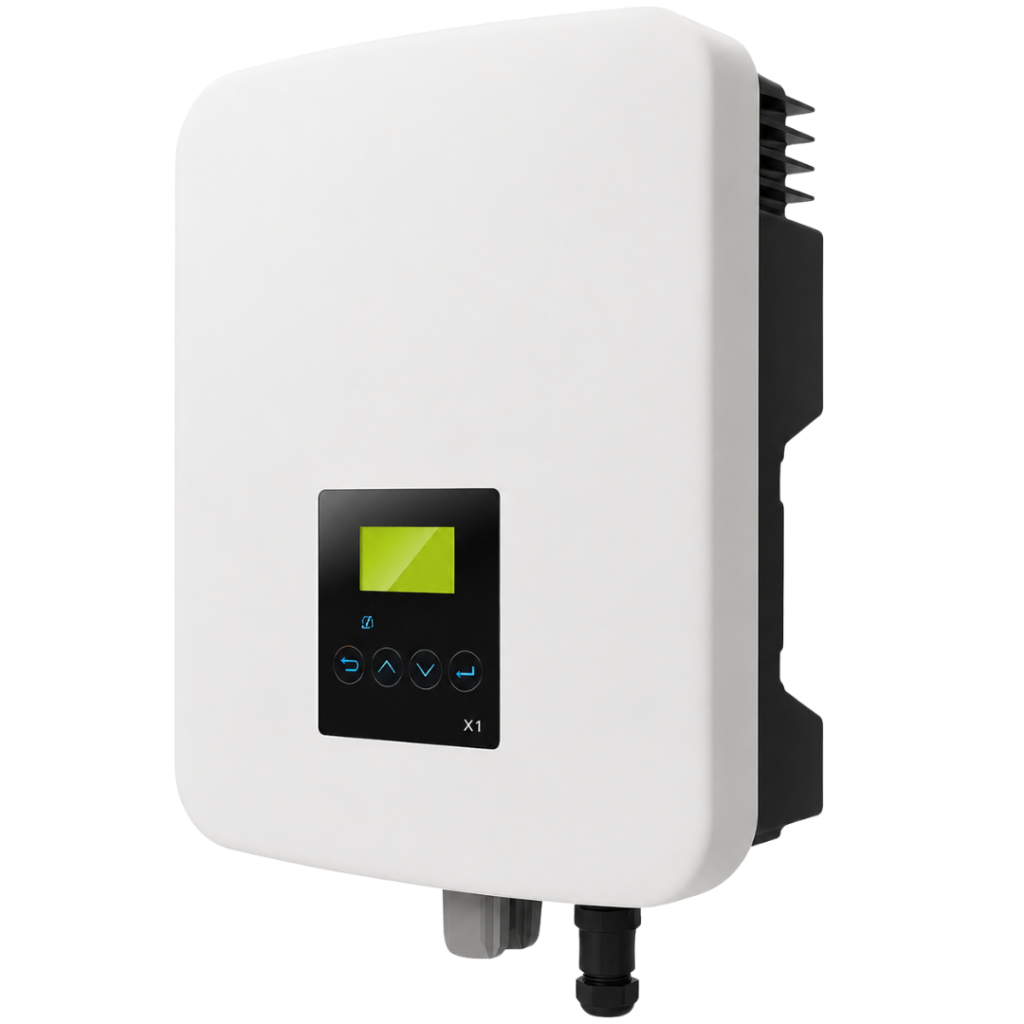
Optimize power transmission in wind turbines, solar inverters, and energy storage systems.
Provide reliable connections in high-vibration environments like avionics and propulsion systems.
Resist corrosion and maintain electrical stability in harsh saltwater environments.
Support high-current loads in robotics, motor drives, and process control equipment.
Harsh environmental conditions, including moisture and chemical exposure, can lead to corrosion and degradation of traditional connectors. Bolted and clinched busbars are engineered with corrosion-resistant materials and coatings, ensuring reliability in demanding environments such as marine, renewable energy, and industrial applications.
Electrical connections in industries like automotive, aerospace, and heavy machinery are subjected to high levels of vibration. Clinched connections provide a mechanically robust solution, ensuring joints remain secure and operational under extreme conditions. This reduces the risk of intermittent faults or connection failures, ensuring uninterrupted power delivery.
Check all our Frequently Asked Question
Bolted and clinched busbars are designed with low-resistance connections, which ensure minimal energy loss during power transfer. The bolted joints provide consistent clamping force, reducing micro-gaps that can cause resistive losses. Additionally, their layered construction optimizes current flow, lowering heat generation and enhancing efficiency.
Yes, clinched busbars are designed to accommodate thermal expansion and contraction. The clinching process creates a strong, permanent connection that maintains electrical integrity even as materials expand or contract due to temperature changes. This makes them ideal for applications with fluctuating thermal conditions.
Bolted connections in busbars offer excellent resistance to loosening under high current surges or fault conditions. The clamping force of the bolts keeps the joint mechanically stable, preventing arcing or contact degradation. This stability ensures consistent performance during electrical disturbances.
Bolted and clinched busbars have a flat, wide surface area, which enhances heat dissipation. Unlike traditional cables, which trap heat within their insulation, the exposed design of busbars allows for efficient heat transfer to the surrounding environment, preventing overheating in high-current applications.
Absolutely. Busbars’ layered and parallel design allows for precise control over inductance and capacitance. Engineers can customize the thickness, material, and arrangement of conductive layers to achieve specific electrical characteristics, making them suitable for applications like inverters, power converters, and high-frequency circuits.
Submit the form below and our representative will be in touch shortly.
10-A, First Floor, V.V Complex, Prakash Nagar, Thiruverumbur, Trichy-620013, Tamil Nadu, India.
9/1, Poonthottam Nagar, Ramanandha Nagar, Saravanampatti, Coimbatore-641035, Tamil Nadu, India. ㅤ
10-A, First Floor, V.V Complex, Prakash Nagar, Thiruverumbur, Trichy-620013, Tamil Nadu, India.
Need reliable wires and cables for your next project? Get in touch with us today, and we’ll help you find exactly what you need!
Need reliable Machining for your next project? Get in touch with us today, and we’ll help you find exactly what you need!