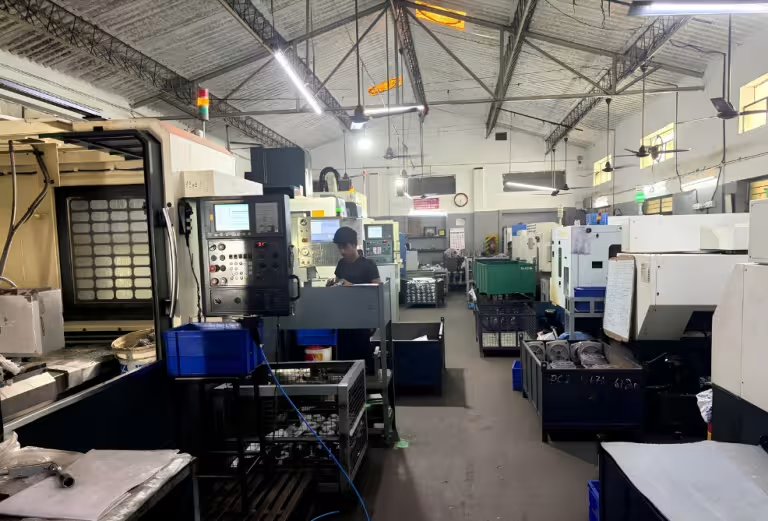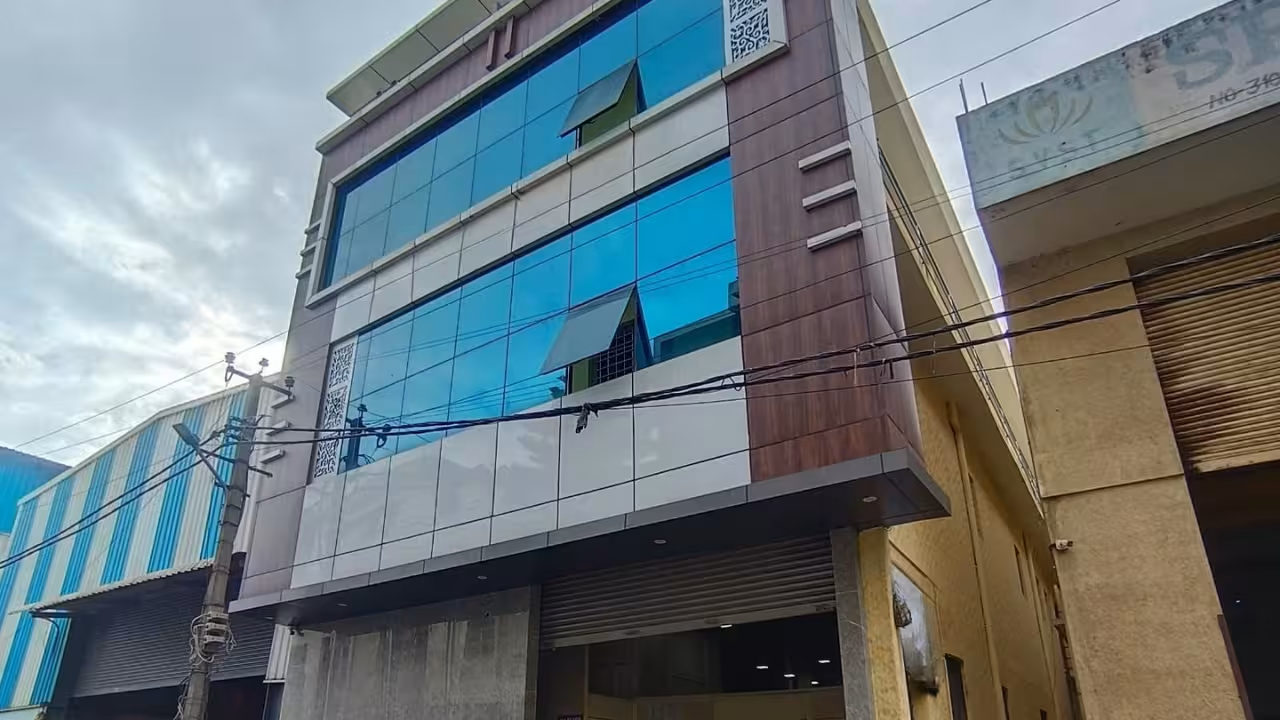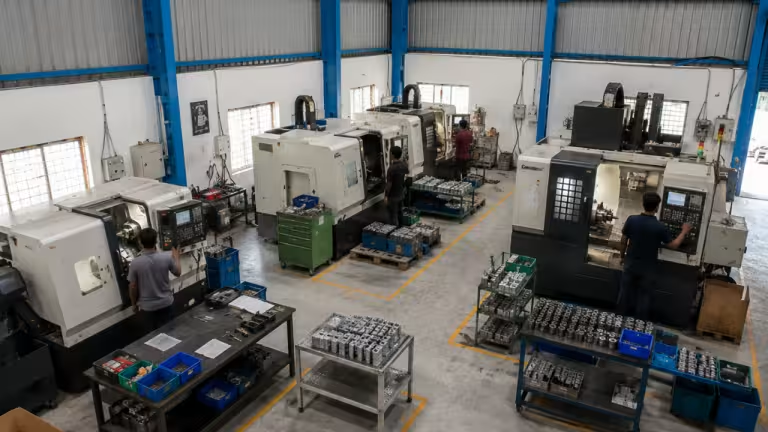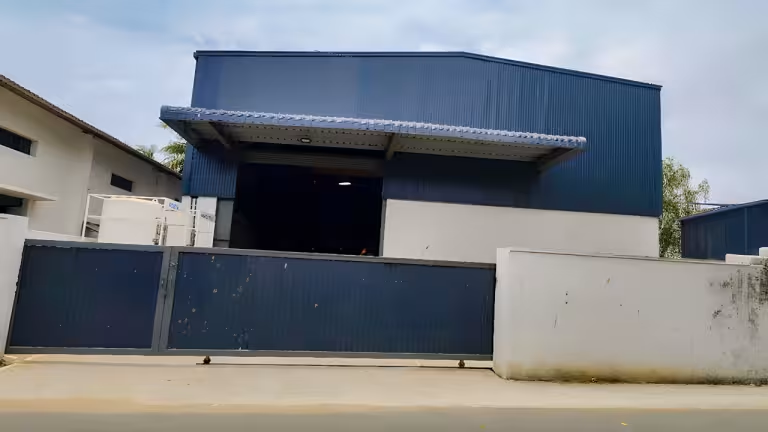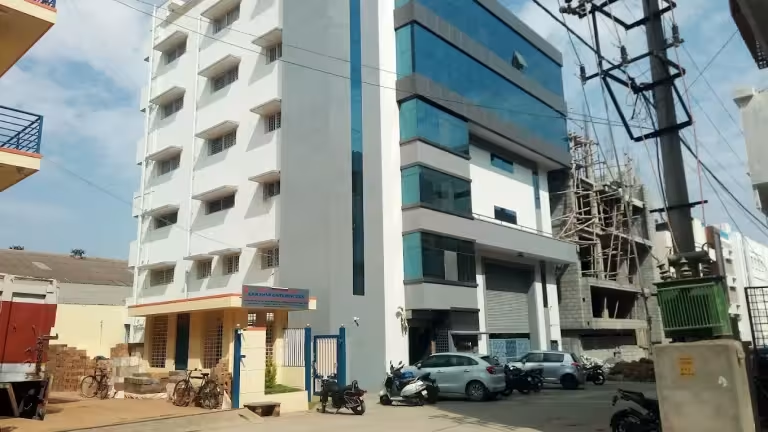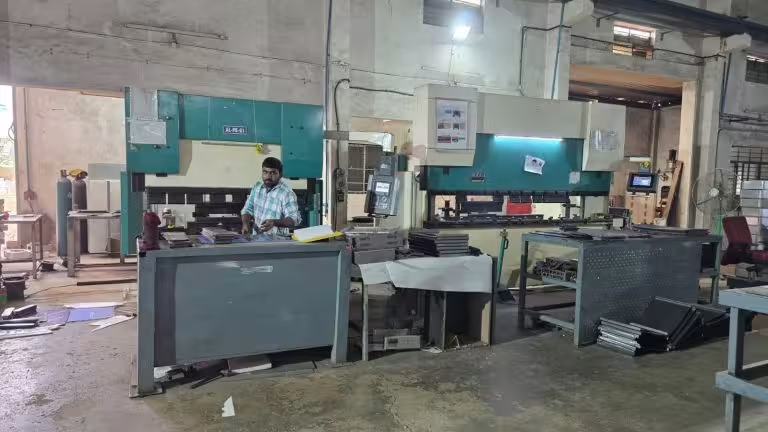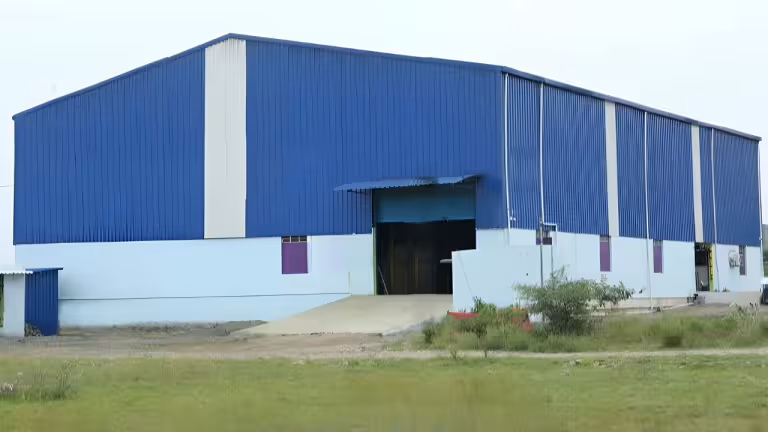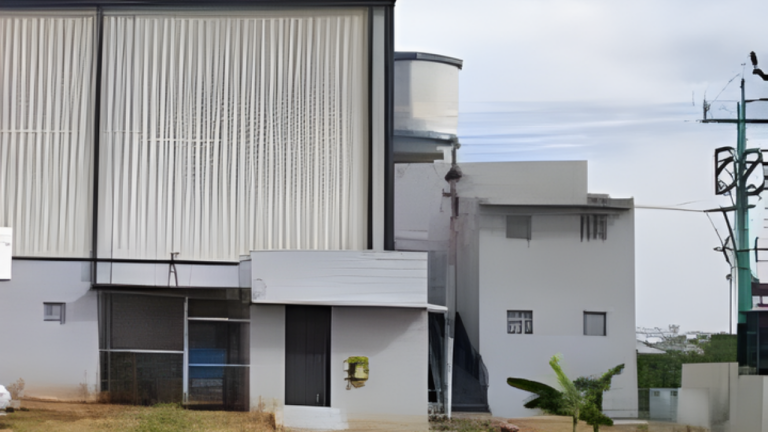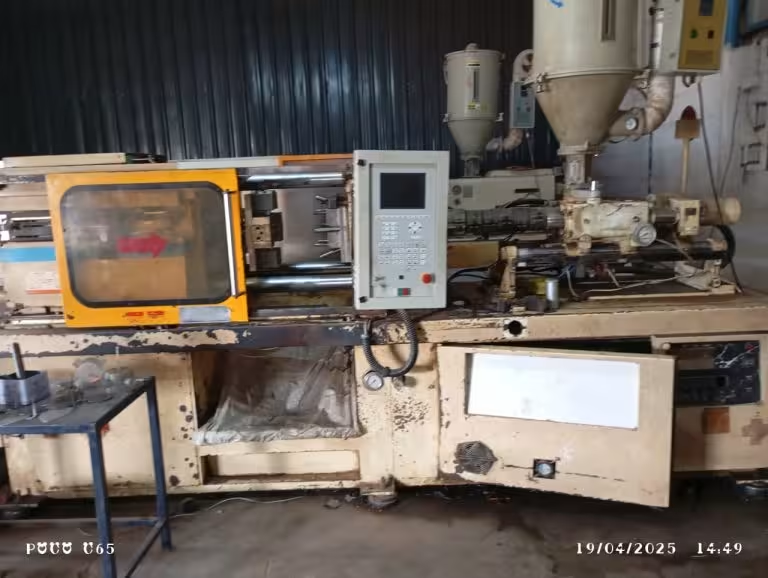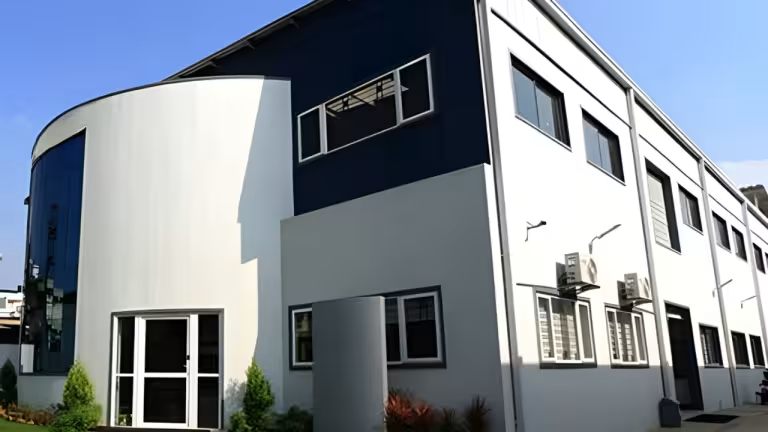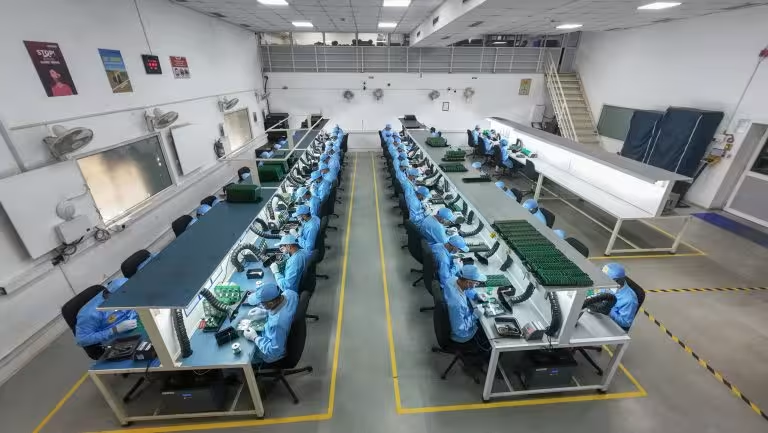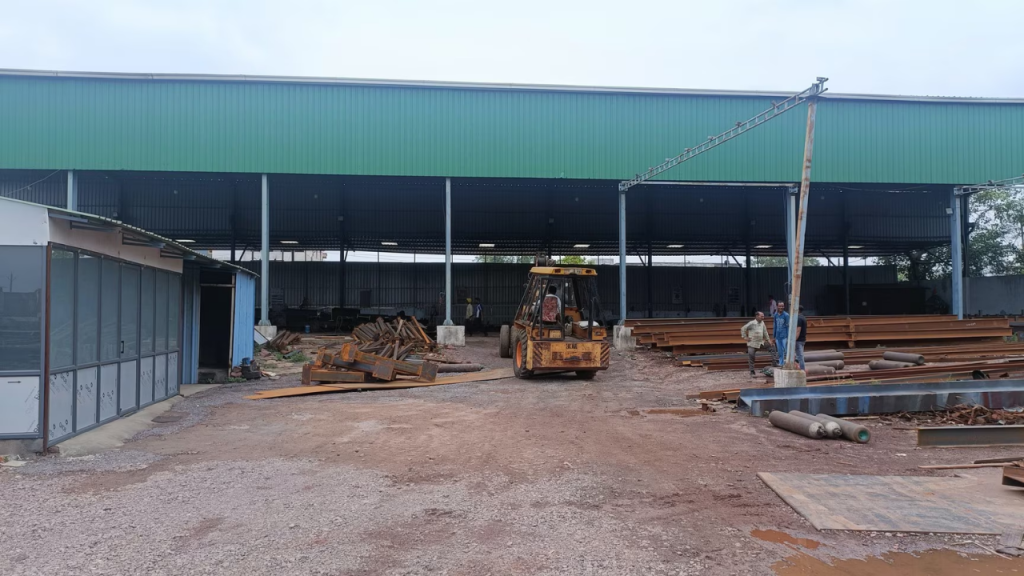
High-precision manufacturing capabilities for metal, plastic, electrical, and assembly requirements.
Manufacturing support for precision parts, assemblies, and production-ready components across demanding industries.
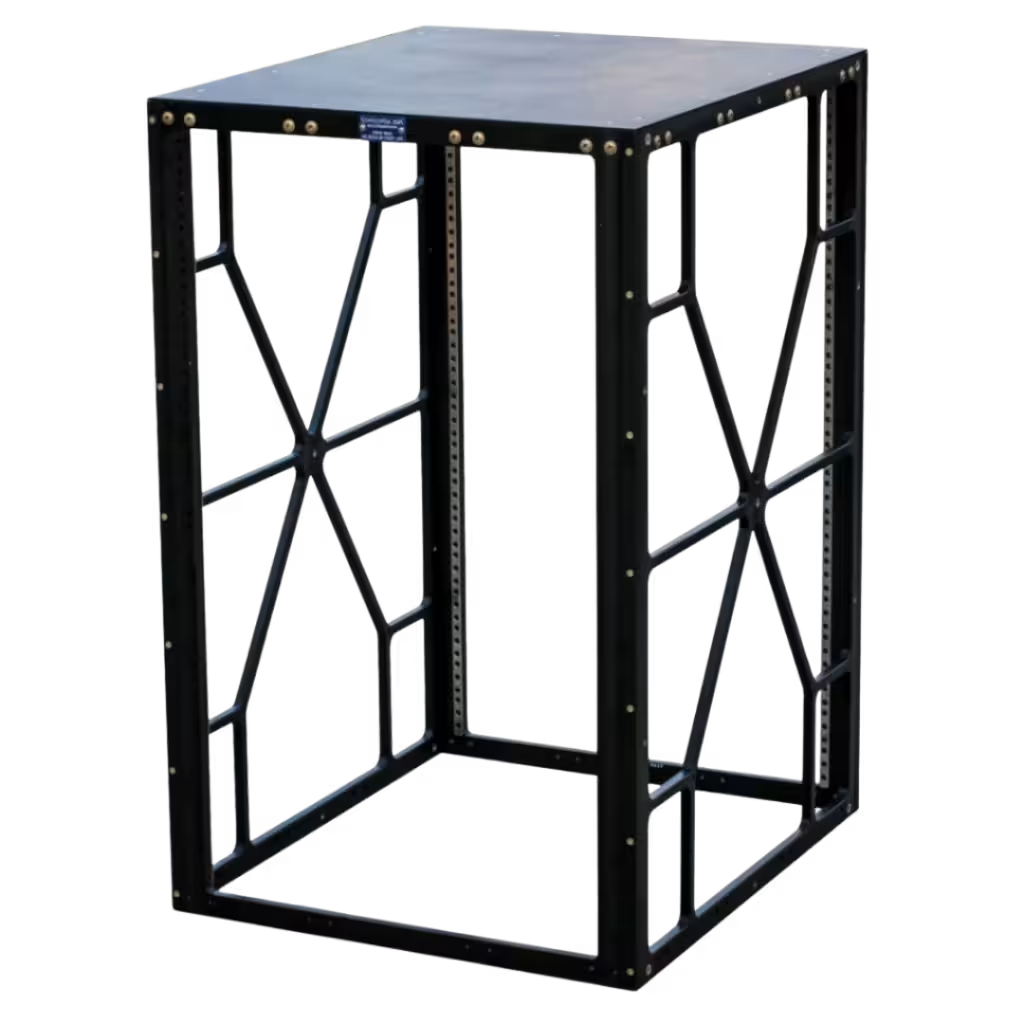
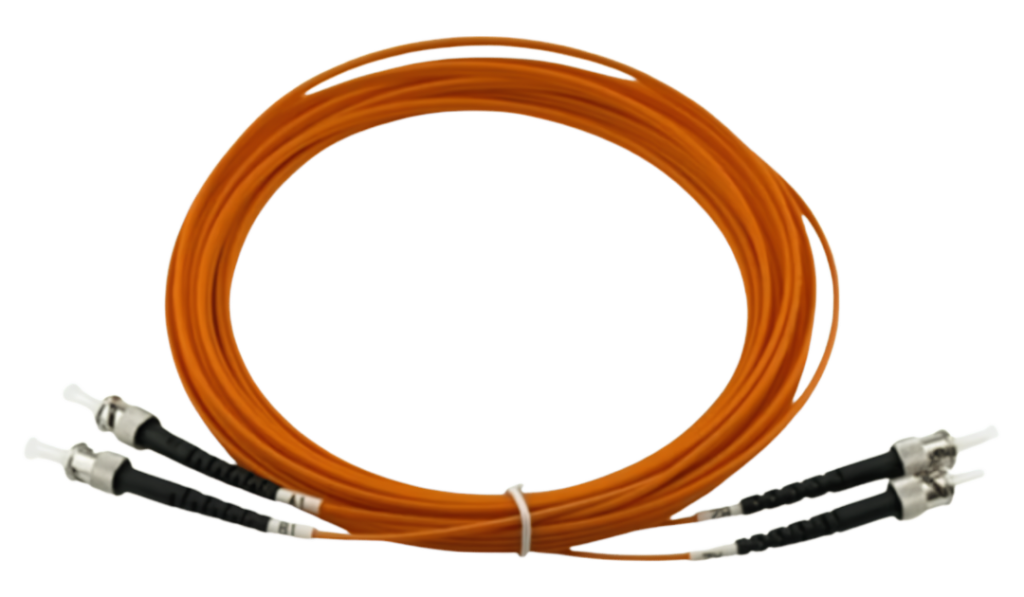
Manufacturing support for enclosures, Bento Box assemblies, cables, wiring harnesses, and BESS components.
High-strength fasteners, landing gear parts, and structural assemblies.
Metal frames, brackets, and assemblies for appliances and home equipment.
Forged housings, armor brackets, and mission-critical structural parts.
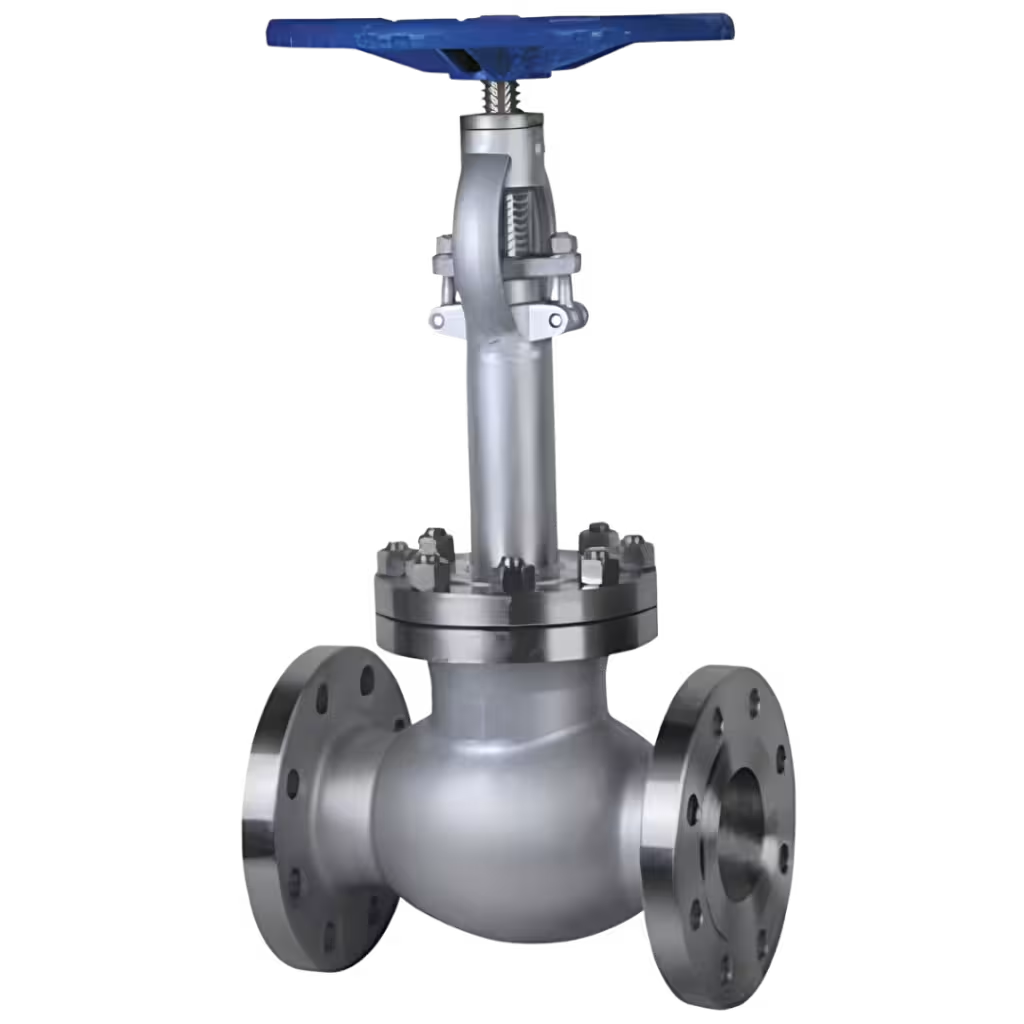
Valve bodies, flange blocks, and downhole drilling components.
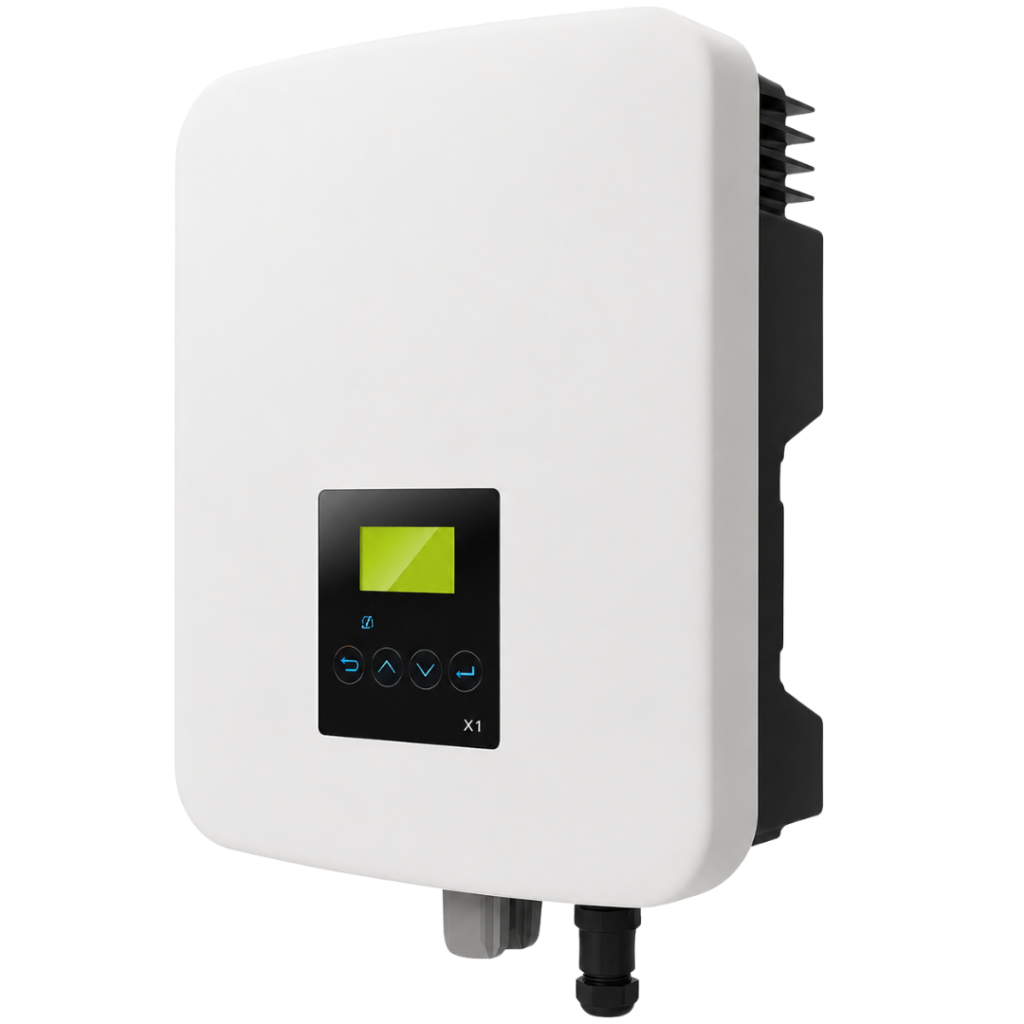
Solar mounting parts, wind turbine brackets, and battery enclosures.
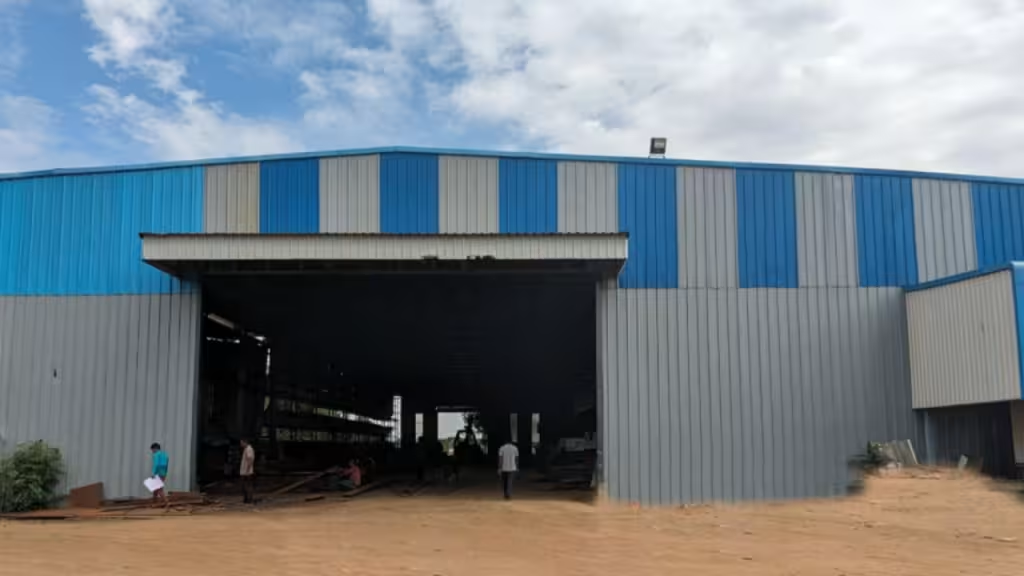
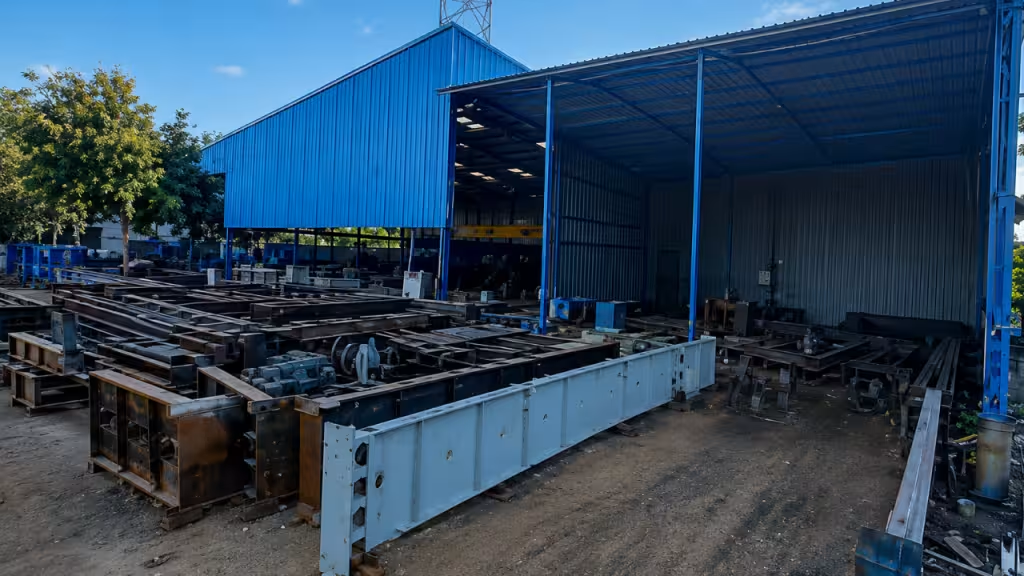
Large welded frames, PEB structures, and assemblies for industrial equipment.
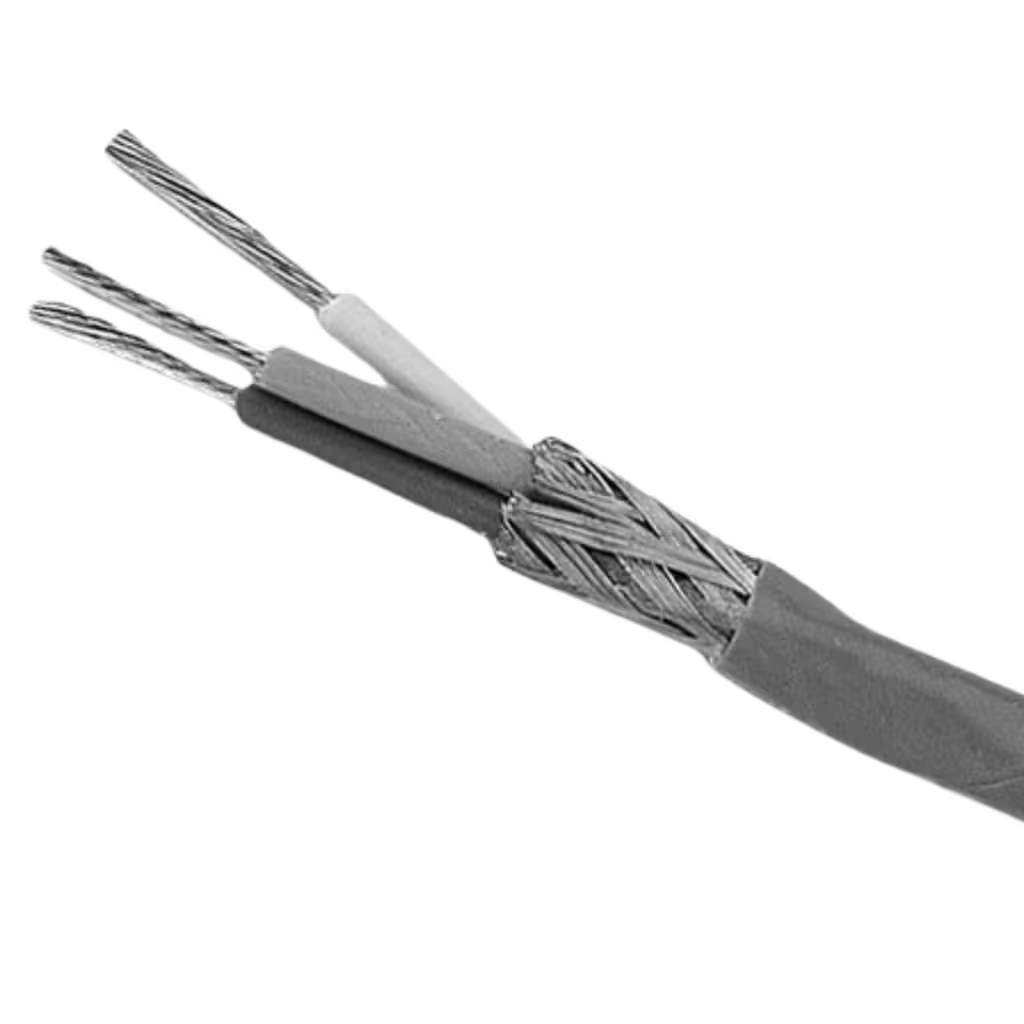
High-conductivity, finely stranded copper or tinned copper
Cross-linked polyethylene (XLPE) or thermoplastic elastomer (TPE)
Typically rated for 600V to 1kV, depending on the application and insulation used.
Operational range from -40°C to +125°C, with heat-resistant insulation materials
Flame-retardant insulation compliant with UL 1581 VW-1 standards
Battery cables feature high-grade copper or tinned copper conductors, offering superior conductivity. This ensures optimal power flow, reducing voltage drops and providing consistent energy to your batteries and connected devices, even under high-load conditions.
Fully water-resistant with water-blocking compounds or sheathing to prevent moisture ingress in wet or submerged environments.
UV-resistant sheath material to prevent degradation from direct sunlight exposure,
Ranges from 10 mm² to 120 mm²
Thermoplastic or rubber compounds such as chlorinated polyethylene (CPE) or polyurethane (PUR)
Available with optional steel wire armoring (SWA)
Up to 400A, depending on conductor size, ambient temperature, and installation conditions.
High-flexibility cables with finely stranded conductors and soft insulation
Core configurations depend upon the requirement
Varies from 10 mm to 25 mm based on conductor size and insulation thickness
Reinforced outer sheath for resistance to abrasion, impact, and mechanical stress
Compliant with ISO 6722, IEC 60228, UL 558, and ROHS directives
The flexibility of the battery cable can be a major factor in complex electrical systems. Rigid cables are challenging to route through tight spaces, leading to longer installation times and potential system inefficiencies. Our cables are highly flexible due to finely stranded copper conductors and soft insulation. This flexibility allows for easier routing, faster installations, and better adaptability to tight spaces, minimizing stress on the cable and your installation process.
Corrosion can significantly reduce the lifespan of battery cables, especially in marine, automotive, or industrial environments where exposure to moisture and chemicals is common. To combat this, these cables utilize tinned copper conductors that resist corrosion, preventing deterioration and extending cable life. This corrosion resistance reduces the frequency of replacements and maintenance, helping you maintain consistent operations and lower long-term costs.
Need reliable wires and cables for your next project? Get in touch with us today, and we’ll help you find exactly what you need!
Used for starting, charging, and power distribution in Automotive, supporting high-current flow to critical components.
Provide reliable power connections between batteries and backup generators for uninterrupted Telecommunication Services during power outages.
Facilitate energy transfer in heavy-duty Machinery by connecting batteries to motors and control units for continuous operation.
Ensure efficient power transfer in boats and ships, with high resistance to corrosion in Marine environments.
Connect energy storage systems like Solar and Wind batteries to inverters, enabling efficient energy conversion and distribution.
Delivers stable power to avionics, control systems, and auxiliary systems in Aircraft.
Even the slightest delay in power delivery can have significant consequences in critical power applications, such as emergency backup systems or high-performance vehicles. Battery cables, due to their low resistance and high current-carrying capacity, ensure rapid, uninterrupted power flow. This reliable power delivery ensures that your essential systems remain operational when needed most.
We offer custom battery cables tailored to your requirements, including varying lengths, conductor sizes, and terminal configurations. Whether your project demands cables for high-amperage systems or precise voltage management, our team works closely to ensure you get the specifications needed to meet your operational goals.
Check all our Frequently Asked Question
Battery cables are usually made from copper or aluminum. Copper is the better choice because it conducts electricity very well. This means less energy is lost as heat. Aluminum is lighter and cheaper but less conductive. The choice of material affects the performance and efficiency of the electrical system in your vehicle or device.
The gauge of a battery cable refers to its thickness. A lower gauge number means a thicker wire, which can carry more current. For example, a 4-gauge cable can handle more power than a 10-gauge cable. Using the right gauge is important to prevent overheating and ensure your battery can deliver enough power for its intended use.
The insulation around battery cables protects them from damage and prevents short circuits. It is usually made from materials like PVC or rubber. The insulation must be durable and heat-resistant. If the insulation wears out, it can expose the wire, leading to electrical faults or even fires. Choosing cables with high-quality insulation ensures safety and longevity.
The length of battery cables affects their resistance. Longer cables have more resistance, which can reduce the amount of power reaching the battery or electrical components. This can lead to poor performance or starting issues. It’s important to keep cables as short as possible while meeting installation needs to ensure maximum efficiency.
Battery cables can perform differently in various temperatures. High temperatures can increase resistance, leading to energy loss and overheating. In very cold conditions, cables can become stiffer, making them harder to work with. Using cables rated for extreme temperatures ensures they perform reliably in all weather conditions, improving the safety and efficiency of the electrical system.
Submit the form below and our representative will be in touch shortly.
10-A, First Floor, V.V Complex, Prakash Nagar, Thiruverumbur, Trichy-620013, Tamil Nadu, India.
9/1, Poonthottam Nagar, Ramanandha Nagar, Saravanampatti, Coimbatore-641035, Tamil Nadu, India. ㅤ
10-A, First Floor, V.V Complex, Prakash Nagar, Thiruverumbur, Trichy-620013, Tamil Nadu, India.
9/1, Poonthottam Nagar, Ramanandha Nagar, Saravanampatti, Coimbatore-641035, Tamil Nadu, India. ㅤ
Need reliable wires and cables for your next project? Get in touch with us today, and we’ll help you find exactly what you need!
Need reliable Machining for your next project? Get in touch with us today, and we’ll help you find exactly what you need!