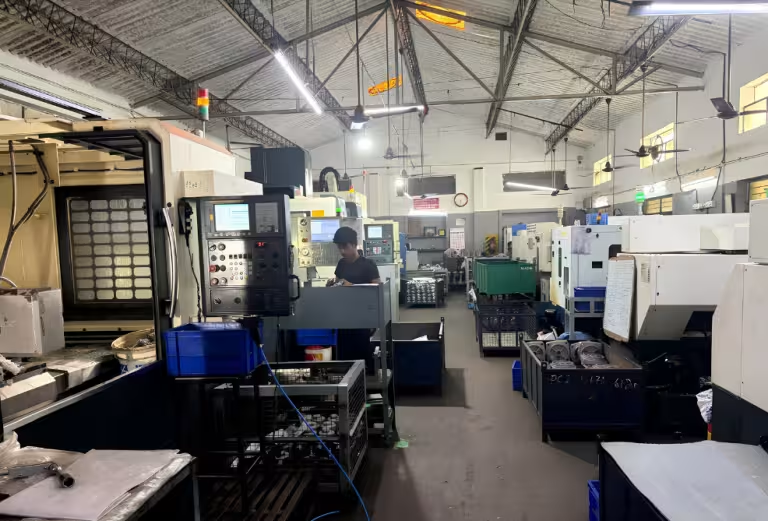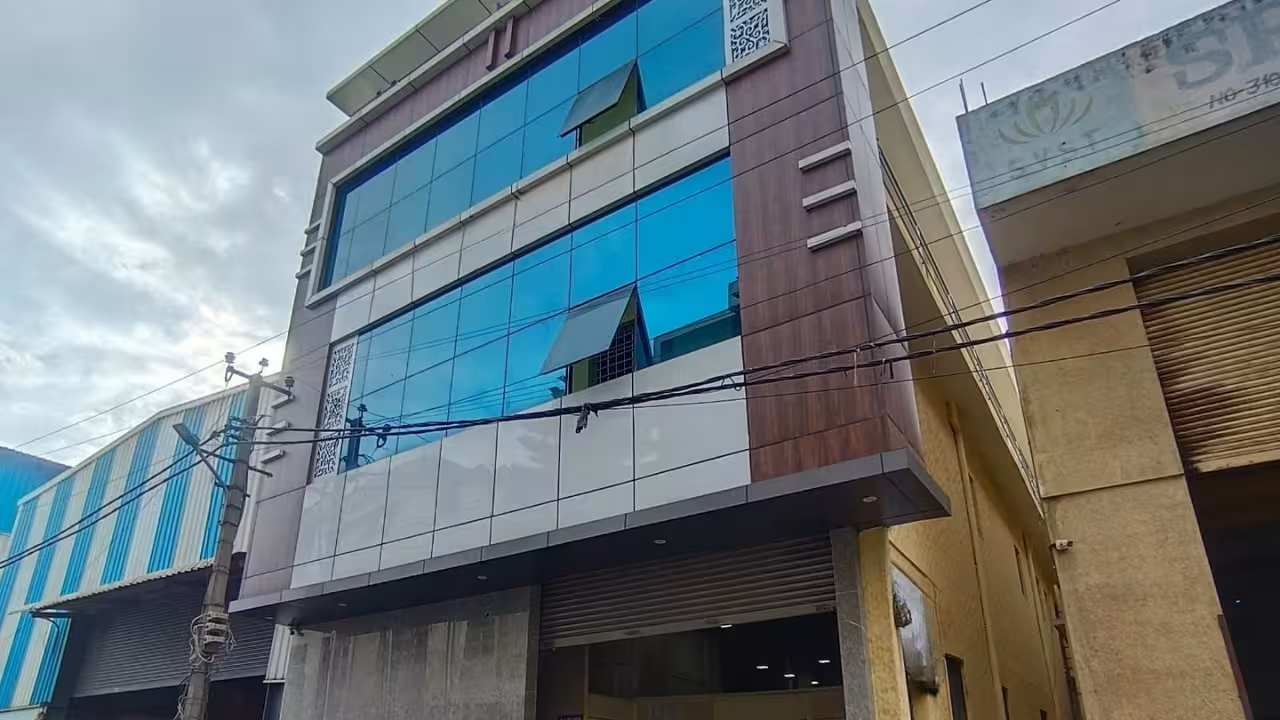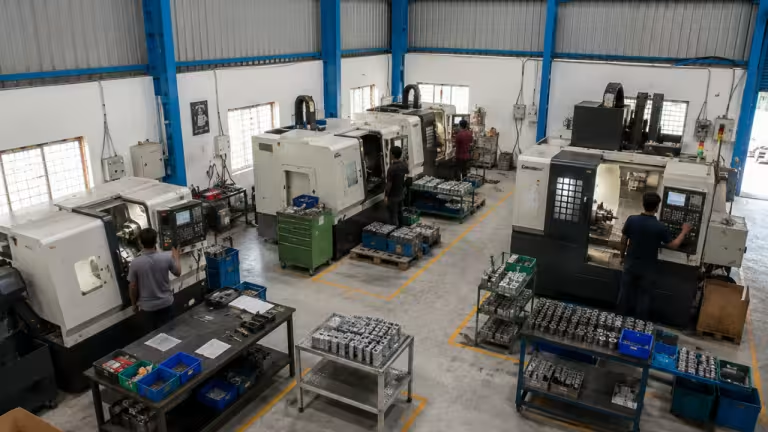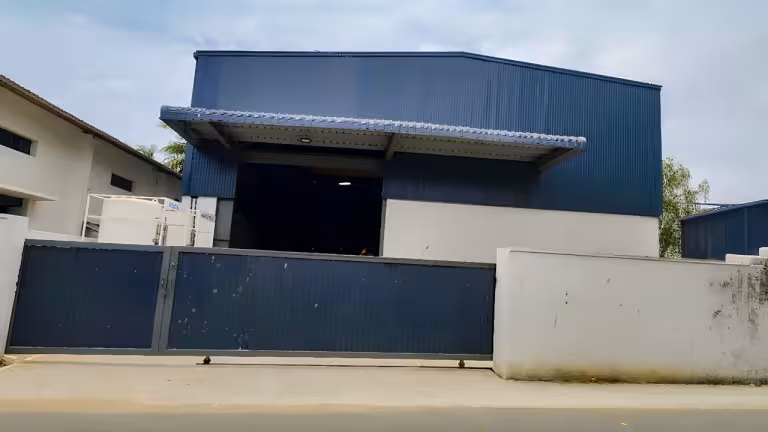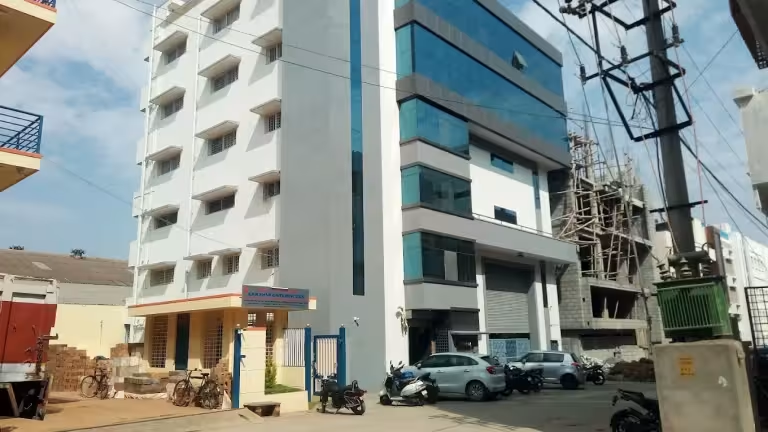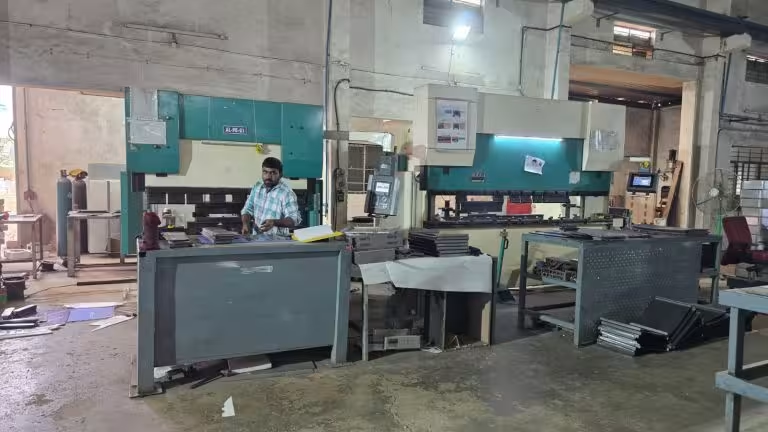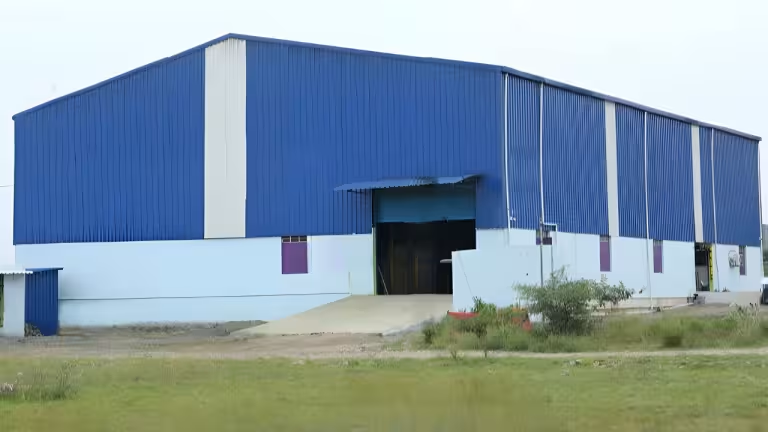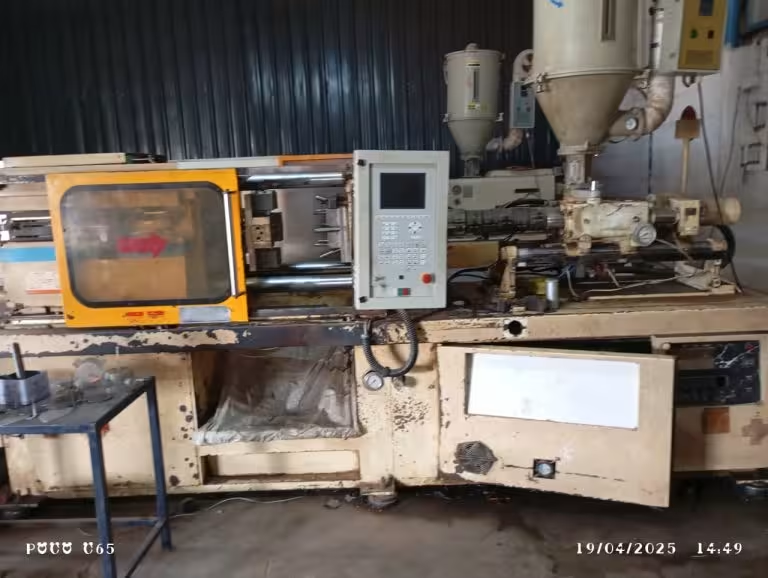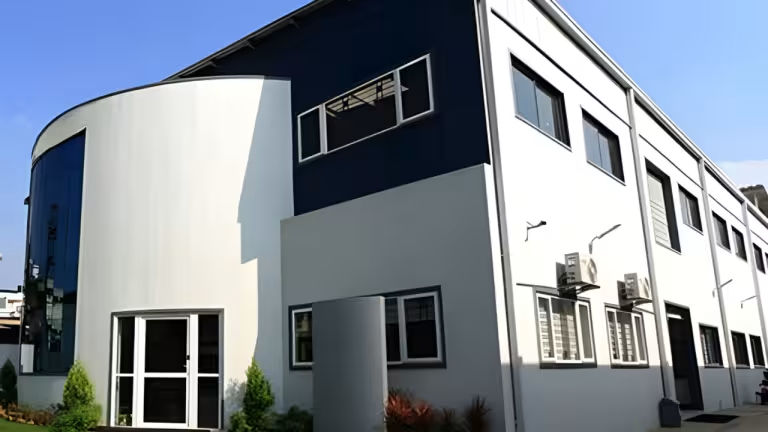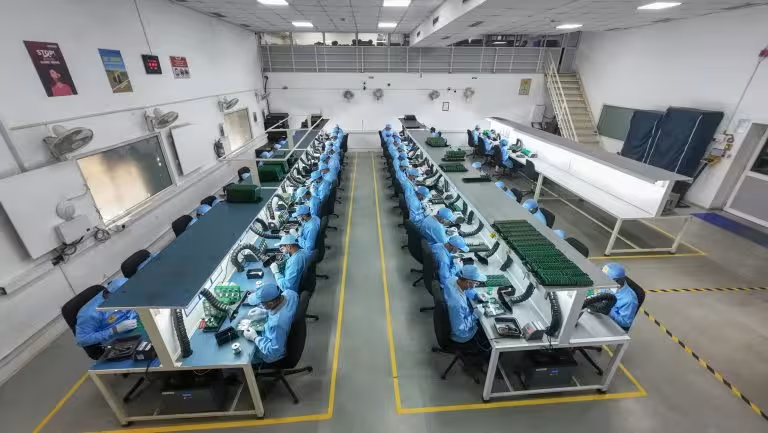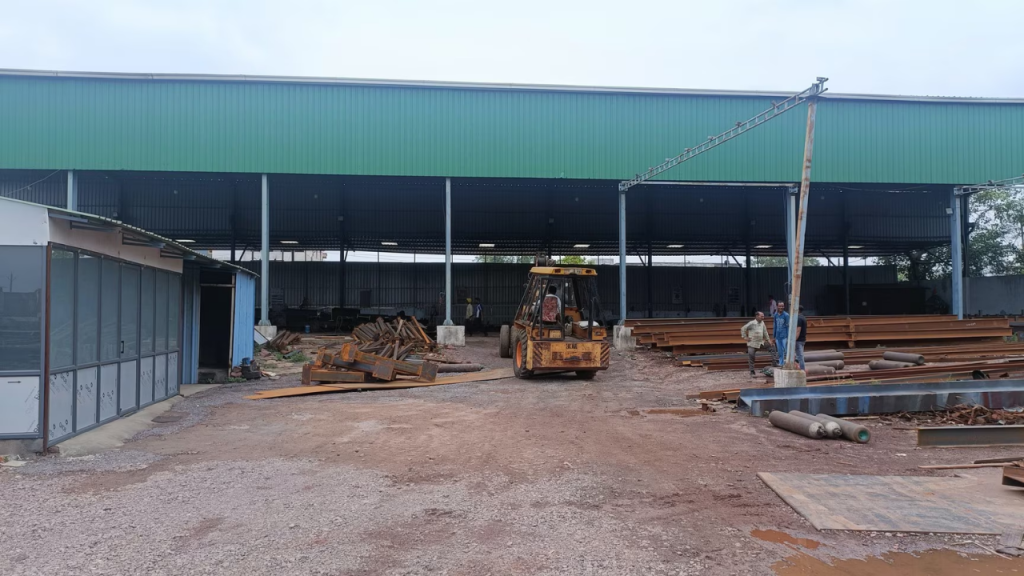
High-precision manufacturing capabilities for metal, plastic, electrical, and assembly requirements.
Manufacturing support for precision parts, assemblies, and production-ready components across demanding industries.
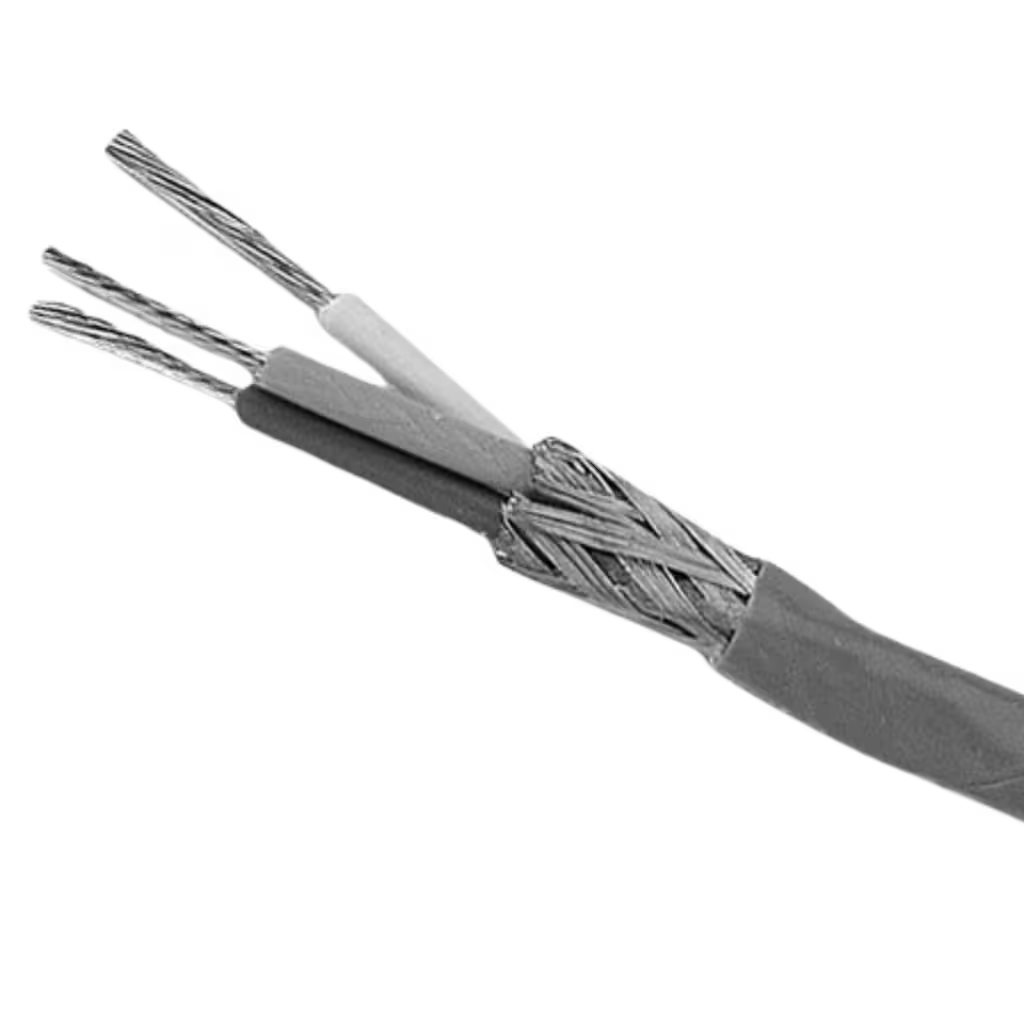
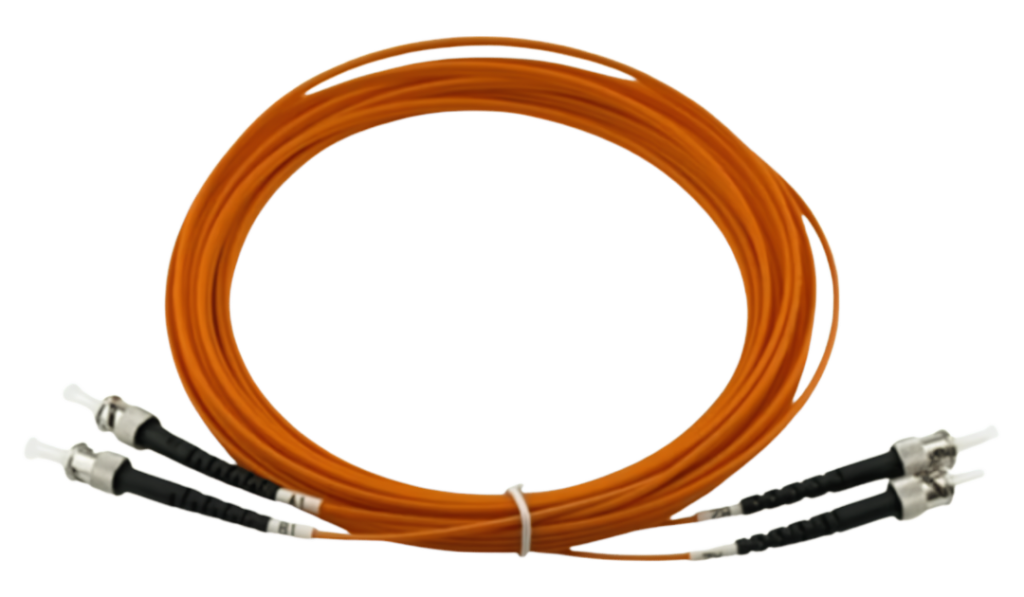
Manufacturing support for enclosures, Bento Box assemblies, cables, wiring harnesses, and BESS components.
High-strength fasteners, landing gear parts, and structural assemblies.
Metal frames, brackets, and assemblies for appliances and home equipment.
Forged housings, armor brackets, and mission-critical structural parts.
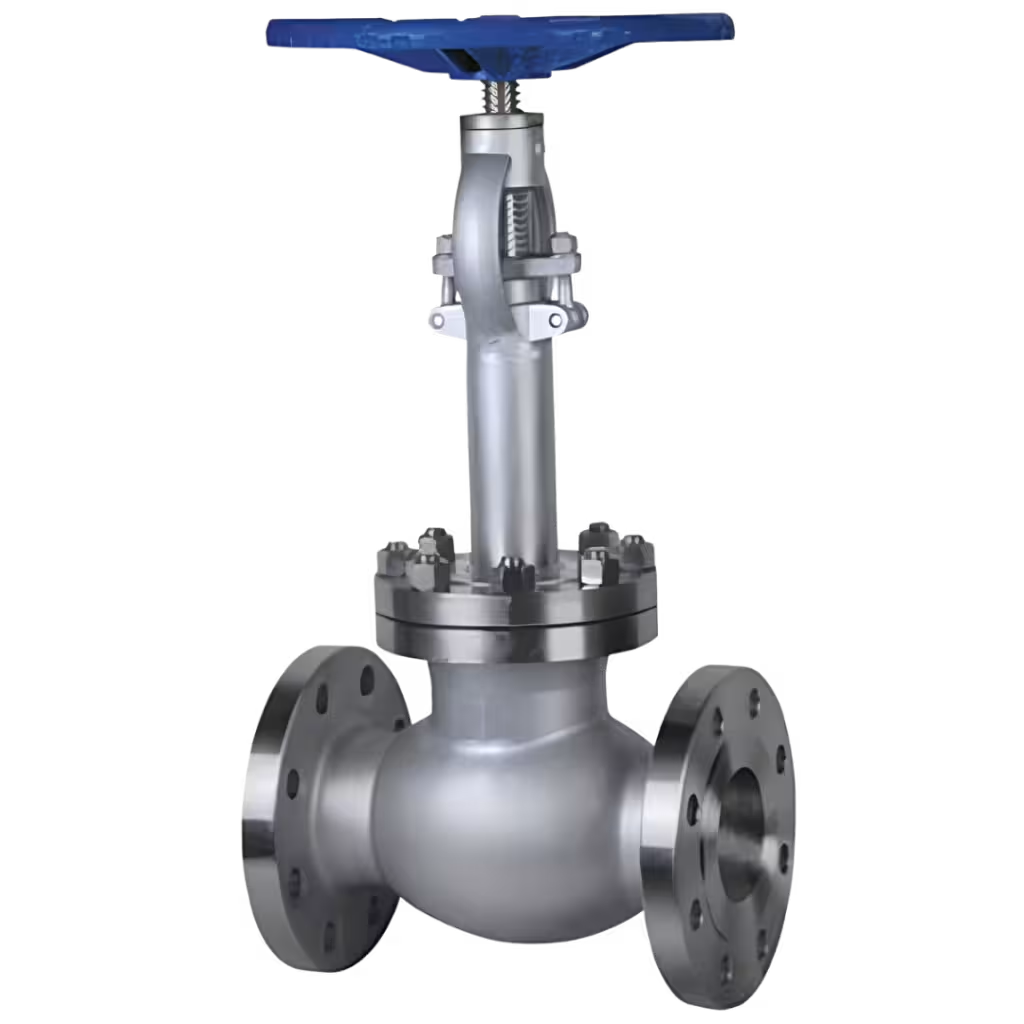
Valve bodies, flange blocks, and downhole drilling components.
Solar mounting parts, wind turbine brackets, and battery enclosures.
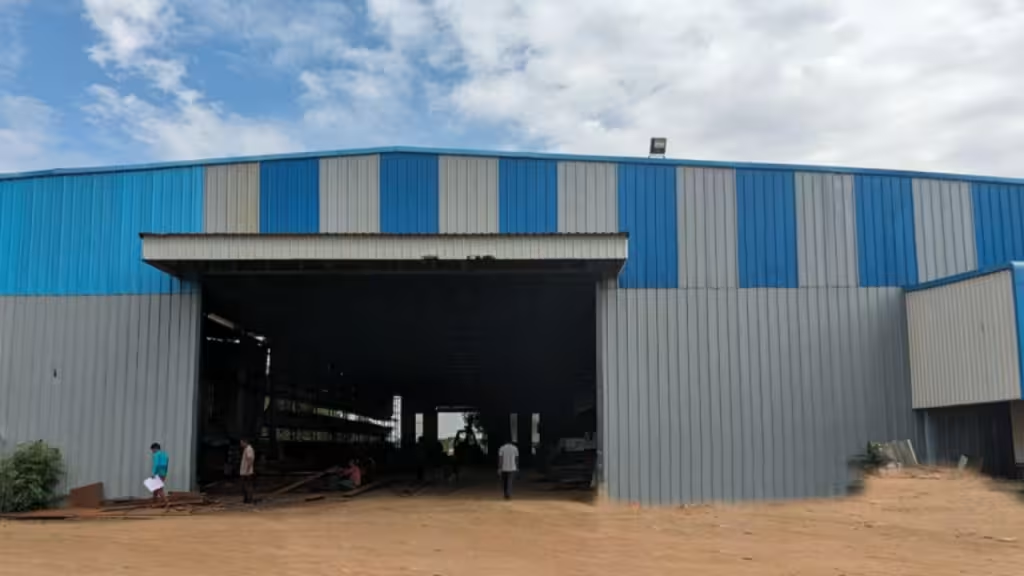
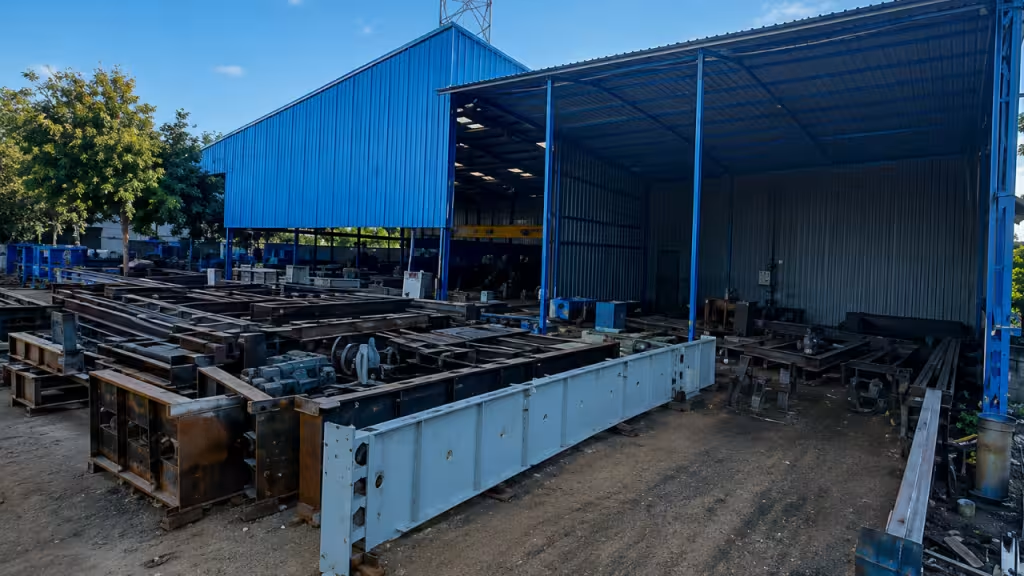
Large welded frames, PEB structures, and assemblies for industrial equipment.
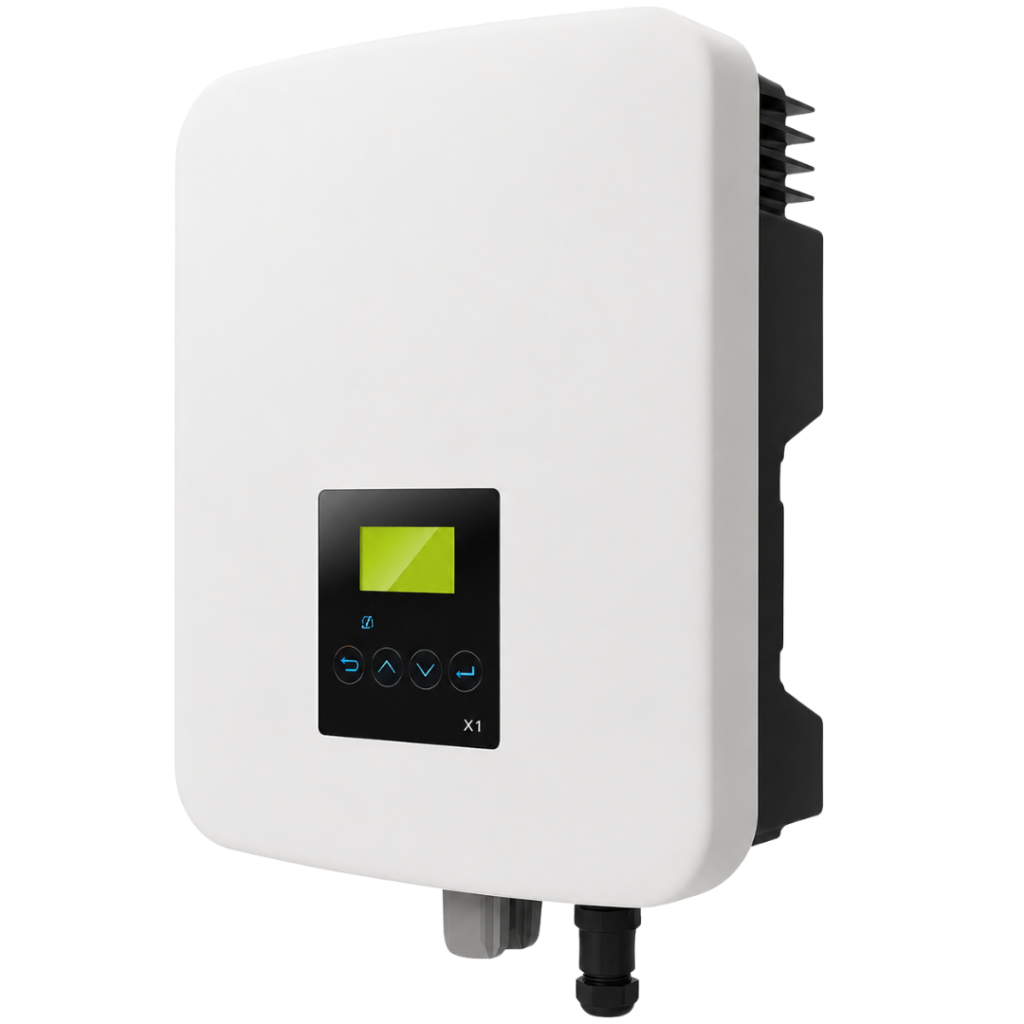
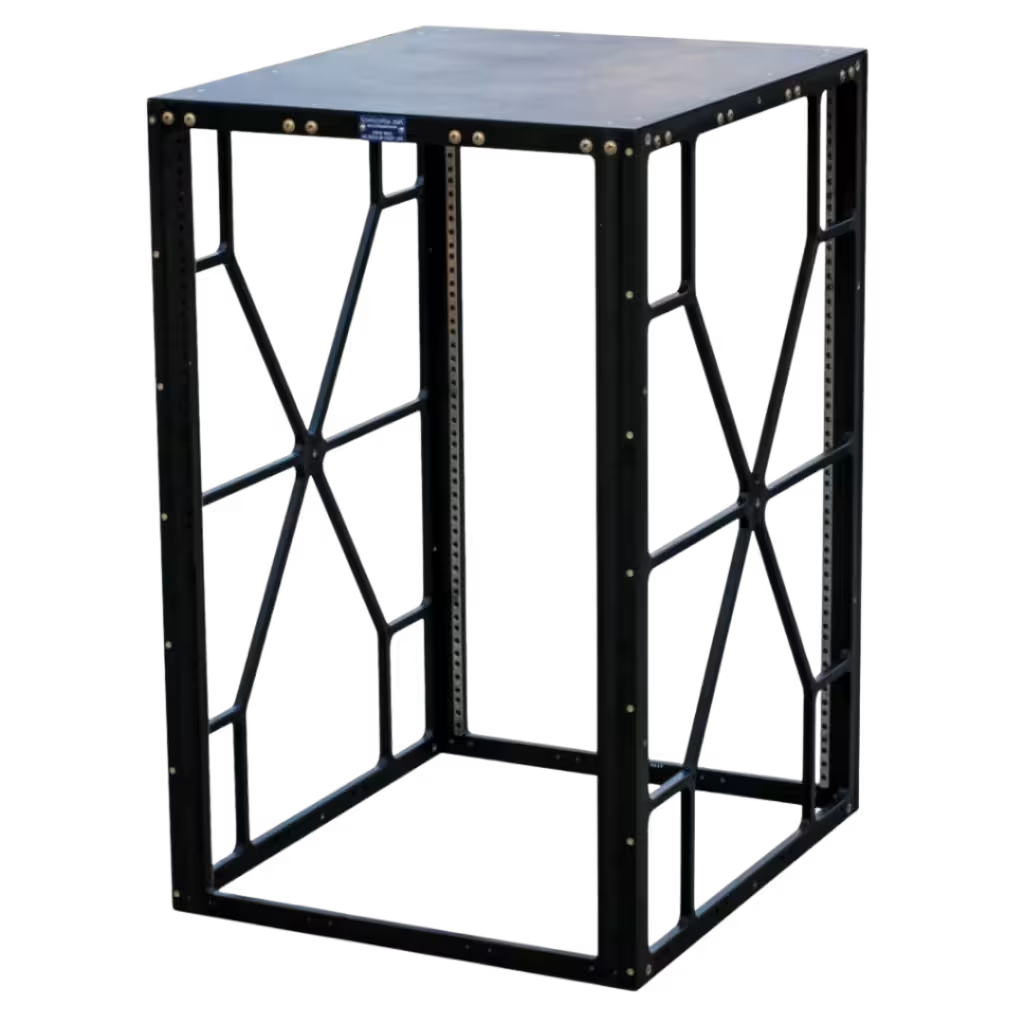
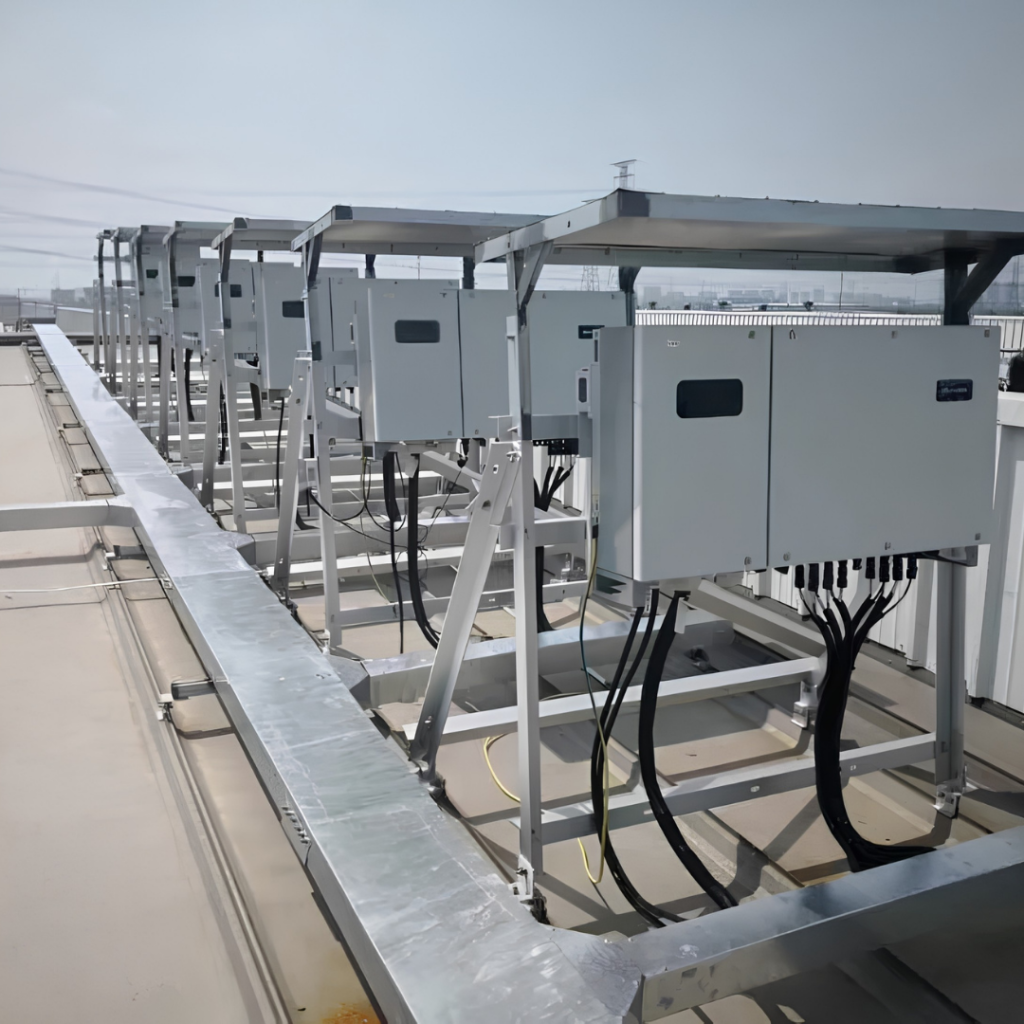
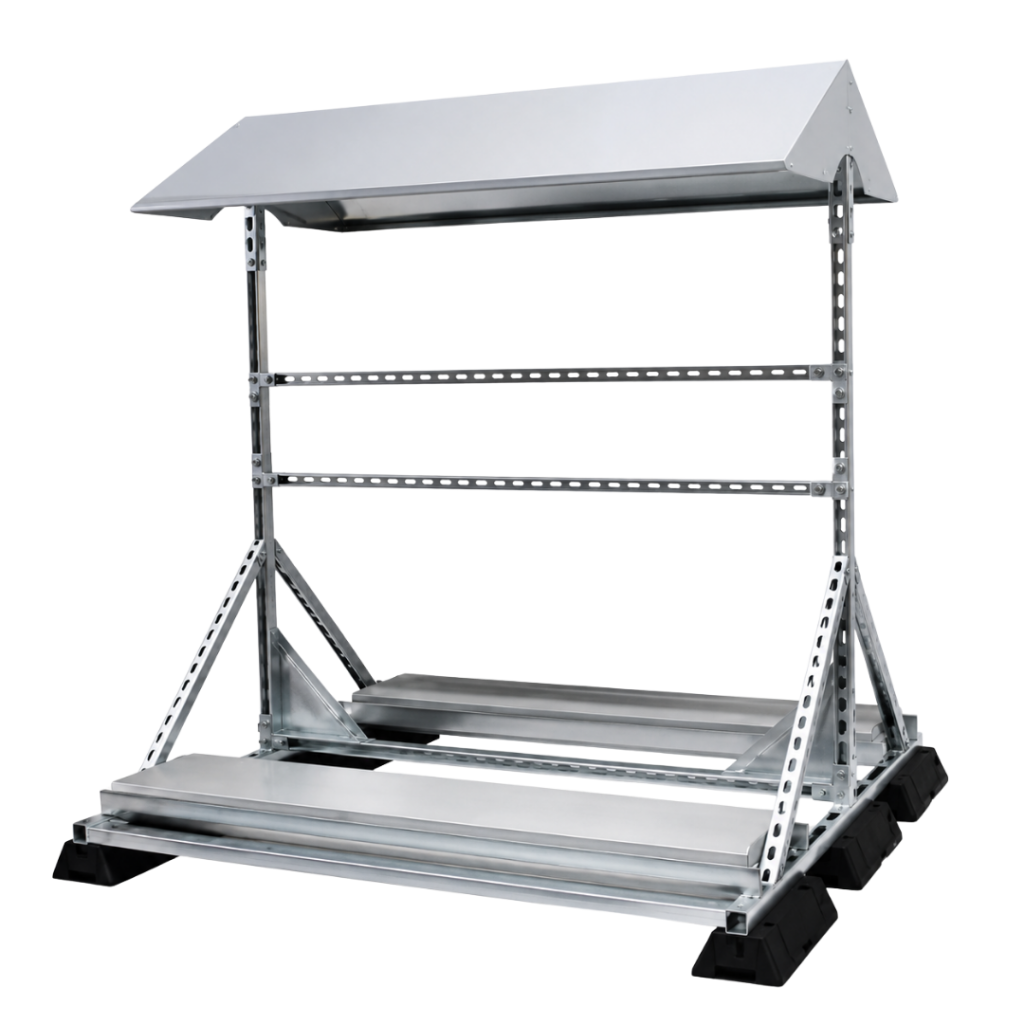
Complete structural inverter frame assemblies for solar inverter platforms, wall-mount base frames, rack integration frames, floor-standing cabinet frames, multi-inverter stacking frames, and transportation and lifting frame assemblies. Manufactured as a complete welded sub-assembly against the your structural drawing, with load-rated mounting interfaces, GD&T-verified installation faces, and weld quality documentation at the assembly level. Every frame ships as a dimensionally verified, finished assembly ready for inverter build integration, not as components requiring site assembly.
Inverter frame assemblies carry a combination of loads that must be calculated and designed for simultaneously: the inverter’s static dead weight, dynamic wind and seismic loads transmitted through the mounting interface, thermal expansion differential between the aluminium frame and the concrete or steel substrate it mounts to, and handling loads from logistics and installation, forklift tine entry, crane lifting points, and manual handling during site positioning. Section geometry, weld joint design, and fixing specification are all derived from this combined load case, not from the static dead weight alone. Frigate’s structural review at the DFM stage confirms that the submitted design addresses all four load components before fabrication begins.
Wall-mount base frames carry the inverter’s full weight and field loads through a bolted wall interface, mounting hole pattern, anchor bolt positions, and fixing specification derived from the wall substrate type and site wind load zone. Rack integration frames position the inverter within a standard or custom equipment rack, with captive nut strips, alignment rails, and front panel datum faces machined to the rack’s dimensional standard. Floor-standing cabinet frames are freestanding weldments with levelling feet, forklift entry provision, and optional seismic anchor bolt flanges at the base, section sizes calculated against the combined static and dynamic load case for the installation zone.
Need reliable Enclosure for your next project? Get in touch with us today, and we’ll help you find exactly what you need!
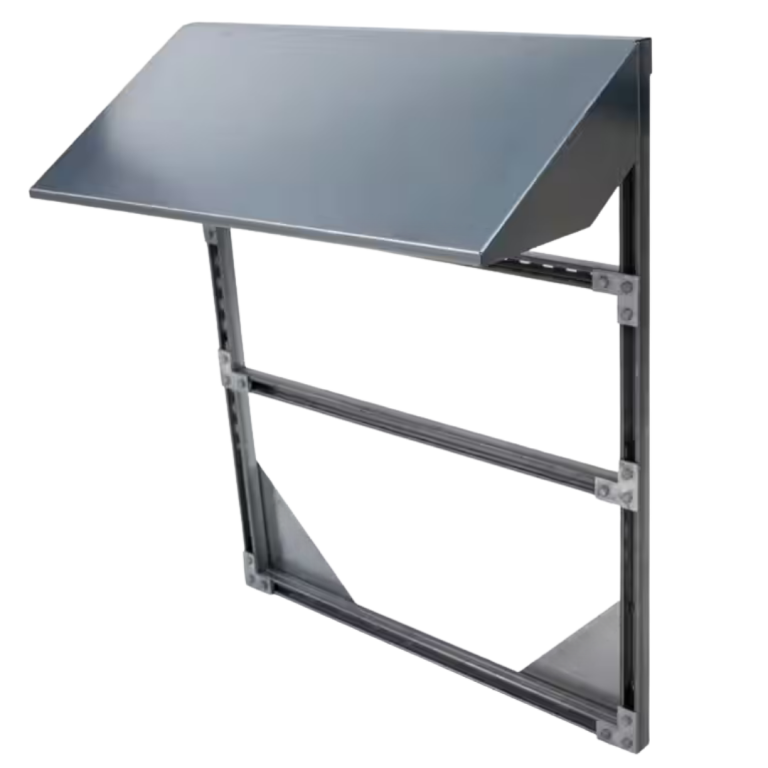
Base frame assemblies for wall-mounted string inverters — anchor bolt pattern and fixing specification derived from site wind load zone and substrate type. Mounting interface flatness and squareness critical for flush installation and correct load path to wall structure.
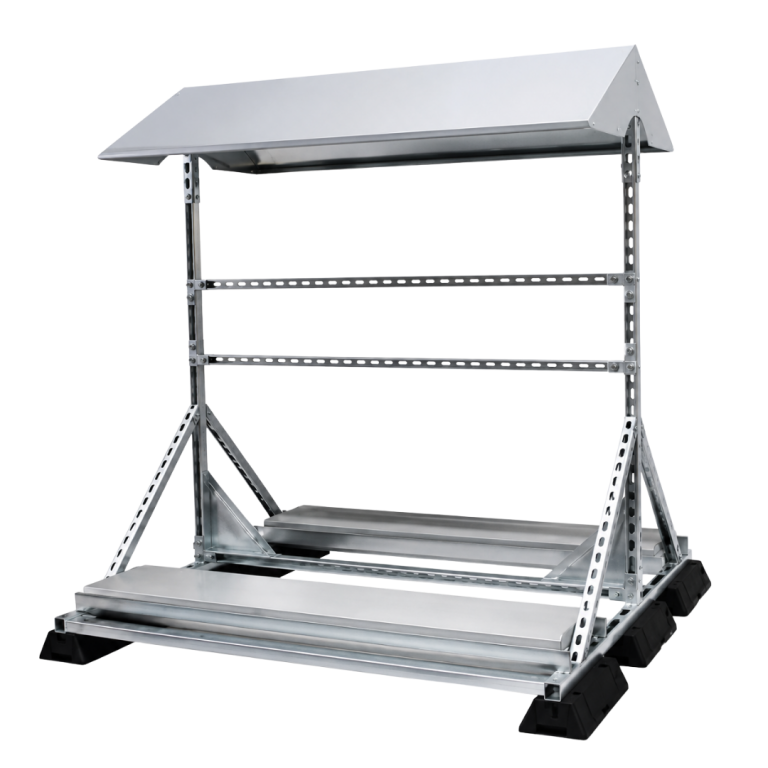
Floor-standing cabinet base frames and internal structural chassis for large central inverter assemblies. Post-weld machined datum interfaces; seismic anchor bolt flange provision for utility-scale ground-mounted installations in seismic-active zones.
Shared back-frame assemblies for multi-unit inverter rack systems — combined load path to wall or floor structure, captive nut strips for individual inverter attachment, and integrated cable management channel within the frame structure.
Structural integration frames for battery energy storage and hybrid power system enclosures — heavy-section weldments with forklift tine entry, crane lifting provision, and seismic anchor flanges for containerised and open-frame BESS deployments.
Pedestal and wall-mount frame assemblies for DC fast charger and AC charging equipment. High-impact-zone corner protection, vandal-resistant fixing provision, and anti-vibration isolation mount interfaces for high-traffic public installation environments.
Frame assembly supply for contract manufacturers assembling inverter platforms across multiple OEM programmes. Consolidated multi-frame-type supply under a single programme — common weld standard, common finish, common documentation package across all frame assemblies in the platform BOM.
At Frigate, quality is built into every stage of manufacturing. Our approved Quality Management System ensures that every material component.
Before production begins, all incoming materials are checked against specifications, drawings, and supplier documents.
Quality is monitored during manufacturing to prevent defects and maintain process consistency.
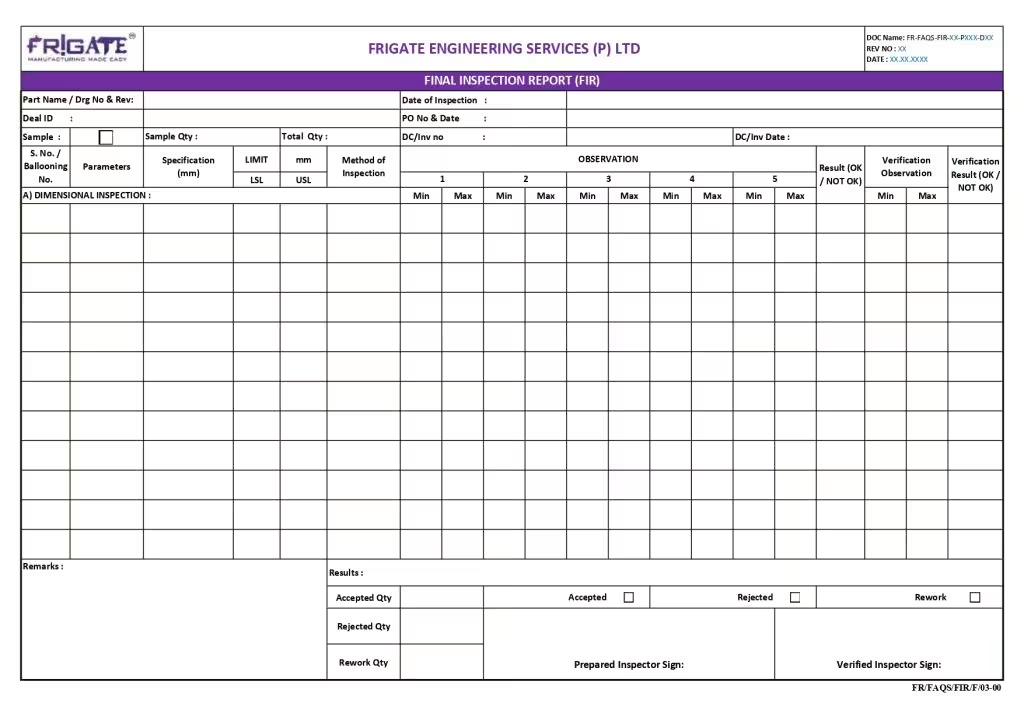
Finished parts are inspected before dispatch to confirm compliance with customer drawings and tolerances.
Finished components are packed safely to prevent damage during handling and transportation.
To help buyers evaluate our quality systems, we provide sample documents that reflect our inspection and reporting standards.
Complex geometries engineered solutions that move businesses forward.
Both paths are accommodated. If a fully engineered drawing already exists, Frigate manufactures to it, the structural review at DFM stage confirms the submitted design is fabricatable and that the weld joint design matches the load path on the drawing. If the frame geometry is defined but the structural sizing hasn’t been completed, Frigate’s engineering team can perform the load calculation against the applicable wind code, AS/NZS 1170.2, ASCE 7, or EN 1991-1-4 depending on the installation market and confirm or recommend section sizes and fixing specification before production is committed. The load calculation report produced at that stage is the same document that can be submitted for structural authority sign-off at the installation site. Submit your frame geometry and the target installation wind speed and code, and the structural review will return a confirmed or revised specification within 5 working days.
Flatness on a post-weld aluminium face is not achievable by weld process control alone, weld heat inevitably introduces some distortion in the interface zone regardless of how controlled the process is. The realistic path to a flat mounting interface on a welded frame is fixture welding to control gross distortion during the weld thermal cycle, followed by post-weld CNC milling of the mounting face to restore flatness to the required tolerance. The milling step is a defined process stage in Frigate’s manufacturing plan for any frame where mounting interface flatness is a drawing callout, not a corrective action applied when inspection finds a problem. The mounting face is then verified by CMM before the frame is dispatched. Specify the flatness tolerance on the drawing and the process plan is built around achieving it, not around hoping the weld process delivers it.
end the existing drawings and describe where the dimensional inconsistency was occurring — which feature, which dimension, and whether it was batch-to-batch variation or unit-to-unit variation within a batch. Batch-to-batch variation almost always traces to weld fixture not being retained between runs or process parameters being re-set from the drawing rather than from the approved first article. Unit-to-unit variation within a batch points to fixture inadequacy, the fixture isn’t constraining the assembly tightly enough during the weld cycle. Frigate’s approach for re-sourced assemblies is to review the existing drawing specifically for the features where previous dimensional issues occurred, build a weld fixture that addresses the constraint geometry, and run a first article against which all subsequent production is validated, not re-set. The first article is the production reference, not the drawing alone.
All three are managed under a single platform programme, one programme contact, one documentation package structure, one delivery schedule across all part numbers. Weld fixture investment applies per part number because each frame geometry requires its own fixture design. When all three are developed as a platform programme simultaneously, Frigate’s fixture design effort is coordinated, common datum philosophy, shared fixturing strategy where geometries allow, and a single structural review that covers all three frames’ load cases together. The commercial discussion covers fixture investment per part number, whether phased fixture build makes sense if not all three enter production at the same time, and how the investment is structured across the programme. The earlier all three part numbers are submitted together, the more the fixture development effort can be consolidated.
It is addressed at the design stage, not left as an installation decision. Aluminium in direct contact with galvanised or mild steel in the presence of moisture creates an electrochemical cell that corrodes the aluminium preferentially at the contact interface. The correction is not complicated, EPDM barrier pads between the frame and the substrate face, nylon sleeve fasteners through the anchor bolt holes, and stainless fasteners throughout the connection, but it needs to be specified and supplied as part of the frame assembly package rather than relying on the installation crew to source and apply it correctly on site. Frigate specifies the isolation strategy at DFM review based on the frame material and the substrate type stated on the drawing, and supplies the isolation kit as part of the frame delivery. The fastener torque specification supplied with the assembly accounts for the isolation components so the clamp load and structural performance are not compromised by the isolation layer.
Submit the form below and our representative will be in touch shortly.
10-A, First Floor, V.V Complex, Prakash Nagar, Thiruverumbur, Trichy-620013, Tamil Nadu, India.
9/1, Poonthottam Nagar, Ramanandha Nagar, Saravanampatti, Coimbatore-641035, Tamil Nadu, India. ㅤ
10-A, First Floor, V.V Complex, Prakash Nagar, Thiruverumbur, Trichy-620013, Tamil Nadu, India.
9/1, Poonthottam Nagar, Ramanandha Nagar, Saravanampatti, Coimbatore-641035, Tamil Nadu, India. ㅤ
Need reliable wires and cables for your next project? Get in touch with us today, and we’ll help you find exactly what you need!
Need reliable Machining for your next project? Get in touch with us today, and we’ll help you find exactly what you need!