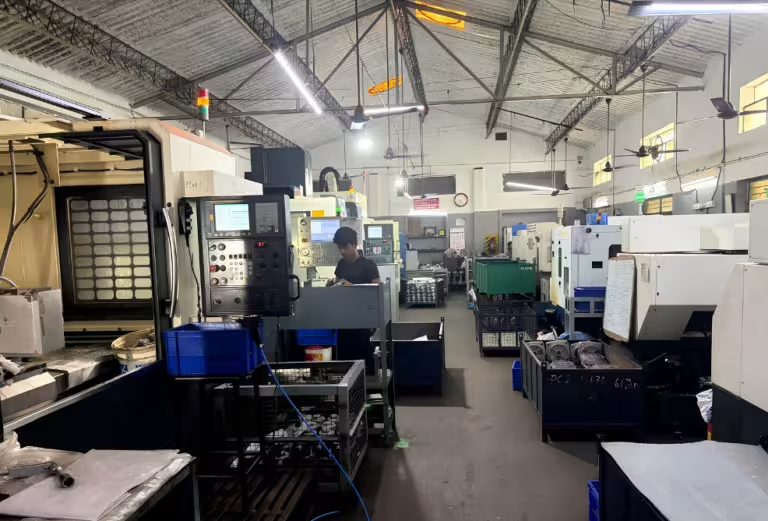

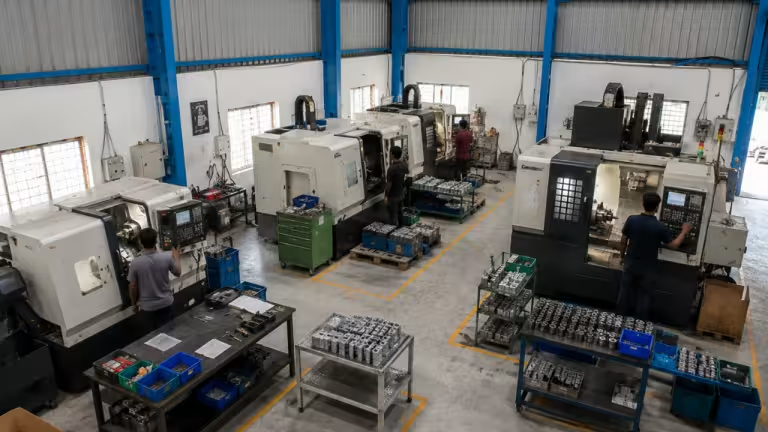

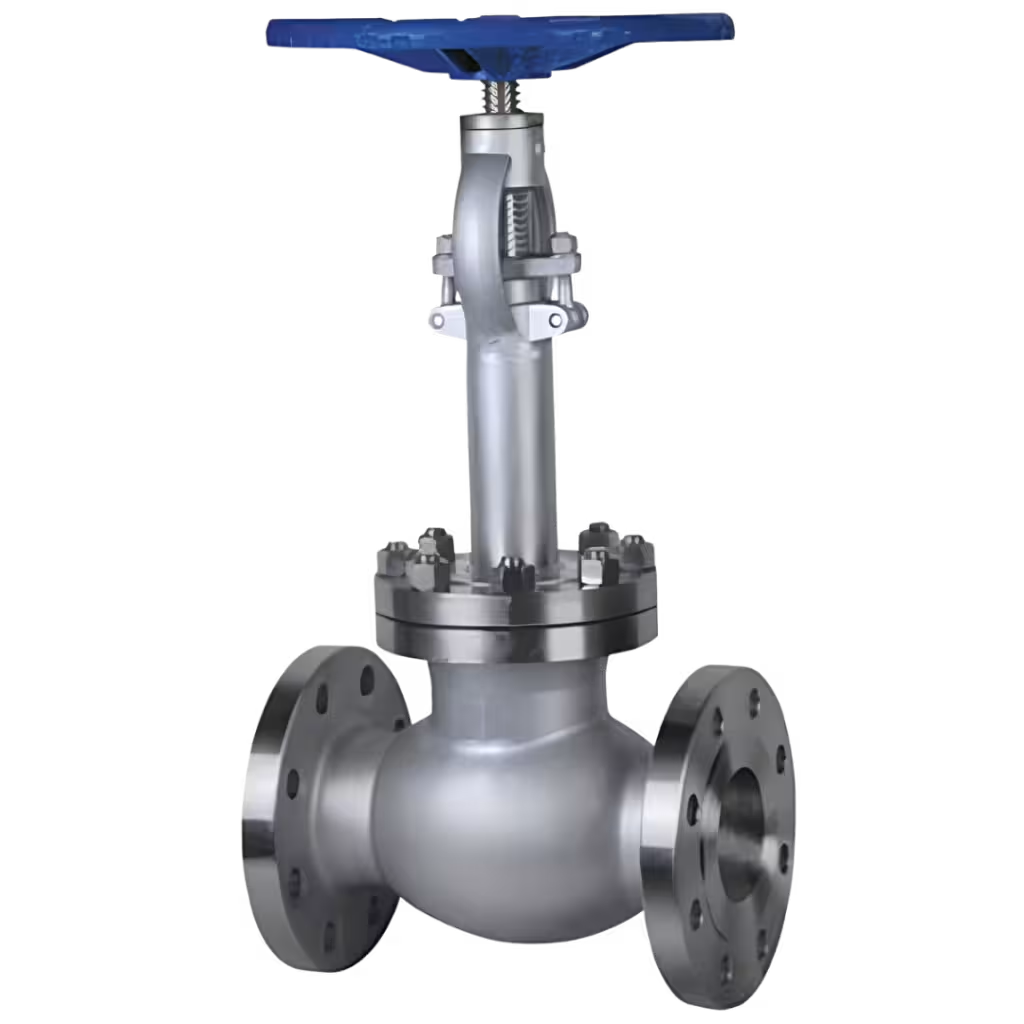



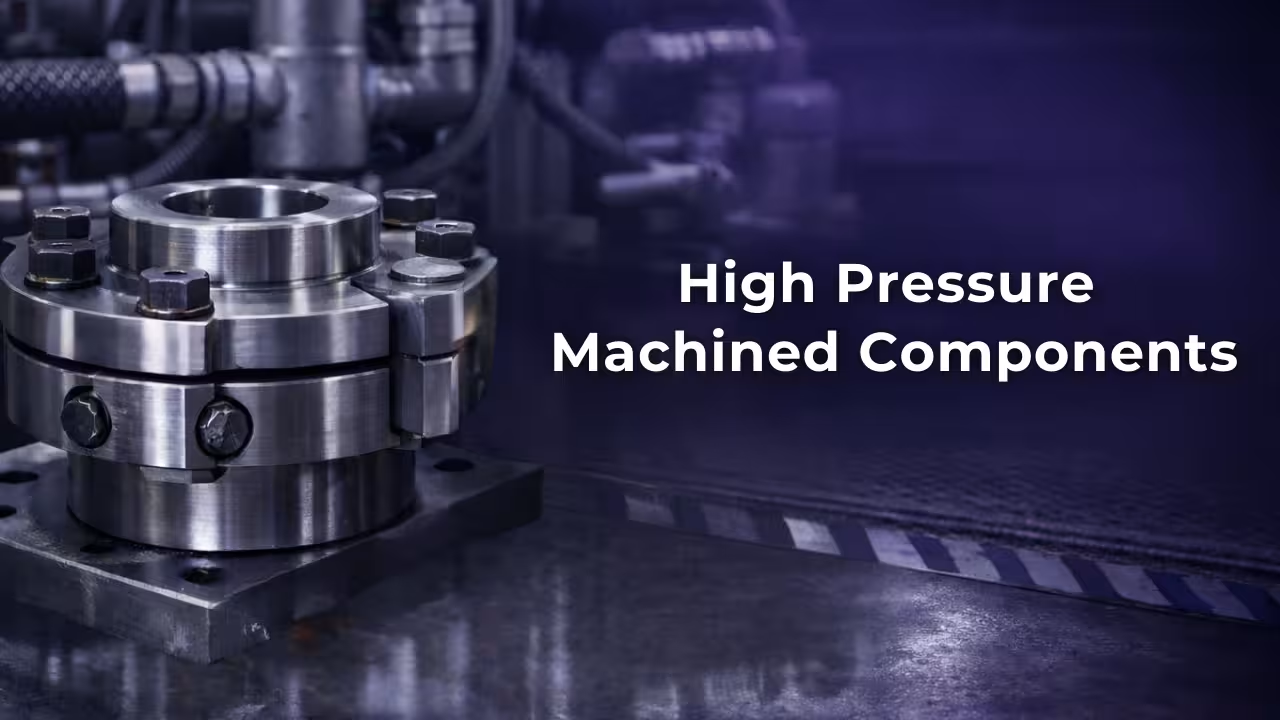
Oil and gas systems depend on high pressure machined components to manage extreme forces, harsh environments, and unpredictable well conditions. These parts sit at the center of critical operations—wellheads, valves, subsea connectors, pumps, pipeline controls, and high-pressure manifolds. Even a minor design flaw creates a chain reaction that affects safety, efficiency, and project timelines.
A global study by multiple reliability institutes reports that 35% of unplanned shutdowns stem from hidden design or machining risks inside pressure-bearing components. Such failures lead to downtime, expensive repairs, and potential safety hazards.
This blog breaks down these risks in simple language while keeping the technical depth intact.
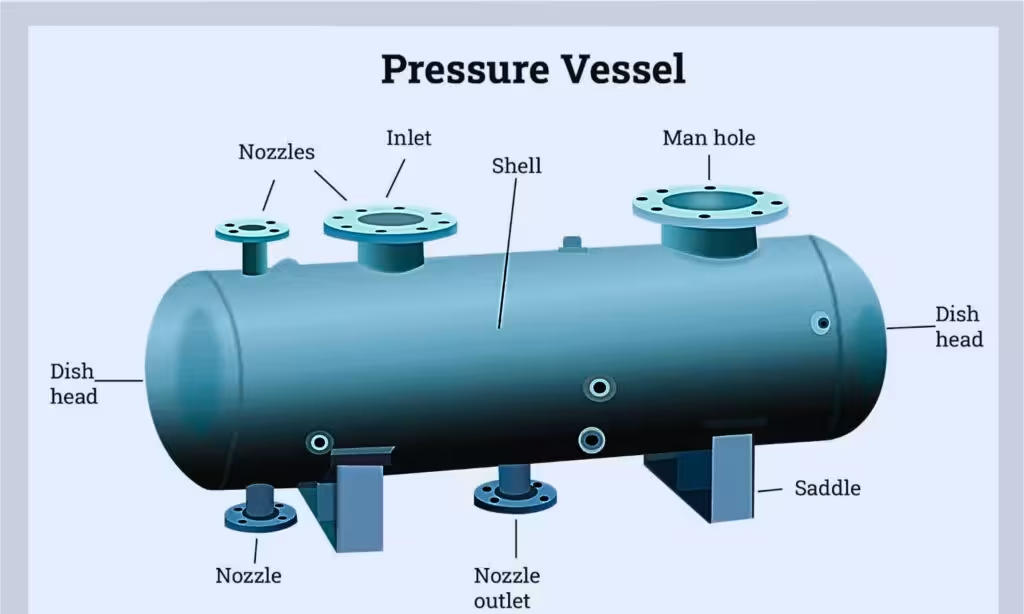
Why Design Decisions for High Pressure Machined Components Control Safety, Performance, and Cost?
Oil and gas operations require components strong enough to withstand pressures exceeding 20,000 PSI and sometimes moving toward 30,000 PSI in deepwater applications. These extreme pressures convert even small mistakes into major failures.
High pressure machined components face –
- Sudden pressure fluctuations
- Intense torque loads
- Chemical exposure from drilling fluids
- Abrasive materials such as sand and debris
- Rapid temperature changes caused by different flow conditions
These conditions place every bolt, cavity, sealing surface, and machined radius under stress. A tiny surface imperfection becomes a crack initiation point. A small tolerance shift turns into a leak path. These failures multiply risk and cost once the component enters active service.
This makes design decisions—material selection, geometry, tolerance control, and load assumptions—the first line of defense in producing reliable high pressure machined components.
Material Choices That Make or Break the Reliability of High Pressure Machined Components
Metals must survive extreme combinations of pressure, temperature, and chemical exposure. Each alloy behaves differently under these conditions. A strong material on paper can fail in the field if the environment does not match its strength profile.
High pressure machined components often require alloys such as Super Duplex 2507, Inconel 718, Titanium Grade 5, AISI 4340, and corrosion-resistant stainless steels. These materials offer strength and corrosion resistance but introduce their own design and production challenges.
Key material-related risks
- Hydrogen embrittlement weakens steel in sour service.
- Sulfide stress cracking grows rapidly when H₂S is present.
- Thermal fatigue occurs when flow conditions change quickly.
- Porosity or inclusions inside the metal become failure zones.
- Heat treatment inconsistencies change the microstructure.
Supply chain issues also add risk. Complex alloys have long global lead times, limited mill availability, and certificate inconsistencies.
A multi-year study shows 20% of pressure-component failures link directly to incorrect or inconsistent metal inputs. This means strong design begins with reliable metallurgical decisions and material verification.
How Precision, Tolerance, and Complex Geometry Shape the Performance of High Pressure Components?
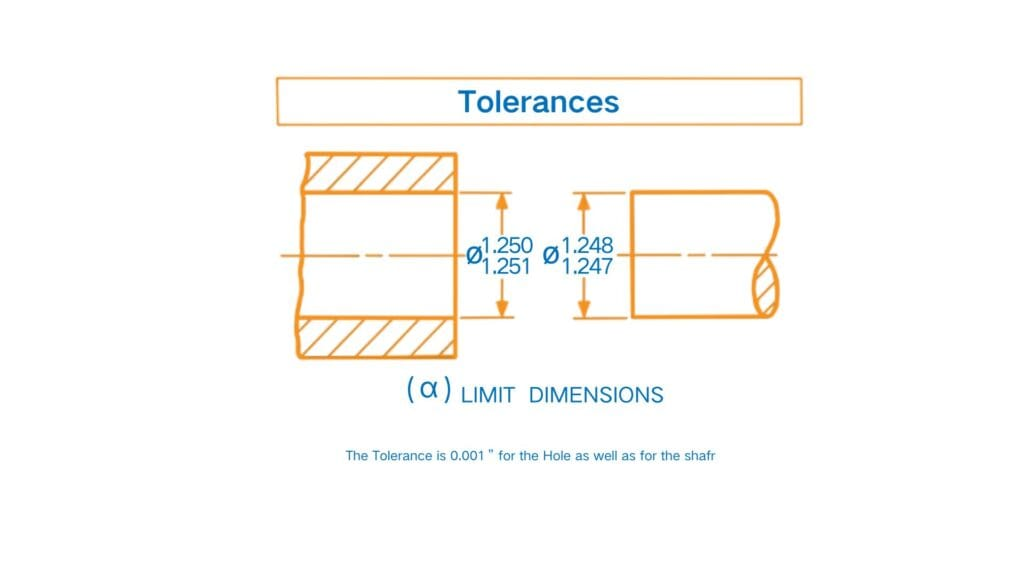
Performance of high pressure machined components depends heavily on machining accuracy. The tighter the tolerance, the better the part performs under sealing loads, pressure differentials, and mechanical stress.
Modern high-pressure parts often include –
- Deep internal bores
- Multi-step threads
- Thin structural webs
- Fine sealing grooves
- High-aspect-ratio channels
- Irregular internal surfaces
These features push machining machines and tools to their limits.
Major risks introduced during machining
- Dimensional distortion caused by heat buildup.
- Residual stress from aggressive toolpaths.
- Surface roughness variations that weaken sealing performance.
- Chatter marks turning into crack initiation points.
- Tool wear reducing accuracy over long cycles.
Exotic alloys respond unpredictably during machining. Super Duplex hardens quickly, Titanium flexes under tool pressure, and Inconel expands when heated. Each behavior influences how dimensions shift during the machining process.
Consistent accuracy is critical because even a 0.01 mm dimensional error can trigger leakage or fatigue failure at high pressure.
Why NDT and Quality Assurance Become the Final Safety Gate for High Pressure Machined Components
Guaranteeing the integrity of high pressure machined components requires more than machining accuracy. Quality assurance (QA) and non-destructive testing (NDT) verify internal structural health long before installation.
Common inspection techniques include –
- Ultrasonic Testing for internal voids
- Magnetic Particle Inspection for surface cracks
- Liquid Penetrant Inspection for fine fractures
- Radiography for porosity
- CT scanning for complex geometries
These tests detect flaws invisible to the naked eye.
Challenges that reduce QA effectiveness
- Limited penetration in thick or dense alloys
- Human interpretation errors
- Calibration drift in NDT equipment
- Confusing or incomplete documentation
- Difficulty inspecting deep cavities and pockets
An international audit across multiple oilfield operations found that 12% of failed components had passed initial inspections. Micro-defects grew under cyclic loading and eventually triggered failure.
Strong QA systems ensure all relevant test reports, certificates, and material traceability records remain complete and accurate. Weak QA environments introduce uncertainty and operational risk.
How Supply Chain Fragmentation Creates Hidden Manufacturing and Documentation Risks
High pressure machined components often travel through multiple independent vendors –
- Forging suppliers
- CNC machining workshops
- Heat treatment facilities
- Coating providers
- Testing labs
- Shipping and inspection centers
Each step introduces potential risks. When documentation or material traceability breaks down, the integrity of the final component becomes questionable.
Major supply chain risks
- Missing heat numbers or lost certificates
- Material mix-ups during high-volume machining
- Partial or incorrect NDT documentation
- Delays due to fragmented communication
- Limited visibility into vendor progress
- Difficulty validating supplier reliability
Reports show 25% of manufacturing delays stem from paperwork errors, missing certifications, or communication gaps between vendors.
High-pressure components require tight compliance, predictable production schedules, and complete documentation. Fragmented supply chains increase the probability of delays, rejections, and unpredictable lead times—directly affecting project budgets and operational safety.
How Real-World Operating Conditions Challenge the Durability of High Pressure Machined Components?
Field environments behave differently from design simulations. Operation cycles expose high pressure machined components to stress levels that gradually weaken metal surfaces and internal structures.
Typical operating risks include –
- Pressure cycling fatigue – Repeated pressurization weakens metal over time.
- Erosion – Solids in drilling or production fluid remove material from surfaces.
- Thermal shock – Sudden temperature changes stress the component.
- Vibration damage – Rotating or reciprocating equipment induces micro-cracks.
- Corrosion – Chlorides, CO₂, and H₂S attack metals aggressively.
A global maintenance review reveals 40% of field failures occur because actual loads exceeded design assumptions. This gap happens when equipment is placed in unpredictable well conditions or when operational stress cycles accumulate over years.
Accurate lifecycle design requires real-world understanding of reservoir behavior, fluid composition, temperature ranges, flow rates, and vibration patterns. Without such clarity, even well-designed high pressure machined components fall short during long-term operation.
How Frigate Brings Control, Transparency, and Reliability to High-Pressure Component Manufacturing
Engineering and supply chain teams managing high pressure machined components deal with constant complexity. Multiple suppliers must coordinate perfectly. Certifications must match exact specifications. Raw material traceability must stay intact. Quality checks must be documented clearly. One missing document or one unclear update creates delays, rework, and risk.
High-pressure components operate in environments where failure is unacceptable. Every process—from forging to machining to inspection—needs complete clarity. This is where Frigate transforms the workflow.
Frigate acts as a centralized digital command center that organizes all production activities, certifications, communication, and supplier actions in a single structured system. The entire manufacturing lifecycle becomes predictable instead of chaotic.
Access to Highly Vetted, Capable Machining Suppliers
Engineering teams often struggle to find suppliers who truly understand high-pressure requirements. Many claim capability, but only a few can consistently deliver tolerances, surface finishes, metallurgical control, and documentation for such critical components.
Frigate removes this uncertainty by –
- Verifying supplier machining capability for high-pressure alloys like Inconel, Duplex, Titanium, and high-strength steels.
- Auditing manufacturing capacity and quality control systems before onboarding.
- Ensuring suppliers maintain proven experience with pressure-containing parts.
Teams get access to a trusted ecosystem where every supplier meets strict machining and testing capability requirements.
Automated Material Traceability Throughout the Entire Workflow
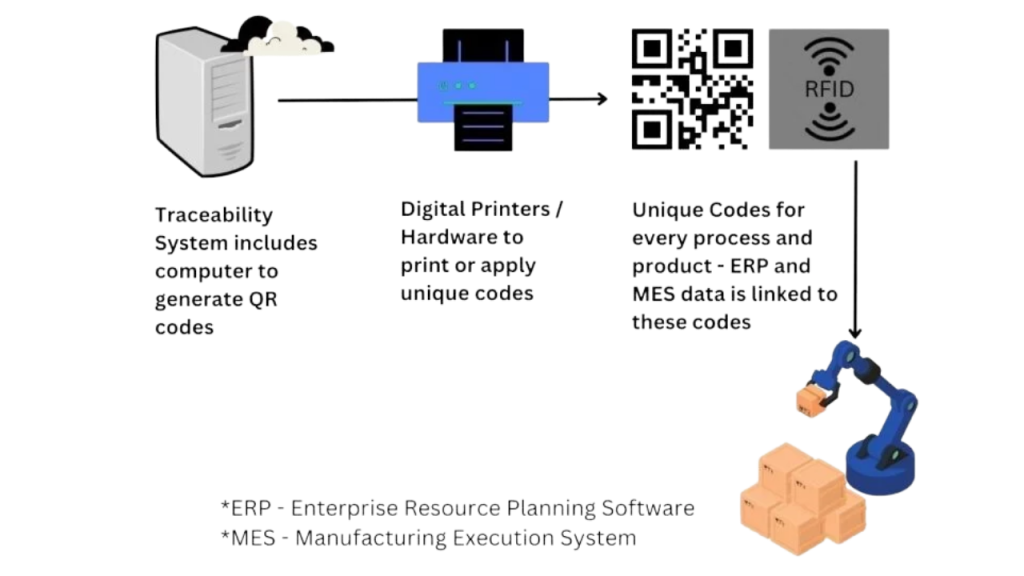
Material traceability often gets lost between forging shops, machining vendors, heat-treat facilities, and testing labs. This becomes one of the biggest risks in high-pressure part manufacturing.
Frigate maintains continuous digital traceability, ensuring –
- Each heat number is tracked from raw metal to finished component.
- Material certificates remain attached to the part throughout every process.
- Zero risk of mixing materials across batches.
- Full traceability is available instantly for audits or regulatory checks.
For components where steel grade or alloy integrity determines safety, this level of traceability becomes essential.
Certificate Validation Across All Quality Stages
High-pressure component manufacturing generates large volumes of documentation –
- NDT reports
- Heat treatment charts
- Material test certificates
- Dimensional inspection reports
- Surface finish records
- Coating records
- Final QA approval sheets
Frigate automates certificate validation by –
- Checking completeness and accuracy of uploaded documents.
- Ensuring documents match part numbers, heat numbers, and purchase requirements.
- Preventing missing or out-of-spec reports from reaching the next stage.
This creates an uninterrupted quality verification chain, eliminating manual errors.
Real-Time Visibility Into Machining Progress and QA Stages
Traditional manufacturing communication depends on emails, phone calls, and spreadsheets. Updates get lost, timelines shift without notice, and teams lack real-time visibility.
Frigate provides live, detailed visibility by –
- Showing exact machining progress on each component.
- Highlighting stages such as rough machining, semi-finish, final passes, threading, coating, and QA.
- Displaying NDT completion status and pending QA tasks.
- Offering instant alerts when delays or deviations occur.
Engineering teams no longer chase updates. Every detail—from toolpath progress to packing status—becomes visible on one dashboard.
Supplier Performance Analytics for Smarter Decision-Making
Choosing the right supplier becomes easier when performance is measurable. Frigate tracks important parameters such as –
- On-time delivery percentage
- Quality rejection rates
- Documentation accuracy
- Responsiveness to engineering queries
- Compliance consistency
The system builds a reliability score for each supplier. Teams can confidently assign critical high-pressure projects to top performers with proven capability.
End-to-End Workflow Unification That Removes Communication Gaps
High-pressure component manufacturing involves multiple stakeholders—engineering teams, procurement teams, machinists, inspectors, and logistics partners. Communication gaps between these groups create costly delays.
Frigate unifies them by –
- Bringing all project communication into one shared platform.
- Keeping records automatically organized.
- Eliminating information loss between stages.
- Synchronizing updates so every team member sees the same status.
This reduces confusion, prevents bottlenecks, and ensures that nothing slips through the cracks.
Conclusion
Strong and safe oilfield operations depend on the quality, reliability, and design strength of high pressure machined components. Every step—material choice, geometry accuracy, inspection rigor, documentation control, and lifecycle analysis—affects how well these components survive extreme operational loads.
A deeper understanding of these risks helps reduce failures, extend equipment life, and prevent costly shutdowns. Contact Frigate to achieve reliable high pressure machined components through better supplier alignment, predictable production, and complete visibility.