

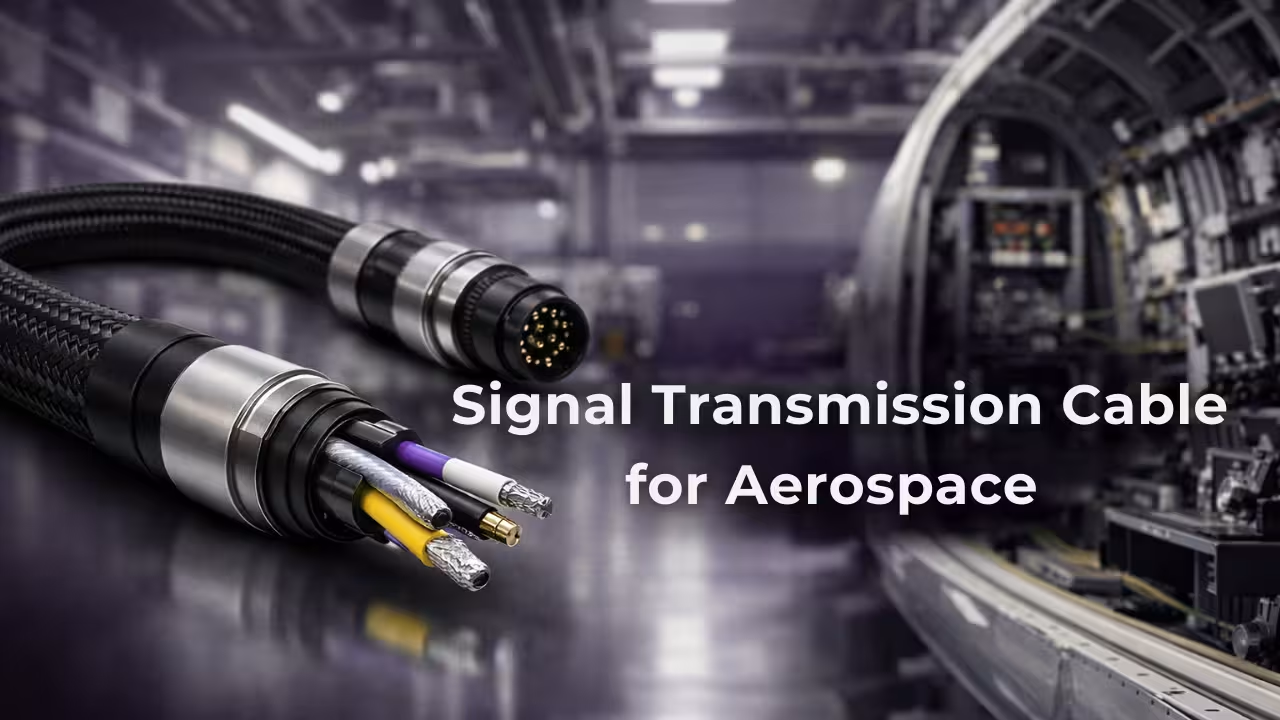
Aerospace programs run on timelines that leave no space for uncertainty. Tooling accuracy, setup readiness, documentation quality, and supplier reliability decide whether a wiring system passes qualification on the first attempt. A Signal Transmission Cable for Aerospace becomes a direct cost threat when these foundational elements are not controlled. Program leaders expect predictable pricing and dependable execution, not repeated corrections, missed milestones, or hidden charges.
Tooling and setup form the backbone of every aerospace cable build. These two areas determine build repeatability, quality consistency, and qualification performance. When they fail, the cost of redesigns, rework, and test delays rises rapidly. A stable tooling and setup framework protects budgets across the entire lifecycle of a cable program.
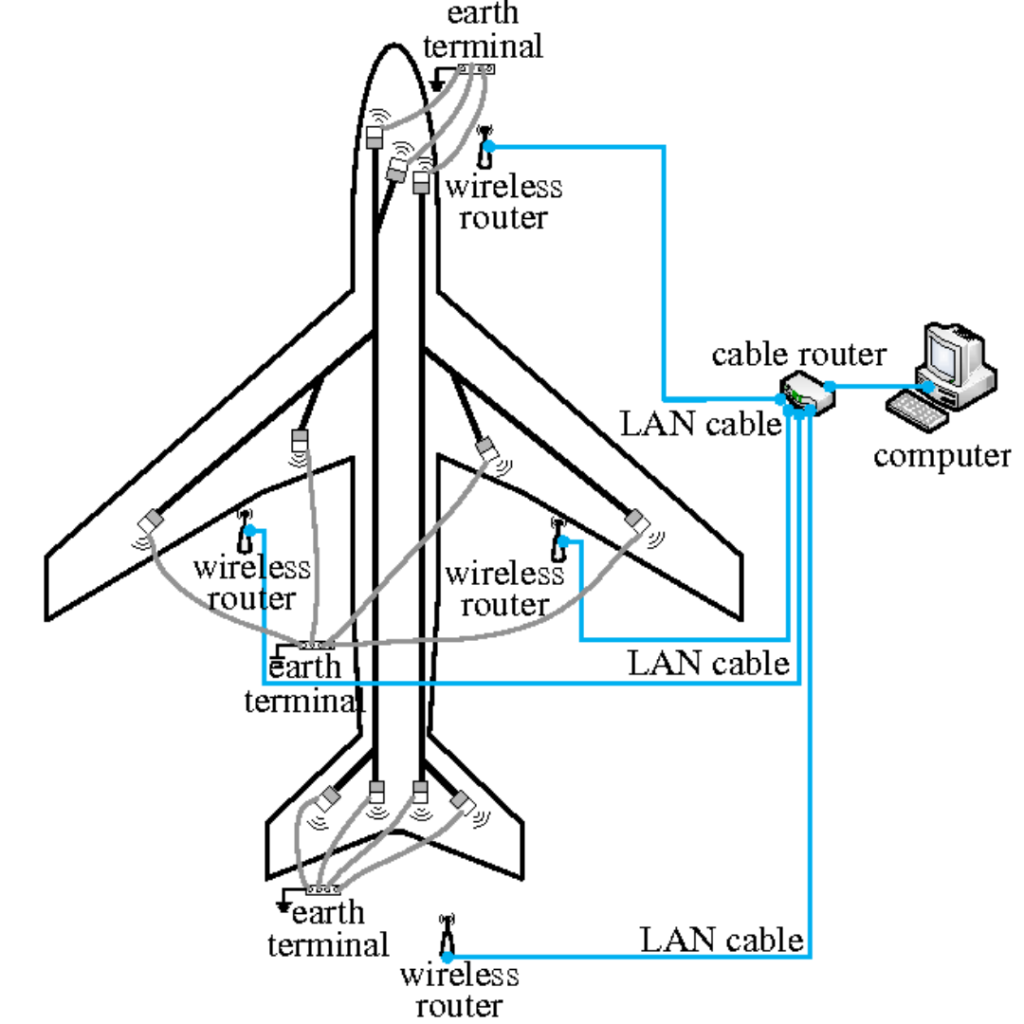
Why Cost Predictability Breaks Down for a Custom Signal Transmission Cable for Aerospace
Aerospace cables carry performance requirements that go far beyond simple electrical continuity. A Signal Transmission Cable for Aerospace involves routing restrictions, weight targets, EMI/EMC thresholds, connector compatibility, environmental durability, and qualification-driven construction rules. Any misalignment between design intent and manufacturing constraints becomes a direct cost multiplier.
Cost unpredictability typically arises when –
- Shielding layers require manual adjustments that were not accounted for
- Connector families demand proprietary tooling that was not forecasted
- Multi-branch routing forces additional form board or fixture development
- Documentation packages fail AS9100 audit reviews
- Engineering updates invalidate previously approved build sequences
Programs often discover that 60–70% of wiring schedule slips originate from tooling and documentation mismatches, not from material lead times. A lack of tooling clarity at the start almost guarantees qualification issues later. A Signal Transmission Cable for Aerospace only achieves cost stability when its engineering definition matches its manufacturing requirements.
Why Tooling Precision Determines Build Success, Qualification Results, and Cost Stability
Tooling defines physical accuracy. Every termination, shield interface, connector pin position, bend radius, and cable geometry depends on tooling engineered to aerospace tolerances. Small deviations become major problems during qualification.
Aerospace tooling requirements involve far more detail than standard industrial or automotive cables. A Signal Transmission Cable for Aerospace often demands –
- Crimp dies engineered for micro-tolerance pull-force margins
- Shield termination fixtures that maintain consistent 360° coverage
- Form boards matched precisely to platform-specific routing paths
- Locator systems that prevent pin damage or misalignment
- Test fixtures able to validate HV insulation, IR stability, and signal performance
The effects of tooling inaccuracy show up immediately –
- Pull-force failures during environmental stress tests
- EMI leakage due to inconsistent shield compression
- Connector misalignment that prevents mating during integration
- FAI findings requiring build rework or process correction
A tooling redesign introduces 2–5 weeks of delay and additional engineering labor. This delay multiplies when several cables depend on similar interfaces. A Signal Transmission Cable for Aerospace cannot afford tooling uncertainty because qualification windows and integration slots often cannot shift.
Why Setup Drives the True Cost of Aerospace Cable Production and Documentation
Setup defines how consistently a cable can be produced. Aerospace wiring is typically low-volume but extremely high-complexity. Each build requires preparation, inspection, staged materials, calibrated tools, and structured documentation.
A Signal Transmission Cable for Aerospace typically requires setup steps such as –
- Engineering validation of drawings, tolerances, and routing specifications
- Calibration of crimp tools, ovens, gauges, and test equipment
- Staging of serialized and lot-controlled materials under AS9100 requirements
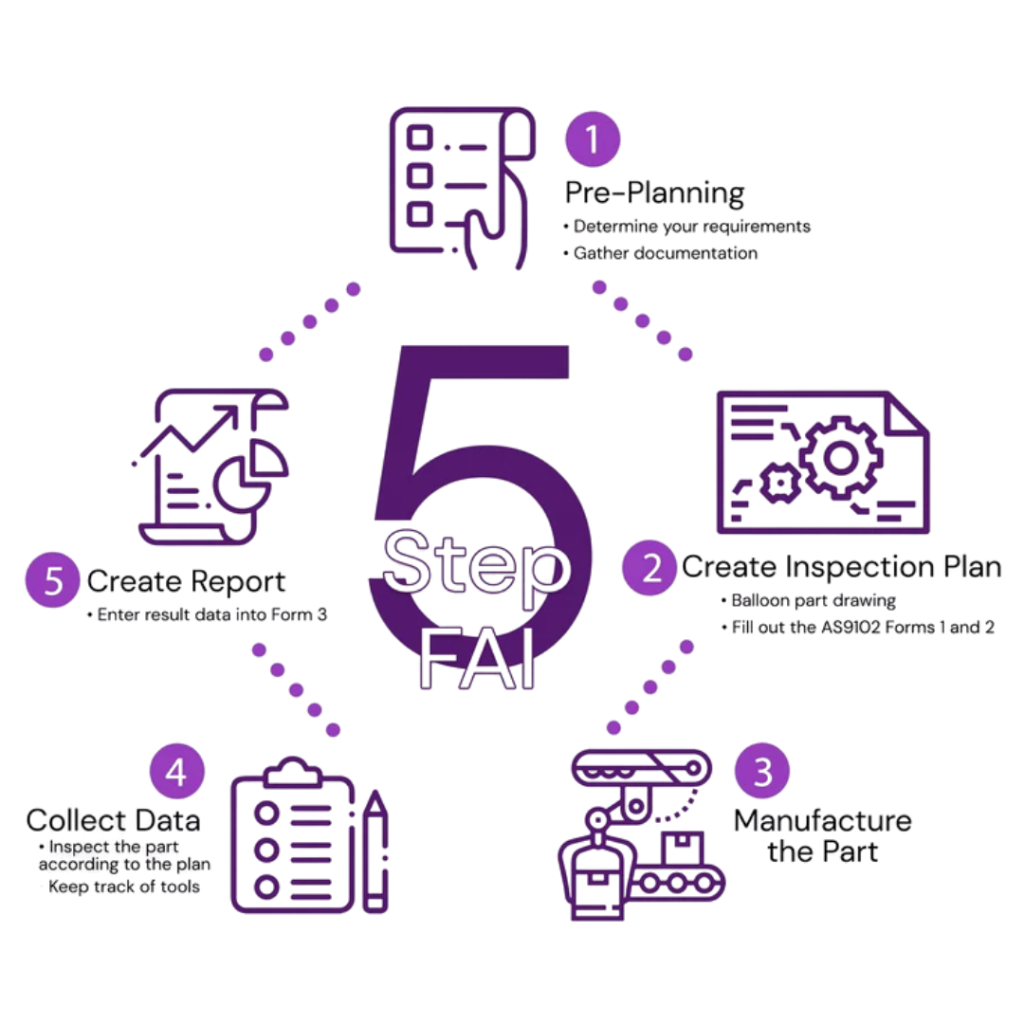
- Execution of qualification samples before the formal FAI submission
- Build logs, inspection sheets, torque records, and traceability documents
Setup frequently becomes 18–25% of the total project cost because the requirements extend beyond assembly. Each setup step must be completed before a single production unit begins. Multi-layer shielding, high-temperature zones, and connector-type variations increase setup demands further.
A robust setup eliminates corrective actions later. A fragile setup guarantees delays, rework, NCRs, and cost escalations.
Why Customization and Certification Requirements Increase Total Ownership Cost
Customization strengthens platform performance but also increases the number of variables influencing cost. A Signal Transmission Cable for Aerospace may include specialized insulations, routing shapes, connector families, grounding schemes, and shielding densities. Each customization decision impacts testing, tooling, and documentation.
Cost exposure rises when –
- EMI/EMC evaluations require increased shielding density
- Thermal loads shift insulation or jacket selection
- Routing constraints force more complex form board configurations
- Connector changes require new die sets or locator tools
- Qualification failures trigger retesting and updated documentation
Certification links directly to cost. DO-160 environmental testing covers vibration, humidity, thermal cycling, endurance, and EMI performance. Any failure resets tooling and qualification. Programs lose both schedule and budget when a single parameter—shielding, insulation, conductor choice, or connector type—does not meet test standards.
A Signal Transmission Cable for Aerospace becomes cost-efficient only when customization, tooling, and certification plans are aligned from the beginning.
Why Supply Chain Stability and Manufacturing Strategy Control Cost Exposure and Delivery Certainty
Aerospace supply chains operate with long lead times and limited supplier pools. Wires, connectors, backshells, seal systems, and shielding components often have 24–52+ week lead times. A Signal Transmission Cable for Aerospace cannot be scheduled reliably unless the supply chain is locked early.
Cost exposure reduces when programs adopt –
- Manufacturability reviews that prevent high-risk design choices
- Frozen connector families that eliminate tooling reset cycles
- Material lot consistency to maintain electrical and mechanical stability
- Pre-validated shielding strategies that meet EMI standards
- Transparent breakdowns separating tooling cost from production cost
Programs using structured supply chain controls report 30–40% fewer rework events compared to reactive supply strategies. A Signal Transmission Cable for Aerospace depends on stable materials as much as stable tooling. Without controlled logistics, manufacturing readiness becomes unpredictable.
Why Frigate Strengthens Tooling Accuracy, Setup Reliability, and Qualification Confidence
Aerospace programs depend on suppliers who can deliver more than components. They need a partner capable of translating complex engineering intent into stable, repeatable manufacturing outcomes. Tooling failures, unclear documentation, and inconsistent processes create immediate cost exposure. Qualification delays disrupt program milestones. Any instability in the cable manufacturing process multiplies risk across testing, integration, and fleet deployment.
Frigate reduces these risks by building a controlled, engineering-driven environment that protects schedule, quality, and long-term reliability of every Signal Transmission Cable for Aerospace. The approach is built around engineering precision, validated tooling, materials consistency, and strict compliance alignment.
Enhanced Value Advantages With Technical Depth
Precision-engineered tooling that eliminates variation across builds
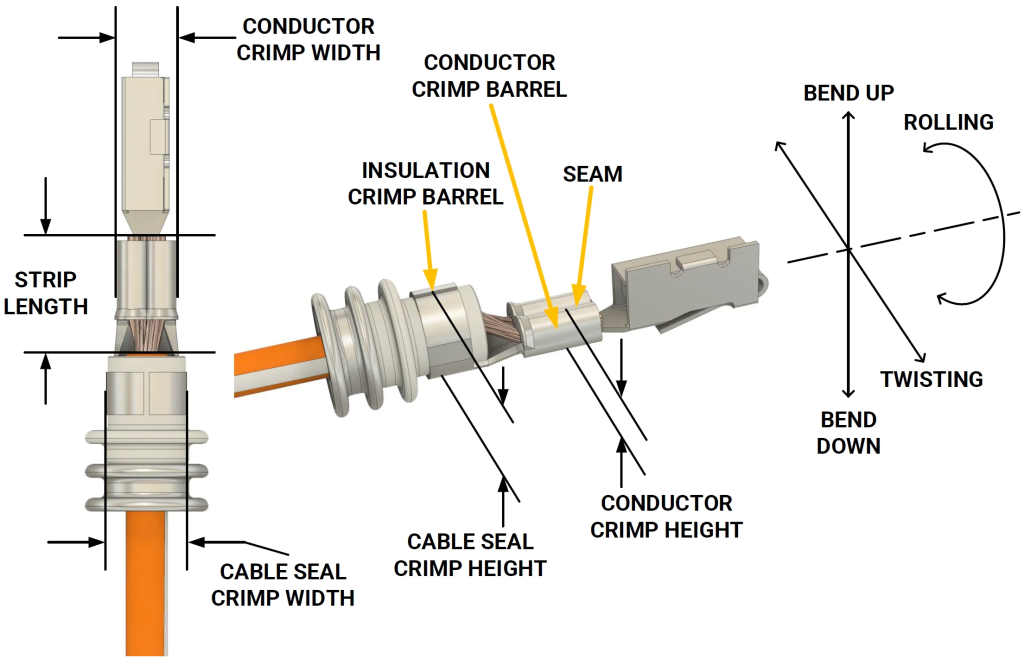
Tooling is developed using platform-specific tolerances, conductor metallurgy, connector geometry, and shielding interface requirements. Crimp dies, locator tools, test fixtures, and form boards are engineered to micro-tolerance levels to ensure –
- Stable deformation profiles across multiple conductor types
- Repeatable shield termination compression for EMI integrity
- Zero drift in connector pin alignment
- Consistent pull-force, insertion-force, and retention-force performance
Engineering collaboration that prevents redesign cycles
Frigate’s engineering support includes cross-verification of electrical, mechanical, and routing requirements before tooling fabrication. This prevents late-stage design conflicts by evaluating –
- Shield resistance targets vs. actual braid construction
- Current-carrying capacity vs. conductor selection
- Bend-radius feasibility for tight airframe zones
- Thermal and vibration environment compatibility
This reduces engineering change orders and requalification needs.
Stable sourcing for aerospace-grade wires, connectors, and shielding
Material consistency directly affects performance. Frigate maintains controlled sourcing strategies to prevent electrical drift and mechanical variation by securing –
- Lot-stable mil-spec conductors and insulations
- Verified shielding alloys and coverage densities
- Aerospace-grade connectors with compatible plating systems
- Backshells, seals, and accessories selected for vibration-class performance
Stable sourcing ensures that every production batch behaves identically during testing.
AS9100-ready documentation that accelerates FAI acceptance
Documentation drives qualification speed. Frigate provides –
- Fully traceable material certifications
- Tool calibration records linked to each build
- Build logs with controlled work instructions
- Serialized production data for each cable assembly
- Inspection sheets aligned with customer-specific audit criteria
This removes documentation-based FAI delays and improves audit readiness.
Reliable qualification support aligned with DO-160 test expectations
Qualification failures cost programs time and money. Frigate reduces the risk by pre-aligning cable construction with DO-160 performance criteria such as –
- Thermal cycling endurance
- Vibration and shock tolerance
- Leakage current thresholds under humidity exposure
- EMI/EMC resilience through shield architecture validation
- High-voltage insulation consistency
This ensures cables withstand real aircraft environments without repeated testing cycles.
Controlled production environments that preserve EMI, electrical, and mechanical consistency
Frigate’s manufacturing controls include –
- Environmental monitoring for temperature and humidity
- Tool calibration verification before every shift
- In-process electrical testing to detect early drift
- Post-build HV, IR, and continuity scanning
- Shield resistance checks at every termination point
These controls maintain performance stability across every build batch.
The Result for Aerospace Programs
A Signal Transmission Cable for Aerospace built under a validated, process-stable environment from Frigate –
- Reduces integration delays caused by connector, shield, or routing incompatibility
- Avoids costly non-conformance reports during FAI or production audits
- Protects qualification timelines by ensuring the first test cycle succeeds
- Eliminates variation across batches, improving lifecycle reliability
- Keeps cost predictable by preventing tooling resets or setup corrections
Aerospace platforms benefit directly through clarity, consistency, and predictable execution—exactly what long-duration programs require.
Conclusion
A Signal Transmission Cable for Aerospace reaches cost certainty when tooling, setup, engineering rules, and supply chain controls all align. Programs that secure these foundations prevent unnecessary redesigns, avoid test failures, and maintain integration timelines.
Predictable outcomes depend on proactive planning—not reactive correction. Teams that lock specifications early, validate tooling upfront, and control setup processes consistently outperform teams that rely on post-build adjustments.
Connect with Frigate to secure predictable cost, risk-free tooling, and stable delivery for your next aerospace cable program.